
Book Your Appointment
Verified Patient Reviews of DCDC Diagnostic Center in Dubai
Verified reviews and real patient stories from Dubai Healthcare City
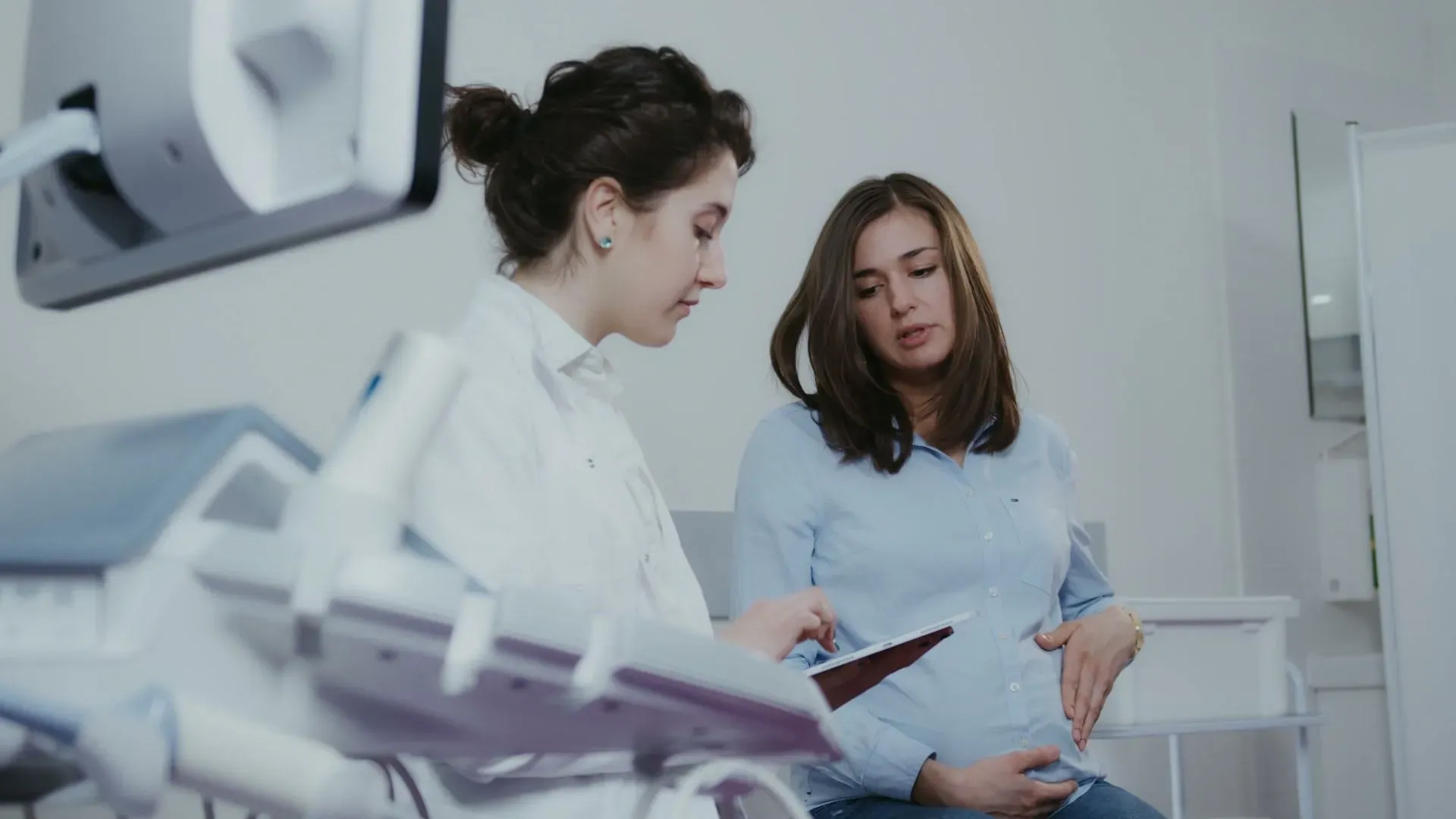
I'm very satisfied with this medical clinic. I had my first pregnancy screening here. It was affordable and very professional. The radiologist was welcoming, kind, and made the experience great.
Aizhan Tokmanbetova
Hurt my knee Friday night and got an MRI appointment Sunday evening (booked Sunday afternoon). Waited about 2 minutes and was done in just over 30 minutes. The team was amazing, friendly and efficient.
Kirsten Evans
Dr. Osama's team was gentle and amazing. After a bad experience elsewhere, my pelvic exam here was much more professional. Great report and very precise.
Mary


Fertility Evaluation in Dubai: Comprehensive Tubal Assessment & Fertility Workup
Expert gynecologists guiding your fertility journey with advanced diagnostics at Dubai Healthcare City
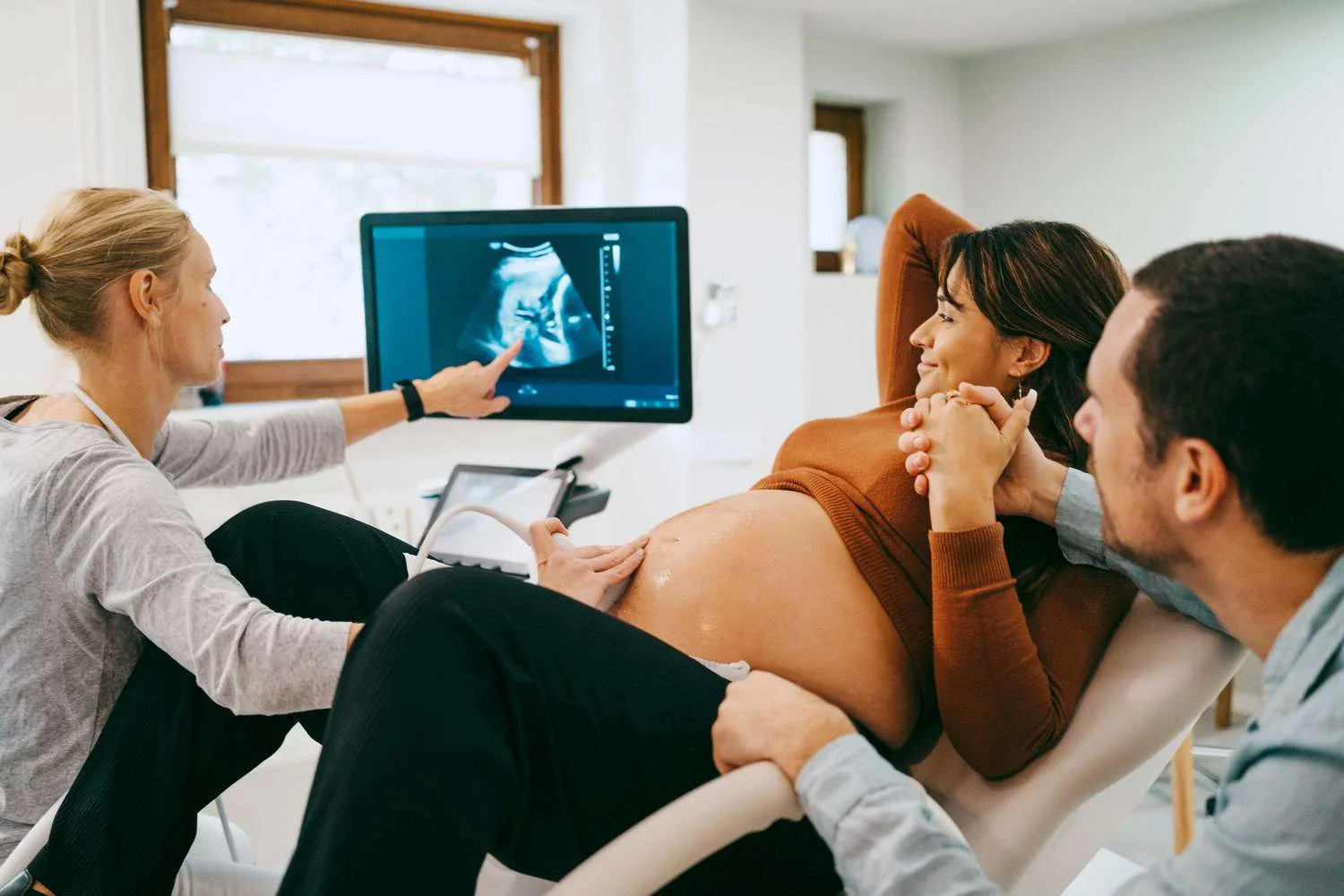
Comprehensive Workup
Fertility evaluation combining hormonal, imaging, and tubal assessment under one roof
Expert Gynecologists
Experienced specialists who guide your fertility journey from diagnosis to treatment
Tubal Assessment
HSG and ultrasound to evaluate fallopian tube patency and uterine health
Personalized Plan
Individualized treatment strategy based on your complete fertility profile
An HSG fertility test in Dubai is often the first step on your fertility journey, and you do not have to navigate it alone. At Doctors Clinic Diagnostic Center in DCDC, our experienced gynecologists provide compassionate, evidence-based fertility evaluations designed to identify the cause of difficulty conceiving and create a clear path forward. Whether you have been trying for a few months or several years, our team is here to support you with thorough testing, honest guidance, and a personalized treatment strategy.
Tubal factor infertility, where one or both fallopian tubes are blocked or damaged, accounts for approximately 25-30% of female infertility cases. A tubal patency test in Dubai through HSG is the standard diagnostic approach. Hysterosalpingography (HSG) is a key component of the fertility workup that evaluates whether the fallopian tubes are open and the uterine cavity is structurally normal. At DCDC, HSG is performed as part of a broader fertility assessment rather than as an isolated imaging procedure, ensuring that your results are interpreted in the full context of your reproductive health. Learn more about the HSG procedure and costs in Dubai.
A comprehensive fertility workup at DCDC typically includes a detailed medical history review, pelvic ultrasound to assess the uterus and ovaries, hormone testing (including FSH, LH, AMH, estradiol, prolactin, and thyroid function), and tubal assessment via HSG. Your gynecologist coordinates all of these investigations and reviews the combined results with you to develop an individualized plan, whether that involves lifestyle modifications, ovulation induction, surgical intervention, or referral for assisted reproduction.
Knowing when to seek fertility evaluation is important. International guidelines recommend that women under 35 who have been trying to conceive for 12 months without success should seek evaluation, while women over 35 should seek help after just 6 months. Women with known risk factors such as irregular periods, a history of pelvic infections, endometriosis, or prior abdominal surgery may benefit from earlier assessment. Our gynecologists help you understand whether testing is appropriate and guide you through each step with sensitivity and clarity.
At DCDC, we believe that fertility evaluation should be thorough yet efficient, minimizing both emotional stress and unnecessary delays. Our clinic offers the convenience of on-site imaging, laboratory testing, and specialist consultations within a single healthcare campus in DHCC, so you can complete your workup without coordinating between multiple facilities. For guidance on what to expect during and after HSG, read our HSG side effects and recovery guide.
Comprehensive Workup
Fertility evaluation combining hormonal, imaging, and tubal assessment under one roof
Expert Gynecologists
Experienced specialists who guide your fertility journey from diagnosis to treatment
Tubal Assessment
HSG and ultrasound to evaluate fallopian tube patency and uterine health
Personalized Plan
Individualized treatment strategy based on your complete fertility profile
Fertility Evaluation in Dubai: Comprehensive Tubal Assessment & Fertility Workup
Expert gynecologists guiding your fertility journey with advanced diagnostics at Dubai Healthcare City
An HSG fertility test in Dubai is often the first step on your fertility journey, and you do not have to navigate it alone. At Doctors Clinic Diagnostic Center in DCDC, our experienced gynecologists provide compassionate, evidence-based fertility evaluations designed to identify the cause of difficulty conceiving and create a clear path forward. Whether you have been trying for a few months or several years, our team is here to support you with thorough testing, honest guidance, and a personalized treatment strategy.
Tubal factor infertility, where one or both fallopian tubes are blocked or damaged, accounts for approximately 25-30% of female infertility cases. A tubal patency test in Dubai through HSG is the standard diagnostic approach. Hysterosalpingography (HSG) is a key component of the fertility workup that evaluates whether the fallopian tubes are open and the uterine cavity is structurally normal. At DCDC, HSG is performed as part of a broader fertility assessment rather than as an isolated imaging procedure, ensuring that your results are interpreted in the full context of your reproductive health. Learn more about the HSG procedure and costs in Dubai.
A comprehensive fertility workup at DCDC typically includes a detailed medical history review, pelvic ultrasound to assess the uterus and ovaries, hormone testing (including FSH, LH, AMH, estradiol, prolactin, and thyroid function), and tubal assessment via HSG. Your gynecologist coordinates all of these investigations and reviews the combined results with you to develop an individualized plan, whether that involves lifestyle modifications, ovulation induction, surgical intervention, or referral for assisted reproduction.
Knowing when to seek fertility evaluation is important. International guidelines recommend that women under 35 who have been trying to conceive for 12 months without success should seek evaluation, while women over 35 should seek help after just 6 months. Women with known risk factors such as irregular periods, a history of pelvic infections, endometriosis, or prior abdominal surgery may benefit from earlier assessment. Our gynecologists help you understand whether testing is appropriate and guide you through each step with sensitivity and clarity.
At DCDC, we believe that fertility evaluation should be thorough yet efficient, minimizing both emotional stress and unnecessary delays. Our clinic offers the convenience of on-site imaging, laboratory testing, and specialist consultations within a single healthcare campus in DHCC, so you can complete your workup without coordinating between multiple facilities. For guidance on what to expect during and after HSG, read our HSG side effects and recovery guide.

Dr. Parisa Dini
Explore Our Services
Comprehensive fertility assessment — hsg & tubal evaluation services at DCDC Dubai Healthcare City.

Pregnancy Care
Comprehensive antenatal care and pregnancy management once you conceive.
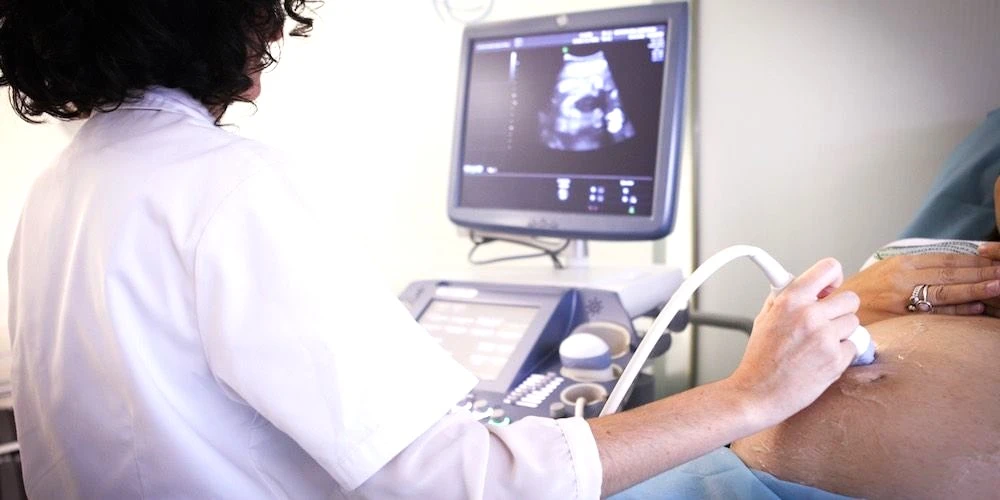
Prenatal Ultrasound
Advanced 3D fetal imaging and well-being scans during pregnancy.
Gynecology Consultation
General women's health assessment, screening, and reproductive care.
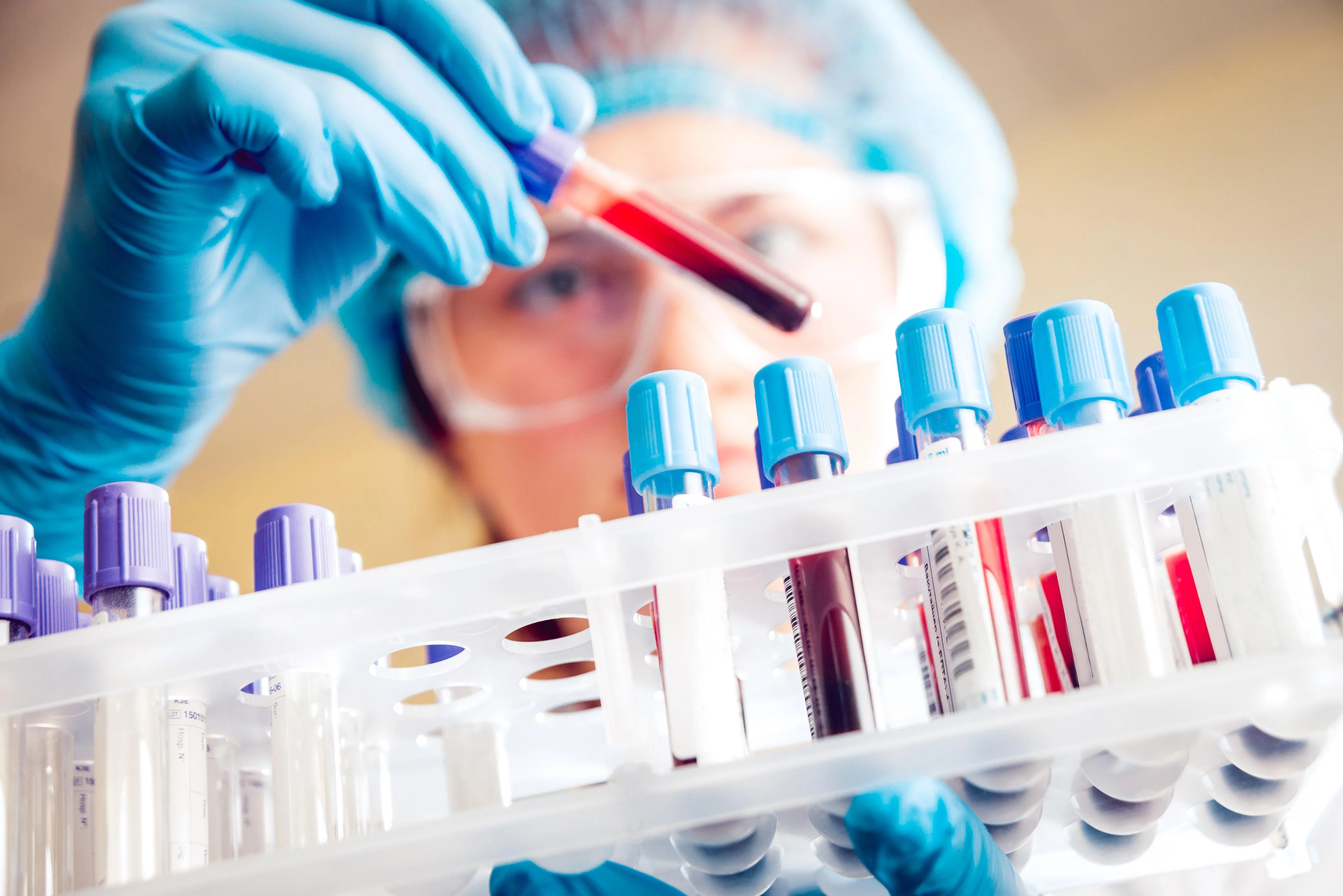
Hormone Testing
Fertility hormone panels including FSH, LH, AMH, estradiol, and thyroid.
All services performed by DHA-licensed specialists
Who Should Consider a Fertility Evaluation?
Fertility evaluation is recommended when conception has not occurred despite regular unprotected intercourse, or when risk factors for reproductive issues are present. Early assessment can save valuable time and guide effective treatment.
Women under 35 who have been trying to conceive for 12 months without success
Women over 35 who have not conceived after 6 months of trying
Women with irregular, absent, or very painful menstrual cycles
History of pelvic inflammatory disease (PID) or sexually transmitted infections
History of ectopic pregnancy or prior tubal surgery
Known or suspected endometriosis affecting fertility
Why Choose DCDC for Fertility Evaluation?
MOHAP-licensed clinic in our facility with experienced gynecologists, on-site diagnostics, and a compassionate approach to fertility assessment.
Fertility-Focused Gynecologists
Experienced gynecologists with expertise in reproductive health, fertility workups, and evidence-based treatment planning.
MOHAP Licensed Facility
Accredited diagnostic center in our center (License NIMY7VY5-240925) with strict clinical standards.
Comprehensive On-Site Diagnostics
HSG, pelvic ultrasound, blood hormone panels, and imaging all available within our DHCC campus for efficient evaluation.
Compassionate Patient Care
Supportive environment with sensitive communication, recognizing the emotional weight of the fertility journey.
Insurance & Billing Support
Direct billing with 20+ insurers including Daman, AXA, Bupa, and Cigna. Pre-authorization handled by our team.
Convenient DHCC Location
Building 64, Block A, DCDC. Free parking and easy access for frequent visits during your evaluation.
Your Comfortable Visit
A simple, step-by-step Fertility scan process designed for comfort, speed, and accuracy.
Fertility Evaluation Pricing
Fertility pricing in Dubai varies by service type and insurance coverage for various service types.
- Pricing varies by scan type and whether contrast is required
- Insurance coverage accepted with referral and verification
- Transparent self-pay rates available with instant quote on request
Insurance verification in minutes • No hidden fees • Fast response on WhatsApp
Patient Guide
What to Expect During Your Fertility Evaluation
A structured, compassionate approach to understanding your reproductive health and identifying the right path forward.
Insurance & Location
Insurance Partners
- •20+ insurance providers in Dubai including Daman, AXA, ADNIC, and others
- •Pre-authorization support and direct billing (where applicable)
- •Coverage verification before your appointment at our Dubai Healthcare City clinic
- •Transparent pricing with no hidden fees for fertility assessment — hsg & tubal evaluation services








Visit Us in Dubai Healthcare City
Doctors Clinic Diagnostic Center
Building 64, Block A, Al Razi Medical Complex, Dubai Healthcare City, Dubai, UAE
Near Oud Metha Road · Easy access from Bur Dubai, Downtown Dubai, Business Bay · Free dedicated parking available
Working Hours
Mon-Thu, Sat: 8AM - 10:30PM | Sun: 8:30AM - 10:30PM | Fri: 9AM - 10PM
How Insurance Works at DCDC
Check Coverage
Verify your plan covers Fertility Assessment — HSG & Tubal Evaluation
Get a Referral
Some insurers require a GP referral — we can guide you
Pre-Authorization
We handle pre-auth directly with your insurer
Direct Billing
No upfront payment — we bill your insurer directly
Co-Pay Only
You only pay any applicable co-pay at the clinic
Check Coverage
Verify your plan covers Fertility Assessment — HSG & Tubal Evaluation
Get a Referral
Some insurers require a GP referral — we can guide you
Pre-Authorization
We handle pre-auth directly with your insurer
Direct Billing
No upfront payment — we bill your insurer directly
Co-Pay Only
You only pay any applicable co-pay at the clinic
Your Specialist
Dr. Parisa Dini
Specialist OB/GYN
MD, Specialist OB/GYN
English · Persian
Patient Guide
Understanding Fertility Evaluation: From Assessment to Treatment
Fertility evaluation is a systematic medical process designed to identify why conception has not occurred and to determine the most effective treatment approach. For women, the evaluation typically addresses three key areas: ovulation (whether eggs are being released regularly), tubal and uterine anatomy (whether the fallopian tubes are open and the uterine cavity is normal), and ovarian reserve (how many eggs remain and their expected quality). Male factor evaluation through semen analysis is equally important, as male factors contribute to infertility in approximately 40% of couples. A comprehensive approach that evaluates both partners simultaneously is the most efficient path to diagnosis.
Tubal factor infertility is one of the most common findings in fertility evaluation. The fallopian tubes play a critical role in reproduction: they capture the egg after ovulation, provide the site where fertilization occurs, and transport the embryo to the uterus for implantation. When tubes are blocked or damaged, this natural process is disrupted. HSG remains the primary screening tool for tubal assessment because it directly visualizes dye flow through the tubes under real-time X-ray guidance. Blockages may be proximal (near the uterus), mid-tubal, or distal (near the ovaries), and the location influences treatment options. Importantly, HSG also evaluates the uterine cavity, which is essential for successful implantation whether conceiving naturally or through assisted reproduction.
Once the fertility evaluation is complete, treatment is tailored to the identified cause. Ovulatory disorders may respond to medications like clomiphene or letrozole that stimulate ovulation. Mild tubal adhesions may benefit from laparoscopic surgery. Uterine abnormalities such as polyps or septa can often be corrected with hysteroscopy. When multiple factors are present, when tube damage is severe, or when simpler treatments have not succeeded, assisted reproductive technologies such as IUI or IVF may be recommended. At DCDC, our gynecologists discuss all options with transparency, helping you understand the expected success rates, timeline, and costs so you can make informed decisions about your fertility treatment pathway.
Fertility Conditions We Evaluate and Manage
Tubal Factor Infertility
Blocked or damaged fallopian tubes diagnosed through HSG, preventing sperm-egg interaction and natural conception.
Ovulatory Disorders
Irregular or absent ovulation identified through hormone testing and cycle monitoring, including anovulation related to PCOS.
Diminished Ovarian Reserve
Reduced egg quantity assessed through AMH levels and antral follicle count, guiding urgency and treatment approach.
Uterine Structural Abnormalities
Fibroids, polyps, septum, or adhesions affecting the uterine cavity detected on HSG or ultrasound that may impair implantation.
Endometriosis-Related Infertility
Fertility impact from endometriotic lesions, adhesions, or endometriomas affecting ovarian function or tubal anatomy.
Polycystic Ovary Syndrome (PCOS)
Hormonal imbalance causing irregular ovulation, elevated androgens, and polycystic ovarian morphology affecting fertility.
Related Articles
HSG Test Cost in Dubai: What to Expect
A comprehensive guide to HSG test pricing in Dubai, insurance coverage, and what factors affect the overall cost of your fertility evaluation.
HSG Test Side Effects & Recovery Guide
What to expect after your HSG procedure, common side effects, recovery timeline, and when to contact your doctor.
Pelvic Ultrasound for Women: Complete Guide
Everything you need to know about pelvic ultrasound, how it complements HSG in fertility assessment, and what to expect during the scan.
Women's Health Screening in Dubai
Essential health screenings every woman should consider, including fertility tests, cervical screening, and preventive care in Dubai.
Related Services
Explore other diagnostic and consultation services available at our Dubai Healthcare City clinic.
Frequently Asked Questions
Common questions about Fertility Assessment — HSG & Tubal Evaluation in Dubai.
International guidelines recommend seeking a fertility evaluation if you are under 35 and have not conceived after 12 months of regular, unprotected intercourse, or after 6 months if you are over 35. However, you should seek earlier assessment if you have known risk factors such as irregular periods, a history of pelvic infections or endometriosis, prior ectopic pregnancy, or PCOS. At DCDC, our gynecologists can help determine whether evaluation is appropriate for your situation and guide you through the process efficiently.
A comprehensive fertility workup typically includes a detailed medical history and physical examination, pelvic ultrasound to assess the uterus, ovaries, and follicle count, blood hormone testing (FSH, LH, AMH, estradiol, prolactin, progesterone, and thyroid function), and hysterosalpingography (HSG) to evaluate fallopian tube patency and uterine cavity shape. Your gynecologist may also recommend a semen analysis for your partner, as male factors contribute to approximately 40% of infertility cases. Additional tests may be ordered based on your individual clinical picture.
Blocked fallopian tubes can result from several causes. Pelvic inflammatory disease (PID), often caused by untreated chlamydia or gonorrhea, is one of the most common causes. Endometriosis can create adhesions and scar tissue around or within the tubes. Prior abdominal or pelvic surgery, including appendectomy or ovarian cyst removal, may lead to post-surgical adhesions. Ectopic pregnancy and its treatment can damage tube structure. In some cases, the cause is unknown. HSG is the primary diagnostic tool for identifying tubal blockages, and your gynecologist will explain the findings and treatment options clearly.
In some cases, yes. The treatment approach depends on the location, extent, and cause of the blockage. Proximal blockages near the uterus can sometimes be opened with selective tubal catheterization, a minimally invasive procedure. Laparoscopic surgery can address distal blockages, remove adhesions, or treat endometriosis-related tubal damage. The HSG procedure itself can sometimes clear minor blockages or mucus plugs. However, if tubes are severely damaged or if surgery is unlikely to restore function, IVF may be recommended as it bypasses the fallopian tubes entirely. Your gynecologist at DCDC will discuss all options based on your specific findings.
A complete fertility evaluation typically takes one to two menstrual cycles to complete. The initial consultation can be scheduled at any time. Some blood tests need to be drawn on specific cycle days (for example, FSH and estradiol on day 2-3, progesterone on day 21), and HSG must be performed between day 7 and 12 of your cycle. At DCDC, we coordinate all tests efficiently to minimize delays. Once all results are available, your gynecologist will schedule a follow-up consultation to review findings and discuss your treatment plan, usually within 4-6 weeks of starting the workup.
Success rates vary depending on the underlying cause, the treatment approach, the woman's age, and other individual factors. For couples where a treatable cause is identified, such as ovulation disorders or mild tubal issues, cumulative pregnancy rates can be quite favorable with appropriate treatment. Ovulation induction combined with timed intercourse may achieve per-cycle pregnancy rates of 10-20%. IUI success rates are typically 10-15% per cycle. IVF success rates vary by age but can range from 30-50% per cycle for women under 38. Your DCDC gynecologist will provide realistic expectations based on your specific diagnosis and treatment plan.
Yes, HSG and pelvic ultrasound provide complementary information. Ultrasound is excellent for evaluating the uterine structure, measuring the endometrial lining, assessing ovarian reserve (antral follicle count), and detecting ovarian cysts, fibroids, or polyps. However, ultrasound cannot reliably assess whether the fallopian tubes are open. HSG specifically evaluates tubal patency by tracking the flow of contrast dye through the tubes. Together, these two investigations provide a comprehensive picture of the anatomical factors affecting your fertility. Your gynecologist may recommend one or both depending on your clinical situation.
Blood tests are an essential part of the fertility workup but cannot tell the whole story on their own. Hormone testing can reveal ovulatory disorders, diminished ovarian reserve, thyroid dysfunction, elevated prolactin, or hormonal imbalances that affect conception. However, structural issues such as blocked fallopian tubes, uterine fibroids, polyps, or adhesions require imaging studies like HSG and ultrasound to detect. A comprehensive fertility evaluation at DCDC combines blood tests with imaging to ensure no significant factor is overlooked.
Key Facts
Medical Review & Oversight
All services are provided under the supervision of licensed medical professionals in our MOHAP-accredited facility.