نکات کلیدی
- Peripheral neuropathy affects approximately 1 in 10 people globally, with diabetes being the leading cause responsible for roughly 30% of all cases
- A neurology consultation for neuropathy evaluation in Dubai costs from AED 500, with EMG/nerve conduction studies ranging AED 800-1,500
- In the UAE, 15-20% of adults have diabetes, and studies show 62% of screened diabetic patients have signs of peripheral neuropathy
- Many neuropathy causes are treatable and potentially reversible, including vitamin B12 deficiency, thyroid disorders, and autoimmune conditions
- EMG and nerve conduction studies are the gold-standard diagnostic tests that objectively measure nerve function and guide treatment decisions
- First-line medications for neuropathic pain include gabapentin, pregabalin, duloxetine, and amitriptyline, which target specific nerve pain pathways
Peripheral neuropathy is a condition that damages the nerves outside the brain and spinal cord, causing numbness, tingling, burning pain, and weakness — most commonly in the hands and feet. If you are experiencing these symptoms, seeking expert neuropathy treatment in Dubai is essential for accurate diagnosis and effective management. With diabetes prevalence in the UAE reaching 15-20% of the adult population, neuropathy is one of the most common neurological conditions seen in Dubai clinics, yet many cases go undiagnosed until significant nerve damage has already occurred.
This guide covers everything you need to know about neuropathy diagnosis and treatment in Dubai — from recognising early symptoms and understanding causes to the diagnostic tests available, treatment options, and what to expect at your appointment. Whether you have diabetic neuropathy, vitamin deficiency-related nerve damage, or unexplained nerve pain, early intervention can prevent progression and significantly improve your quality of life.
Health Screening Packages
Save with our bundled screening packages — specialist consultation included






What Is Neuropathy and Why Does It Matter in Dubai?
Neuropathy — also called peripheral neuropathy — refers to damage or dysfunction of the peripheral nerves, the vast network that carries signals between your brain, spinal cord, and the rest of your body. These nerves control sensation, movement, and automatic functions like heart rate and digestion. When they are damaged, the consequences range from mild tingling to debilitating pain, muscle weakness, and organ dysfunction.
More than 100 distinct types of peripheral neuropathy have been identified, each with different causes, symptoms, and treatment requirements. Globally, approximately 1 in 10 people over the age of 40 are affected. In Dubai and the wider UAE, neuropathy prevalence is particularly high due to the region's elevated rates of diabetes, sedentary lifestyles, and heat-related dehydration that can worsen nerve symptoms.
Understanding the type and cause of your neuropathy is critical because treatment strategies differ dramatically depending on whether nerve damage stems from diabetes, vitamin deficiency, autoimmune disease, medication toxicity, or other factors. A thorough neurological evaluation is the essential first step toward effective management.
Common Causes of Neuropathy
Peripheral neuropathy has numerous potential causes, and identifying the specific one is essential for targeted treatment. Diabetes mellitus is the single most common cause, responsible for approximately 30% of all neuropathy cases worldwide. In the UAE, where diabetes prevalence reaches 15-20% of the adult population, diabetic neuropathy is a particularly significant health concern.
- Diabetes mellitus: Chronic high blood sugar damages nerve fibres through oxidative stress, metabolic byproduct accumulation, and impaired nerve blood supply. A 2023 UAE study found that 62% of screened diabetic patients showed signs of diabetic peripheral neuropathy.
- Vitamin deficiencies: B12 deficiency is the most common nutritional cause of neuropathy. B1 (thiamine), B6, folate, and vitamin E deficiencies can also damage nerves. These are often fully reversible with supplementation when detected early.
- Autoimmune disorders: Guillain-Barré syndrome (GBS) causes rapid-onset weakness and numbness, while chronic inflammatory demyelinating polyneuropathy (CIDP) produces similar symptoms that develop gradually over months.
- Alcohol excess: Chronic alcohol consumption damages nerves both directly through toxicity and indirectly through associated thiamine deficiency, producing painful burning in the feet and legs.
- Medications: Certain chemotherapy drugs, antibiotics (metronidazole, nitrofurantoin), antiretrovirals, and statins can cause neuropathy as a side effect.
- Kidney and thyroid disease: Chronic kidney disease causes uraemic neuropathy, while both hypothyroidism and hyperthyroidism can impair nerve function.
- Infections: HIV, hepatitis C, Lyme disease, and leprosy can all cause peripheral nerve damage.
- Idiopathic neuropathy: In 20-30% of cases, no specific cause is identified despite thorough investigation. These cases are managed symptomatically.
Recognising Neuropathy Symptoms Early
Neuropathy symptoms depend on which nerve fibres are damaged — sensory, motor, or autonomic. Most neuropathies follow a length-dependent pattern, meaning symptoms begin in the toes and feet (where nerves are longest) and gradually ascend to the ankles, lower legs, and eventually the hands. Recognising symptoms early is crucial because treatment is most effective before extensive nerve damage occurs.
Sensory Symptoms
The earliest signs typically include numbness, tingling (pins and needles), or a burning sensation in the toes or soles of the feet. Some patients describe a feeling of walking on cotton wool or wearing invisible socks. As the condition progresses, pain may develop — often described as sharp, stabbing, electric shock-like, or a constant deep ache. Temperature sensitivity and loss of the ability to feel pain from injuries are serious warning signs.
Motor Symptoms
When motor nerves are affected, patients experience muscle weakness, cramping, and eventually visible muscle wasting. This may manifest as difficulty with fine motor tasks like buttoning shirts, frequent tripping due to foot drop, or general weakness in the legs. Balance problems are common when proprioceptive (position-sensing) nerves are damaged.
Autonomic Symptoms
Autonomic neuropathy affects the nerves controlling involuntary functions. Symptoms include abnormal sweating, dizziness on standing (orthostatic hypotension), digestive problems, bladder dysfunction, sexual dysfunction, and abnormal heart rate responses. These symptoms often accompany diabetic neuropathy and can be life-threatening if severe.
If you are experiencing any combination of these symptoms, consulting a neurologist in Dubai is the recommended next step. Early diagnosis can identify treatable causes and prevent irreversible nerve damage.
Neuropathy Diagnosis: EMG, NCV and Blood Tests
Accurate neuropathy diagnosis requires a systematic approach combining clinical examination with objective testing. The diagnostic process at a specialised neurology clinic typically involves three components: detailed clinical assessment, electrodiagnostic testing, and laboratory investigations.
Nerve Conduction Studies (NCS)
Nerve conduction studies involve stimulating peripheral nerves with small electrical impulses through surface electrodes and recording the response. The test measures how fast electrical signals travel along the nerve (conduction velocity) and the strength of the signal (amplitude). Reduced conduction velocity indicates demyelinating neuropathy (damage to the nerve insulation), while reduced amplitude indicates axonal neuropathy (damage to the nerve fibre itself). This distinction dramatically narrows the list of possible causes.
Electromyography (EMG)
EMG uses a thin needle electrode inserted into muscles to evaluate electrical activity at rest and during contraction. Abnormal spontaneous activity such as fibrillation potentials and positive sharp waves indicates active nerve damage. The pattern and distribution of abnormalities help pinpoint the location and severity of nerve involvement. Combined NCS and EMG take 45-60 minutes and are considered the gold-standard diagnostic approach for peripheral neuropathy.
Blood Tests for Neuropathy Causes
A comprehensive blood panel typically includes fasting glucose and HbA1c (diabetes screening), vitamin B12 and folate levels, thyroid function tests, kidney and liver function tests, complete blood count, inflammatory markers (ESR, CRP), and protein electrophoresis. Depending on clinical suspicion, additional tests may include vitamin B6 and copper levels, HIV and hepatitis serology, autoimmune markers (ANA, ANCA), and genetic testing.
Types of Peripheral Neuropathy Explained
Understanding the type of neuropathy you have is essential because each type has different implications for treatment and prognosis. Neurologists classify neuropathies based on the pattern of nerve involvement and the type of nerve fibres affected.
| Neuropathy Type | Nerve Fibres Affected | Key Symptoms | Diagnostic Approach |
|---|---|---|---|
| Distal symmetric polyneuropathy | Sensory and motor (length-dependent) | Numbness, tingling, pain starting in feet | NCS/EMG, blood tests |
| Small fibre neuropathy | Small pain and temperature fibres | Burning pain, temperature sensitivity | Skin biopsy, autonomic testing |
| Large fibre neuropathy | Large sensory and motor fibres | Numbness, weakness, balance problems | Standard NCS/EMG |
| Autonomic neuropathy | Autonomic nervous system | Dizziness, sweating changes, GI issues | Autonomic function tests |
| Mononeuropathy | Single nerve (e.g. carpal tunnel) | Localised numbness or weakness | Targeted NCS/EMG |
| Multifocal neuropathy | Multiple individual nerves | Asymmetric weakness and numbness | Extensive NCS/EMG |
Types of peripheral neuropathy and their distinguishing features
One clinically important distinction is between large fibre and small fibre neuropathy. Standard nerve conduction studies can detect large fibre neuropathy but may be completely normal in pure small fibre neuropathy, which requires specialised testing such as skin biopsy or quantitative sensory testing for diagnosis. This is why a thorough clinical assessment by an experienced neurologist is essential — the examination findings guide the choice of appropriate diagnostic tests.
Experiencing Numbness, Tingling, or Nerve Pain?
Book a neurology consultation at DCDC Dubai Healthcare City for expert neuropathy diagnosis and treatment. Same-day appointments available.
Call +971 56 403 3528 or WhatsApp to book
Diabetic Neuropathy: A Growing Concern in the UAE
Diabetic neuropathy deserves special attention in the UAE context. With approximately 15-20% of the adult population living with diabetes, the UAE has one of the highest diabetes prevalence rates globally. Studies show that 60-70% of all people with diabetes will develop some form of neuropathy during their lifetime, and a 2023 study of UAE expatriates found that 62% of screened diabetic patients already showed signs of peripheral neuropathy.
The mechanism involves chronic hyperglycaemia damaging nerve fibres through multiple pathways, including oxidative stress, accumulation of sorbitol and other harmful metabolic byproducts, and impaired blood supply to the nerves themselves. The damage is progressive and follows a characteristic length-dependent pattern — symptoms begin in the toes and feet, where the longest nerve fibres are most vulnerable, before ascending to involve the legs and eventually the hands.
The American Diabetes Association (ADA) 2025 Standards of Care recommend annual neuropathy screening for all type 2 diabetes patients starting at diagnosis, and for type 1 diabetes patients starting 5 years after diagnosis. Screening involves a simple foot examination assessing sensation with monofilament and tuning fork, reflexes, and skin condition. Early detection through regular screening combined with optimal diabetes management in Dubai can significantly slow progression and prevent serious complications including foot ulcers, infections, and amputation.
The key message for Dubai residents with diabetes is that neuropathy is not inevitable. Maintaining HbA1c below 7%, controlling blood pressure and cholesterol, avoiding smoking, staying physically active, and attending regular screening appointments are all evidence-based strategies that substantially reduce neuropathy risk and slow progression in those already affected.
Neuropathy Treatment Options in Dubai
Effective neuropathy treatment requires a dual approach: treating the underlying cause to halt or reverse nerve damage, and managing symptoms to improve quality of life. The specific treatment plan depends entirely on the neuropathy type and cause identified through diagnostic evaluation.
Treating the Underlying Cause
When a treatable cause is identified, addressing it is the most impactful intervention. Vitamin B12 deficiency neuropathy can improve dramatically or fully reverse with regular B12 injections or high-dose oral supplementation. Diabetic neuropathy progression can be slowed or halted with optimised blood sugar control. Hypothyroid neuropathy resolves with thyroid hormone replacement. Autoimmune neuropathies such as CIDP respond to immunoglobulin therapy, corticosteroids, or plasma exchange. Medication-induced neuropathy often improves when the offending drug is stopped or changed.
Medications for Neuropathic Pain
Neuropathic pain requires specific medications that target the altered nerve signalling pathways — standard painkillers like paracetamol and ibuprofen are generally ineffective. International guidelines from the American Society of Pain and Neuroscience (ASPN) recommend four first-line medication classes:
- Gabapentin (900-3,600 mg/day): Calcium channel-modulating anticonvulsant that reduces nerve hyperexcitability. Started at low doses and gradually increased.
- Pregabalin (150-600 mg/day): Similar mechanism to gabapentin with more predictable absorption. May work faster and at lower doses.
- Duloxetine (60-120 mg/day): SNRI antidepressant that modulates pain pathways in the brain and spinal cord. Particularly effective for diabetic neuropathy.
- Amitriptyline (10-75 mg/day): Tricyclic antidepressant with established efficacy for neuropathic pain, particularly useful when pain disturbs sleep.
- Topical treatments: Lidocaine patches and capsaicin cream provide localised relief for focal neuropathic pain without systemic side effects.
Physiotherapy and Rehabilitation
Physical therapy plays an important role in neuropathy management, particularly for patients with balance problems, muscle weakness, or gait abnormalities. Balance training exercises reduce fall risk in patients with proprioceptive loss. Strengthening exercises maintain muscle function and prevent atrophy. Occupational therapy helps patients adapt daily activities to accommodate sensory or motor deficits. TENS (transcutaneous electrical nerve stimulation) may provide additional pain relief for some patients.
Neuropathy Treatment Cost in Dubai
Understanding the costs involved in neuropathy diagnosis and treatment helps patients plan their care effectively. Most major insurance plans in Dubai cover neurology consultations and diagnostic testing when medically indicated, particularly with a GP referral. Below is a guide to typical costs at DCDC Dubai Healthcare City.
| Service | Duration | Price Range |
|---|---|---|
| Neurology consultation | 30-45 minutes | From AED 500 |
| EMG / nerve conduction study | 45-60 minutes | AED 800-1,500 |
| Blood panel (neuropathy workup) | Same-day results | From AED 300 |
| Follow-up consultation | 20-30 minutes | From AED 400 |
| Brain or spine MRI (if indicated) | 30-45 minutes | From AED 1,500 |
Neuropathy diagnosis and treatment costs at DCDC Dubai Healthcare City (2026)
DCDC offers direct billing with over 20 major insurance providers in Dubai, including Daman, AXA, MetLife, Bupa, and Cigna. Neurology consultations, EMG/NCV studies, and related blood tests are typically covered when medically justified. Self-pay patients can contact the clinic for exact pricing and payment plan options.
Living with Neuropathy: Daily Management Tips
Beyond medical treatment, daily self-care practices are essential for managing neuropathy symptoms and preventing complications. Patients with sensory neuropathy face an elevated risk of unnoticed injuries, particularly to the feet, making protective strategies critically important.
- Daily foot inspection: Check your feet every day for cuts, blisters, redness, swelling, or changes in skin colour. Use a mirror to examine the soles. Patients with diabetic neuropathy who cannot feel injuries are at high risk for foot ulcers and infections.
- Proper footwear: Wear well-fitting shoes that protect your feet. Avoid walking barefoot — even indoors. In Dubai's hot climate, be particularly cautious of hot surfaces like poolside tiles and beach sand that can cause undetected burns.
- Temperature awareness: Test bath water temperature with your elbow rather than your feet. Avoid heating pads on numb areas. Neuropathy patients cannot reliably gauge temperature through affected skin.
- Fall prevention: Install adequate lighting, remove tripping hazards, use handrails on stairs, and consider non-slip bath mats. Balance impairment from neuropathy significantly increases fall risk.
- Blood sugar control: For diabetic patients, maintaining HbA1c below 7% is the single most important modifiable factor for slowing neuropathy progression.
- Regular exercise: Walking, swimming, and cycling improve circulation, help control blood sugar, and may reduce neuropathic pain. Aim for 150 minutes of moderate activity per week.
Addressing nutritional factors is also important. Ensure adequate intake of B vitamins, particularly B12 — deficiency is common in Dubai residents, especially vegetarians and those taking metformin for diabetes. Regular vitamin testing in Dubai can identify and correct deficiencies before they cause additional nerve damage.
Get Expert Neuropathy Care at DCDC
Our neurologists provide comprehensive neuropathy evaluation with on-site EMG/NCV testing, same-floor laboratory, and personalised treatment plans. Most insurance accepted.
Call +971 56 403 3528 or WhatsApp to schedule
When to See a Neurologist for Nerve Pain in Dubai
While mild, intermittent tingling can sometimes be benign, several scenarios warrant urgent or prompt neurological evaluation. Recognising these situations helps ensure timely diagnosis and treatment before irreversible nerve damage occurs.
- Rapidly progressive weakness: Weakness that develops over days to weeks may indicate Guillain-Barré syndrome or other acute neuropathies requiring urgent treatment. Seek emergency evaluation if weakness spreads quickly or affects breathing.
- Persistent numbness or tingling: Symptoms lasting more than two weeks, especially if progressing or spreading, should be evaluated by a neurologist rather than managed with painkillers alone.
- Diabetic foot symptoms: Any new numbness, tingling, or pain in the feet if you have diabetes warrants neuropathy screening. Annual screening is recommended for all diabetic patients.
- Unexplained falls or balance problems: Frequent stumbling, unsteadiness, or falls may indicate proprioceptive neuropathy affecting your body's position-sensing nerves.
- Pain not responding to standard painkillers: Neuropathic pain requires specific medications — if over-the-counter pain relief is ineffective, a neurologist can prescribe targeted neuropathic pain treatment.
- Symptoms following chemotherapy: Monitor for and report new numbness or tingling during or after cancer treatment, as early dose adjustment may prevent permanent nerve damage.
How DCDC Diagnoses and Treats Neuropathy
At DCDC Dubai Healthcare City, neuropathy care follows a systematic approach designed to identify the specific cause and type of nerve damage, then develop a personalised treatment plan. The clinic's integrated facility means neurological consultation, EMG/NCV testing, laboratory investigations, and imaging can all be completed efficiently, often on the same day.
Your journey begins with a detailed clinical assessment by a specialist neurologist, including comprehensive symptom history, medication and exposure review, and thorough neurological examination testing sensation, strength, reflexes, and coordination. Based on examination findings, the neurologist will determine whether electrodiagnostic testing (NCS/EMG) is indicated and order appropriate blood tests to investigate potential causes.
With the same-floor laboratory, blood results for most neuropathy workup tests are available within hours. If MRI is needed to evaluate for spinal cord compression or central nervous system causes, DCDC's on-site MRI suite with 1.5T and 3T scanners provides high-resolution imaging without the need for external referral. This integrated approach means patients often receive a preliminary diagnosis and initial treatment plan within a single visit.
DCDC is located in Building 64, Block A, Dubai Healthcare City, with free parking, wheelchair-accessible entrance, and same-day appointments. The clinic accepts most major insurance plans with direct billing and offers self-pay options for uninsured patients. For patients with diabetic neuropathy, coordination with DCDC's internal medicine and diabetes care team ensures comprehensive management of both the underlying condition and its neurological complications.
خدمات مرتبط در DCDC
مراقبت تخصصی و تشخیص پیشرفته در شهر بهداشت دبی
Frequently Asked Questions
Final Thoughts on Neuropathy Treatment in Dubai
Peripheral neuropathy is a common and often treatable condition that significantly impacts quality of life when left undiagnosed. The critical takeaway is that many neuropathy causes — including vitamin deficiencies, thyroid disorders, and autoimmune conditions — are reversible with appropriate treatment, and even diabetic neuropathy progression can be substantially slowed with optimal management. Early diagnosis through specialist neurological evaluation, EMG/NCV testing, and comprehensive blood work is the key to achieving the best possible outcomes.
If you are experiencing persistent numbness, tingling, burning pain, or weakness in your hands or feet, do not dismiss these symptoms or rely on painkillers alone. Book a neurology consultation at DCDC Dubai Healthcare City for expert evaluation. With on-site EMG testing, same-floor laboratory, and coordination with diabetes and internal medicine specialists, DCDC provides comprehensive neuropathy care under one roof. Call +971 56 403 3528 or WhatsApp to schedule your appointment.
منابع و مراجع
این مقاله توسط تیم پزشکی ما بررسی شده و به منابع زیر ارجاع میدهد:
- Mayo Clinic — Peripheral Neuropathy: Symptoms and Causes
- Cleveland Clinic — Peripheral Neuropathy
- ADA Standards of Care 2025 — Retinopathy, Neuropathy, and Foot Care (Section 12)
- ASPN SWEET Guidelines — Neuropathic Pain Treatment (PMC)
- NIH NINDS — Peripheral Neuropathy Fact Sheet
- Johns Hopkins Medicine — Peripheral Neuropathy
محتوای پزشکی این سایت توسط پزشکان دارای مجوز DHA بررسی میشود. مشاهده سیاست تحریریه برای اطلاعات بیشتر.

نوشته شده توسط
Dr. Riad Trabulsi
Neurologist
MD, Neurology
Dr. Riad Trabulsi is a Neurologist at Doctors Clinic Diagnostic Center (DCDC) in Dubai Healthcare City.
Related Articles

Best Neurologist Dubai: Brain & Nerve Specialist (2026)
Diabetes Management Dubai: Complete Guide (2026)

Migraine Treatment Dubai: Relief & Prevention (2026)

Carpal Tunnel: Non-Surgical Treatment Dubai (2026)

Vitamin D Deficiency Dubai: Signs & Treatment (2026)
More in General Health

Post-Surgical Care at Home Dubai: Guide (2026)
بیشتر بخوانید
Corporate Wellness Dubai: Programs & Cost (2026)
بیشتر بخوانیدPre Employment Medical Test Dubai: Cost (2026)
بیشتر بخوانید
Bronchitis Treatment Dubai: Symptoms & Care (2026)
بیشتر بخوانید
Wound Care at Home Dubai: Full Guide (2026)
بیشتر بخوانید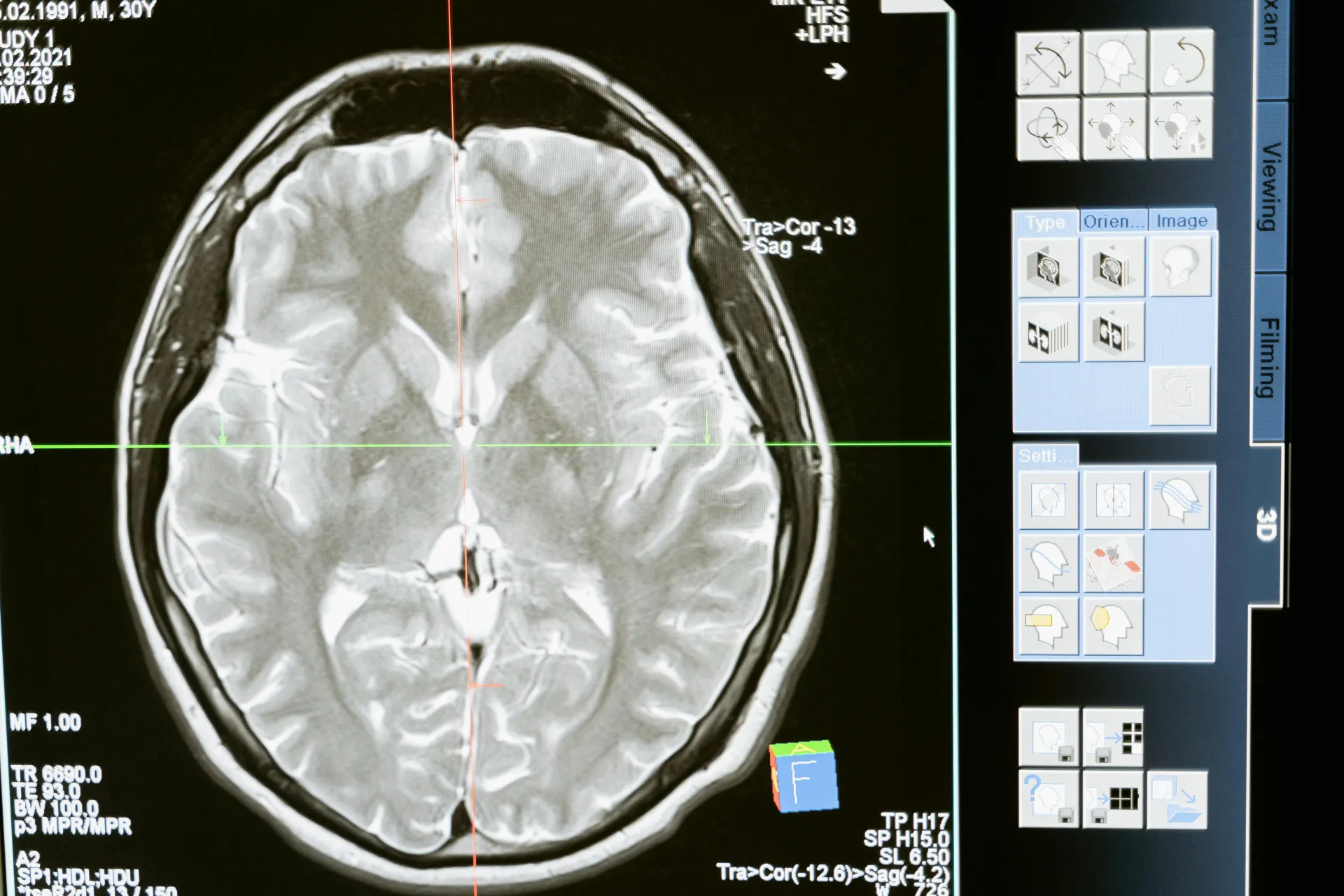
Dizziness Causes Dubai: When to Get Checked (2026)
بیشتر بخوانید© 2026 Doctors Clinic Diagnostic Center (DCDC), Dubai Healthcare City. Originally published at https://doctorsclinicdubai.ae/blog/neuropathy-treatment-dubai. All rights reserved. Unauthorized reproduction is prohibited.