
Termin vereinbaren
Verifizierte Patientenbewertungen des DCDC Diagnosezentrum in Dubai
Verifizierte Bewertungen und echte Patientenberichte aus Dubai Healthcare City
Ich bin sehr zufrieden mit dieser medizinischen Klinik. Ich hatte hier mein erstes Schwangerschaftsscreening. Es war erschwinglich und sehr professionell. Der Radiologe war einladend, freundlich und machte die Erfahrung großartig.
Aizhan Tokmanbetova
Am Freitagabend habe ich mir das Knie verletzt und am Sonntagabend einen MRT-Termin bekommen (am Sonntagnachmittag gebucht). Ich habe etwa 2 Minuten gewartet und war in etwas mehr als 30 Minuten fertig. Das Team war erstaunlich, freundlich und effizient.
Kirsten Evans
Das Team von Dr. Osama war sanft und erstaunlich. Nach einer schlechten Erfahrung anderswo war meine Beckenuntersuchung hier viel professioneller. Toller Bericht und sehr präzise.
Mary

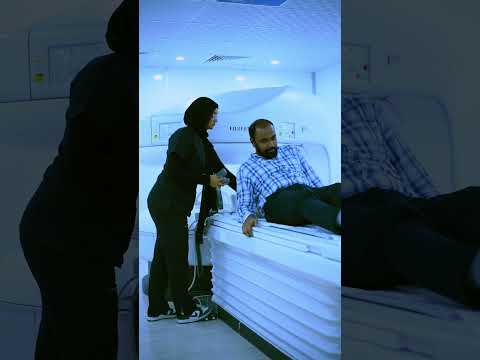

MRT in Dubai: Fortschrittliche Diagnostische Bildgebung
Klare Antworten ohne Strahlung. Detaillierte Bildgebung von Gehirn, Wirbelsäule, Gelenken und Weichgewebe
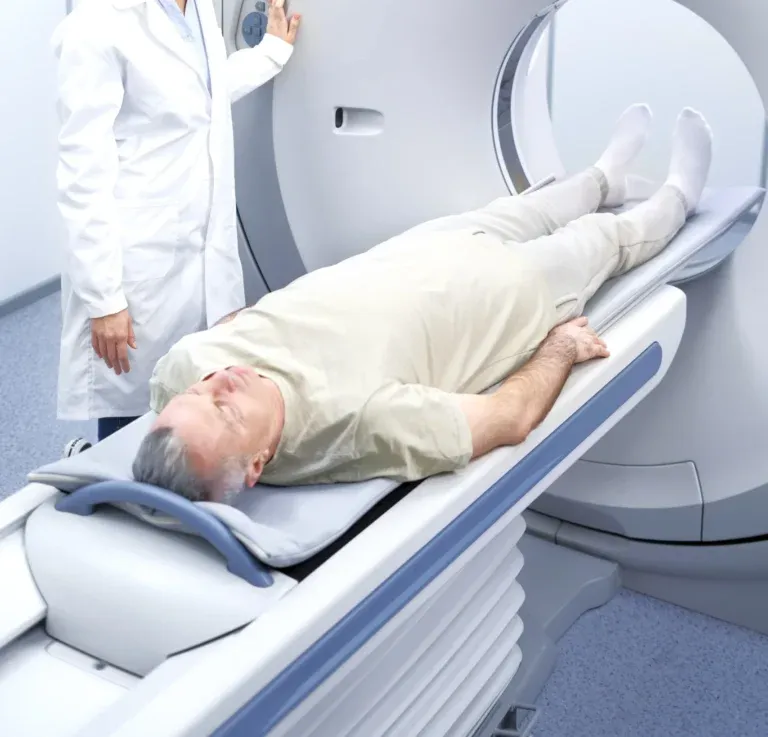
Keine Strahlung
Sicherer, nicht-invasiver MRT-Scan mit Magnetfeldern ohne Röntgenstrahlen oder ionisierende Strahlung
Goldstandard der Bildgebung
Überlegene Weichgewebevisualisierung für genaue Diagnose von neurologischen und muskuloskelettalen Zuständen
Ergebnisse am gleichen Tag
Experten-Radiologenbefundung innerhalb von 24 Stunden in unserer Dubai Healthcare City Einrichtung
Sub-Spezialisten-Radiologen-Überprüfung
Jede Untersuchung wird von Radiologen überprüft, die auf bestimmte Körperbereiche für präzise Diagnose spezialisiert sind
Die MRT verwendet Magnetfelder und Radiowellen, um detaillierte Bilder der inneren Strukturen Ihres Körpers zu erstellen. Keine Strahlung beteiligt. Es ist der Goldstandard für die Bewertung von Weichgewebe, neurologischen Zuständen und muskuloskelettalen Verletzungen, da die Bildklarheit unübertroffen ist. Wir bieten Termine am gleichen Tag mit Ergebnissen, die in der Regel innerhalb von 24 Stunden fertig sind.
Ihr Arzt kann eine MRT empfehlen, wenn Röntgenaufnahmen oder CT-Scans nicht zeigen können, was sie sehen müssen. Rückenschmerzen, anhaltende Kopfschmerzen, Sportverletzungen, Gelenkprobleme - all diese profitieren von der detaillierten Visualisierung, die nur die MRT bietet. Unser 1.5T-Scanner mit großer Öffnung hat eine 70cm-Öffnung, die erheblich größer ist als Standardgeräte.
Jede Untersuchung wird von Sub-Spezialisten-Radiologen überprüft, die sich auf bestimmte Körperbereiche konzentrieren. Gehirn-, Wirbelsäulen-, muskuloskelettale oder Bauchbildgebung. Für Patienten, die geschlossene Räume als schwierig empfinden, bieten wir auch offenes MRT als Alternative an. Die Klinik befindet sich in Dubai Healthcare City mit kostenlosem Parkplatz.
Keine Strahlung
Sicherer, nicht-invasiver MRT-Scan mit Magnetfeldern ohne Röntgenstrahlen oder ionisierende Strahlung
Goldstandard der Bildgebung
Überlegene Weichgewebevisualisierung für genaue Diagnose von neurologischen und muskuloskelettalen Zuständen
Ergebnisse am gleichen Tag
Experten-Radiologenbefundung innerhalb von 24 Stunden in unserer Dubai Healthcare City Einrichtung
Sub-Spezialisten-Radiologen-Überprüfung
Jede Untersuchung wird von Radiologen überprüft, die auf bestimmte Körperbereiche für präzise Diagnose spezialisiert sind
MRT in Dubai: Fortschrittliche Diagnostische Bildgebung
Klare Antworten ohne Strahlung. Detaillierte Bildgebung von Gehirn, Wirbelsäule, Gelenken und Weichgewebe
Die MRT verwendet Magnetfelder und Radiowellen, um detaillierte Bilder der inneren Strukturen Ihres Körpers zu erstellen. Keine Strahlung beteiligt. Es ist der Goldstandard für die Bewertung von Weichgewebe, neurologischen Zuständen und muskuloskelettalen Verletzungen, da die Bildklarheit unübertroffen ist. Wir bieten Termine am gleichen Tag mit Ergebnissen, die in der Regel innerhalb von 24 Stunden fertig sind.
Ihr Arzt kann eine MRT empfehlen, wenn Röntgenaufnahmen oder CT-Scans nicht zeigen können, was sie sehen müssen. Rückenschmerzen, anhaltende Kopfschmerzen, Sportverletzungen, Gelenkprobleme - all diese profitieren von der detaillierten Visualisierung, die nur die MRT bietet. Unser 1.5T-Scanner mit großer Öffnung hat eine 70cm-Öffnung, die erheblich größer ist als Standardgeräte.
Jede Untersuchung wird von Sub-Spezialisten-Radiologen überprüft, die sich auf bestimmte Körperbereiche konzentrieren. Gehirn-, Wirbelsäulen-, muskuloskelettale oder Bauchbildgebung. Für Patienten, die geschlossene Räume als schwierig empfinden, bieten wir auch offenes MRT als Alternative an. Die Klinik befindet sich in Dubai Healthcare City mit kostenlosem Parkplatz.
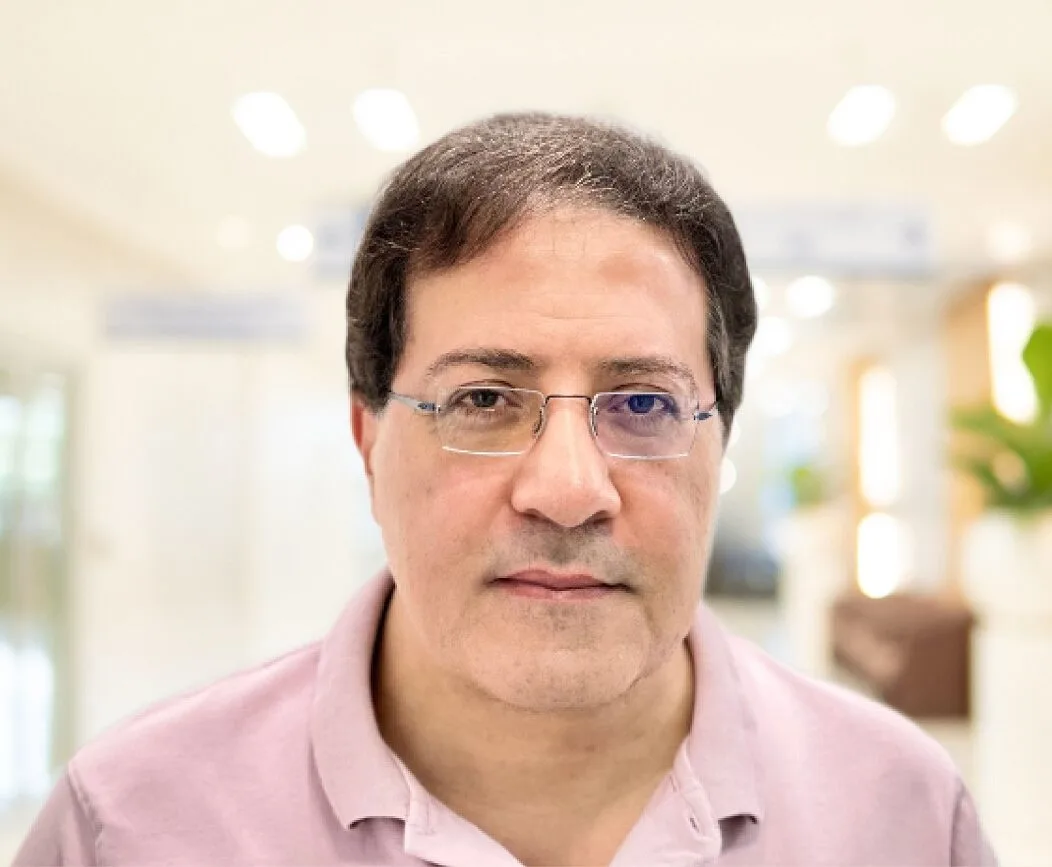
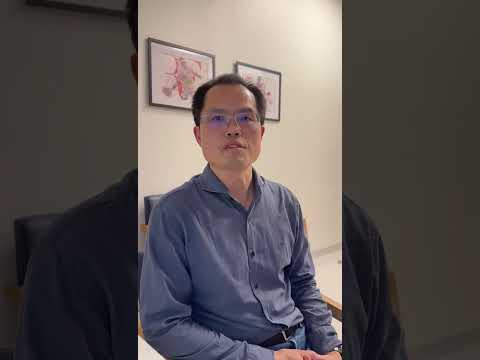
Dr. Osama Elzamzami
Unsere Leistungen entdecken
Wir bieten ein umfassendes Spektrum an MRT-Untersuchungen für Ihre diagnostischen Bedürfnisse.
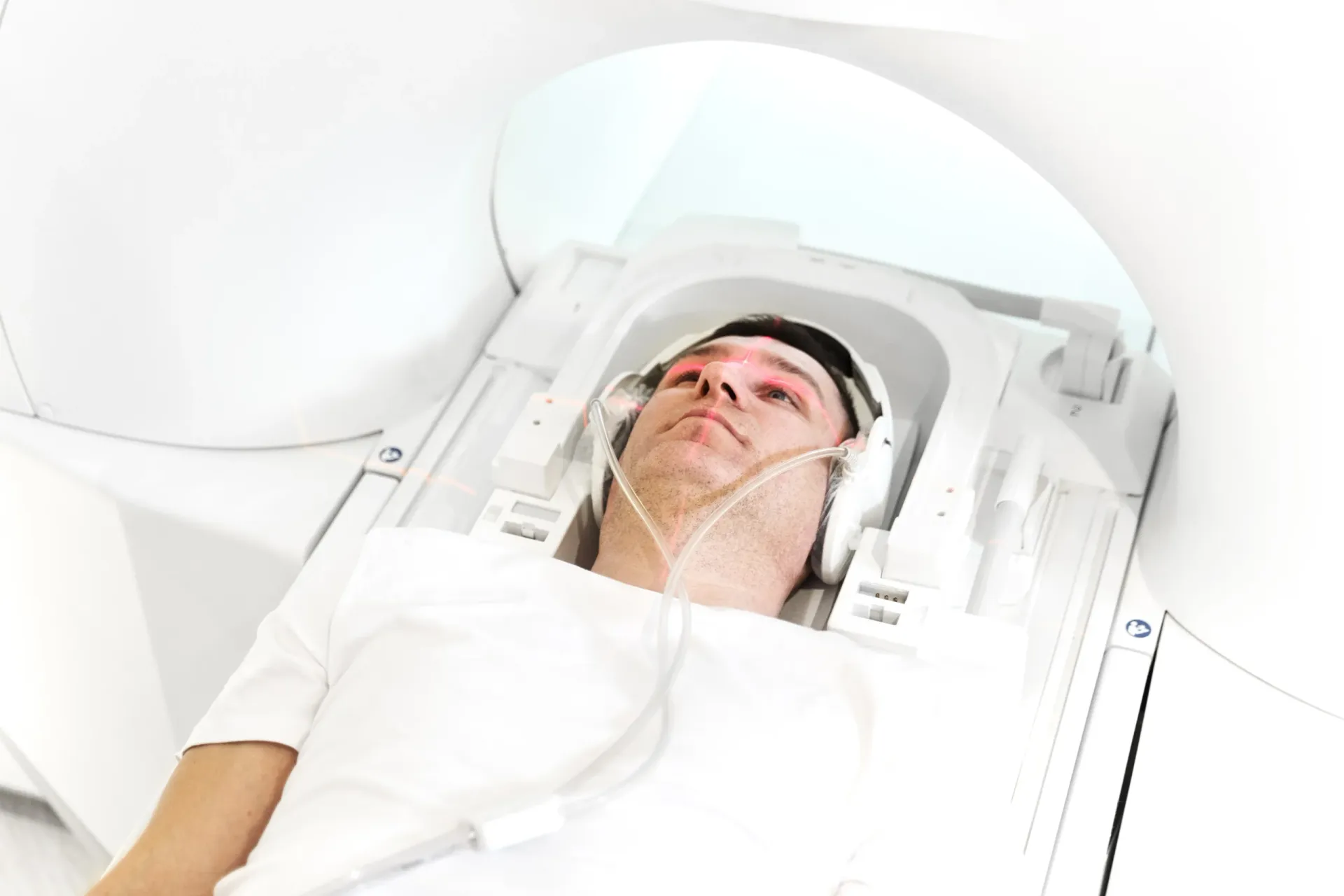
Gehirn-MRT
Detaillierte Bildgebung für Kopfschmerzen, Anfälle, neurologische Symptome und vermutete Tumore oder Schlaganfälle.
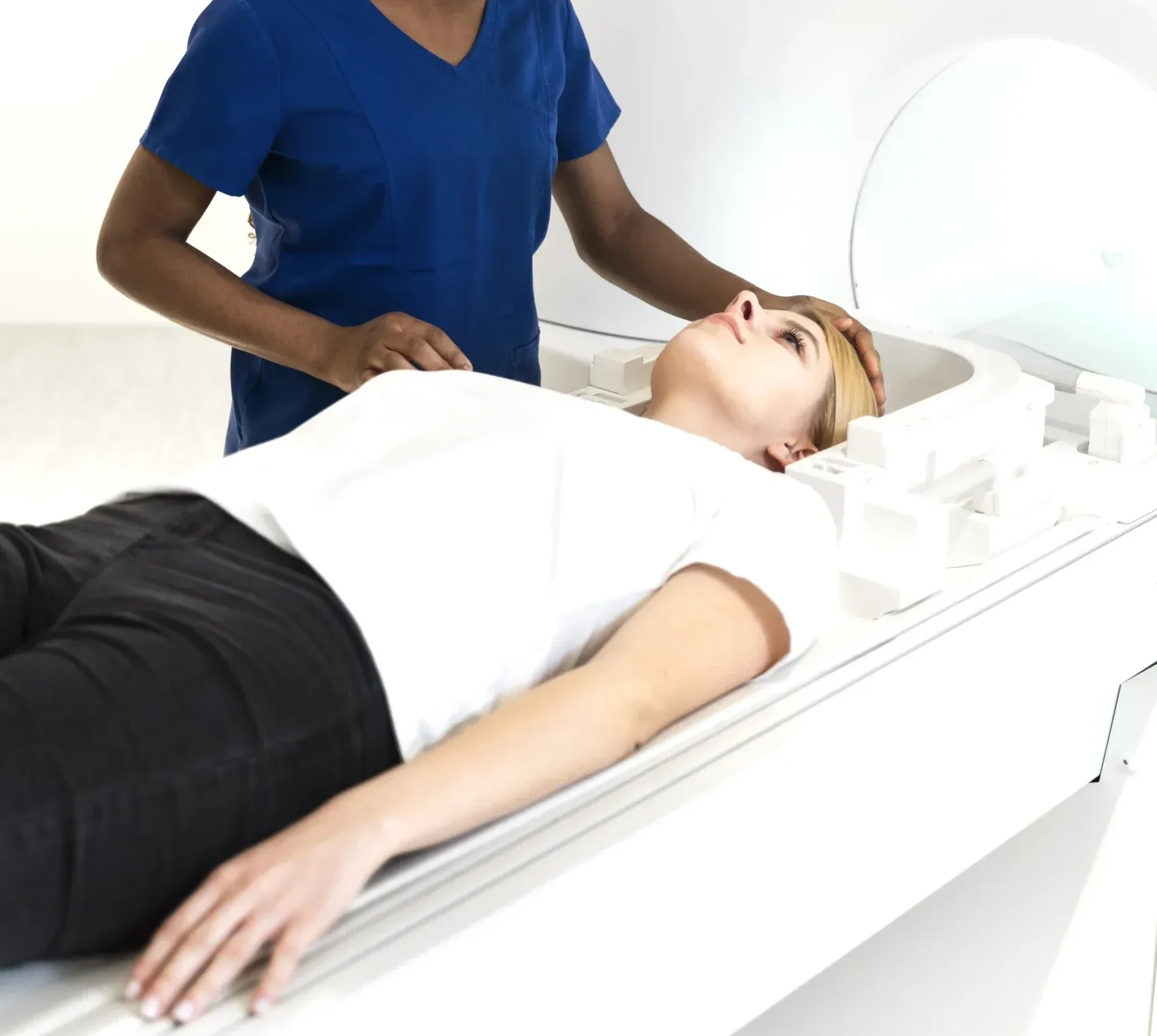
Wirbelsäulen-MRT
Bewertung von Rückenschmerzen, Bandscheibenvorfällen, Ischias und Rückenmarkserkrankungen.
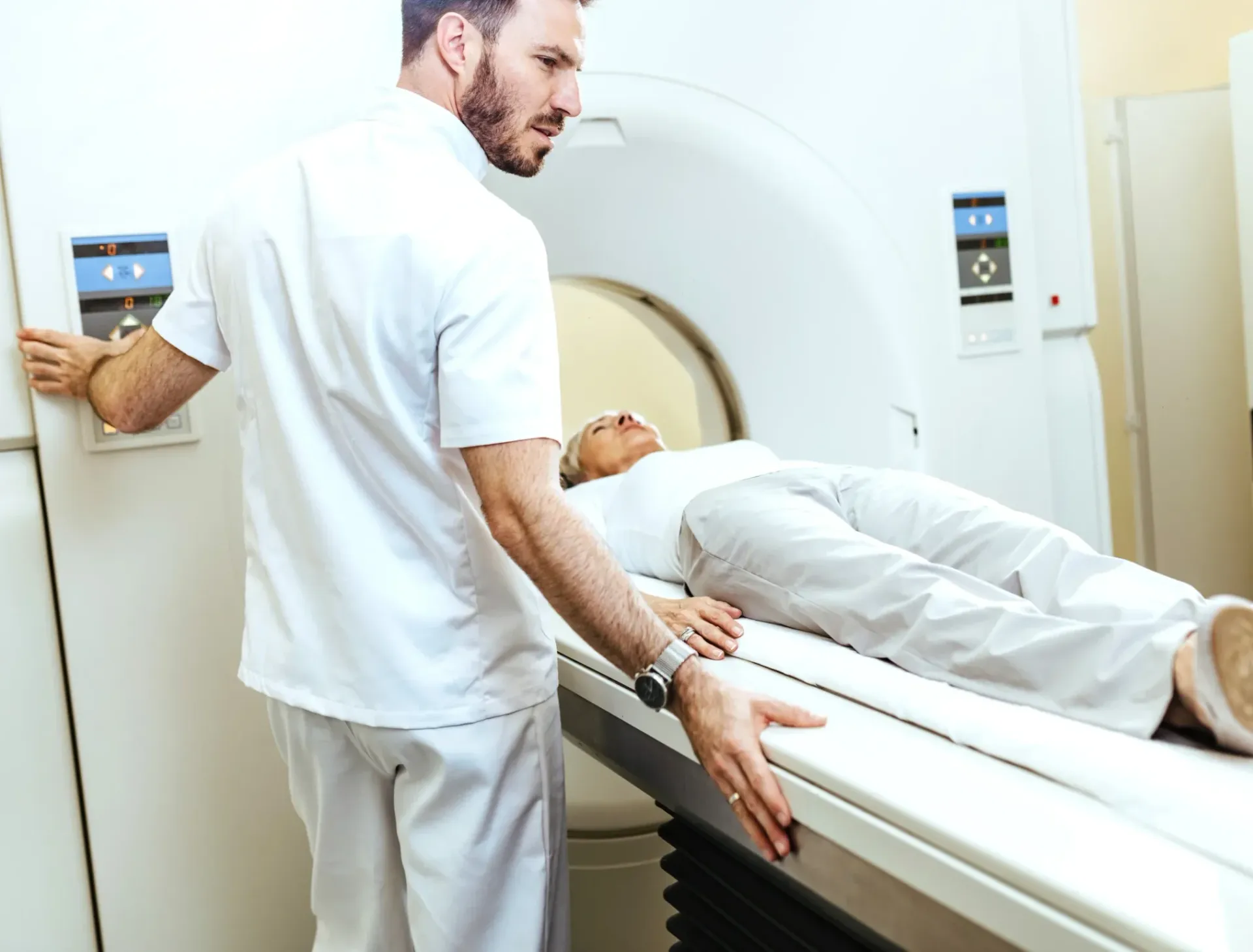
Gelenk- und Muskuloskelettale MRT
Bewertung von Knie-, Schulter-, Knöchelverletzungen, Bänderrissen und Knorpelschäden.
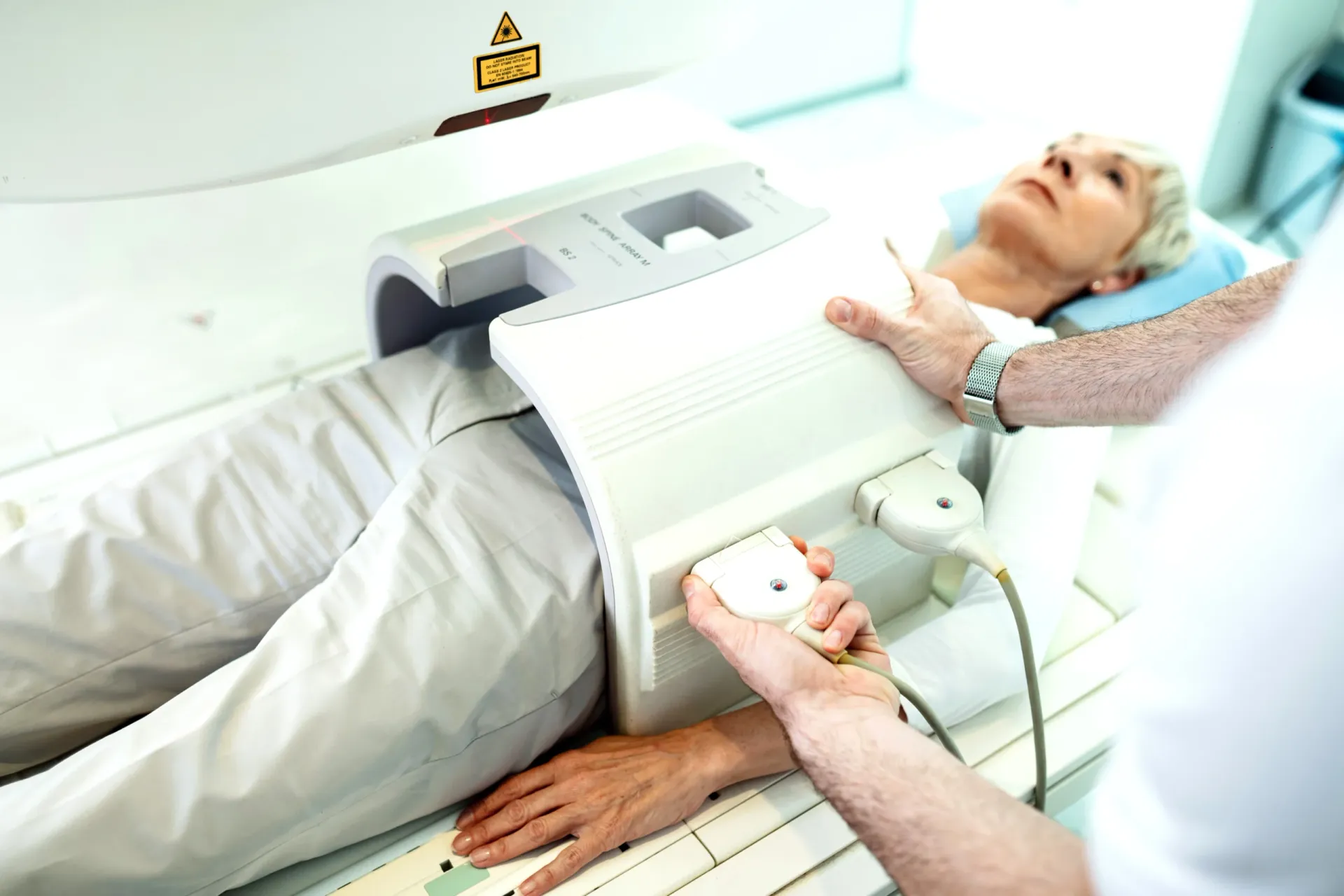
Bauch-MRT
Bildgebung von Leber, Nieren, Bauchspeicheldrüse und anderen Organen mit überlegenen Weichgewebedetails.
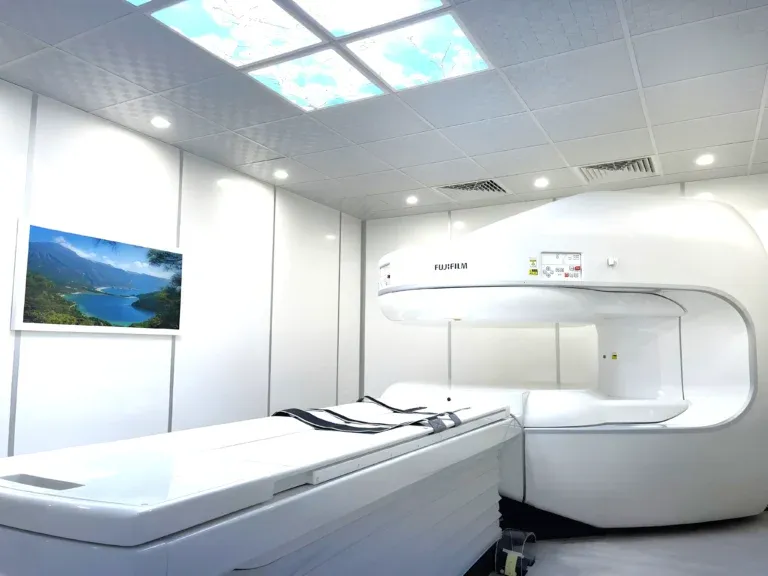
Offenes MRT
Kein geschlossener Tunnel - ideal für Patienten, die Standardscanner als unangenehm empfinden.
Alle Leistungen werden von DHA-lizenzierten Spezialisten durchgeführt
Wer sollte eine MRT machen lassen?
MRT wird empfohlen, wenn Röntgenaufnahmen oder CT-Scans nicht genügend Details liefern können - insbesondere für Weichgewebe, Gelenke, Gehirn und Wirbelsäule. Wenn Ihr Arzt Sie für fortgeschrittene Bildgebung überwiesen hat oder Sie mit anhaltenden Symptomen kämpfen, die Untersuchung erfordern, bietet die MRT die für eine genaue Diagnose erforderliche Klarheit.
Chronische Rücken- oder Nackenschmerzen, Ischias oder vermutete Bandscheibenprobleme
Sportverletzungen, Gelenkschmerzen oder vermutete Bänder-/Knorpelrisse
Anhaltende Kopfschmerzen, Schwindel, Anfälle oder neurologische Symptome
Ungeklärte Bauchschmerzen oder Bedenken bezüglich Leber, Nieren oder Bauchspeicheldrüse
Arthritis-Bewertung oder Knochenmarkanomalien
Nachfolge-Bildgebung für Tumore, Zysten oder Weichgewebemassen
Warum DCDC für Ihre MRT wählen?
MOHAP-lizenziertes Bildgebungszentrum mit Sub-Spezialisten-Radiologen, Optionen für große Öffnung und offenes MRT, und Ergebnisse innerhalb von 24 Stunden. Wir priorisieren sowohl diagnostische Genauigkeit als auch Patientenkomfort.
MOHAP-lizenziert
Vollständig akkreditiertes Diagnosezentrum, das internationale Bildgebungsstandards erfüllt. Lizenz NIMY7VY5-240925.
Schnelle Ergebnisse
Berichte innerhalb von 18-24 Stunden fertig. Berichte am gleichen Tag verfügbar für dringende Fälle wenn klinisch notwendig.
Versicherungsunterstützung
Direktabrechnung mit über 20 Versicherern. Unser Team kümmert sich um die Vorabgenehmigung, damit Sie sich auf Ihre Gesundheit konzentrieren können.
Praktischer Standort
Gebäude 64, Block A in Dubai Healthcare City. Kostenloser Parkplatz und einfacher Zugang von wichtigen Bezirken.
Sub-Spezialisten-Radiologen
Jede Untersuchung wird von einem Radiologen überprüft, der auf diesen bestimmten Körperbereich spezialisiert ist. Gehirn, Wirbelsäule, Gelenke oder Bauch.
Patientenerfahrung
4.8/5 Google-Bewertung. Patienten schätzen die klare Kommunikation, komfortable Umgebung und effizienten Service.
Ihr angenehmer Besuch
Ein einfacher, schrittweiser MRT-Untersuchung-Untersuchungsprozess für Komfort, Schnelligkeit und Genauigkeit.
MRT-Preise
Die MRT-Untersuchung-Preise in Dubai variieren je nach Leistungsart und Versicherungsdeckung für verschiedene Leistungstypen.
- Preise variieren je nach Untersuchungsart und Kontrastmittelbedarf
- Versicherungsdeckung akzeptiert mit Überweisung und Verifizierung
- Transparente Selbstzahlerpreise mit sofortigem Angebot auf Anfrage
Versicherungsverifizierung in Minuten • Keine versteckten Gebühren • Schnelle Antwort auf WhatsApp
Patientenratgeber
Was Sie bei Ihrer MRT erwarten können
Der Prozess ist unkompliziert. Hier ist, was vor, während und nach Ihrer Untersuchung passiert.
Versicherung & Standort
Versicherungspartner
- •Über 20 Versicherungsanbieter in Dubai einschließlich Daman, AXA, ADNIC und andere
- •Vorabgenehmigung-Unterstützung und Direktabrechnung (falls zutreffend)
- •Deckungsüberprüfung vor Ihrem Termin in unserer Klinik in Dubai Healthcare City
- •Transparente Preisgestaltung ohne versteckte Gebühren für mrt-untersuchung-Leistungen







Besuchen Sie uns in Dubai Healthcare City
Doctors Clinic Diagnostic Center
Gebäude 64, Block A, Al Razi Medical Complex, Dubai Healthcare City, Dubai, VAE
Nahe der Oud Metha Road · Einfacher Zugang von Bur Dubai, Downtown Dubai, Business Bay · Kostenlose Patientenparkplätze verfügbar
Öffnungszeiten
Mo-Do, Sa: 8:00 - 22:30 Uhr | So: 8:30 - 22:30 Uhr | Fr: 9:00 - 22:00 Uhr
So funktioniert die Versicherung bei DCDC
Deckung prüfen
Überprüfen Sie, ob Ihr Plan MRT-Untersuchung abdeckt
Überweisung erhalten
Einige Versicherer verlangen eine Überweisung — wir helfen Ihnen gerne
Vorab-Genehmigung
Wir übernehmen die Vorab-Genehmigung direkt mit Ihrem Versicherer
Direktabrechnung
Keine Vorauszahlung — wir rechnen direkt mit Ihrem Versicherer ab
Nur Eigenanteil
Sie zahlen nur den anfallenden Eigenanteil in der Klinik
Deckung prüfen
Überprüfen Sie, ob Ihr Plan MRT-Untersuchung abdeckt
Überweisung erhalten
Einige Versicherer verlangen eine Überweisung — wir helfen Ihnen gerne
Vorab-Genehmigung
Wir übernehmen die Vorab-Genehmigung direkt mit Ihrem Versicherer
Direktabrechnung
Keine Vorauszahlung — wir rechnen direkt mit Ihrem Versicherer ab
Nur Eigenanteil
Sie zahlen nur den anfallenden Eigenanteil in der Klinik
Your Specialist
Dr. Osama Elzamzami
Consultant Radiologist
MD, Consultant Radiologist
Arabic · English
Patientenratgeber
MRT (Magnetresonanztomographie) verstehen
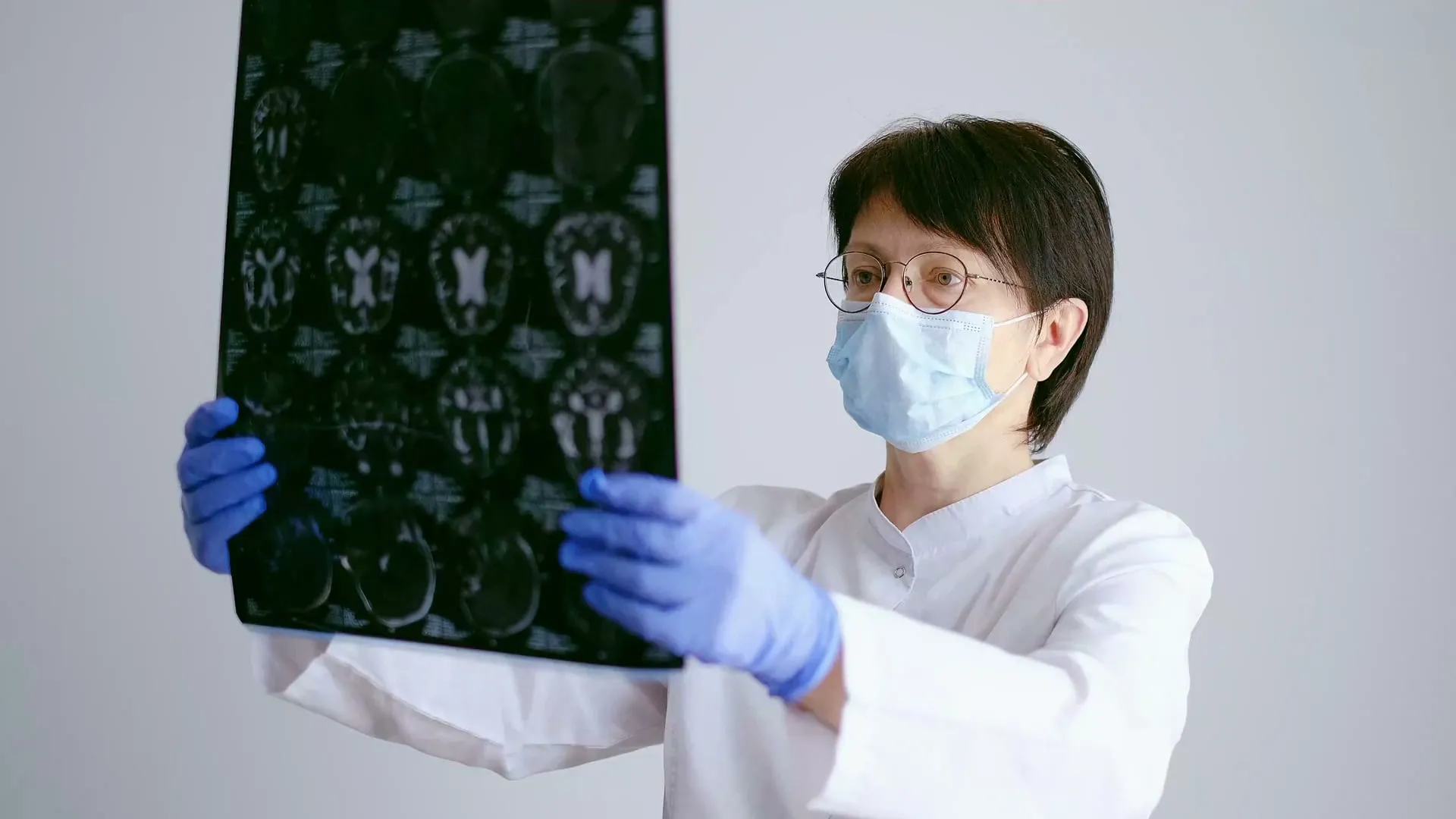
Die Magnetresonanztomographie (MRT) ist eine nicht-invasive Bildgebungstechnik, die starke Magnetfelder und Radiowellen verwendet, um detaillierte Bilder von Organen, Weichteilen und Knochen zu erzeugen. Die MRT verwendet keine ionisierende Strahlung und ist daher äußerst sicher.
Am DCDC im Dubai Healthcare City stehen mehrere MRT-Geräte zur Verfügung, darunter ein offenes Gerät für Patienten mit Klaustrophobie oder Übergewicht. Spezialisierte MRT-Techniker überwachen die Untersuchung, während erfahrene Radiologen sorgfältig die Befunde auswerten.
MRT-Ergebnisse sind in der Regel innerhalb von 18-24 Stunden verfügbar, mit einem Notfallberichtservice für kritische Fälle am selben Tag. Berichte werden direkt an den überweisenden Arzt übermittelt.
Erkrankungen, die mit MRT bewertet werden
Erkrankungen des zentralen Nervensystems
Diagnose von Hirntumoren, Multipler Sklerose, Schlaganfall, Epilepsie und zerebralen Gefäßanomalien.
Wirbelsäulen- und Bandscheibenerkrankungen
Beurteilung von Bandscheibenvorfällen, Spinalkanalstenose, Wirbelsäulenverletzungen und chronischen Rückenschmerzen.
Gelenkverletzungen und Knorpelerkrankungen
Bildgebung von Bänderrissen, Kreuzbandrissen und Knorpelverletzungen an Knie, Schulter und anderen Gelenken.
Leber- und Baucherkrankungen
Bildgebung von Leber, Pankreas, Nieren und Milz zur Erkennung von Tumoren, Fibrose und strukturellen Anomalien.
Weichteiltumore und -massen
Beurteilung von Weichteiltumoren und Unterscheidung zwischen gutartigen und bösartigen Tumoren.
Herzerkrankungen und große Gefäße
Kardio-MRT zur Beurteilung der Herzfunktion, angeborener Anomalien und Ventrikelfunktion.
Verwandte Artikel
Complete Guide to MRI Scan in Dubai
A comprehensive guide covering MRI types, preparation, what to expect during the scan, and how to understand your results.
Brain MRI in Dubai: What It Detects & Cost
When you need a brain MRI, what it detects, costs in Dubai, and how to prepare for your scan.
Knee MRI in Dubai: What It Shows & Cost
Complete guide to knee MRI for ACL tears, meniscal injuries, and cartilage damage in Dubai.
Spine MRI in Dubai: Cost & What It Shows
Spine MRI for herniated discs, sciatica, and spinal stenosis with pricing guide for Dubai.
Verwandte Leistungen
Entdecken Sie weitere Diagnose- und Beratungsleistungen in unserer Klinik in Dubai Healthcare City.
Häufig gestellte Fragen
Häufige Fragen zu MRT-Untersuchung in Dubai.
Die meisten Untersuchungen dauern 20-45 Minuten. Gehirn-MRT typischerweise 30-40 Minuten, Wirbelsäulen-MRT etwa 45-60 Minuten. Komplexe Studien, die mehrere Bereiche abdecken, dauern länger. Sie können bei Bedarf um Pausen bitten.
Nein, es ist völlig schmerzfrei. Keine Nadeln und keine Strahlung. Sie werden laute Klopfgeräusche hören - das ist normal. Wir stellen Kopfhörer mit Musik zur Verfügung, und Sie können während der gesamten Zeit mit dem Technologen kommunizieren.
Unser Scanner mit großer Öffnung hat eine 70cm-Öffnung - viel größer als Standardgeräte. Für Patienten, die mehr Platz brauchen, bieten wir offenes MRT ohne geschlossenen Tunnel an. Lassen Sie uns bei der Buchung wissen, damit wir Sie unterbringen können.
Ja, für Versicherungsdeckung. Wenn Sie keine haben, können unsere Hausärzte eine Überweisung ausstellen - oft am gleichen Tag wie Ihre Untersuchung.
Normalerweise ja. Bauch- oder Beckenuntersuchungen können 4-6 Stunden Nüchternheit erfordern. Wir geben Ihnen bei der Buchung spezifische Anweisungen.
Viele moderne Implantate sind MRT-kompatibel. Informieren Sie uns bei der Buchung über jegliches Metall in Ihrem Körper. Wir werden die Sicherheit mit der Herstellerdokumentation vor Ihrer Untersuchung verifizieren.
MRT verwendet keine Strahlung, was es sicherer als CT macht. Es wird jedoch typischerweise im ersten Trimester vermieden, es sei denn, es ist medizinisch notwendig. Informieren Sie uns immer, wenn Sie schwanger sind.
MRT verwendet Magnetfelder (keine Strahlung) und ist hervorragend für Weichgewebe, Gehirn, Wirbelsäule und Gelenkbildgebung. CT verwendet Röntgenstrahlen, ist schneller und besser für Knochen, Trauma und Lungenerkrankungen. Ihr Arzt wird das Richtige empfehlen.
Wichtige Fakten
Medizinische Aufsicht
Alle Leistungen werden unter Aufsicht lizenzierter medizinischer Fachkräfte in unserer MOHAP-akkreditierten Einrichtung erbracht.