Wichtigste Erkenntnisse
- Leichte Krämpfe (2-4 Stunden), leichte Schmierblutungen (1-2 Tage) und kurze Schwindelgefühle sind normale Nebenwirkungen nach einem HSG-Test
- Fieber über 38 Grad Celsius, starke Blutungen, die eine Binde pro Stunde durchnässen, oder übel riechender Ausfluss sind Warnsignale, die sofortige ärztliche Hilfe erfordern
- Die meisten Frauen erholen sich innerhalb von 24 bis 48 Stunden vollständig und können am nächsten Tag wieder arbeiten
- Schwere Komplikationen wie Infektionen oder allergische Reaktionen treten in weniger als 1-2% der Fälle auf
- Sie können in der Regel im selben Zyklus nach der HSG versuchen, schwanger zu werden, und einige Studien deuten auf einen kurzzeitigen Fruchtbarkeitsschub hin
Nach Abschluss eines HSG-Tests fragen sich viele Frauen, welche Symptome ein normaler Teil der Erholung sind und welche auf ein Problem hindeuten könnten. Die gute Nachricht ist, dass HSG ein sehr sicheres Verfahren ist und die meisten Nebenwirkungen mild sind und innerhalb von ein bis zwei Tagen von selbst abklingen. Allerdings kann das Wissen um den Unterschied zwischen erwartetem Unbehagen und Warnsignalen Ihnen helfen, sich zuversichtlich zu erholen und bei Bedarf schnell Hilfe zu suchen.
Dieser Leitfaden behandelt alle Nebenwirkungen, die Sie nach einer Hysterosalpingographie erleben können, von den häufigen und harmlosen bis zu den seltenen und besorgniserregenden. Wir bieten auch einen klaren Erholungszeitplan, damit Sie genau wissen, wann Sie zu Ihrer normalen Routine zurückkehren, Sport treiben, Intimität wieder aufnehmen und mit dem Kinderwunsch beginnen können.
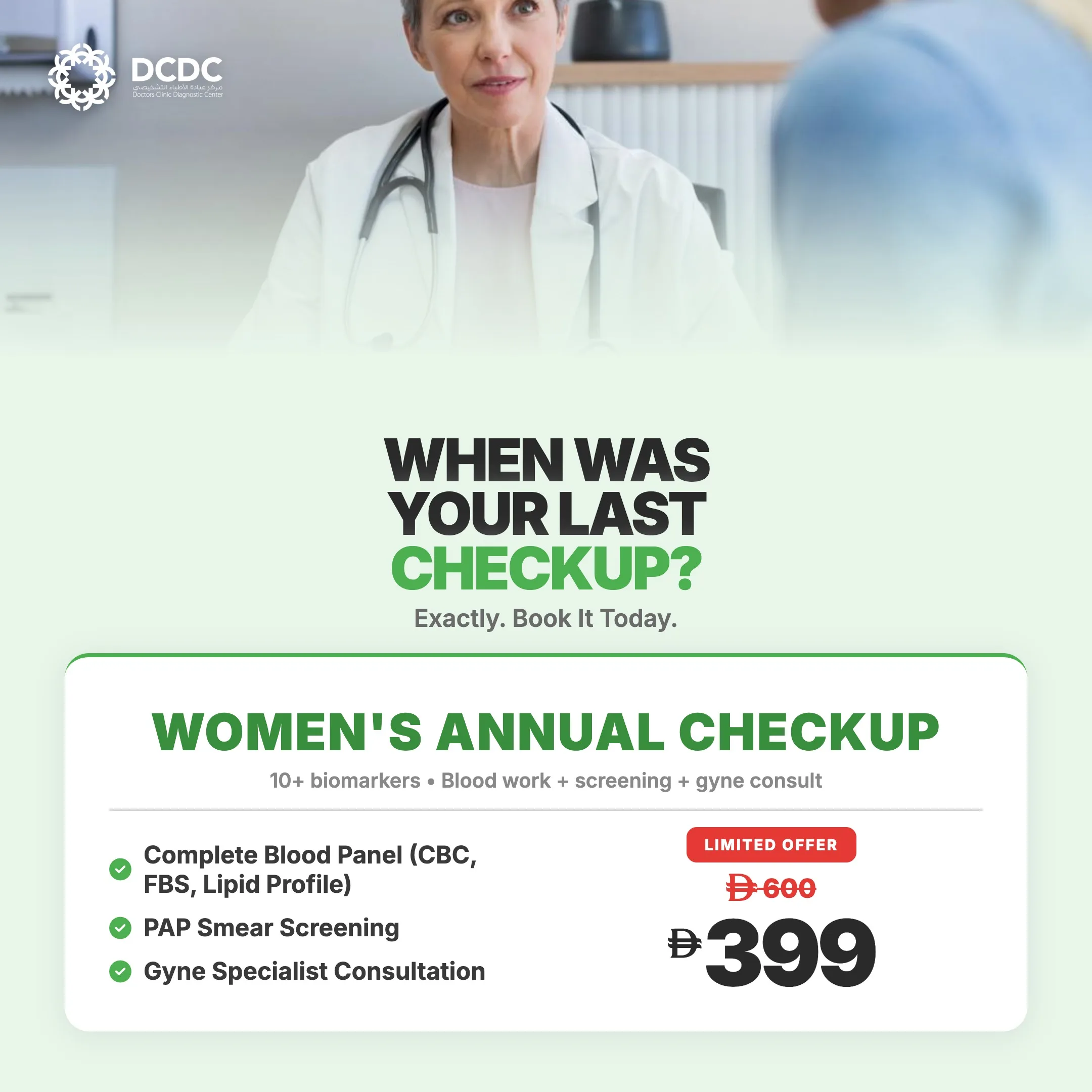
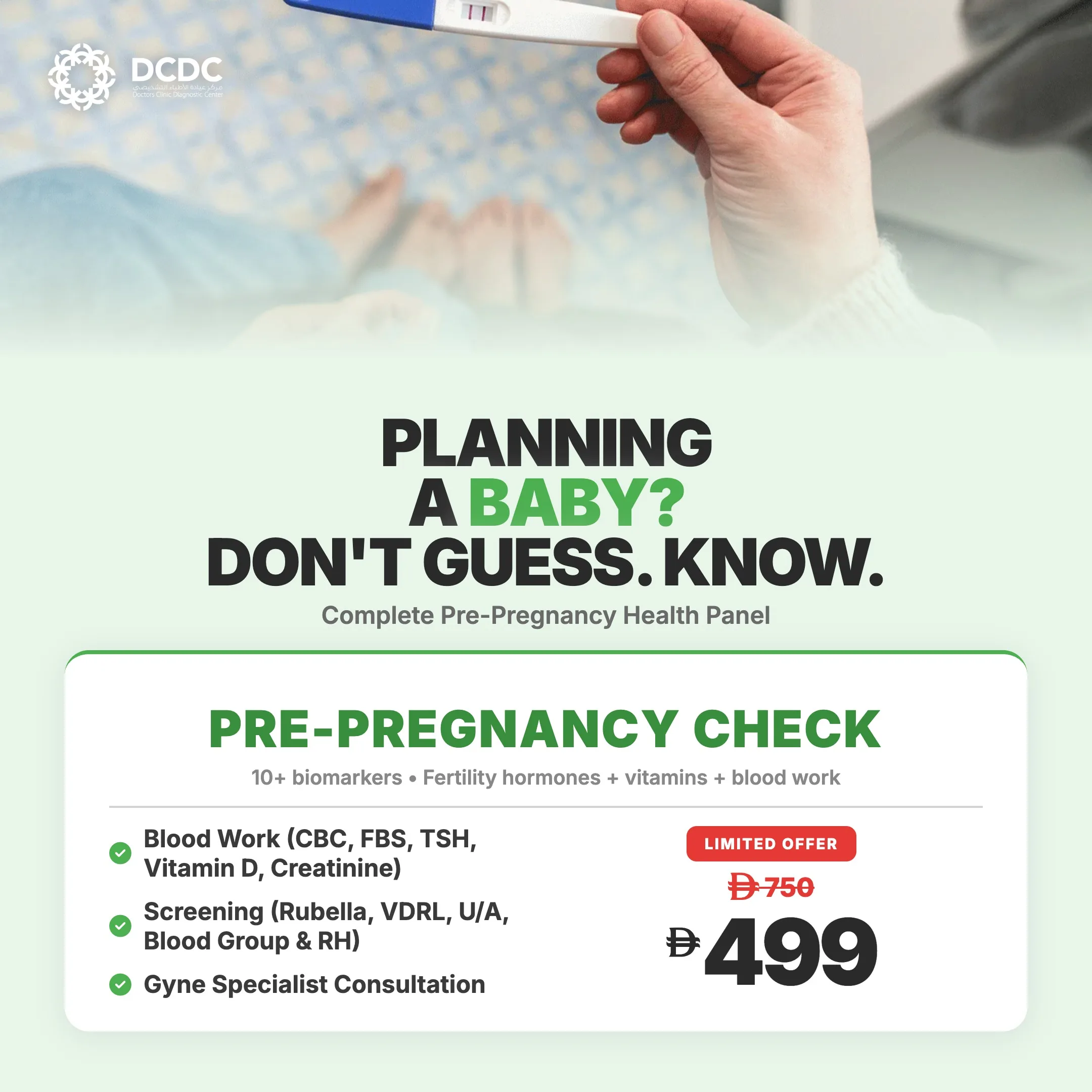
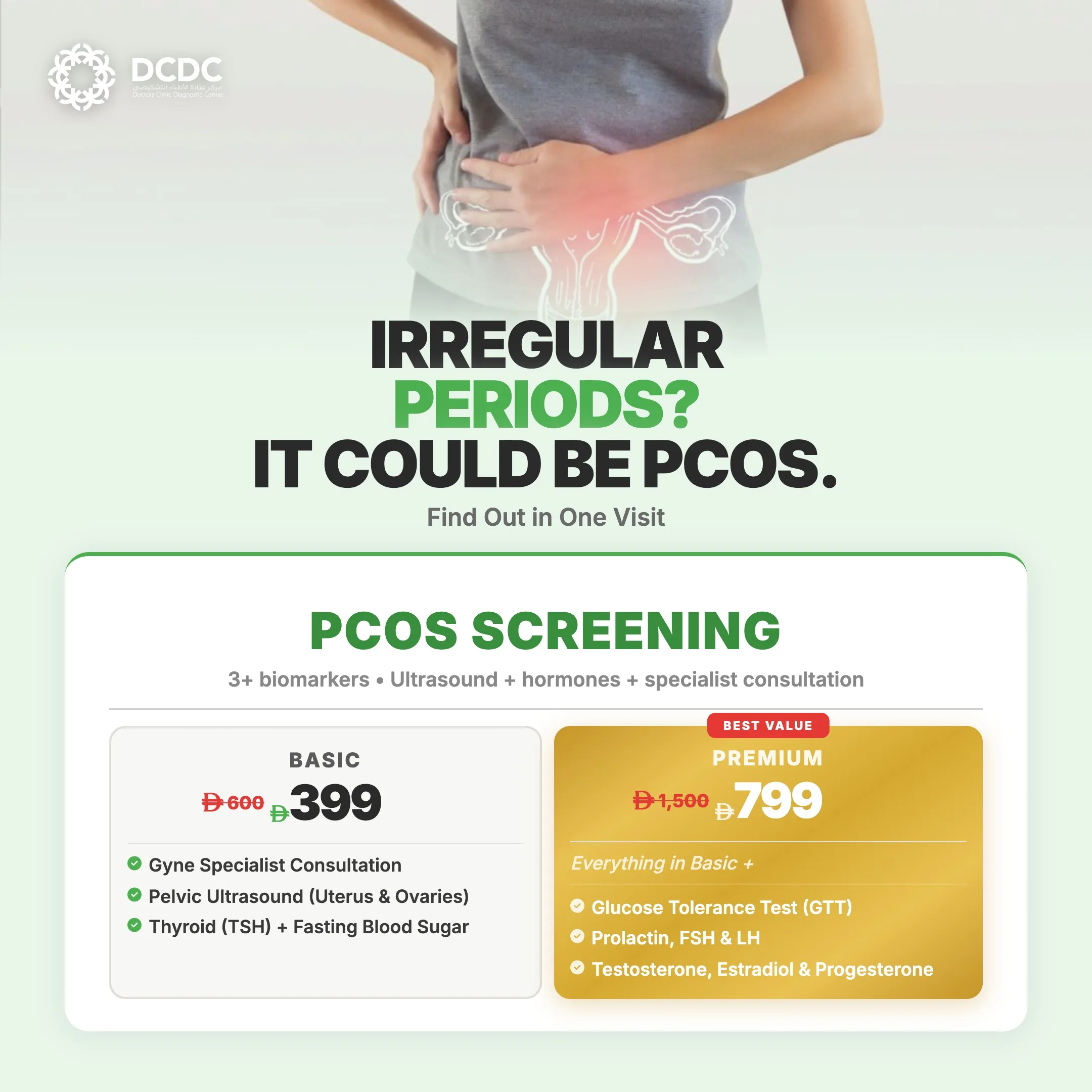
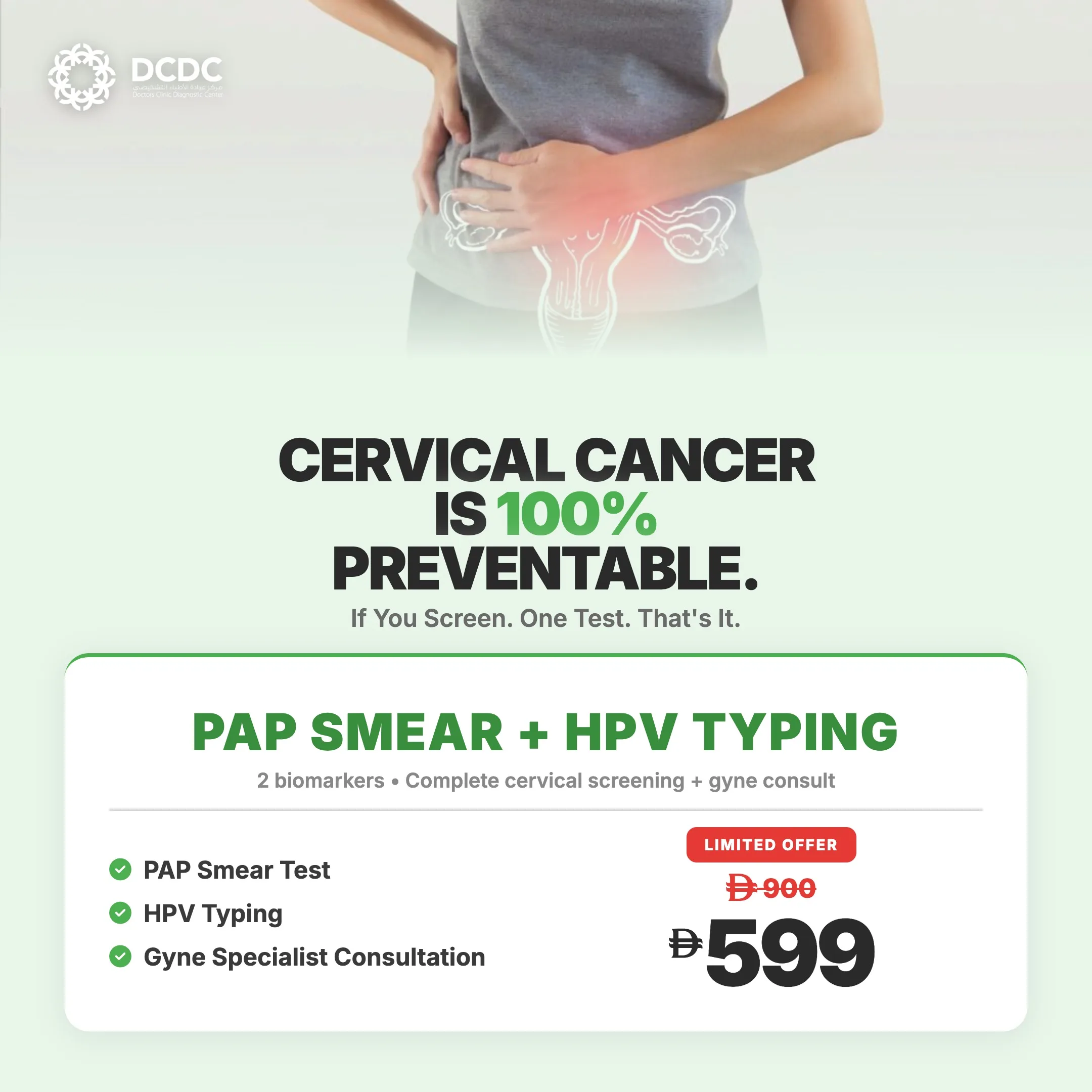
Health Screening Packages
Save with our bundled screening packages — specialist consultation included


Normale Nebenwirkungen nach HSG
Die folgenden Nebenwirkungen werden von der Mehrheit der Frauen nach einem HSG-Test erlebt. Sie sind eine natürliche Reaktion auf den Eingriff und erfordern in der Regel keine medizinische Intervention über die grundlegende Selbstversorgung hinaus.
Krämpfe (2-4 Stunden anhaltend)
Leichte bis moderate Krämpfe sind die häufigste Nebenwirkung nach HSG. Die Gebärmutter zieht sich als Reaktion auf das während des Tests eingebrachte Kontrastmittel zusammen, ähnlich wie Menstruationskrämpfe. Die meisten Frauen stellen fest, dass die Krämpfe in den ersten 30 Minuten nach dem Eingriff ihren Höhepunkt erreichen und über die nächsten 2 bis 4 Stunden allmählich nachlassen. Frei verkäufliche Schmerzmittel wie Ibuprofen oder Paracetamol sind in der Regel ausreichend. Ein warmer Umschlag auf dem Unterbauch kann ebenfalls helfen.
Leichte Schmierblutungen (1-2 Tage anhaltend)
Leichte vaginale Schmierblutungen oder eine geringe Menge rosa oder bräunlicher Ausfluss sind für 1 bis 2 Tage nach der HSG normal. Diese Schmierblutungen stammen von der Katheterplatzierung durch den Gebärmutterhals und sind kein Zeichen einer Verletzung. Eine Slipeinlage genügt in der Regel. Die Schmierblutungen sollten deutlich leichter als eine normale Periode sein und keine Blutgerinnsel enthalten.
Kurze Schwindelgefühle oder Benommenheit
Einige Frauen fühlen sich unmittelbar nach dem Eingriff kurzzeitig benommen oder schwindelig. Dies ist typischerweise eine vasovagale Reaktion, die durch die Manipulation des Gebärmutterhalses verursacht wird, und ist nicht gefährlich. Sie klingt in der Regel innerhalb weniger Minuten Ruhe im Erholungsbereich ab. Ein leichter Snack und Wasser nach dem Test helfen, dies zu verhindern.
Normale, aber unerwartete Nebenwirkungen
Einige Nebenwirkungen können Frauen überraschen, weil sie scheinbar nichts mit einem Gebärmuttereingriff zu tun haben. Diese gelten dennoch als normal und sind kein Grund zur Sorge.
Schulterschmerzen oder Oberbauchbeschwerden
Dies ist eine der Nebenwirkungen, die viele Frauen überrascht. Wenn eine kleine Menge Kontrastmittel durch die Eileiter in die Bauchhöhle gelangt (was eigentlich ein Zeichen dafür ist, dass Ihre Eileiter offen sind), kann es das Zwerchfell reizen und Übertragungsschmerzen im Schulterbereich verursachen. Dieses Gefühl kann mehrere Stunden anhalten, löst sich aber von selbst auf, wenn der Körper das Kontrastmittel absorbiert. Flach liegen und ruhen hilft in der Regel.
Übelkeit
Leichte Übelkeit nach HSG kann durch die vasovagale Reaktion, die Krämpfe selbst oder Angst im Zusammenhang mit dem Eingriff auftreten. Sie ist in der Regel kurz und führt nicht zum Erbrechen. Wenn Sie bei medizinischen Eingriffen zu Übelkeit neigen, erwähnen Sie dies vorher bei Ihrer Ärztin, damit sie Ihnen Hinweise geben kann.
Wässriger Ausfluss
Ein klarer oder leicht getönter wässriger Ausfluss ist bis zu 24 Stunden nach dem Test normal. Dies ist einfach das restliche Kontrastmittel, das aus Gebärmutter und Vaginalkanal abfließt. Es ist harmlos und kein Grund zur Sorge. Verwenden Sie eine Slipeinlage für den Komfort.
Wann Sie Ihre Ärztin kontaktieren sollten: Warnsignale
Obwohl schwere Komplikationen nach HSG selten sind, ist es wichtig, die Warnsignale zu kennen. Kontaktieren Sie Ihre Ärztin oder suchen Sie eine Notaufnahme auf, wenn Sie eines der folgenden Symptome nach Ihrem HSG-Test erleben.
- Fieber von 38 Grad Celsius (100,4 Grad Fahrenheit) oder höher, besonders wenn es 1 bis 3 Tage nach dem Eingriff auftritt, da dies auf eine Infektion hindeuten könnte
- Starke vaginale Blutungen, die eine Binde in weniger als einer Stunde durchnässen, da dies keine normale Post-HSG-Blutung ist
- Übel riechender vaginaler Ausfluss, der ein Zeichen einer sich entwickelnden Infektion in Gebärmutter oder Eileitern sein könnte
- Starke oder zunehmende Bauchschmerzen, die auf frei verkäufliche Schmerzmittel nicht ansprechen
- Anzeichen einer allergischen Reaktion auf das Kontrastmittel, einschließlich Nesselsucht, Atembeschwerden, Schwellung von Gesicht oder Hals oder ausgedehnter Hautausschlag
- Ohnmacht oder anhaltender Schwindel, der mehr als 30 Minuten nach dem Eingriff dauert
Wenn Sie eines dieser Symptome erleben, warten Sie nicht ab, ob sie sich von selbst lösen. Eine frühzeitige Behandlung von Komplikationen führt zu deutlich besseren Ergebnissen.
Sichere HSG-Tests bei DCDC Dubai
Im Doctors Clinic Diagnostic Center in Dubai Healthcare City folgt unser HSG-Test strengen Sicherheitsprotokollen mit klaren Nachsorgeanweisungen für jede Patientin.
Seltene Komplikationen der HSG
Schwere Komplikationen bei HSG sind selten, aber deren Kenntnis hilft Ihnen, eine informierte Entscheidung über den Eingriff zu treffen und Probleme frühzeitig zu erkennen, falls sie auftreten.
Beckeninfektion (ca. 1% Risiko)
Infektion ist die häufigste schwere Komplikation der HSG, betrifft aber nur etwa 1 von 100 Frauen. Das Risiko ist höher bei Frauen mit einer Vorgeschichte von Beckenentzündung oder bestehender Eileiterkrankheit. Symptome treten typischerweise 2 bis 7 Tage nach dem Eingriff auf und umfassen Fieber, zunehmende Beckenschmerzen und abnormalen vaginalen Ausfluss. Eine Antibiotikabehandlung ist bei frühem Beginn wirksam. Einige Ärzte verschreiben vorbeugend Antibiotika vor dem Eingriff für Frauen mit höherem Risiko.
Allergische Reaktion auf Kontrastmittel
Allergische Reaktionen auf das jodbasierte Kontrastmittel bei HSG sind selten, können aber von mild (Hautausschlag, Juckreiz) bis schwer (Anaphylaxie) reichen. Wenn Sie eine bekannte Allergie gegen Jod oder Kontrastmittel haben oder eine frühere Reaktion auf Kontrastmittel bei einem CT-Scan oder einer anderen Bildgebungsstudie hatten, informieren Sie Ihre Ärztin vor dem Eingriff. Alternative Kontrastmittel oder Vormedikation mit Antihistaminika und Steroiden können verwendet werden.
Uterusperforation
Uterusperforation während der HSG ist extrem selten und wird häufiger mit schwieriger Katheterplatzierung in Verbindung gebracht. Sie kann plötzliche scharfe Schmerzen verursachen und wird in der Regel vom Radiologen sofort auf den Durchleuchtungsbildern erkannt. In den meisten Fällen heilt eine kleine Perforation ohne Intervention von selbst, obwohl eine Überwachung erforderlich ist. Diese Komplikation ist weniger wahrscheinlich, wenn der Eingriff von einem erfahrenen Radiologen durchgeführt wird.
Strahlenbelastung
HSG verwendet eine geringe Menge an Durchleuchtungsstrahlung. Die Dosis ist sehr niedrig, entspricht einigen Tagen natürlicher Hintergrundstrahlung und gilt als sicher. Dies ist jedoch der Grund, warum der Test nicht während einer Schwangerschaft durchgeführt wird. Informieren Sie Ihre Ärztin immer, wenn die Möglichkeit besteht, dass Sie schwanger sein könnten, bevor der Eingriff durchgeführt wird.
HSG-Erholungszeitplan
Das Verständnis des typischen Erholungszeitplans hilft Ihnen, Ihren Zeitplan zu planen und zu wissen, was Sie an jedem Tag nach dem Eingriff erwartet.
| Zeitrahmen | Was zu erwarten ist | Empfehlungen |
|---|---|---|
| Tag 1 (Eingriffstag) | Krämpfe für 2-4 Stunden, leichte Schmierblutungen, möglicher Schwindel oder Übelkeit, wässriger Ausfluss durch restliches Kontrastmittel | Zu Hause ruhen, Ibuprofen nach Bedarf einnehmen, warmen Umschlag verwenden, hydriert bleiben, anstrengende Aktivitäten vermeiden |
| Tag 2-3 | Minimale oder keine Krämpfe, leichte Schmierblutungen können anhalten, leichte Müdigkeit bei manchen Frauen | Normale tägliche Aktivitäten einschließlich Arbeit wieder aufnehmen, weiterhin Schwimmbäder, Bäder und Whirlpools meiden |
| Tag 4-7 | Alle Nebenwirkungen sollten abgeklungen sein, normaler vaginaler Ausfluss kehrt zurück | Sie können alle normalen Aktivitäten einschließlich Sport und Geschlechtsverkehr wieder aufnehmen |
Die meisten Frauen fühlen sich am Tag 2 oder 3 nach einem HSG-Test wieder völlig normal.
Wann können Sie nach HSG Aktivitäten wieder aufnehmen?
Eine der praktischsten Fragen, die Frauen nach HSG haben, betrifft den Zeitpunkt der Rückkehr zu ihrer normalen Routine. Hier finden Sie Hinweise zu bestimmten Aktivitäten.
Rückkehr zur Arbeit
Die meisten Frauen können am selben Tag oder am nächsten Tag nach der HSG wieder arbeiten. Wenn Ihre Arbeit schweres Heben oder anstrengende körperliche Aktivität beinhaltet, sollten Sie den Rest des Eingriffstags frei nehmen. Schreibtischarbeit und leichte Tätigkeiten können in der Regel innerhalb von Stunden nach dem Test wieder aufgenommen werden.
Sport
Leichtes Spazierengehen ist am Tag des Eingriffs in Ordnung. Intensivere Übungen wie Laufen, Krafttraining oder High-Intensity-Workouts sollten für 24 bis 48 Stunden verschoben werden, damit eventuelle Krämpfe vollständig abklingen können. Hören Sie auf Ihren Körper und steigern Sie sich allmählich.
Geschlechtsverkehr
Die meisten Ärzte empfehlen, mindestens 48 Stunden nach der HSG mit dem Geschlechtsverkehr zu warten. Dies ermöglicht dem Gebärmutterhals, sich vollständig zu schließen, und reduziert das geringe Risiko, Bakterien in die Gebärmutter einzubringen. Einige Ärzte empfehlen möglicherweise zu warten, bis die Schmierblutungen vollständig aufgehört haben. Befolgen Sie die spezifischen Anweisungen Ihrer behandelnden Ärztin.
Baden und Schwimmen
Sie können am Tag des Eingriffs normal duschen. Vermeiden Sie jedoch Vollbäder, Whirlpools, Schwimmbäder und das Meer für mindestens 48 Stunden nach der HSG. Diese Umgebungen könnten möglicherweise Bakterien einbringen, solange der Gebärmutterhals noch zu seiner normalen geschlossenen Position zurückkehrt. Duschen sind während dieser Zeit völlig in Ordnung.
Wann können Sie nach HSG versuchen, schwanger zu werden?
Viele Frauen unterziehen sich einer HSG als Teil ihrer Fruchtbarkeitsbewertung, daher ist dies eine der wichtigsten Fragen. Die gute Nachricht ist, dass Sie nicht lange warten müssen.
Sie können im selben Menstruationszyklus wie Ihr HSG-Test versuchen, schwanger zu werden. Tatsächlich deuten einige Forschungen darauf hin, dass es in den 1 bis 3 Monaten nach der HSG einen kurzzeitigen Fruchtbarkeitsschub geben kann, insbesondere bei Verwendung eines ölbasierten Kontrastmittels. Eine Theorie besagt, dass der Spüleffekt des Kontrastmittels kleinere Ablagerungen oder Schleim aus den Eileitern entfernen und deren Funktion leicht verbessern kann.
Wenn Ihre HSG-Ergebnisse offene, gesunde Eileiter und eine normale Gebärmutterhöhle zeigen, kann Ihre Ärztin Sie ermutigen, in den Monaten unmittelbar nach dem Test natürlich zu empfangen, bevor fortgeschrittenere Fruchtbarkeitsbehandlungen in Betracht gezogen werden. Wenn Blockaden oder Auffälligkeiten festgestellt werden, wird Ihre Ärztin die nächsten Schritte besprechen, die weitere Tests oder chirurgische Eingriffe umfassen können.
DCDC Nachsorge: Was wir in Dubai anders machen
Im Doctors Clinic Diagnostic Center in Dubai Healthcare City glauben wir, dass die Nachsorge genauso wichtig ist wie der Eingriff selbst. Unser Nachsorgeprotokoll ist darauf ausgelegt, sicherzustellen, dass Sie sich während Ihrer gesamten Erholung unterstützt fühlen.
- Nachbeobachtungszeit in der Klinik vor der Entlassung, um sicherzustellen, dass Sie sich wohl und stabil fühlen
- Schriftliche Nachsorgeanweisungen in Ihrer bevorzugten Sprache, einschließlich einer klaren Liste normaler vs. Warnsignale
- Direkter Kontakt zu unserem Radiologieteam für Fragen oder Bedenken, die nach dem Verlassen der Klinik auftreten
- Ergebnisbesprechung am selben Tag mit Ihrer überweisenden Ärztin oder unserem Team, damit Sie Ihre Befunde sofort verstehen
- Nachsorgekoordination mit Ihrer Gynäkologin für einen nahtlosen Übergang zum nächsten Schritt in Ihrem Fruchtbarkeitsplan
Wenn Sie nach Ihrer HSG bei DCDC besorgniserregende Symptome erleben, steht unser Team Ihnen zur Verfügung. Für Notfälle außerhalb der Klinikzeiten ist die nächste Notaufnahme das Mediclinic City Hospital innerhalb von Dubai Healthcare City, oder Sie können die DHA-Notfallnummer anrufen.
Tipps für eine reibungslosere Erholung
- Nehmen Sie etwa 30 Minuten vor dem Eingriff Ibuprofen (400 mg), um Krämpfe nach dem Eingriff zu reduzieren
- Organisieren Sie jemanden, der Sie nach dem Test nach Hause fährt, besonders wenn Sie bei medizinischen Eingriffen zu Benommenheit neigen
- Halten Sie einen warmen Umschlag oder ein Heizkissen zu Hause bereit für eventuelle Restkrämpfe
- Bleiben Sie nach dem Eingriff gut hydriert, da dies Ihrem Körper hilft, das restliche Kontrastmittel auszuspülen
- Tragen Sie bequeme, lockere Kleidung zu Ihrem Termin, damit Sie sich danach entspannen können
- Planen Sie einen ruhigen Abend nach dem Eingriff, auch wenn Sie sich gut fühlen, als Vorsichtsmaßnahme
- Vermeiden Sie Tampons für 48 Stunden und verwenden Sie stattdessen Binden oder Slipeinlagen für eventuelle Schmierblutungen
Für einen vollständigen Leitfaden zur Vorbereitung auf den Eingriff lesen Sie unseren Artikel über die Vorbereitung auf einen HSG-Test. Wenn Sie das vollständige Verfahren vor Ihrem Termin verstehen möchten, deckt unser umfassender HSG-Test-Leitfaden alles von Anfang bis Ende ab.
HSG-Test bei DCDC Dubai benötigt?
Unser erfahrenes Radiologieteam im Doctors Clinic Diagnostic Center führt HSG-Tests mit Patientenkomfort und Sicherheit als oberster Priorität durch. Buchen Sie Ihren HSG-Test und erhalten Sie umfassende Vor- und Nachsorge.
Oder rufen Sie uns an für weitere Informationen zum Eingriff und Erholungsprozess.
Verwandte Leistungen im DCDC
Fachkundige Betreuung und moderne Diagnostik in Dubai Healthcare City
Frequently Asked Questions
Abschließende Gedanken
HSG ist ein sicheres und bewährtes diagnostisches Verfahren mit einer sehr niedrigen Komplikationsrate. Die häufigsten Nebenwirkungen, einschließlich leichter Krämpfe, leichter Schmierblutungen und kurzer Schwindelgefühle, sind vorübergehend und klingen innerhalb von ein bis zwei Tagen ab. Schwere Komplikationen wie Infektionen oder allergische Reaktionen sind selten und treten in weniger als 1-2% der Fälle auf. Sie sind bei frühzeitiger Erkennung gut behandelbar.
Der Schlüssel zu einer reibungslosen Erholung ist das Wissen, was zu erwarten ist, und das Verständnis des Unterschieds zwischen normalen Symptomen nach dem Eingriff und echten Warnsignalen. Wenn Sie nach Ihrer HSG Fieber, starke Blutungen, starke Schmerzen oder übel riechenden Ausfluss erleben, zögern Sie nicht, Ihre Ärztin zu kontaktieren oder eine Notaufnahme aufzusuchen.
Im Doctors Clinic Diagnostic Center bieten wir gründliche Nachsorgeanweisungen und bleiben für alle Fragen nach dem Eingriff verfügbar. Ihr Komfort und Ihre Sicherheit haben für uns von dem Moment an, in dem Sie zum Test kommen, bis Sie sich vollständig erholt haben, oberste Priorität. Für Informationen zu Eingriffsgebühren und Versicherung besuchen Sie unseren Leitfaden zu HSG-Test Kosten in Dubai.
Quellen und Referenzen
Dieser Artikel wurde von unserem medizinischen Team überprüft und bezieht sich auf folgende Quellen:
- American College of Obstetricians and Gynecologists - Hysterosalpingographie
- Fertility and Sterility - Komplikationen der Hysterosalpingographie
- Radiological Society of North America - HSG-Patienteninformation
- Human Reproduction - Fruchtbarkeitsergebnisse nach HSG
- Dubai Health Authority - Patientensicherheitsrichtlinien
Medizinische Inhalte auf dieser Website werden von DHA-lizenzierten Ärzten überprüft. Siehe unsere redaktionelle Richtlinien für weitere Informationen.

Verfasst von
Dr. Osama Elzamzami
Facharzt für Radiologie
Dr. med., Radiologie
Dr. Osama Elzamzami ist Facharzt für Radiologie mit Spezialisierung auf diagnostische Bildgebung einschließlich MRT, CT, Ultraschall und Durchleuchtungsverfahren wie HSG im DCDC Dubai Healthcare City.
Verwandte Artikel
Ist ein HSG-Test schmerzhaft? Ehrliche Antwort eines Radiologen
Wie Sie sich auf einen HSG-Test vorbereiten
Schwanger werden nach HSG: Was die Evidenz sagt
Was ist ein HSG-Test? Alles, was Sie wissen müssen
Frauen-Gesundheitsvorsorge: Kompletter Leitfaden
More in Women's Health

Perimenopause vs Menopause Dubai: Signs (2026)
Weiterlesen
Mother & Baby Home Care Dubai: Guide (2026)
Weiterlesen
Gestational Diabetes Dubai: Screening (2026)
Weiterlesen
Mammogram Preparation Dubai: What to Expect (2026)
Weiterlesen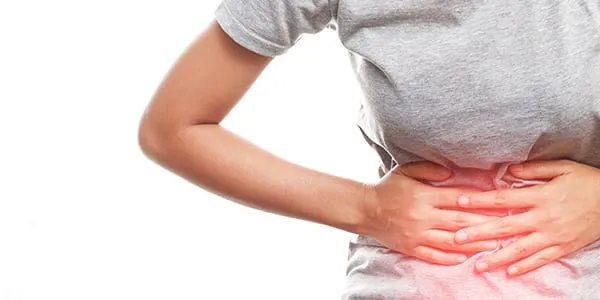
CA-125 Test Dubai: Ovarian Cancer Marker (2026)
WeiterlesenMammogram vs Breast Ultrasound Dubai (2026)
Weiterlesen© 2026 Doctors Clinic Diagnostic Center (DCDC), Dubai Healthcare City. Originally published at https://doctorsclinicdubai.ae/blog/hsg-test-side-effects-recovery. All rights reserved. Unauthorized reproduction is prohibited.