

Book Your Appointment
Verified Patient Reviews of DCDC Diagnostic Center in Dubai
Verified reviews and real patient stories from Dubai Healthcare City
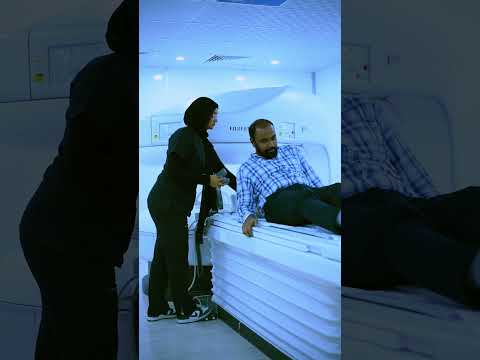
I’d like to give a big thank you too Berty even I was late which I informed the clinic prior she was very accommodating to me and made sure I would get the best service I’d like to thank also Mr. Mohammed Ahmed for his kind help and support. He really made me comfortable even though I was very nervous. Also another thank you to Christine she was so kind she stayed with me the whole 25 minutes holding my hand while I was doing MRI. I recommend this clinic to everyone the staff is Excellent thank you to all
Shafiqa F.
i did my ct scans in this clinic. all staffs are professional. thank you mr. karim , miraz special thanks to dr. shahoo ,Dr Osama for prompt transmission of Reports.Also nurse arunima and Admin assistant Karlene
Raza J.
Honest speech Great center, great staff, great management Thanks Dr. AHMED - ceo Thanks Dr. MARYAM - head of doctors Thanks Mr. YASEEN - customer care Thanks Mr. Mohammed - mri specialis Big salute for the recipetion team and nurses for the following up, care and good jop they do.
Mahmoud A.


HSG Test in Dubai: Comprehensive Fallopian Tube & Uterine Assessment
Gold-standard fertility imaging to evaluate tubal patency and uterine health
HSG test Dubai services are available at DCDC. Hysterosalpingography (HSG) is the gold-standard X-ray procedure for examining your uterus and fallopian tubes. A contrast dye is gently introduced through the cervix, allowing our specialist radiologists to see if your tubes are open (patent) and if your uterine cavity is normal in shape—essential information for your fertility journey.
Blocked fallopian tubes account for up to 30% of female infertility cases, in a private examination suite at our DHCC clinic. HSG can detect blockages, scarring, adhesions, or abnormalities that may prevent pregnancy. The procedure also identifies uterine fibroids, polyps, septum, or other structural issues that could affect implantation.
At DCDC Dubai Healthcare City, our experienced gynecologists and radiologists perform HSG using gentle technique in a comfortable, supportive environment. The procedure takes just 15-30 minutes with same-day results. Many patients report increased fertility in the months following HSG as the contrast dye can help clear minor blockages.
An HSG uses fluoroscopy, a type of real-time X-ray imaging, to follow the flow of contrast dye as it fills the uterine cavity and enters the fallopian tubes. If the tubes are open, the dye spills freely into the pelvic cavity, confirming patency. If there is a blockage, your radiologist can see exactly where the obstruction occurs, whether at the proximal end near the uterus, mid-segment, or distally near the ovaries, which helps guide your fertility specialist toward the most appropriate treatment approach.
HSG is considered part of a standard fertility workup alongside blood hormone testing and pelvic ultrasound. The American Society for Reproductive Medicine recommends tubal evaluation as one of the first investigations for couples experiencing difficulty conceiving. By identifying or ruling out tubal factor infertility early, you and your doctor can make informed decisions about whether to pursue natural conception, intrauterine insemination, or in-vitro fertilization without unnecessary delays.
- Tubal AssessmentConfirms if fallopian tubes are open for natural conception
- Uterine EvaluationIdentifies fibroids, polyps, or structural abnormalities
- Fertility GuidanceEssential test before IUI, IVF, or other fertility treatments
- Quick ResultsImmediate findings with detailed report within 24 hours

Dr. Parisa Dini
Specialist OB/GYN·Gynecology & ObstetricsExplore Our Services
Comprehensive hsg test services at DCDC Dubai Healthcare City.
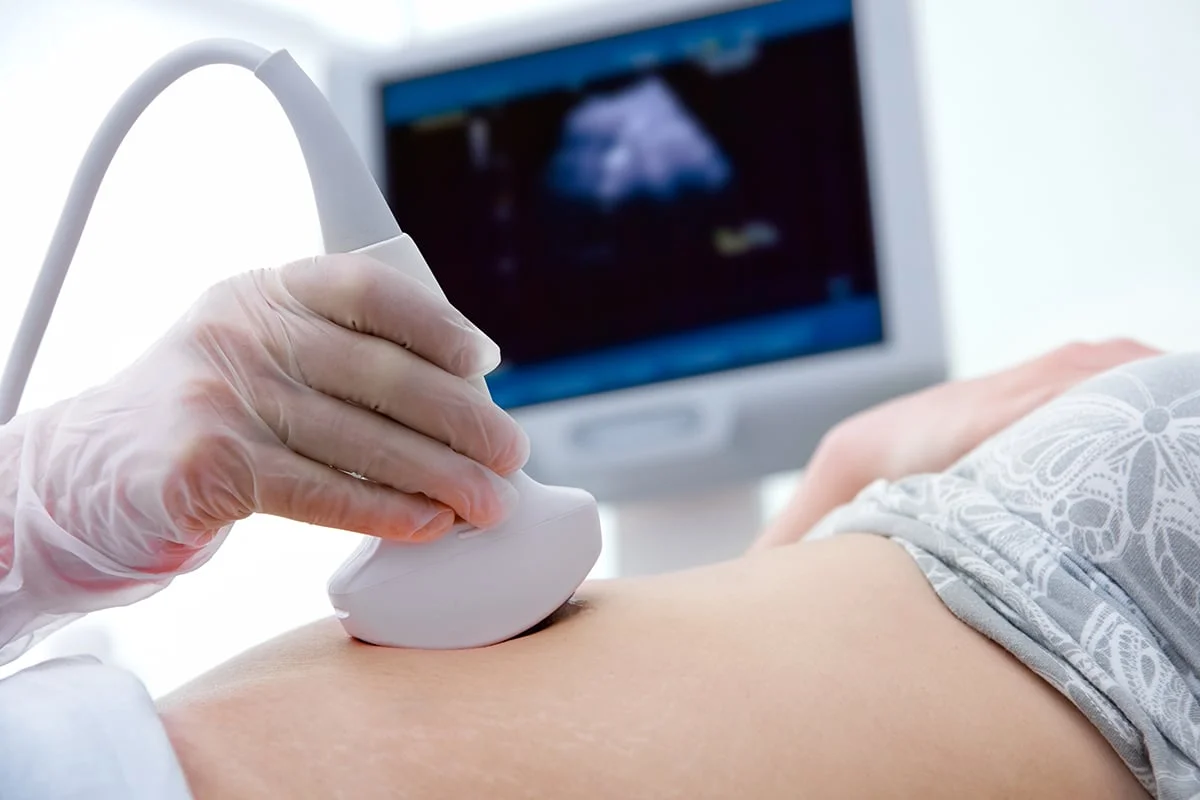
All services performed by DHA-licensed specialists
Who Should Get an HSG Test?
HSG is recommended for women undergoing fertility evaluation, particularly those who have been trying to conceive without success. It is an essential test before certain fertility treatments.
Difficulty conceiving after 12 months of trying (6 months if over 35)
Most CommonHistory of pelvic inflammatory disease or sexually transmitted infections
Most CommonPrevious ectopic pregnancy or tubal surgery
Before IUI (intrauterine insemination) treatment
Before IVF to assess uterine cavity
History of miscarriage or uterine surgery
Suspected uterine fibroids or polyps
Unexplained infertility after initial blood tests and ultrasound are normal
Post-surgical evaluation following tubal ligation reversal
Suspected Asherman syndrome (intrauterine adhesions) or uterine septum
Recurrent pregnancy loss requiring uterine cavity assessment
Why Choose DCDC for HSG Test?
MOHAP-licensed facility with experienced gynecologists, gentle technique, and compassionate care for fertility evaluation.
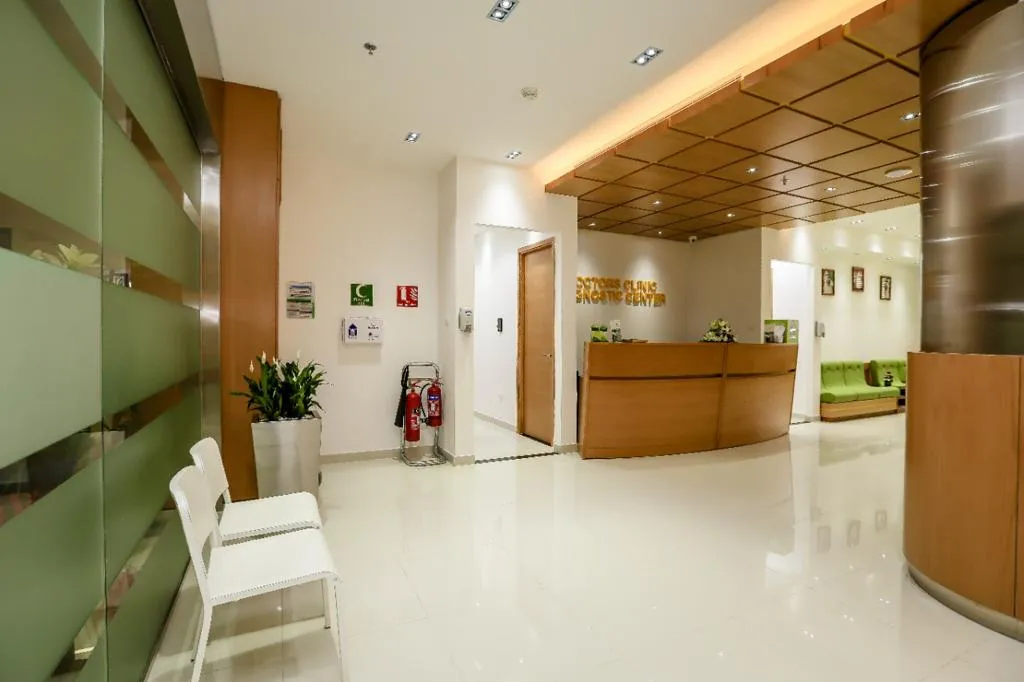
MOHAP Licensed
Accredited diagnostic center in our center. License NIMY7VY5-240925.
Expert Team
Experienced gynecologists and radiologists specializing in fertility imaging.
Compassionate Care
Supportive environment with gentle technique to minimize discomfort.
Quick Results
Immediate discussion of findings with detailed report within 24 hours.
Insurance Support
Direct billing with 20+ insurers. We handle pre-authorization for you.
Convenient Location
Building 64, Block A in DCDC. Free parking.
Your Comfortable Visit
A simple, step-by-step HSG scan process designed for comfort, speed, and accuracy.
Schedule
Book between day 7-12 of your menstrual cycle.
Prepare
Take pain relief. Empty bladder. Confirm not pregnant.
Procedure
15-30 minutes. Contrast dye injected, X-rays taken.
Results
Immediate discussion. Detailed report within 24 hours.
HSG Test Price in Dubai
HSG pricing in Dubai varies by service type and insurance coverage for various test types.
- Pricing varies by scan type and whether contrast is required
- Insurance coverage accepted with referral and verification
- Transparent self-pay rates available with instant quote on request
- Insurance verification in minutes
- No hidden fees
- Fast response on WhatsApp
What to Expect During Your HSG Test
A brief procedure that provides valuable information for your fertility journey.
Before the Procedure
- Preparation is important.
- Timing:Schedule between day 7-12 of your cycle (after period ends, before ovulation).
- Pain relief:Take ibuprofen 1 hour before to reduce cramping.
- Bladder:Empty your bladder before the procedure.
- Pregnancy test:Confirm you are not pregnant before HSG.
During the Procedure
- 15-30 minutes total.
- Position:Similar to a pelvic exam, lying on your back.
- Speculum:Inserted to visualize the cervix.
- Catheter:Thin tube placed through cervix to inject contrast dye.
- X-rays:Images taken as dye fills uterus and tubes.
- Sensations:Mild to moderate cramping as dye flows. Brief and temporary.
After the Procedure
- Resume normal activities.
- Cramping:Mild cramping may continue for a few hours. Normal.
- Spotting:Light spotting for 1-2 days is common.
- Activity:Rest briefly, then resume normal activities.
- Results:Discussed immediately; detailed report within 24 hours.
Insurance & Location
MOHAP License: Fully licensed diagnostic center in Dubai Healthcare City








- 20+ insurance providers in Dubaiincluding Daman, AXA, ADNIC, and others
- Pre-authorization supportand direct billing (where applicable)
- Coverage verificationbefore your appointment at our Dubai Healthcare City clinic
- Transparent pricingwith no hidden fees for hsg test services
Visit Us in Dubai Healthcare City
Doctors Clinic Diagnostic Center
Building 64, Block A, Al Razi Medical Complex, Dubai Healthcare City, Dubai, UAE
Near Oud Metha Road · Easy access from Bur Dubai, Downtown Dubai, Business Bay · Free dedicated parking available
Working Hours
Mon-Thu, Sat: 8AM - 10:30PM | Sun: 8:30AM - 10:30PM | Fri: 9AM - 10PM
How Insurance Works at DCDC
Check Coverage
Verify your plan covers HSG Test
Get a Referral
Some insurers require a GP referral — we can guide you
Pre-Authorization
We handle pre-auth directly with your insurer
Direct Billing
No upfront payment — we bill your insurer directly
Co-Pay Only
You only pay any applicable co-pay at the clinic
Dr. Parisa Dini
Specialist OB/GYN
MD, Specialist OB/GYN
Dr. Parisa Dini is a distinguished Obstetrician and Gynecologist known for her excellence and compassionate approach to women's health. With over 10 years of dedicated experience, she provides exceptional, patient-centered care and ensures clear, supportive communication in both English and Persian.
- Preconception counseling
- Prenatal and high-risk pregnancy management
- Natural and cesarean deliveries
English · Persian
Fallopian Tube Test (HSG): How It Works
fallopian tube test During an HSG, a thin catheter is carefully passed through the cervix and a small balloon is inflated to hold it in place. A radiopaque contrast medium, typically a water-soluble iodine-based solution, is slowly injected while the radiologist watches the flow in real time on a fluoroscopy screen. As the dye fills the triangular uterine cavity, any distortion from fibroids, polyps, adhesions, or congenital anomalies becomes immediately visible. The dye then enters the fallopian tubes, and if the tubes are patent, it spills freely from the fimbriated ends into the peritoneal cavity.
There are two main types of contrast agents used for HSG: water-soluble contrast and oil-based contrast. Water-soluble contrast is more commonly used due to better patient tolerance and faster absorption. Oil-based contrast has been associated with slightly higher ongoing pregnancy rates in some studies. Your fertility specialist will recommend the most suitable option based on your clinical situation.
HSG has both diagnostic and potentially therapeutic value. The pressure of the dye injection can sometimes dislodge small mucus plugs or minor debris within the fallopian tubes, which may explain the observed increase in pregnancy rates in the months following the procedure. While HSG provides excellent detail about the tubal lumen and uterine cavity, it does not evaluate the ovaries, the outer surface of the tubes, or surrounding pelvic structures. When more comprehensive assessment is needed, your doctor may recommend laparoscopy or a 3D pelvic ultrasound as complementary investigations.
Conditions Diagnosed by HSG
Bilateral Tubal Blockage
Complete obstruction of both fallopian tubes preventing sperm and egg from meeting, often caused by prior pelvic infections or endometriosis.
Unilateral Tubal Occlusion
Blockage of one fallopian tube. Natural conception is still possible through the open tube, though fertility may be reduced.
Hydrosalpinx
A fallopian tube that is blocked and filled with fluid, typically resulting from prior pelvic inflammatory disease. May require treatment before IVF.
Salpingitis Isthmica Nodosa
Nodular thickening of the proximal fallopian tube that can cause tubal obstruction and is associated with ectopic pregnancy and infertility.
Uterine Fibroids (Submucosal)
Non-cancerous growths protruding into the uterine cavity that may interfere with embryo implantation and cause abnormal bleeding.
Endometrial Polyps
Tissue growths on the uterine lining that can act as a natural contraceptive barrier and may contribute to recurrent miscarriage.
Uterine Septum
A congenital wall of tissue dividing the uterine cavity, associated with recurrent pregnancy loss and preterm delivery.
Asherman Syndrome
Intrauterine adhesions or scar tissue, often from prior surgery or infection, that can reduce the uterine cavity and cause infertility.
Related Articles
HSG Test Side Effects & Recovery Guide
What to expect after your HSG procedure, including common side effects, recovery timeline, and when to contact your doctor.
DCDCRead ArticleHSG Test Cost in Dubai
A guide to HSG test pricing in Dubai, insurance coverage options, and what factors affect the overall cost of your fertility evaluation.
DCDCRead ArticlePelvic Ultrasound for Women: Complete Guide
Everything you need to know about pelvic ultrasound, from preparation to results, and how it complements HSG in fertility assessment.
DCDCRead ArticleWomen's Health Screening in Dubai
Essential health screenings every woman should consider, including fertility tests, cervical screening, and preventive care in Dubai.
DCDCRead ArticleObstetrics & Gynecology Services in Dubai
Comprehensive gynecology and obstetric care including fertility evaluation, pregnancy management, and reproductive health services.
DCDCRead ArticleRelated Services
Explore other diagnostic and consultation services available at our Dubai Healthcare City clinic.
Frequently Asked Questions
Common questions about HSG Test in Dubai.
Contact us for current HSG pricing. The cost includes the procedure, the contrast dye and the radiologist interpretation. Most insurance plans cover HSG as part of a fertility evaluation with a referral, and we offer direct billing with 20+ insurers.
Most women describe HSG as causing mild to moderate cramping similar to menstrual cramps, particularly when the contrast dye passes through the fallopian tubes. The discomfort is typically brief, lasting only during the active injection phase, which is usually under two minutes. Taking an over-the-counter anti-inflammatory such as ibuprofen about an hour before the procedure can significantly reduce cramping. Our team uses a gentle, slow injection technique to minimise discomfort. Some women with tubal blockages may feel slightly stronger cramping as the dye meets resistance. Most patients describe the overall experience as tolerable, and the majority feel well enough to drive themselves home and resume normal activities the same day.
Your HSG should be scheduled between day 7 and day 12 of your menstrual cycle, with day 1 being the first day of full menstrual flow. This window is important for several reasons: your period has ended so the view of the uterine cavity is not obscured by menstrual blood, the uterine lining is still thin which provides clearer images, and ovulation has not yet occurred so there is virtually no risk of disrupting an early pregnancy. If you have irregular cycles, your fertility specialist may coordinate timing using ultrasound to confirm the uterine lining is thin. Contact us as soon as your period starts so we can schedule your appointment within the optimal window.
Research suggests that pregnancy rates can increase in the three to six months following an HSG procedure. The flushing effect of the contrast dye may help clear minor mucus plugs, cellular debris, or thin adhesions within the fallopian tubes, temporarily improving tubal function. Some studies have also observed that oil-based contrast media may be associated with modestly higher subsequent pregnancy rates compared with water-soluble contrast, though water-soluble dye remains the standard due to its safety profile. It is important to understand that HSG is primarily a diagnostic tool, and the fertility-enhancing effect is considered a beneficial secondary outcome rather than the primary purpose of the test. Your fertility specialist can advise on how best to take advantage of this post-HSG window.
If HSG reveals that one fallopian tube is blocked while the other is open, natural conception remains possible. Ovulation typically alternates between the two ovaries each month, so when the ovary adjacent to the open tube releases an egg, fertilisation can occur normally. Your fertility specialist may recommend timed intercourse or intrauterine insemination during cycles when the open-side ovary is ovulating, guided by ultrasound monitoring. If both tubes are blocked, options include laparoscopic surgery to attempt to open the tubes, or proceeding directly to IVF, which bypasses the fallopian tubes entirely. The treatment path depends on the location and extent of the blockage, your age, and other fertility factors.
You can resume trying to conceive immediately, including in the same menstrual cycle as your HSG procedure. There is no medical reason to delay. In fact, many fertility specialists encourage active conception attempts during the three to six months following HSG, as this is the period when the potential fertility-enhancing effects of the dye flush are thought to be most beneficial. The contrast dye is absorbed and cleared by your body within hours to days and poses no risk to a developing embryo. If your HSG results show open tubes and a normal uterine cavity, this is an ideal time to focus on conception, whether naturally or with assisted reproductive treatments such as IUI.
HSG and hysteroscopy are complementary procedures that serve different purposes. HSG is an X-ray-based procedure that provides a two-dimensional view of the uterine cavity shape and, critically, demonstrates whether the fallopian tubes are open or blocked. It is a screening test performed in the radiology department without anaesthesia. Hysteroscopy involves inserting a thin camera directly into the uterus, allowing the gynaecologist to visually inspect the cavity in high detail and, if needed, treat problems such as polyps, fibroids, or adhesions during the same session. Hysteroscopy does not evaluate fallopian tube patency. Typically, HSG is performed first as part of the initial fertility workup; if uterine abnormalities are detected, hysteroscopy may be recommended as a follow-up for both confirmation and treatment.
The iodinated contrast dye used during HSG has an excellent safety record and has been used in this procedure for decades. Water-soluble contrast, the type most commonly used, is quickly absorbed by the body and excreted through the kidneys within hours. Allergic reactions to the dye are rare but possible, which is why your medical team will ask about any known iodine or contrast allergies before the procedure. If you have a known allergy, premedication with antihistamines or corticosteroids may be given. The radiation dose from HSG is low, comparable to a standard abdominal X-ray, and is considered safe when performed in the correct cycle window when pregnancy has been excluded. Inform your doctor if you have kidney disease, thyroid conditions, or a history of contrast reactions.
Key Facts
- Modality
- HSG Test
- Primary Indication
- Evaluate fallopian tube patency and uterine cavity for fertility assessment
- Duration
- 15-30 minutes
- Preparation
- Schedule between day 7-12 of menstrual cycle. Empty bladder before procedure.
- Report Time
- Immediate results with detailed report within 24 hours
- Location
- Dubai Healthcare City
- Insurance
- Most major insurance accepted (Daman, AXA, Bupa, etc.)
Medical Review & Oversight
All services are provided under the supervision of licensed medical professionals in our MOHAP-accredited facility.