Key Takeaways
- Every child enrolling in a Dubai school needs a completed medical fitness certificate — most schools will not process registration without it
- A school health check includes a physical exam, vision screening, hearing screening, vaccination review, and a fitness certificate for PE and sports
- Book your appointment 4-6 weeks before the school year starts to avoid the July-August peak rush when wait times increase significantly
- DCDC completes most school health checks in a single 30-45 minute visit, including catch-up vaccines and school-specific form completion
- Pediatrician consultation at DCDC starts from AED 300, and most school health checks are covered by insurance with direct billing available
- Children with chronic conditions such as asthma, allergies, or diabetes need a medical action plan completed alongside the standard health check
If your child is starting school in Dubai for the first time — or transferring between schools — a school health check is one of the first items on your enrollment checklist. Dubai schools require a completed medical fitness certificate before they will confirm admission, and the requirements go beyond a simple doctor's note. Our school health checks at DCDC in Dubai Healthcare City cover the full scope of what schools require: physical examination, vision and hearing screening, vaccination verification, fitness certification for sports, and completion of school-specific medical forms — all in a single appointment.
Whether your child is entering FS1 at age 3 or joining Year 12 as a transfer student, this guide explains exactly what the school health check involves, what documents to bring, how much it costs, and how to prepare your child. The new academic year in Dubai runs from September, and parents who wait until August to book their appointments often face delays that push back school registration. Dr. Hadeel Elnur, a general practitioner at DCDC who handles school health checks for children across age groups, reviewed this guide to ensure it reflects current DHA requirements and school expectations.
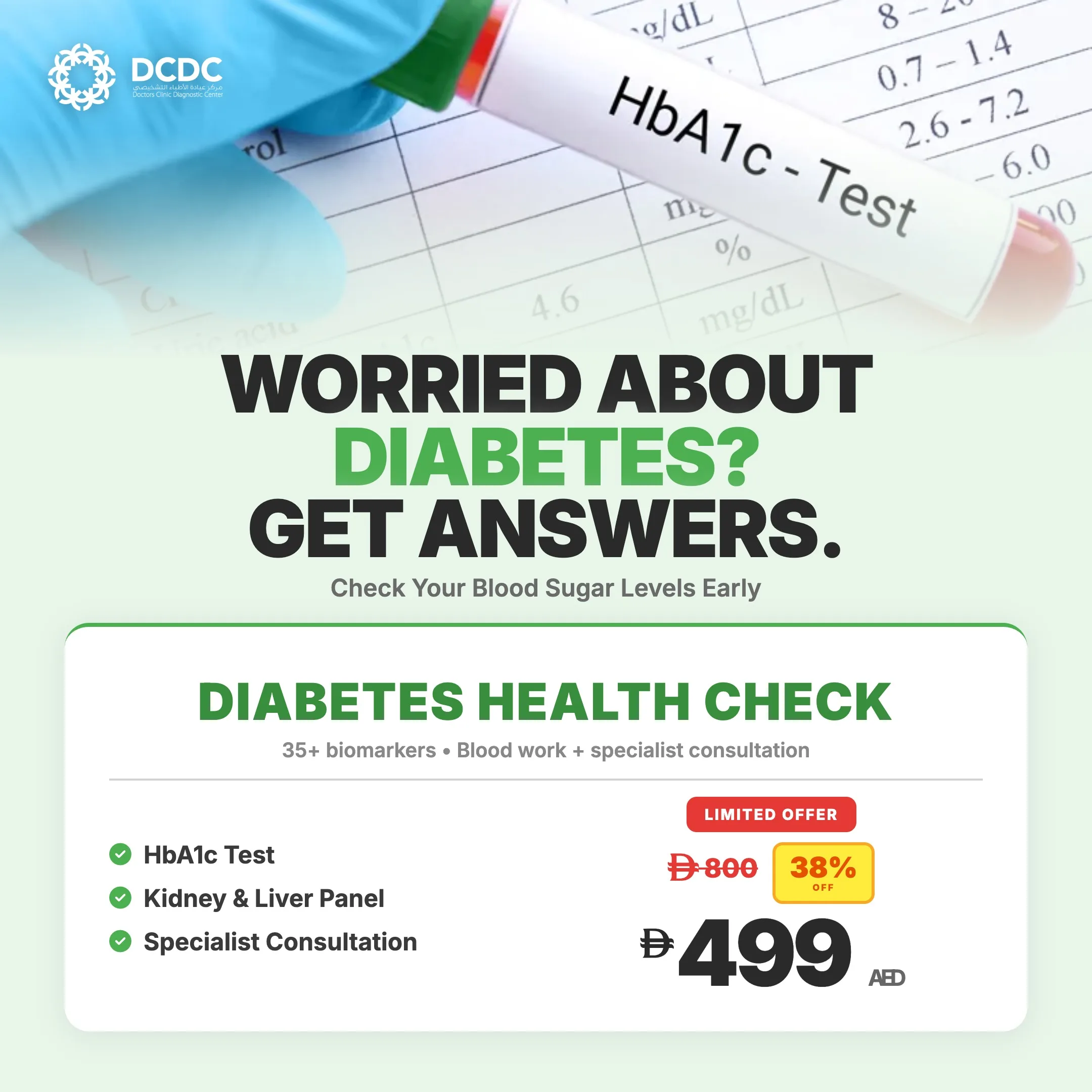
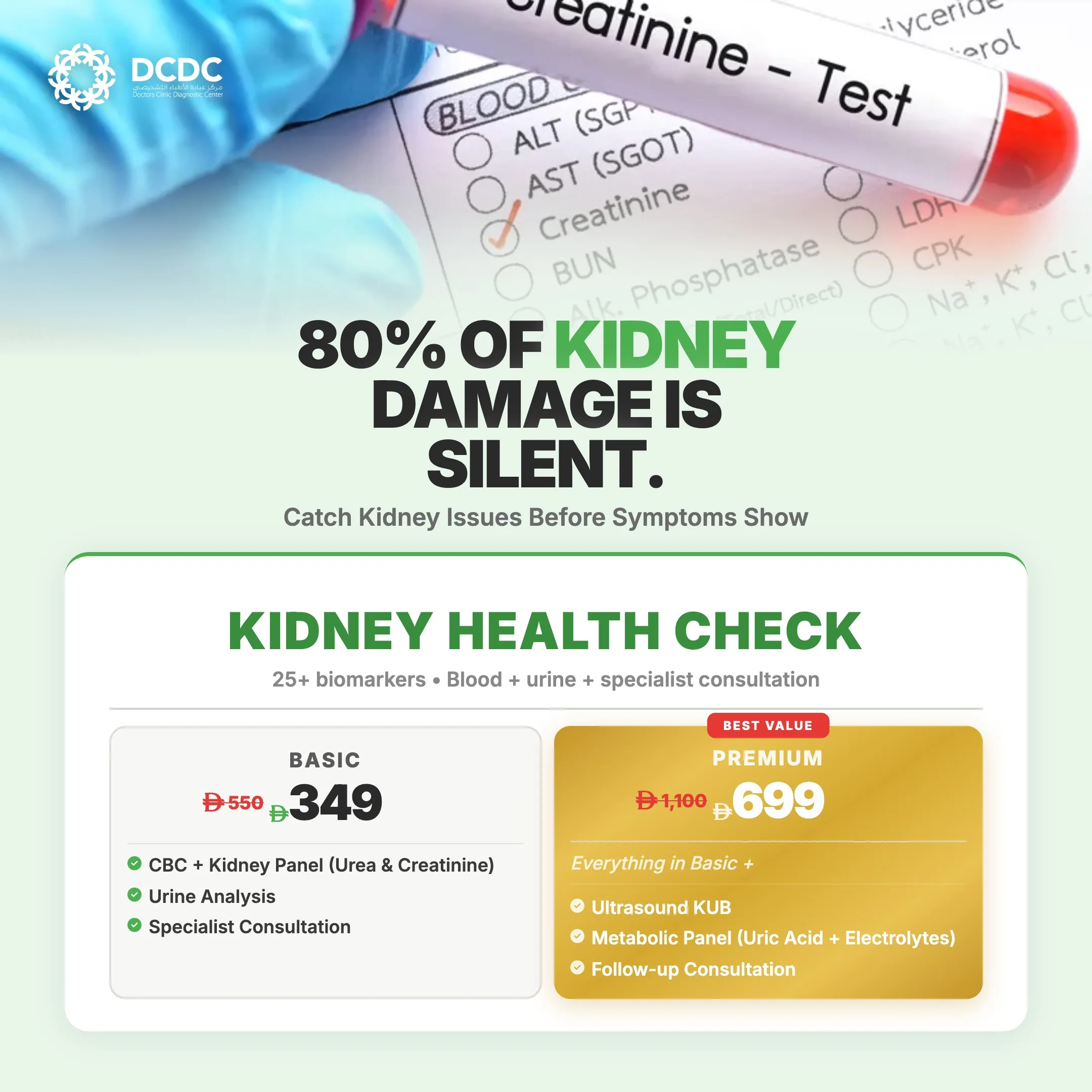
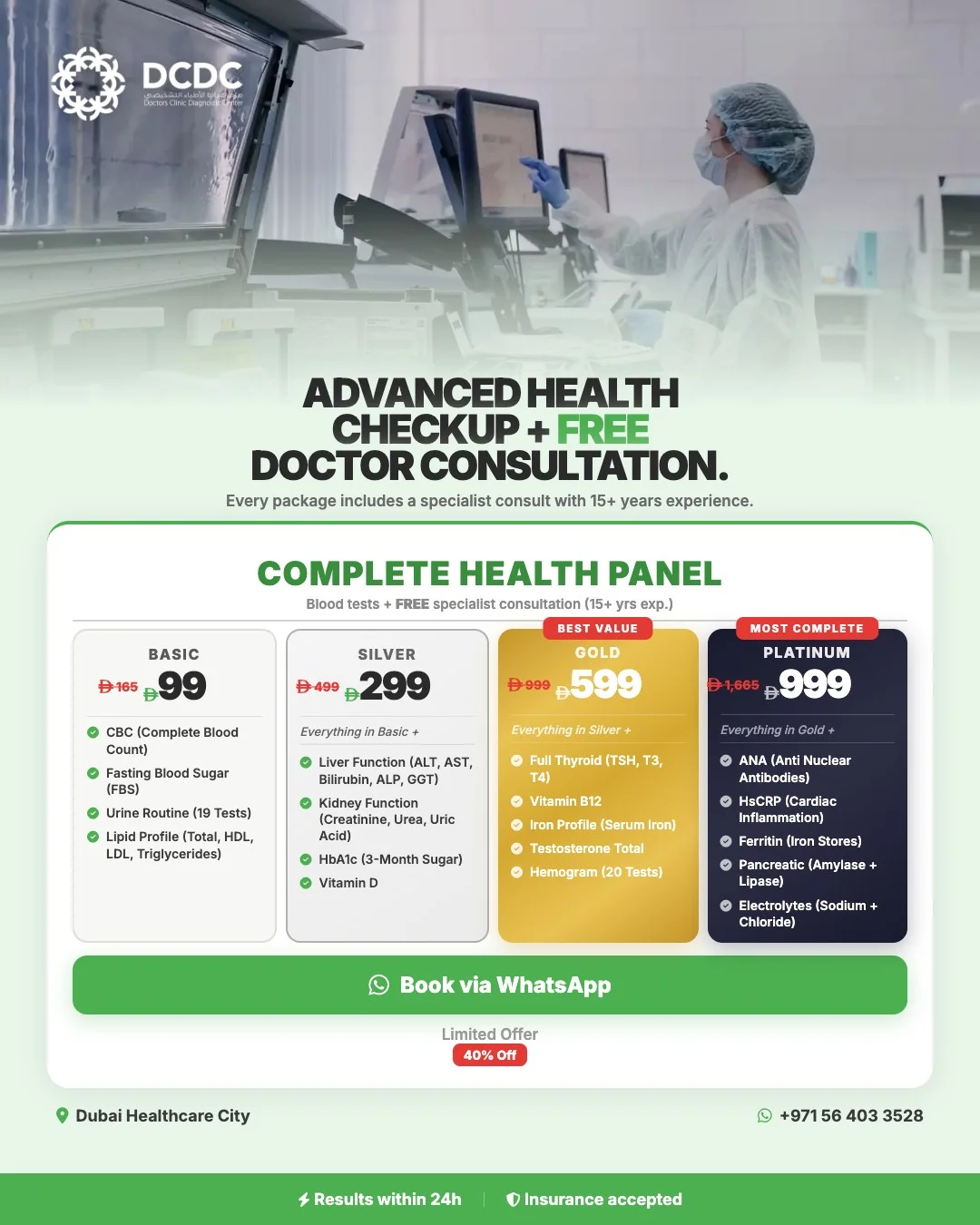
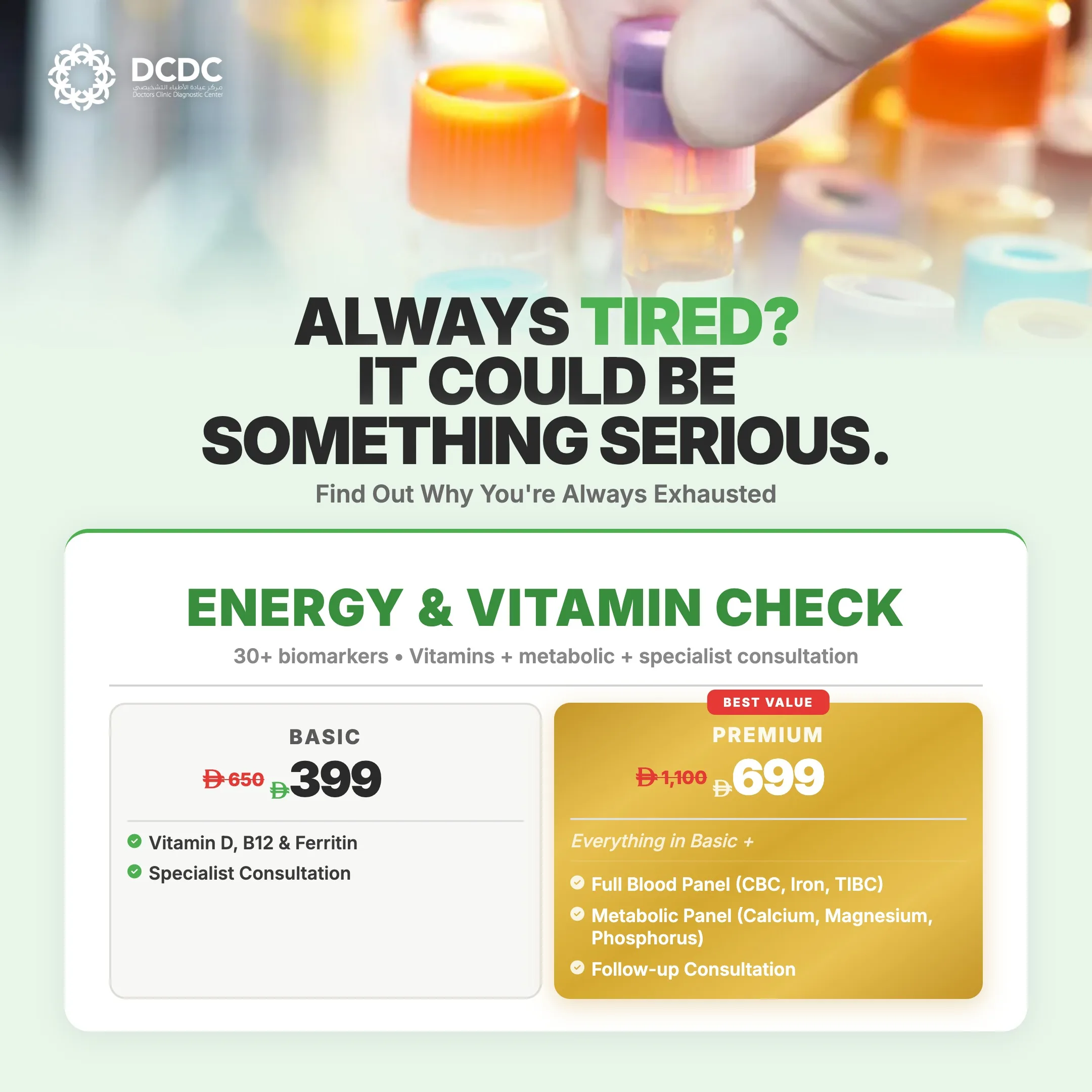
Health Screening Packages
Save with our bundled screening packages — specialist consultation included


What Is a School Health Check and Why Dubai Schools Require It
A school health check is a structured medical examination designed to confirm that a child is physically and developmentally fit to participate fully in school activities. In Dubai, both private and public schools require this assessment as part of the enrollment process. The requirement is not merely bureaucratic — it serves a genuine public health purpose by ensuring that every child entering the school system has been screened for conditions that could affect their learning, safety, or the health of other students.
The Dubai Health Authority (DHA) sets the clinical standards that school clinics and external healthcare providers must follow when conducting these examinations. Schools regulated by the Knowledge and Human Development Authority (KHDA) — which includes virtually all private schools in Dubai — require medical documentation as a condition of enrollment. This applies to new admissions, students transferring from schools outside the UAE, and in many cases, students moving between schools within Dubai.
The health check accomplishes several things simultaneously. It verifies that the child's vaccinations are up to date with the DHA schedule. It screens for vision and hearing problems that could impair classroom learning. It identifies musculoskeletal issues that could limit physical activity. And it creates a baseline health record that the school clinic can reference throughout the academic year. For children with existing health conditions, the check also establishes a medical action plan that school nurses can follow in an emergency.
What Is Included in a School Health Check (Full Components)
The school health check is comprehensive by design. DHA guidelines require screening across multiple body systems, not just a quick look-and-listen. The following table outlines every component of a standard school entry medical examination as conducted at DCDC.
| Component | What Is Assessed | Why It Matters |
|---|---|---|
| Height & weight measurement | Growth percentiles, Body Mass Index (BMI) calculation | Identifies underweight, overweight, or growth abnormalities requiring nutritional guidance |
| Blood pressure | Systolic and diastolic blood pressure using age-appropriate cuff | Screens for childhood hypertension, which is increasingly common and often asymptomatic |
| Heart and lung auscultation | Heart sounds (murmurs, rhythm), breath sounds (wheezing, crackles) | Detects congenital heart conditions, arrhythmias, and respiratory issues like undiagnosed asthma |
| Spine and posture check | Scoliosis screening, posture assessment, spinal alignment | Early detection of scoliosis allows bracing or monitoring before curves progress |
| Musculoskeletal assessment | Joint range of motion, gait analysis, flat feet evaluation | Identifies conditions that could limit PE participation or require activity modifications |
| Vision screening | Visual acuity (Snellen chart), colour vision (Ishihara), eye alignment (cover test) | Undiagnosed vision problems are a leading cause of poor academic performance |
| Hearing screening | Pure-tone audiometry across speech-relevant frequencies | Mild hearing loss can mimic attention problems and go undetected for years |
| Vaccination review | DHA immunization schedule verification, identification of missing doses | Schools require proof of complete vaccination — missing doses can delay enrollment |
| Dental check (visual) | Visible caries, gum condition, oral hygiene assessment | Dental pain is a common cause of school absence and difficulty concentrating |
| Skin examination | Rashes, eczema, signs of communicable skin conditions | Identifies contagious conditions that require treatment before school entry |
| Abdominal examination | Palpation for organomegaly, hernias, tenderness | Screens for conditions that may need monitoring or affect sports participation |
| Sports fitness clearance | Cardiovascular fitness assessment for PE and extracurricular sports | Required by most schools for children participating in competitive sports or swimming |
Source: DHA Standards for Clinics in Educational and Academic Settings (Version 4.1, 2025). Individual schools may require additional assessments.
Dr. Hadeel Elnur notes: "Parents are sometimes surprised by how thorough a school health check is. It is not just a formality — I regularly identify previously undetected issues during these examinations. The most common findings are reduced visual acuity, mild hearing loss at specific frequencies, and incomplete vaccination records. All of these are correctable, but only if they are caught. That is the whole point of screening before school starts."
Documents and Items to Bring to the Appointment
Arriving prepared saves time and prevents the need for a follow-up visit. The following checklist covers everything you should bring to your child's school health check appointment at DCDC.
- Child's Emirates ID or passport: Required for patient registration and medical records. If your child does not yet have an Emirates ID, bring the passport and visa page.
- Original vaccination card/booklet: The DHA-issued Health Card showing all immunizations from birth. If your child was vaccinated overseas, bring the original vaccination record translated into English or Arabic.
- School medical form: Many schools provide their own medical form that the doctor must complete. Download this from the school portal or collect it from admissions before your appointment. DCDC is familiar with forms from GEMS, Taaleem, Nord Anglia, JESS, Repton, Kings, and other major school groups.
- Previous medical reports: Any existing reports for chronic conditions (asthma, allergies, epilepsy, diabetes, ADHD) including current medications and management plans.
- Child's glasses or hearing aids: If your child currently wears corrective lenses or hearing aids, bring them so the doctor can assess corrected vision and hearing.
- Insurance card: Bring your child's health insurance card for direct billing. DCDC processes claims with over 20 insurance providers.
- Transfer medical records: If transferring from a school outside the UAE, bring the child's previous school health record or most recent medical report.
- Comfortable clothing: Dress your child in loose, comfortable clothes that allow easy access for examination — avoid onesies or tight tops that are difficult to remove quickly.
If you are unsure which form your school requires, check with the admissions office or school nurse before your appointment. Most schools in Dubai also accept DCDC's standard medical fitness certificate, which covers all the information schools typically require. For a complete overview of what routine pediatric visits include beyond the school health check, see our guide on child vaccination schedules in Dubai.
Vision Screening: What Is Tested and Why It Matters for Learning
Vision screening is arguably the most important component of a school health check from an academic performance standpoint. The World Health Organization estimates that up to 80% of learning in school-age children occurs through visual processing. A child who cannot see the board clearly, struggles to track words across a page, or has difficulty distinguishing colours may be misidentified as having a learning difficulty or attention problem when the root cause is simply uncorrected vision.
At DCDC, vision screening during a school health check includes three assessments. First, visual acuity testing using a Snellen chart measures how clearly your child can see at a standard distance — this detects myopia (nearsightedness), hyperopia (farsightedness), and astigmatism. Second, colour vision testing using Ishihara plates identifies colour vision deficiencies, which affect approximately 8% of boys and 0.5% of girls. Third, eye alignment testing using the cover-uncover test checks for strabismus (misaligned eyes) and amblyopia (lazy eye), conditions that respond well to early treatment but become harder to correct with age.
The American Academy of Pediatrics (AAP) recommends annual vision screening for all children aged 5-18. Dubai's school health check requirements align with this recommendation. If any abnormalities are detected during screening at DCDC, Dr. Hadeel Elnur coordinates a referral to a pediatric ophthalmologist, and the school medical form is annotated so the school nurse is aware of any visual accommodations the child may need — such as preferential seating near the front of the classroom.
Hearing Screening: Detecting Issues That Affect Classroom Performance
Hearing loss in children is more common than most parents realise. The WHO reports that approximately 34 million children worldwide have disabling hearing loss, and many more have mild to moderate loss that goes undetected because the child compensates by reading lips, watching peers, or simply appearing inattentive. In a classroom setting, even mild hearing loss at speech-relevant frequencies (500 Hz to 4000 Hz) can cause a child to miss consonant sounds, struggle with phonics, and fall behind in reading.
At DCDC, hearing screening during the school health check uses pure-tone audiometry. The child wears headphones and indicates when they hear tones at different frequencies and volumes. This test is painless and takes approximately five minutes. It is effective at identifying both conductive hearing loss (caused by fluid in the middle ear, wax buildup, or ear infections) and sensorineural hearing loss (caused by inner ear or nerve problems).
Children who have had repeated ear infections are at higher risk for mild conductive hearing loss that fluctuates seasonally. If your child has a history of recurrent otitis media, mention this to the doctor before the screening so it can be taken into account. If hearing issues are detected, DCDC can refer to an ENT specialist within Dubai Healthcare City for further evaluation and management. For parents concerned about their child's hearing outside of school checks, our child health checkup guide covers the full range of pediatric assessments available.
Vaccination Requirements for Dubai Schools
Vaccination verification is a non-negotiable part of the school health check in Dubai. The DHA mandates specific immunizations at specific ages, and schools are required to check that every student's vaccination record is complete before confirming enrollment. If your child is missing any required vaccines, the school will typically give a short grace period (usually 30 days) to complete them — but some schools will not allow the child to start classes until the record is fully up to date.
The following vaccines must be completed before school entry in Dubai, according to the DHA/MOHAP National Immunization Schedule:
- BCG (Tuberculosis): Given at birth. If your child was born outside the UAE and did not receive BCG, a catch-up dose may be recommended depending on age and country of origin.
- Hepatitis B: Three-dose series starting at birth, with doses at 2 and 6 months.
- DTaP-IPV-Hib (Diphtheria, Tetanus, Pertussis, Polio, Haemophilus influenzae type b): Primary series at 2, 4, and 6 months, with boosters at 18 months and 4-6 years.
- PCV (Pneumococcal): Three doses at 2, 4, and 6 months, with a booster at 12 months.
- MMR (Measles, Mumps, Rubella): First dose at 12 months, second dose at 18 months. A booster may be required at 4-6 years.
- Varicella (Chickenpox): First dose at 12 months, second dose at 18 months.
- Hepatitis A: Two doses at 12 and 18 months.
- OPV (Oral Polio Vaccine): Given at Grade 1 (age 6) in addition to the IPV doses in the primary series.
- Tdap booster: Required at Grade 7 (age 11-12) for continued protection against diphtheria, tetanus, and pertussis.
- Meningococcal ACWY: Recently added to the DHA schedule; required at Grade 7.
At DCDC, the doctor reviews your child's vaccination card during the health check and identifies any missing doses. If catch-up vaccines are needed, they can be administered on the same visit — there is no need to schedule a separate vaccination appointment. This is particularly valuable for families who have recently relocated to Dubai and may have a different vaccination history. DCDC's on-site pharmacy stocks all DHA-schedule vaccines.
Need to Complete Your Child's Vaccinations Before School?
DCDC carries all DHA-schedule vaccines and can administer catch-up doses during the same school health check visit. Book your appointment online or call us directly.
Pediatrician consultation from AED 300 | Direct billing with 20+ insurance providers
When to Book Your School Health Check (Timing Matters)
Timing is one of the most practical considerations for school health checks in Dubai, and getting it wrong can cause genuine problems. The academic year starts in September, and school registration deadlines typically fall between April and July depending on the school. Most schools require the completed medical form to be submitted with the enrollment package — meaning you need the health check done before registration closes, not before school starts.
The peak demand period for school health checks in Dubai runs from mid-June through August. During these months, pediatric clinics across the city are fully booked, and wait times can stretch to 2-3 weeks. If your child needs catch-up vaccinations or follow-up appointments for issues found during screening, that timeline gets even tighter.
The practical recommendation is to book your school health check appointment 4-6 weeks before your school's document submission deadline. For most families, this means scheduling in May or June for a September start. If you are applying during off-cycle admissions (January or April intake), apply the same 4-6 week lead time. At DCDC, we see the sharpest increase in school health check bookings from the last week of June — booking before that window gives you the widest choice of appointment times and the most flexibility if follow-up visits are needed.
Dr. Hadeel Elnur adds: "I always tell parents — book early, even if it feels premature. The medical fitness certificate does not expire within a few months, and having it ready takes one major item off your back-to-school checklist. The parents who wait until August are often the ones calling us in a panic because their school is holding their child's place pending medical documentation."
Medical Action Plans for Children with Chronic Conditions
For children with chronic health conditions, the school health check serves a dual purpose. In addition to the standard fitness assessment, the doctor prepares a medical action plan — a written document that tells the school nurse and teachers exactly what to do if the child has a medical episode at school. This is mandatory for conditions including asthma, severe allergies (anaphylaxis risk), epilepsy, type 1 diabetes, and significant cardiac conditions.
An asthma action plan, for example, specifies the child's trigger factors, current preventer and reliever medications, the dose and frequency of reliever use during an attack, and the threshold for calling an ambulance. An allergy action plan lists confirmed allergens, describes the signs of anaphylactic reaction, and provides step-by-step instructions for administering an epinephrine auto-injector. A diabetes management plan covers blood glucose monitoring, insulin administration, and hypoglycemia response.
At DCDC, Dr. Hadeel Elnur prepares these action plans as part of the school health check visit when a chronic condition is present. The plans follow DHA-recommended formats that all Dubai schools recognise. If your child has an existing action plan from a previous school or specialist, bring it to the appointment so the doctor can update it with current medications and management strategies. For families managing childhood respiratory conditions, our guide on childhood asthma treatment in Dubai provides detailed information on long-term management approaches.
Sports Fitness Clearance for PE and Extracurricular Activities
Most Dubai schools require a sports fitness clearance as part of the school health check, particularly for children who will participate in competitive sports, swimming, or intensive physical education programs. Schools affiliated with GEMS, Taaleem, Nord Anglia, and other major operators typically have specific fitness clearance requirements that go beyond the basic physical exam.
The sports fitness assessment at DCDC includes a cardiovascular evaluation (heart rate, blood pressure, cardiac auscultation for murmurs), a musculoskeletal assessment (joint stability, range of motion, previous injury history), and a respiratory assessment (breath sounds, exercise tolerance). For children with a family history of sudden cardiac events, or those with known heart murmurs, the doctor may recommend an ECG or echocardiogram before clearing the child for competitive sports — these diagnostic tests are available on-site at DCDC.
Swimming clearance is a specific requirement at many Dubai schools, as swimming is part of the PE curriculum. The doctor confirms that the child does not have active ear infections, uncontrolled skin conditions, or respiratory conditions that would make pool activities unsafe. If your child has ear grommets (ventilation tubes), this should be discussed during the appointment so appropriate guidance can be included in the school medical file.
What to Expect at DCDC During Your School Health Check
DCDC is located in Building 64, Block A, Dubai Healthcare City. Free parking is available in the DHCC car park adjacent to the building. When you arrive, reception will register your child and collect the insurance card for direct billing processing. The entire school health check typically takes 30-45 minutes from start to finish.
Here is the step-by-step process for a school health check at DCDC:
- Step 1 — Registration and intake: Reception registers your child, processes insurance, and collects any school-specific forms you have brought.
- Step 2 — Physical measurements: A nurse records height, weight, BMI, and blood pressure using age-calibrated equipment.
- Step 3 — Physical examination: The doctor conducts a systematic head-to-toe examination including heart and lung auscultation, abdominal palpation, spine and posture assessment, and musculoskeletal evaluation.
- Step 4 — Vision screening: Visual acuity testing (Snellen chart), colour vision testing (Ishihara plates), and eye alignment assessment (cover-uncover test).
- Step 5 — Hearing screening: Pure-tone audiometric testing across speech-relevant frequencies using calibrated headphones.
- Step 6 — Vaccination review: The doctor reviews the child's vaccination card against the DHA schedule and identifies any missing or overdue doses.
- Step 7 — Catch-up vaccines (if needed): Missing vaccines from the DHA schedule are administered during the same visit. No separate appointment needed.
- Step 8 — Documentation: The medical fitness certificate is stamped and signed by the doctor. School-specific forms are completed. Medical action plans are prepared for children with chronic conditions.
- Step 9 — Sports clearance: Cardiovascular fitness assessment for PE participation. If additional testing (ECG, blood tests) is recommended, these are available on-site.
- Step 10 — Summary and handover: The doctor discusses any findings with you, provides referral letters if needed, and hands over all completed documentation ready for school submission.
DCDC's documentation is accepted by all KHDA-regulated schools, GEMS schools, Taaleem schools, and other private school groups in Dubai. The clinic is experienced with forms from JESS, Repton, Kings, Nord Anglia, and dozens of other institutions. If your school uses a non-standard form, bring it to the appointment and the doctor will complete it during the visit.
If blood tests are needed — for example, a CBC or haemoglobin check for a child with suspected anaemia, or specific tests requested on the school medical form — DCDC's on-site laboratory can process these during the same visit. Results for routine blood work are typically available within 24 hours.
School Health Check Cost and Insurance Coverage
Understanding the cost of a school health check in Dubai helps families plan and avoid surprises. Prices vary between clinics, but here is what to expect at DCDC and across the market.
| Service | DCDC Price | Notes |
|---|---|---|
| Pediatrician consultation (includes full physical exam) | From AED 300 | Covers the complete physical examination, fitness assessment, and form completion |
| Vision screening | Included in consultation | Snellen chart, Ishihara colour vision, and eye alignment test |
| Hearing screening (audiometry) | Included in consultation | Pure-tone audiometry across speech-relevant frequencies |
| Vaccination review | Included in consultation | DHA schedule verification and documentation |
| Individual vaccine (if catch-up needed) | From AED 100-350 per vaccine | Price varies by vaccine type; most are covered by insurance |
| Blood tests (if required) | From AED 100-300 | On-site lab; specific tests depend on school requirements or clinical findings |
| ECG (if recommended for sports clearance) | From AED 200 | Recommended for children with heart murmurs or family cardiac history |
| Medical fitness certificate | Included in consultation | Stamped and signed, ready for school submission |
Prices are indicative and may vary based on insurance coverage and specific clinical needs. Contact DCDC for exact pricing.
The good news for most families in Dubai is that school health checks are covered by health insurance. DCDC offers direct billing with over 20 insurance providers including Daman, AXA, Bupa, MetLife, Cigna, Oman Insurance, and NGI. With direct billing, you pay nothing out of pocket if the school health check falls within your policy's preventive care or pediatric care coverage — which it does for the majority of plans.
For families without insurance or with limited coverage, DCDC's self-pay rates are competitive. The complete school health check consultation starts from AED 300, which includes the physical exam, vision screening, hearing screening, vaccination review, and all documentation. Vaccines and blood tests, if needed, are charged separately. DCDC is a MOHAP-licensed facility in Dubai Healthcare City, ensuring that you receive the same clinical standards regardless of payment method.
Ready to Book Your Child's School Health Check?
DCDC in Dubai Healthcare City completes school health checks in a single visit — physical exam, vision, hearing, vaccinations, and documentation. Book online now or WhatsApp us to secure your preferred time slot before the July-August rush.
Building 64, Block A, DHCC | Free parking | Direct billing with 20+ insurers
Tips for Parents: Preparing Your Child and Reducing Anxiety
For many children, especially younger ones starting school for the first time, a medical appointment can be intimidating. A little preparation at home can make the experience significantly smoother for both the child and the parent. Here are practical strategies that work.
- Explain what will happen in simple terms: Tell your child that the doctor will listen to their heart with a stethoscope, check their eyes by reading letters or pictures on a chart, and listen for sounds through headphones. Avoid language like "it won't hurt" which can actually increase anxiety — instead, focus on what will happen, not what will not.
- Role-play the appointment at home: Use a toy stethoscope or pretend to check each other's ears and eyes. This familiarizes the child with the process and removes the element of surprise.
- Schedule at the right time of day: Avoid booking during nap time for younger children, or immediately after school for older children when they may be tired and irritable. Mid-morning appointments generally work best.
- Bring a comfort item: A favourite small toy or stuffed animal can provide reassurance. DCDC's examination rooms are child-friendly, but a familiar object from home adds an extra layer of comfort.
- Be honest about vaccines: If your child needs catch-up vaccines, do not promise there will be no injections. Instead, acknowledge that there may be a quick pinch but it will be over very fast, and you can plan a small reward afterward.
- Feed your child beforehand: A hungry child is an unhappy child. Make sure your child has had a normal meal or snack before the appointment. If blood tests are expected, ask DCDC when booking whether fasting is required — for most school health check blood work, it is not.
- Arrive 10 minutes early: Rushing creates stress for everyone. Arriving slightly early gives your child time to settle into the waiting area and adjust to the environment.
- Stay calm yourself: Children take emotional cues from parents. If you are visibly anxious about the appointment, your child will pick up on it. Approach the visit matter-of-factly.
School Health Checks for Transfer Students and New Arrivals
Families relocating to Dubai from abroad face additional considerations during the school health check process. Different countries have different vaccination schedules, and a child who was fully vaccinated according to the UK, US, Australian, or Indian schedule may still have gaps when compared to the DHA schedule. The most common discrepancies involve Hepatitis A (not included in many Western vaccination schedules), BCG (not routinely given in some countries), and the timing of booster doses.
At DCDC, the doctor conducts a detailed comparison of your child's existing vaccination record against the DHA requirements. A catch-up plan is created for any missing vaccines, and those that can be safely administered together are given during the same visit. This eliminates the need for multiple return appointments. For vaccines that require intervals between doses (such as the second dose of Hepatitis A), the doctor notes the schedule on the medical form and the school nurse tracks completion.
Transfer students moving between Dubai schools may also need an updated health check if their previous school's medical records are incomplete or more than 12 months old. DCDC can request records from the previous school clinic through DHA's HASANA health information system, which streamlines the process and avoids unnecessary repeat testing.
DCDC has a 4.8/5 Google rating from over 1,000 verified patient reviews, and families consistently note the clinic's efficiency with documentation and forms — a factor that matters significantly when navigating school enrollment timelines as a new arrival.
Common Questions from Parents About School Health Checks
Beyond the formal FAQ section below, here are additional points that parents frequently ask about during school health check appointments at DCDC.
Many parents ask whether siblings can be seen during the same appointment. At DCDC, you can book back-to-back appointments for multiple children. Each child receives their own full examination, but scheduling consecutively means one trip to the clinic covers the entire family.
Parents also ask whether they need to come in person or whether a nanny or driver can bring the child. For a school health check, a parent or legal guardian must be present to provide consent for examination and any vaccinations. A nanny or caregiver cannot provide medical consent on your behalf under UAE law. If neither parent can attend, a notarised letter of consent from a parent may be accepted — contact DCDC ahead of the appointment to confirm requirements.
Another common question is what happens if the health check reveals a problem. If the doctor identifies an issue — reduced vision, a heart murmur, suspected hearing loss — the school health check is still completed and documented. The finding is noted on the school form, and the doctor provides a referral to the appropriate specialist. Most conditions found during screening do not prevent school enrollment; they simply require follow-up care and, in some cases, accommodations at school.
Related Services at DCDC
Expert care and advanced diagnostics at Dubai Healthcare City
Frequently Asked Questions
Final Thoughts: Making the School Health Check Work for Your Family
A school health check is one of those tasks that feels like an administrative hurdle until it actually catches something. Every year, doctors conducting school health checks in Dubai identify thousands of children with previously undetected vision problems, hearing issues, and incomplete vaccinations. These are not rare findings — they are common, correctable, and consequential for a child's academic performance and social development.
The practical takeaway is straightforward: book early, bring the right documents, and choose a clinic that can handle everything in one visit. At DCDC in Dubai Healthcare City, the entire process — physical exam, vision and hearing screening, vaccination review and catch-up, sports clearance, and school form completion — is designed to be completed in a single 30-45 minute appointment. With direct billing from over 20 insurance providers, most families have no out-of-pocket cost.
Dr. Hadeel Elnur concludes: "The school health check is often the first time a doctor has examined a child since their infant vaccinations were completed. That gap — sometimes three or four years — is a long time in a child's development. Vision changes, hearing shifts, and growth patterns evolve rapidly during the preschool and early school years. Catching issues at school entry means catching them when intervention is most effective. Do not treat this appointment as a box to tick. Treat it as a genuine health assessment for your child."
If your child is starting school in Dubai this year, or transferring from another school, do not leave the health check to the last minute. The July-August period is consistently the busiest, and the families who book early are the ones who have their documentation ready, their follow-up appointments completed, and their school registration confirmed without delays.
Sources & References
This article was reviewed by our medical team and references the following sources:
- WHO — Vision and Hearing Screening for School-Age Children: Implementation Handbook
- American Academy of Pediatrics — Hearing Screening for Newborns, Children & Adolescents
- Dubai Health Authority — Standards for Clinics in Educational and Academic Settings (Version 4.1, 2025)
- DHA/MOHAP — Clinical Guidelines for Best Practice in Immunization (Version 4)
- CDC — Developmental Monitoring and Screening for Children
- NHS UK — Your Child's Health and Development Reviews
Medical content on this site is reviewed by DHA-licensed physicians. See our editorial policy for more information.

Written by
Dr. Hadeel Elnur
General Practitioner
MD, General Practice
Dr. Hadeel Elnur is a General Practitioner at Doctors Clinic Diagnostic Center (DCDC) in Dubai Healthcare City.
Related Articles
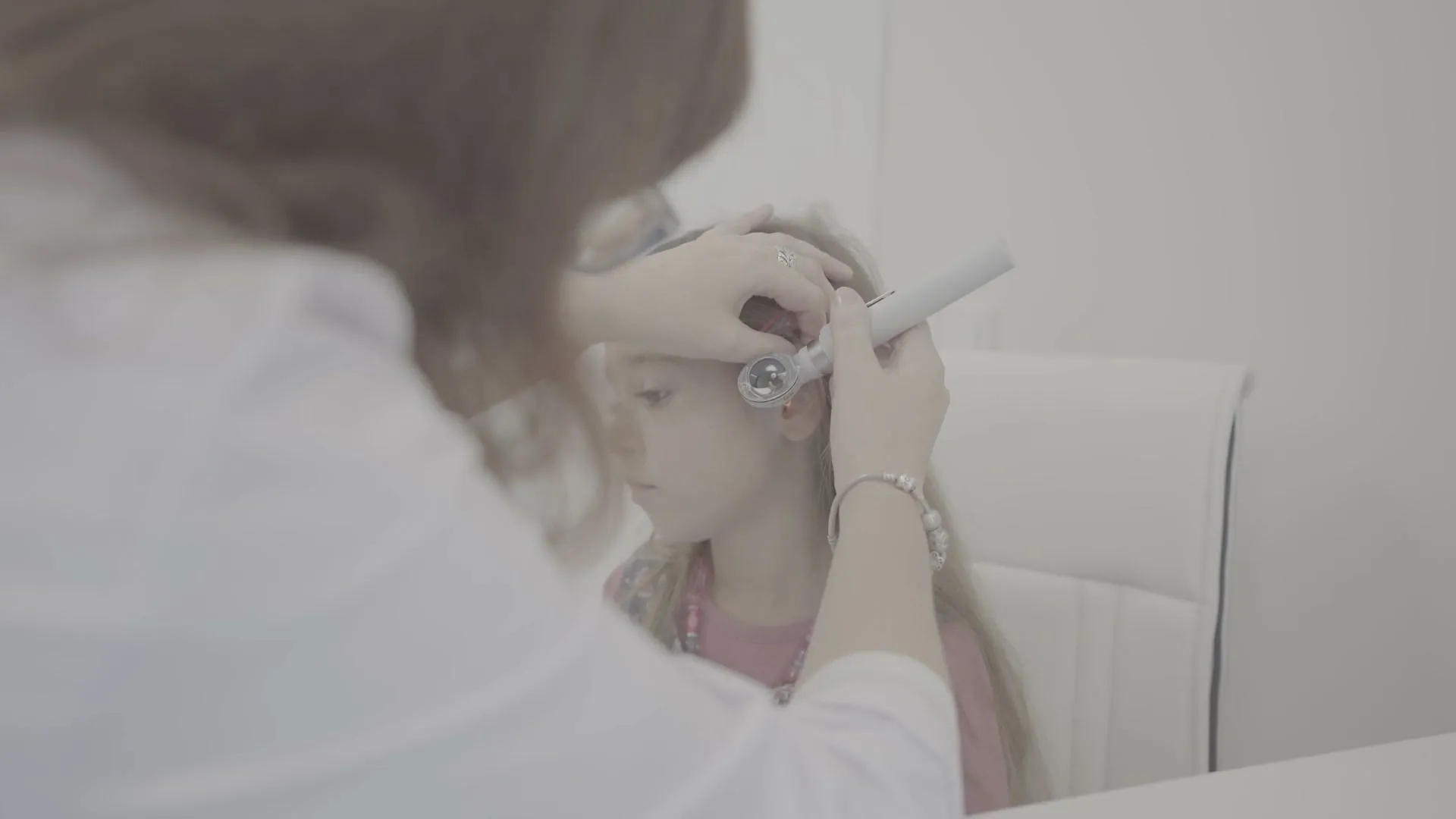
Child Vaccination Schedule Dubai: Full Guide (2026)

Child Health Checkup Dubai: Full Guide (2026)
Pediatrician Cost Dubai: From AED 300 (2026)
Childhood Asthma Dubai: Symptoms & Care (2026)
More in General Health
Epilepsy Treatment Dubai: Symptoms & Care (2026)
Read More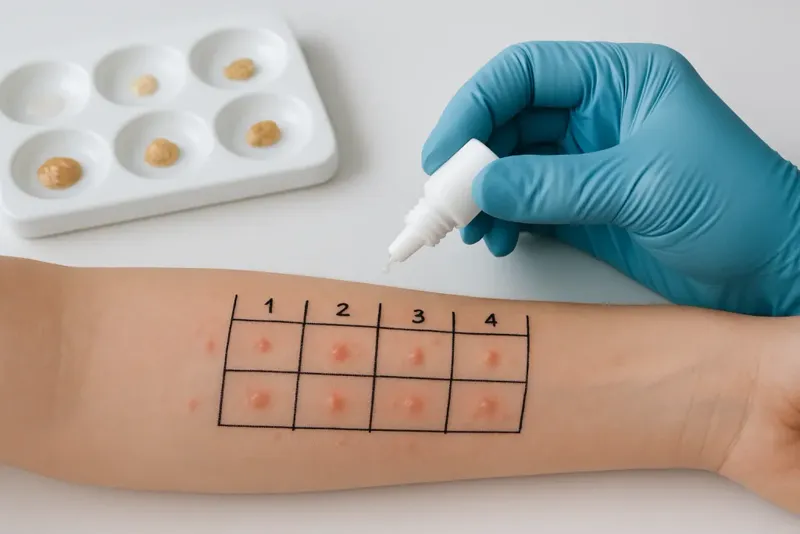
Food Allergy vs Food Intolerance Dubai (2026)
Read More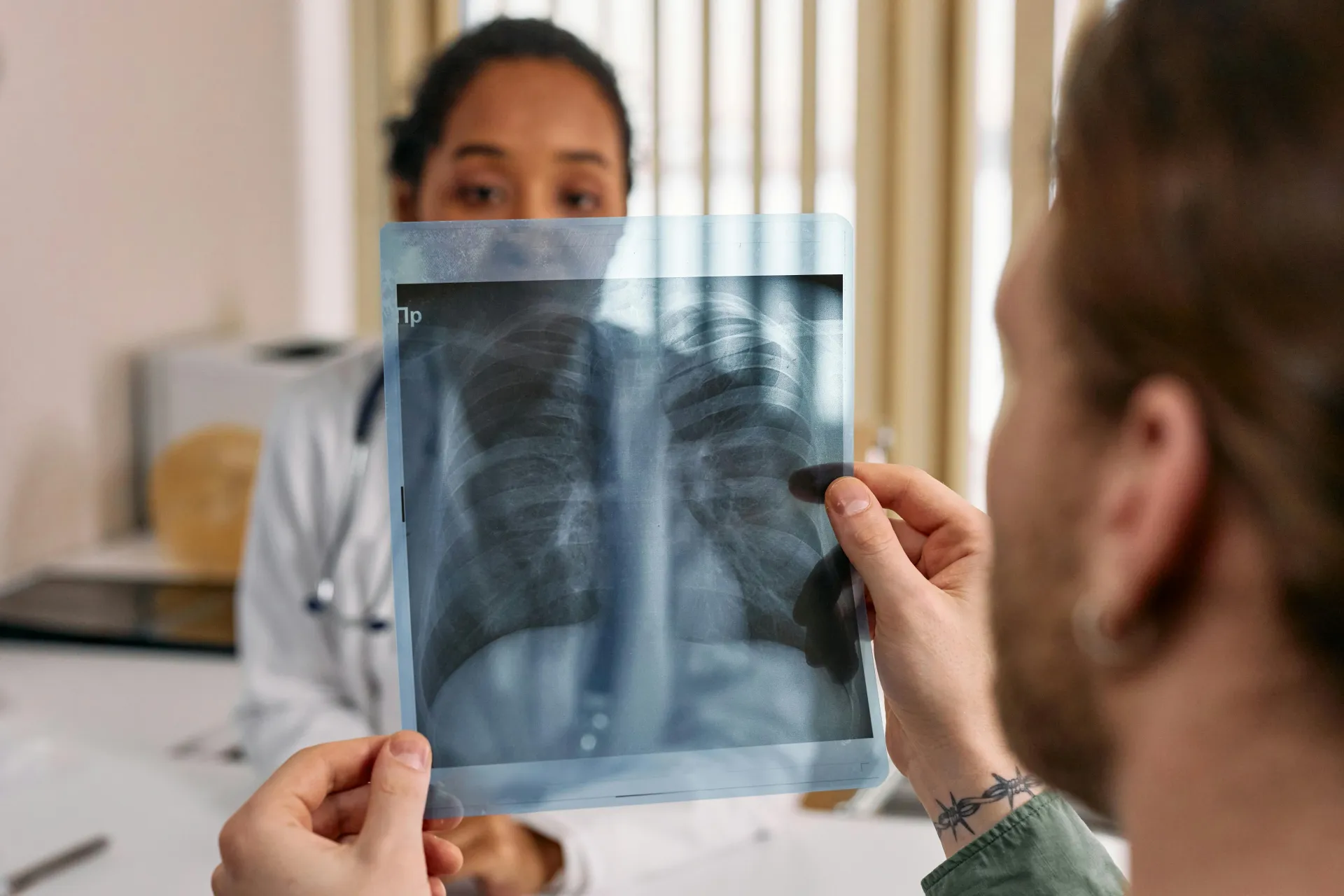
Pneumonia vs Flu Dubai: Key Differences (2026)
Read More
Swollen Lymph Nodes Dubai: When to Worry (2026)
Read MoreFlu vs Cold Dubai: How to Tell the Difference (2026)
Read More
Sleep Study Cost Dubai: Tests & Pricing (2026)
Read More© 2026 Doctors Clinic Diagnostic Center (DCDC), Dubai Healthcare City. Originally published at https://doctorsclinicdubai.ae/blog/school-health-check-dubai. All rights reserved. Unauthorized reproduction is prohibited.