Key Takeaways
- An InBody test in Dubai costs from AED 100 to AED 300 depending on the facility, with results available in under 5 minutes
- InBody uses bioelectrical impedance analysis (BIA) to measure body fat percentage, skeletal muscle mass, visceral fat level, basal metabolic rate, and body water content
- The test is completely non-invasive with no radiation — you simply stand on the device and grip the hand electrodes for 2-3 minutes
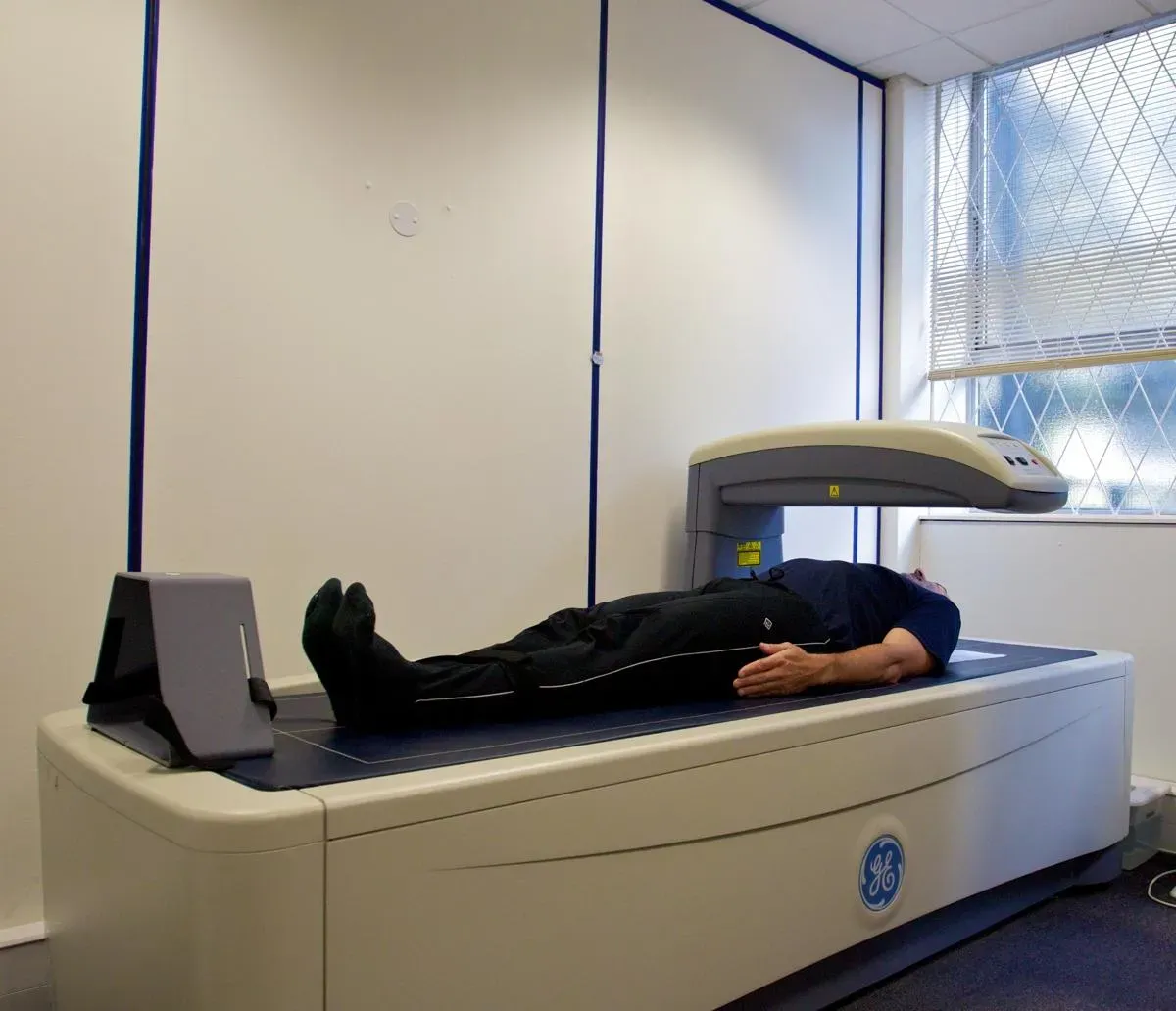
- For clinical-grade accuracy, DEXA scanning is the gold standard and is available at DCDC Dubai Healthcare City for body composition and bone density analysis
- InBody accuracy is affected by hydration status, time of day, recent exercise, and food intake — consistent testing conditions are essential for reliable tracking
- Body composition testing is valuable for weight management, fitness tracking, diabetes risk assessment, pre/post surgery monitoring, and metabolic health evaluation
If you are looking for an InBody test in Dubai, you can expect to pay from AED 100 to AED 300 depending on the facility and whether the test is bundled with a consultation. InBody is one of the most widely available body composition analysis tools in Dubai, used by gyms, wellness centres, and medical clinics to measure body fat percentage, skeletal muscle mass, visceral fat level, and more. The entire test takes just 2-3 minutes with no needles, no radiation, and no preparation beyond basic hydration guidelines. For a comprehensive health checkup that includes body composition analysis alongside blood work and physician consultation, DCDC in Dubai Healthcare City offers packages from AED 249 with same-day results.
This guide covers everything you need to know about InBody testing in Dubai: how the technology works, what it measures, how much it costs across different providers, how to prepare for the most accurate results, and how InBody compares to clinical-grade alternatives like DEXA scanning. Whether you are tracking fitness progress, managing your weight, or assessing metabolic health risks, understanding what an InBody test can and cannot tell you will help you make the right decision for your health goals.
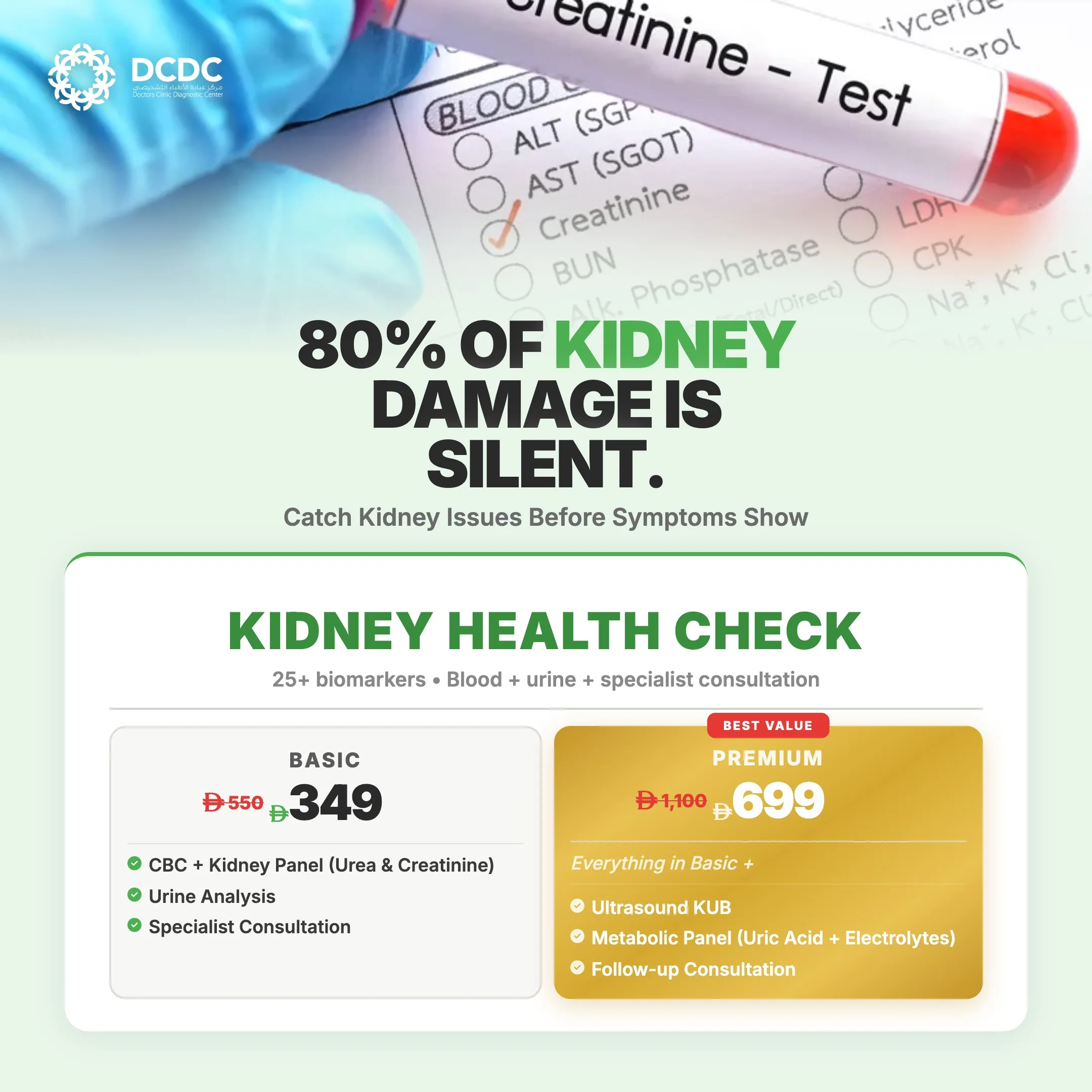
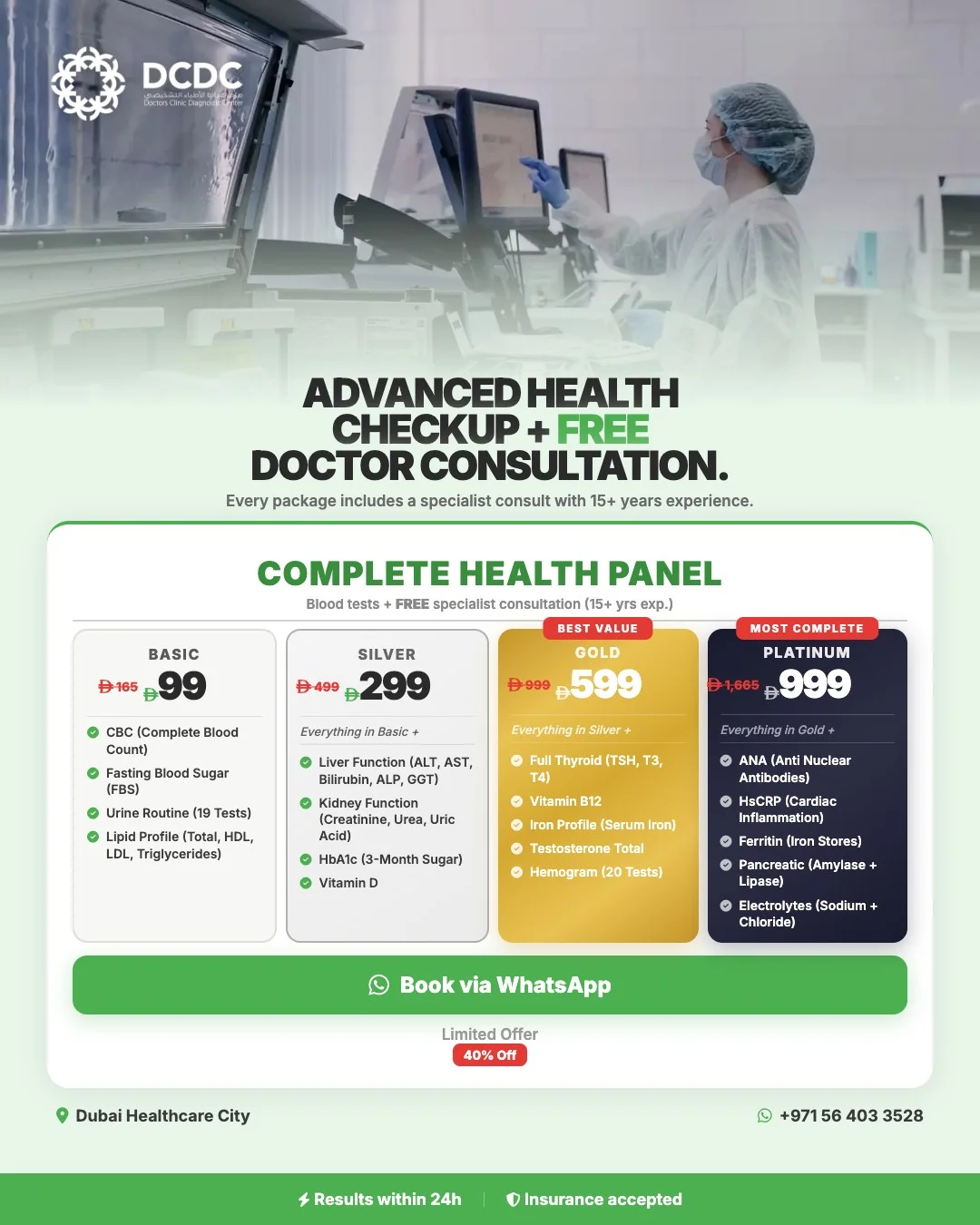
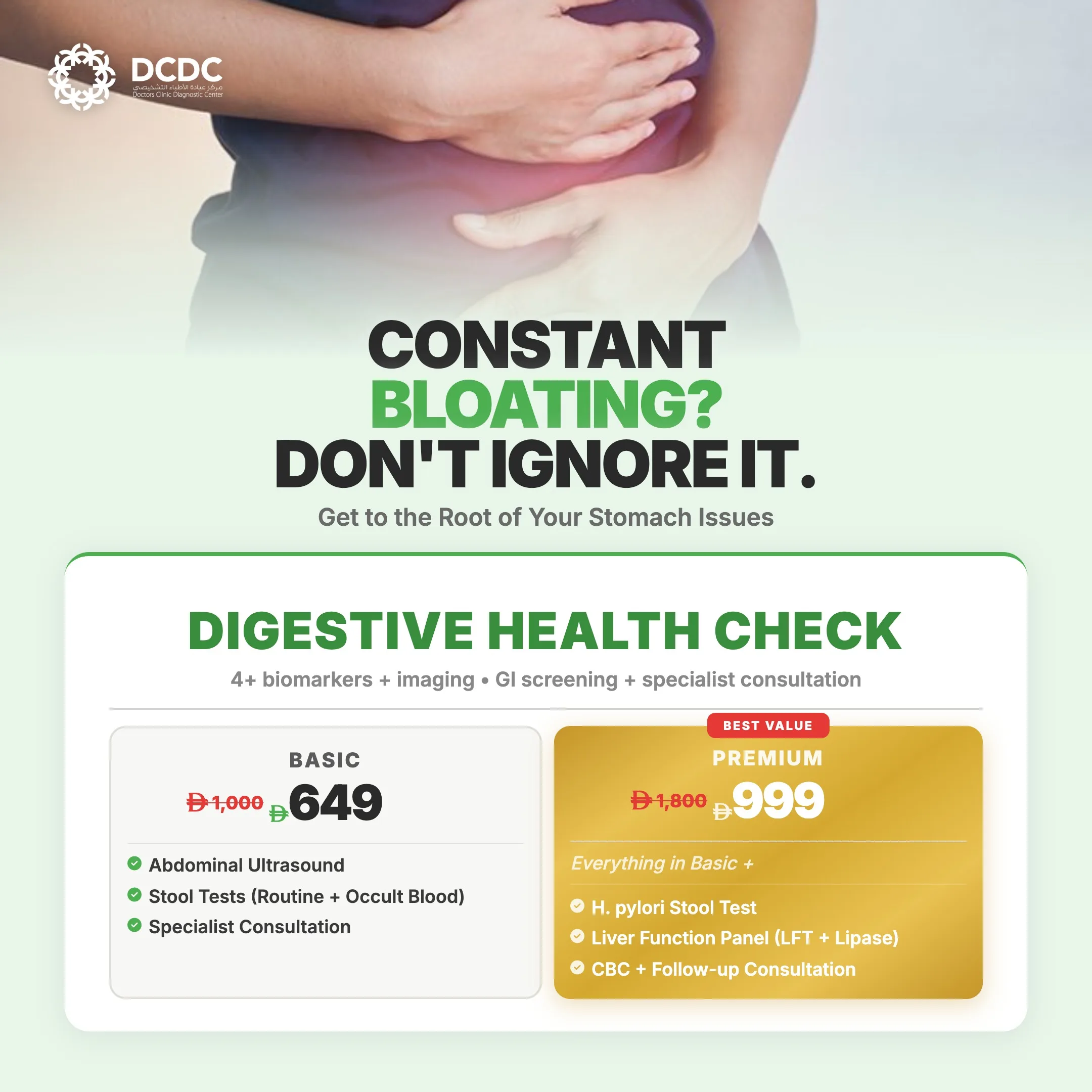
Health Screening Packages
Save with our bundled screening packages — specialist consultation included



What Is an InBody Test?
An InBody test is a type of bioelectrical impedance analysis (BIA) that measures your body composition by sending small, safe electrical currents through your body. The device looks like a digital weighing scale with hand-held electrodes. You stand barefoot on the platform, grip the hand electrodes, and remain still for approximately 60-120 seconds while the device takes measurements at multiple frequencies.
The underlying principle is straightforward: muscle tissue contains a high percentage of water and conducts electricity easily, while fat tissue contains less water and resists electrical flow. By measuring the impedance (resistance) at different frequencies and through different body segments — right arm, left arm, right leg, left leg, and trunk — the InBody device calculates how much of your body weight comes from water, lean tissue, and fat tissue.
InBody devices are manufactured by a South Korean company and come in several models ranging from consumer-grade units found in gyms (InBody 270, InBody 370) to medical-grade devices used in clinical settings (InBody 570, InBody 770). The higher-end models use more frequencies and provide more detailed segmental analysis, which improves accuracy. In Dubai, most clinics and premium gyms use the InBody 570 or 770 models.
What Does an InBody Test Measure?
A standard InBody test produces a detailed result sheet with multiple metrics. Understanding each measurement helps you interpret your results and track changes over time. Here are the key metrics included in a typical InBody analysis:
- Body Fat Percentage: The proportion of your total body weight that is fat tissue. A healthy range is typically 10-20% for men and 18-28% for women, though this varies by age and fitness level
- Skeletal Muscle Mass (SMM): The weight of your skeletal muscles, which are the muscles you can voluntarily control and build through exercise. This is distinct from total lean mass
- Basal Metabolic Rate (BMR): The number of calories your body burns at rest to maintain basic functions like breathing, circulation, and cell repair. Higher muscle mass correlates with a higher BMR
- Visceral Fat Level: A score indicating the amount of fat stored around your internal organs in the abdominal cavity. High visceral fat is a significant risk factor for type 2 diabetes, heart disease, and metabolic syndrome
- Segmental Lean Analysis: A breakdown of lean mass in each arm, each leg, and the trunk. This reveals muscle imbalances between left and right sides that may indicate injury risk or rehabilitation needs
- Total Body Water (TBW): The total amount of water in your body, split into intracellular water (inside cells) and extracellular water (outside cells). The ratio between these two indicates cellular health and hydration status
- Body Mass Index (BMI): Your weight divided by height squared. While BMI is a basic screening tool, it does not distinguish between muscle and fat, which is why body composition analysis is more informative
- Segmental Fat Analysis: Fat distribution across different body regions, helping identify where you carry excess fat — particularly important for assessing central obesity risk
The InBody result sheet presents these metrics visually with bar charts comparing your values to healthy reference ranges for your age and gender. This makes it easy to identify areas that need attention, such as low muscle mass in the legs or elevated visceral fat. For a deeper understanding of why visceral fat matters, see our guide on visceral fat health risks and how to measure it.
InBody Test Cost in Dubai: Full Price Breakdown
The cost of an InBody test in Dubai varies significantly based on where you get it done and what is included in the service. Here is a comprehensive breakdown of InBody test pricing across different types of facilities in Dubai:
| Facility Type | Price Range (AED) | What's Included | Best For |
|---|---|---|---|
| Gym / Fitness Centre | 100 - 150 | InBody scan only, basic printout, no interpretation | Regular gym members tracking progress |
| Wellness Centre / Nutrition Clinic | 150 - 200 | InBody scan + basic consultation with nutritionist or trainer | Weight management, diet planning |
| Medical Clinic (Standalone) | 200 - 300 | InBody scan + physician interpretation + dietary guidance | Medical-grade assessment, pre/post surgery |
| Health Checkup Package (DCDC) | From AED 249 | Body composition analysis + blood work + GP consultation + same-day results | Comprehensive health assessment with clinical context |
| DEXA Body Composition (DCDC) | From AED 400 | Gold-standard DEXA scan + bone density + physician report | Clinical accuracy, athletes, medical decisions |
InBody test prices in Dubai as of 2026. Prices vary by facility and package inclusions.
The price difference between facilities reflects not just the test itself but the quality of interpretation you receive. A gym InBody scan gives you raw numbers on a printout. A medical clinic provides those numbers in clinical context — your physician can correlate your body composition data with blood test results, metabolic markers, and your personal health history to create actionable recommendations. At DCDC Dubai Healthcare City, body composition analysis is integrated into our health checkup packages, meaning you get a complete picture rather than isolated data points.
How to Prepare for an InBody Test
InBody results are significantly affected by factors that change your body water content and distribution. Following these preparation guidelines ensures the most accurate and consistent results, especially if you plan to compare results over time:
- Fast for 3-4 hours: Eating or drinking large amounts of fluid before the test adds weight that is not yet distributed naturally through your tissues, which skews body water and fat calculations
- Avoid exercise for 6-12 hours: Exercise shifts fluid from blood plasma into muscle tissue and skin through sweating, temporarily altering impedance measurements and making you appear to have more muscle mass than your baseline
- Stay normally hydrated: Do not drink excessive water or become dehydrated before the test. Aim for your normal daily hydration. Dehydration makes fat mass appear higher; overhydration makes lean mass appear higher
- Test at the same time of day: Body water fluctuates throughout the day due to gravity, meals, and activity. Morning measurements (before eating but after using the bathroom) tend to be the most consistent baseline
- Remove metal jewellery: Metal objects can interfere with the electrical currents. Remove rings, bracelets, watches, and necklaces before stepping on the device
- Avoid caffeine and alcohol: Both are diuretics that alter hydration status. Avoid caffeine for at least 4 hours and alcohol for 24 hours before the test
- Empty your bladder: A full bladder adds extracellular water that can affect the water distribution analysis and inflate total body water readings
- Women should note menstrual cycle timing: Hormonal fluctuations cause water retention changes throughout the menstrual cycle. For the most consistent comparisons, test at the same point in your cycle each time
If you are using InBody for longitudinal tracking — comparing results over weeks or months — consistency in testing conditions matters more than any single reading. Always test at the same time, under the same hydration conditions, and ideally on the same device. Even small variations in preparation can shift body fat percentage readings by 2-3%.
InBody vs DEXA: Which Body Composition Test Should You Choose?
This is the most common question we hear from patients at DCDC who are interested in body composition testing. Both InBody and DEXA measure body fat, lean mass, and provide segmental analysis, but they use fundamentally different technologies with different levels of accuracy. For a detailed head-to-head comparison, read our comprehensive guide on DEXA vs InBody accuracy.
| Feature | InBody (BIA) | DEXA Scan |
|---|---|---|
| Technology | Bioelectrical impedance | Dual-energy X-ray absorptiometry |
| Accuracy (body fat %) | Within 3-5% of reference | Within 1-2% of reference |
| Test duration | 2-3 minutes | 10-15 minutes |
| Radiation | None | Very low (1/10th of chest X-ray) |
| Bone density measurement | Estimated only | Direct measurement (clinical standard) |
| Affected by hydration | Significantly | Minimally |
| Cost in Dubai | AED 100-300 | From AED 400 |
| Best for | Frequent tracking, gym monitoring | Clinical decisions, athletes, medical use |
InBody vs DEXA comparison. DEXA is the gold standard; InBody is more accessible for routine tracking.
In practical terms, InBody is a good screening tool and convenient for frequent check-ins at your gym or wellness centre. However, if you need accurate, reliable data for medical decisions — such as assessing metabolic risk, planning a surgical approach, or tracking the results of a training programme with precision — DEXA is the recommended method. At DCDC Dubai Healthcare City, we offer on-site DEXA scanning that provides both body composition analysis and bone density measurement in a single session. For athletes specifically, DEXA provides the regional detail needed to identify muscle imbalances and track sport-specific conditioning, as we discuss in our guide on DEXA for athletes.
Who Should Get a Body Composition Test?
Body composition testing — whether by InBody, DEXA, or another method — provides clinically valuable information that goes far beyond what a standard weighing scale or BMI calculation can tell you. The following groups benefit most from regular body composition analysis:
Weight Management and Fitness
If you are trying to lose fat or build muscle, body weight alone is a poor metric. You might lose 5 kg of fat while gaining 3 kg of muscle, resulting in only 2 kg of weight change on the scale — yet your health and physique have improved dramatically. InBody testing quantifies exactly how much fat you have lost and how much muscle you have gained, giving you and your trainer objective data to adjust your programme. Monthly InBody scans are a practical way to ensure your diet and exercise plan is producing the results you want.
Pre-Diabetes and Metabolic Health
Visceral fat — the fat stored around your organs — is a far better predictor of type 2 diabetes and cardiovascular disease than total body fat or BMI. Someone who appears slim but carries excess visceral fat (sometimes called "skinny fat" or metabolically obese normal weight) is at higher risk than someone who is overweight but carries fat subcutaneously. An InBody test gives you a visceral fat score that can flag this hidden risk before it shows up on standard blood tests. For more on diabetes screening, see our guide on diabetes test cost in Dubai.
Athletes and Sports Performance
Athletes use body composition data to optimise their power-to-weight ratio, identify muscle imbalances between limbs, and ensure training adaptations are occurring where they are needed. InBody provides a quick, convenient check between training cycles, while DEXA scans offer the precision needed for periodised training programmes and competition preparation. Many professional sports teams in Dubai use a combination of both methods.
Pre- and Post-Surgery Patients
Surgeons increasingly use body composition data to assess surgical risk and plan postoperative recovery. Patients with low skeletal muscle mass (sarcopenia) have higher complication rates and slower recovery. Tracking body composition before and after bariatric surgery, orthopaedic procedures, or cancer treatment helps medical teams monitor nutritional status and adjust rehabilitation protocols.
Older Adults and Sarcopenia Screening
Age-related muscle loss (sarcopenia) is a major risk factor for falls, fractures, and loss of independence. After age 30, adults lose approximately 3-8% of muscle mass per decade, accelerating after age 60. Regular body composition testing can detect muscle loss early enough to intervene with resistance training and nutritional adjustments before it becomes clinically significant.
Want Accurate Body Composition Data?
DCDC Dubai Healthcare City offers DEXA body composition scanning — the clinical gold standard — alongside comprehensive health checkup packages. Book your appointment or WhatsApp us for same-day availability.
Understanding Your InBody Results
The InBody result sheet can look overwhelming with its multiple charts and numbers. Here is how to read and interpret the most important sections of your report:
Body Composition Analysis Bar Chart
The top section shows your total body water, protein, minerals, body fat mass, and lean body mass as horizontal bars. Each bar has markers showing the normal range. If your body fat bar extends significantly beyond the normal range marker while your muscle mass bar is below it, this pattern indicates excess fat with insufficient muscle — the most common finding in sedentary individuals.
Muscle-Fat Analysis
This section compares your weight, skeletal muscle mass, and body fat mass relative to normal ranges. The ideal pattern shows a "C" or "D" shape — weight and muscle mass at or above average, with body fat at or below average. An inverted pattern (low muscle, high fat) indicates a need for resistance training and dietary changes. This section is particularly useful for identifying "normal weight obesity" where BMI is healthy but body fat percentage is elevated.
Segmental Lean Analysis
The segmental analysis shows lean mass in each arm, each leg, and the trunk as a percentage of the ideal value. A score of 100% means your lean mass in that segment matches the ideal for your height and gender. Significant differences between left and right sides (greater than 10%) may indicate muscle atrophy from injury, nerve damage, or habitual favouring of one side. Physical therapists and sports medicine physicians use this data to design targeted rehabilitation programmes.
Visceral Fat Score
The InBody visceral fat level is scored from 1 to 20. A score of 1-9 is considered normal, while 10-20 indicates excessive visceral fat accumulation. Scores above 12 are associated with significantly increased risk of metabolic syndrome, type 2 diabetes, cardiovascular disease, and certain cancers. If your visceral fat score is elevated, your physician may recommend additional testing including fasting glucose, HbA1c, lipid panel, and liver function tests to assess metabolic health. Learn more about the warning signs in our guide to metabolic syndrome in Dubai.
Factors That Affect InBody Accuracy
While InBody is a useful screening tool, it is important to understand its limitations. Because the technology measures body water and uses equations to estimate fat and muscle, anything that changes your hydration status or body water distribution will alter the results — even if your actual body composition has not changed. The main factors that affect InBody accuracy include:
- Hydration status: This is the single biggest source of error. Dehydration causes InBody to overestimate body fat percentage because there is less water in the lean tissue. Overhydration does the opposite, making you appear leaner than you are. Studies show hydration changes can shift results by 2-5%
- Time of day: Body water shifts downward due to gravity throughout the day. A morning measurement (after sleeping horizontally) will show different water distribution than an evening measurement, even if body composition is identical
- Recent exercise: Exercise increases blood flow to muscles and causes sweating, both of which alter impedance. Post-exercise measurements typically show artificially higher lean mass
- Food and drink intake: Undigested food and fluid in the stomach adds to measured body mass without being properly accounted for in the impedance equations
- Skin temperature: Warm skin has lower impedance due to increased blood flow. Testing after a hot shower, sauna, or in a very warm room will affect results
- Menstrual cycle: Hormonal fluctuations cause water retention changes of 1-3 kg throughout the menstrual cycle, which directly affects BIA readings
- Device model: Consumer-grade InBody units (found in some gyms) are less accurate than medical-grade models. The InBody 770 uses 6 frequencies and is significantly more reliable than 2-frequency models
- Body type extremes: InBody equations are calibrated on average body types. Very muscular individuals, very obese individuals, and people with atypical body proportions may see larger measurement errors
Research published in the European Journal of Clinical Nutrition found that InBody devices can underestimate body fat percentage by an average of 3.5% compared to DEXA in overweight individuals, and overestimate lean mass in dehydrated subjects. This does not mean InBody is useless — it means you should interpret each reading as an estimate with a margin of error, not an exact measurement. The value of InBody lies in tracking trends over time under consistent conditions, not in the absolute accuracy of any single reading.
What to Expect at DCDC Dubai Healthcare City
At Doctors Clinic Diagnostic Center (DCDC) in Dubai Healthcare City, body composition analysis is part of our integrated approach to preventive health. Here is what your visit looks like from arrival to results:
- Arrival and registration (5 minutes): DCDC is located in Building 64, Block A, Al Razi Medical Complex, Dubai Healthcare City. Free dedicated on-site parking is available. Check in at reception and our team will verify your insurance if applicable — we work with 20+ insurance partners including Daman, AXA, Bupa, MetLife, and Cigna with direct billing
- Consultation with Dr. Hadeel Elnur (15-20 minutes): Your general practitioner will review your health history, current medications, lifestyle factors, and specific health goals. This context is essential for interpreting body composition data meaningfully
- Body composition analysis (10-15 minutes): You will undergo a DEXA scan for gold-standard body composition accuracy. DCDC does not offer InBody testing, but our on-site DEXA scanner provides superior clinical-grade precision for body fat percentage, lean mass, and bone density measurement
- Additional tests if indicated (15-30 minutes): Based on your body composition results and risk profile, Dr. Hadeel may recommend blood tests (fasting glucose, HbA1c, lipid panel, thyroid function) to complete the metabolic picture. On-site sample collection means no separate lab visit
- Results review (15 minutes): Your physician explains your body composition results in the context of your blood work and health history, provides specific dietary and exercise recommendations, and establishes a follow-up plan. Most routine blood test results are available same day
The average wait time at DCDC is 15 minutes, and we are open Saturday through Thursday from 8 AM to 10 PM, and Friday from 9 AM to 9 PM. Our 4.8/5 Google rating from over 1,000 verified reviews and 98% patient satisfaction rate reflect our commitment to thorough, patient-centred care. As a MOHAP-licensed facility (License No. NIMY7VY5-240925), we maintain the highest standards for diagnostic accuracy and clinical governance.
InBody Test for Weight Loss: Does It Actually Help?
One of the most common reasons people seek an InBody test in Dubai is to support their weight loss journey. The question is whether the data actually translates into better outcomes. Research suggests it does — but only when used correctly as part of a structured programme.
A 2021 study published in the Journal of Clinical Medicine found that patients who received regular body composition feedback during a weight loss programme lost significantly more fat mass and preserved more lean mass compared to those who only tracked scale weight. The key insight is that body composition data changes the conversation from "How much weight did I lose?" to "How much fat did I lose, and did I maintain my muscle?" This distinction matters enormously because muscle preservation during weight loss is critical for maintaining metabolic rate and preventing weight regain.
Practical recommendations for using InBody during weight loss include: testing every 4-6 weeks (not weekly, as short-term fluctuations create noise), always testing under the same conditions, focusing on the fat-to-muscle ratio trend rather than absolute numbers, and combining InBody data with waist circumference measurements for a more complete picture of progress. If your InBody shows you are losing muscle along with fat, it is a signal to increase protein intake and add resistance training.
Dr. Hadeel Elnur's Clinical Perspective on Body Composition Testing
"In my practice at DCDC, I see many patients who are surprised by their body composition results — particularly those who have a normal BMI but elevated visceral fat and low muscle mass. This is increasingly common in Dubai's expatriate population, where long working hours, sedentary office jobs, and high-calorie dining out create a pattern of metabolic risk that does not show up on the bathroom scale. I use body composition analysis as a conversation starter. When a patient can see that their visceral fat score is 14 and their muscle mass is below average for their age, it creates a concrete, visual motivation for lifestyle change that abstract numbers like cholesterol levels often do not achieve. I recommend body composition testing as part of every annual health checkup for adults over 30, and every 3-6 months for patients actively managing weight, diabetes risk, or fitness goals. While InBody is convenient and affordable, I advise patients who need clinical-grade accuracy — especially those making medical decisions about surgery, medication, or structured rehabilitation — to opt for our DEXA scanner, which provides the gold standard in body composition and bone density measurement."
How Often Should You Get an InBody Test?
The optimal frequency depends on your goals and what you are tracking. Here are evidence-based recommendations for different situations:
- General health monitoring: Every 6-12 months as part of your annual health checkup. This provides a body composition baseline that your physician can compare year over year to detect gradual changes in muscle mass, fat distribution, or visceral fat levels
- Active weight loss programme: Every 4-6 weeks. This is frequent enough to track real changes in fat and muscle mass while avoiding the noise of week-to-week fluid fluctuations. Adjust your diet and training based on the trends, not individual readings
- Fitness and muscle building: Every 8-12 weeks (aligning with training mesocycles). Muscle building is a slow process — testing more frequently than every 2 months rarely shows meaningful changes and can be discouraging
- Post-surgery recovery: At baseline before surgery, then at 6 weeks, 3 months, and 6 months post-surgery to track muscle loss and recovery. This schedule helps your surgical team adjust rehabilitation and nutrition support
- Chronic disease management (diabetes, metabolic syndrome): Every 3-6 months alongside blood work to track the relationship between body composition changes and metabolic markers like HbA1c, fasting glucose, and lipid levels
Regardless of frequency, the key principle is consistency: same device, same time of day, same preparation protocol. A reading that is slightly inaccurate in absolute terms is still highly valuable for tracking changes, provided the testing conditions remain constant. For a complementary perspective on scan frequency, see our article on how often you should get a DEXA scan.
Insurance Coverage for Body Composition Testing in Dubai
Coverage for body composition testing varies by insurance plan and clinical indication. Here is what you need to know about getting your InBody or DEXA scan covered by insurance in Dubai:
Standalone InBody testing at gyms or wellness centres is generally not covered by insurance as it is considered a wellness service rather than a medical test. However, when body composition analysis is ordered by a physician as part of a clinical assessment — for example, to evaluate sarcopenia risk, monitor post-bariatric surgery outcomes, or assess metabolic syndrome — many enhanced insurance plans will cover the cost. DEXA scanning for bone density is covered by most plans when there is a clinical indication such as osteoporosis risk, history of fractures, or long-term corticosteroid use.
At DCDC Dubai Healthcare City, our insurance coordination team works with over 20 insurance partners, including Daman, AXA, Bupa, MetLife, and Cigna, to handle pre-authorisation and direct billing. This means you typically do not need to pay upfront and claim reimbursement. If you are unsure whether your plan covers body composition testing, contact us before your appointment and we will verify your benefits. Health checkup packages from AED 249 may include body composition analysis as a bundled component, which can be more cost-effective than standalone testing.
Book Your Body Composition Analysis at DCDC
Whether you choose a health checkup package or a standalone DEXA scan, DCDC Dubai Healthcare City provides clinical-grade body composition analysis with same-day results. Contact us or call to book your appointment today.
Where to Get an InBody Test in Dubai
InBody devices are widely available across Dubai. Here is an overview of where you can access InBody testing and what to expect at each type of facility:
Gyms and fitness centres: Many premium gyms in Dubai — including Fitness First, GymNation, and boutique studios — offer InBody scanning as a membership perk or for a small additional fee (AED 100-150). The advantage is convenience and frequency; the disadvantage is that you typically receive a printout with no medical interpretation. Gym staff may explain the basics but are generally not qualified to provide clinical advice based on the results.
Nutrition and wellness clinics: Standalone nutrition clinics and integrative wellness centres often use InBody as part of their initial assessment. The scan is usually bundled with a nutritionist consultation (AED 150-250 total). This is a good option if your primary goal is dietary guidance based on your body composition, but the clinical depth is limited compared to a medical facility.
Medical clinics and hospitals: DHA-licensed medical facilities offer body composition analysis as part of a broader health assessment. The key advantage is integration with medical records, blood tests, and physician expertise. Your body composition data is interpreted alongside metabolic markers, cardiovascular risk factors, and your complete health history — turning raw numbers into a clinical action plan. At DCDC in Dubai Healthcare City, body composition is measured exclusively via DEXA scanning — the gold standard for accuracy — providing precise body fat, lean mass, and bone density data that InBody cannot match.
Body Composition Testing and Metabolic Health in Dubai
Dubai has one of the highest rates of type 2 diabetes and obesity in the world. According to the International Diabetes Federation, the UAE has a diabetes prevalence of approximately 16.3% — nearly double the global average. Metabolic syndrome, characterised by central obesity, high blood pressure, elevated blood sugar, and abnormal lipid levels, affects an estimated 30-40% of the adult population in the UAE.
Body composition testing is a critical tool in the early identification and management of metabolic risk. Standard health metrics like BMI miss a significant proportion of at-risk individuals — research shows that up to 30% of people with a "normal" BMI have metabolically unhealthy body composition (high visceral fat, low muscle mass). An InBody or DEXA scan can identify these individuals before they develop full-blown diabetes or cardiovascular disease.
At DCDC, we integrate body composition data with our comprehensive health checkup packages to provide a complete metabolic risk assessment. When we identify elevated visceral fat alongside concerning blood markers, we can intervene early with lifestyle modifications, dietary counselling, and targeted follow-up — often preventing the need for medication entirely. This preventive approach aligns with the Dubai Health Authority's strategic priority of reducing the burden of non-communicable diseases in the UAE.
Related Services at DCDC
Expert care and advanced diagnostics at Dubai Healthcare City
Frequently Asked Questions
Final Thoughts: Making Body Composition Data Work for Your Health
An InBody test is one of the most accessible and affordable ways to look beyond the number on your bathroom scale and understand what your body is actually made of. At from AED 100 to AED 300 in Dubai, it provides a practical snapshot of your body fat percentage, muscle mass, visceral fat level, and metabolic rate — data that can meaningfully guide your fitness, nutrition, and health decisions. The key is understanding what InBody can and cannot tell you: it is excellent for tracking trends over time under consistent conditions, but it is not a clinical-grade measurement tool.
For those who need precision — athletes optimising performance, patients making medical decisions, individuals assessing bone density alongside body composition — DEXA scanning remains the gold standard and is available on-site at DCDC Dubai Healthcare City. Whether you start with an InBody test at your gym or come directly to DCDC for a comprehensive health checkup that integrates body composition with blood work and physician consultation, the most important step is getting your baseline data. You cannot manage what you do not measure, and when it comes to metabolic health in Dubai's high-risk environment, early awareness is your most powerful tool.
Sources & References
This article was reviewed by our medical team and references the following sources:
- International Diabetes Federation — IDF Diabetes Atlas, UAE Country Profile
- European Journal of Clinical Nutrition — Accuracy of Bioelectrical Impedance Analysis for Body Composition Assessment
- Journal of Clinical Medicine — Body Composition Feedback and Weight Loss Outcomes
- American College of Sports Medicine — Body Composition Assessment Position Stand
- World Health Organization — Obesity and Overweight Fact Sheet
Medical content on this site is reviewed by DHA-licensed physicians. See our editorial policy for more information.

Written by
Dr. Hadeel Elnur
General Practitioner
MD, General Practice
Dr. Hadeel Elnur is a General Practitioner at Doctors Clinic Diagnostic Center (DCDC) in Dubai Healthcare City.
Related Articles
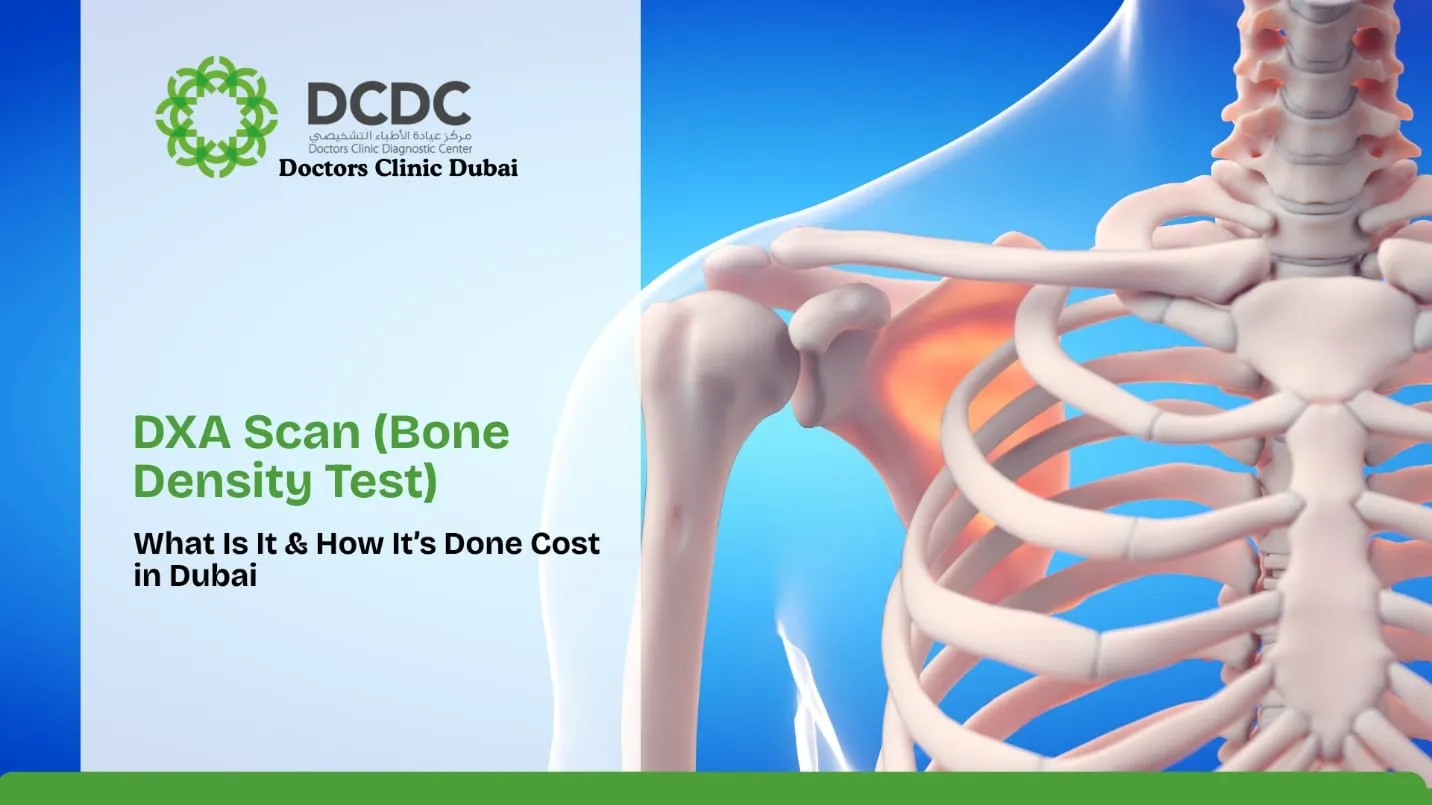
DEXA vs InBody: Which Body Comp Test?
Visceral Fat: Health Risks & How to Measure It

Health Checkup Cost in Dubai: By Package

Metabolic Syndrome: 5 Warning Signs
More in General Health
Flu vs COVID Symptoms Dubai: Key Signs (2026)
Read More
CBC Test Price Dubai: AED 149, Normal Ranges & Results
Read More
Dubai Clinic Without Insurance: Cost Guide (2026)
Read More
Doctor at Home Dubai: Home Visit Cost From AED 349 (2026)
Read More
Doctor on Call Dubai 24/7: Home, Hotel & Office Visits
Read More
Ear Wax Removal & Ear Cleaning Dubai: From AED 300 (2026)
Read More© 2026 Doctors Clinic Diagnostic Center (DCDC), Dubai Healthcare City. Originally published at https://doctorsclinicdubai.ae/blog/inbody-test-cost-dubai. All rights reserved. Unauthorized reproduction is prohibited.