Key Takeaways
- Dental implants in Dubai cost from AED 5,000 to AED 10,000 per implant (including the implant fixture, abutment, and crown), with full-arch solutions like All-on-4 ranging from AED 30,000 to AED 60,000
- The complete dental implant timeline from initial consultation to final crown placement typically spans 3 to 6 months, allowing sufficient time for osseointegration (bone-implant fusion)
- Dental implants have a documented success rate of 95% to 98% at 10 years for healthy patients, making them the most reliable long-term tooth replacement option available
- Three main implant types exist — endosteal (in the bone), subperiosteal (on the bone), and zygomatic (in the cheekbone) — with endosteal being the standard for 95% of cases
- Unlike bridges, implants do not require grinding down adjacent healthy teeth, and unlike dentures, they prevent jawbone resorption by mimicking the natural tooth root
- Candidates must have adequate jawbone density (assessed via CBCT scan), controlled systemic health, and good oral hygiene — bone grafting is available for patients with insufficient bone volume
A dental implant is a titanium post surgically placed into the jawbone to serve as an artificial tooth root, supporting a custom crown that looks, feels, and functions like a natural tooth. If you are considering dental implants in Dubai, understanding the different types available, the full treatment timeline, realistic cost expectations, how implants compare to bridges and dentures, candidacy requirements, and long-term care is essential for making a confident, informed decision. At DCDC in Dubai Healthcare City, dental implants start from AED 5,000 per tooth.
This complete guide covers everything you need to know about dental implants in Dubai in 2026 — from the three main implant types and how the procedure works step by step, to cost breakdowns, bone grafting, the implant vs. bridge vs. denture comparison, success rates, candidacy criteria, aftercare protocols, insurance coverage, and answers to the most frequently asked questions. Whether you need a single-tooth implant or full-arch rehabilitation (All-on-4 or All-on-6), this guide will help you navigate every stage of the process.
What Are Dental Implants and How Do They Work?
A dental implant is a three-component system designed to permanently replace a missing tooth. The implant fixture — a small titanium screw measuring 8 to 16 mm in length — is surgically placed into the jawbone, where it undergoes a biological process called osseointegration: the surrounding bone cells grow directly onto the titanium surface, fusing the implant to the bone over a period of 3 to 6 months. Once osseointegrated, the implant becomes as stable as a natural tooth root.
On top of the implant fixture sits an abutment — a connector piece that emerges through the gum tissue and serves as the foundation for the visible restoration. The final component is the implant crown, bridge, or prosthesis — a custom-fabricated tooth or set of teeth made from porcelain, zirconia, or a combination, designed to match your natural teeth in shape, shade, and translucency. The result is a tooth replacement that is indistinguishable from natural teeth, restores full chewing function, and — critically — preserves the jawbone by transmitting biting forces into the bone just as a natural root does.
Types of Dental Implants: Which One Is Right for You?
There are three main categories of dental implants, each designed for different clinical situations. Your dentist will recommend the appropriate type based on your jawbone quality, the location of the missing tooth or teeth, and your overall health.
Endosteal Implants (Standard)
Endosteal implants are the most common type, used in approximately 95% of all implant cases worldwide. The titanium screw is placed directly into the jawbone, where it integrates over 3 to 6 months. Endosteal implants require sufficient bone height, width, and density for primary stability. They are suitable for single-tooth replacement, multi-tooth bridges, and full-arch prostheses. Available in various diameters (3.0 to 6.0 mm) and lengths (6 to 16 mm), endosteal implants can be tailored to almost any clinical scenario where adequate bone exists.
Subperiosteal Implants
Subperiosteal implants are placed on top of the jawbone, beneath the gum tissue, rather than inside the bone. A metal framework is custom-fabricated to sit on the bone surface, with posts protruding through the gums to support the prosthetic teeth. This type is used in rare cases where the patient has significant bone loss and is unable or unwilling to undergo bone grafting. Subperiosteal implants are far less common than endosteal implants and have lower long-term success rates, making them a last-resort option.
Zygomatic Implants
Zygomatic implants are longer implants (30 to 55 mm) anchored in the zygomatic bone (cheekbone) rather than the maxillary jawbone. They are designed specifically for patients with severe bone loss in the upper jaw who would otherwise require extensive bone grafting before standard implants can be placed. Zygomatic implants allow same-day or near-immediate loading of a provisional prosthesis, bypassing the months-long bone grafting and healing process. They are a specialised option performed by oral surgeons or implantologists with advanced training.
| Implant Type | Placement Location | Bone Requirement | Common Use | Success Rate |
|---|---|---|---|---|
| Endosteal | Inside the jawbone | Adequate bone needed | Single teeth, bridges, full arch | 95–98% at 10 years |
| Subperiosteal | On top of jawbone | Minimal bone needed | Severe bone loss cases | 85–90% at 10 years |
| Zygomatic | Cheekbone (zygoma) | No upper jaw bone needed | Severe upper jaw bone loss | 95–97% at 10 years |
Comparison of the three main dental implant types used in Dubai
Dental Implant Cost in Dubai: Full Price Breakdown (2026)
The total cost of a dental implant in Dubai includes several components: the implant fixture itself, the surgical procedure, the abutment, and the final crown or prosthesis. Some cases also require additional procedures such as bone grafting, sinus lift, or soft tissue grafting, which add to the total investment. Below is a comprehensive cost breakdown for 2026.
| Component / Procedure | Cost Range (AED) | Notes |
|---|---|---|
| Single implant (fixture + abutment + crown) | 5,000–10,000 | Complete single-tooth replacement |
| Implant fixture only | 3,000–5,000 | Titanium screw placed in jawbone |
| Abutment | 500–1,500 | Connector between implant and crown |
| Implant crown (porcelain/zirconia) | 1,500–3,500 | Custom-fabricated visible tooth |
| Bone grafting (per site) | 1,500–4,000 | If bone volume is insufficient |
| Sinus lift | 3,000–6,000 | For upper back teeth with thin bone |
| CBCT scan (planning) | 450 | 3D imaging for implant planning |
| All-on-4 (full arch) | 30,000–50,000 | 4 implants supporting full-arch prosthesis |
| All-on-6 (full arch) | 40,000–60,000 | 6 implants supporting full-arch prosthesis |
Dental implant cost breakdown in Dubai (2026). Prices vary based on implant system, case complexity, and additional procedures required.
At DCDC in Dubai Healthcare City, single dental implants start from AED 5,000 — this includes the implant fixture, abutment, and porcelain or zirconia crown. CBCT 3D imaging for implant planning is available on-site at AED 450. For a detailed breakdown of implant pricing factors, see our dental implant cost guide for Dubai.
The Dental Implant Procedure: Full Timeline (3–6 Months)
The dental implant process involves multiple stages spread over 3 to 6 months. Each stage is critical for ensuring the implant integrates properly with the bone and achieves long-term stability. Here is the complete timeline from consultation to final crown.
Stage 1: Consultation and Treatment Planning (Week 1)
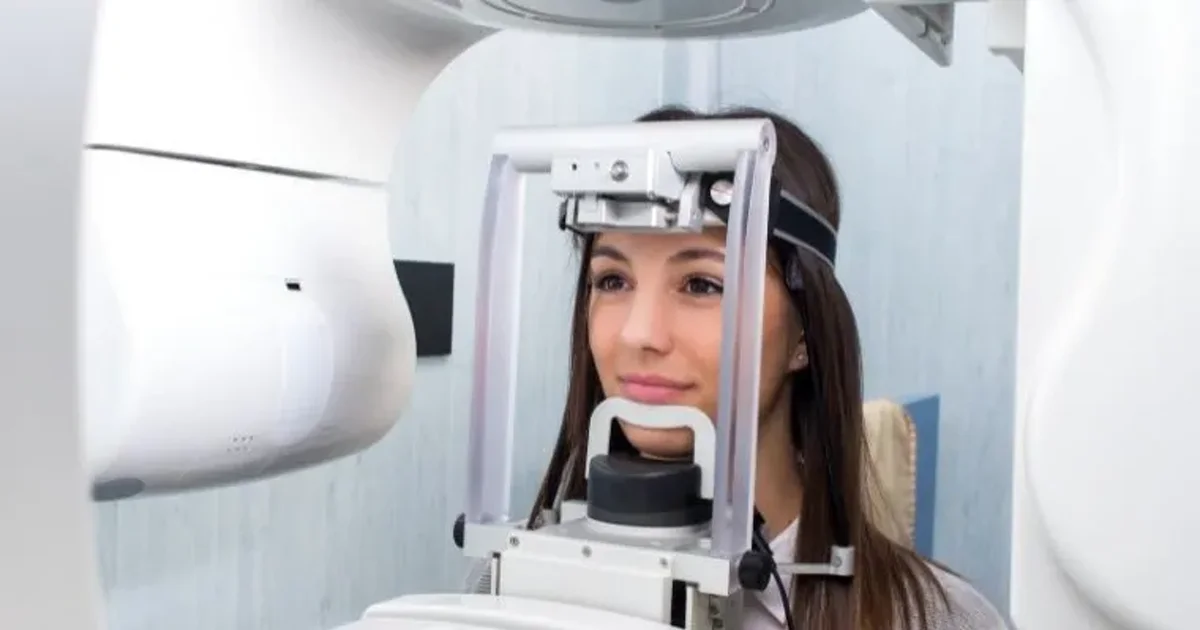
Your implant journey begins with a comprehensive clinical examination, including a full dental history review, intraoral assessment, and CBCT (cone beam computed tomography) scan. The 3D CBCT image allows the dentist to measure available bone height, width, and density at the implant site, identify the proximity of vital structures (nerves, sinuses), and plan the optimal implant size, angle, and position. A personalised treatment plan is created, including cost estimate, timeline, and any additional procedures needed (bone grafting, extractions).
Stage 2: Bone Grafting (If Required — Add 3–4 Months)
If the CBCT scan reveals insufficient bone volume at the implant site, bone grafting is performed to regenerate adequate bone before implant placement. The graft material — which may be synthetic (alloplastic), bovine-derived (xenograft), cadaveric (allograft), or harvested from another site in your mouth (autograft) — is placed at the deficient area and covered with a resorbable membrane. Healing takes 3 to 4 months, during which new bone forms around the graft material. In some cases, bone grafting can be performed simultaneously with implant placement, avoiding an additional healing phase.
Stage 3: Implant Placement Surgery (Week 1 or After Graft Healing)
The implant placement surgery is performed under local anaesthesia (or sedation for anxious patients). The dentist creates a precise osteotomy (hole) in the jawbone using a sequential series of calibrated drills, following the position determined by the CBCT plan. The titanium implant fixture is threaded into the osteotomy until it achieves primary stability — a firm initial hold in the bone. A cover screw or healing abutment is placed on top, and the gum tissue is sutured closed. The entire surgical procedure takes 30 to 60 minutes per implant.
Stage 4: Osseointegration (3–6 Months)
Osseointegration is the most critical phase. Over 3 to 6 months, the bone cells surrounding the titanium implant grow directly onto its surface, forming a biological bond that is as strong as the junction between a natural tooth root and the jawbone. During this healing period, you wear a temporary tooth replacement (removable partial denture or temporary crown/bridge) so you are not without teeth. Your dentist monitors healing with periodic check-ups.
Stage 5: Abutment Placement and Impression (Month 4–6)
Once osseointegration is confirmed (clinically and sometimes with a periapical X-ray), the dentist reopens the gum tissue over the implant (if a cover screw was used), removes the cover screw, and attaches the abutment — the connector piece that will support the final crown. A digital or conventional impression is taken of the abutment and surrounding teeth, which is sent to the dental laboratory for fabrication of the custom implant crown.
Stage 6: Final Crown Placement (2 Weeks After Impression)
The custom crown — made from porcelain, zirconia, or a porcelain-fused-to-zirconia combination — is tried in, checked for fit, shade match, and bite accuracy, then permanently cemented or screw-retained onto the abutment. Bite adjustment is performed, and the finished result is a tooth that looks, feels, and functions identically to your natural teeth. The entire appointment takes 20 to 40 minutes.
Ready to Replace Missing Teeth Permanently?
Book your free dental implant consultation at DCDC in Dubai Healthcare City. CBCT planning, experienced implant team, and direct insurance billing.
Call +971 56 403 3528 or WhatsApp us
Dental Implant vs Bridge vs Denture: Which Is Best?
Choosing the right tooth replacement depends on your clinical situation, aesthetic goals, budget, and long-term priorities. Here is a detailed comparison of the three main options available in Dubai.
| Factor | Dental Implant | Dental Bridge | Removable Denture |
|---|---|---|---|
| Lifespan | 20+ years (often lifetime) | 10–15 years | 5–10 years |
| Jawbone preservation | Yes — prevents resorption | No | No — accelerates resorption |
| Adjacent teeth affected | No | Yes — must grind down 2 teeth | No (but may use clasps) |
| Stability | Fixed, bone-anchored | Fixed, cemented to adjacent teeth | Removable, can slip |
| Aesthetics | Excellent | Good to excellent | Variable |
| Chewing ability | 100% of natural | ~80% of natural | ~40–60% of natural |
| Cost (single tooth) | AED 5,000–10,000 | AED 3,000–6,000 | AED 1,000–3,000 |
| Number of visits | 3–5 over 3–6 months | 2–3 over 2–3 weeks | 3–5 over 2–4 weeks |
| Maintenance | Brush and floss normally | Floss under pontic | Daily removal and cleaning |
| Bone grafting needed? | Sometimes | No | No |
Dental implant vs. bridge vs. denture comparison for Dubai patients (2026)
Dental implants are the gold standard for long-term tooth replacement because they preserve jawbone, do not damage adjacent teeth, and can last a lifetime with proper care. However, they have a higher initial cost and require a longer treatment timeline. Bridges are a good alternative when the teeth on either side of the gap already have large fillings or crowns. Dentures are the most affordable option but offer the lowest functional performance and accelerate bone loss over time. For a deeper comparison of implants and bridges, see our dental implant vs. bridge guide.
Who Is a Candidate for Dental Implants?
Most adults with one or more missing teeth are potential candidates for dental implants. However, successful implant treatment requires certain clinical and health criteria to be met. Your dentist evaluates the following factors during the consultation:
- Adequate jawbone volume: Sufficient bone height, width, and density must be present at the implant site. If bone is deficient, bone grafting or sinus lift procedures can regenerate adequate volume before or during implant placement.
- Healthy gums: Active gum disease (periodontitis) must be treated and stabilised before implant surgery. Placing an implant into inflamed gum tissue significantly increases the risk of peri-implantitis (implant-specific gum disease) and failure.
- Controlled systemic health: Conditions such as uncontrolled diabetes, autoimmune disorders, and osteoporosis can impair bone healing and osseointegration. These conditions do not necessarily disqualify you, but they must be well-managed before proceeding.
- Non-smoker (or willing to quit): Smoking is the single most significant risk factor for implant failure. Studies show implant failure rates in smokers are 2 to 3 times higher than in non-smokers. Dentists strongly advise quitting at least 2 weeks before and 8 weeks after surgery.
- Completed jaw growth: Dental implants are generally not placed until the jawbone has finished growing, which is typically age 18 for females and age 21 for males.
- No bisphosphonate therapy: Patients taking bisphosphonate medications (for osteoporosis or cancer) are at increased risk of osteonecrosis of the jaw (ONJ) following surgical procedures. Your dentist and physician will collaborate on risk assessment.
During the consultation at DCDC, a thorough medical and dental history review is performed, along with a clinical examination and CBCT 3D scan. This comprehensive assessment identifies any factors that need to be addressed before treatment, ensuring the highest possible chance of implant success. DCDC's 98% patient satisfaction rate reflects the clinic's rigorous approach to patient screening and treatment planning.
Bone Grafting for Dental Implants: When and Why
Bone grafting is a surgical procedure that regenerates or augments jawbone volume at the implant site when the existing bone is insufficient to support an implant. After tooth loss, the jawbone undergoes a natural process called resorption — the bone that previously supported the tooth root gradually shrinks in height and width. The longer a tooth has been missing, the more bone loss typically occurs.
There are several types of bone grafts used in implant dentistry:
- Autograft: Bone harvested from another site in your own body (e.g., chin, back of the jaw, or hip). This is considered the gold standard because it contains living bone cells, but it requires a second surgical site.
- Allograft: Processed human donor bone from a tissue bank. It provides a scaffold for your body to grow new bone into, without the need for a second surgical site.
- Xenograft: Bovine (cow) or porcine (pig) bone that has been processed to remove all organic material. Bio-Oss is the most widely used xenograft material in dental implantology.
- Alloplastic: Synthetic bone substitute made from calcium phosphate, hydroxyapatite, or bioactive glass. Fully biocompatible and available in unlimited supply.
- Sinus lift (sinus augmentation): A specific grafting procedure for the upper back jaw where the floor of the maxillary sinus is elevated and bone graft material is placed beneath it, creating sufficient bone height for implant placement.
Bone grafting at DCDC costs from AED 1,500 to AED 4,000 per site, depending on the graft type and extent. Sinus lifts range from AED 3,000 to AED 6,000. Healing typically takes 3 to 4 months before implant placement, though simultaneous grafting and implant placement is possible in certain clinical situations.
What to Expect at DCDC: Your Dental Implant Journey
At Doctors Clinic Diagnostic Center (DCDC) in Dubai Healthcare City, the dental implant experience is structured for clinical precision, patient comfort, and transparent communication at every stage. Here is what happens from your first visit to your final crown:
- Initial consultation: Park in DCDC's free dedicated lot at Building 64, Block A, Al Razi Medical Complex. Your implant consultation includes a clinical examination, full dental history review, and CBCT 3D scan (AED 450) to assess bone volume, identify anatomical structures, and plan the implant position with precision.
- Treatment plan presentation: Your dentist presents a clear, detailed treatment plan that includes the recommended implant type, any additional procedures (bone grafting, sinus lift, extractions), timeline, and itemised cost breakdown. No surprises — everything is discussed and agreed upon before treatment begins.
- Implant surgery: Performed under local anaesthesia with an option for conscious sedation. The procedure takes 30 to 60 minutes per implant. Post-operative instructions, pain management protocol, and dietary guidelines are provided in writing and explained in person.
- Healing and follow-up: Regular follow-up appointments (1 week, 1 month, 3 months) monitor healing and osseointegration. You wear a temporary tooth replacement during this period.
- Final restoration: Once osseointegration is confirmed, a digital impression is taken and your custom implant crown is fabricated and fitted. The result is a tooth that blends seamlessly with your natural teeth.
- Insurance: DCDC offers direct billing with 20+ insurance providers. Some dental insurance plans cover a portion of implant treatment — the clinic handles pre-authorisation on your behalf.
According to Dr. Chadi El Masry, DDS, a dental surgeon at DCDC: "Implant success is determined before the surgery even begins — it starts with precise 3D planning using CBCT imaging. We measure bone density, identify the exact position, angle, and depth for each implant, and anticipate any need for bone augmentation before the patient is in the chair. This level of pre-surgical planning is what separates predictable, long-lasting results from complications down the line."
Dental Implant Success Rates and What Affects Them
Dental implants have among the highest success rates of any surgical procedure in medicine. Meta-analyses published in the International Journal of Oral & Maxillofacial Implants report success rates of 95% to 98% at 10 years for endosteal implants in healthy patients with adequate bone. With proper care, many implants last 20 years or longer — and some have been documented functioning successfully for over 40 years.
Factors that can negatively affect implant success include:
- Smoking: The most significant modifiable risk factor. Smoking constricts blood vessels, reduces oxygen supply to healing tissues, and impairs osseointegration. Failure rates are 2 to 3 times higher in smokers.
- Uncontrolled diabetes: Elevated blood sugar impairs wound healing and immune response. HbA1c should be below 7% before implant surgery.
- Poor oral hygiene: Peri-implantitis — a destructive inflammatory condition caused by bacterial biofilm around the implant — is the leading cause of late implant failure. It is preventable with good brushing, flossing, and regular dental cleanings.
- Insufficient bone quality: Very soft or osteoporotic bone provides weaker primary stability, extending healing time and slightly reducing success rates.
- Teeth grinding (bruxism): Excessive mechanical forces on the implant can cause screw loosening, crown fracture, or bone loss around the implant. A night guard is recommended for patients who grind.
For related reading on implant aftercare and how to protect your investment, see our detailed dental implant aftercare and recovery guide.
Dental Implant Aftercare: Protecting Your Investment
A dental implant is a significant investment in your oral health and quality of life. Proper aftercare ensures your implant lasts for decades. Here is what you need to do after the surgery and in the long term:
Immediate Post-Surgery Care (First 2 Weeks)
- Pain management: Take prescribed or over-the-counter pain medication as directed. Most patients report discomfort comparable to a tooth extraction — manageable with ibuprofen or paracetamol for 2 to 3 days.
- Antibiotics: Complete the full course of prescribed antibiotics to prevent infection at the surgical site.
- Soft diet: Eat soft, lukewarm foods for 7 to 10 days. Avoid chewing on the implant side. Good options include soup, yoghurt, scrambled eggs, mashed potatoes, and smoothies.
- Ice packs: Apply ice to the outside of the cheek for 20 minutes on, 20 minutes off during the first 48 hours to minimise swelling.
- No smoking: Avoid smoking for at least 2 weeks after surgery (ideally 8 weeks or permanently). Smoking dramatically impairs healing.
- Gentle oral hygiene: Brush other teeth normally but avoid the surgical site for the first week. Rinse gently with warm salt water or prescribed chlorhexidine mouthwash after the first 24 hours.
Long-Term Implant Care
- Brush twice daily: Use a soft-bristled toothbrush around the implant crown and abutment, including the gum line.
- Floss daily: Use unwaxed tape floss or an implant-specific floss threader to clean under and around the implant crown.
- Interdental brushes: Small interdental brushes (TePe or similar) are highly effective at cleaning around implant abutments.
- Professional cleanings: Visit your dentist every 6 months for professional cleaning and implant assessment. Ultrasonic scalers with specialised plastic tips are used to clean implant surfaces without scratching them.
- Night guard: If you grind or clench your teeth, wear a custom night guard to protect the implant crown from excessive forces.
Insurance Coverage for Dental Implants in Dubai
Dental implant insurance coverage in Dubai varies significantly between plans. Here is what patients typically encounter:
- Basic dental plans: Most basic dental insurance plans in the UAE do not cover dental implants, as they are classified as a major or prosthodontic procedure rather than a basic restorative one.
- Comprehensive dental plans: Premium plans may cover 50% to 80% of the implant cost, subject to an annual maximum benefit and pre-authorisation. Coverage varies — some plans cover the surgical phase but not the crown, or vice versa.
- Employer-sponsored plans: Some employer-provided health insurance packages include dental implant coverage as part of an enhanced benefits tier. Check with your HR department or insurance provider.
- Pre-authorisation: Almost all insurance plans require pre-authorisation for dental implant procedures. DCDC's staff manages this process end-to-end, submitting clinical documentation, X-rays, and treatment plans to your insurer on your behalf.
DCDC offers direct billing with 20+ insurance providers including Daman, AXA, Bupa, MetLife, and Cigna. Even if your plan does not cover implants, DCDC provides transparent pricing and can discuss payment options for your treatment. For patients comparing implants with bridges specifically on cost, see our dentures vs. dental implants comparison.
Get a Personalised Dental Implant Treatment Plan
Visit DCDC in Dubai Healthcare City for a comprehensive implant consultation with CBCT 3D planning. Free parking, direct insurance billing, and extended clinic hours.
Call +971 56 403 3528 or WhatsApp us
Same-Day Dental Implants: Are They Right for You?
Same-day (immediate) dental implants involve placing the implant and attaching a provisional crown or prosthesis on the same day as the extraction — bypassing the traditional 3-to-6-month healing period before crown placement. This approach is appealing because it eliminates the gap-toothed phase and reduces the total number of surgical visits.
However, same-day implants are not suitable for everyone. They require excellent bone quality and quantity for immediate primary stability, a healthy soft tissue profile, no active infection at the extraction site, and a patient who does not smoke. The provisional crown placed on the day of surgery is designed with reduced contact (out of occlusion) to minimise forces during the osseointegration period. A permanent crown replaces the provisional after 3 to 6 months. For eligible candidates, same-day implants achieve success rates comparable to conventional delayed protocols — 93% to 97% at 5 years.
Related Services at DCDC
Expert care and advanced diagnostics at Dubai Healthcare City
Frequently Asked Questions
Final Thoughts
Dental implants are the gold standard for replacing missing teeth — they are the only tooth replacement option that preserves jawbone, restores full chewing function, and can last a lifetime with proper care. With success rates of 95% to 98% at 10 years and continuous advances in implant technology, guided surgery, and biomaterials, dental implants in 2026 are safer, more predictable, and more accessible than ever before.
At DCDC in Dubai Healthcare City, our implant team provides comprehensive treatment from initial CBCT planning through surgical placement, bone grafting when needed, and final crown delivery — all under one roof in a MOHAP-licensed facility with free parking, extended hours (Sat–Thu until 10 PM), and direct billing with 20+ insurance providers. If you are missing one or more teeth and want to explore whether dental implants are right for you, book a consultation today to receive a personalised treatment plan and clear cost estimate.
Sources & References
This article was reviewed by our medical team and references the following sources:
- American Academy of Implant Dentistry — Dental Implant Facts and Figures
- Mayo Clinic — Dental Implant Surgery Overview
- NHS — Dental Implants Overview
- Cleveland Clinic — Dental Implants: Types, Surgery, Advantages
- International Journal of Oral & Maxillofacial Implants — Long-Term Implant Survival Rates
- World Health Organization — Oral Health Fact Sheet
Medical content on this site is reviewed by DHA-licensed physicians. See our editorial policy for more information.
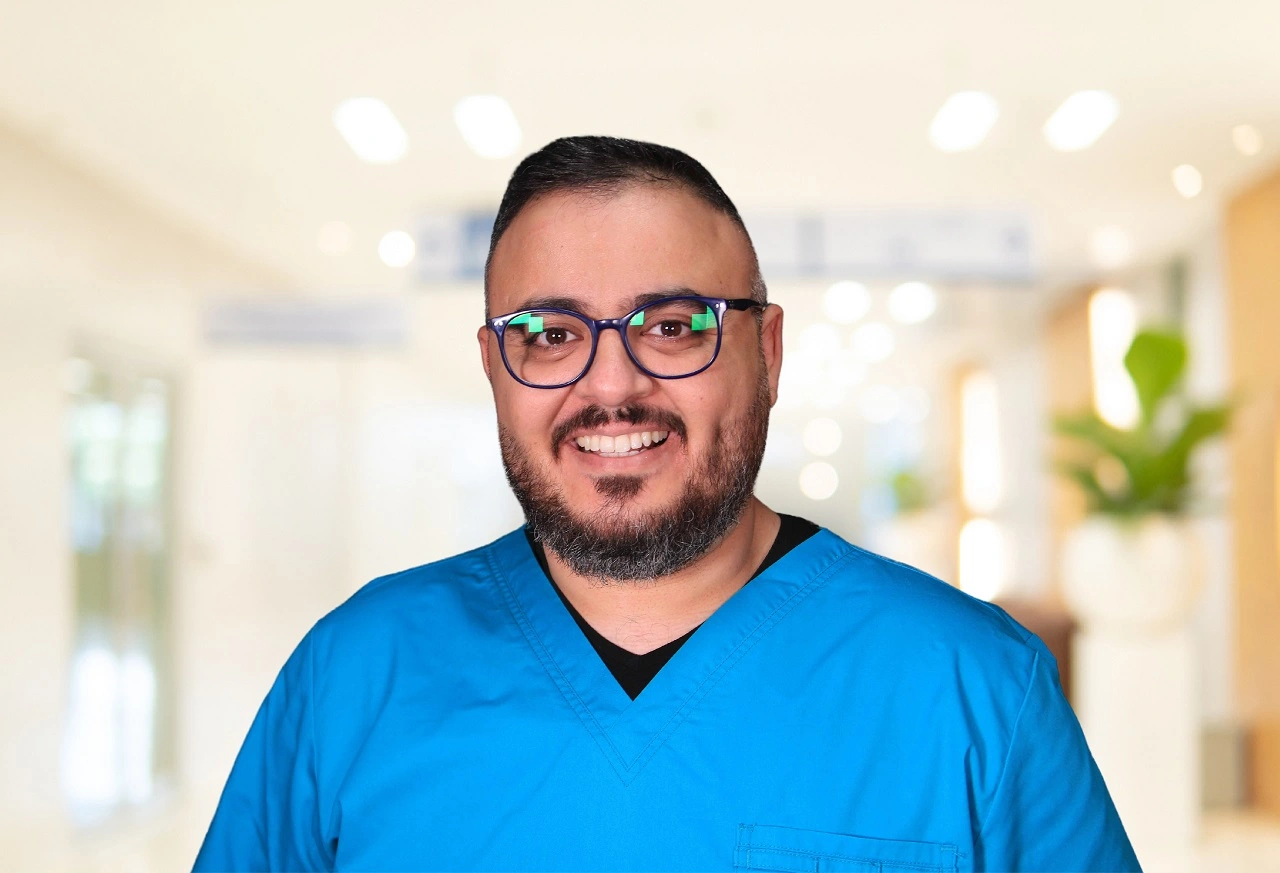
Written by
Dr. Chadi El Masry
Dental Surgeon
DDS
Dr. Chadi El Masry is a Dental Surgeon at Doctors Clinic Diagnostic Center (DCDC) in Dubai Healthcare City, specializing in cosmetic and restorative dentistry including dental implants.
Related Articles
Dental Implant Cost Dubai: From AED 3,000 (2026)

Dental Implant vs Bridge Dubai: Which Is Better? (2026)
Dental Implant Aftercare & Recovery Dubai (2026)
Dentures vs Dental Implants Dubai (2026)
Same-Day Dental Implants Dubai (2026)
More in Dental
Bad Breath Dubai: Causes & Treatment (2026)
Read MoreDental Cleaning Cost Dubai: From AED 200 (2026)
Read MoreDental Crown Cost Dubai: From AED 800 (2026)
Read More
Dental Filling Cost Dubai: From AED 150 (2026)
Read MoreDental Implant Cost Dubai: From AED 3,000 (2026)
Read MoreDentures Cost Dubai: Types & Prices (2026)
Read More© 2026 Doctors Clinic Diagnostic Center (DCDC), Dubai Healthcare City. Originally published at https://doctorsclinicdubai.ae/blog/dental-implants-dubai-complete-guide. All rights reserved. Unauthorized reproduction is prohibited.