Key Takeaways
- Dental implants in Dubai start from AED 3,000 for a single implant fixture and range up to AED 15,000 or more for a complete implant with a premium brand fixture, custom abutment, and zirconia crown — the final cost depends on the implant brand, material, additional procedures like bone grafting, and the complexity of your case
- Titanium implants are the gold standard with a 95 to 98 percent success rate at 10 years and over 50 years of clinical evidence, while zirconia (ceramic) implants offer a metal-free alternative with comparable short-term survival rates of 92 to 97 percent but limited long-term data
- All-on-4 full-arch implant rehabilitation — which replaces an entire arch of missing teeth using just four strategically placed implants — costs from AED 30,000 to AED 80,000 per arch in Dubai, offering a fixed, permanent alternative to removable dentures
- At DCDC in Dubai Healthcare City, dental implant treatment is planned using on-site CBCT and OPG imaging for precise three-dimensional assessment of bone volume, nerve proximity, and implant positioning before any surgery begins
- Most standard UAE health insurance plans do not cover dental implants as they are classified as an elective procedure — however, some premium international plans from Cigna Global, Bupa Global, and AXA International may cover 50 percent of implant costs subject to annual limits
- With proper oral hygiene and regular maintenance, dental implants can last 20 to 25 years or longer — studies show that titanium implants have survival rates exceeding 90 percent at 20 years, making them the most durable tooth replacement option available
- DCDC offers interest-free payment plans for dental implant treatment, with a team of 6-plus dental specialists, direct billing with 20-plus insurance partners, and a 4.8/5 Google rating from 1,000-plus verified reviews
A dental implant is widely considered the gold standard for replacing missing teeth, offering a permanent, natural-looking solution that preserves jawbone health and restores full chewing function. In Dubai, the cost of a single dental implant starts from AED 3,000 for the implant fixture alone and ranges up to AED 15,000 or more for a complete implant with a premium brand fixture, abutment, and crown. Understanding the full cost breakdown before committing to treatment helps you make an informed decision and avoid unexpected expenses.
This comprehensive guide covers everything you need to know about dental implant costs in Dubai in 2026 — from a detailed pricing table comparing every implant type and brand tier, to the factors that influence cost, the step-by-step implant procedure, bone grafting requirements, insurance coverage, payment plans, and answers to the most frequently asked questions. Whether you are missing a single tooth, several teeth, or an entire arch, this guide will help you understand exactly what to expect in terms of cost, timeline, and results at a reputable clinic in Dubai Healthcare City.


Dental Implant Cost in Dubai: Comprehensive Pricing Table
Dental implant prices in Dubai vary significantly depending on the implant brand, the type of restoration, and whether additional procedures such as bone grafting or sinus lifts are required. At Doctors Clinic Diagnostic Center, dental implant consultations include on-site CBCT imaging for precise treatment planning. The following table provides a comprehensive pricing comparison of the most common implant types and procedures available in Dubai.
| Implant Type | What It Includes | Price Range (AED) | Expected Lifespan |
|---|---|---|---|
| Single Implant (Standard Brand) | Implant fixture + healing abutment | From 3,000–5,000 | 15–25 years |
| Single Implant (Premium Brand — Nobel Biocare / Straumann) | Implant fixture + healing abutment | 5,000–8,000 | 20–25+ years |
| Implant Crown (PFM) | Porcelain-fused-to-metal crown on implant abutment | 1,500–3,000 | 10–15 years |
| Implant Crown (Zirconia) | Full zirconia or layered zirconia crown on implant abutment | 2,500–4,000 | 15–20+ years |
| Complete Single Tooth Implant | Fixture + custom abutment + crown (all-inclusive) | 5,000–15,000 | 15–25+ years |
| All-on-4 (Per Arch) | 4 implants + provisional fixed bridge | 30,000–55,000 | 15–20+ years |
| All-on-6 (Per Arch) | 6 implants + fixed zirconia bridge | 45,000–80,000 | 20–25+ years |
| Implant-Supported Overdenture | 2–4 implants + removable snap-on denture | 15,000–30,000 | 10–15 years (denture replaced periodically) |
| Bone Graft (if needed) | Synthetic or autogenous bone material to augment jawbone | 1,500–5,000 | Permanent (integrates with natural bone) |
| Sinus Lift (if needed) | Elevation of sinus membrane to create bone for upper jaw implants | 3,000–7,000 | Permanent |
Dental implant pricing in Dubai. Prices are approximate and may vary based on implant brand, case complexity, and additional procedures. Contact DCDC for a personalised treatment plan and quote.
The prices above reflect the typical range across dental clinics in Dubai. It is essential to understand that the advertised price of an implant often refers to the fixture only — the titanium or zirconia screw that is placed into the jawbone. The total cost of a complete dental implant includes three separate components: the implant fixture, the abutment (connector piece), and the crown (the visible tooth). Always ask your clinic for an all-inclusive quote that covers every component, as well as any imaging, temporary restorations, and follow-up appointments.
Dental Implant Cost Breakdown: What You Pay For Each Component
One of the biggest sources of confusion in dental implant pricing is that the advertised cost often covers only one component — the implant fixture (screw) — not the full restoration. A complete single-tooth implant comprises three distinct components, each with its own cost. Understanding this breakdown helps you compare quotes accurately and avoid clinics that advertise misleadingly low prices.
| Component | What It Is | Cost Range (AED) | Why Cost Varies |
|---|---|---|---|
| Implant Fixture (Screw) | The titanium or zirconia screw placed into the jawbone — the foundation of the restoration | 3,000 – 5,000 (standard) / 5,000 – 8,000 (premium) | Brand (Osstem vs Nobel Biocare vs Straumann), material (titanium vs zirconia), surface treatment technology |
| Abutment (Connector) | The connector piece that links the implant fixture to the crown — custom-milled or prefabricated | 500 – 1,000 (prefabricated) / 1,000 – 2,000 (custom CAD/CAM) | Custom abutments provide better aesthetics and fit but cost more; material (titanium vs zirconia abutment) |
| Crown (Visible Tooth) | The tooth-shaped restoration that sits on top of the abutment — the only visible part | 1,500 – 3,000 (PFM) / 2,500 – 4,000 (zirconia or E-Max) | Material choice (PFM vs full zirconia vs layered zirconia vs E-Max), lab quality, location of tooth (front vs back) |
The three components of a complete single-tooth dental implant. Always ask for an all-inclusive quote covering all three to avoid surprises.
When you add the three components together, a complete single-tooth implant in Dubai costs from AED 5,000 to AED 15,000. The wide range reflects the difference between a standard-brand fixture with a prefabricated abutment and PFM crown (lower end) versus a premium Swiss fixture with a custom zirconia abutment and E-Max crown (upper end). At DCDC, every implant treatment plan includes an itemised breakdown of all three components plus any additional procedures, so there is complete transparency before you commit.
Additional Procedure Costs to Factor In
Beyond the implant, abutment, and crown, several additional procedures may be needed depending on your clinical situation. These are not hidden costs — they are standard aspects of implant dentistry that a thorough clinic will discuss upfront during treatment planning.
| Additional Procedure | When Needed | Cost Range (AED) |
|---|---|---|
| CBCT Scan (3D Imaging) | Always required for precise implant planning | 350 – 800 |
| OPG (Panoramic X-ray) | Initial assessment and screening | 150 – 400 |
| Bone Graft (minor/socket preservation) | When bone width or height is insufficient | 1,500 – 3,500 |
| Bone Graft (major/block graft) | When significant bone loss has occurred | 3,000 – 5,000 |
| Sinus Lift | For upper back teeth where sinus has expanded into jawbone | 3,000 – 7,000 |
| Tooth Extraction (if needed) | When a damaged tooth must be removed before implant placement | 300 – 1,500 |
| Temporary Crown/Flipper | Worn during the osseointegration healing period | 500 – 1,500 |
| Surgical Guide (3D-printed) | For guided implant placement in complex cases | 1,000 – 2,500 |
Additional dental implant procedure costs in Dubai. Not all patients require these — your CBCT scan determines what is needed.
Multi-Implant Discounts and Package Pricing in Dubai
Patients requiring multiple implants often benefit from significant per-unit cost savings. Many Dubai clinics, including DCDC, offer package pricing when two or more implants are placed in the same treatment plan, reflecting the reduced per-implant surgical time and shared diagnostic costs.
| Scenario | Individual Pricing (AED) | Typical Package Saving | Notes |
|---|---|---|---|
| 2 Adjacent Implants | 10,000 – 30,000 (total) | 5 – 10% off combined price | Can be placed in the same surgical session, reducing chair time |
| 3 Missing Teeth (Implant Bridge) | 15,000 – 45,000 (3 individual implants) | Save 30 – 40% with 2-implant bridge | Two implants supporting a 3-unit bridge is more cost-effective than 3 individual implants |
| Full Arch (All-on-4) | 100,000+ for individual implants | Save 60 – 70% with All-on-4 | 4 implants replace 10-14 teeth per arch — most cost-effective full-arch solution |
| Both Arches (All-on-4 x2) | 60,000 – 160,000 (both arches) | 10 – 15% off combined | Some clinics offer significant discounts when both arches are done together |
Multi-implant pricing strategies in Dubai. Always ask about package pricing when replacing more than one tooth.
The key cost-saving strategy for multi-tooth replacement is using fewer implants to support more teeth. An implant-supported bridge (two implants holding three or four crowns) costs 30-40% less than placing individual implants for each missing tooth. For patients missing an entire arch, the All-on-4 concept replaces 10-14 teeth with just four implants, bringing the cost down from over AED 100,000 (individual implants) to AED 30,000-55,000 per arch. Discuss these options with your implant surgeon at DCDC to find the most cost-effective approach for your situation.
Financing Options and Payment Plans for Dental Implants in Dubai
The upfront cost of dental implants can seem daunting, but several financing options make treatment accessible without compromising on quality. Dubai's dental clinics increasingly offer flexible payment solutions to help patients invest in their long-term oral health.
- Interest-free clinic payment plans: DCDC and many other Dubai clinics offer in-house payment plans that allow you to split the total cost over 3 to 12 monthly instalments with zero interest. This is the most straightforward option — no credit checks, no third-party involvement. At DCDC, you can discuss a personalised payment schedule during your treatment planning consultation.
- Credit card instalments: Most major UAE banks — including Emirates NBD, FAB, ADCB, and Mashreq — offer 0% instalment plans for healthcare spending at partner clinics. If your clinic is a partner merchant, you can pay the full amount on your credit card and convert it to 6 or 12 monthly instalments at zero interest.
- Buy Now, Pay Later (BNPL) services: Services like Tabby, Tamara, and Postpay are increasingly accepted at Dubai healthcare providers, allowing you to split payments into 4 interest-free instalments over 2 months. These typically cover amounts up to AED 5,000-10,000.
- Medical loans: Some UAE banks offer dedicated medical finance products with competitive interest rates and extended repayment terms of 12-36 months. These are suitable for larger treatment plans such as All-on-4 or full-mouth rehabilitation.
- Phased treatment: For patients who prefer not to take on any financing, implant treatment can be phased over several months. The implant fixture is placed first (and paid for), then the abutment and crown are completed 3-6 months later after osseointegration — effectively spreading costs across two payment events.
Hidden Costs to Watch For When Getting Dental Implants
Not all dental implant quotes are created equal. Some clinics advertise attractively low prices that only cover the implant fixture, leaving patients to discover additional charges later. Being aware of potential hidden costs protects you from unpleasant financial surprises and helps you compare quotes on a like-for-like basis.
- Imaging fees not included in the quote: A CBCT scan (AED 350-800) and OPG (AED 150-400) are essential for implant planning. Some clinics exclude these from the implant quote. At DCDC, on-site CBCT and OPG imaging is part of the treatment planning process and clearly itemised in your treatment plan.
- Abutment and crown billed separately: The most common source of confusion. A quote for "dental implant from AED 3,000" may only cover the fixture — the abutment (AED 500-2,000) and crown (AED 1,500-4,000) are billed separately. Always ask: does this price include all three components?
- Consultation and follow-up fees: Some clinics charge AED 200-500 per consultation, including the initial assessment, follow-up visits during healing, and post-crown adjustment visits. Clarify whether these are included or billed separately.
- Temporary restoration costs: If you need a temporary crown or flipper during the 3-6 month healing period, this is an additional AED 500-1,500 that may not be in the initial quote.
- Bone grafting not disclosed upfront: Some clinics omit bone grafting costs from initial quotes, even when the clinical situation clearly requires it. A reputable clinic will only give you a final quote after a CBCT scan reveals whether grafting is necessary.
- Warranty limitations: Some clinics advertise "lifetime warranty" on implants but have strict conditions (mandatory annual check-ups at their clinic only, exclusions for smokers or patients who develop health conditions). Read the warranty terms carefully.
- Revision surgery costs: If an implant fails to integrate (2-5% of cases), will the clinic replace it for free or charge you again? Most reputable clinics offer a free replacement fixture, but not all do.
At DCDC, our dental team provides a comprehensive, written treatment plan with every cost clearly itemised before any treatment begins. We believe informed patients make better decisions, and we encourage you to compare quotes across clinics — just make sure you are comparing equivalent scopes of treatment.
Factors That Affect Dental Implant Cost in Dubai
Understanding why dental implant prices range from AED 3,000 to AED 15,000 or more for a single tooth helps you evaluate quotes from different clinics and make a well-informed decision. Several key factors determine the final cost of your implant treatment.
- Implant brand and manufacturer: This is the single biggest cost factor. Premium implant systems from Nobel Biocare (Switzerland), Straumann (Switzerland), and Dentsply Sirona (Germany) cost significantly more than economy brands like Osstem (South Korea), Dentium (South Korea), or MIS (Israel). Premium brands invest heavily in research and development, have the longest clinical track records (30 to 50 years of published data), and offer proprietary surface treatments that enhance osseointegration. While economy brands perform well in many cases, premium brands generally offer higher long-term predictability and broader prosthetic options.
- Implant material — titanium vs zirconia: The vast majority of dental implants placed worldwide are made from grade 4 or grade 5 titanium, which has been the industry standard for over 50 years due to its exceptional biocompatibility and osseointegration. Zirconia (ceramic) implants are a newer, metal-free alternative that offers excellent aesthetics (no grey show-through at the gum line) and is hypoallergenic. However, zirconia implants cost 20 to 40 percent more than their titanium equivalents and have less long-term clinical data.
- Crown material: The implant crown — the visible tooth-shaped restoration — adds AED 1,500 to AED 4,000 to the total cost depending on the material. Porcelain-fused-to-metal (PFM) crowns are the most affordable option. Zirconia crowns are stronger and more aesthetic. E-Max crowns offer the best translucency for front teeth. Your choice of implant crown should be guided by the tooth position and your aesthetic priorities.
- Bone grafting requirements: If your jawbone has insufficient volume or density to support an implant — a common situation when teeth have been missing for months or years — bone augmentation is needed before or during implant placement. A standard bone graft adds AED 1,500 to AED 5,000, while a sinus lift for upper jaw implants adds AED 3,000 to AED 7,000. Advanced techniques like ridge splitting or guided bone regeneration with titanium membranes fall at the higher end of this range.
- Number of implants: Replacing multiple teeth may not require one implant per tooth. For example, three adjacent missing teeth can often be restored with two implants supporting a three-unit implant bridge, which is more cost-effective than three individual implants. A full arch of teeth can be replaced with as few as four implants (All-on-4) rather than 10 to 14 individual implants. Discuss multi-tooth strategies with your implant surgeon.
- Guided surgery and digital planning: Clinics that use CBCT-guided implant planning and surgical stents achieve higher placement accuracy, reduce surgical time, and minimise complications. This advanced technology may add to the cost but significantly improves outcomes, particularly for complex cases. At DCDC, on-site CBCT and OPG imaging is available for same-visit diagnosis and planning.
- Surgeon experience and specialisation: Implant surgery performed by an oral surgeon or periodontist with extensive implant experience typically costs more than treatment from a general dentist. However, the higher success rate and lower complication rate often justify the investment, particularly for complex cases involving bone grafting, sinus lifts, or aesthetic zone implants.
- Clinic location and accreditation: Clinics in premium medical zones like Dubai Healthcare City (DHCC) operate under strict DHA and MOHAP regulatory standards, which ensures quality but may reflect in pricing. The cost difference typically represents a genuine quality and safety advantage, with full regulatory oversight and sterilisation protocols.
Types of Dental Implants: Materials and Systems Compared
Choosing the right implant type and material is one of the most important decisions in your treatment. Each option offers a different balance of strength, aesthetics, longevity, and cost. Below is a detailed comparison of every major implant type available at dental clinics in Dubai.
Titanium Dental Implants
Titanium implants have been the gold standard in implant dentistry since Professor Per-Ingvar Branemark first demonstrated osseointegration in the 1960s. Over 50 years of clinical research supports their safety and effectiveness. Modern titanium implants are made from commercially pure titanium (grade 4) or titanium alloy (Ti-6Al-4V, grade 5), which combines exceptional biocompatibility with high mechanical strength. The surface of titanium implants is typically treated with sandblasting and acid-etching (SLA surface) or oxidation to create a micro-rough texture that accelerates bone integration. Titanium implants achieve osseointegration in 8 to 12 weeks and have documented survival rates of 95 to 98 percent at 10 years and over 90 percent at 20 years. They are suitable for all clinical situations — single teeth, bridges, and full-arch restorations — and are the most extensively studied and predictable implant material available. Prices in Dubai start from AED 3,000 for standard brands and AED 5,000 to AED 8,000 for premium brands like Nobel Biocare and Straumann.
Zirconia (Ceramic) Dental Implants
Zirconia implants are a newer, metal-free alternative made from yttria-stabilised zirconia (Y-TZP), the same ceramic used for high-end dental crowns. They were introduced in the mid-2000s and have gained popularity among patients who prefer a completely metal-free solution, those with titanium sensitivities (rare but documented), or those who require implants in the aesthetic zone where the white colour of zirconia eliminates any risk of grey show-through at the gum line. Zirconia implants show short-term survival rates of 92 to 97 percent at 5 years, and recent systematic reviews report survival rates approaching 99 percent at shorter follow-up periods. However, long-term data beyond 15 years is still limited compared to titanium. Zirconia implants are typically one-piece designs (the implant and abutment are a single unit), which simplifies the procedure but limits prosthetic flexibility. Zirconia implants cost 20 to 40 percent more than equivalent titanium implants in Dubai.
All-on-4 and All-on-6 Full-Arch Implants
All-on-4 is a revolutionary concept developed by Professor Paulo Malo that allows an entire arch of missing or failing teeth to be replaced using just four strategically placed implants — two straight anterior implants and two tilted posterior implants. The tilted implants engage more cortical bone and avoid the maxillary sinuses, often eliminating the need for bone grafting. A fixed provisional bridge is attached to the four implants on the same day as surgery, meaning patients leave the clinic with functional teeth. After three to six months of healing, the provisional bridge is replaced with a permanent zirconia or acrylic bridge. All-on-4 costs from AED 30,000 to AED 55,000 per arch in Dubai, making it significantly more cost-effective than replacing each tooth individually. All-on-6 uses six implants per arch for additional support and is recommended for patients with higher bite forces or lower bone density, costing AED 45,000 to AED 80,000 per arch.
Implant-Supported Overdentures
For patients who want more stability than a traditional removable denture but prefer a lower-cost alternative to All-on-4, implant-supported overdentures offer an excellent middle ground. Two to four implants are placed in the jawbone, and a specially designed denture snaps onto the implants using attachments (locator or ball attachments). The denture is removable for cleaning but stays firmly in place during eating and speaking. Overdentures cost from AED 15,000 to AED 30,000 in Dubai and are particularly popular for lower jaw rehabilitation, where traditional dentures often lack retention.
Dental Implant Brands: Economy vs Premium Comparison
The implant brand you choose has a significant impact on both cost and long-term outcomes. Not all implant systems are equal, and understanding the differences helps you make an informed choice.
| Factor | Economy Brands (Osstem, Dentium, MIS) | Premium Brands (Nobel Biocare, Straumann) |
|---|---|---|
| Price per fixture (AED) | 3,000–5,000 | 5,000–8,000 |
| Country of manufacture | South Korea / Israel | Switzerland / Germany |
| Clinical evidence | 10–15 years published data | 30–50 years published data |
| Surface treatment | SLA or similar | Proprietary (TiUnite, SLActive) |
| Prosthetic flexibility | Standard options | Extensive range of abutments and components |
| Success rate (10-year) | 93–96% | 95–98% |
| Global availability | Regional | Worldwide — easy to maintain anywhere |
| Best for | Budget-conscious patients, straightforward cases | Complex cases, aesthetic zone, long-term investment |
Comparison of economy and premium dental implant brands available in Dubai. Both categories offer reliable results, but premium brands provide longer clinical track records and broader prosthetic options.
Both economy and premium implant brands can deliver excellent results when placed by an experienced surgeon with proper treatment planning. However, if you travel frequently or may need maintenance in another country, a globally available premium brand ensures that any dentist worldwide can access compatible components. This is an important consideration for Dubai's large expatriate population.
The Dental Implant Procedure: Step by Step
Getting a dental implant is a multi-stage process that typically spans three to six months from initial consultation to final crown placement. Understanding each step helps you prepare for the journey and know exactly what to expect.
- Step 1 — Comprehensive assessment and imaging: Your implant journey begins with a thorough clinical examination and advanced imaging. At DCDC, this includes an OPG (panoramic X-ray) and a CBCT (cone beam CT) scan, which provides a three-dimensional view of your jawbone, allowing the surgeon to measure bone height, width, and density with millimetre precision. The CBCT also maps the location of critical anatomical structures such as the inferior alveolar nerve (lower jaw) and maxillary sinuses (upper jaw). This information is essential for safe and accurate implant placement.
- Step 2 — Treatment planning and digital design: Using the CBCT data, your implant surgeon digitally plans the precise position, angle, and depth of each implant. In complex cases, a surgical guide (a 3D-printed template) may be fabricated to ensure the implant is placed exactly according to the digital plan. You receive a detailed treatment plan with itemised costs — including the implant, abutment, crown, and any additional procedures — so there are no surprises.
- Step 3 — Preparatory procedures (if needed): If the CBCT scan reveals insufficient bone volume, bone grafting or a sinus lift is performed before or during implant placement. A simple bone graft using synthetic bone granules heals in three to four months. A sinus lift takes four to six months to heal. In some cases, a tooth extraction is performed at the same visit as implant placement (immediate implant), which saves time and reduces the number of surgical procedures.
- Step 4 — Implant placement surgery: Under local anaesthesia (or sedation if preferred), the surgeon makes a small incision in the gum tissue, prepares a precise channel in the jawbone using a series of graduated drills, and inserts the implant fixture. The incision is sutured closed, and a healing cap may be placed. The procedure takes 30 to 60 minutes per implant and is typically less painful than a tooth extraction. Most patients return to normal activities the next day.
- Step 5 — Osseointegration (healing period): Over the next three to six months, the implant fuses with the surrounding jawbone through a biological process called osseointegration. During this period, the implant becomes firmly anchored in the bone. You may wear a temporary restoration (removable flipper or temporary bridge) to fill the gap while the implant heals. Your dentist monitors healing with periodic check-ups.
- Step 6 — Abutment placement: Once osseointegration is confirmed (either clinically or with imaging), a second minor procedure is performed to attach the abutment — a connector piece that links the implant fixture to the crown. This involves reopening the gum tissue over the implant, attaching the abutment, and allowing the soft tissue to heal around it for two to four weeks.
- Step 7 — Impression and crown fabrication: A digital scan or impression is taken of the abutment and surrounding teeth. This is sent to a dental laboratory where your custom implant crown is fabricated from your chosen material — PFM, zirconia, or E-Max. The lab work takes one to two weeks.
- Step 8 — Crown placement and final adjustments: The permanent crown is attached to the abutment and checked for fit, bite, and aesthetics. Minor adjustments are made until the crown fits perfectly and matches your natural teeth. Once cemented or screw-retained, the implant restoration is complete and you can use it immediately for normal eating and function.
Dental Implant vs Bridge vs Denture: Cost and Outcome Comparison
When replacing a missing tooth, patients often weigh three main options: a dental implant, a fixed bridge, or a removable denture. Each option has different cost implications, longevity, and functional outcomes. The comparison below — which also relates to considerations covered in our guide on dental implants vs veneers — helps clarify when each option is most appropriate.
| Factor | Dental Implant | Fixed Bridge | Removable Denture |
|---|---|---|---|
| Cost (AED) — single tooth | 5,000–15,000 | 2,500–7,500 (3-unit bridge) | 1,000–3,000 |
| Lifespan | 20–25+ years | 10–15 years | 5–8 years |
| Adjacent teeth affected | None — implant is independent | Yes — 2 adjacent teeth must be filed down | None (but clasps may damage teeth) |
| Bone preservation | Yes — stimulates jawbone like natural tooth root | No — bone resorbs under pontic | No — accelerates bone loss |
| Chewing efficiency | 100% (same as natural teeth) | 80–90% | 40–60% |
| Treatment time | 3–6 months total | 2–3 weeks | 2–4 weeks |
| Maintenance | Normal brushing and flossing | Floss threader required under pontic | Daily removal and cleaning |
| 20-year cost of ownership | AED 5,000–15,000 (one-time) | AED 5,000–15,000 (replaced once) | AED 3,000–9,000 (replaced 2–3 times) |
Comparison of tooth replacement options available in Dubai. While implants have the highest upfront cost, their longevity and bone-preservation benefits often make them the most cost-effective long-term solution.
The key takeaway from this comparison is that while dental implants have the highest upfront cost, they are often the most economical option over a 20-year period because they do not need replacement under normal circumstances. A dental bridge, while less expensive initially, requires filing down two healthy adjacent teeth and will need replacement in 10 to 15 years. Removable dentures are the least expensive option but offer the poorest function and contribute to ongoing bone loss.
Dental Implant Consultation From AED 3,000 at DCDC Dubai Healthcare City
Get expert dental implant treatment at Doctors Clinic Diagnostic Center in DHCC. Our 6-plus dental specialists use on-site CBCT imaging for precise implant planning, working with both premium and standard implant systems. Dental implants from AED 3,000 with all major insurance plans accepted.
Book your consultation today or walk in — Sat–Thu 8 AM–10 PM, Fri 9 AM–9 PM.
What to Expect at DCDC for Your Dental Implant
At Doctors Clinic Diagnostic Center in Dubai Healthcare City, dental implant treatment combines specialist surgical expertise, advanced diagnostic imaging, and patient-centred care. Here is what sets the DCDC experience apart.
- MOHAP-licensed facility: DCDC operates under MOHAP License No. NIMY7VY5-240925, meeting the highest regulatory standards for patient safety, infection control, and clinical quality in the UAE.
- 6-plus dental specialists: Our dental department includes more than six qualified specialists covering implantology, oral surgery, cosmetic dentistry, restorative dentistry, and endodontics — ensuring comprehensive care for every aspect of your implant treatment, from bone assessment to final crown placement.
- On-site CBCT and OPG imaging: DCDC has in-house cone beam computed tomography (CBCT) and OPG dental imaging, allowing three-dimensional bone assessment, precise implant planning, and post-surgical evaluation — all in the same visit. This eliminates the need for external radiology appointments and accelerates your treatment timeline.
- Digital implant planning: We use advanced digital workflows to plan implant position, angle, and depth with sub-millimetre accuracy before surgery begins. This reduces surgical time, minimises tissue trauma, and improves the predictability of the final aesthetic result.
- Transparent pricing with no hidden fees: You receive a detailed, itemised treatment plan that includes the implant fixture, abutment, crown, imaging, and any preparatory procedures — all agreed upon before treatment begins. Dental implants start from AED 3,000 at DCDC.
- Insurance and direct billing: DCDC works directly with over 20 insurance providers including Daman, AXA, Bupa, MetLife, and Cigna. Our team handles pre-authorisation and direct billing. While most standard plans do not cover implants, our insurance coordinators can verify your specific benefits and help maximise any available coverage.
- 4.8/5 Google rating with 98% patient satisfaction: With more than 1,000 verified Google reviews and a 98 percent patient satisfaction rate, DCDC is one of the highest-rated multi-specialty clinics in Dubai Healthcare City.
- Convenient location with free parking: Located in Building 64, Block A, Al Razi Medical Complex in Dubai Healthcare City, with free parking available. Open Saturday to Thursday 8 AM to 10 PM and Friday 9 AM to 9 PM.
Does Insurance Cover Dental Implants in Dubai?
Understanding insurance coverage for dental implants in the UAE requires knowing how implants are classified by most insurers. Unlike routine dental treatments such as dental fillings and cleanings, dental implants are categorised differently by most insurance providers.
- Standard UAE health insurance: Most employer-provided health insurance plans in Dubai — including standard Daman, AXA, and Bupa plans — do not cover dental implants. Implants are classified as major restorative or elective procedures and are excluded from standard benefit schedules. Basic dental coverage typically includes preventive care (cleaning, X-rays), basic restorative (fillings), and sometimes crowns and root canals, but explicitly excludes implants.
- Premium international plans: Certain premium international health insurance plans — including Cigna Global, Bupa Global, and AXA International — may cover dental implants at 50 percent of the total cost, subject to annual or lifetime maximum benefit limits. These plans are generally available to senior executives, international assignees, and individuals who purchase comprehensive global health insurance independently.
- Enhanced corporate plans: In rare cases, bespoke high-tier corporate executive plans include a limited implant benefit. If you have a premium employer-sponsored plan, check your specific benefit schedule with your HR department or contact DCDC's insurance team for verification.
- Partial coverage strategies: Even if your insurance does not cover the implant itself, some plans cover related components of the treatment — such as the initial consultation, diagnostic imaging (CBCT, OPG), the implant crown (under major restorative benefits), or bone grafting (under oral surgery benefits). DCDC's insurance coordinators can help identify and maximise any available benefits.
- Payment plans: For patients paying out-of-pocket, DCDC offers interest-free payment plans that allow you to spread the cost of implant treatment over several months. This makes the investment in a permanent tooth replacement more manageable without compromising on quality.
Bone Grafting for Dental Implants: When Is It Needed?
Bone grafting is one of the most common additional procedures associated with dental implant treatment, and it directly impacts the total cost. Understanding when and why bone grafting is needed helps you anticipate expenses and make informed decisions.
After a tooth is lost or extracted, the surrounding jawbone begins to resorb (shrink) because it no longer receives the mechanical stimulation that a tooth root provides. This bone loss progresses over time — studies show that patients lose approximately 25 percent of the bone width in the first year after extraction, and further resorption continues for years. If you wait several months or years after losing a tooth before considering an implant, there may be insufficient bone volume to support the implant fixture.
- Socket preservation graft: Performed immediately after tooth extraction, this graft fills the empty socket with bone material to prevent collapse and maintain bone volume for future implant placement. Cost: AED 1,500 to AED 2,500. This is the most cost-effective approach because it prevents the need for more extensive grafting later.
- Particulate bone graft: Synthetic or donor bone granules are packed around or over the implant site to augment bone width or height. This is the most common type of graft and is often performed simultaneously with implant placement. Cost: AED 1,500 to AED 3,500.
- Block bone graft: A block of bone is harvested from another area of the jaw (or from the hip in severe cases) and fixed to the deficient area with screws. This is reserved for significant bone defects that cannot be addressed with particulate grafting. Cost: AED 3,000 to AED 5,000. Healing time: four to six months before implant placement.
- Sinus lift (sinus floor elevation): Specifically for upper jaw implants in the premolar and molar region, a sinus lift raises the floor of the maxillary sinus to create space for bone grafting material, enabling implant placement in areas where the sinus has expanded into the jawbone. Cost: AED 3,000 to AED 7,000 depending on the technique (lateral window approach vs crestal approach).
At DCDC, the need for bone grafting is determined precisely using on-site CBCT imaging, which provides millimetre-accurate measurements of your available bone. Your treatment plan will clearly indicate whether grafting is needed and the associated cost, so there are no surprises. In many cases, immediate implant placement (placing the implant at the time of extraction) can eliminate the need for bone grafting entirely by preserving the existing bone.
How Long Do Dental Implants Last?
Dental implants are the longest-lasting tooth replacement option available in modern dentistry. Extensive long-term research supports their exceptional durability when properly placed and maintained.
- Implant fixture (titanium): The titanium implant fixture — the screw that is integrated into the jawbone — has documented survival rates of 95 to 98 percent at 10 years and over 90 percent at 20 years. Many implants placed in the 1980s and 1990s are still functioning today, over 30 years later. With proper care, a titanium implant can last a lifetime and may never need replacement.
- Implant crown: The implant crown (the visible tooth) does not last as long as the implant fixture because it is subject to normal wear and tear from chewing. A well-made zirconia implant crown typically lasts 15 to 20 years before it may need replacement. A PFM crown lasts 10 to 15 years. When the crown wears out, it can be replaced without disturbing the underlying implant fixture — a relatively simple and less expensive procedure.
- Implant-supported bridges and dentures: Fixed implant bridges (All-on-4, All-on-6) typically last 15 to 20 years before the prosthetic framework may need replacement or refurbishment. Implant-supported overdentures need reline or replacement every 5 to 8 years, though the implants themselves remain in place.
- Factors that shorten implant lifespan: Smoking (reduces success rates by 10 to 15 percent), uncontrolled diabetes, poor oral hygiene leading to peri-implantitis (infection around the implant), bruxism (teeth grinding) without a night guard, and osteoporosis medications (bisphosphonates) can all compromise implant longevity.
The key to maximising implant lifespan is meticulous oral hygiene, regular dental cleanings every six months, and prompt treatment of any complications like peri-implantitis. At DCDC, our dental team provides a structured implant maintenance programme that includes periodic clinical examinations, professional cleaning around the implant, and radiographic monitoring to ensure long-term success.
Dental Implant Cost Dubai: Dr. Chadi El Masry's Clinical Perspective
"As a cosmetic and restorative dentistry specialist at DCDC, I perform dental implant treatment planning and restorations regularly. The most important piece of advice I give every patient is this: the implant is only as good as the planning behind it. A CBCT scan is not optional — it is essential. Without three-dimensional imaging, you cannot accurately assess bone density, measure distances to vital structures, or plan the optimal implant position for both function and aesthetics. At DCDC, every implant case starts with an on-site CBCT, and this level of diagnostic thoroughness is what separates predictable outcomes from avoidable complications."
"I also want patients to understand that while the upfront cost of a dental implant may seem high compared to a bridge or denture, the long-term value is exceptional. An implant preserves your jawbone, protects adjacent teeth from being filed down, and can last 20 years or more with proper care. A bridge needs replacement every 10 to 15 years and requires damaging two healthy teeth. When you calculate the total cost of ownership over 20 years, implants are often the most economical choice — and they always provide the best quality of life."
Dental Implant Aftercare: Protecting Your Investment
Proper aftercare is essential to ensure your dental implant heals successfully and lasts for decades. Follow these guidelines for both the healing period and long-term maintenance.
Immediate Post-Surgical Care (First 1–2 Weeks)
- Manage swelling and discomfort: Apply ice packs to the outside of your cheek for 20 minutes on, 20 minutes off during the first 48 hours. Take prescribed pain medication (typically ibuprofen or paracetamol) as directed. Swelling peaks at 48 to 72 hours and resolves over one to two weeks.
- Eat soft foods: Stick to a soft diet for the first one to two weeks — soups, yoghurt, scrambled eggs, mashed vegetables, and smoothies. Avoid chewing on the implant side. Gradually reintroduce firmer foods as healing progresses and your surgeon advises.
- Maintain oral hygiene carefully: Brush your other teeth normally but avoid the surgical site for the first few days. Rinse gently with warm salt water (half a teaspoon of salt in a cup of warm water) starting 24 hours after surgery. Your surgeon may prescribe a chlorhexidine mouthwash for the first two weeks.
- Avoid smoking and alcohol: Smoking significantly impairs healing and reduces implant success rates. Avoid smoking for at least two weeks after surgery — ideally, quit entirely before implant treatment. Avoid alcohol for the first 48 to 72 hours.
- Attend follow-up appointments: Return to the clinic for suture removal (7 to 10 days post-surgery) and periodic healing assessments as scheduled by your surgeon.
Long-Term Implant Maintenance
- Brush twice daily: Use a soft-bristled toothbrush and fluoride toothpaste. Pay special attention to the area where the implant crown meets the gum tissue, as plaque accumulation here can lead to peri-implantitis.
- Floss daily and use interdental brushes: Floss around the implant crown using an implant-specific floss or an interdental brush designed for implant maintenance. Water flossers are also effective for cleaning around implants.
- Professional cleaning every six months: Regular dental cleanings with specialised implant instruments (non-metal scalers that will not scratch the implant surface) are essential. Your hygienist at DCDC uses ultrasonic scalers and implant-safe hand instruments for thorough yet gentle cleaning.
- Wear a night guard if you grind: Bruxism places excessive forces on implants and can cause the implant crown to fracture or the implant fixture to fail. A custom night guard protects your investment.
- Monitor for warning signs: Contact your dentist immediately if you notice bleeding, swelling, or pus around the implant, looseness of the crown, or persistent pain. Early intervention for peri-implantitis is critical — untreated, it can lead to bone loss and implant failure. Our guide on gum disease treatment covers the connection between periodontal health and implant longevity.
Who Is a Good Candidate for Dental Implants?
While dental implants have a very high success rate, they are not suitable for everyone. Your implant surgeon will assess several factors to determine whether you are a good candidate.
- Adequate bone volume: Sufficient jawbone height and width are needed to anchor the implant securely. If bone is deficient, grafting can often build it up to the required level. On-site CBCT imaging at DCDC precisely measures your available bone.
- Good general health: Certain uncontrolled medical conditions — particularly uncontrolled diabetes (HbA1c above 8 percent), active cancer treatment (radiation to the jaw), severe osteoporosis on bisphosphonate therapy, and heavy smoking — can significantly reduce implant success. Most medical conditions can be managed to allow safe implant treatment, but your surgeon needs a complete medical history.
- Healthy gums: Active periodontal disease must be treated before implant placement, as the same bacteria that cause gum disease can infect the tissue around implants (peri-implantitis). A comprehensive dental cleaning and periodontal assessment are standard before implant surgery.
- Non-smoker or willing to quit: Smoking is the single most significant modifiable risk factor for implant failure. Smokers have implant failure rates two to three times higher than non-smokers. If you smoke, your surgeon will strongly recommend quitting at least two weeks before and eight weeks after implant surgery.
- Age considerations: Dental implants are suitable for adults whose jawbone growth is complete — typically age 18 or older. There is no upper age limit. Patients in their 70s, 80s, and even 90s successfully receive implants, provided their general health and bone quality are adequate.
- Commitment to oral hygiene: Implants require the same level of oral hygiene as natural teeth — arguably more. Patients who are not willing to brush, floss, and attend regular dental check-ups are at higher risk of peri-implantitis and implant failure.
Ready to Replace Missing Teeth? Consult Our Dental Specialists at DCDC
Whether you need a single implant, multiple implants, or full-arch All-on-4 rehabilitation, our experienced dental team at Doctors Clinic Diagnostic Center in Dubai Healthcare City delivers precise, evidence-based results with on-site CBCT planning. Dental implants from AED 3,000 with interest-free payment plans, 20-plus insurance partners, and direct billing. Rated 4.8/5 from 1,000+ verified reviews.
Call us, WhatsApp, book online, or walk in during clinic hours — no referral needed.
Dental Implant Risks and Complications
Dental implant surgery is a safe and well-established procedure with high success rates, but like any surgical intervention, it carries some risks. Understanding potential complications helps you make an informed decision and recognise warning signs early.
- Implant failure (non-integration): In approximately 2 to 5 percent of cases, the implant does not integrate with the bone and becomes mobile. This is more common in smokers, patients with uncontrolled diabetes, and cases with insufficient bone quality. A failed implant is removed painlessly, the site is allowed to heal for two to three months, and a new implant can usually be placed successfully.
- Infection (peri-implantitis): Bacterial infection around the implant can cause progressive bone loss and, if untreated, implant failure. The risk is minimised with good oral hygiene, regular professional cleanings, and prompt treatment of any gum inflammation. Peri-implantitis affects approximately 10 to 20 percent of implant patients over 10 years, but most cases are treatable when caught early.
- Nerve damage: Implants placed in the lower jaw carry a small risk of injury to the inferior alveolar nerve, which can cause numbness or tingling in the lip, chin, or tongue. CBCT-guided planning at DCDC maps the nerve position precisely to avoid this complication. The incidence of permanent nerve damage is less than 1 percent when proper imaging and planning are used.
- Sinus perforation: Upper jaw implants near the maxillary sinus carry a small risk of sinus membrane perforation during placement. If this occurs, it is typically managed during the procedure with membrane repair. CBCT imaging identifies the sinus position in advance to minimise this risk.
- Prosthetic complications: The implant crown or abutment screw may loosen or fracture over time, particularly in patients who grind their teeth. These complications are treatable by tightening or replacing the affected component without removing the implant itself.
Overall, the risk of serious complications from dental implant treatment is low when the procedure is performed by an experienced surgeon using proper diagnostic imaging and a carefully planned treatment approach. At DCDC, our commitment to CBCT-guided planning, MOHAP-compliant sterilisation protocols, and thorough patient assessment helps minimise risks and maximise the predictability of every implant case. If you have concerns about a toothache or dental issue that may require an implant, early evaluation is always recommended.
Related Services at DCDC
Expert care and advanced diagnostics at Dubai Healthcare City
Frequently Asked Questions
Final Thoughts
Dental implants represent the gold standard in tooth replacement — no other option matches their combination of longevity, bone preservation, natural function, and aesthetics. In Dubai, dental implant costs start from AED 3,000 for a single implant fixture and range up to AED 15,000 or more for a complete implant with a premium brand and zirconia crown. Full-arch solutions like All-on-4 cost from AED 30,000 per arch. While the upfront investment is higher than bridges or dentures, the 20-to-25-year lifespan and absence of damage to adjacent teeth make implants the most cost-effective long-term solution for most patients.
At Doctors Clinic Diagnostic Center in Dubai Healthcare City, our team of 6-plus dental specialists — including Dr. Chadi El Masry — provides expert dental implant treatment using on-site CBCT and OPG imaging for precise three-dimensional planning, premium and standard implant systems, and a transparent pricing approach with no hidden fees. With implants from AED 3,000, direct billing with 20-plus insurance partners, interest-free payment plans, free parking, and extended clinic hours (Sat–Thu 8 AM–10 PM, Fri 9 AM–9 PM), DCDC makes world-class implant treatment accessible and convenient. Contact us today to book your dental implant consultation or walk in — no referral needed.
Sources & References
This article was reviewed by our medical team and references the following sources:
- American Academy of Implant Dentistry — Dental Implant Facts and Figures
- PubMed Central — Survival and Complication Rates of Implant-Supported Fixed Dental Prostheses
- Journal of Dental Research — Long-Term Survival of Dental Implants: A Systematic Review
- Clinical Oral Implants Research — Survival and Success of Zirconia vs Titanium Implants: Systematic Review and Meta-Analysis
- Cleveland Clinic — Dental Implants: Types, Procedure & Recovery
- World Health Organization — Oral Health Fact Sheet
Medical content on this site is reviewed by DHA-licensed physicians. See our editorial policy for more information.
Written by
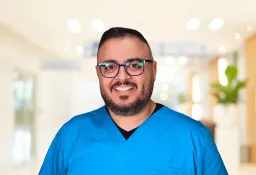
Dr. Chadi El Masry
Cosmetic & Restorative Dentist
DDS
Dr. Chadi El Masry is a Cosmetic & Restorative Dentist at Doctors Clinic Diagnostic Center (DCDC) in Dubai Healthcare City.
Related Articles
Dental Implants vs Veneers: Which Is Right for You?

Dental Crown Cost Dubai: From AED 1,000
Hollywood Smile Dubai: Cost & Veneer Guide
Dental Cleaning Cost Dubai: From AED 200
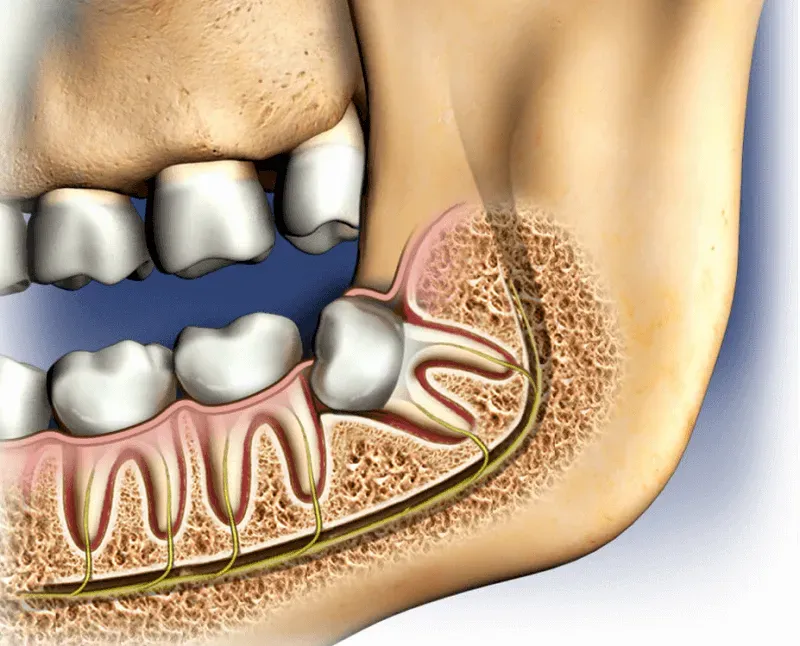
Wisdom Teeth Removal Dubai: From AED 399
More in Dental
Zirconia vs Porcelain Crown Dubai: Guide (2026)
Read More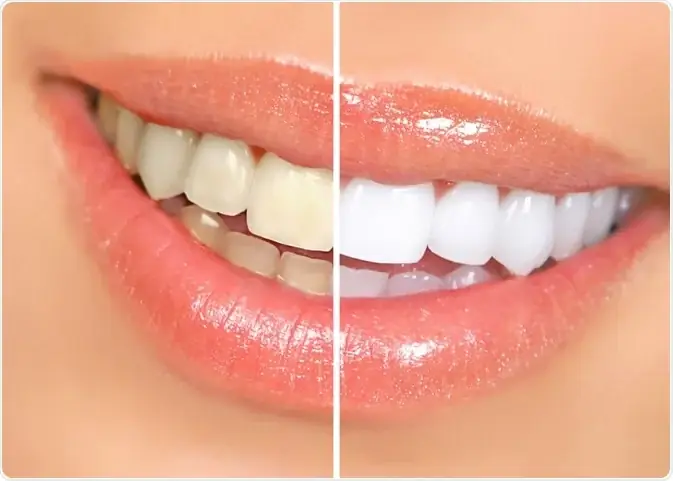
Zoom Whitening Cost Dubai: From AED 699 (2026)
Read More
Mouth Ulcers Dubai: Causes & When to Worry (2026)
Read MoreDental Anxiety Dubai: Tips to Overcome Fear (2026)
Read MoreDry Mouth Dubai: Causes & Treatment (2026)
Read MoreChipped Tooth Repair Dubai: What to Do (2026)
Read More© 2026 Doctors Clinic Diagnostic Center (DCDC), Dubai Healthcare City. Originally published at https://doctorsclinicdubai.ae/blog/dental-implant-cost-dubai. All rights reserved. Unauthorized reproduction is prohibited.