Key Takeaways
- Dental anxiety is extremely common — global research estimates roughly 1 in 6 adults experience dental fear, while nearly a quarter of children show anxiety around dental visits, so feeling nervous is normal, not unusual
- Dental anxiety exists on a spectrum, from mild nervousness before a check-up to severe dentophobia that causes people to avoid the dentist entirely for years, and each level responds to a different management approach
- Simple, evidence-based techniques — controlled breathing, agreeing on a stop signal, bringing headphones, and scheduling morning appointments — measurably reduce anxiety for most patients without any medication
- Sedation dentistry, including nitrous oxide (laughing gas) and oral sedation, is available at DCDC for patients whose anxiety is too severe for coping techniques alone, allowing comfortable treatment even for complex procedures
- Children experience dental anxiety differently than adults, and back-to-school season is an ideal time for a calm, low-pressure first or repeat dental visit before the school year begins
- DCDC in Dubai Healthcare City is MOHAP licensed, holds a 4.8/5 Google rating from 1,000+ reviews, and maintains an average wait time of just 15 minutes, reducing the anticipatory stress that often triggers dental anxiety
- Telling your dentist about your anxiety before treatment begins is one of the single most effective steps you can take — it allows the dental team to adapt pacing, communication, and pain control specifically for you
If the thought of sitting in a dental chair makes your stomach tighten, you are far from alone. Dental anxiety is one of the most common reasons people in Dubai delay routine care, skip dental cleaning appointments, and end up facing bigger, more painful problems later. The good news is that dental fear — at any level, from mild nervousness to genuine phobia — is highly manageable with the right preparation, communication, and clinical approach. This guide walks through what causes dental anxiety, practical tips to overcome it, options for children, sedation choices available in Dubai, and exactly what a calm, anxiety-aware visit at DCDC looks like from start to finish.
According to Dr. Chadi El Masry, "In nearly two decades of practising dentistry, I have never met a patient whose anxiety I considered unreasonable. Fear of the dentist almost always comes from somewhere real — a difficult past experience, a fear of pain, or simply a fear of losing control. My approach is never to dismiss that fear, but to work with it: slow down, explain every step before I do it, and let the patient set the pace. Gentle dentistry is not about avoiding dental problems. It is about treating them in a way that does not leave a new fear behind."


Dental Anxiety Is Real — And You Are Not Alone in Dubai
Dental anxiety is not a character flaw, and it is not something to be embarrassed about. It is one of the most widely studied forms of situational anxiety, and it affects people across every age group, nationality, and background — including many residents of Dubai who postpone dental visits for years because the anxiety feels too difficult to face alone. Global research estimates that dental fear affects roughly 15% of adults, with some regional studies placing the figure closer to one in four. Among children, pooled data from systematic reviews puts overall dental anxiety prevalence at around 24%, rising to over one-third in preschool-aged children.
What makes dental anxiety particularly damaging is the cycle it creates. Fear leads to avoidance, avoidance allows small problems to become large ones, and by the time treatment is finally unavoidable, the procedure required is often more invasive, more time-consuming, and understandably more anxiety-provoking than the original check-up would have been. Recognising this pattern is often the first step toward breaking it — and understanding that dental anxiety is common, treatable, and nothing to feel ashamed of makes it far easier to take that first step back into the dental chair.
Understanding the Types and Levels of Dental Anxiety
Not all dental fear looks the same, and understanding where your own anxiety sits on the spectrum helps determine the right management strategy. Dental professionals generally recognise several distinct levels of dental anxiety, each requiring a different level of support.
- Mild nervousness: A general feeling of unease before an appointment — sweaty palms, a slightly faster heartbeat — that fades quickly once treatment begins. Most people experience this at least occasionally.
- Moderate dental anxiety: Noticeable dread in the days leading up to an appointment, difficulty sleeping the night before, and a strong urge to cancel. Treatment is tolerable but uncomfortable throughout.
- Severe dental anxiety: Intense physical symptoms — a racing heart, nausea, trembling, or panic — that can begin days or weeks in advance. Many people at this level have already delayed care significantly.
- Dental phobia (dentophobia): A diagnosable, specific phobia in which the fear is disproportionate to any actual risk, causes significant distress or panic attacks, and leads to complete avoidance of dental care, sometimes for a decade or more.
It is worth noting that dental anxiety is rarely irrational on its own terms. It is typically rooted in a specific, identifiable cause — and recognising that cause is often the key to addressing it effectively.
What Causes Dental Anxiety? Common Triggers to Recognise
Understanding the root of your dental anxiety makes it far easier to communicate your needs to your dental team and choose the right coping strategy. Most dental fear traces back to one or more of the following triggers.
- A previous painful or negative experience: The single most common cause of adult dental anxiety. One difficult appointment, especially in childhood, can create a lasting fear response that persists for decades.
- Fear of pain: Even patients who have never had a bad experience often fear the anticipated pain of injections, drilling, or extractions based on stories from others or media portrayals of dentistry.
- Loss of control: Lying back in a chair, unable to see what is happening and unable to speak once instruments are in the mouth, triggers a loss-of-control response in many anxious patients.
- Sensory triggers: The sound of the drill, the smell of dental materials, or the sight of needles and instruments can trigger anxiety even before any treatment begins.
- Embarrassment about oral health: Patients who have avoided the dentist for years sometimes feel shame about the state of their teeth, which itself becomes a barrier to booking an appointment.
- Gag reflex concerns: Fear of gagging or choking during examinations, X-rays, or impressions is a frequently underrecognised but very real trigger, particularly for procedures near the back of the mouth.
If your anxiety is tied to uncertainty about cost as much as fear of the procedure itself, our guide to what to expect at a dental checkup in Dubai walks through exactly what happens during a routine visit and what it typically costs, which can help remove one layer of the unknown before you book.
10 Practical Tips to Overcome Dental Anxiety
Whether your anxiety is mild or severe, the following evidence-informed strategies are used successfully by anxious patients every day. You do not need to use all of them — even one or two can make a meaningful difference.
- 1. Book the first appointment of the day. Morning appointments prevent hours of anticipatory dread building up throughout the day, and clinics tend to be running on schedule earliest, reducing wait time.
- 2. Tell your dentist about your anxiety before treatment starts. This single step allows the entire team to adapt their pace, language, and approach specifically for you — see the full section below on how to communicate this effectively.
- 3. Agree on a stop signal. Choose a simple hand signal — such as raising your left hand — that tells your dentist to pause immediately, no questions asked. Knowing you can stop the procedure at any moment restores a sense of control.
- 4. Practise slow, controlled breathing. Inhaling for a count of four, holding for four, and exhaling for four (box breathing) activates the body's relaxation response and can be done discreetly in the chair.
- 5. Bring headphones or earbuds. Music or a podcast masks the sounds of dental instruments, which are one of the most common anxiety triggers, and gives your mind something else to focus on.
- 6. Ask for step-by-step explanations. Many anxious patients find that not knowing what is about to happen is worse than the sensation itself. Ask your dentist to describe each step just before it happens — or, if you prefer, ask them not to.
- 7. Use progressive muscle relaxation. Deliberately tensing and then releasing muscle groups, starting with your feet and working upward, reduces the physical tension that anxiety produces throughout the body.
- 8. Avoid caffeine before your appointment. Caffeine amplifies the physical symptoms of anxiety — a racing heart and jitteriness — making the experience feel more intense than it needs to be.
- 9. Bring a trusted friend or family member. Having someone in the waiting room, or in the treatment room if the clinic allows it, provides reassurance and reduces feelings of vulnerability.
- 10. Consider a short, low-stakes first visit. If you have avoided the dentist for years, ask about booking a simple consultation or cleaning first, without committing to any other treatment, purely to rebuild trust and familiarity.
These techniques work particularly well when paired with a professional cleaning as your reintroduction to dental care — our guide on dental cleaning costs in Dubai explains what a routine cleaning involves and why it is often the gentlest way back into regular dental visits.
Helping Children Overcome Dental Fear: A Back-to-School Guide for Parents
Dental anxiety often appears as early as ages two to four, when children become more aware of unfamiliar sights and sounds, and again during the early school years, when imagination is strong and new experiences can feel overwhelming. With the new school term underway, late August and September are an ideal window in Dubai to book your child's dental check-up — before assignments, activities, and exams make scheduling harder.
- Use positive, simple language. Describe the dentist as someone who helps keep teeth strong, and avoid words like "pain," "needle," "drill," or "hurt" — even when trying to reassure your child that something will not hurt.
- Read books or watch videos about dental visits. Age-appropriate stories that show a child having a calm dental visit normalise the experience before your child ever sits in the chair.
- Play "dentist" at home. Let your child count the teeth of a stuffed animal or sibling with a toothbrush. Familiar, playful rehearsal reduces the fear of the unknown.
- Schedule morning appointments. Children are more rested, more cooperative, and less likely to be irritable in the morning than after a full school day.
- Manage your own anxiety first. Children are highly attuned to parental stress. Take a few slow breaths before walking in, and keep your tone calm and matter-of-fact — your composure is genuinely contagious in the best way.
- Avoid bribery with sweets. Promising sugary treats after a dental visit sends a mixed message. A small non-food reward, like a sticker or a trip to the park, works better.
- Let the dental team lead. Experienced paediatric dental staff are trained in age-appropriate communication. Trust their approach and step back unless your child is genuinely distressed.
What to Tell Your Dentist About Your Anxiety
Many anxious patients quietly endure their fear without ever mentioning it, assuming the dentist will notice or that saying something will make them seem difficult. In practice, the opposite is true — telling your dentist about your anxiety before treatment begins is one of the most effective things you can do, and every experienced dental team welcomes the conversation.
- Be specific about your triggers. Is it needles, the sound of the drill, the numbing sensation, or a fear of gagging? Specific information allows your dentist to plan around your exact concerns.
- Mention any past negative experiences. A dentist who understands what happened previously — a painful injection, a rushed appointment, a dismissive provider — can deliberately avoid repeating it.
- Ask about pacing. Request breaks during longer procedures, or ask that the dentist explain each step in advance (or specifically not explain, if that helps you more).
- Discuss pain management options upfront. Ask what numbing options are available, how long they take to work, and whether sedation is appropriate for your level of anxiety.
- Set your stop signal together. Confirm the signal you will use if you need a pause, and confirm that the dentist will stop immediately when you use it, no exceptions.
For patients whose anxiety centres specifically on more involved procedures such as fillings, extractions, or root canal treatment, our guide to root canal treatment in Dubai explains how modern anaesthesia has made these procedures far more comfortable than their reputation suggests, which can help address fears rooted in outdated assumptions.
Sedation and Pain Management Options for Anxious Patients
When coping techniques and clear communication are not enough on their own, sedation dentistry provides a further layer of support. DCDC offers sedation options for anxious patients, and the right choice depends on the level of anxiety and the complexity of the treatment needed.
Nitrous Oxide (Laughing Gas)
Nitrous oxide is inhaled through a small nasal mask and produces a light, relaxed feeling within minutes. It is well suited to mild-to-moderate anxiety and routine procedures such as cleanings or fillings. Its effects wear off almost immediately once the mask is removed, so patients can typically drive and resume normal activities right after the appointment.
Oral Sedation
A prescribed oral sedative taken shortly before the appointment produces a deeper sense of relaxation than nitrous oxide, while the patient remains conscious and responsive throughout. This option suits moderate-to-severe anxiety, a sensitive gag reflex, or longer procedures. Because the effects last several hours, patients need someone to drive them home afterward.
Local Anaesthesia and Comfort Measures
Even without formal sedation, modern local anaesthetic techniques — including topical numbing gel applied before an injection, thinner needles, and slower injection speed — have made pain during dental procedures far less common than many anxious patients expect. Combined with the communication strategies above, many patients find that local anaesthesia alone is sufficient once they understand what to expect.
Your dentist will discuss which option, if any, is appropriate for your specific procedure and anxiety level during your consultation.
What to Expect at DCDC: A Calm, Step-by-Step Dental Visit
At Doctors Clinic Diagnostic Center in Dubai Healthcare City, reducing dental anxiety is treated as part of clinical care, not an afterthought. Here is what an anxiety-aware visit typically looks like, from arrival to departure.
- Arrival and check-in: With an average wait time of just 15 minutes, you are not left sitting with your thoughts for long. Our reception team is trained to recognise and gently reassure visibly nervous patients.
- A conversation before any treatment: Your dentist will ask about your dental history, any anxiety or previous negative experiences, and what would help you feel more comfortable — before any instrument comes near your mouth.
- Clear explanation of every step: With 6+ dental specialists on staff, DCDC's dental team is experienced in walking anxious patients through each stage of treatment at a pace that suits them, using a stop signal you agree on together.
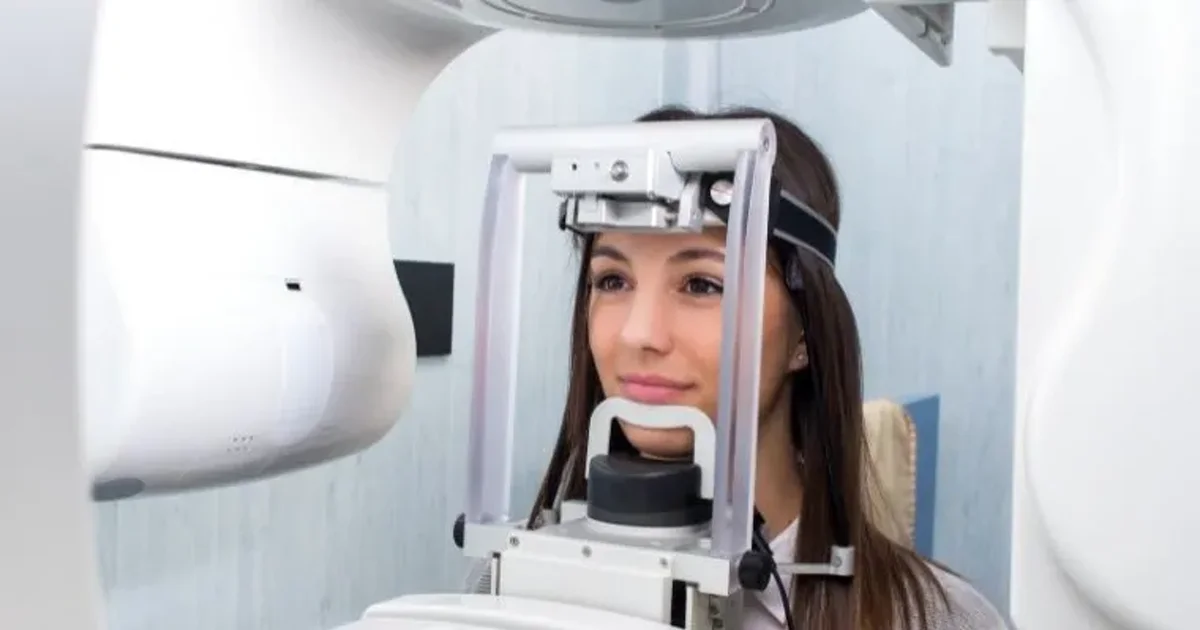
- Modern, lower-stress diagnostics: On-site CBCT and OPG imaging, along with digital X-rays that reduce radiation exposure by up to 80% compared with older film X-rays, mean diagnosis is fast, accurate, and requires minimal repeat imaging.
- Sedation and comfort options as needed: For patients whose anxiety benefits from it, nitrous oxide and oral sedation options are available and discussed openly during your consultation, never assumed or pushed.
- Child-friendly pediatric care: Children are treated in a dedicated child-friendly environment designed to reduce fear from the very first visit, with staff trained specifically in paediatric communication.
- Same-day emergency appointments: For patients whose anxiety has led to a delayed problem now causing pain, DCDC offers same-day emergency dental appointments, so you are never forced to wait in discomfort while working up the courage to call.
DCDC holds a 4.8/5 Google rating from more than 1,000 patient reviews and a 98% patient satisfaction rate — figures shaped in large part by patients who arrived anxious and left with a genuinely different impression of what a dental visit can be. The clinic is MOHAP licensed and works with 20+ insurance partners, including Daman, AXA, Bupa, MetLife, and Cigna, with direct billing so there is one less thing to worry about before your visit.
Book a Gentle, Anxiety-Aware Dental Visit at DCDC
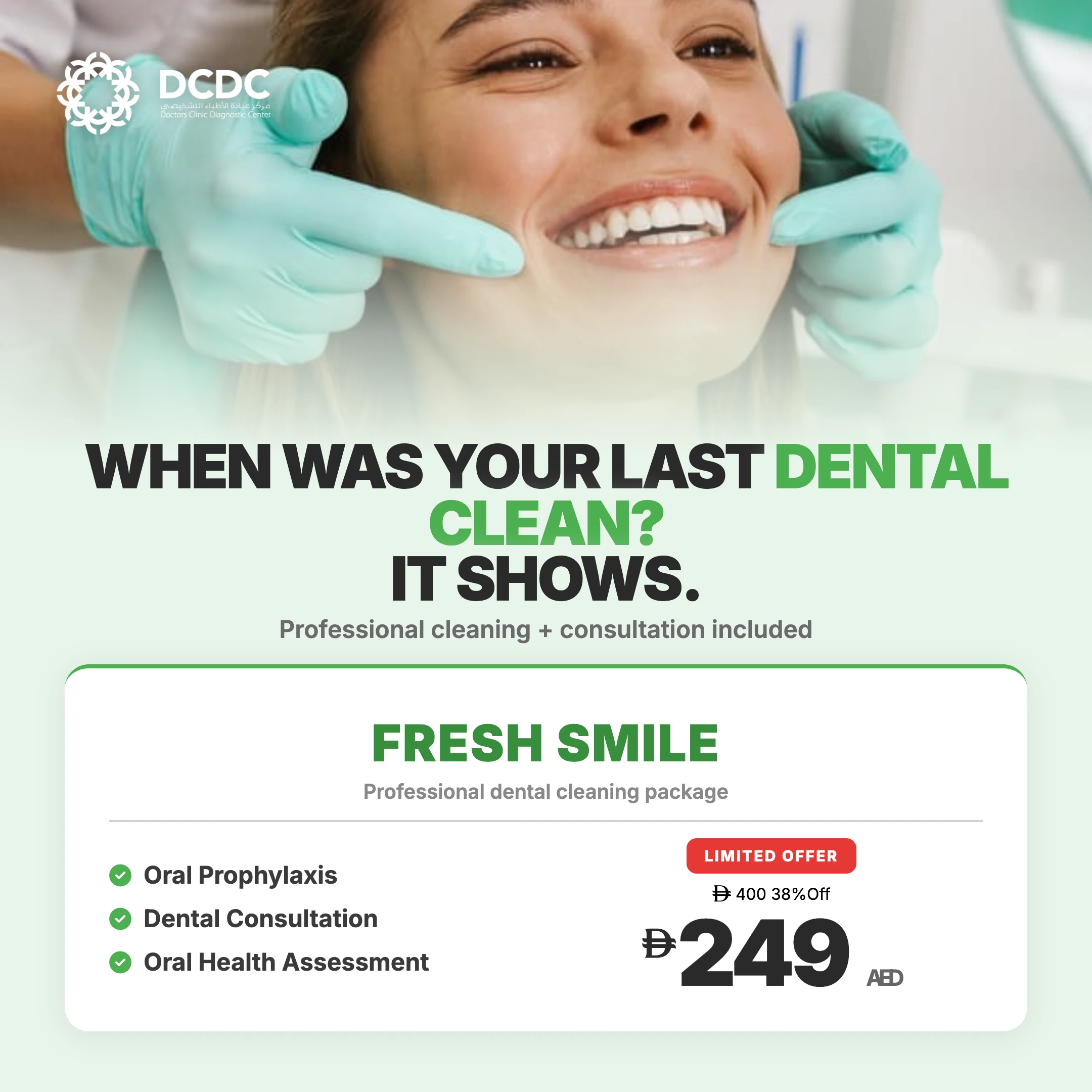
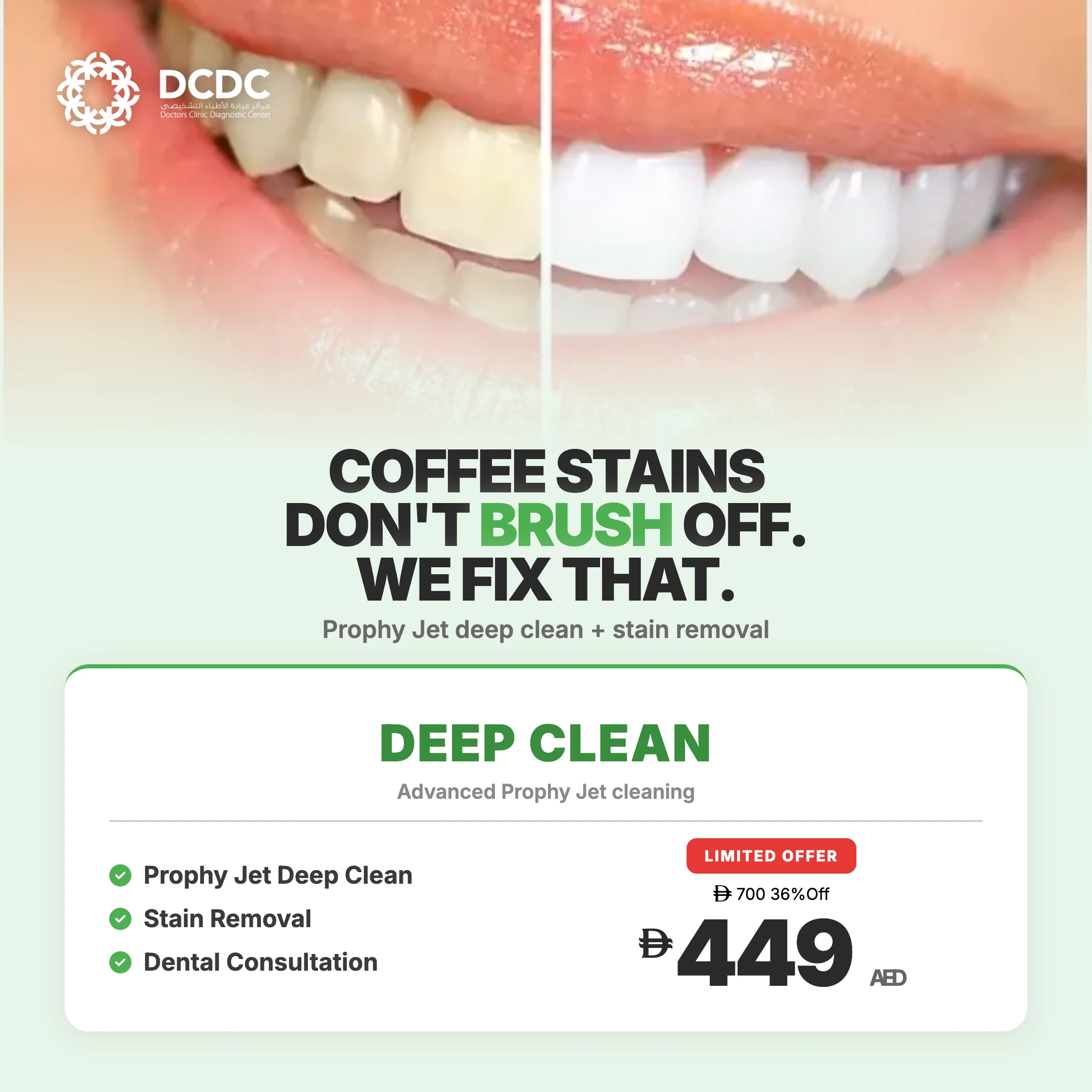
You do not have to face dental anxiety alone. At Doctors Clinic Diagnostic Center in Dubai Healthcare City, our dental team takes your fear seriously and adapts every visit around it. Dental care from AED 100, with dental cleaning from AED 200.
Tell us about your anxiety when you book — call, WhatsApp, or book online. Walk-ins welcome.
Dental Anxiety Levels and Recommended Management Techniques
The table below summarises how anxiety level typically maps to management approach. It is intended as a general guide — your dentist will always tailor the actual approach to your specific situation during consultation.
| Anxiety Level | Typical Signs | Recommended Management |
|---|---|---|
| Mild nervousness | Slight unease before the visit, mild restlessness in the chair | Breathing exercises, headphones, clear step-by-step explanation |
| Moderate anxiety | Dread in the days before the appointment, difficulty relaxing during treatment | Stop signal, morning appointment, progressive muscle relaxation, optional nitrous oxide |
| Severe anxiety | Physical symptoms (racing heart, nausea) beginning days in advance, history of avoidance | Pre-visit consultation, nitrous oxide or oral sedation, short introductory appointment first |
| Dental phobia (dentophobia) | Panic response, years of complete avoidance, distress at even discussing dental care | Oral sedation, gradual desensitisation over multiple visits, professional counselling support |
| Child anxiety (ages 2-6) | Crying, clinging to parent, refusal to open mouth | Play-based preparation, parent in the room, short first visit, positive-language coaching |
Approaches are general guidance; your dentist will tailor the actual plan to your individual history and the specific procedure required.
If your anxiety is tied specifically to concerns about your child, our dedicated guide on kids dental care in Dubai covers age-by-age preparation strategies in more depth, including how to handle a first visit that goes better than expected.
When to Seek Professional Help for Dental Phobia
For most people, the practical tips and clinical accommodations described above are enough to make dental visits manageable. But for a smaller group, dental fear crosses into true phobia — a level of distress that self-help strategies alone cannot resolve. It may be time to seek additional professional support, alongside your dentist, if any of the following apply.
- You have avoided all dental care, including emergencies, for more than two to three years despite knowing you have a problem.
- The thought of a dental appointment triggers a panic attack, physical illness, or an overwhelming urge to flee.
- You have cancelled or failed to attend multiple appointments because the anxiety became unmanageable at the last moment.
- Dental fear is affecting your quality of life beyond dentistry — for example, avoiding smiling in photos due to untreated dental problems.
- You suspect your anxiety may be connected to a broader anxiety disorder or a specific traumatic experience that would benefit from therapeutic support.
In these cases, cognitive behavioural therapy (CBT) delivered by a mental health professional, sometimes combined with a graded, multi-visit desensitisation plan agreed with your dentist, has strong evidence behind it for resolving dental phobia over time. Speaking to your dentist about referring you, or coordinating your dental care around a therapy plan, is a normal and welcome request — not an unusual one.
Dr. Chadi El Masry on Gentle, Anxiety-Aware Dentistry

Dentist
Dr. Chadi El Masry is a Dentist specializing in cosmetic and restorative dentistry at Doctors Clinic Diagnostic Center (DCDC) in Dubai Healthcare City. He believes that a calm, well-explained visit is as important to a patient's long-term oral health as the treatment itself, and takes a patient-led, gentle approach with every anxious patient he sees.
"The patients I remember most are not the complicated cases — they are the ones who told me, at the end of a visit, that it was not as bad as they expected," says Dr. El Masry. "That is the real goal. Not just treating the tooth, but changing how someone feels about coming back next time."
Take the First Step Back to the Dentist
Whether it has been six months or six years since your last visit, Doctors Clinic Diagnostic Center in Dubai Healthcare City is ready to work at your pace. MOHAP-licensed care, 20+ insurance partners with direct billing, and sedation options for anxious patients. Dental care from AED 100.
Call, WhatsApp, or book online — mention your anxiety and we will plan your visit around it.
Related Services at DCDC
Expert care and advanced diagnostics at Dubai Healthcare City
Frequently Asked Questions
Final Thoughts
Dental anxiety is common, understandable, and, in almost every case, manageable. Whether your fear is mild nervousness before a routine cleaning or a phobia that has kept you away from the dentist for years, the right combination of preparation, honest communication, and clinical accommodation can transform what a dental visit feels like. The single most effective step is often the simplest: telling your dentist that you are anxious, before treatment even begins.
At Doctors Clinic Diagnostic Center in Dubai Healthcare City, our team of 6+ dental specialists, including Dr. Chadi El Masry, is experienced in working with anxious adults and children alike, offering sedation options, clear step-by-step communication, and a genuinely unhurried pace. With dental cleaning from AED 200, a 4.8/5 Google rating from over 1,000 reviews, and an average wait time of just 15 minutes, DCDC is built to make your first step back to the dentist easier than you expect. Contact us today, and let us know about your anxiety when you book.
Sources & References
This article was reviewed by our medical team and references the following sources:
- PubMed - Prevalence of dental anxiety in children and adolescents globally: a systematic review with meta-analyses
- NIH PMC - Nitrous oxide and oral sedation for managing dental anxiety in children: a systematic review
- NIH PMC - Associations between dental anxiety levels, self-reported oral health, and behavioural reactions in dental settings
- NIH PMC - Childhood oral health behaviours and experiences associated with dental anxiety in adolescence
- Cleveland Clinic - Dentophobia (Fear of Dentists): Causes, Symptoms and Treatments
- Cleveland Clinic - Sedation Dentistry: What to Know
- Better Health Channel - Dental anxiety and phobia
Medical content on this site is reviewed by DHA-licensed physicians. See our editorial policy for more information.
Written by
Dr. Chadi El Masry
Dentist
DDS
Dr. Chadi El Masry is a Dentist specializing in cosmetic and restorative dentistry at Doctors Clinic Diagnostic Center (DCDC) in Dubai Healthcare City.
Related Articles
Dental Cleaning Cost Dubai: From AED 200
Dental Checkup Cost Dubai: What to Expect

Kids Dental Care Dubai: Parent's Guide
Root Canal Cost Dubai: Procedure & Prices
Wisdom Teeth Removal Dubai: Cost & Guide

Dental Crown Cost Dubai: Types & Prices
More in Dental
Zirconia vs Porcelain Crown Dubai: Guide (2026)
Read More
Zoom Whitening Cost Dubai: From AED 699 (2026)
Read More
Mouth Ulcers Dubai: Causes & When to Worry (2026)
Read MoreDry Mouth Dubai: Causes & Treatment (2026)
Read MoreChipped Tooth Repair Dubai: What to Do (2026)
Read More
Tooth Cavity Signs Dubai: When to See a Dentist (2026)
Read More© 2026 Doctors Clinic Diagnostic Center (DCDC), Dubai Healthcare City. Originally published at https://doctorsclinicdubai.ae/blog/dental-anxiety-tips-dubai. All rights reserved. Unauthorized reproduction is prohibited.