Key Takeaways
- Wisdom teeth removal in Dubai starts from AED 399 for a simple extraction, with surgical removal of impacted teeth costing AED 600-2,000 depending on complexity
- Up to 85% of adults need at least one wisdom tooth removed during their lifetime, with most wisdom teeth emerging between ages 17 and 25
- 72% of young adults have at least one impacted third molar — making impaction the most common dental condition requiring surgical intervention
- Simple extractions take 20-30 minutes under local anaesthesia; surgical extraction of impacted teeth takes 30-60 minutes with sedation options available
- Most patients return to normal activities within 3-5 days, though complete bone healing takes 4-6 weeks — the day-by-day recovery guide below covers exactly what to expect
- Dry socket (alveolar osteitis) is the most common complication at 2-5% for simple extractions and up to 30% for impacted lower wisdom teeth — smokers face the highest risk
If your dentist has recommended wisdom teeth removal, you are not alone. Wisdom teeth — the third molars at the very back of your mouth — are the last teeth to develop and frequently cause problems because modern jaws simply do not have enough room for them. In Dubai, wisdom tooth extraction is one of the most commonly performed dental procedures, and at DCDC in Dubai Healthcare City, we offer same-day consultations, in-house OPG and CBCT imaging, experienced dental surgeons, and multiple sedation options to make the process as smooth and painless as possible.
This comprehensive guide covers everything you need to know about wisdom teeth removal in Dubai in 2026: how to recognise the signs that your wisdom teeth need to come out, the difference between simple and surgical extraction, impacted versus erupted wisdom teeth, exact cost breakdowns, all sedation and anaesthesia options, a detailed day-by-day recovery timeline, what to eat after surgery, how to prevent dry socket, when NOT to remove wisdom teeth, and why DCDC is trusted by thousands of patients for dental surgery in Dubai Healthcare City.


What Are Wisdom Teeth and Why Do They Cause Problems?
Wisdom teeth are the third and final set of molars — the large grinding teeth at the back of your mouth. They typically begin to emerge between the ages of 17 and 25, an age range historically called the "age of wisdom," which is how they earned their name. Most adults develop four wisdom teeth (one in each corner of the mouth), though some people develop fewer, extra (supernumerary), or none at all.
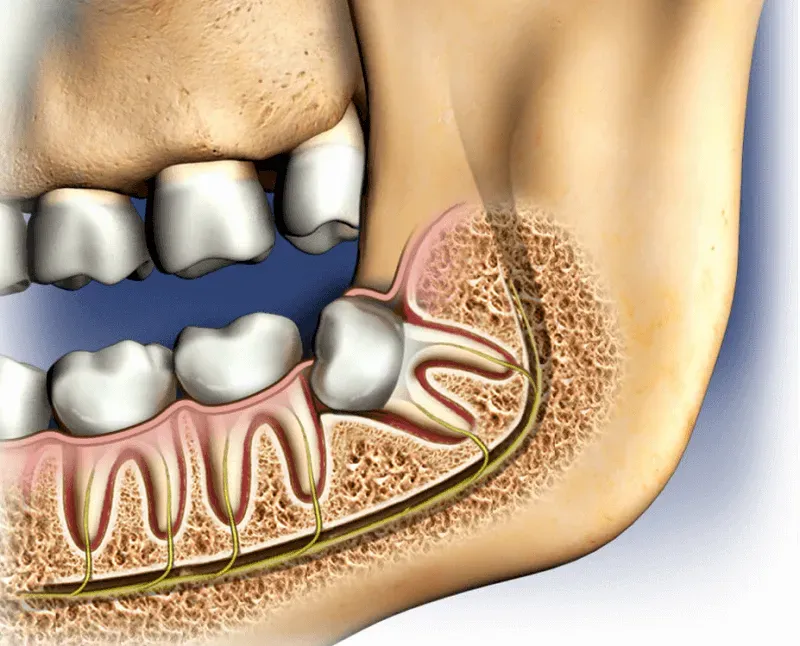
The fundamental problem with wisdom teeth is evolutionary. Thousands of years ago, our ancestors had larger jaws and a coarser diet that wore down teeth faster, creating natural space for a third set of molars. Modern humans eat softer, processed foods and have significantly smaller jaws, which means there is often insufficient space for wisdom teeth to emerge properly. When a wisdom tooth cannot fully erupt through the gum line, it becomes impacted — trapped beneath bone, gum tissue, or both.
Research published in the National Institutes of Health indicates that approximately 72% of young adults have at least one impacted third molar. Even wisdom teeth that do fully erupt can cause problems because they sit so far back in the mouth that they are nearly impossible to clean effectively with normal brushing and flossing, making them highly susceptible to decay, gum disease, and recurring infection. This is why up to 85% of adults will need at least one wisdom tooth removed at some point in their lives.
Signs You Need Wisdom Teeth Removal
Not all wisdom teeth cause obvious symptoms, which is why regular dental check-ups with X-rays are essential for monitoring their development. However, when wisdom teeth do cause problems, the signs are often unmistakable. You should see your dentist promptly if you experience any of the following:
- Pain at the back of the mouth: Persistent or recurring aching, throbbing, or sharp pain in the area behind your last visible molar. The pain may radiate to the ear, temple, or jaw on the affected side.
- Swollen, red, or tender gums: Inflammation of the gum tissue (pericoronitis) around a partially erupted wisdom tooth is one of the most common reasons for extraction. The gum flap over the tooth traps food and bacteria, leading to repeated infections.
- Difficulty opening your mouth: Trismus (restricted jaw opening) can occur when infection or inflammation from a wisdom tooth spreads to the surrounding muscles. If you cannot open your mouth fully, seek dental evaluation urgently.
- Bad breath or persistent bad taste: Bacteria accumulating around a partially erupted or decayed wisdom tooth produce a foul odour and taste that does not resolve with brushing or mouthwash.
- Swelling in the jaw or face: Visible swelling along the jawline or cheek, especially if accompanied by difficulty swallowing, may indicate infection spreading from a wisdom tooth and requires urgent attention.
- Crowding or shifting of other teeth: Pressure from erupting wisdom teeth can push adjacent teeth out of alignment, sometimes undoing years of previous orthodontic work and braces.
- Repeated infection of the gum tissue: If pericoronitis keeps recurring despite antibiotics and professional cleaning, extraction is the definitive solution.
- Cyst formation on X-ray: Your dentist may detect a dentigerous cyst (fluid-filled sac) developing around an impacted wisdom tooth on a routine X-ray, which requires removal to prevent bone damage and potential pathology.
Even if you have no symptoms, your dentist may recommend removal if X-rays show that your wisdom teeth are positioned in a way that will likely cause problems in the future. Preventive (prophylactic) extraction is generally easier, faster, and has fewer complications when performed at a younger age — before the roots fully develop and the surrounding bone becomes denser.
Impacted vs Erupted Wisdom Teeth: Types and Classification
The type of impaction determines the complexity of the extraction and directly influences the cost, surgical approach, and recovery time. Your dentist will classify the impaction based on the angle and depth of the tooth using an OPG (panoramic) X-ray or a CBCT 3D scan. Understanding these types helps you anticipate what your extraction will involve.
Four Types of Wisdom Tooth Impaction
| Impaction Type | Frequency | Description | Extraction Difficulty | Typical Cost (AED) |
|---|---|---|---|---|
| Mesioangular | ~44% of cases | Tooth angled forward, tilting toward the second molar. Most common type. | Moderate — generally straightforward surgical extraction | 600–1,200 |
| Vertical | ~38% of cases | Tooth oriented correctly but trapped due to lack of space. May partially erupt. | Moderate — may erupt on its own but often needs removal | 399–1,000 |
| Distoangular | ~6% of cases | Tooth angled backward, away from second molar. Less common but technically challenging. | High — angle works against natural extraction path, may need more bone removal | 1,000–1,500 |
| Horizontal | ~3% of cases | Tooth lies completely sideways, perpendicular to other teeth. Most complex case. | Highest — fully embedded, requires bone removal and tooth sectioning | 1,200–2,000 |
Wisdom tooth impaction types, frequency, and estimated extraction cost at DCDC Dubai Healthcare City
In addition to the angle, impactions are classified by depth. A soft tissue impaction means the tooth has passed through the bone but remains covered by gum tissue — this is generally easier to extract. A partial bony impaction means the tooth is partially encased in jawbone. A full bony impaction means the tooth is completely surrounded by bone — this requires the most extensive surgery and has the longest recovery time.
Erupted Wisdom Teeth
Not all wisdom teeth are impacted. Some fully erupt into the mouth and sit in a normal position. These teeth may still need removal if they are decayed, difficult to clean, causing gum problems, or have no opposing tooth to bite against (which can lead to over-eruption). Fully erupted wisdom teeth are removed via simple extraction — a quicker, less invasive procedure that typically costs less and has a faster recovery than surgical extraction of impacted teeth.
Wisdom Teeth Removal Procedure: Step by Step
Understanding what happens during wisdom teeth removal reduces anxiety and allows you to prepare properly. Here is the complete step-by-step process as performed at DCDC in Dubai Healthcare City.
Step 1: Consultation and Imaging (Day of or Prior Visit)
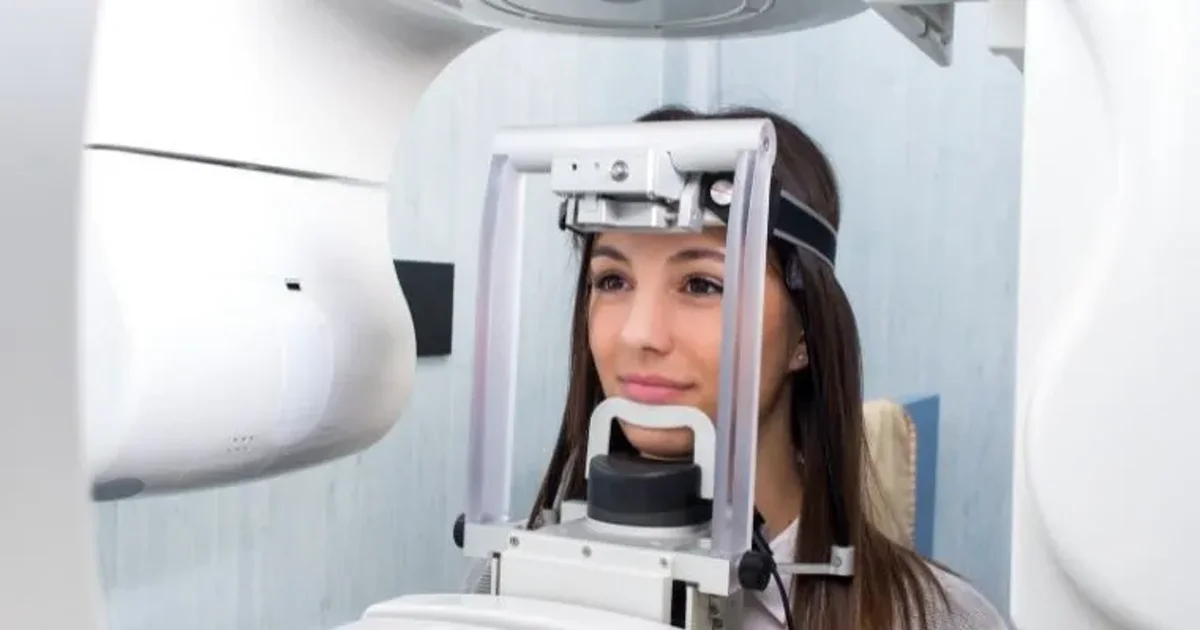
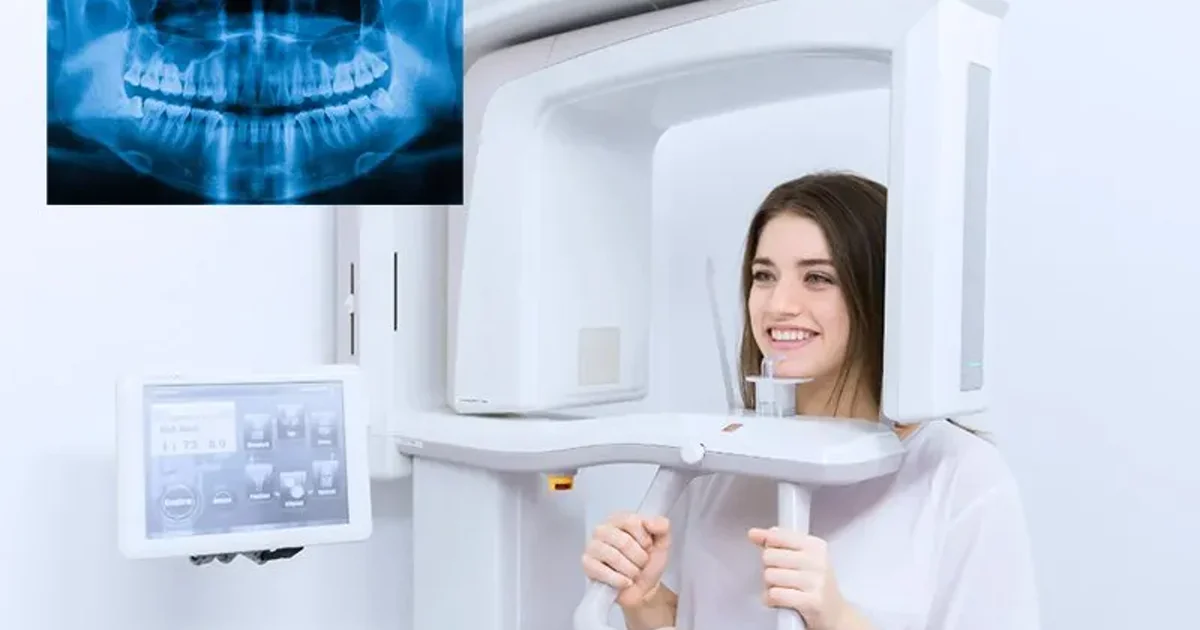
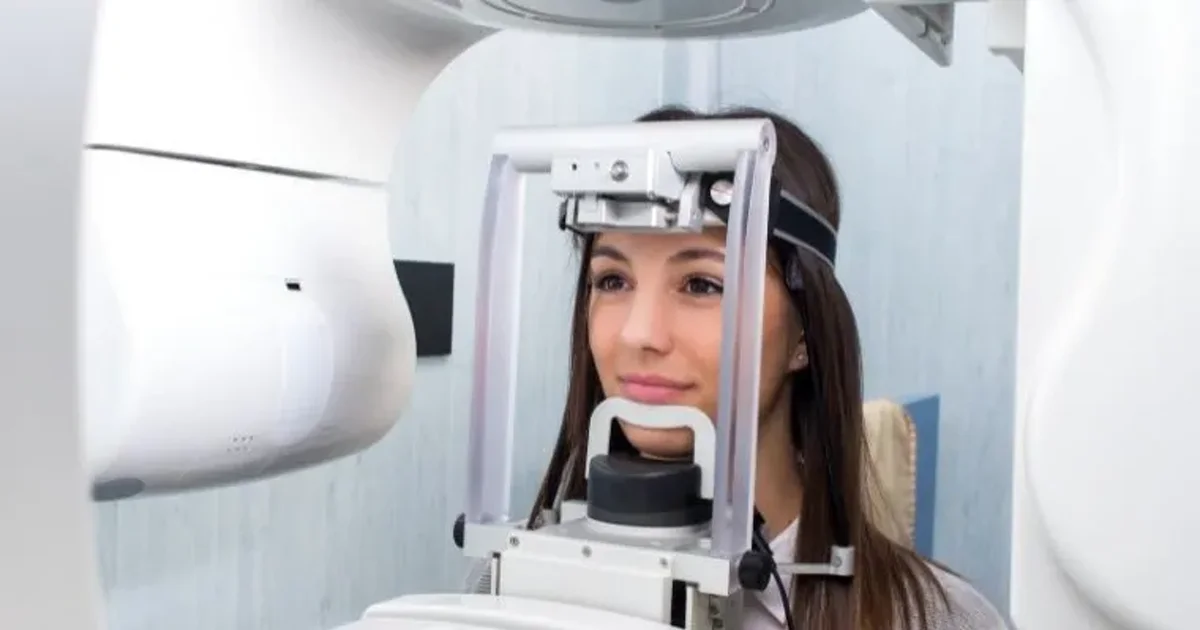
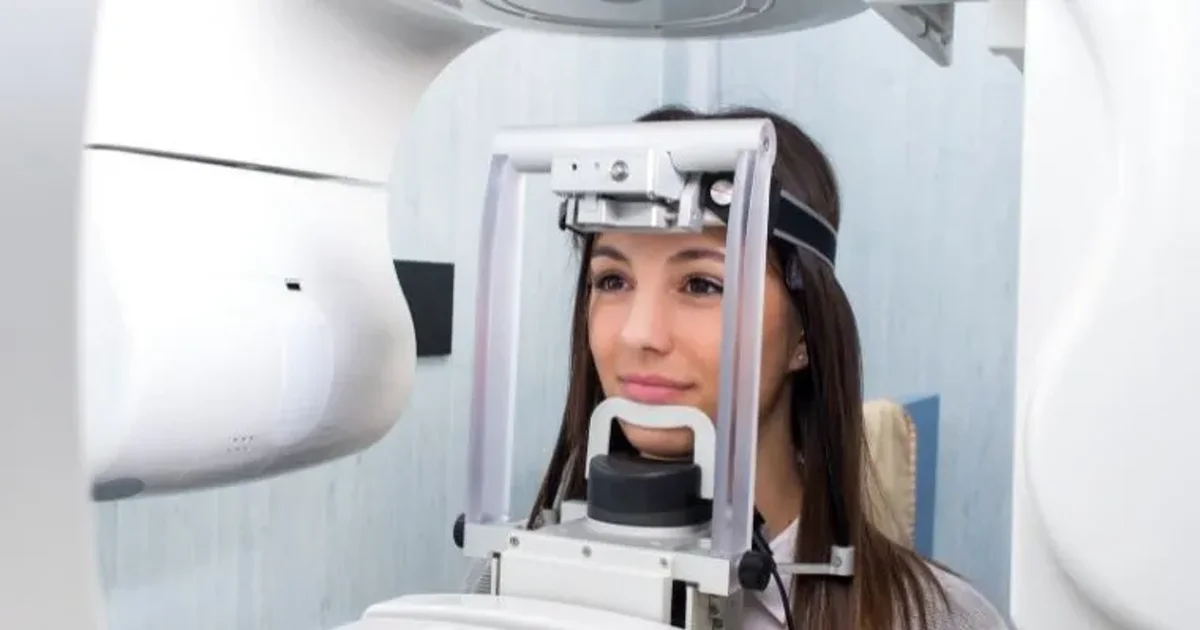
Your dentist performs a thorough clinical examination, reviews your medical history and current medications, and takes an OPG (panoramic) X-ray to assess the position, angle, and root development of all four wisdom teeth. For complex cases — particularly horizontal or deep bony impactions, or teeth near the inferior alveolar nerve — a CBCT (3D cone beam) scan may be recommended for precise surgical planning. Both OPG and CBCT are available on-site at DCDC, so imaging and consultation can happen in the same visit. For details on dental imaging, read our guide on CBCT vs OPG dental imaging.
Step 2: Treatment Planning and Cost Estimate
Based on the imaging, your dentist explains the type of extraction needed (simple or surgical), discusses anaesthesia and sedation options, reviews potential risks specific to your case, and provides a detailed cost estimate. If you have insurance, pre-authorisation is obtained at this stage. You will know exactly what to expect before committing to the procedure.
Step 3: Anaesthesia Administration
On the day of the procedure, local anaesthesia is injected around the wisdom tooth to completely numb the area. You will feel pressure but no pain during the extraction. If you have opted for oral or IV sedation, this is administered before the local anaesthetic. Once you are comfortable and fully numb, the extraction begins.
Step 4: Simple Extraction (Erupted Teeth)
For fully erupted wisdom teeth, the dentist uses an elevator instrument to loosen the tooth in its socket by gently rocking it back and forth. Once loosened, the tooth is removed with dental forceps. The entire process takes 5-15 minutes per tooth. This is the least invasive approach, with minimal tissue disruption and the fastest recovery.
Step 5: Surgical Extraction (Impacted Teeth)
For impacted wisdom teeth, the procedure is more involved. The dentist makes a small incision in the gum tissue to expose the tooth and bone. Any bone covering the tooth is carefully removed using a surgical handpiece. For deeply impacted or horizontally positioned teeth, the tooth is sectioned (cut) into smaller pieces for easier removal — this causes less bone disruption than trying to remove the tooth whole. The surgical site is then thoroughly irrigated to remove debris and bone fragments. Dissolvable stitches are placed to close the incision and promote healing.
Step 6: Post-Extraction Immediate Care
Gauze is placed over the extraction site and you are asked to bite down firmly for 30-45 minutes to control bleeding and allow a blood clot to form. You receive detailed written post-operative instructions covering pain management, diet, oral hygiene, activity restrictions, and warning signs. Prescription medication — typically ibuprofen and paracetamol, and possibly an antibiotic for surgical cases — is provided.
Simple vs Surgical Extraction: Key Differences
Understanding the difference between simple and surgical extraction helps you anticipate the procedure, cost, and recovery for your specific case.
| Factor | Simple Extraction | Surgical Extraction |
|---|---|---|
| When used | Fully erupted, visible teeth | Impacted teeth (partially or fully beneath gum/bone) |
| Incision required | No | Yes — gum tissue incision |
| Bone removal | No | Often — depends on impaction depth |
| Tooth sectioning | Rarely | Common for horizontal and deep bony impactions |
| Stitches | Usually not needed | Dissolvable stitches placed |
| Procedure time | 5-15 minutes per tooth | 20-45 minutes per tooth |
| Anaesthesia | Local anaesthesia only | Local + optional sedation recommended |
| Recovery | 1-3 days | 3-7 days (full healing 4-6 weeks) |
| Cost at DCDC (AED) | From 399 | 600-2,000 per tooth |
| Dry socket risk | 2-5% | Up to 30% (impacted lower teeth) |
Simple vs surgical wisdom tooth extraction comparison at DCDC Dubai Healthcare City
Anaesthesia and Sedation Options for Wisdom Teeth Extraction
At DCDC, we understand that dental anxiety is a real barrier to treatment for many patients. That is why we offer multiple anaesthesia and sedation options to ensure your comfort during wisdom teeth removal in Dubai. The right choice depends on your anxiety level, the complexity of the extraction, and whether you are having one tooth or multiple teeth removed.
| Sedation Type | Experience | Best For | Add-On Cost (AED) | Recovery |
|---|---|---|---|---|
| Local anaesthesia (standard) | Fully awake, no pain, feel pressure only | Single tooth, simple extraction, patients comfortable with dental procedures | Included in extraction fee | Drive home same day |
| Oral sedation (mild-moderate) | Deeply relaxed, drowsy, limited memory of procedure | Moderate anxiety, 2+ teeth, patients who want to feel calm | 200–400 | Need driver, drowsy for 4-6 hours |
| IV sedation (moderate-deep) | Sleep-like state, minimal to no memory of procedure | Severe anxiety, all 4 teeth, complex surgical cases | 800–2,500 | Need driver, rest for remainder of day |
| General anaesthesia | Completely unconscious, no awareness | Rare, extremely complex cases, specific medical conditions | Hospital setting — case-by-case | 24-hour full recovery, hospital observation |
Sedation options for wisdom teeth removal at DCDC. Local anaesthesia is always administered regardless of sedation choice.
Regardless of which sedation option you choose, local anaesthesia is always administered to numb the surgical site. Sedation manages anxiety and awareness; local anaesthesia eliminates pain. If you opt for oral or IV sedation, you must arrange for someone to drive you home, as you will not be safe to drive for the remainder of the day.
Wisdom Teeth Removal Cost in Dubai: Complete Breakdown
The cost of wisdom teeth removal in Dubai depends primarily on the complexity of the extraction. A fully erupted wisdom tooth that can be removed with forceps (simple extraction) costs significantly less than a deeply impacted tooth requiring surgical removal with bone removal and tooth sectioning. Below is a detailed cost breakdown for all wisdom teeth procedures at DCDC.
| Procedure | Cost (AED) | Duration | Details |
|---|---|---|---|
| Initial consultation + OPG X-ray | From 300 | 30 min | Same-day available, insurance covered |
| Simple extraction (erupted tooth) | From 399 | 5-15 min | Forceps removal, local anaesthesia |
| Surgical extraction (soft tissue impaction) | 600–1,200 | 20-30 min | Gum incision, no bone removal |
| Surgical extraction (partial bony impaction) | 800–1,500 | 30-45 min | Bone removal + possible sectioning |
| Surgical extraction (full bony impaction) | 1,000–2,000 | 45-60 min | Extensive bone removal + sectioning |
| All 4 wisdom teeth (simple) | 1,200–1,600 | 45-60 min | Multi-tooth discount may apply |
| All 4 wisdom teeth (surgical mix) | 2,500–6,000 | 60-90 min | Depends on individual impaction types |
| CBCT 3D scan (complex cases) | From 350 | 5 min | Precise nerve mapping, surgical planning |
| Oral sedation (add-on) | 200–400 | — | Tablet taken 30-60 min before procedure |
| IV sedation (add-on) | 800–2,500 | — | Anaesthesiologist-monitored |
Wisdom teeth removal pricing at DCDC Dubai Healthcare City. Prices as of July 2026. Contact for personalised estimate and insurance verification.
Wisdom Teeth vs Regular Tooth Extraction Cost
Wisdom teeth extraction typically costs more than regular tooth extraction due to the complexity of access and higher impaction rates. Here is how the costs compare.
| Extraction Type | Cost Range (AED) | Why the Difference |
|---|---|---|
| Regular tooth extraction (simple) | 200–500 | Easier access, single-rooted or visible teeth |
| Wisdom tooth extraction (simple) | 399–600 | Difficult access at back of mouth, larger roots |
| Regular tooth extraction (surgical) | 400–800 | Broken or fragmented teeth requiring surgical approach |
| Wisdom tooth extraction (surgical) | 600–2,000 | Impaction, bone removal, nerve proximity, sectioning |
Wisdom tooth vs regular tooth extraction cost comparison in Dubai
Several factors influence the final cost: the number of teeth being extracted (discounts often apply when removing multiple teeth in one session), the type and depth of impaction, whether sedation is requested, and your insurance coverage. For more about regular extraction options, read our guide on root canal vs tooth extraction.
Book Your Wisdom Teeth Consultation at DCDC
At Doctors Clinic Diagnostic Center in Dubai Healthcare City, our dental team provides expert wisdom teeth removal from AED 399 with same-day consultation, in-house OPG and CBCT imaging, and multiple sedation options. We accept all major insurance plans.
Walk-ins welcome. Book online, call, or WhatsApp.
Recovery After Wisdom Teeth Removal: Day-by-Day Timeline
Recovery after wisdom teeth removal follows a predictable timeline. Understanding what to expect each day helps you plan time off work, stock up on the right foods, and recognise when something requires a call to your dentist versus normal healing. The timeline below covers both simple and surgical extractions.
| Day | What to Expect | Pain Level | What to Do |
|---|---|---|---|
| Day 1 (Surgery Day) | Bleeding (first 2-4 hours), numbness wears off 2-4 hours post-procedure, mild to moderate pain begins | 3-5/10 after anaesthesia wears off | Bite on gauze 30-45 min, ice packs 20 min on/off, rest with head elevated, take pain medication before numbness wears off |
| Day 2 | Peak swelling begins, bruising may appear on cheek/jaw, pain is manageable with medication | 4-6/10 (peak pain day for most) | Continue ice packs, soft/cool foods only, begin gentle warm salt water rinses, stay hydrated |
| Day 3 | Maximum swelling reached, bruising may worsen before improving, pain starts to plateau | 3-5/10 | Switch from ice to warm compresses, continue salt rinses after meals, soft foods |
| Day 4-5 | Swelling starts to reduce noticeably, pain improves significantly, jaw stiffness common | 2-4/10 | Gentle jaw stretching exercises, warm salt rinses, introduce slightly firmer soft foods |
| Day 7 | Most discomfort resolved, dissolvable stitches beginning to fall out, minimal swelling | 1-2/10 | Resume normal gentle brushing, continue avoiding extraction site with toothbrush |
| Day 10-14 | Gum tissue healing well, socket closing, stitches fully dissolved, bruising resolved | 0-1/10 | Return to most foods (avoid hard/crunchy near extraction site), normal oral hygiene |
| Week 3-4 | Soft tissue fully healed, bone beginning to fill socket | 0/10 | Resume all foods and activities including exercise |
| Week 4-6 | Complete bone healing, socket fully filled in | 0/10 | Full recovery — no restrictions |
Day-by-day recovery timeline after wisdom teeth removal. Individual healing varies based on extraction complexity, age, and overall health.
Pain management typically involves alternating ibuprofen (400-600 mg every 6-8 hours) and paracetamol (500-1000 mg every 6-8 hours). This combination provides effective pain relief comparable to stronger prescription medications for most patients. Your dentist may prescribe stronger medication for complex surgical extractions. The key principle is to take medication before the anaesthesia wears off — staying ahead of pain is far more effective than trying to catch up once it starts.
What to Eat After Wisdom Tooth Extraction
Diet plays a critical role in recovery. Eating the right foods promotes healing, prevents irritation of the surgical site, and reduces the risk of complications like dry socket.
Days 1-3: Soft and Cool Foods Only
- Yoghurt: Smooth, cold, and protein-rich — the ideal recovery food. Avoid varieties with seeds, granola, or crunchy toppings.
- Smoothies: Blend soft fruits with yoghurt or milk for nutrition. Critical: do NOT use a straw — the suction can dislodge the blood clot and cause dry socket.
- Mashed potatoes: Soft, filling, and easy to eat. Let them cool to lukewarm before eating.
- Scrambled eggs: Excellent protein source for tissue healing. Ensure they are lukewarm, not hot.
- Lukewarm blended soup: Smooth soups like pumpkin, tomato, or lentil provide nutrition. Avoid hot temperatures and chunky soups.
- Applesauce and mashed banana: Smooth, nutritious, and gentle on the extraction site.
- Ice cream (no hard mix-ins): A cold treat that soothes the extraction area — avoid nuts, cookie pieces, or hard candy toppings.
Days 4-7: Gradually Introduce Soft Solids
- Soft pasta: Well-cooked pasta with a smooth, non-acidic sauce
- Soft bread: Remove crusts and take small bites, chewing on the opposite side
- Steamed vegetables: Cook until very soft — avoid anything that breaks into small, hard pieces
- Soft flaked fish: Salmon or tilapia — gentle, protein-rich, and anti-inflammatory
- Oatmeal or porridge: Cook until smooth and let cool to a comfortable temperature
Foods to Avoid for at Least Two Weeks
- Hard or crunchy foods: Nuts, chips, popcorn, raw carrots, and apples can irritate the extraction site, get lodged in the socket, or dislodge the blood clot
- Spicy foods: Cause burning and irritation of the healing tissue
- Acidic foods and drinks: Citrus fruits, tomato sauce, and carbonated drinks irritate the wound and delay healing
- Alcohol: Delays healing, interacts with pain medication, and can dissolve the blood clot
- Tobacco and smoking: The single biggest risk factor for dry socket. Avoid for at least 72 hours, ideally 7 days. The suction from smoking can dislodge the clot, and the chemicals impair blood supply to the healing site.
- Seeds and small grains: Rice, quinoa, and sesame seeds can become trapped in the extraction socket and are very difficult to remove
Dry Socket Prevention and Treatment
Dry socket (alveolar osteitis) is the most common and most feared complication after wisdom teeth removal. Understanding its causes, risk factors, prevention, and treatment is essential for every patient.
What Is Dry Socket?
After a tooth is extracted, a blood clot forms in the empty socket. This clot protects the underlying bone and nerve endings, provides a scaffold for new tissue growth, and is essential for normal healing. Dry socket occurs when this blood clot is dislodged, dissolved, or fails to form properly, leaving the bone and nerve exposed to air, food, bacteria, and fluids. The result is severe, throbbing pain that typically begins 2-4 days after extraction.
Dry Socket Risk Factors
- Smoking (highest risk factor): Smokers have 3-4x higher dry socket rates due to both the suction action and the chemical effect on blood clot stability
- Oral contraceptives: High oestrogen levels affect blood clotting — women on birth control pills have higher dry socket rates
- Age over 30: Denser bone and reduced blood supply increase risk compared to younger patients
- Previous history of dry socket: If you had dry socket before, you are more likely to experience it again
- Lower wisdom teeth: Lower jaw extractions have higher dry socket rates (up to 30% for impacted lower teeth) than upper jaw (2-5%)
- Difficult or traumatic extraction: More surgical manipulation increases inflammatory response
- Poor oral hygiene: Bacteria in the mouth can break down the clot
How to Prevent Dry Socket
- Do NOT smoke for at least 72 hours (ideally 7 full days) after extraction
- Do NOT use straws for at least 1 week — the suction pressure can dislodge the clot
- Do NOT rinse vigorously or spit forcefully for the first 24 hours
- Do NOT touch the extraction site with your tongue or fingers
- Do NOT consume hot liquids for the first 24 hours (heat can dissolve the clot)
- Sleep with your head slightly elevated on an extra pillow
- Begin gentle warm salt water rinses after 24 hours (half teaspoon salt in a glass of warm water)
- Follow all post-operative instructions exactly as provided by your dentist
Dry Socket Treatment
If you develop dry socket, do not panic. While the pain is intense, the condition is treatable and does not cause long-term damage. Contact your dentist immediately. Treatment involves gently irrigating the socket to remove debris, placing a medicated dressing (containing eugenol or other analgesic) directly into the socket, and prescribing stronger pain medication. The medicated dressing provides rapid pain relief — most patients feel significantly better within 30 minutes of placement. The dressing may need to be changed every 1-3 days until healing progresses.
When NOT to Remove Wisdom Teeth
Not all wisdom teeth need to be removed. The American Dental Association recommends "active surveillance" rather than automatic removal for wisdom teeth that meet ALL of the following criteria:
- Fully erupted into a normal, functional position
- Cavity-free and structurally sound
- Cleanable with regular brushing and flossing
- No symptoms — no pain, swelling, infection, or gum disease
- Not damaging adjacent teeth — X-rays show no pressure, resorption, or cyst formation
- Functional — they have an opposing tooth to bite against
However, "asymptomatic" does not always mean "problem-free." Studies show that even wisdom teeth without symptoms can harbour bacteria and inflammation at levels associated with periodontal disease. The gum tissue around partially erupted wisdom teeth often has elevated inflammatory markers even when the patient reports no discomfort. This is why active surveillance requires commitment to regular dental check-ups with periodic X-rays.
According to Dr. Chadi El Masry, DDS at DCDC, "I always evaluate each wisdom tooth individually rather than recommending blanket removal. Some patients have perfectly functional wisdom teeth that serve them well for decades. Others have ticking time bombs that will inevitably cause problems. The key is proper imaging and honest clinical assessment — we only recommend extraction when there is a genuine clinical reason, not as a routine procedure."
What to Expect at DCDC: Your Wisdom Teeth Journey
Here is exactly what happens when you come to DCDC for wisdom teeth removal, from your first phone call to full recovery.
- Booking: Walk-in or same-day appointments available. Call, WhatsApp, or book online. We prioritise urgent cases (active infection, severe pain).
- Arrival: DCDC is in Building 64, Al Razi Medical Complex, Dubai Healthcare City. Free dedicated parking on-site. Average wait time: 15 minutes.
- Consultation: Full clinical exam + on-site OPG X-ray. For complex cases, CBCT 3D scan also performed in-clinic — no external referral needed.
- Same-day extraction available: For straightforward cases, extraction can be performed on the same visit as your consultation. Complex surgical cases are typically scheduled within 1-3 days.
- Insurance: Pre-authorisation handled by our team. We work with 20+ providers including Daman, AXA, Bupa, MetLife, and Cigna — direct billing with no out-of-pocket then claim process.
- Post-op: Written instructions, prescribed medications, and a follow-up appointment scheduled before you leave. Our team is available by phone for any post-operative questions.
DCDC's dental clinic maintains a 4.8/5 Google rating from over 1,000 verified patient reviews, with patients consistently praising the comfort of the extraction experience and the quality of post-operative care. Our MOHAP-licensed facility in Dubai Healthcare City meets the highest standards for dental surgical procedures.
Wisdom Teeth Removal and Insurance Coverage in Dubai
Most comprehensive dental insurance plans in Dubai cover wisdom teeth extraction when it is medically necessary — meaning the tooth is symptomatic, impacted, decayed, infected, or causing pathology confirmed on X-ray.
- Typically covered: Consultation, diagnostic X-rays (OPG), medically necessary extraction, prescribed medications, and one follow-up visit
- May require pre-authorisation: CBCT scan, IV sedation, extraction of asymptomatic impacted teeth
- Subject to co-payment: Most plans have 20% co-payment for dental procedures, with annual limits (typically AED 3,000-10,000)
- May not be covered: Prophylactic removal of asymptomatic, non-impacted wisdom teeth; general anaesthesia
At DCDC, our insurance team handles pre-authorisation and provides a clear breakdown of what your insurance covers versus your out-of-pocket cost before any procedure begins. For self-pay patients, we offer transparent pricing with no hidden consultation or facility fees. If your dentist has recommended an OPG X-ray as part of your assessment, learn more in our guide on OPG X-ray costs in Dubai.
When Is the Best Age for Wisdom Teeth Removal?
Timing matters significantly for both the difficulty of the procedure and the speed of recovery. The American Association of Oral and Maxillofacial Surgeons recommends evaluation of wisdom teeth by age 15-17, with extraction ideally performed between ages 17 and 25.
| Age Range | Advantages | Considerations |
|---|---|---|
| 17-20 | Roots not fully formed, softer bone, fastest healing, lowest complication rate | Ideal timing — preventive removal before problems develop |
| 21-25 | Still favourable bone density, good healing capacity | Most common extraction age — problems typically manifest |
| 26-35 | Problems can still be addressed effectively | Denser bone increases surgical difficulty, slightly longer recovery, higher dry socket risk |
| 36-50 | Removal still safe and effective when needed | Increased complication risk (nerve proximity, dense bone, slower healing), may require CBCT planning |
| 50+ | Removal only when clinically necessary (infection, decay, cyst) | Highest complication risk — careful risk/benefit analysis needed. Bone fusion may complicate extraction. |
Optimal age ranges for wisdom teeth removal and their clinical considerations
Regardless of age, wisdom teeth can be safely removed when problems arise. The procedure is effective at any age, though older patients should expect a slightly longer recovery and should ensure their dentist uses advanced imaging (CBCT) for surgical planning. Maintaining overall oral health through regular professional dental cleaning supports healing at any age.
Wisdom Teeth Removal From AED 399 at DCDC
Expert wisdom teeth removal at Doctors Clinic Diagnostic Center in Dubai Healthcare City. Same-day consultation, in-house OPG and CBCT imaging, sedation options, and all major insurance accepted. From simple extractions to complex surgical cases.
Walk-ins welcome. Open Sat-Thu 8 AM-10 PM, Fri 9 AM-9 PM.
Related Services at DCDC
Expert care and advanced diagnostics at Dubai Healthcare City
Frequently Asked Questions
Final Thoughts
Wisdom teeth removal is one of the most common dental procedures worldwide, and with good reason. Whether your wisdom teeth are causing active symptoms or your dentist has identified a developing problem on X-ray, early intervention typically leads to easier surgery, faster recovery, and fewer complications than waiting until an emergency forces urgent treatment. The difference between a planned extraction at age 20 (simple, quick, minimal swelling) and an emergency extraction at age 45 (complex, slower healing, higher complication risk) is significant.
At Doctors Clinic Diagnostic Center in Dubai Healthcare City, our dental team provides expert wisdom teeth removal from AED 399, with same-day consultations, in-house OPG and CBCT imaging, multiple sedation options for anxious patients, and comprehensive post-operative care. We accept all major insurance plans and offer transparent, competitive pricing for self-pay patients. Walk in or book your appointment today — getting this taken care of is one of the best investments you can make in your long-term dental health.
Sources & References
This article was reviewed by our medical team and references the following sources:
- Mayo Clinic - Wisdom Tooth Extraction
- Cleveland Clinic - Impacted Wisdom Teeth
- Cleveland Clinic - Wisdom Teeth Removal
- ADA/JADA - Management of Third Molars Clinical Guidelines
- NIH/PMC - Impacted Third Molars: Prevalence and Pattern
- American Association of Oral and Maxillofacial Surgeons - Wisdom Teeth
- NHS - Wisdom Tooth Removal Overview
Medical content on this site is reviewed by DHA-licensed physicians. See our editorial policy for more information.

Written by
Dr. Chadi El Masry
Dentist
DDS
Dr. Chadi El Masry is a Dentist at Doctors Clinic Diagnostic Center (DCDC) in Dubai Healthcare City.
Related Articles
CBCT vs OPG X-Ray: Which Dental Imaging? (2026)
OPG X-Ray Cost Dubai: From AED 150 (2026)
Dental Cleaning Cost Dubai: From AED 200 (2026)
Root Canal vs Tooth Extraction: Which Is Right? (2026)
CBCT Scan: 3D Dental Imaging Guide Dubai (2026)
More in Dental
Zirconia vs Porcelain Crown Dubai: Guide (2026)
Read More
Zoom Whitening Cost Dubai: From AED 699 (2026)
Read More
Mouth Ulcers Dubai: Causes & When to Worry (2026)
Read MoreDental Anxiety Dubai: Tips to Overcome Fear (2026)
Read MoreDry Mouth Dubai: Causes & Treatment (2026)
Read MoreChipped Tooth Repair Dubai: What to Do (2026)
Read More© 2026 Doctors Clinic Diagnostic Center (DCDC), Dubai Healthcare City. Originally published at https://doctorsclinicdubai.ae/blog/wisdom-teeth-removal-dubai. All rights reserved. Unauthorized reproduction is prohibited.