Key Takeaways
- The first 72 hours after dental implant surgery are the most critical period for successful healing — strict adherence to soft-diet protocols, cold compress application (20 minutes on, 20 minutes off), and avoiding any suction movements (no straws, no spitting) dramatically reduces the risk of complications and supports early blood clot formation
- Osseointegration — the biological process by which the titanium implant fuses with your jawbone — takes 3 to 6 months and requires avoiding excessive pressure on the implant site, maintaining excellent oral hygiene without disturbing the surgical area, and attending all scheduled follow-up appointments
- At DCDC in Dubai Healthcare City, post-implant follow-up appointments are scheduled at day 3, day 7, and day 14 after surgery, with monthly check-ups during the osseointegration period to monitor healing progress using on-site imaging when needed
- Smoking is the single most damaging behaviour during implant recovery — nicotine constricts blood vessels and reduces oxygen delivery to healing tissues, increasing implant failure risk by 2 to 3 times — patients must avoid smoking for a minimum of 2 weeks before and 8 weeks after surgery
- Pain after dental implant surgery typically peaks at 24 to 48 hours and is manageable with prescribed medications — most patients report that discomfort is less than expected and comparable to or milder than a tooth extraction
- Long-term implant maintenance requires professional dental cleaning every 6 months using implant-safe instruments, daily brushing with a soft-bristled toothbrush, interdental brushes or water flossers around the implant, and prompt attention to any signs of gum inflammation or bleeding
- DCDC provides comprehensive aftercare support including same-day emergency access for post-surgical concerns, a dedicated patient coordinator, WhatsApp follow-up communication, and a team of 6-plus dental specialists available Saturday through Thursday 8 AM to 10 PM and Friday 9 AM to 9 PM
Successful dental implant treatment does not end when you leave the surgical chair — proper aftercare during the recovery period is equally important for achieving long-term success. Whether you have just had a single implant placed or completed a full-arch restoration, understanding exactly what to do (and what to avoid) in the hours, days, weeks, and months after surgery directly determines whether your implant integrates with the bone and lasts for decades. This comprehensive aftercare guide walks you through every stage of recovery, from the first hour post-surgery through long-term maintenance, based on the protocols followed at Doctors Clinic Diagnostic Center (DCDC) in Dubai Healthcare City.
Dental implant surgery has a success rate of 95 to 98 percent when proper aftercare protocols are followed. However, poor post-operative care — including smoking, eating hard foods too early, or neglecting oral hygiene — can lead to implant failure, infection, or prolonged discomfort. This guide covers the complete recovery timeline, dietary recommendations, pain management strategies, signs of complications to watch for, what to expect at DCDC during your follow-up visits, and long-term maintenance advice to protect your investment for 20 years or more.
What Is Dental Implant Aftercare?
Dental implant aftercare refers to the complete set of post-surgical instructions, behaviours, and clinical follow-up appointments that support successful implant healing and osseointegration. Osseointegration is the biological process by which the titanium implant fixture bonds directly with the living jawbone — a process that takes 3 to 6 months and requires optimal conditions to succeed.
Aftercare encompasses three distinct phases: immediate post-operative care (first 72 hours), early healing (weeks 1 to 4), and long-term maintenance (months 1 to 6 and beyond). Each phase has specific requirements regarding diet, oral hygiene, activity level, and medication. Following these protocols reduces the risk of complications — including infection, implant mobility, bone loss, and failed osseointegration — from approximately 5 to 10 percent down to 2 to 3 percent.
At DCDC, every patient receives a personalised aftercare plan printed and explained in person immediately after surgery. This plan includes a medication schedule, dietary guidelines, oral hygiene instructions, emergency contact information, and a follow-up appointment timeline. Patients also receive WhatsApp access to our dental team for any questions or concerns that arise between appointments.
First 24 Hours After Implant Surgery
The first 24 hours after dental implant placement are the most important for establishing a stable blood clot at the surgical site. This blood clot is the foundation of healing — it protects the underlying bone and implant from bacteria, initiates the inflammatory healing cascade, and eventually transforms into the new bone and soft tissue that integrates with the implant. Anything that dislodges this clot can lead to a painful condition called dry socket or compromise implant integration.
Immediately After Surgery (First 2 Hours)
- Bite on gauze firmly: Keep the gauze pad placed by your surgeon over the surgical site with firm, constant pressure for 30 to 45 minutes. This controls bleeding and helps the blood clot form. Replace with a fresh gauze if bleeding continues after 45 minutes.
- Do not spit or rinse: Spitting, rinsing, or using a straw creates suction that can dislodge the forming blood clot. Swallow saliva normally, even if it tastes slightly of blood — this is completely normal.
- Apply cold compress: Place an ice pack or bag of frozen peas wrapped in a thin towel on the outside of your cheek over the surgical area. Apply for 20 minutes on, 20 minutes off. This reduces swelling and provides pain relief. Continue this cycle for the first 4 to 6 hours.
- Rest with head elevated: Keep your head elevated above heart level using two or three pillows. This reduces blood pressure to the surgical area and minimises swelling and bleeding.
- Take prescribed medication: Take the first dose of prescribed pain medication (typically ibuprofen 600 mg or paracetamol with codeine) before the local anaesthesia wears off — this prevents pain from escalating. Take antibiotics exactly as prescribed if they were given.
Hours 2 to 24
- Eat only cold, soft foods: Yoghurt, smoothies (without a straw), cold soup, mashed avocado, and ice cream are ideal. Avoid anything hot, spicy, crunchy, or chewy. Eat on the opposite side of your mouth from the implant site.
- Stay hydrated: Drink plenty of water at room temperature or cold. Avoid hot beverages (tea, coffee) for the first 24 hours as heat increases blood flow and can restart bleeding.
- No smoking or alcohol: Both smoking and alcohol impair blood clot formation and significantly increase infection risk. Avoid completely for a minimum of 72 hours (ideally 2 weeks or longer).
- No vigorous exercise: Avoid running, weight lifting, bending over, or any activity that increases heart rate and blood pressure. Gentle walking is acceptable.
- Expect mild bleeding and swelling: Some oozing of blood-tinged saliva is normal for the first 12 to 24 hours. Swelling typically begins 2 to 3 hours after surgery and peaks at 48 to 72 hours. This is a normal part of the inflammatory healing response.
- Sleep on the opposite side: Avoid sleeping on the side of the implant to prevent pressure on the surgical site. Use extra pillows to maintain head elevation.
Day 2–7: The Critical Healing Phase
Days 2 through 7 represent the critical early healing phase when the initial blood clot matures and the body begins laying down the first layers of new tissue around the implant. Swelling typically peaks on day 2 or 3 and then gradually subsides. Bruising may appear on the cheek or jaw — this is normal and resolves within 7 to 10 days. Pain should progressively decrease each day; if it increases after day 3, contact your dental team immediately.
Day 2–3 Checklist
- Begin gentle salt water rinses: Starting 24 hours after surgery, rinse gently (do not swish vigorously) with warm salt water (half a teaspoon of salt in a glass of warm water) 4 to 5 times per day, especially after eating. This keeps the area clean and promotes healing.
- Continue cold compress: Apply ice packs as needed for comfort and swelling control. After 48 hours, you may switch to warm compresses if bruising or jaw stiffness is present.
- Continue soft diet: Scrambled eggs, well-cooked pasta, soft rice, mashed potatoes, bananas, protein shakes, and soups (warm, not hot) are appropriate. Ensure adequate protein intake for tissue healing.
- Take all medications as prescribed: Complete the full course of antibiotics even if you feel well. Continue pain medication as needed — most patients begin reducing dosage by day 3.
- Attend your day 3 follow-up: At DCDC, the first post-operative check-up is scheduled 3 days after surgery to assess healing, check for signs of infection, and ensure the surgical site looks healthy.
Day 4–7 Checklist
- Resume gentle brushing: Carefully brush your teeth with a soft-bristled toothbrush, avoiding direct contact with the implant site and sutures. You can brush adjacent teeth gently.
- Swelling should be reducing: If swelling has not begun to decrease by day 5 or suddenly increases after initial improvement, contact your dentist — this may indicate infection.
- Gradually introduce semi-soft foods: Soft bread, flaky fish, well-cooked vegetables, and tender chicken (cut small) can be introduced. Continue eating on the opposite side.
- Day 7 follow-up and suture removal: Your second appointment at DCDC is at day 7 for clinical assessment and suture removal (if non-dissolvable sutures were used). The surgeon checks implant stability and soft tissue healing.
- Light exercise may resume: After day 5 to 7, light exercise such as walking and gentle stretching is usually acceptable. Avoid heavy lifting or high-intensity activities for at least 2 weeks.
According to Dr. Chadi El Masry, "The first 72 hours after implant placement are critical for osseointegration success. I advise patients to follow a strict soft-diet protocol, avoid any smoking, and keep the surgical site clean but undisturbed. At DCDC, we schedule follow-up appointments at day 3, day 7, and day 14 to monitor healing closely — early detection of any complications dramatically improves outcomes."
If you are considering implant treatment and want to understand the full financial picture, our detailed guide on dental implant costs in Dubai covers pricing for every implant type, brand comparison, and payment plan options available at DCDC.
Week 2–4: Soft Tissue Recovery
During weeks 2 through 4, the soft tissue (gums) around the implant site heals significantly. The gum tissue reattaches and forms a seal around the healing abutment or the covered implant site. Most patients feel considerably better by the end of week 2 — pain is typically minimal or absent, swelling has resolved, and normal daily activities can resume. However, the implant is still in the early stages of osseointegration, so caution with the surgical site continues.
- Week 2 follow-up (day 14): At DCDC, your third post-operative appointment confirms that soft tissue is healing well, there are no signs of infection, and the implant site is progressing normally. Any remaining sutures are removed if not already done.
- Resume normal brushing: By week 2, you can resume gentle brushing of the implant area with a soft-bristled toothbrush. Use the modified Bass technique — angle the brush 45 degrees toward the gum line and use short, gentle strokes.
- Introduce interdental cleaning: Begin using an interdental brush or water flosser around the implant area (gently). Traditional floss can be used on other teeth but should be avoided directly at the implant site until your dentist confirms it is safe.
- Expand your diet gradually: Most soft foods are now acceptable. Avoid biting directly on the implant side with hard or crunchy foods. Raw carrots, nuts, hard bread, and tough meats should still be avoided.
- Resume normal exercise: Most physical activities including gym workouts, swimming, and running can resume by week 3. Avoid contact sports or activities with risk of facial impact for at least 6 weeks.
- Continue salt water rinses after meals: While brushing has resumed, salt water rinses after eating continue to support healing and keep bacteria levels low around the surgical site.
Month 1–3: Osseointegration Period
The osseointegration period — months 1 through 3 (and sometimes up to 6 months) — is when the real magic of implant integration happens at a cellular level. During this time, osteoblast cells lay down new bone directly onto the roughened titanium surface of the implant, creating a biological bond that is strong enough to withstand normal chewing forces. This process is invisible and painless — you will feel no sensation of the bone growing — but its success depends on maintaining optimal conditions around the implant.
- Do not place excessive force on the implant: If you have a temporary restoration or healing cap, avoid biting hard foods directly on it. The implant is not yet fully integrated and excessive force can cause micro-movement that disrupts bone formation.
- Maintain excellent oral hygiene: Plaque and bacteria around the implant can cause peri-implant mucositis (gum inflammation) which, if untreated, can progress to peri-implantitis (bone loss around the implant). Brush twice daily, use interdental brushes, and consider an antibacterial mouthwash.
- Attend monthly check-ups: At DCDC, monthly monitoring during the osseointegration period ensures the implant is progressing well. Your dentist checks implant stability, gum health, and may take periodic X-rays to confirm bone integration.
- Do not smoke: The osseointegration period is especially vulnerable to the effects of smoking. Nicotine reduces blood oxygen levels in the jaw, directly impairing the bone cells responsible for integration. Continuing to avoid smoking throughout this period dramatically improves success rates.
- Maintain good nutrition: Adequate calcium, vitamin D, and protein intake support bone formation. Consider supplements if your diet is lacking — your dentist or physician can advise.
- Report any unusual symptoms: While the area should feel normal during osseointegration, any new onset of pain, swelling, mobility of the implant, or discharge should be reported immediately. These could indicate early implant failure or infection.
Patients often ask whether dental implants or bridges are the better long-term investment for replacing missing teeth. Our comparison guide on dental implants versus bridges covers the pros, cons, cost differences, and longevity data for both options to help you make an informed decision.
Foods to Eat and Avoid After Dental Implants
Diet plays a crucial role in dental implant recovery. The foods you eat (and avoid) directly affect healing speed, comfort level, and the risk of complications. Here is a comprehensive guide organised by recovery phase.
Days 1–3: Cold and Liquid Foods Only
- Recommended: Cold yoghurt, smoothies (no straw), cold soups (gazpacho, vichyssoise), mashed avocado, protein shakes, ice cream, pudding, apple sauce, cold mashed banana
- Avoid: Anything hot, anything requiring chewing, spicy foods, acidic foods (citrus, tomatoes), carbonated drinks, alcohol, anything eaten with a straw
Days 4–14: Soft, Warm Foods
- Recommended: Scrambled eggs, oatmeal, well-cooked pasta, mashed potatoes, soft rice, warm soups and broths, steamed fish, cottage cheese, soft bread (no crust), ripe bananas, cooked vegetables (mashed or pureed)
- Avoid: Crunchy foods (chips, crackers, raw vegetables), chewy foods (steak, bagels, dried fruit), sticky foods (caramel, toffee), seeds and nuts, popcorn, hard bread or pizza crust
Weeks 3–6: Semi-Soft Foods
- Recommended: Soft chicken (shredded), flaky fish, cooked vegetables, soft fruits, regular pasta, rice dishes, sandwiches with soft bread, eggs cooked any style
- Still avoid: Hard nuts, raw carrots, apples (unless sliced thin), ice cubes, hard candy, corn on the cob, tough or jerky-like meats
Months 2–6: Gradual Return to Normal
- Gradually reintroduce: Most normal foods can return as comfort allows. Continue to chew carefully on the implant side and avoid biting into very hard foods directly over the implant until your dentist confirms full integration.
- After final crown placement: Once the permanent crown is fitted (typically 3 to 6 months post-surgery), you can eat normally with no restrictions. The implant crown is designed to withstand normal chewing forces.
Pain Management and Medication Guide
Pain after dental implant surgery is typically milder than most patients expect. Studies show that the majority of patients rate their post-implant pain as a 3 to 4 out of 10 at its peak (24 to 48 hours), and many report it is less painful than the original tooth extraction. Effective pain management involves a combination of medication, cold therapy, and rest.
Typical Medication Protocol
- Ibuprofen (anti-inflammatory): 400 to 600 mg every 6 to 8 hours for the first 3 to 5 days. Ibuprofen is preferred because it reduces both pain and inflammation. Take with food to protect the stomach.
- Paracetamol (acetaminophen): 500 to 1000 mg every 6 hours, can be alternated with ibuprofen for enhanced pain control. Maximum 4000 mg per day.
- Antibiotics: Amoxicillin 500 mg three times daily for 5 to 7 days is commonly prescribed to prevent surgical site infection. Complete the full course even if you feel well. If allergic to penicillin, alternatives like clindamycin or azithromycin are prescribed.
- Chlorhexidine mouthwash (0.12%): Rinse gently twice daily starting 24 hours after surgery. This prescription-strength antiseptic reduces bacterial load around the surgical site without the mechanical disturbance of brushing.
- Stronger pain relief (if needed): For complex cases (multiple implants, bone grafting, sinus lift), your surgeon may prescribe a short course of stronger analgesia. These are rarely needed beyond day 2 to 3.
Pain Timeline: What to Expect
- Hours 0–4: You feel nothing due to local anaesthesia. Take your first pain medication before numbness wears off.
- Hours 4–24: Mild to moderate aching as anaesthesia wears off. Well-controlled with medication and cold compress.
- Day 1–2: Peak discomfort. Most patients describe it as a dull ache rather than sharp pain. Cold compress and medication provide good relief.
- Day 3–5: Pain decreasing significantly. Many patients switch to paracetamol alone or stop medication entirely.
- Day 7+: Minimal or no discomfort. Any persistent pain at this point should be reported to your dentist.
Signs of Complications to Watch For
While dental implant surgery is safe and highly successful, knowing the warning signs of potential complications enables early intervention and prevents minor issues from becoming serious problems. Contact your DCDC dental team immediately if you experience any of the following.
Signs That Require Immediate Attention
- Increasing pain after day 3: Pain should progressively decrease after the first 48 to 72 hours. If pain is intensifying rather than improving — especially sharp or throbbing pain — this may indicate infection, dry socket, or implant instability.
- Fever above 38 degrees Celsius: A mild low-grade temperature on day 1 is normal. Persistent fever above 38 degrees (100.4 Fahrenheit) suggests infection and requires evaluation.
- Pus or foul-tasting discharge: Any yellow or green discharge from the surgical site, or a persistently foul taste in the mouth that does not resolve with rinsing, indicates possible infection.
- Implant feels loose or mobile: The implant should feel solid in the bone. If you can feel it move when pressing with your tongue or finger, contact your dentist immediately — this may indicate failed initial stability or early osseointegration failure.
- Numbness lasting more than 24 hours: While local anaesthesia numbness resolves within 4 to 8 hours, persistent numbness of the lip, chin, or tongue beyond 24 hours may indicate nerve irritation and should be assessed promptly.
- Uncontrolled bleeding: While mild oozing for 12 to 24 hours is normal, heavy bleeding that soaks gauze quickly or does not respond to firm pressure requires immediate evaluation.
- Swelling that worsens after day 4: Swelling should peak at day 2 to 3 and then gradually reduce. New or worsening swelling after initial improvement suggests a developing infection.
At DCDC, patients have direct WhatsApp and phone access to our dental team for any post-operative concerns. Same-day emergency appointments are available for post-surgical complications. In Dubai, our clinic is conveniently located in Dubai Healthcare City (Building 64, Block A, Al Razi Medical Complex) with extended hours — Saturday through Thursday 8 AM to 10 PM and Friday 9 AM to 9 PM — ensuring you can always reach professional help when needed.
What to Expect at DCDC: Your Complete Patient Journey
Understanding the complete patient experience at Doctors Clinic Diagnostic Center helps you prepare mentally and practically for your dental implant journey in Dubai. Here is exactly what happens from the moment you arrive for implant surgery through your final follow-up appointment.
Arrival and Pre-Surgery
- Convenient location with free parking: DCDC is located in Building 64, Block A, Al Razi Medical Complex, Dubai Healthcare City — one of Dubai's premier medical zones. Free dedicated on-site parking eliminates the stress of finding parking before your procedure.
- Reception and insurance processing: Our reception team processes your insurance (direct billing with 20-plus partners including Daman, AXA, Bupa, MetLife, and Cigna) while you wait in our comfortable waiting area. Average wait time is 15 minutes.
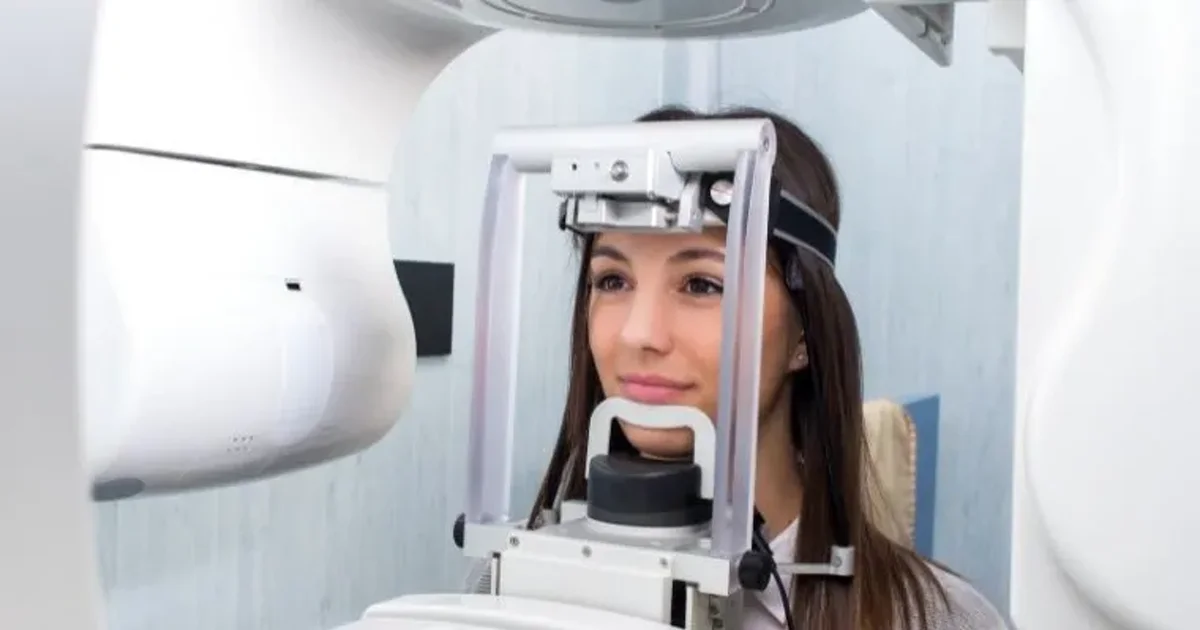
- Pre-surgery consultation and CBCT scan: If not already completed, your surgeon performs a final clinical assessment and reviews your CBCT 3D scan — captured on-site using our cone beam CT system — to confirm the implant plan. The 3D imaging shows exact bone dimensions, nerve positions, and the planned implant placement with millimetre precision.
- Consent and treatment review: Your surgeon reviews the procedure, answers final questions, and confirms your personalised treatment plan including all costs. You sign informed consent with full understanding of the procedure and aftercare requirements.
The Implant Procedure
- Local anaesthesia administration: The surgical area is numbed completely using local anaesthetic. You will feel no pain during the procedure — only pressure and vibration. For anxious patients, sedation options can be discussed.
- Implant placement (30 to 60 minutes per implant): The surgeon makes a small incision, prepares the bone with precisely calibrated drills, and places the titanium implant at the exact angle and depth determined by the CBCT-guided plan. The incision is sutured closed.
- Immediate post-op in clinic: You rest for 15 to 20 minutes in the dental chair while the team ensures bleeding is controlled and you are comfortable. Gauze is placed, and initial healing instructions are given.
Post-Op Instructions and Take-Home Pack
- Personalised aftercare plan: A printed, easy-to-follow instruction sheet is provided covering medication schedules, diet guidelines, oral hygiene steps, and warning signs to watch for.
- Prescription medications: Antibiotics, pain relief, and antiseptic mouthwash are prescribed. Our team explains the exact dosage and timing for each medication.
- Emergency contact information: You receive direct phone and WhatsApp numbers for our dental team. Post-operative concerns are addressed promptly — no waiting for business hours.
- Follow-up schedule confirmed: Your day 3, day 7, and day 14 appointments are booked before you leave. Monthly osseointegration monitoring appointments are scheduled as needed.
Follow-Up Schedule at DCDC
- Day 3: First post-op check — assess healing, check for signs of infection, evaluate blood clot and soft tissue
- Day 7: Suture removal (if applicable), clinical assessment of soft tissue healing, implant stability check
- Day 14: Confirm gum tissue recovery, clear patient for expanded diet and resumed activity
- Monthly (months 1–6): Osseointegration monitoring, periodic imaging if needed, oral hygiene reinforcement
- Month 3–6 (final stage): Confirm osseointegration complete, take impressions for permanent crown, schedule crown placement
Need Expert Dental Implant Aftercare? Book Your Follow-Up at DCDC
Whether you are preparing for dental implant surgery or need post-operative care from an experienced team, our 6-plus dental specialists at Doctors Clinic Diagnostic Center in Dubai Healthcare City provide comprehensive aftercare with scheduled follow-ups at day 3, 7, and 14 — plus same-day emergency access for any concerns. CBCT-guided planning, 20-plus insurance partners with direct billing, and a 4.8/5 Google rating from 1,000+ reviews.
Call +971 54 219 5008 or WhatsApp
Long-Term Implant Maintenance
Once your permanent crown is placed and you are fully healed, long-term maintenance becomes the key to ensuring your dental implant lasts 20 to 25 years or longer. Research shows that implants with consistent professional maintenance have survival rates exceeding 95 percent at 10 years, compared to 80 to 85 percent for implants without regular professional care. Think of your implant like a high-quality car — the initial investment is important, but regular servicing determines how long it truly lasts.
- Professional dental cleaning every 6 months: Implants require specialised cleaning with non-metal instruments (titanium curettes, plastic scalers, or ultrasonic tips) that will not scratch the implant surface. Regular scaling removes calculus from around the implant crown and below the gum line, preventing peri-implantitis. At DCDC, our hygienists are trained in implant-specific maintenance protocols.
- Daily brushing twice daily: Use a soft-bristled toothbrush (manual or electric) with fluoride toothpaste. Pay special attention to the junction where the implant crown meets the gum tissue — this is where plaque accumulates and peri-implantitis begins.
- Interdental cleaning around the implant: Use interdental brushes sized to fit the gaps around your implant crown, or a water flosser directed at the gum line around the implant. These tools clean areas that a regular toothbrush cannot reach.
- Annual X-ray or imaging: A periapical X-ray of the implant site annually (or as your dentist recommends) monitors bone levels around the implant. Any bone loss detected early can be addressed before it threatens implant stability.
- Night guard for bruxism: If you grind or clench your teeth (bruxism), a custom night guard protects the implant crown from excessive forces that could crack the crown or stress the implant-bone interface.
- Monitor for warning signs: Bleeding when brushing around the implant, redness or swelling of the gum tissue, a loose-feeling crown, bad taste, or visible pus around the implant all warrant immediate professional evaluation.
Regular professional dental cleaning is particularly important for implant patients. Unlike natural teeth, implants lack the periodontal ligament that provides sensory feedback — meaning you may not feel an infection developing until it is more advanced. Professional monitoring catches problems when they are small and easily treatable.
Dental Implant Aftercare Cost in Dubai
Understanding the costs associated with dental implant aftercare helps you budget for the complete implant journey — not just the surgery itself. Below is a comprehensive pricing table for implant-related services and aftercare at DCDC and across the Dubai market.
| Service | DCDC Price | Dubai Market Range |
|---|---|---|
| Dental implant (single fixture) | From AED 3,000 | AED 3,000–8,000 |
| Implant with crown (complete) | From AED 5,000–8,000 | AED 5,000–15,000 |
| Follow-up consultation | From AED 200 | AED 200–500 |
| Dental cleaning (maintenance) | From AED 200 | AED 200–600 |
| CBCT scan (pre-implant planning) | From AED 600 | AED 600–1,500 |
| Periapical X-ray (annual monitoring) | From AED 100 | AED 100–300 |
| Chlorhexidine mouthwash (prescription) | From AED 30 | AED 30–60 |
Dental implant aftercare pricing at DCDC in Dubai Healthcare City. All prices are approximate starting points and may vary based on individual treatment needs. Direct insurance billing available with 20-plus partners.
At DCDC, standard post-operative follow-up appointments (day 3, day 7, day 14) are typically included in your implant treatment package at no additional charge. This means your aftercare costs are primarily the maintenance dental cleanings (every 6 months) and any imaging needed to monitor osseointegration. With dental cleaning from AED 200 and follow-up consultations from AED 200, ongoing implant maintenance is affordable and straightforward.
When Can You Return to Normal Activities?
One of the most common questions patients ask before dental implant surgery is how long they will need to take off from work, exercise, and social activities. The good news is that most patients recover quickly and the procedure is far less disruptive than many expect. Here is a realistic timeline for returning to normal life after implant surgery in Dubai.
- Return to work (desk job): Most patients return to work 1 to 2 days after a single implant placement. If your job involves physical labour or heavy lifting, take 3 to 5 days off. For multiple implants or bone grafting, 3 to 5 days is recommended regardless of job type.
- Driving: You can drive the same day if only local anaesthesia was used. If sedation was administered, do not drive for 24 hours and arrange for someone to take you home.
- Light exercise (walking, yoga): Resume after 3 to 5 days, provided you feel comfortable and have no excessive bleeding or swelling.
- Moderate exercise (gym, running, cycling): Wait at least 7 to 10 days. Elevated heart rate and blood pressure can restart bleeding or increase swelling in the early days.
- Heavy exercise (weight lifting, CrossFit, contact sports): Wait at least 2 to 4 weeks. Straining and holding breath (Valsalva manoeuvre) increases pressure in the head and can compromise the surgical site.
- Swimming: Avoid pools, oceans, and hot tubs for at least 2 weeks after surgery due to bacteria exposure risk to the open surgical wound.
- Flying: Short flights are generally safe after 48 hours. For longer flights or those with significant cabin pressure changes, wait 5 to 7 days after routine implant placement or 10 to 14 days after sinus lift procedures.
- Social events and dining out: Most patients feel comfortable attending social events after 3 to 5 days. You may still be on a soft diet and want to avoid situations that require extensive talking or laughing on the day of surgery.
- Normal diet (no restrictions): Once the permanent crown is placed (3 to 6 months post-surgery), you can eat anything you want with no restrictions — the implant functions exactly like a natural tooth.
Smoking, Alcohol, and Dental Implant Recovery
Smoking and alcohol are two of the most significant modifiable risk factors that negatively affect dental implant healing. Both substances impair the biological processes essential for successful osseointegration, and their impact is well-documented in clinical research.
Why Smoking Is Dangerous for Implant Healing
- Vasoconstriction: Nicotine constricts blood vessels, reducing blood flow and oxygen delivery to the surgical site by up to 30 percent. Bone cells (osteoblasts) require adequate oxygen to proliferate and form new bone around the implant.
- Impaired immune response: Smoking suppresses white blood cell function, making the surgical site more vulnerable to bacterial infection.
- Delayed wound healing: Smokers experience slower soft tissue healing, increasing the window of vulnerability for the surgical wound.
- Higher failure rates: Studies consistently show that smokers have 2 to 3 times higher implant failure rates compared to non-smokers. Some research reports failure rates as high as 15 percent in heavy smokers compared to 3 to 5 percent in non-smokers.
- Minimum abstinence period: Stop smoking at least 2 weeks before surgery and 8 weeks after — ideally permanently. Every cigarette during the healing period increases the risk of failure.
Alcohol and Implant Recovery
- Avoid completely for 72 hours: Alcohol dilates blood vessels and thins the blood, increasing bleeding risk and potentially dislodging the blood clot.
- Interacts with medications: Alcohol combined with prescribed antibiotics (particularly metronidazole) or pain medications can cause serious side effects.
- Moderate consumption after 1 week: After the first week, occasional moderate alcohol consumption (1 to 2 units) is unlikely to affect healing, but heavy drinking should be avoided throughout the osseointegration period.
Dental Implant Aftercare Checklist: Quick Reference
Keep this comprehensive checklist as a quick reference throughout your recovery journey. Print it out or save it on your phone for easy access during the first few weeks after your dental implant surgery.
First 24 Hours
- Bite on gauze for 30–45 minutes
- Apply ice pack: 20 minutes on, 20 minutes off
- Take prescribed pain medication before numbness wears off
- Keep head elevated — sleep with 2–3 pillows
- Eat cold, soft foods only — no hot food or drink
- Do not spit, rinse, or use a straw
- No smoking, no alcohol
- No exercise or strenuous activity
Days 2–7
- Start gentle salt water rinses (24 hours post-surgery)
- Continue soft diet — advance to warm foods on day 2
- Complete full antibiotic course
- Attend day 3 and day 7 follow-up appointments
- Resume gentle brushing (avoid implant site)
- Monitor for signs of infection
Weeks 2–6
- Attend day 14 follow-up appointment
- Resume normal brushing including implant area (gently)
- Introduce interdental brushes or water flosser
- Gradually expand diet to semi-soft foods
- Resume normal exercise (week 2–3)
- Avoid smoking throughout healing period
Months 1–6 (Osseointegration)
- Attend monthly monitoring appointments
- Do not place excessive force on implant
- Maintain excellent daily oral hygiene
- Ensure adequate calcium, vitamin D, and protein intake
- Report any new pain, swelling, or implant mobility immediately
Long-Term (After Crown Placement)
- Professional cleaning every 6 months
- Annual X-ray to monitor bone levels
- Brush twice daily with soft-bristled toothbrush
- Use interdental brushes or water flosser daily
- Wear night guard if you grind teeth
- Report any bleeding, swelling, or looseness promptly
Book Your Dental Implant Consultation at DCDC Today
Our experienced team of 6-plus dental specialists at Doctors Clinic Diagnostic Center in Dubai Healthcare City provides expert dental implant placement with comprehensive aftercare support, CBCT-guided planning, and a structured follow-up schedule to ensure optimal results. Dental implants from AED 3,000, free parking, 20-plus insurance partners with direct billing, and a 4.8/5 Google rating from 1,000+ verified reviews. 98% patient satisfaction rate.
Call +971 54 219 5008 or WhatsApp
Related Services at DCDC
Expert care and advanced diagnostics at Dubai Healthcare City
Frequently Asked Questions
Final Thoughts
Proper dental implant aftercare is not complicated, but it does require discipline and attention — particularly during the first 72 hours and throughout the 3 to 6 month osseointegration period. The evidence is clear: patients who follow structured aftercare protocols, attend all follow-up appointments, maintain excellent oral hygiene, and avoid smoking achieve implant success rates of 95 to 98 percent. Your implant can last 20 to 25 years or longer with consistent care, making it the most durable and cost-effective tooth replacement option available.
At Doctors Clinic Diagnostic Center in Dubai Healthcare City, our team of 6-plus dental specialists — led by Dr. Chadi El Masry — provides comprehensive dental implant care from initial CBCT-guided planning through placement, structured aftercare follow-up (day 3, 7, and 14), osseointegration monitoring, and long-term maintenance. With dental implants from AED 3,000, dental cleaning from AED 200, direct billing with 20-plus insurance partners including Daman, AXA, Bupa, MetLife, and Cigna, free parking, a 4.8/5 Google rating from 1,000+ verified reviews, and a 98% patient satisfaction rate, DCDC makes expert implant aftercare accessible and convenient in Dubai. Contact us today to book your consultation or post-operative follow-up — call +971 54 219 5008, WhatsApp, or walk in during clinic hours (Sat–Thu 8 AM–10 PM, Fri 9 AM–9 PM). MOHAP Licensed — License No. NIMY7VY5-240925.
Sources & References
This article was reviewed by our medical team and references the following sources:
- American Dental Association — Dental Implant Care and Maintenance Guidelines
- National Institutes of Health (PubMed Central) — Osseointegration and Implant Success: A Systematic Review
- Mayo Clinic — Dental Implant Surgery: What to Expect
- Cleveland Clinic — Dental Implants: Aftercare and Recovery
- Journal of Oral Implantology — Long-Term Implant Success Rates and Maintenance Protocols
Medical content on this site is reviewed by DHA-licensed physicians. See our editorial policy for more information.
Written by
Dr. Chadi El Masry
Cosmetic & Restorative Dentistry
DDS
Dr. Chadi El Masry is a Cosmetic & Restorative Dentistry specialist at Doctors Clinic Diagnostic Center (DCDC) in Dubai Healthcare City.
Related Articles
Dental Implant Cost Dubai: From AED 3,000 (2026)

Dental Implant vs Bridge Dubai: Which Is Best? (2026)
Dental Cleaning Cost Dubai: From AED 200 (2026)
Dental Crown Cost Dubai: From AED 1,000 (2026)
More in Dental
Zirconia vs Porcelain Crown Dubai: Guide (2026)
Read More
Zoom Whitening Cost Dubai: From AED 699 (2026)
Read More
Mouth Ulcers Dubai: Causes & When to Worry (2026)
Read MoreDental Anxiety Dubai: Tips to Overcome Fear (2026)
Read MoreDry Mouth Dubai: Causes & Treatment (2026)
Read MoreChipped Tooth Repair Dubai: What to Do (2026)
Read More© 2026 Doctors Clinic Diagnostic Center (DCDC), Dubai Healthcare City. Originally published at https://doctorsclinicdubai.ae/blog/dental-implant-aftercare-recovery-dubai. All rights reserved. Unauthorized reproduction is prohibited.