Key Takeaways
- The WHO recommends exclusive breastfeeding for the first six months, continuing alongside solid foods until at least two years of age.
- Correct latching technique and positioning are the foundation of pain-free, effective breastfeeding — seek help early if latching hurts.
- Common challenges like engorgement, mastitis, sore nipples, and perceived low supply are treatable and rarely require stopping breastfeeding.
- Nursing mothers in Dubai should aim for 3–4 litres of water daily and an extra 300–500 kilocalories from nutrient-dense foods.
- UAE labour law grants working mothers two daily nursing breaks of 30 minutes each for the first 18 months after delivery.
- DCDC offers paediatric consultations, home-based mother-and-baby care, and night nursing services to support your breastfeeding journey.
Breastfeeding is one of the most important things you can do for your newborn's health, yet many new mothers in Dubai find the first weeks challenging. From latching difficulties and sore nipples to concerns about milk supply, the questions can feel overwhelming. This comprehensive guide covers everything you need to know — evidence-based techniques, solutions for common problems, nutrition tips, and your rights as a working mother in the UAE. If you need hands-on professional support, DCDC's mother and baby care services include home-based lactation guidance, night nursing, and paediatric follow-up so you never have to navigate breastfeeding alone.
Whether you are a first-time mother or breastfeeding again after a gap, the information below draws on the latest World Health Organization (WHO) and American Academy of Pediatrics (AAP) guidelines, combined with practical advice tailored to life in Dubai.
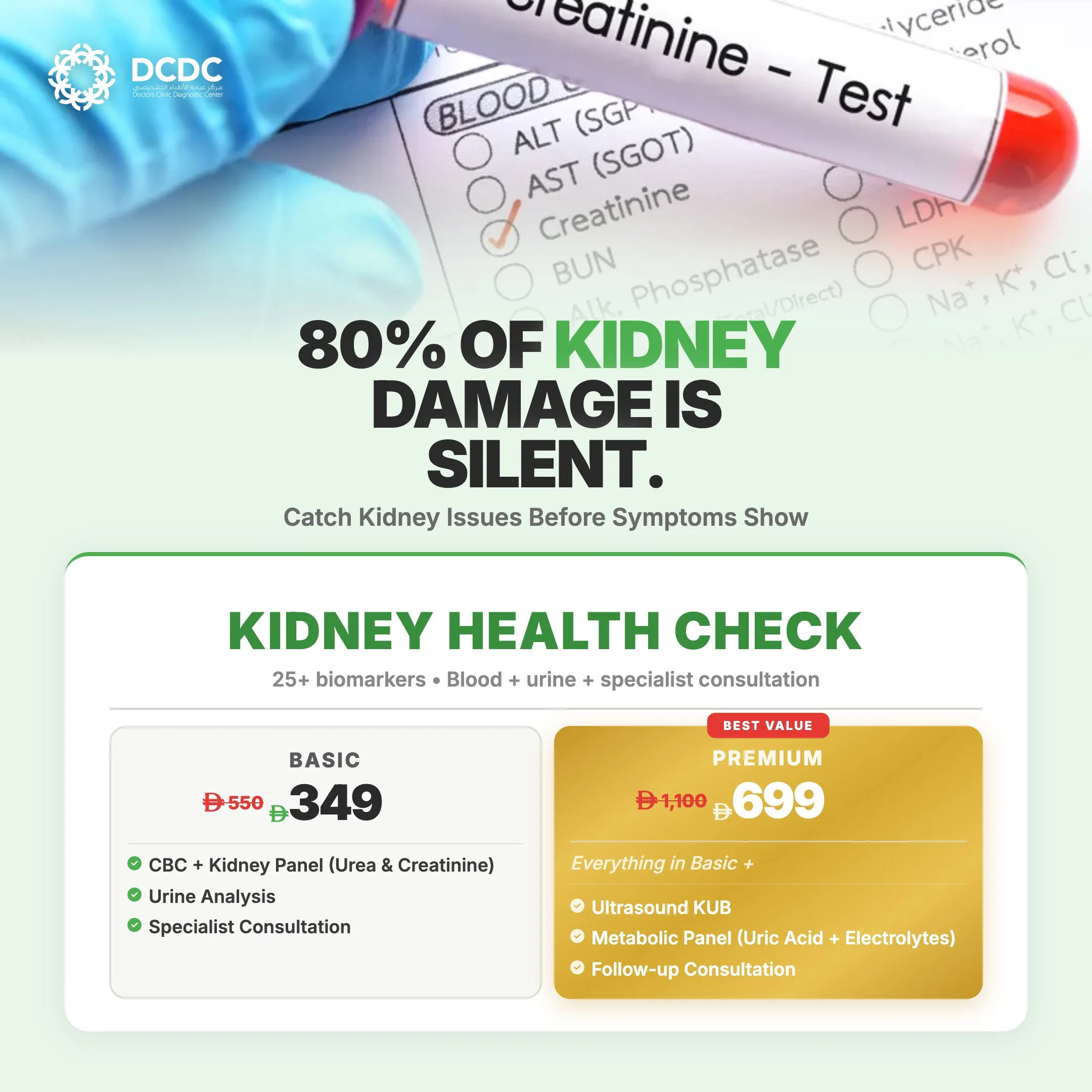
Health Screening Packages
Save with our bundled screening packages — specialist consultation included





Why Breastfeeding Matters: Benefits for Baby and Mother
Breast milk is uniquely designed for human infants. It provides the ideal balance of proteins, fats, vitamins, and antibodies that adapt as your baby grows. The WHO and UNICEF recommend exclusive breastfeeding for the first six months of life, followed by continued breastfeeding alongside appropriate complementary foods until at least two years of age.
Benefits for Your Baby
- Immune protection: Colostrum (the first milk produced after birth) is rich in immunoglobulin A (IgA), which coats the baby's gut lining and guards against infections.
- Reduced infection risk: Breastfed infants have lower rates of respiratory infections, ear infections, gastroenteritis, and urinary tract infections during the first year.
- Lower SIDS risk: Multiple studies associate breastfeeding with a reduced risk of sudden infant death syndrome (SIDS).
- Cognitive development: Research links breastfeeding duration with modest improvements in IQ scores and neurodevelopmental outcomes.
- Chronic disease protection: Children who are breastfed have lower lifetime risks of obesity, type 2 diabetes, asthma, and certain childhood leukaemias.
Benefits for the Mother
- Faster uterine recovery: Oxytocin released during nursing helps the uterus contract back to its pre-pregnancy size more quickly.
- Reduced postpartum bleeding: The same hormonal response decreases the risk of excessive blood loss after delivery.
- Lower cancer risk: Breastfeeding is associated with a reduced risk of breast cancer and ovarian cancer, with the benefit increasing with longer duration.
- Natural birth spacing: Exclusive breastfeeding delays the return of menstruation, offering some contraceptive benefit in the early months (the lactational amenorrhoea method, or LAM).
- Emotional bonding: Skin-to-skin contact and nursing promote the release of oxytocin, strengthening the emotional bond between mother and baby.
Getting Started: The First Latch and Feeding Positions
The first hour after birth is sometimes called the golden hour — placing your baby skin-to-skin on your chest immediately after delivery encourages the natural rooting reflex and helps establish breastfeeding. Most healthy newborns will begin to seek the breast within 30 to 60 minutes if left undisturbed.
How to Achieve a Good Latch
- Position your baby close: Hold your baby so their nose is level with your nipple, their body facing yours (tummy to tummy).
- Wait for a wide mouth: Brush your nipple lightly against your baby's upper lip. Wait until they open their mouth wide — like a yawn — before bringing them onto the breast.
- Aim for deep attachment: The baby's mouth should cover most of the areola, not just the nipple. Their chin should press into the breast, and their lower lip should be flanged outward.
- Listen for swallowing: A well-latched baby will produce a rhythmic suck-swallow pattern. You may hear soft gulping sounds, and the sucking should feel like a firm tug, not a pinch.
- Break the seal gently: If you need to reposition, slide your little finger into the corner of the baby's mouth to break the suction before removing them from the breast.
Popular Breastfeeding Positions
Finding a comfortable position reduces fatigue and helps your baby latch effectively. Try several positions and choose what works best for you.
| Position | How It Works | Best For |
|---|---|---|
| Cradle hold | Baby lies across your front, their head resting in the crook of your arm on the same side as the feeding breast. | Established breastfeeders; full-term babies with a good latch. |
| Cross-cradle hold | Similar to cradle hold, but the opposite hand supports the baby's head, giving you more control. | Newborns learning to latch; small or premature babies. |
| Football (clutch) hold | Baby is tucked under your arm on the same side as the feeding breast, feet pointing behind you. | After a caesarean section; mothers with large breasts; twins. |
| Side-lying | Both mother and baby lie on their sides facing each other. | Night feeds; mothers recovering from delivery. |
| Laid-back (biological nurturing) | Mother reclines at a comfortable angle; baby lies tummy-down on the mother's chest. | Skin-to-skin bonding; babies who struggle with other positions. |
Common breastfeeding positions and when to use them
Common Breastfeeding Challenges and How to Solve Them
Nearly every breastfeeding mother encounters at least one difficulty in the early weeks. Knowing what to expect — and when to seek help — makes a significant difference.
Sore or Cracked Nipples
Mild tenderness during the first few days is normal, but persistent pain or cracking usually indicates an incorrect latch. Correcting the latch is the single most effective remedy. Between feeds, apply expressed breast milk or a purified lanolin cream to the nipple area and allow it to air-dry. If pain continues, a tongue-tie assessment by a paediatrician may be needed — a short lingual frenulum can restrict the baby's ability to latch deeply.
Engorgement
When your mature milk comes in (usually between days 2 and 5), your breasts may become swollen, hard, and tender. Frequent feeding — at least 8 to 12 times in 24 hours — is the most effective way to relieve engorgement. Applying a warm compress before a feed can help milk flow, and a cold compress after the feed reduces swelling. If the areola is too firm for the baby to latch, hand-express a small amount of milk first to soften the area.
Mastitis
Mastitis is an inflammation of breast tissue that may involve a bacterial infection. Symptoms include a red, hot, painful area on one breast, often accompanied by flu-like symptoms such as fever and body aches. Continue breastfeeding — stopping increases the risk of abscess. Empty the affected breast frequently, apply warm compresses before feeding, and see your doctor promptly. Antibiotics safe for breastfeeding may be prescribed if symptoms do not improve within 12–24 hours.
Perceived Low Milk Supply
Many mothers worry they are not producing enough milk. In most cases, supply is adequate. Reliable signs that your baby is getting enough include six or more wet nappies per day after day four, regular bowel movements, and steady weight gain at check-ups. Breast milk production works on a supply-and-demand basis — the more frequently and effectively your baby feeds, the more milk you produce. If you have genuine supply concerns, a lactation consultant can assess feeding efficiency and recommend evidence-based strategies such as breast compression, power pumping, or galactagogue foods.
Blocked Milk Ducts
A blocked duct feels like a small, tender lump in the breast. It occurs when milk does not drain completely from a section of the breast. Continue feeding on the affected side, positioning the baby's chin toward the lump to direct suction to that area. Gentle massage from behind the lump toward the nipple during feeding also helps. If unresolved after 48 hours, consult your doctor to prevent progression to mastitis.
Thrush (Candida Infection)
Thrush can cause burning, itching nipple pain that persists between feeds, often accompanied by white patches in the baby's mouth. Both mother and baby require treatment — typically a topical antifungal for the nipples and an oral antifungal for the baby's mouth. Sterilise all items that contact the baby's mouth and your breasts to prevent reinfection.
Nutrition and Diet for Breastfeeding Mothers in Dubai
Your body requires additional energy and nutrients to produce breast milk. While there is no special 'breastfeeding diet', making smart food choices helps maintain your energy and supports optimal milk composition.
Calorie and Hydration Needs
Exclusively breastfeeding mothers need roughly 300–500 extra kilocalories per day above their normal intake. In Dubai's warm climate, hydration is especially important — aim for 3–4 litres of water daily. Keep a water bottle beside you during feeds as a reminder. Dehydration does not directly reduce milk supply, but it can cause fatigue, headaches, and reduced well-being.
Key Nutrients to Prioritise
| Nutrient | Why It Matters | Good Sources |
|---|---|---|
| Calcium | Supports your bone density — breastfeeding temporarily draws calcium from your bones. | Yoghurt, cheese, sardines, fortified plant milks, sesame seeds. |
| Iron | Replenishes stores after pregnancy and delivery. | Red meat, lentils, spinach, fortified cereals. Pair with vitamin C for better absorption. |
| Omega-3 (DHA) | Critical for baby's brain and eye development via breast milk. | Salmon, mackerel, sardines, walnuts, chia seeds. Limit high-mercury fish (swordfish, king mackerel). |
| Vitamin D | Many Dubai residents are deficient despite the sunshine — supplementation of 600–1,000 IU daily is widely recommended. | Fortified milk, egg yolks, fatty fish. Ask your doctor about a supplement. |
| Iodine | Essential for the baby's thyroid function and brain development. | Dairy products, eggs, iodised salt, seafood. |
Essential nutrients for breastfeeding mothers
Foods and Substances to Limit
- Caffeine: Up to 200–300 mg per day (about two cups of coffee) is generally safe. Higher amounts may make some babies irritable or disrupt sleep.
- Alcohol: Alcohol passes into breast milk. If you choose to drink occasionally, wait at least two hours per standard drink before the next feed.
- High-mercury fish: Avoid swordfish, shark, king mackerel, and tilefish. Choose low-mercury options like salmon and tilapia.
- Herbal supplements: Some herbal teas and supplements can affect milk supply or are not well-studied in breastfeeding women. Check with your doctor before taking them.
Breastfeeding and Returning to Work in Dubai
Many mothers in Dubai return to work after maternity leave and want to continue breastfeeding. Planning ahead makes the transition smoother for both mother and baby.
Your Legal Rights in the UAE
Under UAE labour law, working mothers are entitled to two nursing breaks of 30 minutes each per day for 18 months after delivery. These breaks are in addition to regular rest periods and are paid. Employers cannot reduce a mother's pay for taking nursing breaks. Some companies in Dubai provide a dedicated pumping room — ask your HR department about facilities available.
Building a Breast Milk Stash
- Start pumping and storing milk two to three weeks before your return date.
- Pump after the morning feed, when supply tends to be highest.
- Store expressed milk in BPA-free bottles or breast milk bags. Label each with the date.
- Storage guidelines: Room temperature (up to 25 °C) — 4 hours; refrigerator (4 °C) — up to 4 days; freezer (–18 °C) — up to 6 months (optimal quality).
- Introduce the bottle one to two weeks before returning to work so the baby can adapt.
Pumping at Work
Bring a double electric breast pump, a cooler bag with ice packs, and cleaning supplies. Aim to pump at the same times you would normally feed your baby — typically every 3–4 hours — to maintain supply. Many mothers in Dubai find that a hands-free pumping bra allows them to continue light work tasks while expressing.
When to Seek Professional Breastfeeding Help
Not every breastfeeding challenge can be solved at home. Seek professional help promptly if you experience any of the following:
- Persistent nipple pain or cracking that does not improve with latch correction.
- Signs of mastitis — breast redness, warmth, fever above 38.5 °C.
- Your baby is not regaining birth weight by two weeks of age.
- Fewer than six wet nappies per day after day four.
- Your baby is excessively sleepy and difficult to wake for feeds.
- You notice white patches in the baby's mouth or persistent burning nipple pain (possible thrush).
- You feel overwhelmed, anxious, or depressed — postpartum depression can affect breastfeeding and vice versa.
A certified lactation consultant (IBCLC) can observe a full feed, assess latch and milk transfer, check for tongue-tie, and create a personalised feeding plan. In Dubai, lactation consultants are available in hospitals, clinics, and through home-visit services.
What to Expect at DCDC for Breastfeeding Support
Doctors Clinic Diagnostic Center (DCDC) in Dubai Healthcare City provides comprehensive support for breastfeeding mothers through its paediatrics and home-care departments. Here is what the experience looks like:
In-Clinic Paediatric Consultation
- Arrival: DCDC is located in Dubai Healthcare City (Oud Metha) with free parking available. Check in at reception and you will be seen promptly.
- Assessment: The paediatrician evaluates your baby's weight gain, feeding pattern, latch quality, and overall development.
- Feeding observation: If needed, the doctor will observe a breastfeed to identify any positioning or latch issues.
- Tongue-tie check: A physical examination can identify ankyloglossia (tongue-tie) that may be restricting effective feeding.
- Plan: You receive a clear feeding plan, and follow-up weight checks are scheduled as needed — typically within a few days for newborns with weight concerns.
Home-Based Mother and Baby Care
DCDC's home-care team brings postnatal support directly to your door. Services available include:
- Lactation consultation at home: A qualified practitioner visits to assess breastfeeding, help with positioning, and troubleshoot supply or latch difficulties. Contact DCDC for current lactation consultation pricing.
- Night baby care: A dedicated nurse cares for your baby through the night (10-hour shift) so you can rest — AED 699 per night, or AED 4,499 for seven nights.
- Short nurse visit: A nurse visit for routine postnatal checks, including feeding assessment and baby weight monitoring — AED 199 per visit.
- Hourly nursing care: Extended support at AED 99 per hour with a 3-hour minimum (AED 297).
On-Site Laboratory
DCDC has an in-house laboratory for any blood work your paediatrician recommends — such as bilirubin levels for newborn jaundice screening or thyroid function tests. Routine results are typically available the same day, so you do not need to return for a separate visit.
Breastfeeding Support Costs at DCDC
Below is an overview of DCDC services relevant to breastfeeding mothers. Prices are approved as of 2026.
| Service | Price (AED) | Notes |
|---|---|---|
| Paediatric consultation | From 300 | In-clinic assessment including feeding evaluation and developmental check. |
| Lactation consultation at home | Contact DCDC | Enquiry-based service; pricing confirmed upon booking. |
| Night baby care (per night) | 699 | 10-hour night shift; nurse cares for baby including feeding support. |
| Night baby care (7 nights) | 4,499 | Seven 10-hour nights; most popular for the early postnatal weeks. |
| Short nurse visit | 199 | Single home visit for postnatal checks and feeding assessment. |
| Hourly nursing | 99/hour | 3-hour minimum (AED 297). Extended daytime or evening support. |
DCDC breastfeeding and postnatal care pricing (2026)
Patients with health insurance should check their policy for postnatal and paediatric coverage — many Dubai insurers cover well-baby visits and lactation support. DCDC welcomes patients with all insurance providers; check your eligibility and authorisation when booking.
Need Breastfeeding Support?
Book a paediatric consultation or enquire about home-based lactation support at DCDC in Dubai Healthcare City.
Call +971 54 219 5008 or WhatsApp +971 50 970 3884
Breastfeeding Tips for the First Six Weeks
The first six weeks are often the most demanding. These practical strategies can make the adjustment easier:
- Feed on demand: Newborns typically feed 8–12 times in 24 hours. Watch for early hunger cues — rooting, hand-to-mouth movements, lip smacking — rather than waiting for crying.
- Alternate breasts: Start each feed on the breast you did not offer first at the previous feed to maintain balanced production.
- Track wet and dirty nappies: Keep a simple log for the first two weeks. This gives your paediatrician objective data at weight checks.
- Accept help: Ask your partner, family, or a night nurse to handle non-feeding tasks so you can rest and focus on establishing supply.
- Avoid pacifiers and bottles initially: The AAP suggests waiting until breastfeeding is well established (usually 3–4 weeks) before introducing a pacifier or bottle to reduce nipple confusion risk.
- Look after yourself: Rest when the baby sleeps, eat regular meals, and stay hydrated. Your wellbeing directly affects your milk production and your ability to cope with the demands of new motherhood.
Weaning: When and How to Transition
The WHO recommends continuing breastfeeding alongside complementary foods until at least two years of age. However, the right time to wean depends on individual circumstances. There is no medical deadline — gradual weaning over several weeks is gentler for both mother and baby.
Signs Your Baby Is Ready for Solids
- Around six months of age (not before four months).
- Can sit upright with minimal support and hold their head steady.
- Shows interest in food — reaching for it, watching you eat.
- Has lost the tongue-thrust reflex (no longer pushes food out of the mouth automatically).
Gradual Weaning Tips
Drop one breastfeed at a time, starting with the feed your baby seems least interested in. Wait a few days before dropping the next. This gives your breasts time to adjust and reduces the risk of engorgement or blocked ducts. Many mothers keep the morning and bedtime feeds the longest, as these tend to be the most comforting for the baby.
Related Services at DCDC
Expert care and advanced diagnostics at Dubai Healthcare City
Mother & Baby Care at Home
Professional postnatal and newborn care services in the comfort of your home.
Book AppointmentLactation Consultation at Home
Enquire about qualified breastfeeding support at home in Dubai.
Book AppointmentNewborn Care
Comprehensive newborn screening, jaundice assessment, and feeding support.
Book AppointmentFrequently Asked Questions
Final Thoughts
Breastfeeding is a skill that takes time to learn for both mother and baby. The early weeks can be challenging, but with the right information, support, and patience, most difficulties are temporary and resolvable. Remember that seeking help is a sign of good parenting, not failure — the sooner you address a problem, the easier it is to fix.
If you are in Dubai and need professional breastfeeding support, DCDC's paediatrics team and home-care services are here to help. From in-clinic consultations to overnight nursing care, you can get the guidance you need at every stage of your breastfeeding journey. Call +971 54 219 5008 or WhatsApp us to book.
Sources & References
This article references the following sources:
- WHO — Infant and Young Child Feeding Fact Sheet (2026)
- AAP — Breastfeeding and the Use of Human Milk (Policy Statement)
- Victora CG et al. — Breastfeeding in the 21st Century: Epidemiology, Mechanisms, and Lifelong Effect (The Lancet, 2016)
- NHS — Breastfeeding: The First Few Days
- LactMed — Drugs and Lactation Database (US NIH)
This information is educational and does not replace individual medical advice. See our editorial policy for more information.

Written by
Dr. Yusra Alshaikh
Pediatrics
MBBS, Arab Board of Pediatrics, Emirati Board of Pediatrics
Dr. Yusra Alshaikh is a Pediatrics specialist at Doctors Clinic Diagnostic Center (DCDC) in Dubai Healthcare City.
Related Articles

Mother & Baby Care at Home in Dubai

Night Nurse for Newborn Care in Dubai

Newborn Jaundice: Causes & Treatment in Dubai

Postnatal Recovery Physiotherapy

Postpartum Depression: Signs to Watch For
More in Pediatrics
Croup in Children Dubai: Symptoms & Care (2026)
Read MoreNight Nurse for Newborns in Dubai: Prep Guide (2026)
Read MoreBaby Teething Symptoms & Safe Relief in Dubai (2026)
Read MorePediatrician Home Visit Dubai: Full Guide (2026)
Read More
Signs of Hearing Loss in Children Dubai (2026)
Read MoreHand Foot Mouth Disease Dubai: Parent Guide (2026)
Read More© 2026 Doctors Clinic Diagnostic Center (DCDC), Dubai Healthcare City. Originally published at https://doctorsclinicdubai.ae/blog/breastfeeding-guide-dubai. All rights reserved. Unauthorized reproduction is prohibited.