النقاط الرئيسية
- تكلفة فحص TSH في دبي تبدأ من 249 درهماً بشكل فردي، ولوحة الغدة الدرقية (TSH + T3 الحر + T4 الحر) من 399 درهماً، واللوحة الشاملة مع الأجسام المضادة من 300-500 درهم — وتتوفر النتائج عادةً في نفس اليوم أو خلال 24 ساعة
- يُعدّ فحص TSH أهم اختبار وحيد وأكثرها حساسية للكشف عن اضطرابات الغدة الدرقية — فارتفاعه يدل على قصور الغدة الدرقية (خمول الغدة)، بينما انخفاضه يدل على فرط نشاطها
- يُنصح بإجراء الفحص بانتظام للنساء فوق سن 35، والنساء الحوامل، ومن لديهم تاريخ عائلي بأمراض الغدة الدرقية، وكل من يعاني أعراض خلل وظيفي في الغدة الدرقية
- تشيع اضطرابات الغدة الدرقية في الإمارات، إذ تشير الدراسات إلى أن ما يصل إلى 15% من السكان قد يعانون من شكل من أشكال خلل وظيفة الغدة الدرقية، وكثيراً ما يظل غير مُشخَّص
- ارتبط نقص فيتامين D — الشائع جداً في دبي — بزيادة خطر الإصابة بأمراض الغدة الدرقية المناعية الذاتية، بما فيها التهاب الغدة الدرقية هاشيموتو
- يُعدّ فحص الغدة الدرقية أثناء الحمل بالغ الأهمية، إذ قد تتسبب اضطرابات الغدة الدرقية غير المعالجة في الإجهاض وتسمم الحمل والتأخر في النمو والولادة المبكرة
- يستلزم المرضى الذين يتناولون أدوية الغدة الدرقية المراقبة كل 6-8 أسابيع بعد أي تعديل في الجرعة حتى تستقر، ثم كل 6-12 شهراً للإدارة طويلة الأمد
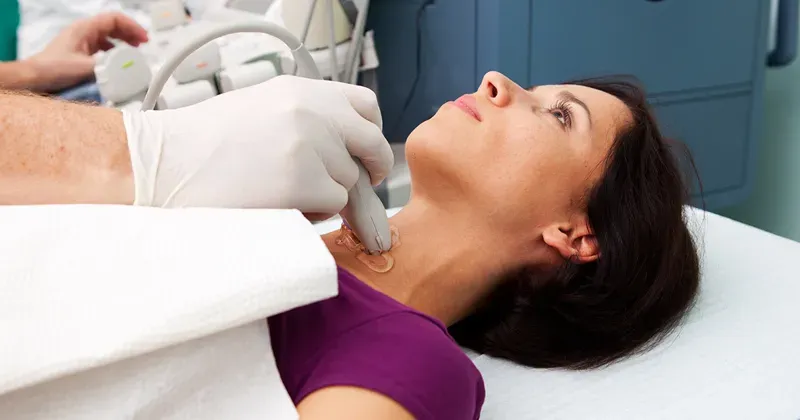
الغدة الدرقية عضو صغير على شكل فراشة يقع في قاعدة عنقك، تُنتج هرمونات تتحكم في الأيض ومستويات الطاقة ودرجة حرارة الجسم ومعدل ضربات القلب والوزن. حين تُنتج الغدة الدرقية هرموناً أكثر أو أقل مما ينبغي، يتأثر عملياً كل عضو في الجسم. إن فحص وظائف الغدة الدرقية فحصُ دم بسيط يقيس مستويات هرمونات الغدة الدرقية، وهو ضروري لتشخيص حالات تتراوح بين الإعياء وزيادة الوزن وخفقان القلب والقلق.
يتناول هذا الدليل كل ما تحتاج معرفته عن فحوصات الغدة الدرقية في دبي: النطاقات المرجعية لـ TSH وT3 الحر وT4 الحر وأجسام مضادة الغدة الدرقية حسب العمر والجنس والفصل الدراسي للحمل؛ ومقارنة مفصّلة لأعراض قصور الغدة الدرقية مقابل فرط نشاطها؛ ومقارنة بين هاشيموتو ومرض غريفز؛ ومتى تُجري الفحص؛ وأسعار الاختبارات الفردية ولوحات الفحوصات؛ وجداول متابعة الدواء. سواء كنت تعاني من أعراض أو تريد الفحص الاستباقي، فهذا مرجع شامل موثَّق طبياً.





ما هو فحص وظائف الغدة الدرقية؟
فحص وظائف الغدة الدرقية مجموعة من فحوصات الدم التي تقيس مدى كفاءة عمل الغدة الدرقية. يتضمن الفحص سحب عينة دم بسيطة من وريد في ذراعك، وتتوفر النتائج عادةً في نفس اليوم أو خلال 24 ساعة. قد تكون الغدة الدرقية صغيرة، لكن تأثيرها على الجسم ضخم — إذ تنظّم معدل الأيض، وتؤثر في سرعة حرق السعرات الحرارية، وتتحكم في سرعة ضربات القلب، وتؤثر في معدل دوران العظام ومستويات الكوليسترول بل وحتى المزاج. إن فهم المؤشرات المحددة التي يقيسها الفحص ضروري لتفسير نتائجك.
TSH (الهرمون المحفز للغدة الدرقية)
يُنتَج TSH في الغدة النخامية في الدماغ ويعمل رسولاً يُخبر الغدة الدرقية بمقدار الهرمون الذي ينبغي إنتاجه. إنه أهم اختبار فردي وأكثره حساسية للكشف عن اضطرابات الغدة الدرقية. حين تكون الغدة الدرقية خاملة، تُفرز الغدة النخامية مزيداً من TSH لمحاولة تنشيطها (ارتفاع TSH). وحين تكون الغدة الدرقية مفرطة النشاط، تُخفّض الغدة النخامية إنتاج TSH (انخفاض TSH). النطاق الطبيعي: 0.4 إلى 4.0 mIU/L، وإن كانت المستويات المثلى تُعدّ عموماً 0.5 إلى 2.5 mIU/L.
T4 الحر (الثيروكسين الحر)
T4 هو الهرمون الرئيسي الذي تُنتجه الغدة الدرقية. يشير قياس "الحر" إلى الشكل النشط بيولوجياً غير المرتبط المتداول في الدم. انخفاض T4 الحر مع ارتفاع TSH يؤكد قصور الغدة الدرقية، في حين يؤكد ارتفاع T4 الحر مع انخفاض TSH فرط نشاطها. النطاق الطبيعي: 0.8 إلى 1.8 ng/dL (10 إلى 23 pmol/L).
T3 الحر (ثلاثي يودوثيرونين الحر)
T3 هو هرمون الغدة الدرقية الأكثر نشاطاً — إذ يتحول معظم T4 إلى T3 في أنسجة الجسم. يكتسب T3 الحر أهمية خاصة في تشخيص فرط نشاط الغدة الدرقية، لأن بعض المرضى يعانون ارتفاع T3 مع T4 طبيعي (سُمية T3). كذلك يُفيد في متابعة المرضى على أدوية الغدة الدرقية. النطاق الطبيعي: 2.3 إلى 4.2 pg/mL (3.5 إلى 6.5 pmol/L).
الأجسام المضادة للغدة الدرقية (TPO وTG)
تكشف اختبارات الأجسام المضادة للغدة الدرقية عن أمراض الغدة الدرقية المناعية الذاتية — السبب الأكثر شيوعاً لخلل وظائف الغدة الدرقية في جميع أنحاء العالم. الأجسام المضادة الرئيسية التي يُختبر لها هي:
- مضاد TPO (أجسام مضادة لإنزيم بيروكسيداز الغدة الدرقية): ترتفع في التهاب الغدة الدرقية هاشيموتو (السبب الرئيسي لقصور الغدة الدرقية) وأحياناً في مرض غريفز. موجودة لدى ما يصل إلى 95% من مرضى هاشيموتو. الطبيعي: أقل من 35 IU/mL
- مضاد TG (أجسام مضادة للثيروغلوبولين): مرتبطة أيضاً بالتهاب الغدة الدرقية هاشيموتو وتُستخدم في متابعة سرطان الغدة الدرقية بعد العلاج. الطبيعي: أقل من 40 IU/mL
- أجسام مضادة لمستقبل TSH (TRAb): ترتفع في مرض غريفز (السبب الرئيسي لفرط نشاط الغدة الدرقية). تساعد في التمييز بين مرض غريفز وأسباب أخرى لفرط نشاط الغدة الدرقية. الطبيعي: أقل من 1.75 IU/L
النطاقات المرجعية لفحص الغدة الدرقية حسب العمر والجنس والحمل
النطاقات المرجعية لهرمونات الغدة الدرقية ليست موحدة للجميع. تتباين باختلاف العمر والجنس وحالة الحمل. قد يؤدي استخدام النطاق المرجعي الخاطئ إلى فوات التشخيص أو العلاج غير الضروري. يوفر الجدول التالي نطاقات شاملة:
| الفئة | TSH (mIU/L) | T4 الحر (ng/dL) | T3 الحر (pg/mL) | ملاحظات |
|---|---|---|---|---|
| البالغون (غير الحوامل) | 0.4 – 4.0 | 0.8 – 1.8 | 2.3 – 4.2 | TSH المثالي: 0.5 – 2.5 لمعظم البالغين |
| النساء 35 عاماً فأكثر | 0.4 – 4.0 | 0.8 – 1.8 | 2.3 – 4.2 | فحص كل 5 سنوات؛ خطر أعلى للإصابة بالتهاب الغدة الدرقية المناعي الذاتي |
| كبار السن (فوق 70 عاماً) | 0.4 – 5.0 | 0.7 – 1.7 | 2.0 – 3.8 | يرتفع الحد الأعلى لـ TSH بشكل طبيعي مع التقدم في السن |
| الأطفال (1-5 سنوات) | 0.7 – 6.0 | 0.9 – 1.8 | 3.0 – 5.5 | نطاقات TSH وT3 أعلى لدى الأطفال الصغار |
| الأطفال (6-12 سنة) | 0.6 – 5.0 | 0.8 – 1.7 | 2.8 – 5.0 | تحول تدريجي نحو نطاقات البالغين |
| المراهقون (13-18 سنة) | 0.5 – 4.5 | 0.8 – 1.8 | 2.5 – 4.5 | نطاقات مرجعية قريبة من البالغين |
| الحمل: الثلث الأول | 0.1 – 2.5 | 0.8 – 1.8 | 2.3 – 4.2 | انخفاض TSH بسبب تحفيز hCG؛ مرحلة حرجة لتطور دماغ الجنين |
| الحمل: الثلث الثاني | 0.2 – 3.0 | 0.7 – 1.6 | 2.1 – 3.8 | يعود TSH تدريجياً للوضع الطبيعي؛ قد ينخفض T4 الحر قليلاً |
| الحمل: الثلث الثالث | 0.3 – 3.5 | 0.6 – 1.5 | 2.0 – 3.5 | قد ينخفض T4 الحر وT3 بسبب زيادة بروتينات الارتباط |
قد تتباين النطاقات المرجعية قليلاً بين المختبرات. استخدم دائماً النطاقات المرجعية المحددة التي يوفرها مختبر الفحص. نطاقات الحمل مستندة إلى إرشادات ATA/ETA 2024.
تكلفة فحص الغدة الدرقية في دبي
فحوصات الغدة الدرقية في دبي ميسورة الثمن ومتاحة على نطاق واسع. في مركز أطباء العيادات التشخيصي، نوفر فحوصات الغدة الدرقية في مختبرنا الداخلي مع نتائج في نفس اليوم لمعظم اللوحات. تعتمد التكلفة على ما إذا كنت بحاجة إلى فحص TSH منفرد أو لوحة شاملة مع الأجسام المضادة.
| فحص الغدة الدرقية | ما يتضمنه | سعر DCDC (درهم) | النطاق السوقي (درهم) |
|---|---|---|---|
| TSH فقط | اختبار فحص TSH | من 100 | 80 – 150 |
| لوحة الغدة الدرقية (أساسية) | TSH + T3 الحر + T4 الحر | من 149 | 150 – 300 |
| لوحة الغدة الدرقية الشاملة | TSH + T3 الحر + T4 الحر + مضاد TPO + مضاد TG | من 300 | 300 – 500 |
| أجسام مضادة لمستقبل TSH (TRAb) | تقييم مرض غريفز | من 200 | 200 – 350 |
| الموجات فوق الصوتية للغدة الدرقية | تصوير بنية الغدة الدرقية | من 300 | 300 – 600 |
| مجموعة الغدة الدرقية مع فيتامين D | TSH + T4 الحر + فيتامين D | من 200 | 200 – 400 |
الأسعار اعتباراً من عام 2026. يلتزم DCDC بأسعار هيئة الصحة بدبي. تواصل معنا للتأكد من الأسعار الدقيقة وتغطية التأمين.
تُغطي جميع خطط التأمين الصحي في الإمارات تقريباً فحوصات الغدة الدرقية عند صرفها من قِبَل طبيب مع مبرر سريري. تشمل المؤشرات المقبولة الشائعة: أعراض خلل وظائف الغدة الدرقية، والتاريخ العائلي، وفحص الحمل، ومتابعة حالات الغدة الدرقية المعروفة. في DCDC، نقدم الفوترة المباشرة مع أكثر من 20 شركة تأمين، من بينها Daman وAXA وBupa.
قصور الغدة الدرقية مقابل فرط نشاطها: مقارنة الأعراض
يمكن أن تختل وظيفة الغدة الدرقية في اتجاهين متعاكسين — إما إنتاج هرمون أقل من المطلوب (قصور الغدة الدرقية) أو أكثر منه (فرط نشاط الغدة الدرقية). كلا الحالتين شائعتان، وكثيراً ما تتداخل أعراضهما مع حالات أخرى، لذا يُعدّ فحص الدم ضرورياً للتشخيص الدقيق. يقارن الجدول التالي الأعراض جنباً إلى جنب عبر جميع أجهزة الجسم الرئيسية:
| فئة الأعراض | قصور الغدة الدرقية (خمول) | فرط نشاط الغدة الدرقية (نشاط مفرط) |
|---|---|---|
| الطاقة | إعياء، خمول، نعاس مفرط | قلق، توتر، صعوبة في النوم |
| الوزن | زيادة وزن غير مبررة رغم النظام الغذائي الطبيعي | فقدان وزن غير مبرر رغم زيادة الشهية |
| درجة الحرارة | حساسية للبرد، الشعور الدائم بالبرودة | حساسية للحرارة، تعرق مفرط |
| القلب | بطء ضربات القلب (بطء القلب) | تسارع أو عدم انتظام ضربات القلب (خفقان) |
| المزاج | اكتئاب، مشاكل في الذاكرة، ضباب ذهني | سرعة الانفعال، تقلبات المزاج، رعشة |
| البشرة والشعر | جفاف البشرة، تساقط الشعر، هشاشة الأظافر | بشرة دافئة رطبة، شعر ناعم، ترقق الشعر |
| الهضم | إمساك | تكرار حركات الأمعاء، إسهال |
| الدورة الشهرية | دورات غزيرة أو غير منتظمة | دورات خفيفة أو غائبة |
| العضلات والمفاصل | تقلصات عضلية، تيبس المفاصل، متلازمة النفق الرسغي | ضعف عضلي، صعوبة في صعود الدرج |
| فحوصات الدم | ارتفاع الكوليسترول، ارتفاع CK | انخفاض الكوليسترول، ارتفاع إنزيمات الكبد |
| أخرى | انتفاخ الوجه، بحة الصوت، ارتفاع الكوليسترول | بروز العينين (غريفز)، تضخم الغدة الدرقية (كبر الغدة) |
كثير من أعراض الغدة الدرقية غير نوعية — فحص الدم هو الوسيلة الوحيدة القاطعة لتأكيد خلل وظائف الغدة الدرقية.
هاشيموتو مقابل مرض غريفز: مقارنة بين أمراض الغدة الدرقية المناعية الذاتية
التهاب الغدة الدرقية هاشيموتو ومرض غريفز هما الحالتان المناعية الذاتية الأكثر شيوعاً للغدة الدرقية. يشمل كلاهما مهاجمة الجهاز المناعي للغدة الدرقية، لكنهما يفعلان ذلك بطريقتين متعاكستين — إذ يُدمّر هاشيموتو أنسجة الغدة الدرقية مؤدياً إلى خمولها، في حين يُحفّز غريفز الغدة الدرقية مؤدياً إلى فرط نشاطها. فهم الفروق أمر حاسم للتشخيص الصحيح والعلاج المناسب.
| الميزة | التهاب الغدة الدرقية هاشيموتو | مرض غريفز |
|---|---|---|
| وظيفة الغدة الدرقية | قصور الغدة الدرقية (خمول) | فرط نشاط الغدة الدرقية (نشاط مفرط) |
| الآلية | الجهاز المناعي يُدمّر خلايا الغدة الدرقية | الجهاز المناعي يُحفّز الغدة الدرقية عبر TRAb |
| الأجسام المضادة الرئيسية | مضاد TPO (95%)، مضاد TG (60-80%) | TRAb (أجسام مضادة لمستقبل TSH، 95%) |
| الانتشار | السبب الأكثر شيوعاً لقصور الغدة الدرقية عالمياً | السبب الأكثر شيوعاً لفرط نشاط الغدة الدرقية عالمياً |
| نسبة الجنسين | النساء أكثر من الرجال بـ 7-10 أضعاف | النساء أكثر من الرجال بـ 5-8 أضعاف |
| ذروة العمر | 30-50 سنة | 20-40 سنة |
| حجم الغدة الدرقية | طبيعي أو متضخم (تضخم غدد غير مؤلم) | متضخم بشكل منتشر (تضخم أملس) |
| تأثر العينين | لا | نعم — اعتلال عيون غريفز (بروز العينين، 25-50%) |
| العلاج | إحلال الليفوثيروكسين (مدى الحياة) | أدوية مضادة للغدة الدرقية، أو اليود المشع، أو الجراحة |
| تكرار المتابعة | TSH كل 6-12 شهراً عند الاستقرار | TSH + T4 الحر كل 4-8 أسابيع أثناء العلاج |
كلتا الحالتين تتطلبان مراقبة مدى الحياة. قد يكون لدى مرضى هاشيموتو وظائف غدة طبيعية في البداية مع أجسام مضادة موجبة فقط (هاشيموتو دون قصور) قبل أن تتطور إلى قصور الغدة الدرقية.
من يحتاج إلى فحص الغدة الدرقية؟
بينما يمكن لأي شخص الإصابة باضطراب في الغدة الدرقية، تكون بعض الفئات أكثر عرضة للخطر وينبغي أن تخضع للفحص الدوري. وفقاً للدكتورة هديل النور: «في ممارستي في DCDC، أوصي بالفحص لجميع النساء فوق سن 35، وجميع النساء الحوامل عند أول زيارة للرعاية السابقة للولادة، وأي مريض يُعاني إعياءً غير مبرر أو تغيرات في الوزن أو اضطرابات مزاجية. اضطرابات الغدة الدرقية شائعة بشكل لافت في الإمارات، غير أن كثيراً من المرضى يمضون سنوات دون تشخيص لأن الأعراض تُعزى إلى التوتر أو نمط الحياة.»
- النساء فوق 35 عاماً: النساء أكثر عرضة من الرجال بنحو 5 إلى 8 أضعاف للإصابة باضطرابات الغدة الدرقية. توصي الجمعية الأمريكية للغدة الدرقية بفحص جميع البالغين ابتداءً من سن 35، مع إعادة الفحص كل 5 سنوات، ولا سيما للنساء.
- النساء الحوامل: يمكن أن تتسبب اضطرابات الغدة الدرقية أثناء الحمل في الإجهاض وتسمم الحمل والولادة المبكرة وتعطل نمو دماغ الجنين. يُوصى بالفحص عند أول زيارة للرعاية السابقة للولادة، ومن الناحية المثالية قبل الحمل للنساء ذوات عوامل الخطر.
- التاريخ العائلي لأمراض الغدة الدرقية: وجود قريب من الدرجة الأولى (أحد الوالدين أو أحد الأشقاء) مصاب بمرض الغدة الدرقية، ولا سيما الأمراض المناعية الذاتية، يرفع خطر الإصابة بشكل ملحوظ.
- الإعياء غير المبرر أو تغيرات الوزن: الإعياء المستمر الذي لا يتحسن بالراحة، أو زيادة الوزن أو فقدانه بشكل غير مبرر، ينبغي أن يستدعي تقييم الغدة الدرقية.
- التاريخ الشخصي لأمراض مناعية ذاتية: حالات مثل السكري من النوع الأول، التهاب المفاصل الروماتويدي، مرض الاضطرابات الهضمية البطنية، والبهاق ترتبط بزيادة خطر الإصابة بأمراض الغدة الدرقية المناعية الذاتية.
- من أُجريت له جراحة أو إشعاع في الغدة الدرقية: يستلزم المرضى الذين خضعوا لجراحة الغدة الدرقية أو علاج اليود المشع أو إشعاع الرقبة مراقبة الغدة الدرقية مدى الحياة.
- مستخدمو الليثيوم أو الأميودارون: يمكن أن تؤثر هذه الأدوية مباشرةً على وظيفة الغدة الدرقية وتتطلب مراقبة منتظمة.
- من تجاوزوا سن 60: يزداد انتشار اضطرابات الغدة الدرقية مع التقدم في السن، وقد تكون الأعراض لدى كبار السن خفية — كالإعياء والاكتئاب أو التغيرات المعرفية التي قد تُعزى خطأً إلى الشيخوخة لا إلى خلل الغدة الدرقية.
فحص الغدة الدرقية أثناء الحمل
تتغير وظيفة الغدة الدرقية تغيراً ملحوظاً أثناء الحمل، ويمكن أن يكون لكل من قصور الغدة الدرقية وفرط نشاطها عواقب وخيمة على الأم والجنين. إن فهم فحص الغدة الدرقية في سياق الحمل أمر بالغ الأهمية للأمهات المنتظرات.
الثلث الأول من الحمل
تنخفض مستويات TSH بشكل طبيعي في بداية الحمل بسبب تأثير هرمون الحمل hCG على الغدة الدرقية. النطاقات المرجعية لـ TSH في الثلث الأول أقل من نطاقات غير الحوامل — وعموماً 0.1 إلى 2.5 mIU/L. قد يشير ارتفاع TSH فوق 2.5 في الثلث الأول إلى قصور الغدة الدرقية تحت السريري الذي يستلزم العلاج. يُعدّ الثلث الأول المرحلة الأكثر حرجة لأن الجنين يعتمد كلياً على هرمونات الغدة الدرقية من الأم لتطور دماغه قبل أن تبدأ غدة الجنين الدرقية في العمل في الأسبوع 12-14.
الثلث الثاني والثالث
مع تقدم الحمل، تعود مستويات TSH تدريجياً نحو قيمها قبل الحمل. يتراوح TSH في الثلث الثاني عادةً بين 0.2 و3.0 mIU/L، وفي الثلث الثالث بين 0.3 و3.5 mIU/L. كثيراً ما تحتاج النساء المتناولات لأدوية الغدة الدرقية إلى رفع الجرعة بنسبة 25-50% أثناء الحمل، مما يجعل المراقبة المنتظمة كل 4-6 أسابيع ضرورية طوال جميع الأشهر.
عواقب اضطرابات الغدة الدرقية غير المعالجة أثناء الحمل
- قصور الغدة الدرقية غير المعالج: خطر متزايد للإجهاض (2-4 أضعاف)، وتسمم الحمل، وانفصال المشيمة، والولادة المبكرة، وانخفاض وزن المولود، وتأخر النمو العصبي لدى الطفل (بما في ذلك انخفاض معدل الذكاء بـ 4-7 نقاط)
- فرط نشاط الغدة الدرقية غير المعالج: خطر متزايد للإجهاض، وتسمم الحمل، وتقييد نمو الجنين، والولادة المبكرة، وعاصفة الغدة الدرقية (حالة طارئة مهددة للحياة)، وسمية الغدة الدرقية عند المولود
- التهاب الغدة الدرقية ما بعد الولادة: يصيب 5-10% من النساء في السنة الأولى بعد الولادة. يُظهر عادةً فرط نشاط مؤقت للغدة الدرقية يعقبه قصور. النساء ذوات أجسام مضادة TPO الموجبة قبل الحمل أو أثناءه هن الأكثر عرضة للخطر
إذا كنت تخططين للحمل، اطلبي إجراء فحص وظائف الغدة الدرقية ضمن الفحوصات الطبية قبل الحمل. في DCDC، يُدرج فحص الغدة الدرقية ضمن برامج الفحوصات الصحية للمرأة.
فهم نتائج فحص الغدة الدرقية
يستلزم تفسير نتائج الغدة الدرقية النظر في TSH وهرمونات الغدة الدرقية معاً. يلخّص الجدول التالي الأنماط الأكثر شيوعاً وما تعنيه:
| TSH | T4 الحر | T3 الحر | التفسير |
|---|---|---|---|
| مرتفع | منخفض | منخفض/طبيعي | قصور الغدة الدرقية الأولي — الغدة الدرقية خاملة |
| مرتفع | طبيعي | طبيعي | قصور الغدة الدرقية تحت السريري — خمول مبكر أو خفيف |
| منخفض | مرتفع | مرتفع | فرط نشاط الغدة الدرقية الأولي — الغدة الدرقية مفرطة النشاط |
| منخفض | طبيعي | طبيعي | فرط نشاط الغدة الدرقية تحت السريري — نشاط مفرط مبكر أو خفيف |
| منخفض | طبيعي | مرتفع | سُمية T3 — فرط نشاط الغدة الدرقية مع ارتفاع T3 فقط |
| طبيعي | طبيعي | طبيعي | وظيفة الغدة الدرقية طبيعية (حالة طبيعية الغدة) |
| منخفض/طبيعي | منخفض | منخفض | قصور الغدة الدرقية المركزي — مشكلة في الغدة النخامية أو تحت المهاد |
احرص دائماً على أن يفسر نتائجك طبيب في ضوء أعراضك وتاريخك السريري.
ملاحظة مهمة بشأن النطاقات الطبيعية: يمثل النطاق "الطبيعي" لـ TSH (0.4-4.0 mIU/L) نطاقاً مرجعياً إحصائياً، وليس بالضرورة النطاق الأمثل لكل فرد. يشعر بعض المرضى بأفضل حال حين يقع TSH لديهم في النصف الأدنى من النطاق الطبيعي (0.5-2.0 mIU/L). بالنسبة لكبار السن فوق 70، قد يُعدّ TSH حتى 5.0 طبيعياً، إذ يرتفع الحد الأعلى المرجعي بشكل طبيعي مع التقدم في السن. ناقش هدفك الفردي مع طبيبك، ولا سيما إذا كنت تتناول دواءً للغدة الدرقية.
جدول متابعة دواء الغدة الدرقية
بالنسبة للمرضى المتناولين لأدوية الغدة الدرقية، تُعدّ المراقبة المنتظمة ضرورية لضمان الجرعة الصحيحة. يترتب على كل من نقص العلاج وزيادته مخاطر — فنقص العلاج يُبقيك تعاني الأعراض، بينما قد يتسبب الإفراط في علاج قصور الغدة الدرقية في فقدان العظام والرجفان الأذيني. في ما يلي الجدول الزمني الموصى به للمراقبة:
| الحالة | تكرار الفحص | ما يُفحص | ملاحظات |
|---|---|---|---|
| بدء الليفوثيروكسين لأول مرة | كل 6-8 أسابيع | TSH + T4 الحر | ضبط الجرعة بزيادات 12.5-25 ميكروغرام حتى يبلغ TSH المستوى المستهدف |
| بعد تعديل الجرعة | 6-8 أسابيع بعد التغيير | TSH + T4 الحر | يستغرق TSH 6-8 أسابيع ليصل إلى حالة مستقرة جديدة |
| الاستقرار على الدواء | كل 6-12 شهراً | TSH (T4 الحر إذا لزم سريرياً) | المراقبة السنوية كافية بمجرد الاستقرار |
| أثناء الحمل | كل 4-6 أسابيع | TSH + T4 الحر | عادةً ما تحتاج الجرعة إلى زيادة 25-50%؛ حاسم لتطور الجنين |
| ما بعد الولادة | 6-8 أسابيع بعد الولادة | TSH + T4 الحر | خفّض إلى الجرعة السابقة للحمل وأعد الفحص |
| دواء مضاد للغدة الدرقية (غريفز) | كل 4-8 أسابيع | TSH + T4 الحر + T3 الحر | راقب حتى ضبط الجرعة، ثم كل 3-4 أشهر |
| بعد تغير الوزن (±10%) | 6-8 أسابيع بعد التغيير | TSH | قد تؤثر التغيرات في وزن الجسم على احتياجات الليفوثيروكسين |
| بعد بدء دواء جديد | 6-8 أسابيع من البدء | TSH | بعض الأدوية (الحديد، الكالسيوم، مثبطات مضخة البروتون، الإستروجين) تتداخل مع امتصاص الليفوثيروكسين |
تناول دائماً فحص دم الغدة الدرقية قبل جرعة الليفوثيروكسين الصباحية. تناول الدواء بعد سحب الدم يضمن نتائج دقيقة.
متى تحتاج إلى الموجات فوق الصوتية للغدة الدرقية؟
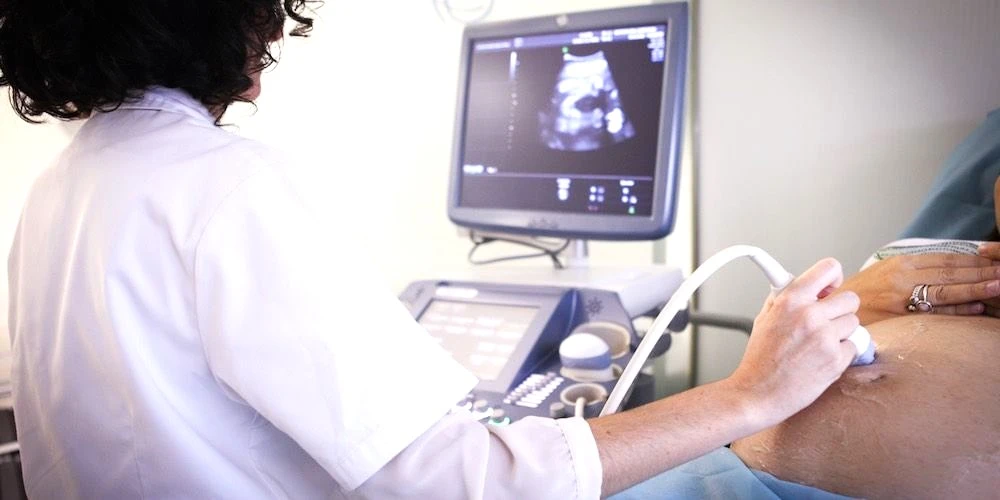
إن الموجات فوق الصوتية للغدة الدرقية اختبارُ تصوير يُقيِّم بنية الغدة الدرقية. بينما تقيس فحوصات الدم وظيفة الغدة الدرقية، تقيّم الموجات فوق الصوتية تشريحها. يُوصى بإجراء الموجات فوق الصوتية للغدة الدرقية في الحالات التالية:
- عُقَيدة ملموسة في الغدة الدرقية: إذا لاحظ طبيبك كتلة في الغدة الدرقية عند الفحص الجسدي، فإن الموجات فوق الصوتية هي أول إجراء تشخيصي لتوصيف العُقَيدة.
- نتائج غير طبيعية في فحص الغدة الدرقية: ولا سيما حين يكون TSH منخفضاً، تُساعد الموجات فوق الصوتية في تحديد ما إذا كانت عقيدة الغدة الدرقية تُنتج هرموناً زائداً باستقلالية.
- تضخم الغدة الدرقية: تحدد الموجات فوق الصوتية حجم الغدة الدرقية وتُحدد العقيدات بداخل التضخم وتُقيّم ما إذا كان التضخم يضغط على الهياكل المجاورة.
- التاريخ العائلي لسرطان الغدة الدرقية: قد يُوصى بإجراء الموجات فوق الصوتية للفحص لدى المرضى ذوي التاريخ العائلي القوي لسرطان الغدة الدرقية أو المتلازمات الوراثية المرتبطة بأورام الغدة الدرقية.
- مراقبة العقيدات المعروفة: تُراقَب عقيدات الغدة الدرقية المكتشفة في التصوير السابق بموجات فوق صوتية دورية للكشف عن أي تغيرات في الحجم أو الشكل.
- متابعة ما بعد علاج سرطان الغدة الدرقية: يخضع المرضى الذين عولجوا من سرطان الغدة الدرقية لموجات فوق صوتية منتظمة للرقبة للتحقق من عدم الانتكاس.
فيتامين D وصحة الغدة الدرقية
يشيع نقص فيتامين D للغاية في الإمارات رغم الشمس الوفيرة — إذ تُظهر الدراسات أن ما يصل إلى 80% من السكان يعانون من نقصه بسبب تجنب التعرض للشمس وأسلوب الحياة داخل المباني والعادات اللباسية. وقد أثبت البحث العلمي وجود صلة كبيرة بين نقص فيتامين D وأمراض الغدة الدرقية المناعية الذاتية.
أثبتت دراسات متعددة أن مرضى التهاب الغدة الدرقية هاشيموتو ومرض غريفز لديهم مستويات أقل بكثير من فيتامين D مقارنةً بعامة السكان. يُؤدّي فيتامين D دوراً مهماً في تنظيم جهاز المناعة، وقد يُسهم نقصه في اضطراب المناعة الذي يُحرّك أمراض الغدة الدرقية المناعية الذاتية. رغم أن الصلة لا تزال قيد الدراسة، يُوصي كثير من أخصائيي الغدد الصماء الآن بفحص مستوى فيتامين D وتصحيحه ضمن الرعاية الشاملة للغدة الدرقية.
في DCDC، نوفر مجموعة مشتركة لفحص الغدة الدرقية وفيتامين D من AED 99 لتقديم صورة أشمل لصحتك الأيضية.
التهاب الغدة الدرقية هاشيموتو: نظرة شاملة
التهاب الغدة الدرقية هاشيموتو حالة مناعية ذاتية يُنتج فيها الجهاز المناعي أجساماً مضادة تُدمّر تدريجياً أنسجة الغدة الدرقية، مما يؤدي إلى قصورها بمرور الوقت. إنه السبب الأكثر شيوعاً لقصور الغدة الدرقية عالمياً ويصيب النساء بنسبة أعلى من الرجال بـ 7 إلى 10 أضعاف. يزداد الانتشار مع التقدم في السن، ولا سيما بعد سن 40.
- التشخيص: ارتفاع أجسام مضادة TPO و/أو TG مع ارتفاع TSH وانخفاض T4 الحر. قد يكون لدى بعض المرضى أجسام مضادة موجبة لسنوات قبل اختلال وظيفة الغدة الدرقية — وتُسمى هذه المرحلة هاشيموتو دون قصور.
- التطور: يتطور نحو 4-5% من مرضى هاشيموتو دون قصور إلى قصور الغدة الدرقية الظاهر سنوياً. تنبئ المستويات الأعلى من أجسام مضادة TPO بتطور أسرع.
- العلاج: علاج إحلال الليفوثيروكسين (T4 الاصطناعي) يؤخذ يومياً على معدة فارغة، قبل 30-60 دقيقة من الطعام. الجرعة المبدئية عادةً 1.6 ميكروغرام لكل كيلوغرام من وزن الجسم، وتُضبط بناءً على مستويات TSH.
- التفاعلات الدوائية: تُعيق مكملات الكالسيوم والحديد ومثبطات مضخة البروتون ومضادات الحموضة امتصاص الليفوثيروكسين وينبغي تناولها على مسافة لا تقل عن 4 ساعات.
- المراقبة: فحص TSH كل 6-8 أسابيع حتى الاستقرار، ثم كل 6-12 شهراً. قد تتغير الاحتياجات بمرور الوقت، ولا سيما أثناء الحمل أو مع تغيرات الوزن أو مع تقدم تدمير الغدة الدرقية.
مرض غريفز: نظرة شاملة
مرض غريفز حالة مناعية ذاتية تُحفّز فيها الأجسام المضادة (TRAb) الغدة الدرقية على إنتاج هرمونات بصورة مفرطة، مما يُسبب فرط النشاط. يشيع أكثر لدى النساء في سن 20-40 وكثيراً ما ينتشر في الأسر.
- التشخيص: انخفاض TSH، وارتفاع T4 الحر و/أو T3 الحر، وإيجابية أجسام مضادة لمستقبل TSH (TRAb). قد يُجرى مسح امتصاص الغدة الدرقية لتأكيد التشخيص.
- أعراض فريدة لمرض غريفز: إضافةً إلى الأعراض المعتادة لفرط نشاط الغدة الدرقية، يمكن أن يُسبب مرض غريفز اعتلال عيون غريفز (اعتلال عين مرض غريفز) — بروز العينين وجفافهما والرؤية المزدوجة وألم العين. يصيب هذا 25-50% من مرضى غريفز.
- خيارات العلاج: الأدوية المضادة للغدة الدرقية (كاربيمازول، ميثيمازول) كعلاج خط أول لمدة 12-18 شهراً؛ علاج اليود المشع للعلاج القاطع (مما يُفضي إلى قصور الغدة الدرقية مع الحاجة إلى ليفوثيروكسين مدى الحياة)؛ أو جراحة الغدة الدرقية (استئصال الغدة الدرقية) للتضخم الكبير أو حين تفشل العلاجات الأخرى. يُفضَّل بروبيلثيوراسيل (PTU) في الثلث الأول من الحمل.
- معدلات الشفاء: يُحقق نحو 40-50% من المرضى المعالجين بالأدوية المضادة للغدة الدرقية شفاءً طويل الأمد بعد 12-18 شهراً من العلاج. تنبئ انخفاض مستويات TRAb وصغر حجم الغدة الدرقية عند التشخيص بمعدلات شفاء أعلى.
احجز فحص الغدة الدرقية في DCDC
في مركز أطباء العيادات التشخيصي بمدينة دبي الطبية، يوفر مختبرنا الداخلي فحوصات شاملة للغدة الدرقية مع نتائج في نفس اليوم. تفضّل بدون موعد أو احجز أونلاين — لا حاجة لموعد مسبق لفحوصات الدم. معدل رضا مرضانا 98% وتقييم Google 4.8 من 5 يعكسان التزامنا بالجودة.
لا يُشترط الصيام لفحوصات دم الغدة الدرقية.
نظرة عامة على علاج اضطرابات الغدة الدرقية
البشرى السارة بشأن اضطرابات الغدة الدرقية أنها من أكثر الحالات قابلية للعلاج في الطب. مع الدواء المناسب والمتابعة الدورية، يحقق معظم المرضى سيطرة ممتازة ويعودون إلى الشعور بوضع طبيعي تام.
علاج قصور الغدة الدرقية
الليفوثيروكسين هو العلاج المعياري لقصور الغدة الدرقية. إنه نسخة اصطناعية من هرمون T4 الذي تُنتجه الغدة الدرقية عادةً. نقاط رئيسية: تناوله على معدة فارغة في الصباح أول شيء (30-60 دقيقة قبل الطعام)، وتجنّب تناوله مع الكالسيوم أو مكملات الحديد أو مضادات الحموضة (التي تُعيق الامتصاص)، وافحص TSH بعد 6-8 أسابيع من أي تغيير في الجرعة. يحتاج معظم المرضى إلى العلاج مدى الحياة، وإن كان بعض المصابين بقصور تحت السريري قد لا يحتاجون الدواء ويمكن متابعتهم فقط.
علاج فرط نشاط الغدة الدرقية
يعتمد علاج فرط نشاط الغدة الدرقية على السبب الكامن. الأدوية المضادة للغدة الدرقية (الكاربيمازول هو الأكثر استخداماً في الإمارات) تُقلل إنتاج هرمون الغدة الدرقية. تُعطي حاصرات بيتا (بروبرانولول) ارتياحاً سريعاً للأعراض كالخفقان والرعشة والقلق ريثما يأخذ الدواء المضاد للغدة الدرقية مفعوله. علاج اليود المشع والجراحة خياران للعلاج القاطع حين يفشل الدواء أو لا يكون مناسباً.
هل تحتاج إلى الصيام لفحص الغدة الدرقية؟
لا يُشترط الصيام لفحوصات الغدة الدرقية المعتادة (TSH، T3 الحر، T4 الحر، أجسام مضادة الغدة الدرقية). يمكنك الأكل والشرب بشكل طبيعي قبل الفحص. غير أن ثمة بعض اعتبارات توقيتية:
- يُفضَّل الفحص صباحاً: تتبع مستويات TSH إيقاعاً يومياً، إذ تكون في أعلى مستوياتها في ساعات الصباح الباكر (نحو 2-4 صباحاً) وأدناها في فترة ما بعد الظهر. للحصول على أكثر النتائج ثباتاً للمقارنة، يُنصح بسحب دم الغدة الدرقية قبل الساعة 10 صباحاً.
- إذا كنت تتناول دواء الغدة الدرقية: أجرِ فحص الدم قبل جرعة الليفوثيروكسين الصباحية لا بعدها. قد يؤثر تناول الدواء قبل الفحص مؤقتاً على مستويات T4 الحر ويعطي نتائج إيجابية زائفة.
- مكملات البيوتين: قد يتداخل البيوتين (فيتامين B7) بجرعات عالية — الموجود في مكملات الشعر والبشرة والأظافر — مع نتائج فحص الغدة الدرقية، مما يُعطي TSH منخفضاً زائفاً وT4 وT3 مرتفعَين زائفَين. أوقف مكملات البيوتين قبل يومين على الأقل من فحص الغدة الدرقية.
- الفحوصات المجمّعة: إذا كنت ستُجري فحوصات الغدة الدرقية مع فحوصات دم أخرى تستلزم الصيام (كالجلوكوز أو الكوليسترول)، التزم بمتطلبات الصيام لتلك الفحوصات.
ما الذي تتوقعه في DCDC لفحص الغدة الدرقية
في DCDC (مركز أطباء العيادات التشخيصي) بمدينة دبي الطبية، تم تصميم عملية فحص الغدة الدرقية لتحقيق الراحة والسرعة:
- تفضّل بدون موعد أو احجز: لا حاجة لموعد مسبق لفحوصات الدم. منشأتنا المرخصة من MOHAP في مدينة دبي الطبية توفر مواقف مجانية ومتوسط وقت انتظار 15 دقيقة فقط
- سرعة في سحب العينة: يُسحب حجم صغير من الدم من وريد في ذراعك — تستغرق العملية نحو 5 دقائق
- معالجة داخلية: تُعالَج عينتك في مختبرنا الداخلي المعتمد من DHA. تعني المعالجة الداخلية عدم وجود تأخيرات في النقل وسلامة أفضل للعينة
- نتائج في نفس اليوم: تُعطي معظم لوحات الغدة الدرقية نتائج في نفس اليوم. قد تستغرق اختبارات الأجسام المضادة 24 ساعة
- متابعة فورية: إذا كانت النتائج غير طبيعية، يتوفر أطباؤنا العامون للتفسير في نفس اليوم وبدء العلاج — دون حاجة لزيارة منشأة منفصلة. كما نوفر الموجات فوق الصوتية للغدة الدرقية داخلياً إذا لزم التقييم الهيكلي
- الفوترة للتأمين: فوترة مباشرة مع أكثر من 20 شركة تأمين بما فيها Daman وAXA وBupa
تغطية التأمين لفحوصات الغدة الدرقية في دبي
تُغطي جميع خطط التأمين الصحي المتوافقة مع هيئة الصحة بدبي في الإمارات فحوصات دم الغدة الدرقية عند صرفها من قِبَل طبيب مرخص. نقاط رئيسية للتغطية:
- فحوصات الكشف: يُغطى فحص TSH الاستباقي حين يُصرف لمؤشرات سريرية كأعراض خلل وظائف الغدة الدرقية أو الحمل أو التاريخ العائلي.
- فحوصات المتابعة: تُغطى فحوصات الغدة الدرقية الدورية للمرضى المتناولين لأدوية الغدة الدرقية أو ذوي الحالات المعروفة بصورة روتينية.
- الموجات فوق الصوتية للغدة الدرقية: تُغطى حين تكون مُشارًا إليها سريرياً — للعقيدات الملموسة أو نتائج الدم غير الطبيعية أو متابعة أمراض الغدة الدرقية المعروفة.
- الدفع الذاتي: للمرضى غير المؤمَّن عليهم أو الراغبين في الفحص دون أمر طبيب، يوفر DCDC لوحات غدة درقية بأسعار ميسورة بدءاً من 249 درهم لـ TSH منفرداً. لا حاجة لموعد لفحوصات الدم بدون موعد في مختبرنا.
نتائج الغدة الدرقية في نفس اليوم في DCDC
يُسلّم مختبرنا الداخلي في مركز أطباء العيادات التشخيصي نتائج فحوصات الغدة الدرقية في نفس اليوم لمعظم اللوحات. إذا كانت نتائجك غير طبيعية، يمكنك مقابلة طبيب فوراً للتفسير والعلاج — دون انتظار أو حاجة لزيارة منشأة منفصلة.
فحوصات الدم بدون موعد متاحة. لا حاجة لحجز مسبق.
خدمات ذات صلة في DCDC
رعاية متخصصة وتشخيص متقدم في مدينة دبي الطبية
الأسئلة الشائعة
خاتمة
تُعدّ اضطرابات الغدة الدرقية من أكثر الحالات شيوعاً وأقلها تشخيصاً في الإمارات، إذ قد تصيب ما يصل إلى 15% من السكان. يمكن لفحص دم بسيط ومعقول السعر يبدأ من 249 درهماً لفحص TSH الكشف عن خلل وظائف الغدة الدرقية قبل أن يُسبب مشاكل صحية جسيمة. سواء كنت تعاني من أعراض كالإعياء أو تغيرات في الوزن أو اضطرابات المزاج؛ أو حاملاً أو تخططين للحمل؛ أو لديك تاريخ عائلي لأمراض الغدة الدرقية؛ أو تريد ببساطة التحقق من صحتك الأيضية — ينبغي أن يكون فحص الغدة الدرقية على قائمتك.
في مركز أطباء العيادات التشخيصي بمدينة دبي الطبية، يوفر مختبرنا الداخلي فحوصات شاملة للغدة الدرقية مع نتائج في نفس اليوم. إذا كانت نتائجك غير طبيعية، يتوفر أطباؤنا فوراً لشرح نتائجك وبدء العلاج وترتيب أي فحوصات إضافية بما فيها الموجات فوق الصوتية للغدة الدرقية. مع تقييمنا 4.8/5 على Google والفوترة المباشرة مع أكثر من 20 شركة تأمين، لم يكن فحص الغدة الدرقية أيسر من أي وقت مضى. تفضّل اليوم — لا حاجة لموعد لفحوصات الدم.
المصادر والمراجع
تمت مراجعة هذا المقال من قبل فريقنا الطبي ويستند إلى المصادر التالية:
- الجمعية الأمريكية للغدة الدرقية — اختبارات وظائف الغدة الدرقية
- جمعية الغدد الصماء — إرشادات الممارسة السريرية لقصور الغدة الدرقية لدى البالغين
- الكلية الأمريكية لأطباء التوليد وأمراض النساء — أمراض الغدة الدرقية في الحمل (النشرة التطبيقية رقم 223)
- مجلة The Lancet Diabetes & Endocrinology — مراجعة اضطرابات الغدة الدرقية (2023)
- الجمعية الأوروبية للغدة الدرقية — إرشادات 2024 لاضطرابات الغدة الدرقية أثناء الحمل وما بعد الولادة
- هيئة الصحة بدبي — معايير ولوائح المختبرات
- مايو كلينيك — قصور الغدة الدرقية: التشخيص والعلاج
يتم مراجعة المحتوى الطبي على هذا الموقع من قبل أطباء مرخصين من هيئة الصحة. اطلع على سياستنا التحريرية لمزيد من المعلومات.

كتبه
Dr. Hadeel Elnur
طبيب عام
دكتوراه في الطب، الممارسة العامة
الدكتورة هديل النور طبيبة عامة في DCDC بمدينة دبي الطبية.
مقالات ذات صلة
الموجات فوق الصوتية للغدة الدرقية في دبي: متى تحتاجها (2026)

نقص فيتامين D في دبي: العلامات والعلاج (2026)
فحوصات الدم في دبي: الأنواع والتكلفة ودليل الصيام (2026)
الفحوصات الصحية للمرأة في دبي: الفحوصات حسب العمر (2026)
المزيد في General Health
CBC Test Price Dubai: AED 149, Normal Ranges & Results
اقرأ المزيد
Dubai Clinic Without Insurance: Cost Guide (2026)
اقرأ المزيد
Doctor at Home Dubai: Home Visit Cost From AED 349 (2026)
اقرأ المزيد
Doctor on Call Dubai 24/7: Home, Hotel & Office Visits
اقرأ المزيد
Ear Wax Removal & Ear Cleaning Dubai: From AED 300 (2026)
اقرأ المزيد
Emsella for Men: Post-Prostate Care Dubai (2026)
اقرأ المزيد© 2026 Doctors Clinic Diagnostic Center (DCDC), Dubai Healthcare City. Originally published at https://doctorsclinicdubai.ae/blog/thyroid-test-dubai-guide. All rights reserved. Unauthorized reproduction is prohibited.