احجز موعدك
تقييمات موثقة من مرضى مركز الأطباء التشخيصي في دبي
تقييمات موثقة وقصص حقيقية من مرضى مدينة دبي الطبية
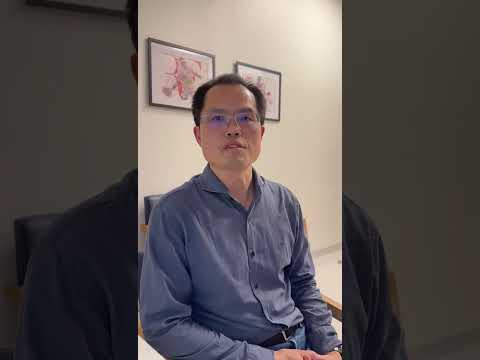
أنا راضية جداً عن هذه العيادة الطبية. أجريت أول فحص حمل لي هنا. كان السعر معقولاً والخدمة احترافية للغاية. كان أخصائي الأشعة مرحباً ولطيفاً وجعل التجربة رائعة.
أيزان توكمانبيتوفا
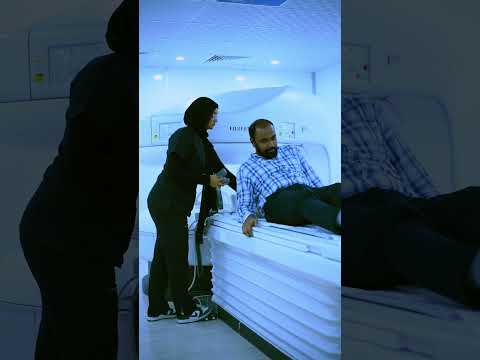
أصبت ركبتي ليلة الجمعة وحصلت على موعد للرنين المغناطيسي مساء الأحد (حجزت بعد ظهر الأحد). انتظرت حوالي دقيقتين وانتهيت في أكثر من 30 دقيقة بقليل. كان الفريق رائعاً وودوداً وفعالاً.
كيرستن إيفانز
كان فريق الدكتور أسامة لطيفاً ورائعاً. بعد تجربة سيئة في مكان آخر، كان فحص الحوض هنا أكثر احترافية بكثير. تقرير ممتاز ودقيق للغاية.
ماري

اختبار الغدة الدرقية في دبي: لوحات وظائف الغدة الدرقية الشاملة
تشخيص دقيق لاضطرابات الغدة الدرقية للصحة المثلى
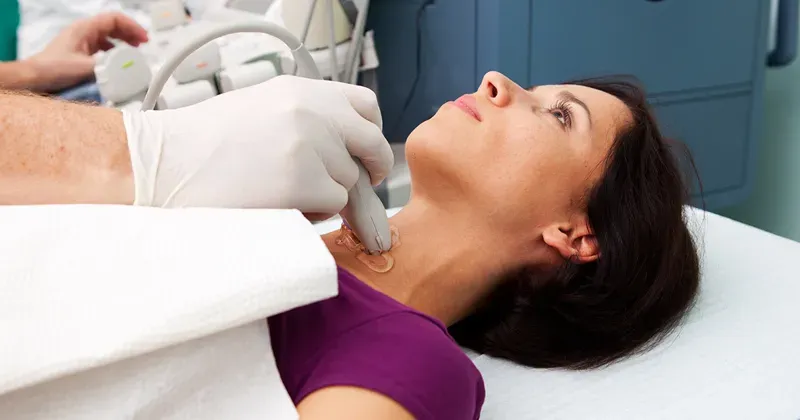
رعاية متخصصة
اختبارات دقيقة وسريعة في مركز DCDC بمدينة دبي الطبية
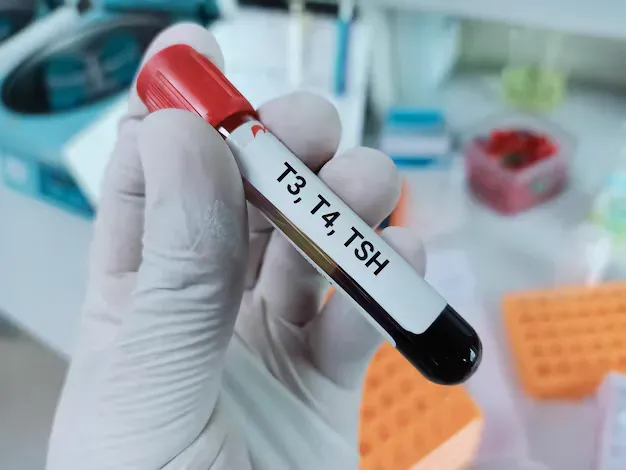
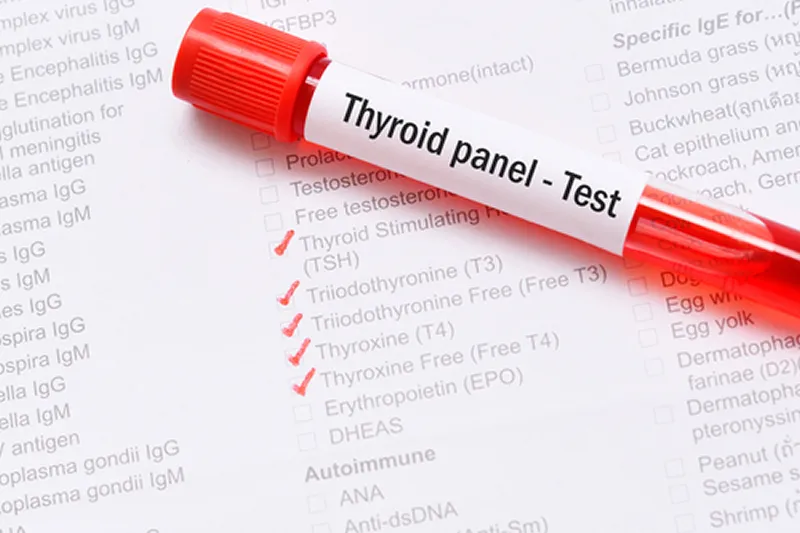
اختبارات الغدة الدرقية الشاملة في مدينة دبي الطبية تتضمن اختبارات TSH و Free T3 و Free T4 والأجسام المضادة للغدة الدرقية. نشخص قصور وفرط نشاط الغدة الدرقية بدقة عالية. احجز موعدك الآن.
رعاية متخصصة
اختبارات دقيقة وسريعة في مركز DCDC بمدينة دبي الطبية
اختبار الغدة الدرقية في دبي: لوحات وظائف الغدة الدرقية الشاملة
تشخيص دقيق لاضطرابات الغدة الدرقية للصحة المثلى
اختبارات الغدة الدرقية الشاملة في مدينة دبي الطبية تتضمن اختبارات TSH و Free T3 و Free T4 والأجسام المضادة للغدة الدرقية. نشخص قصور وفرط نشاط الغدة الدرقية بدقة عالية. احجز موعدك الآن.
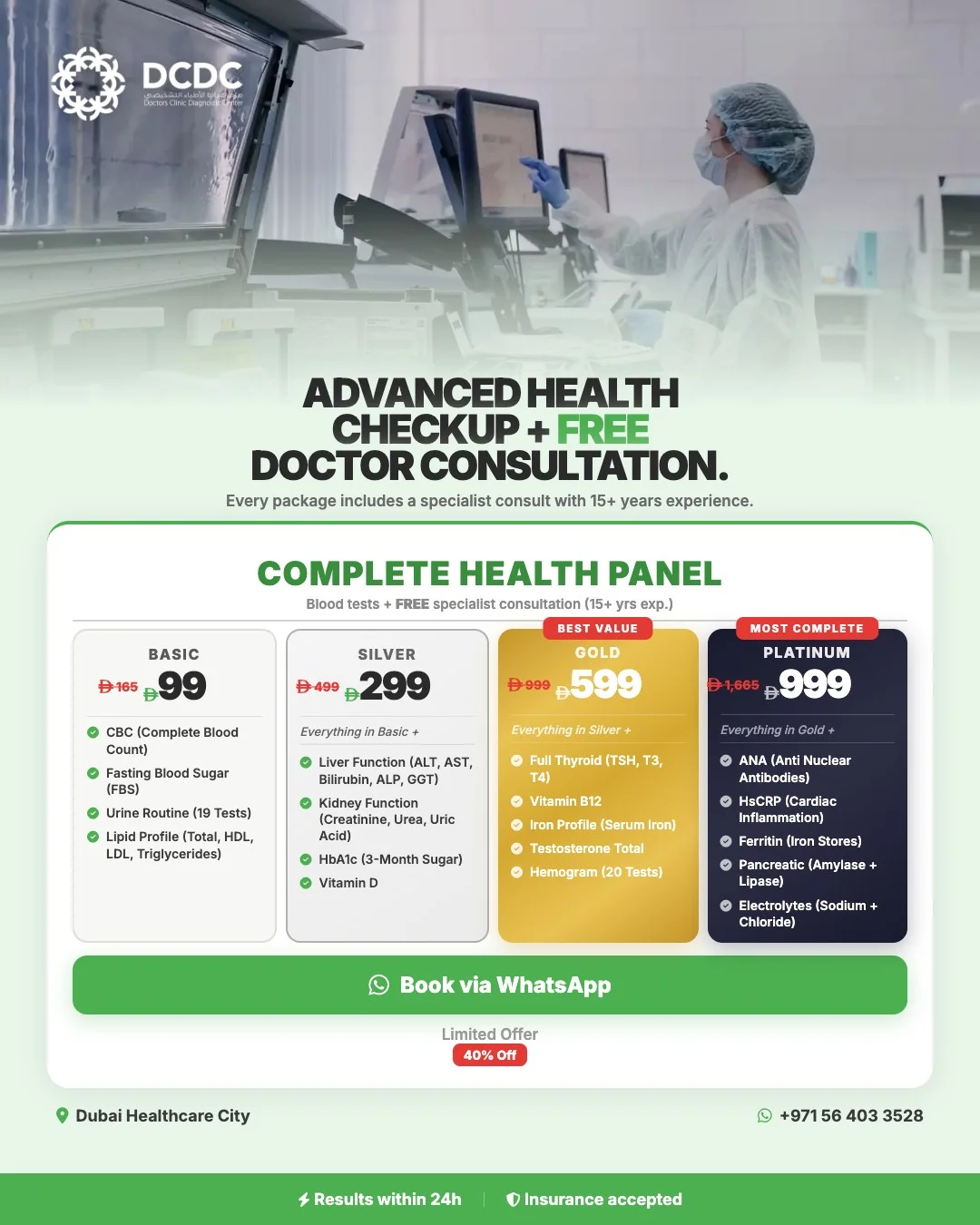
Complete Health Panel
Advanced health checkup with FREE specialist consultation. 4 tiers from basic blood work to full-body screening with 40+ biomarkers.
10–40+ tests included
What's Included
Who is this for?
Anyone wanting a comprehensive baseline health check with specialist consultation
استكشف خدماتنا
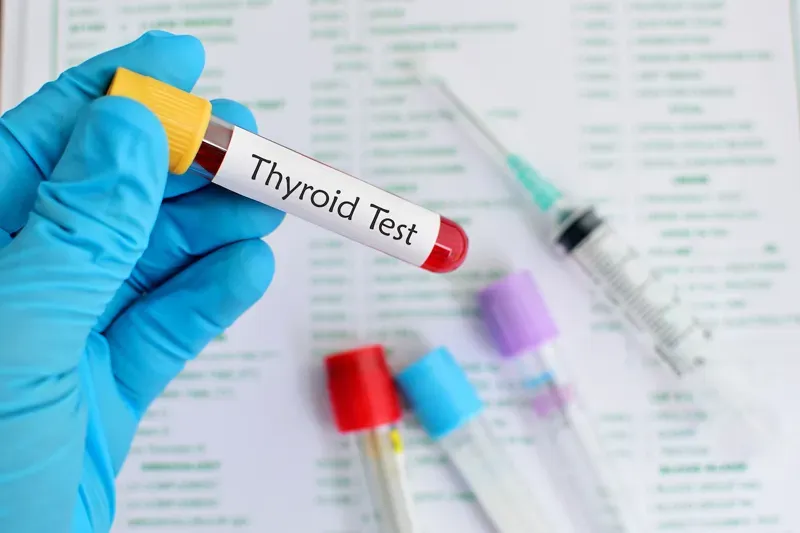
خدمات اختبار الغدة الدرقية الشاملة في مركز DCDC بمدينة دبي الطبية.

جميع الخدمات تقدم بواسطة متخصصين مرخصين من هيئة الصحة
من يجب أن يجري اختبار الغدة الدرقية
يوصى باختبار الغدة الدرقية للأشخاص الذين يعانون من أعراض قصور أو فرط نشاط الغدة الدرقية، أو لديهم تاريخ عائلي لاضطرابات الغدة الدرقية.
Fatigue, unexplained weight changes, or feeling cold/hot
Family history of thyroid disease
Women over 35, especially postpartum
Hair loss, dry skin, or nail changes
Mood changes, anxiety, or depression
Existing thyroid patients for monitoring
لماذا تختار DCDC لاختبار الغدة الدرقية
رعاية متخصصة معتمدة من MOHAP
معتمد من MOHAP
مركز معتمد من وزارة الصحة والوقاية بأعلى معايير الجودة
تكنولوجيا متقدمة
معدات حديثة لاختبارات دقيقة وسريعة
فريق خبير
أطباء واختصاصيون ذوو خبرة عالية
Convenient Location
Building 64, Block A in Dubai Healthcare City. Early morning slots for optimal TSH testing.
Advanced Immunoassay
State-of-the-art analyzers for precise, reliable thyroid hormone measurements.
Specialist Integration
Direct pathway to endocrinology specialists for comprehensive thyroid management.
زيارتك المريحة
عملية اختبار بسيطة خطوة بخطوة مصممة للراحة والسرعة والدقة.
تسعير اختبارات الغدة الدرقية
تختلف أسعار اختبار في دبي حسب نوع الخدمة والتغطية التأمينية لـ أنواع الخدمات المختلفة.
- يختلف السعر حسب نوع الفحص وما إذا كان يتطلب صبغة
- تغطية التأمين مقبولة مع الإحالة والتحقق
- أسعار شفافة للدفع الذاتي متاحة مع عرض سعر فوري عند الطلب
التحقق من التأمين خلال دقائق • بدون رسوم مخفية • استجابة سريعة على واتساب
دليل المريض
ما يتوقعه أثناء الاختبار
سيقوم فني المختبر بأخذ عينة دم صغيرة من ذراعك. الإجراء سريع وغير مؤلم، وتتوفر النتائج عادة خلال 24 ساعة.
التأمين والموقع
شركاء التأمين
- •أكثر من 20 شركة تأمين في دبي بما في ذلك ضمان، أكسا، أدنيك وغيرها
- •دعم الموافقة المسبقة والفوترة المباشرة (حيثما ينطبق)
- •التحقق من التغطية قبل موعدك في عيادتنا بمدينة دبي الطبية
- •أسعار شفافة بدون رسوم مخفية لخدمات اختبار الغدة الدرقية





زرنا في مدينة دبي الطبية
مركز الأطباء التشخيصي
المبنى 64، البلوك أ، مجمع الرازي الطبي، مدينة دبي الطبية، دبي، الإمارات
قرب طريق عود ميثاء · سهولة الوصول من بر دبي، داون تاون دبي، الخليج التجاري · مواقف مجانية مخصصة متاحة
ساعات العمل
الإثنين-الخميس، السبت: 8 ص - 10:30 م | الأحد: 8:30 ص - 10:30 م | الجمعة: 9 ص - 10 م
كيف يعمل التأمين في DCDC
تحقق من التغطية
تحقق من أن خطتك تغطي اختبار الغدة الدرقية
احصل على إحالة
بعض شركات التأمين تتطلب إحالة من طبيب عام — يمكننا مساعدتك
الموافقة المسبقة
نتعامل مع الموافقة المسبقة مباشرة مع شركة التأمين
الفوترة المباشرة
لا دفع مقدم — نحن نفوتر شركة التأمين مباشرة
الدفع المشترك فقط
تدفع فقط أي مبلغ مشترك مطبق في العيادة
تحقق من التغطية
تحقق من أن خطتك تغطي اختبار الغدة الدرقية
احصل على إحالة
بعض شركات التأمين تتطلب إحالة من طبيب عام — يمكننا مساعدتك
الموافقة المسبقة
نتعامل مع الموافقة المسبقة مباشرة مع شركة التأمين
الفوترة المباشرة
لا دفع مقدم — نحن نفوتر شركة التأمين مباشرة
الدفع المشترك فقط
تدفع فقط أي مبلغ مشترك مطبق في العيادة
Your Specialist
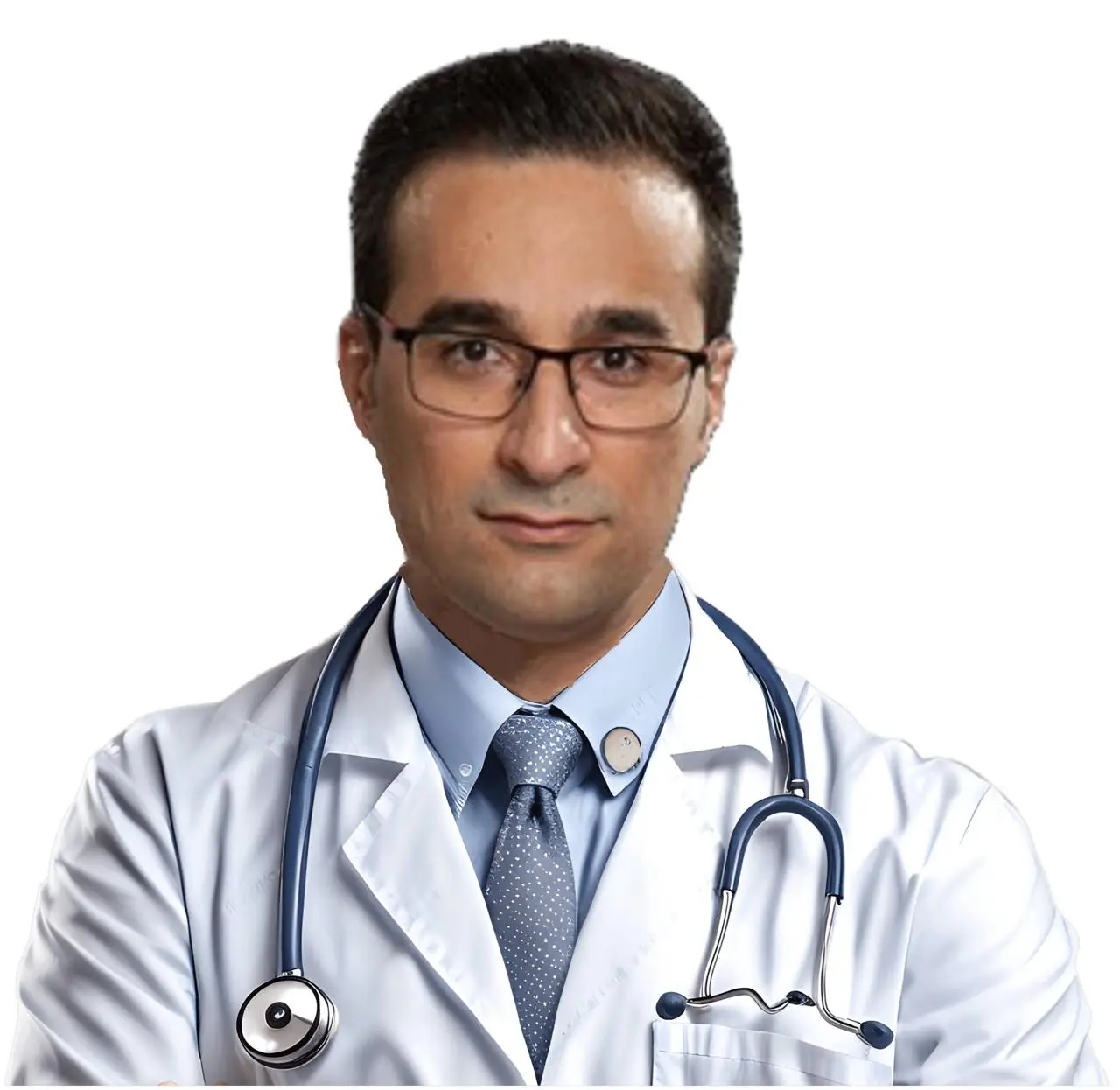
Dr. Hadi Komshi
Specialist Internal Medicine
MD, Specialist Internal Medicine
Persian · Arabic · English
الحالات التي تكشفها اختبارات الغدة الدرقية
قصور الغدة الدرقية (الخُمول الدرقي)
ارتفاع TSH مع انخفاض T4 يدل على قصور الدرقية المُسبِّب للإرهاق وزيادة الوزن والإمساك واضطراب الدورة الشهرية.
فرط نشاط الغدة الدرقية
انخفاض TSH مع ارتفاع T3/T4 يُشير إلى فرط النشاط المُسبِّب لفقدان الوزن والرعشة وتسارع دقات القلب.
مرض هاشيموتو (التهاب الدرقية المناعي الذاتي)
ارتفاع الأجسام المضادة لثيروبيروكسيداز (TPO-Ab) يؤكد التهاب هاشيموتو، أكثر أسباب قصور الدرقية شيوعاً.
مرض غريفز (فرط النشاط المناعي)
الأجسام المضادة لمستقبل TSH (TRAb) تُؤكد مرض غريفز كأكثر أسباب فرط نشاط الدرقية شيوعاً.
عقيدات الغدة الدرقية والسرطان
قياس ثيروغلوبولين وكالسيتونين كمؤشرات لسرطان الدرقية المتمايز والنخاعي.
التهاب الغدة الدرقية تحت الحاد
التهاب مؤقت غالباً بعد عدوى فيروسية يُسبب أعراض فرط النشاط ثم قصور الدرقية العابر.
خدمات ذات صلة
استكشف خدمات التشخيص والاستشارات الأخرى المتوفرة في عيادتنا بمدينة دبي الطبية.
الأسئلة الشائعة
أسئلة شائعة حول اختبار الغدة الدرقية في دبي.
نقدم اختبار الغدة الدرقية في مدينة دبي للرعاية الصحية. فريقنا من المتخصصين ذوي الخبرة متاح لإجراء فحص وإرشاد شاملين. تواصل معنا للمزيد من المعلومات.
تختلف المدة حسب كل حالة. سيُعلمك فريقنا مسبقاً بالوقت الدقيق المطلوب. تواصل معنا لحجز موعدك.
تغطي معظم خطط التأمين الكبرى في دبي اختبار الغدة الدرقية. نقدم فوترة مباشرة مع أكثر من 20 شركة تأمين بما فيها دامان وAXA وبوبا. تواصل معنا للتحقق من تغطيتك.
سيزودك فريقنا بتعليمات تحضير محددة قبل موعدك. بشكل عام، نوصي بإحضار جميع أدويتك الحالية وسجلاتك الطبية ذات الصلة.
في DCDC، نقدم اختبار الغدة الدرقية بفريق من المتخصصين ذوي الخبرة ومعدات حديثة ورعاية استثنائية للمرضى في مدينة دبي للرعاية الصحية. منشأتنا مرخصة من MOHAP وتتبع معايير سريرية صارمة.
يمكنك حجز موعد لـاختبار الغدة الدرقية عبر الاتصال بـ +971 54 219 5008 أو من خلال نظام الحجز الإلكتروني. نوفر مواعيد مرنة بما فيها مواعيد في اليوم ذاته عند التوفر.
الحقائق الأساسية
المراجعة والإشراف الطبي
جميع الخدمات تقدم تحت إشراف متخصصين طبيين مرخصين في منشأتنا المعتمدة من وزارة الصحة.