
النقاط الرئيسية
- ألم البطن من أكثر الأسباب شيوعاً لزيارة الطبيب العام — معظم الأسباب ليست خطيرة ويمكن تشخيصها في نفس اليوم
- موقع الألم مهم: الجهة العلوية اليمنى تشير إلى المرارة، والجهة السفلية اليمنى تشير إلى التهاب الزائدة الدودية، والألم العام غالباً يشير إلى التهاب المعدة والأمعاء أو القولون العصبي
- علامات الخطر: ألم شديد مفاجئ، صلابة البطن، براز دموي، ارتفاع الحرارة، أو ألم بعد إصابة — هذه تستدعي رعاية طبية فورية
- يشمل التشخيص عادةً الفحص السريري، وفحوصات الدم، والتصوير مثل الموجات الصوتية أو التصوير المقطعي
- في DCDC بمدينة دبي الطبية، يمكنك رؤية الطبيب العام وإجراء تحاليل الدم والموجات الصوتية أو التصوير المقطعي في زيارة واحدة — دون إحالة
- لا تتجاهل ألم البطن المستمر لأكثر من أسبوع حتى لو كان خفيفاً — التشخيص المبكر يؤدي إلى نتائج أفضل
ألم البطن شيء يختبره الجميع تقريباً، إلا أنه يتراوح بين تقلص خفيف بعد وجبة دسمة وعلامة تستدعي تدخلاً طبياً عاجلاً. التحدي هو معرفة الفرق. سواء كنت تعاني من ألم خفيف في أسفل البطن، أو طعنة حادة أسفل الأضلاع، أو انتفاخ مستمر لا يزول، فإن فهم ما يقوله جسمك هو الخطوة الأولى نحو الراحة. في مركز الأطباء والتشخيص (DCDC)، تتوفر خدمة استشارة الطبيب العام في مدينة دبي الطبية مع تقييم في نفس اليوم، وفحوصات دم في الموقع، وتصوير — للحصول على إجابات سريعة.
يشرح هذا الدليل الأسباب الأكثر شيوعاً لألم البطن حسب الموقع، وعلامات الخطر التي تعني ضرورة طلب المساعدة فوراً، والفحوصات التشخيصية التي قد يأمر بها طبيبك، وما تتوقعه عند زيارة DCDC لتقييم ألم البطن.


فهم ألم البطن: الأنواع ومعانيها
يمكن تصنيف ألم البطن بشكل عام حسب طبيعة الإحساس، ومدته، وموقعه. يستخدم الأطباء هذه الخصائص لتضييق الأسباب المحتملة قبل إجراء أي فحوصات.
ألم البطن الحاد مقابل المزمن
يتطور ألم البطن الحاد فجأة، غالباً خلال ساعات أو أيام. قد يزول من تلقاء نفسه أو قد يشير إلى حالة طارئة مثل التهاب الزائدة الدودية أو انسداد الأمعاء. أما ألم البطن المزمن فيستمر أو يتكرر على مدى أسابيع إلى أشهر. أمراض مثل متلازمة القولون العصبي (IBS) والتهاب المعدة والانتباذ البطاني الرحمي من الأسباب الشائعة.
أنواع الألم
- التقلصات: غالباً مرتبطة بالغازات أو الانتفاخ أو الإسهال أو الدورة الشهرية. عادةً غير خطيرة ما لم تكن مستمرة
- حاد أو طعن: قد يشير إلى التهاب عضو (الزائدة الدودية، المرارة) أو ثقب
- خفيف ومستمر: غالباً مرتبط بتضخم عضو، أو التهاب المعدة المزمن، أو عدوى في مراحلها الأولى
- مغص: يأتي على شكل موجات، يسببه عادةً حصوات الكلى أو حصوات المرارة أو انسداد معوي
- حرقة: شائع مع الارتجاع الحمضي (GERD) أو القرحة الهضمية أو التهاب المعدة
مخطط مناطق ألم البطن: ما يخبرك به كل موقع
من أكثر الأدوات المفيدة التي يستخدمها الأطباء أثناء التقييم هي رسم خريطة الألم على مناطق البطن المحددة. ينقسم البطن إلى أربعة أرباع، والأعضاء في كل منطقة تساعد في تضييق التشخيص. يوضح الجدول أدناه الأسباب الأكثر شيوعاً المرتبطة بكل منطقة.
| موقع الألم | الأعضاء في هذه المنطقة | الأسباب الشائعة |
|---|---|---|
| أعلى اليمين (RUQ) | الكبد، المرارة، الاثني عشر، الكلية اليمنى | حصوات المرارة، التهاب المرارة، التهاب الكبد، خراج الكبد، قرحة الاثني عشر |
| أعلى اليسار (LUQ) | المعدة، الطحال، البنكرياس، الكلية اليسرى | التهاب المعدة، التهاب البنكرياس، إصابة الطحال، القرحة الهضمية، حصوات الكلى |
| أسفل اليمين (RLQ) | الزائدة الدودية، القولون الصاعد، المبيض الأيمن/قناة فالوب | التهاب الزائدة الدودية، مرض كرون، كيس المبيض، الحمل خارج الرحم |
| أسفل اليسار (LLQ) | القولون السيني، المبيض الأيسر/قناة فالوب | التهاب الرتج، القولون العصبي، الإمساك، التواء المبيض، الحمل خارج الرحم |
| المنطقة الوسطى / حول السرة | الأمعاء الدقيقة، الشريان الأورطي | التهاب المعدة والأمعاء، التهاب الزائدة الدودية المبكر، انسداد معوي، تمدد الشريان الأورطي البطني |
| أعلى المنتصف (شرسوفي) | المعدة، المريء، البنكرياس | GERD، القرحة الهضمية، التهاب البنكرياس، ألم القلب المنعكس |
| أسفل المنتصف (فوق العانة) | المثانة، الرحم، البروستاتا | التهاب المسالك البولية، التهاب المثانة، آلام الدورة الشهرية، التهاب البروستاتا |
| منتشر / عام | أعضاء متعددة | التهاب المعدة والأمعاء، القولون العصبي، التهاب الصفاق، التسمم الغذائي، الإمساك |
موقع الألم دليل وليس تشخيصاً — التداخل شائع. استشر الطبيب دائماً للألم المستمر أو الشديد.
ضع في اعتبارك أن الألم المنعكس — حيث يُحسّ الألم في منطقة مختلفة عن مصدره — شائع في حالات البطن. على سبيل المثال، ألم المرارة قد ينتشر إلى الكتف الأيمن، وألم البنكرياس غالباً ينتشر إلى الظهر.
الأسباب الأكثر شيوعاً لألم البطن
رغم وجود عشرات الأسباب المحتملة، فإن غالبية حالات ألم البطن في الرعاية الأولية تقع ضمن فئات محددة. وفقاً لمايو كلينيك، أكثر الأسباب شيوعاً عادةً ليست خطيرة، مثل الغازات أو عسر الهضم أو إجهاد العضلات. إليك الحالات التي نراها بشكل متكرر في DCDC.
التهاب المعدة والأمعاء (إنفلونزا المعدة)
عدوى فيروسية أو بكتيرية في المعدة والأمعاء. تسبب ألماً متشنجاً وغثياناً وقيئاً وإسهالاً. عادةً تزول خلال 1-3 أيام مع الترطيب والراحة. في مناخ دبي الحار، يكون التهاب المعدة والأمعاء الناجم عن الطعام شائعاً بشكل خاص خلال أشهر الصيف. إذا كانت الأعراض شديدة أو تشك في التسمم الغذائي، فإن التقييم الطبي الفوري مهم لمنع الجفاف.
الارتجاع الحمضي وGERD
يسبب مرض الجزر المعدي المريئي إحساساً بالحرقة في أعلى البطن والصدر عندما يتدفق حمض المعدة إلى المريء. المحفزات الشائعة تشمل الأطعمة الحارة والكافيين والأكل في وقت متأخر ليلاً. GERD قابل للعلاج بتغييرات نمط الحياة والأدوية. اعرف المزيد في دليلنا التفصيلي حول علاج الارتجاع الحمضي وGERD في دبي.
متلازمة القولون العصبي (IBS)
القولون العصبي من أكثر أسباب ألم البطن المزمن شيوعاً، يؤثر على ما يصل إلى 15% من السكان العالميين. يسبب تقلصات وانتفاخاً وتغيرات في عادات الأمعاء (إمساك أو إسهال أو كليهما). الإجهاد وأطعمة معينة والتغيرات الهرمونية من المحفزات الشائعة.
حصوات المرارة
رواسب متصلبة في المرارة يمكن أن تسد القنوات الصفراوية. تسبب ألماً مفاجئاً شديداً في الجزء العلوي الأيمن من البطن، غالباً بعد الوجبات الدهنية. قد ينتشر الألم إلى لوح الكتف الأيمن. أكثر شيوعاً لدى النساء والأشخاص فوق 40 والمصابين بزيادة الوزن. يتطلب التشخيص عادةً موجات صوتية على البطن.
التهاب الزائدة الدودية
التهاب الزائدة الدودية، الأكثر شيوعاً في الأشخاص بين 10-30 سنة. يبدأ كلاسيكياً كألم حول السرة ينتقل إلى أسفل البطن الأيمن خلال 12-24 ساعة. الحمى والغثيان وفقدان الشهية شائعة. التهاب الزائدة الدودية حالة طارئة جراحية تستدعي تقييماً طبياً فورياً.
حصوات الكلى
شائعة بشكل خاص في دبي بسبب المناخ الحار والجفاف الواسع الانتشار. تسبب حصوات الكلى ألماً مغصياً شديداً في الخاصرة وأسفل البطن، غالباً ينتشر إلى الفخذ. يأتي الألم على شكل موجات وقد يكون مصحوباً بدم في البول.
التهابات المسالك البولية (UTIs)
تسبب التهابات المسالك البولية ألماً في أسفل البطن أو فوق العانة مع حرق أثناء التبول وزيادة التكرار والإلحاح. أكثر شيوعاً لدى النساء. يُشخَّص بسهولة بتحليل البول ويُعالَج بالمضادات الحيوية.
القرحة الهضمية
قرح مفتوحة على بطانة المعدة أو الاثني عشر، غالباً ناجمة عن عدوى بكتيريا الملوية البوابية (H. pylori) أو الاستخدام المطوّل للمسكنات غير الستيرويدية. تسبب ألماً حارقاً أو ناخراً في أعلى البطن، عادةً يزداد على معدة فارغة. تُستخدم فحوصات الدم والتنظير للتشخيص.
علامات الخطر: متى يكون ألم البطن حالة طارئة
معظم آلام البطن ليست مهددة للحياة. ومع ذلك، بعض العلامات والأعراض تشير إلى حالة خطيرة محتملة تستدعي رعاية طبية فورية. اتصل بخدمات الطوارئ أو اذهب إلى أقرب قسم طوارئ إذا عانيت من أي مما يلي:
- ألم بطني مفاجئ وشديد لا يتحسن خلال 30 دقيقة
- بطن صلب كالطخت — العضلات متوترة لا إرادياً والبطن صلب عند اللمس
- دم في القيء أو البراز (أحمر فاتح أو براز داكن قطراني)
- حمى مرتفعة (أكثر من 38.5 °C) مع ألم البطن
- عدم القدرة على إخراج الغازات أو التبرز مع ألم متزايد وقيء (يشير إلى انسداد معوي)
- ألم شديد بعد إصابة بطنية (حادث سيارة، سقوط، إصابة رياضية)
- إغماء أو دوخة أو نبض قلب سريع مع ألم البطن (نزيف داخلي محتمل)
- ألم ينتشر إلى الصدر أو الفك أو الذراع الأيسر (قد يشير إلى حدث قلبي)
- اختبار حمل إيجابي مع ألم شديد في أسفل البطن (حمل خارج الرحم محتمل)
- اليرقان (اصفرار الجلد أو العينين) مع ألم في أعلى البطن
إذا لم تنطبق عليك أي من علامات الخطر أعلاه لكن ألمك استمر أكثر من أسبوع، أو كان يزداد تدريجياً، أو كان مصحوباً بفقدان وزن غير مقصود أو تغيرات في عادات الأمعاء، يجب عليك حجز استشارة طبيب عام في أقرب وقت ممكن.
ألم البطن في فئات سكانية محددة
النساء
قد تعاني النساء من ألم بطني مرتبط بالدورة الشهرية أو الإباضة أو كيس المبيض أو الانتباذ البطاني الرحمي أو مرض التهاب الحوض أو الحمل خارج الرحم. يستدعي ألم البطن السفلي لدى النساء دائماً النظر في الأسباب النسائية إلى جانب الأسباب الهضمية.
الأطفال
يجد الأطفال في كثير من الأحيان صعوبة في وصف موقع الألم وطبيعته. تشمل الأسباب الشائعة الإمساك والتهاب المعدة والأمعاء والتهابات المسالك البولية. في الأطفال في سن المدرسة، الألم الوظيفي (دون سبب عضوي محدد) شائع بشكل مفاجئ. علامات الخطر لدى الأطفال تشمل القيء المستمر والدم في البراز والحمى والألم الذي يوقظهم من النوم.
المرضى المسنون
قد يقدم كبار السن بأعراض أقل وضوحاً حتى عندما يكون السبب الكامن خطيراً. أمراض مثل انسداد الأمعاء والتهاب الرتج وتمدد الشريان الأورطي البطني أكثر شيوعاً مع التقدم في السن. يُبرر انخفاض عتبة الفحص في هذه الفئة السكانية.
تعاني من ألم في البطن؟
لا تنتظر حتى يصبح الألم لا يطاق. في DCDC بمدينة دبي الطبية، يمكن لأطبائنا العامين تقييم أعراضك وإجراء فحوصات الدم وترتيب التصوير — كل ذلك في زيارة واحدة. الزيارات المباشرة مرحب بها، أو احجز استشارتك مع الطبيب العام الآن.
استشارات الطبيب العام تبدأ من 250 درهم | مواعيد في نفس اليوم متاحة
الفحوصات التشخيصية لألم البطن
بعد أخذ تاريخ سريري مفصل وإجراء الفحص الجسدي، قد يأمر طبيبك بواحد أو أكثر من الفحوصات التالية لتحديد سبب ألم بطنك. يعتمد اختيار الفحص على التشخيص المشتبه به وموقع الألم وشدته وتاريخك الطبي.
| الفحص التشخيصي | ما يكشفه | متى يُستخدم | التكلفة التقريبية في DCDC |
|---|---|---|---|
| صورة دم كاملة (CBC) | العدوى، فقر الدم، الالتهاب | في كل حالات ألم البطن تقريباً | من 149 درهم |
| بروتين سي التفاعلي (CRP) / ESR | مؤشرات الالتهاب | الاشتباه في التهاب الزائدة الدودية، مرض التهاب الأمعاء، العدوى | من 100 درهم |
| وظائف الكبد (LFTs) | مشاكل الكبد وقنوات الصفراء | ألم أعلى اليمين، اليرقان، الاشتباه في التهاب الكبد أو حصوات المرارة | من 249 درهم |
| وظائف الكلى / الإلكتروليتات | أمراض الكلى، الجفاف، خلل الإلكتروليتات | ألم الخاصرة، الاشتباه في حصوات الكلى أو التهاب المسالك البولية | من 150 درهم |
| الأميليز / الليباز | التهاب البنكرياس | ألم شديد في أعلى البطن ينتشر للظهر | من 120 درهم |
| تحليل البول | التهاب المسالك البولية، حصوات الكلى، دم في البول | ألم أسفل البطن أو الخاصرة، حرق أثناء التبول | من 149 درهم |
| تحليل البراز | العدوى، الطفيليات، دم في البراز | الإسهال، الاشتباه في التسمم الغذائي، مرض التهاب الأمعاء | من 149 درهم |
| موجات صوتية على البطن | حصوات المرارة والكلى، أمراض الكبد، سوائل حرة، تضخم الأعضاء | التصوير الأولي لمعظم آلام البطن | من 300 درهم |
| التصوير المقطعي (البطن/الحوض) | التهاب الزائدة الدودية، انسداد الأمعاء، حصوات الكلى، أورام، خراجات | عندما تكون الموجات الصوتية غير حاسمة أو في الحالات الطارئة | من 600 درهم |
| فحص الملوية البوابية (H. pylori) (دم/تنفس/براز) | عدوى الملوية البوابية | الاشتباه في القرحة الهضمية أو التهاب المعدة المزمن | من 150 درهم |
التكاليف المعروضة أسعار ابتداء تقريبية في DCDC. تعتمد التكاليف الفعلية على الحزمة المحددة المطلوبة والتغطية التأمينية.
لفهم أعمق لما تكشفه فحوصات الدم، اقرأ دليلنا الشامل لفحوصات الدم في دبي. إذا أوصى طبيبك بالتصوير، يشرح دليلنا حول الموجات الصوتية على البطن ما تتوقعه أثناء الإجراء.
كيف يشخّص الأطباء ألم البطن: المنهج السريري
تؤكد الدكتورة هديل النور أن مفتاح تشخيص ألم البطن يكمن في التاريخ السريري الشامل. وتشدد على أن معظم المرضى الذين يراجعون DCDC بسبب ألم البطن يحصلون على تشخيص واضح في نفس الزيارة، بفضل قدرات المختبر والتصوير في الموقع.
الخطوة 1: التاريخ السريري
سيطرح طبيبك أسئلة تفصيلية حول متى بدأ الألم، وموقعه بالضبط، وما يجعله أفضل أو أسوأ، وما إذا كان ينتشر لأي مكان، وأي أعراض مصاحبة مثل الغثيان والقيء والحمى أو تغيرات في عادات الأمعاء أو البول. التاريخ الطبي السابق والأدوية والسفر الأخير والعادات الغذائية كلها مهمة أيضاً.
الخطوة 2: الفحص الجسدي
سيضغط الطبيب برفق على مناطق مختلفة من بطنك للتحقق من الحساسية أو التورم أو الصلابة. سيستمع إلى أصوات الأمعاء بالسماعة الطبية وقد يتحقق من علامات الجفاف. تساعد مناورات الفحص المحددة، مثل حساسية نقطة ماكبيرني للزائدة الدودية أو علامة مورفي للمرارة، في تضييق التشخيص التفريقي.
الخطوة 3: التحقيقات الموجهة
بناءً على نتائج التاريخ والفحص، سيختار طبيبك الفحوصات الأنسب. ليس كل مريض يحتاج كل فحص — الهدف هو التحقيق الموجه. فتاة شابة تعاني من ألم أسفل اليمين قد تحتاج اختبار حمل وموجات صوتية، بينما رجل مسن يعاني من ألم أعلى البطن واليرقان قد يحتاج وظائف الكبد والتصوير المقطعي.
الخطوة 4: التشخيص وخطة العلاج
بمجرد توفر النتائج — غالباً خلال ساعات في DCDC — سيشرح طبيبك التشخيص ويناقش خيارات العلاج. قد يشمل ذلك أدوية أو نصائح غذائية أو متابعة أو إحالة إلى متخصص مثل أخصائي الجهاز الهضمي أو المسالك البولية أو الجراح عند الحاجة.
ما تتوقعه في DCDC لألم البطن
أحد أكبر مزايا زيارة مركز الأطباء والتشخيص لألم البطن هو نموجنا التشخيصي الشامل في مكان واحد. بدلاً من الإحالة إلى مرافق منفصلة للدم والتصوير ومراجعة المتخصصين، يتم كل شيء تحت سقف واحد في مدينة دبي الطبية.
زيارتك خطوة بخطوة
- زيارة مباشرة أو موعد في نفس اليوم: لا انتظار طويل. قابل طبيباً عاماً في نفس اليوم، بموعد أو زيارة مباشرة
- الفحص السريري وأخذ التاريخ: تقييم شامل من قبل طبيب عام ذي خبرة
- فحوصات الدم (مختبر داخل المركز): مختبرنا في الموقع يوفر نتائج في نفس اليوم للحزم الدموية الروتينية بما في ذلك CBC وCRP ووظائف الكبد والكلى وغيرها
- التصوير — دون إحالة: الموجات الصوتية والتصوير المقطعي متاحان للتصوير في نفس اليوم. يوفر جهازنا التصوير المقطعي متعدد الشرائح صوراً بطنية مفصلة عند الحاجة
- إحالة للمتخصص عند الحاجة: إذا كانت حالتك تستدعي رأي متخصص، يمكننا ترتيب استشارات الطب الباطني أو أمراض الجهاز الهضمي دون إحالة خارجية
- رعاية متكاملة: التصوير والمختبر والاستشارات المتخصصة كلها تحت سقف واحد — مركز تشخيصي شامل حقيقي
لماذا يختار المرضى DCDC
- مرفق مرخص من وزارة الصحة ووقاية المجتمع في مدينة دبي الطبية
- تقييم Google 4.8/5 من أكثر من 1000 مراجعة موثّقة من المرضى
- معدل رضا المرضى 98%
- فوترة مباشرة مع أكثر من 20 مزود تأمين
- استشارة الطبيب العام تبدأ من 250 درهم
- فحوصات الدم تبدأ من 99 درهم مع نتائج في نفس اليوم
- موجات صوتية على البطن تبدأ من 300 درهم
- تصوير مقطعي يبدأ من 600 درهم
مناهج العلاج الشائعة لألم البطن
يعتمد العلاج كلياً على السبب الكامن. إليك نظرة عامة على الأنهج الأكثر شيوعاً التي قد يوصي بها طبيبك بعد التشخيص.
تغييرات نمط الحياة والنظام الغذائي
بالنسبة للحالات الوظيفية مثل القولون العصبي وGERD الخفيف وعدم الراحة البطنية غير المحددة، يكون التعديل الغذائي غالباً خط العلاج الأول. قد يشمل ذلك زيادة تناول الألياف وتقليل الكافيين والكحول وتناول وجبات أصغر والبقاء رطباً (حرج بشكل خاص في حرارة دبي) وتحديد الأطعمة المحفّزة وتجنبها.
الأدوية
- مضادات الحموضة ومثبطات مضخة البروتون (PPIs): لـ GERD والتهاب المعدة والقرحة الهضمية
- مضادات التشنج: للقولون العصبي والتقلصات المعوية
- المضادات الحيوية: للعدوى البكتيرية والملوية البوابية والتهابات المسالك البولية والتهاب الرتج
- المسكنات: تخفيف الألم المناسب للحالة (الباراسيتامول يُفضل عموماً على المسكنات غير الستيرويدية لألم البطن)
- مضادات الغثيان: للغثيان والقيء
- الملينات أو مليّنات البراز: للألم المرتبط بالإمساك
التدخل الجراحي
تستدعي بعض الحالات علاجاً جراحياً. التهاب الزائدة الدودية يتطلب دائماً تقريباً استئصال الزائدة الدودية. حصوات المرارة المسببة لالتهاب المرارة المتكرر قد تتطلب استئصال المرارة. حصوات الكلى الكبيرة التي لا تمر طبيعياً قد تحتاج تفتيت الحصوات أو الاستئصال الجراحي. انسداد الأمعاء قد يتطلب جراحة طارئة. في هذه الحالات، يُسهّل DCDC الإحالة في الوقت المناسب إلى المتخصصين الجراحيين.
ألم البطن وعوامل نمط الحياة في دبي
يقدّم العيش في دبي عوامل فريدة تساهم في الشكاوى البطنية. فهم هذه العوامل يمكّنك من اتخاذ تدابير وقائية.
- الجفاف: الحرارة الشديدة في دبي، خاصة من مايو إلى أكتوبر، تزيد خطر حصوات الكلى والإمساك والتهابات المسالك البولية. استهدف شرب 2.5-3 لترات من الماء يومياً على الأقل
- تنوع النظام الغذائي: تنوع المطاعم الثقافي في دبي ميزة، لكن تناول الطعام خارج المنزل بشكل متكرر والأطعمة الحارة والأكل في وقت متأخر يساهم في GERD والتهاب المعدة وعسر الهضم
- الإجهاد: بيئات العمل عالية الضغط الشائعة في دبي يمكن أن تحفّز أو تزيد القولون العصبي وعسر الهضم الوظيفي وآلام المعدة المرتبطة بالإجهاد
- العدوى المرتبطة بالسفر: بوصفها مركزاً للسفر العالمي، يتعرض السكان لمسببات أمراض من الطعام والماء من السفر الدولي
- تكييف الهواء وأسلوب الحياة الخامل: قضاء ساعات طويلة في بيئات مكيّفة مع نشاط بدني محدود يمكن أن يبطئ الهضم ويزيد الإمساك
الوقاية من ألم البطن: نصائح عملية
- حافظ على ترطيب جيد — احمل زجاجة ماء واشرب بانتظام طوال اليوم، وليس فقط عند الشعور بالعطش
- تناول وجبات منتظمة ومتوازنة وتجنب تخطي الوجبات أو الأكل في وقت متأخر جداً
- حدّ من الأطعمة المصنّعة والكافيين المفرط والكحول والوجبات الحارة جداً
- إدارة الإجهاد من خلال التمارين المنتظمة والنوم الكافي وتقنيات الاسترخاء
- اتبع نظافة غذائية جيدة — اغسل يديك جيداً، وتأكد من طهي الطعام بشكل صحيح، وكن حذراً مع طعام الشارع أو البوفيه
- حافظ على عادات أمعاء منتظمة بتضمين كميات كافية من الألياف في نظامك الغذائي
- لا تتجاهل الأعراض المستمرة — التقييم الطبي المبكر يمنع المضاعفات
- جدوِل فحصاً صحياً سنوياً يشمل تحاليل دم أساسية لاكتشاف المشاكل مبكراً
احصل على إجابات لألم بطنك اليوم
يوفر DCDC مسار تشخيصي متكامل لألم البطن — من تقييم الطبيب العام إلى فحوصات الدم في الموقع والموجات الصوتية على البطن. معظم المرضى يحصلون على تشخيص في نفس اليوم. يقع في مدينة دبي الطبية مع فوترة مباشرة للتأمين.
اتصل بـ +971 4 279 8200 أو راسلنا على واتساب لحجز موعدك
ألم البطن مقارنة بحالات أخرى: الفروق الرئيسية
بعض الحالات يمكن أن تحاكي ألم البطن أو تُخلط بمشاكل الجهاز الهضمي. من المهم معرفة هذه التداخلات.
- النوبة القلبية: الألم في أعلى البطن أو الشرسوفي، خاصة لدى النساء ومرضى السكري، يمكن أن يكون مظهراً لنوبة قلبية. إذا كان الألم مصحوباً بضيق في التنفس والتعرق أو ينتشر إلى الفك أو الذراع، اطلب رعاية طارئة
- الالتهاب الرئوي: الالتهاب الرئوي في الفص السفلي يمكن أن يسبب ألماً في أعلى البطن، خاصة لدى الأطفال
- الحماض الكيتوني السكري: يمكن أن يسبب ألماً بطنياً شديداً وقيئاً يحاكي البطن الحاد
- ألم العضلات والهيكل العظمي: إجهاد عضلات البطن من التمرين أو السعال يمكن أن يحاكي ألم الأعضاء الداخلية
- الحلأ النطاقي (الهربس زوستر): يمكن أن يسبب ألماً بطنياً شديداً قبل ظهور الطفح المميز
مرض الكبد الدهني والانزعاج البطني المزمن
مرض الكبد الدهني غير الكحولي (NAFLD) شائع بشكل متزايد في سكان الإمارات ويمكن أن يسبب ألماً خفيفاً مستمراً أو إحساساً بالامتلاء في أعلى البطن الأيمن. يُكتشف غالباً بصورة عرضية أثناء موجات صوتية أو فحوصات دم، وقد يتطور بصمت إذا تُرك دون إدارة. الكشف المبكر من خلال وظائف الكبد والموجات الصوتية مهم. للاطلاع على نظرة شاملة، اقرأ دليلنا حول علاج مرض الكبد الدهني في دبي.
متى تزور الطبيب لألم البطن في دبي
بينما تزول كثير من حالات ألم البطن من تلقاء نفسها، يجب عليك زيارة الطبيب إذا:
- استمر الألم أكثر من 48 ساعة دون تحسن
- كان الألم شديداً بما يكفي للتدخل في الأنشطة اليومية أو النوم
- لديك أي من علامات الخطر المذكورة سابقاً في هذا المقال
- تعاني من نوبات متكررة من نفس الألم
- الألم مصحوب بفقدان وزن غير مبرر أو تغيرات في الشهية أو دم في البراز
- أنت حامل وتعاني من ألم بطني
- لديك حالة مزمنة (سكري، مرض التهاب الأمعاء) مع أعراض جديدة أو متغيرة
- أنت فوق 50 سنة وتعاني من ألم بطني جديد
في DCDC، نجعل الحصول على الرعاية سريعاً أمراً سهلاً. يوفر فريق الطبيب العام لدينا مواعيد في نفس اليوم، ومع مختبرنا في الموقع وقسم التصوير، تُنجز معظم الفحوصات التشخيصية في غضون ساعات قليلة. لا تحتاج إلى إحالة لحجز استشارة طبيب عام، ونوفر فوترة مباشرة مع أكثر من 20 مزود تأمين رئيسي في الإمارات.
خدمات ذات صلة في DCDC
رعاية متخصصة وتشخيص متقدم في مدينة دبي الطبية
الأسئلة الشائعة
التعامل مع ألم البطن بجدية — دون الشعور بالذعر
ألم البطن من أكثر الأعراض التي تدفع المرضى إلى زيارة الطبيب، وبسبب وجيه — يحتوي البطن على أعضاء حيوية من أجهزة جسم متعددة، ويمكن أن ينشأ الألم في هذه المنطقة من عشرات الأسباب. الخبر السار هو أن الغالبية العظمى من الحالات ليست مهددة للحياة ويمكن تشخيصها بسرعة بالنهج السريري الصحيح والتحقيقات الموجهة.
المفتاح هو معرفة متى تطلب المساعدة. إذا كان ألمك شديداً أو مفاجئاً أو مصحوباً بعلامات خطر، لا تتأخر — اطلب رعاية طبية فوراً. للألم المستمر أو المتكرر، النهج التشخيصي المنظم الذي يجمع بين التقييم السريري وفحوصات الدم والتصوير يمكن عادةً تحديد السبب وتوجيه العلاج الفعّال.
في مركز الأطباء والتشخيص بمدينة دبي الطبية، بنينا عيادتنا على مبدأ أن المرضى لا يجب أن يزوروا مرافق متعددة للحصول على تشخيص. مع أطباء عامين ذوي خبرة ومختبر في الموقع يوفر نتائج في نفس اليوم وتصوير متقدم يشمل الموجات الصوتية وجهاز تصوير مقطعي متعدد الشرائح، تُعالَج معظم حالات ألم البطن في زيارة واحدة. إذا كنت تعاني من ألم في البطن، لا تؤجل الفحص — التشخيص المبكر يؤدي إلى نتائج أفضل.
المصادر والمراجع
تمت مراجعة هذا المقال من قبل فريقنا الطبي ويستند إلى المصادر التالية:
- NHS — ألم المعدة والألم البطني
- Mayo Clinic — ألم البطن: الأسباب
- Cleveland Clinic — ألم البطن: الأسباب والأنواع والعلاج
- BMJ Best Practice — تقييم البطن الحاد
- NICE Clinical Knowledge Summary — ألم البطن عند البالغين
- منظمة الجهاز الهضمي العالمية — إرشادات القولون العصبي العالمية
يتم مراجعة المحتوى الطبي على هذا الموقع من قبل أطباء مرخصين من هيئة الصحة. اطلع على سياستنا التحريرية لمزيد من المعلومات.

كتبه
Dr. Hadeel Elnur
طبيب عام
دكتوراه في الطب، الممارسة العامة
الدكتورة هديل النور طبيبة عامة في مركز عيادة الأطباء التشخيصي (DCDC) في مدينة دبي الطبية.
مقالات ذات صلة
علاج الارتجاع الحمضي وGERD في دبي: الأسباب والأعراض والعلاج

علاج وأعراض القولون العصبي في دبي: دليل شامل
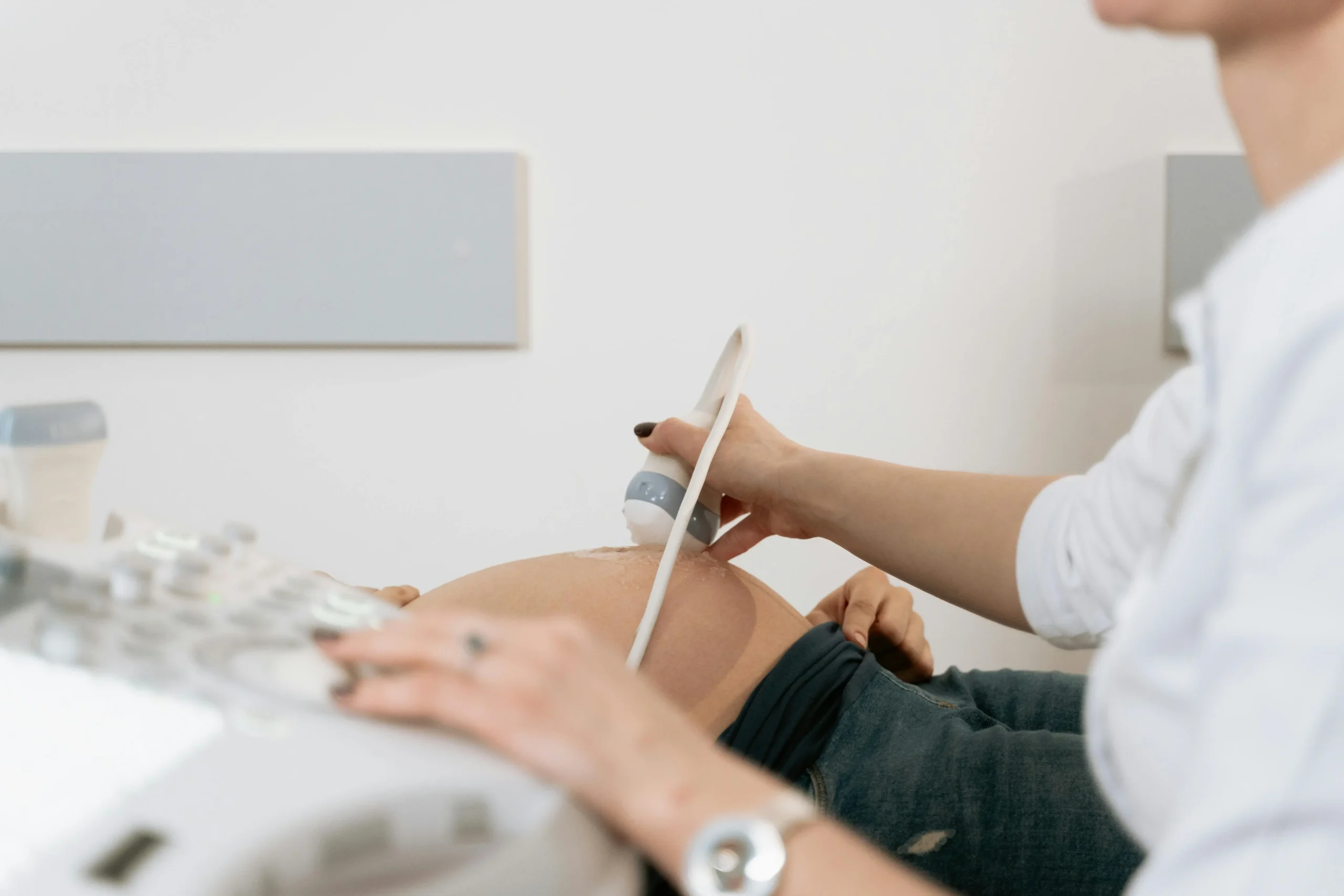
الموجات الصوتية على البطن: دليل شامل للإجراء
علاج حصوات الكلى في دبي: الأعراض والتشخيص والخيارات
فحوصات الدم في دبي: دليل شامل للتحاليل والتكاليف
المزيد في General Health
Epilepsy Treatment Dubai: Symptoms & Care (2026)
اقرأ المزيد
Food Allergy vs Food Intolerance Dubai (2026)
اقرأ المزيد
Pneumonia vs Flu Dubai: Key Differences (2026)
اقرأ المزيد
Swollen Lymph Nodes Dubai: When to Worry (2026)
اقرأ المزيدFlu vs Cold Dubai: How to Tell the Difference (2026)
اقرأ المزيد
Sleep Study Cost Dubai: Tests & Pricing (2026)
اقرأ المزيد© 2026 Doctors Clinic Diagnostic Center (DCDC), Dubai Healthcare City. Originally published at https://doctorsclinicdubai.ae/blog/abdominal-pain-causes-diagnosis-dubai. All rights reserved. Unauthorized reproduction is prohibited.