اپنی اپائنٹمنٹ بک کریں
دبئی میں اسٹروک کی دیکھ بھال: روک تھام اور بعد میں اسٹروک کی تدبیر میں ماہرین
اسٹروک کے خطرے کی جامع تشخیص اور بحالی کی معاونت
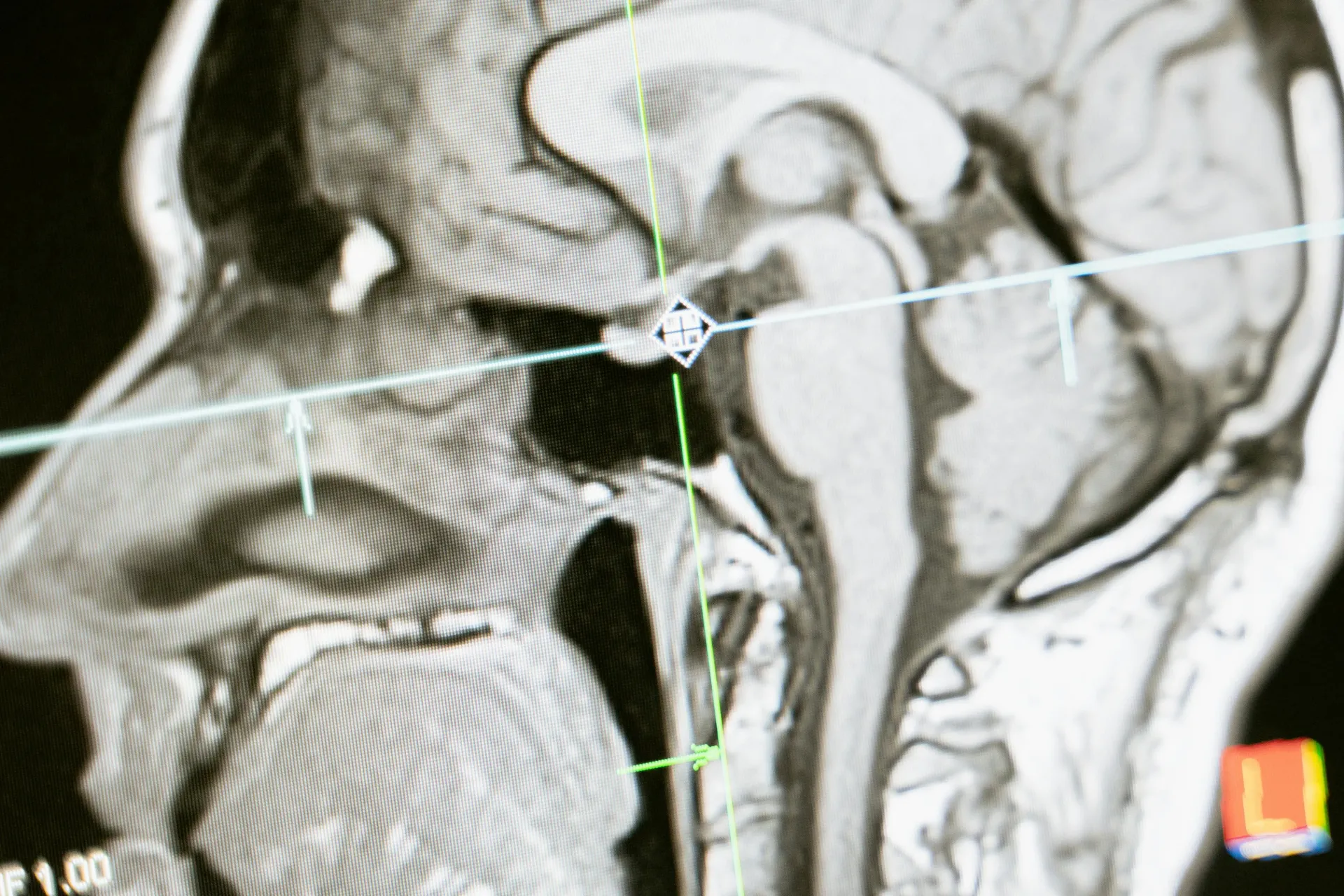
اعلیٰ درجے کی خطرے کی تشخیص
اسٹروک کے خطرے کے عوامل کی جامع تشخیص
دبئی ہیلتھ کیئر سٹی میں اسٹروک کی روک تھام اور دیکھ بھال میں ماہرانہ خدمات۔ خطرے کی تشخیص، ثانوی روک تھام، مکمل بحالی کی ہم آہنگی۔ آج ہی بک کریں۔
اعلیٰ درجے کی خطرے کی تشخیص
اسٹروک کے خطرے کے عوامل کی جامع تشخیص
دبئی میں اسٹروک کی دیکھ بھال: روک تھام اور بعد میں اسٹروک کی تدبیر میں ماہرین
اسٹروک کے خطرے کی جامع تشخیص اور بحالی کی معاونت
دبئی ہیلتھ کیئر سٹی میں اسٹروک کی روک تھام اور دیکھ بھال میں ماہرانہ خدمات۔ خطرے کی تشخیص، ثانوی روک تھام، مکمل بحالی کی ہم آہنگی۔ آج ہی بک کریں۔

Dr. Heike Jacobs
ہماری خدمات دریافت کریں
DCDC دبئی ہیلتھ کیئر سٹی میں جامع اسٹروک کی دیکھ بھال خدمات۔
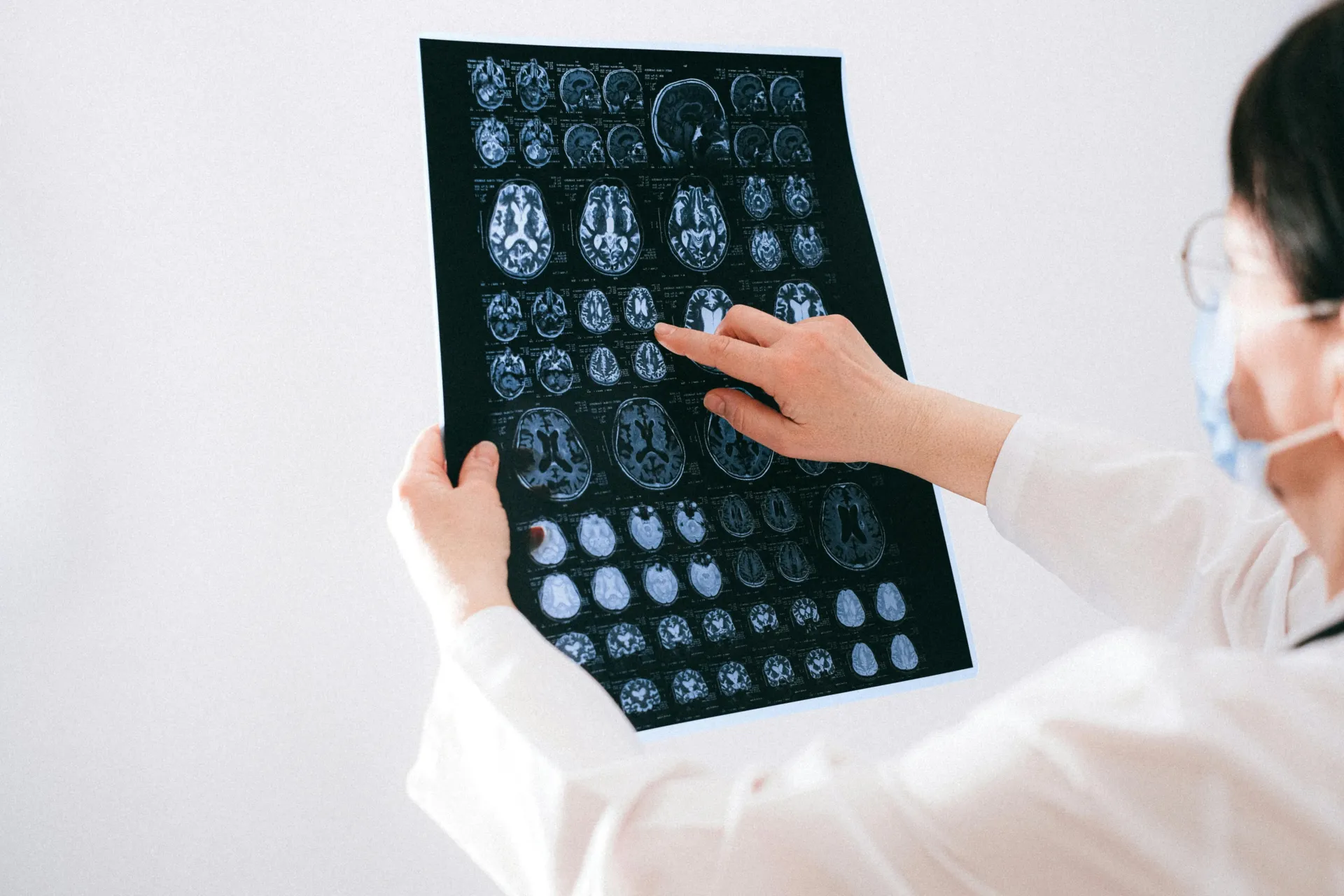
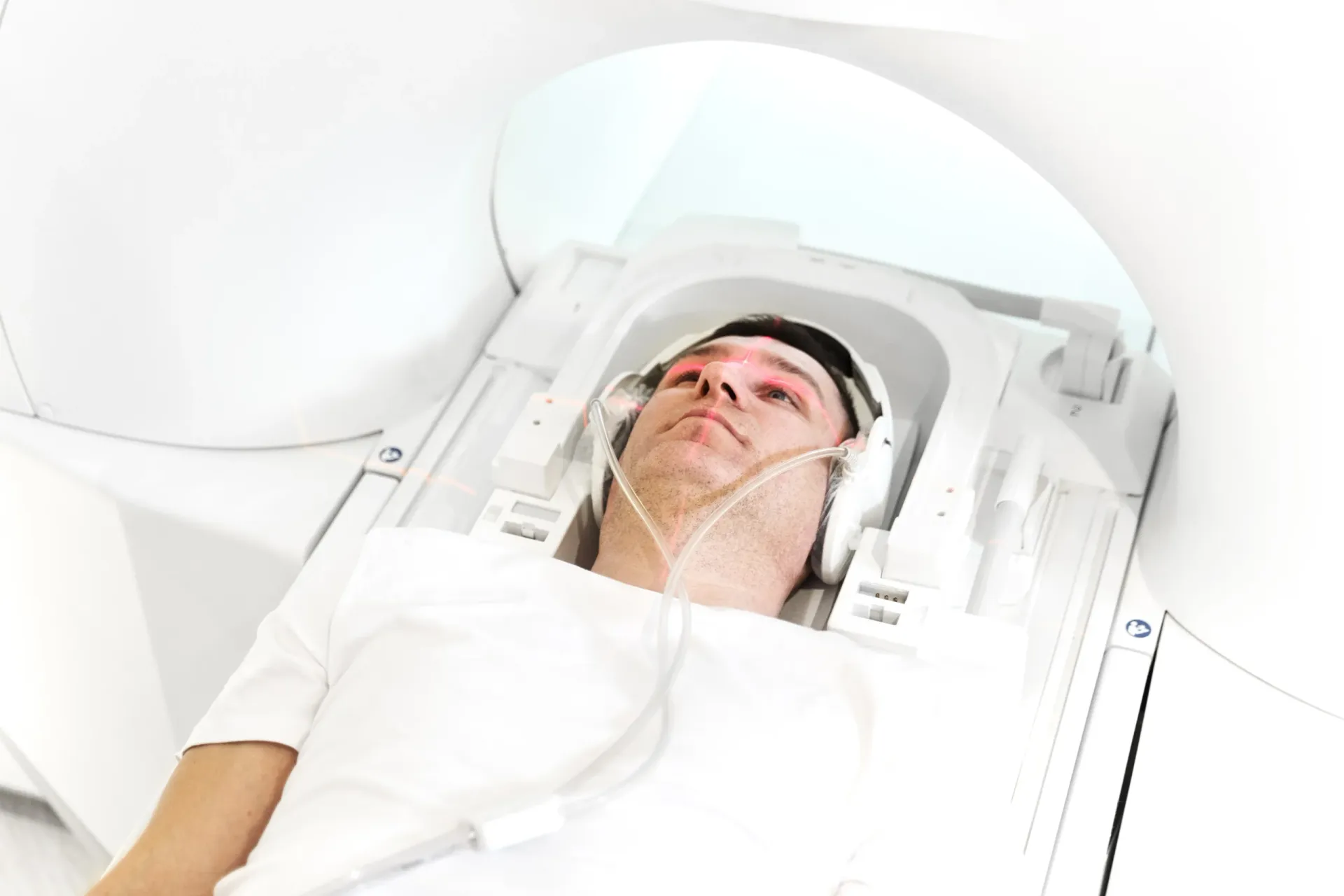
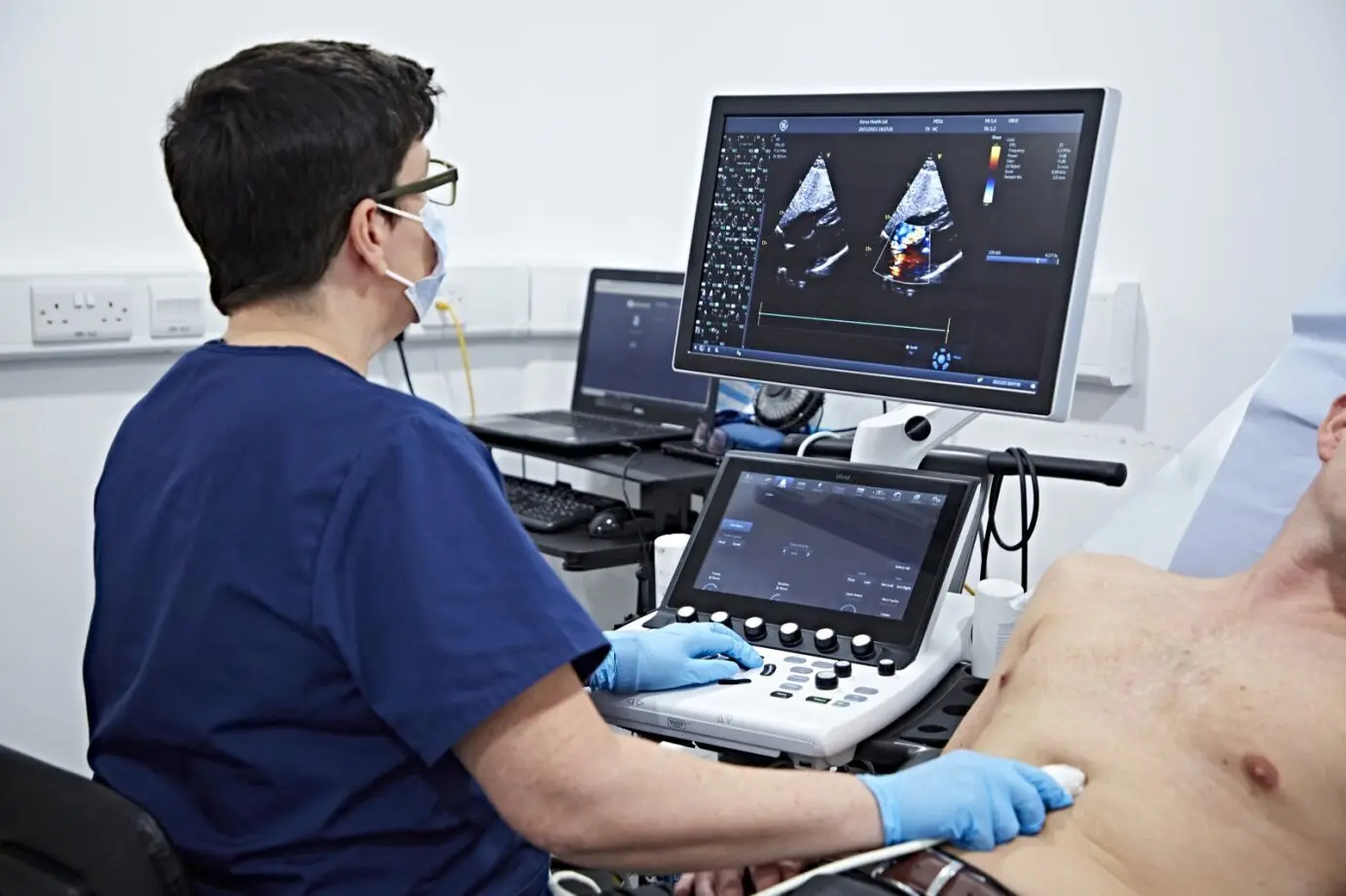
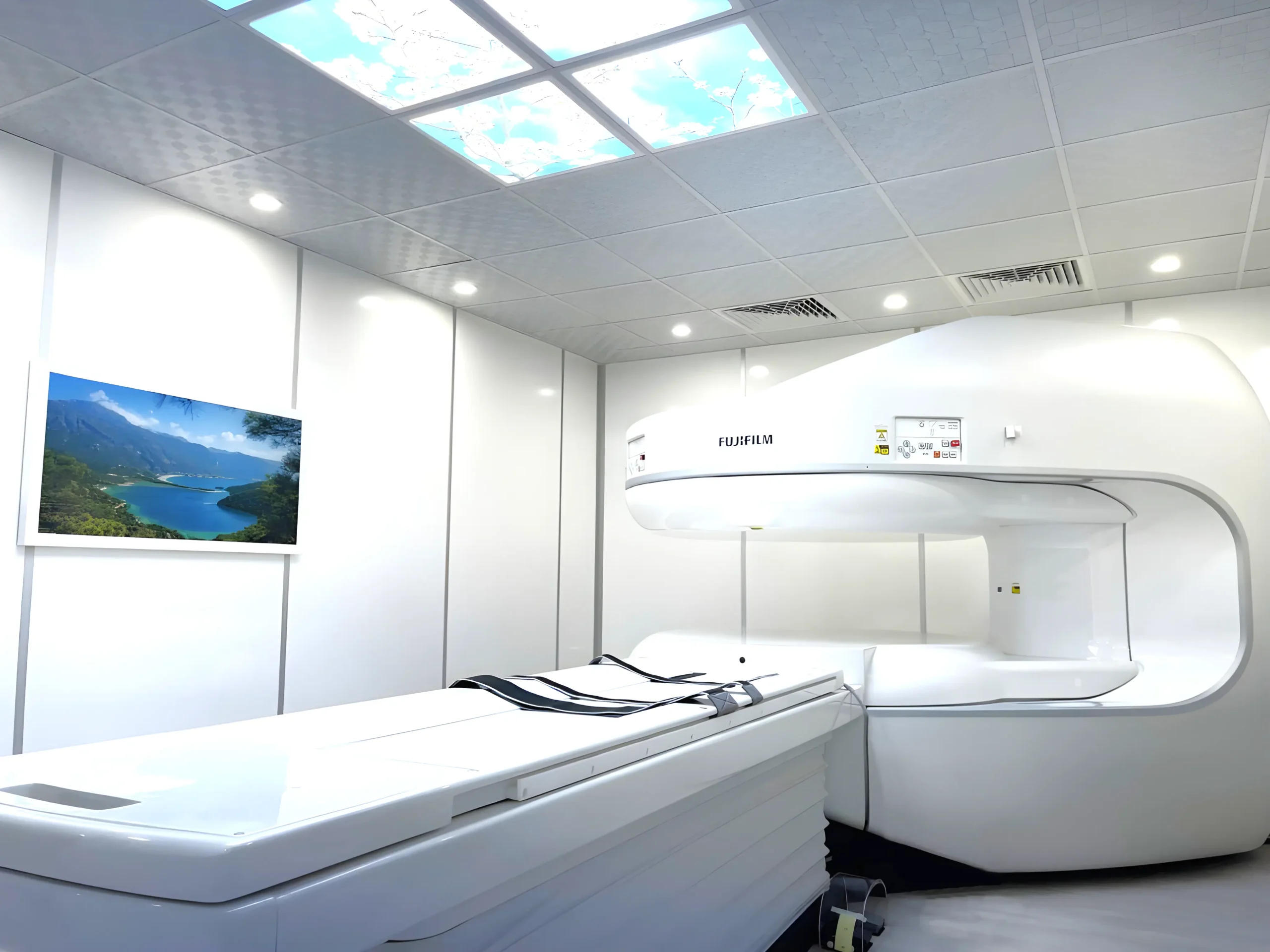
تمام خدمات DHA لائسنس یافتہ ماہرین کے ذریعے انجام دی جاتی ہیں
اسٹروک کی دیکھ بھال کون ضرورت ہے
اسٹروک کے خطرے میں یا اس سے بحال ہونے والے افراد کے لیے ماہرانہ دیکھ بھال۔ خطرے کی تشخیص، روک تھام، اور مکمل طبی انتظام شامل ہے۔
Previous stroke or TIA (mini-stroke)
High blood pressure not well controlled
Atrial fibrillation or heart rhythm disorders
Diabetes with cardiovascular risk factors
High cholesterol or carotid artery disease
Family history of stroke
اسٹروک کی دیکھ بھال کے لیے DCDC کو کیوں منتخب کریں
عالمی معیارات کے ساتھ ماہرانہ خدمات
MOHAP کا لائسنس یافتہ
معیار اور حفاظت میں اعلیٰ معیار
جدید طبی تجربہ
اعصابی امراض میں ماہر ٹیم
Advanced Imaging
On-site MRI, CT, and carotid ultrasound capabilities.
Prevention Focus
Evidence-based strategies to reduce stroke risk.
Planned Follow-Up
Book outpatient review after emergency hospital assessment and discharge.
Insurance Support
Direct billing with major insurers.
آپ کا آرام دہ دورہ
آرام، رفتار اور درستگی کے لیے ڈیزائن کردہ ایک سادہ، مرحلہ وار اسٹروک اسکین عمل۔
اسٹروک کی دیکھ بھال کی خدمات
دبئی میں اسٹروک کی قیمتیں خدمت کی قسم اور مختلف خدمات کی اقسام کی انشورنس کوریج کے لحاظ سے مختلف ہوتی ہیں۔
- قیمتیں اسکین کی قسم اور کنٹراسٹ کی ضرورت کے مطابق مختلف ہوتی ہیں
- ریفرل اور تصدیق کے ساتھ انشورنس کوریج قبول
- درخواست پر فوری قیمت کے ساتھ شفاف خود ادائیگی کی شرحیں دستیاب
منٹوں میں انشورنس کی تصدیق • کوئی پوشیدہ فیس نہیں • واٹس ایپ پر فوری جواب
مریض کی رہنمائی
آپ کیا توقع کر سکتے ہیں
جامع دیکھ بھال جو درست خطرے کی تشخیص سے شروع ہوتی ہے، اس کے بعد حسب ضرورت علاج کے منصوبے اور بحالی کی ہم آہنگی ہوتی ہے۔ ہم مسلسل فالو اپ کی ضمانت دیتے ہیں۔
انشورنس اور مقام
انشورنس پارٹنرز
- •دبئی میں 20+ انشورنس فراہم کنندگان بشمول ضمان، اے ایکس اے، اے ڈی این آئی سی اور دیگر
- •پری آتھرائزیشن سپورٹ اور براہ راست بلنگ (جہاں قابل اطلاق ہو)
- •کوریج کی تصدیق دبئی ہیلتھ کیئر سٹی میں آپ کی اپائنٹمنٹ سے پہلے
- •شفاف قیمتیں اسٹروک کی دیکھ بھال خدمات کے لیے کوئی چھپی فیس نہیں




دبئی ہیلتھ کیئر سٹی میں ہمیں ملیں
ڈاکٹرز کلینک ڈائیگناسٹک سینٹر
بلڈنگ 64، بلاک اے، الرازی میڈیکل کمپلیکس، دبئی ہیلتھ کیئر سٹی، دبئی، متحدہ عرب امارات
عود میتھا روڈ کے قریب · بر دبئی، ڈاؤن ٹاؤن دبئی، بزنس بے سے آسان رسائی · مفت مخصوص پارکنگ دستیاب
کام کے اوقات
پیر-جمعرات، ہفتہ: صبح 8 - رات 10:30 | اتوار: صبح 8:30 - رات 10:30 | جمعہ: صبح 9 - رات 10
DCDC میں انشورنس کیسے کام کرتا ہے
کوریج چیک کریں
تصدیق کریں کہ آپ کا پلان اسٹروک کی دیکھ بھال کو کور کرتا ہے
ریفرل حاصل کریں
کچھ بیمہ کنندگان جی پی ریفرل کا تقاضا کرتے ہیں — ہم رہنمائی کر سکتے ہیں
پیشگی اجازت
ہم آپ کے بیمہ کنندہ سے براہ راست پیشگی اجازت سنبھالتے ہیں
براہ راست بلنگ
کوئی پیشگی ادائیگی نہیں — ہم آپ کے بیمہ کنندہ کو براہ راست بل کرتے ہیں
صرف کو-پے
آپ کلینک میں صرف قابل اطلاق کو-پے ادا کرتے ہیں
کوریج چیک کریں
تصدیق کریں کہ آپ کا پلان اسٹروک کی دیکھ بھال کو کور کرتا ہے
ریفرل حاصل کریں
کچھ بیمہ کنندگان جی پی ریفرل کا تقاضا کرتے ہیں — ہم رہنمائی کر سکتے ہیں
پیشگی اجازت
ہم آپ کے بیمہ کنندہ سے براہ راست پیشگی اجازت سنبھالتے ہیں
براہ راست بلنگ
کوئی پیشگی ادائیگی نہیں — ہم آپ کے بیمہ کنندہ کو براہ راست بل کرتے ہیں
صرف کو-پے
آپ کلینک میں صرف قابل اطلاق کو-پے ادا کرتے ہیں
Your Specialist
Dr. Heike Jacobs
Consultant Neurologist
MD, MRCP, Consultant Neurologist
German · English
مریض کی رہنمائی
اسٹروک کو سمجھنا: روک تھام، پہچان اور صحت یابی
اسٹروک اس وقت ہوتا ہے جب دماغ کے کسی حصے کو خون کی فراہمی رک جاتی ہے، یا تو خون کے لوتھڑے سے شریان بند ہونے سے (اسکیمک اسٹروک، جو تقریباً ۸۵ فیصد کیسز ہیں) یا خون کی نالی پھٹنے اور دماغ میں خون بہنے سے (ہیمرجک اسٹروک)۔ خون کی فراہمی کے بغیر دماغی خلیے منٹوں میں مرنے لگتے ہیں، اس لیے اسٹروک ایک طبی ہنگامی صورتحال ہے جس میں تیز علاج ناگزیر ہے۔ یہ جملہ کہ "وقت دماغ ہے" اس حقیقت کو ظاہر کرتا ہے کہ علاج نہ ہونے والے اسکیمک اسٹروک میں ہر منٹ تقریباً ۱۹ لاکھ نیورون ضائع ہو جاتے ہیں۔
یو اے ای میں اسٹروک کا بوجھ بڑھ رہا ہے کیونکہ قابل تبدیل خطرے کے عوامل کی شرح زیادہ ہے۔ مطالعات بتاتے ہیں کہ ہائی بلڈ پریشر، ذیابیطس اور چربی کی خرابی عالمی اوسط کے مقابلے میں خلیجی علاقے میں نمایاں طور پر زیادہ عام ہیں۔ اس کے علاوہ نوجوان آبادی کی اوسط عمر کا مطلب ہے کہ کم عمروں میں اسٹروک پیداوار اور خاندانوں پر غیر متناسب اثر ڈالتا ہے۔
پہلے واقعے کے بعد ثانوی اسٹروک کی روک تھام ضروری ہے کیونکہ بار بار آنے والے اسٹروک اکثر زیادہ شدید ہوتے ہیں۔ دوبارہ ہونے کا خطرہ پہلے سال میں سب سے زیادہ ہوتا ہے، خاص طور پر TIA یا اسٹروک کے بعد پہلے ۹۰ دنوں میں۔ ایک مؤثر ثانوی خطرے میں کمی کے پروگرام میں بہترین ادویات کا انتظام، خطرے کے عوامل پر سخت قابو، طرز زندگی میں تبدیلی اور باقاعدہ نگرانی شامل ہیں۔ تحقیق سے پتہ چلتا ہے کہ جامع ثانوی خطرے میں کمی کے پروگرام معیاری دیکھ بھال کے مقابلے میں دوبارہ ہونے کے خطرے کو ۸۰ فیصد تک کم کر سکتے ہیں۔
اسٹروک کے بعد کی صحت یابی ایک تدریجی عمل ہے جو واقعے کے بعد مہینوں سے سالوں تک جاری رہتا ہے۔ دماغ میں تنظیم نو اور موافقت کی قابل ذکر صلاحیت ہے، جسے نیوروپلاسٹیسٹی کہتے ہیں، جو غیر متاثرہ دماغی حصوں کو ضائع ہونے والے کام کی جزوی تلافی کرنے دیتی ہے۔ بحالی تحریک، گفتار اور ادراک کے لیے بار بار کی جانے والی ہدفی مشقوں کے ذریعے اس نیوروپلاسٹیسٹی سے فائدہ اٹھاتی ہے۔ سب سے تیز صحت یابی عام طور پر پہلے تین سے چھ مہینوں میں ہوتی ہے، لیکن مسلسل کوشش اور مناسب علاجی سہارے سے اس عرصے کے بعد بھی بہتری ممکن ہے۔
دماغی خون کی نالیوں کے امراض جن کا ہم انتظام کرتے ہیں
اسکیمک اسٹروک
خون کے لوتھڑے سے دماغ کی شریان بند ہونے کی وجہ سے فالج، جس کا انتظام ثانوی روک تھام سے کیا جاتا ہے جس میں اینٹی پلیٹلیٹ علاج، اینٹی کوگولیشن اور خطرے کے عوامل کو بہتر بنانا شامل ہے۔
عارضی اسکیمک حملہ (TIA)
عارضی علامات والا منی اسٹروک جس کے لیے فوری جائزہ اور اگلے اسٹروک کے قلیل مدتی اعلیٰ خطرے کو کم کرنے کے لیے فوری روک تھامی اقدامات ضروری ہیں۔
ہیمرجک اسٹروک
دماغ میں خون بہنے سے ہونے والا فالج، جس کا انتظام بلڈ پریشر کو بہتر بنانے، بنیادی وجوہات کی شناخت اور مناسب فالو اپ دیکھ بھال کی ہم آہنگی سے کیا جاتا ہے۔
کیروٹڈ شریان کی تنگی
ایتھروسکلیروسس کی وجہ سے کیروٹڈ شریانوں کا تنگ ہونا، الٹراساؤنڈ سے پتہ لگایا جاتا ہے اور شدت اور علامات کی بنیاد پر دوائی یا جراحی حوالگی سے انتظام کیا جاتا ہے۔
ایٹریل فیبریلیشن اور اسٹروک کا خطرہ
دل کی بے قاعدہ دھڑکن جو اسٹروک کے خطرے کو نمایاں طور پر بڑھاتی ہے، جامع دل کی دیکھ بھال کے لیے کارڈیالوجی کے ساتھ ہم آہنگی میں اینٹی کوگولیشن علاج سے انتظام کیا جاتا ہے۔
ہائی بلڈ پریشر سے اسٹروک کا خطرہ
اسٹروک کا سب سے اہم قابل تبدیل خطرہ ہے یعنی ہائی بلڈ پریشر، جس کا انتظام ادویات کو بہتر بنانے اور مخصوص بلڈ پریشر اہداف کے لیے طرز زندگی میں تبدیلیوں سے کیا جاتا ہے۔
متعلقہ مضامین
Carotid Doppler Ultrasound and Stroke Prevention
Learn how carotid ultrasound helps detect artery narrowing and guides stroke prevention decisions.
Hypertension: The Silent Killer in Dubai
Understand why high blood pressure is the leading modifiable risk factor for stroke and how to manage it.
Heart Health Prevention in Dubai
Discover the shared risk factors between heart disease and stroke, and how cardiovascular prevention reduces stroke risk.
Diabetes Management in Dubai
Learn how optimal diabetes management reduces stroke risk and improves overall vascular health.
متعلقہ خدمات
ہمارے دبئی ہیلتھ کیئر سٹی کلینک میں دستیاب دیگر تشخیصی اور مشاورتی خدمات دریافت کریں۔
اکثر پوچھے گئے سوالات
دبئی میں اسٹروک کی دیکھ بھال کے بارے میں عام سوالات۔
ہم Dubai Healthcare City میں اسٹروک کی دیکھ بھال فراہم کرتے ہیں۔ ہماری تجربہ کار ماہرین کی ٹیم جامع معائنہ اور مشاورت کے لیے دستیاب ہے۔ مزید معلومات کے لیے ہم سے رابطہ کریں۔
مدت ہر انفرادی کیس کے مطابق مختلف ہوتی ہے۔ ہماری ٹیم آپ کو پہلے سے صحیح وقت کے بارے میں آگاہ کرے گی۔ اپائنٹمنٹ کے لیے ہم سے رابطہ کریں۔
دبئی میں زیادہ تر بڑی انشورنس کمپنیاں اسٹروک کی دیکھ بھال کا احاطہ کرتی ہیں۔ ہم Daman، AXA اور Bupa سمیت 20 سے زائد انشورنس کمپنیوں کے ساتھ براہ راست بلنگ فراہم کرتے ہیں۔ اپنی کوریج چیک کرنے کے لیے ہم سے رابطہ کریں۔
ہماری ٹیم آپ کی اپائنٹمنٹ سے پہلے مخصوص تیاری کی ہدایات دے گی۔ عام طور پر ہم تمام موجودہ ادویات اور متعلقہ طبی ریکارڈ لانے کی تجویز کرتے ہیں۔
DCDC میں ہم Dubai Healthcare City میں تجربہ کار ماہرین، جدید ترین آلات اور اعلی درجے کی مریض نگہداشت کے ساتھ اسٹروک کی دیکھ بھال فراہم کرتے ہیں۔ ہماری سہولت MOHAP کی طرف سے لائسنس یافتہ ہے اور سخت طبی معیارات پر عمل کرتی ہے۔
اسٹروک کی دیکھ بھال کے لیے آپ +971 54 219 5008 پر کال کر کے یا ہمارے آن لائن بکنگ سسٹم کے ذریعے اپائنٹمنٹ بک کر سکتے ہیں۔ ہم دستیابی کے مطابق اسی دن کی اپائنٹمنٹ سمیت لچکدار اوقات پیش کرتے ہیں۔
اہم حقائق
طبی جائزہ اور نگرانی
تمام خدمات ہماری MOHAP-تسلیم شدہ سہولت میں لائسنس یافتہ طبی پیشہ وروں کی نگرانی میں فراہم کی جاتی ہیں۔