
Key Takeaways
- Carotid Doppler ultrasound measures blood flow in the neck arteries that supply your brain, detecting dangerous narrowing before a stroke occurs
- Adults over 50 with diabetes, hypertension, high cholesterol, or a smoking history should discuss carotid screening with their doctor
- The test is painless, takes 15 to 30 minutes, uses no radiation, and requires no special preparation
- Stenosis below 50% is usually managed with medication and lifestyle changes, while stenosis above 70% may require surgical intervention
- Early detection through routine screening can reduce stroke risk by up to 80% when combined with appropriate treatment
A carotid Doppler ultrasound is a non-invasive test that examines the carotid arteries in your neck, the two major blood vessels that carry oxygen-rich blood from your heart to your brain. By measuring blood flow speed and detecting plaque buildup, this scan can identify dangerous narrowing (stenosis) that significantly increases your risk of stroke. Our Doppler Ultrasound service at DCDC offers same-day appointments in Dubai Healthcare City.
Stroke is one of the leading causes of death and disability worldwide, yet many strokes are preventable when artery problems are caught early. This comprehensive guide explains what a carotid Doppler measures, who should get tested, how to interpret results, and what different stenosis percentages mean for your health and treatment options.



Understanding Your Carotid Arteries
Your body has two carotid arteries, one on each side of your neck. Each one divides into two branches: the internal carotid artery, which supplies blood directly to the brain, and the external carotid artery, which supplies the face and scalp. The point where this division occurs, called the carotid bifurcation, is particularly vulnerable to plaque buildup due to the turbulent blood flow patterns at the branching point.
Over time, fatty deposits called atherosclerotic plaque can accumulate inside these arteries, gradually narrowing the channel through which blood flows. This process, known as carotid stenosis, can develop silently over many years without causing any symptoms. When the narrowing becomes severe enough, it can either restrict blood flow to the brain or cause plaque fragments to break off and travel to the brain, both of which can trigger a stroke.
This is precisely why carotid Doppler ultrasound screening is so valuable. It can detect significant narrowing before it causes a stroke, giving doctors and patients time to intervene with medication, lifestyle changes, or surgery when necessary.
"Carotid Doppler is one of the most impactful screening tests we perform because the consequences of missing significant stenosis can be catastrophic," says Dr. Osama Elzamzami, Consultant Radiologist at DCDC. "When we catch a 70% narrowing in a patient who has no symptoms yet, we are literally helping prevent a stroke that could have been life-altering. The test takes less than 30 minutes and can change a patient's entire health trajectory."
What Does a Carotid Doppler Ultrasound Measure?
A carotid Doppler ultrasound provides several critical pieces of information about the health of your neck arteries. The radiologist evaluates multiple parameters during the examination to build a complete picture of your vascular health.
Blood Flow Velocity
The most important measurement is blood flow velocity through the carotid arteries. When an artery narrows, blood must squeeze through a smaller opening, causing it to speed up, similar to how water flows faster when you partially cover a garden hose nozzle. By measuring these velocity changes, the radiologist can estimate the degree of stenosis without invasive procedures. Peak systolic velocity (PSV) and end-diastolic velocity (EDV) are the two key measurements used in standardized assessment protocols.
Plaque Characterization
The scan also shows the physical characteristics of any plaque present. Plaque can be classified as stable (calcified, smooth, and less likely to rupture) or unstable (soft, irregular, or ulcerated, with a higher risk of breaking off and causing a stroke). The ultrasound appearance of plaque helps doctors assess not just the degree of narrowing but also the nature of the risk it poses.
Intima-Media Thickness
Carotid intima-media thickness (CIMT) measures the thickness of the inner two layers of the artery wall. Increased thickness is an early marker of atherosclerosis, sometimes detectable before significant plaque has formed. This measurement has become a valuable tool for assessing cardiovascular risk in patients who may not yet have obvious artery narrowing.
Flow Direction and Patterns
The Doppler component reveals the direction of blood flow, which should always move toward the brain in the internal carotid artery. Reversed or turbulent flow patterns indicate significant disease. The waveform pattern also provides information about downstream resistance, which can suggest problems beyond what the neck vessels show.
Who Should Get a Carotid Doppler Ultrasound?
Not everyone needs a carotid Doppler ultrasound, but certain groups have a significantly higher risk of carotid artery disease and benefit greatly from screening. If any of the following apply to you, discussing a carotid Doppler with your doctor is strongly recommended. For related information, see our guide on Peripheral Vascular Disease: Doppler Diagnosis.
Age-Related Risk
The risk of carotid stenosis increases substantially with age. Adults over 50, particularly men, face a higher likelihood of plaque buildup. After age 65, the risk applies almost equally to both men and women. If you are in this age group and have other risk factors, screening becomes especially important.
Diabetes
People with diabetes are two to four times more likely to develop cardiovascular disease, including carotid stenosis. High blood sugar levels accelerate the process of atherosclerosis by damaging the inner lining of arteries. Diabetic patients should discuss carotid screening with their doctor as part of their comprehensive cardiovascular risk assessment.
Hypertension
High blood pressure puts constant stress on artery walls, promoting plaque formation and making existing plaque more likely to rupture. Patients with a long history of hypertension, especially those with poorly controlled blood pressure, are prime candidates for carotid Doppler screening.
Smoking History
Smoking is one of the strongest risk factors for carotid artery disease. It damages the endothelial lining of arteries, promotes inflammation, increases blood clotting tendency, and accelerates plaque formation. Current smokers and those with a significant smoking history (even if they have quit) should consider screening.
High Cholesterol
Elevated LDL cholesterol is a direct contributor to plaque formation in arteries. Patients with high cholesterol, particularly those who have had difficulty controlling it with medication and lifestyle changes, benefit from carotid screening to assess whether plaque has developed.
Family History and Prior Events
A family history of stroke or cardiovascular disease increases your personal risk. Additionally, anyone who has already experienced a transient ischemic attack (TIA or "mini-stroke"), a full stroke, or has been diagnosed with coronary artery disease or peripheral artery disease should undergo carotid Doppler evaluation.
Concerned About Your Stroke Risk?
At Doctors Clinic Diagnostic Center in Dubai Healthcare City, we perform comprehensive carotid Doppler ultrasound assessments with experienced radiologists. Get accurate results and same-day reporting.
Understanding Carotid Stenosis Percentages
The results of a carotid Doppler ultrasound are typically expressed as a percentage of stenosis, representing how much the artery has narrowed compared to its normal diameter. Understanding these percentages is essential for knowing what your results mean and what actions may be needed.
| Stenosis Level | Classification | Typical Management | Annual Stroke Risk |
|---|---|---|---|
| Less than 50% | Mild | Lifestyle changes, medication management, annual monitoring | Less than 1% |
| 50% – 69% | Moderate | Aggressive medical therapy, more frequent monitoring every 6 months | 1% – 3% |
| 70% – 99% | Severe | Surgical evaluation (endarterectomy or stenting) strongly considered | 5% – 15% if symptomatic |
| 100% (complete occlusion) | Total blockage | Not surgically treatable; focus on preventing stroke from other side | Varies by collateral circulation |
Stroke risk percentages are approximate and vary based on whether the patient has symptoms and other individual factors.
It is important to note that these categories guide treatment decisions differently depending on whether the patient has symptoms. A patient with 70% stenosis who has experienced TIA symptoms faces a much higher immediate stroke risk than someone with the same degree of stenosis who has never had symptoms. This distinction is critical in deciding between continued medical management and surgical intervention.
What Happens During the Test?
A carotid Doppler ultrasound is one of the simplest diagnostic tests you can undergo. Understanding the process helps reduce any anxiety about the procedure.
- You lie on your back on an examination table with your head slightly turned to one side to expose the neck
- A water-based gel is applied to both sides of your neck over the carotid artery areas
- The sonographer places a small transducer probe on your neck and moves it gently along the artery
- Both B-mode (grayscale) images and color Doppler flow measurements are obtained
- The sonographer examines both carotid arteries, the bifurcation points, and the beginning of the internal carotid arteries
- Spectral Doppler measurements are taken at specific points to calculate blood flow velocities
- The entire examination typically takes 15 to 30 minutes
- No special preparation, fasting, or medication adjustments are needed beforehand
You may hear swooshing or pulsing sounds during the scan, which is the sound of your blood flow being detected by the Doppler. This is completely normal and expected. After the scan, you can resume all normal activities immediately.
Carotid Doppler Results: What Happens Next?
After the examination, a radiologist reviews the images and measurements and creates a detailed report that is sent to your referring doctor. The report includes the degree of stenosis on each side, plaque characteristics if present, blood flow velocities, and an overall assessment of your carotid artery health. You may also find our Renal Doppler Ultrasound: Kidney Blood Flow helpful.
Based on the results, your doctor may recommend one of several paths forward. For mild stenosis, optimizing medication (blood pressure control, cholesterol management, antiplatelet therapy) and addressing lifestyle factors such as diet, exercise, and smoking cessation are the primary approach. For moderate stenosis, more aggressive medical therapy and closer surveillance with repeat Doppler studies every six months may be advised.
For severe stenosis, particularly in patients who have experienced symptoms, surgical options such as carotid endarterectomy (removing the plaque) or carotid artery stenting (placing a mesh tube to keep the artery open) are strongly considered. These procedures have been shown to significantly reduce stroke risk in appropriately selected patients.
The Connection Between Carotid Disease and Stroke
Stroke occurs when blood supply to part of the brain is interrupted. Carotid artery disease is responsible for approximately 20% to 30% of all ischemic strokes (strokes caused by blocked blood flow). Understanding this connection highlights why carotid screening matters.
A stroke from carotid disease can happen in two main ways. First, plaque buildup can become severe enough to significantly reduce blood flow to the brain, depriving brain tissue of oxygen. Second, and more commonly, pieces of unstable plaque can break off and travel to smaller arteries in the brain, blocking them and causing damage to the brain tissue they supply.
The devastating impact of stroke, which can cause paralysis, speech problems, cognitive decline, and death, makes prevention through early detection one of the most valuable uses of Doppler ultrasound in clinical medicine.
Stroke Risk Factors in the UAE
The UAE population faces several factors that make carotid screening particularly relevant. The prevalence of type 2 diabetes in the UAE is among the highest globally, affecting approximately 17% of the adult population. Hypertension rates are also significant, with many cases going undiagnosed. Combined with lifestyle factors such as a high-calorie diet, reduced physical activity in the hot climate, and smoking, the risk of carotid artery disease is a genuine public health concern.
The diverse expatriate population in Dubai also includes individuals from regions with high cardiovascular disease prevalence. South Asian populations, for instance, tend to develop cardiovascular disease at a younger age compared to other groups. This makes age-appropriate screening even more important for the Dubai community.
Carotid Doppler Ultrasound at DCDC Dubai
At Doctors Clinic Diagnostic Center in Dubai Healthcare City, carotid Doppler ultrasound is performed by experienced radiologists using advanced ultrasound equipment that provides high-resolution imaging and precise Doppler measurements. The clinic follows standardized assessment protocols to ensure accurate and reproducible results. Read more in our Doppler Ultrasound for DVT: Deep Vein Detection.
The center provides comprehensive reports that include stenosis classification, plaque characterization, and velocity measurements, all interpreted in the context of each patient's clinical history. Close collaboration with referring physicians, including internists, cardiologists, and neurologists, ensures that results lead to appropriate and timely clinical decisions.
With over 1,000 diagnostic scans performed every month and more than 13 years of continuous operation since 2013, DCDC has established itself as a trusted name in vascular diagnostics across Dubai Healthcare City. The center's multilingual team serves patients from across the UAE and internationally, ensuring clear communication and patient-centered care.
A compelling case illustrates the value of routine screening: a 61-year-old retired engineer from Sharjah visited DCDC for a general health check-up arranged through his company's wellness program. He had no neurological symptoms, but his medical history included diabetes, high cholesterol, and 25 years of smoking before quitting five years ago. His carotid Doppler revealed 65% stenosis on the left side with unstable plaque characteristics. This finding prompted his internist to initiate aggressive medical therapy with statins and antiplatelet agents, and scheduled six-monthly follow-up scans. The early detection allowed treatment to begin well before his stenosis could progress to the critical range where stroke risk escalates dramatically.
Concerned About Stroke Risk?
A carotid Doppler ultrasound at Doctors Clinic Diagnostic Center in Dubai Healthcare City can assess your carotid arteries for dangerous narrowing. Our experienced radiologists provide detailed, accurate reports to help guide your care.
Related Services at DCDC
Expert care and advanced diagnostics at Dubai Healthcare City
Frequently Asked Questions
Final Thoughts
Carotid Doppler ultrasound is a simple, painless test that can reveal life-threatening artery narrowing before a stroke happens. For adults over 50, smokers, diabetics, and those with hypertension or high cholesterol, this screening test can be genuinely life-saving. The few minutes it takes to complete the scan can provide information that changes the course of your cardiovascular health.
If you have risk factors for stroke, do not wait for symptoms to appear. A transient ischemic attack or full stroke may be the first and only warning sign. Proactive screening at a trusted diagnostic center like Doctors Clinic Diagnostic Center gives you the information you need to take control of your health. For pricing details, see our guide on Doppler ultrasound cost in Dubai. Early detection, combined with appropriate medical management, remains the most effective strategy for stroke prevention.
Sources & References
This article was reviewed by our medical team and references the following sources:
- Society for Vascular Surgery - Carotid Artery Disease Guidelines
- American Heart Association - Stroke Prevention Guidelines
- European Society for Vascular Surgery - Carotid Stenosis Management
- Radiological Society of North America - Carotid Ultrasound
Medical content on this site is reviewed by DHA-licensed physicians. See our editorial policy for more information.

Written by
Dr. Osama Elzamzami
Consultant Radiologist
MD, Radiology
Dr. Osama Elzamzami is a Consultant Radiologist specializing in diagnostic imaging including MRI, CT, ultrasound, and Doppler studies at DCDC Dubai Healthcare City.
Related Articles

What Is a Doppler Ultrasound? How It Works Explained Simply
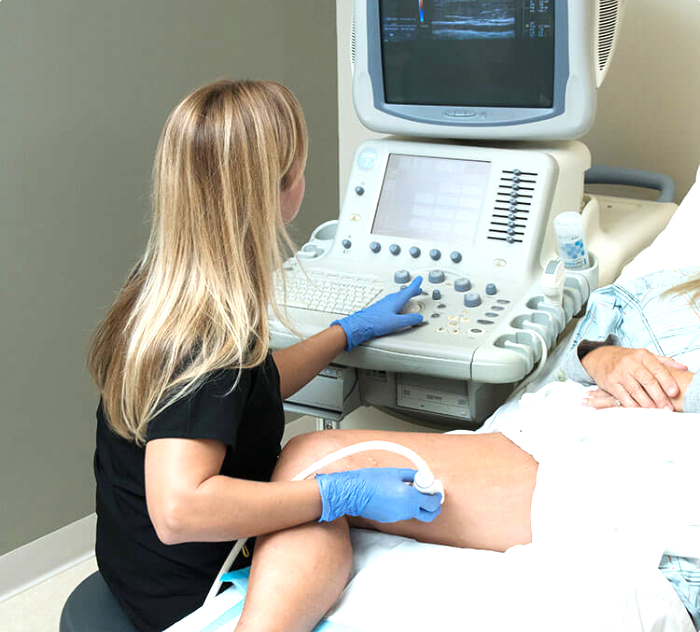
Peripheral Vascular Disease Doppler Assessment
Doppler Ultrasound Cost in Dubai

What Is an Ultrasound Scan? Complete Guide
More in Diagnostic Imaging
Chest X-Ray Cost Dubai: From AED 150 (2026)
Read More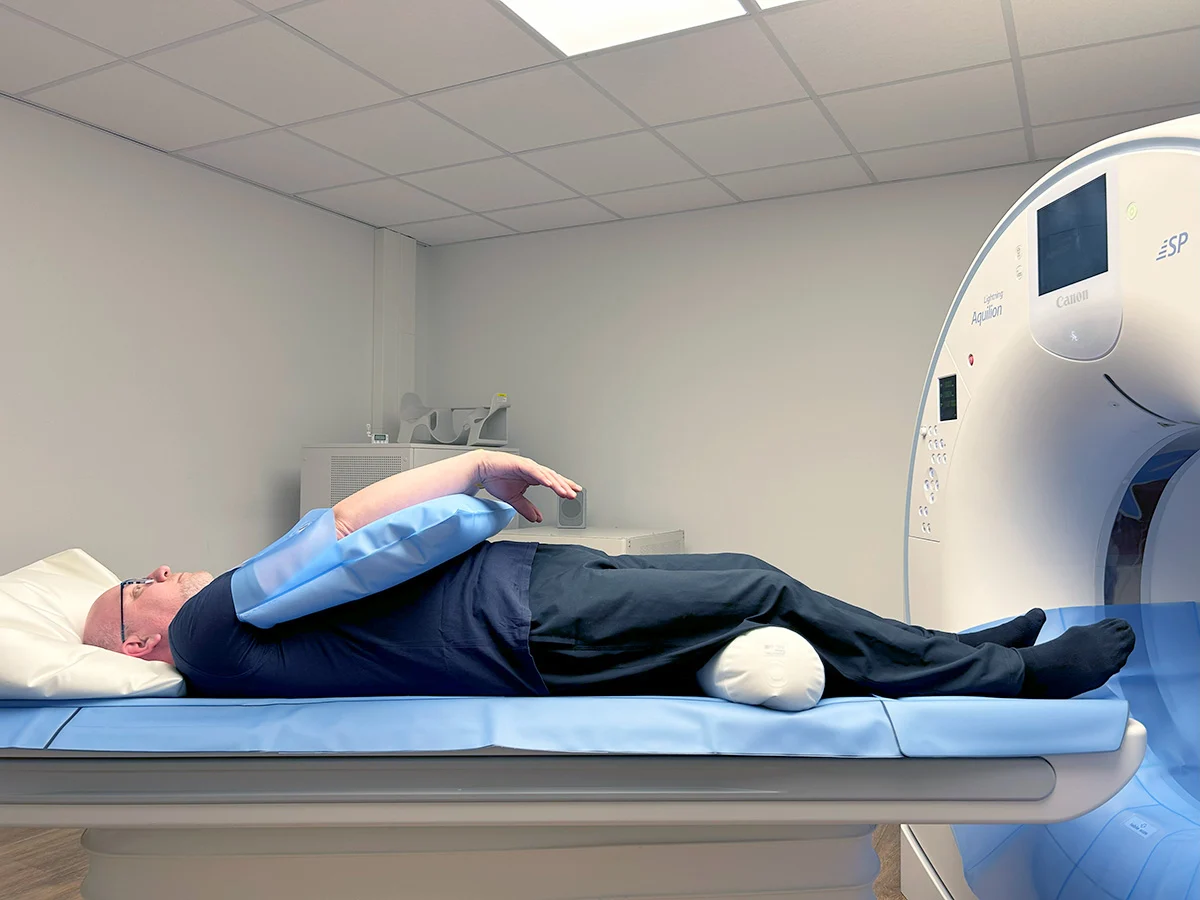
CT Scan Cost Dubai: Prices & Types (2026)
Read MoreUltrasound Cost Dubai: AED 300-800 by Type [2026 Prices]
Read More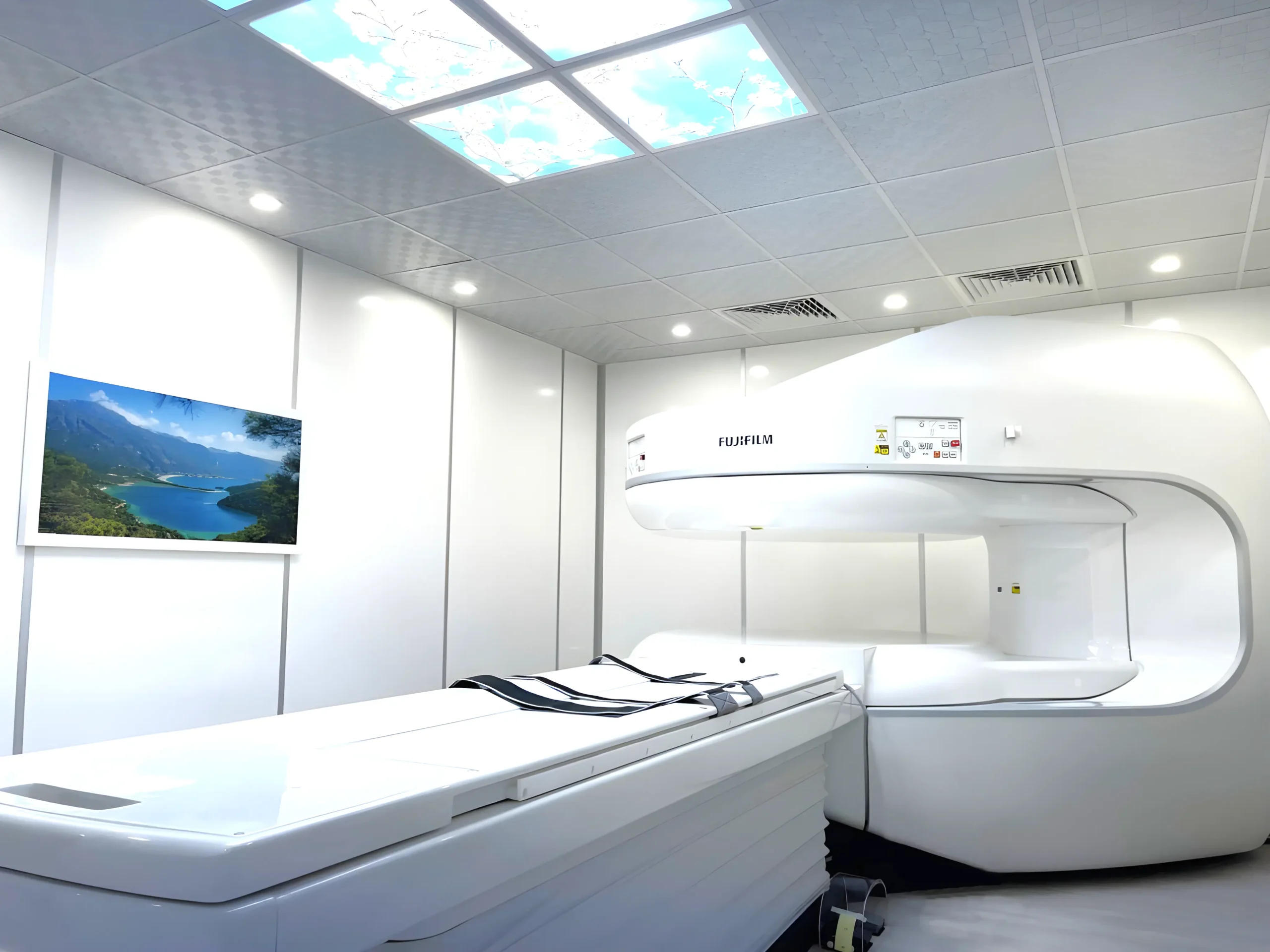
CT Scan vs Ultrasound Dubai: Which Test? (2026)
Read More
Open vs Closed MRI Dubai: Key Differences (2026)
Read More
X-Ray Cost Dubai: Prices by Body Part (2026)
Read More© 2026 Doctors Clinic Diagnostic Center (DCDC), Dubai Healthcare City. Originally published at https://doctorsclinicdubai.ae/blog/carotid-doppler-ultrasound-stroke. All rights reserved. Unauthorized reproduction is prohibited.