اہم نکات
- Headaches affect nearly 3 billion people globally each year, and most are primary headaches (tension, migraine, cluster) that can be managed effectively with the right treatment approach
- Tension-type headaches are the most common form, causing bilateral pressing pain, while migraines produce throbbing one-sided pain with nausea, light and sound sensitivity lasting 4 to 72 hours
- Red flags that require urgent medical attention include thunderclap headache, headache with fever and stiff neck, headache with neurological symptoms such as weakness or vision loss, and new headache patterns after age 50
- Dubai-specific headache triggers include extreme heat and dehydration, rapid temperature shifts between outdoor heat and indoor air conditioning, Ramadan fasting, and high work-related stress
- A neurology consultation at DCDC costs from AED 250-500, and on-site Siemens 1.5T wide-bore MRI with neuroradiologist interpretation is available same-day when brain imaging is clinically indicated
- Keeping a headache diary that records frequency, triggers, severity, and medication response is one of the most effective tools for accurate diagnosis and treatment planning
Headaches are among the most common medical complaints worldwide, yet knowing which headache types are harmless and which signal a medical emergency can be genuinely difficult. According to the Global Burden of Disease Study 2023, approximately 2.9 billion people experience headache disorders each year, making headaches the single most prevalent neurological condition on the planet. In Dubai, where intense heat, dehydration, rapid air-conditioning transitions, and demanding work schedules compound the problem, understanding your headache is the first step toward relief. This guide covers every major headache type, the warning signs that demand urgent care, and what to expect when you visit a neurologist.
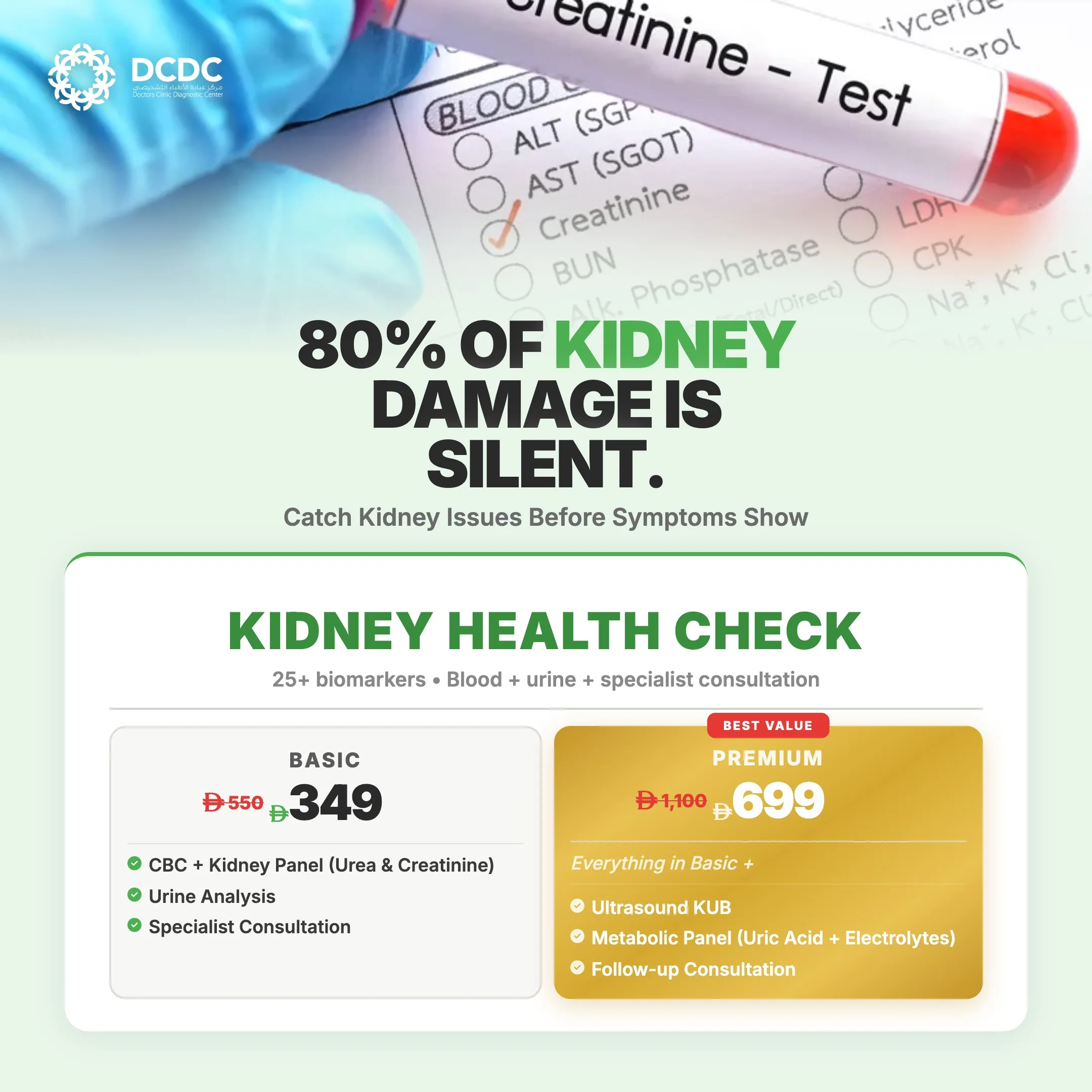
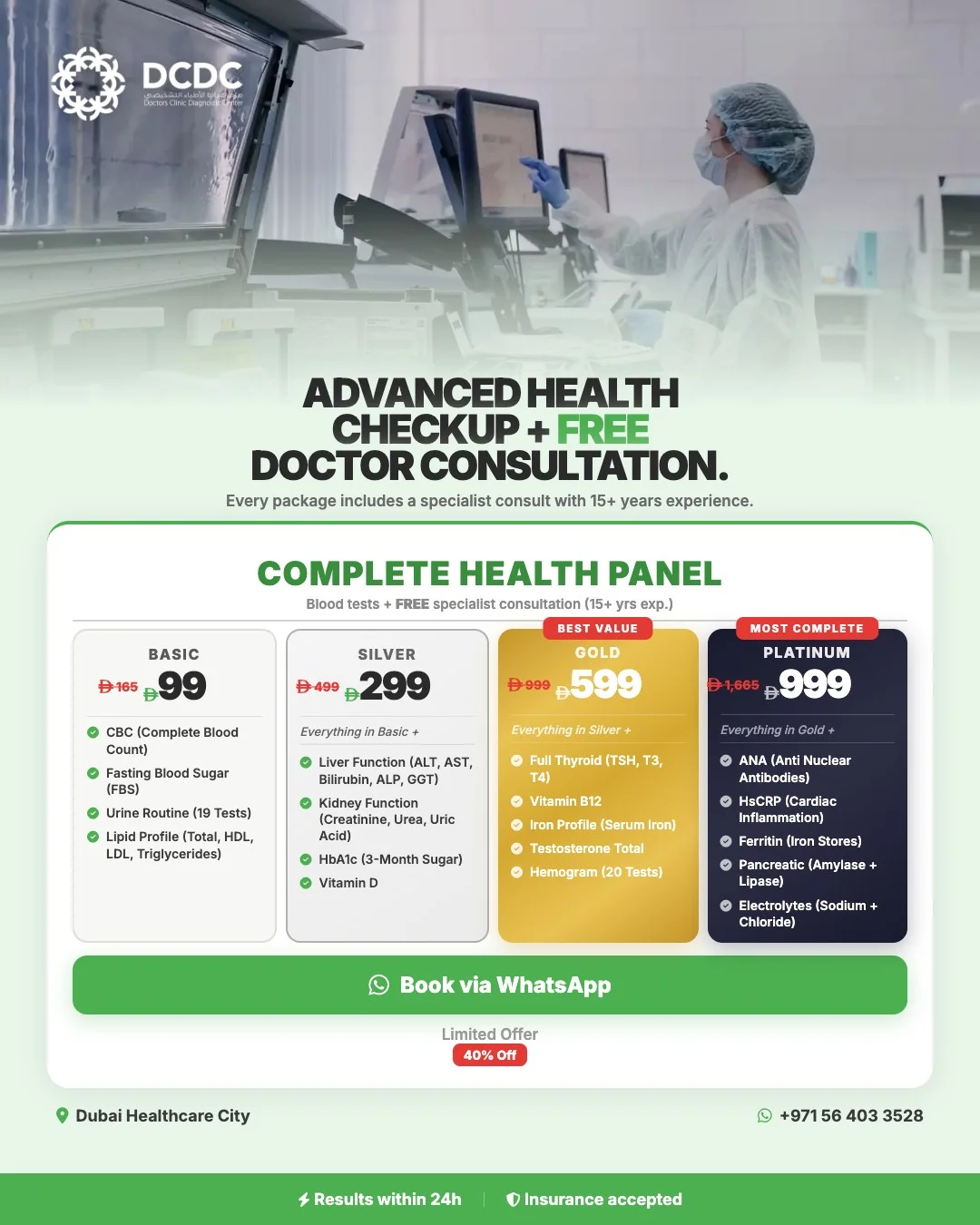
Health Screening Packages
Save with our bundled screening packages — specialist consultation included




How Headaches Are Classified
The International Headache Society's ICHD-3 classification divides headaches into two broad categories: primary and secondary. Primary headaches are conditions in their own right where the headache itself is the problem. They include tension-type headache, migraine, and cluster headache. Secondary headaches are symptoms of an underlying cause such as infection, head injury, vascular disorder, or tumour. Distinguishing between the two is the central goal of headache evaluation because secondary headaches, though far less common, may indicate life-threatening conditions that require immediate treatment.
According to Dr. Riad Trabulsi, a neurologist specialising in stroke care and neuropathy, "The vast majority of headaches I see in clinic are primary headaches, and they respond well to treatment. The critical skill is recognising the small percentage that are secondary — that is where a structured clinical assessment and, when necessary, brain imaging become essential."
Headache Types Comparison Table
The following table summarises the key features that distinguish the most common headache types. Accurate identification of your headache pattern helps your neurologist choose the most effective treatment.
| Headache Type | Pain Character | Location | Duration | Key Features |
|---|---|---|---|---|
| Tension-type | Pressing, tightening (band-like) | Both sides of head | 30 min to 7 days | No nausea, no aura, mild-to-moderate severity |
| Migraine without aura | Throbbing, pulsating | Usually one side | 4 to 72 hours | Nausea, vomiting, light and sound sensitivity, worsened by activity |
| Migraine with aura | Throbbing, pulsating | Usually one side | 4 to 72 hours | Visual disturbances, tingling, or speech difficulty 20-60 min before headache |
| Cluster headache | Excruciating, stabbing, boring | One side, around eye | 15 min to 3 hours | Tearing eye, runny nose, restlessness, occurs in clusters over weeks |
| Sinus headache | Deep, constant pressure | Forehead, cheeks, bridge of nose | Varies with infection | Worsens with bending forward, nasal congestion, facial tenderness |
| Medication-overuse | Dull, persistent | Both sides of head | Daily or near-daily | Caused by using acute painkillers more than 10-15 days per month |
| Thunderclap headache | Explosive, worst-ever pain | Any location | Peaks within 60 seconds | EMERGENCY — may indicate subarachnoid haemorrhage or aneurysm |
Adapted from the International Headache Society ICHD-3 classification. If you are unsure about your headache type, consult a neurologist for proper diagnosis.
Tension-Type Headache: The Most Common Headache
Tension-type headache (TTH) is the most prevalent headache disorder worldwide, affecting up to 80% of the population at some point. It produces a bilateral, pressing or tightening sensation often described as a band wrapped around the head. The pain is typically mild to moderate and does not worsen with routine physical activity. Unlike migraine, tension headache does not cause nausea, vomiting, or significant light sensitivity.
Episodic vs Chronic Tension Headache
Episodic tension headache occurs fewer than 15 days per month and is usually triggered by stress, poor posture, eye strain, inadequate sleep, or dehydration. Chronic tension headache occurs 15 or more days per month for at least three months and often requires preventive treatment. In Dubai's high-pressure corporate environment, chronic tension headache is particularly common among office workers who spend long hours at desks with poor ergonomics.
Treatment Approach
Occasional tension headaches respond well to simple analgesics such as ibuprofen or paracetamol, combined with stress reduction and adequate hydration. For chronic tension headache, your neurologist may prescribe low-dose amitriptyline as a preventive medication. Physiotherapy targeting neck and shoulder muscle tension, posture correction, and relaxation techniques are also highly effective. The key caution is to avoid daily painkiller use, which can paradoxically transform episodic headache into chronic medication-overuse headache.
Migraine: Far More Than a Bad Headache
Migraine is a complex neurological condition affecting approximately 15% of the global population. The World Health Organization ranks it among the top causes of years lived with disability. Migraine attacks last 4 to 72 hours and produce moderate-to-severe throbbing pain, usually on one side of the head, accompanied by nausea, vomiting, and extreme sensitivity to light and sound. Physical activity worsens the pain, often forcing sufferers to retreat to a dark, quiet room.
Migraine With and Without Aura
Approximately 25-30% of migraine sufferers experience aura — reversible neurological symptoms that precede or accompany the headache phase. Visual aura is most common and includes zigzag lines, flashing lights, blind spots, or shimmering disturbances. Sensory aura causes tingling or numbness that spreads gradually across the face or hand. Some patients experience speech difficulty during aura. These symptoms typically last 20 to 60 minutes and resolve completely. Migraine without aura, also called common migraine, accounts for 70-80% of cases.
Chronic Migraine
When headaches occur on 15 or more days per month for at least three months, with migraine features on at least 8 of those days, the diagnosis becomes chronic migraine. This is the most disabling form and qualifies for advanced treatments including Botox injections and CGRP inhibitor therapy. Chronic migraine often develops from episodic migraine, accelerated by medication overuse, stress, sleep disorders, or delayed specialist care. For a comprehensive overview of treatment options, see our complete migraine treatment guide.
Cluster Headache: The Most Painful Headache Type
Cluster headache is often described as the most severe pain a human can experience, sometimes called "suicide headache" because of its intensity. It produces excruciating stabbing or boring pain centred around or behind one eye, lasting 15 minutes to 3 hours. Unlike migraine sufferers who prefer to lie still, cluster headache patients become intensely restless — pacing, rocking, or pressing on the painful area.
Distinctive Features
Cluster headaches are always strictly one-sided and accompanied by autonomic symptoms on the same side: tearing of the eye, redness of the eye, nasal congestion or runny nose, drooping eyelid, pupil constriction, and facial sweating. Attacks occur in clusters lasting weeks to months (cluster periods), separated by remission periods that may last months to years. Attacks often follow a circadian pattern, striking at the same time each day, frequently waking patients from sleep.
Treatment
Acute cluster headache treatment requires fast-acting therapies: high-flow oxygen (12-15 litres per minute via non-rebreather mask) and subcutaneous sumatriptan injection are the two most effective options. Oral painkillers are too slow. Preventive treatment during cluster periods includes verapamil, short courses of corticosteroids, and in refractory cases, greater occipital nerve blocks. Cluster headache is frequently misdiagnosed as migraine or sinusitis, delaying effective treatment by years — making specialist neurological assessment essential.
Sinus Headache: Often Misdiagnosed
True sinus headache is caused by acute sinusitis — a bacterial or viral infection of the sinuses. It produces deep, constant pressure-like pain in the forehead, cheeks, or bridge of the nose that worsens when bending forward. It is always accompanied by signs of infection such as thick, discoloured nasal discharge, nasal congestion, fever, and facial tenderness.
However, research consistently shows that the majority of self-diagnosed sinus headaches are actually migraines. A landmark study found that 88% of patients with a self-diagnosis or prior medical diagnosis of sinus headache actually met the criteria for migraine. This is because migraine can cause nasal congestion, facial pressure, and even watery nasal discharge through trigeminal autonomic activation — mimicking sinus infection. If you have recurrent "sinus headaches" without fever or purulent discharge, migraine should be considered and a neurologist consulted.
Red Flags: When Headaches Are Dangerous
While the vast majority of headaches are primary and not life-threatening, certain warning signs — known as red flags — indicate that a headache may be caused by a serious underlying condition requiring urgent investigation. The SNOOP mnemonic, developed by headache specialists, provides a systematic framework for identifying dangerous headaches. If you experience any of the following, seek immediate medical attention.
- Thunderclap headache: A sudden, explosive headache reaching maximum intensity within 60 seconds. This is the single most alarming headache red flag. It may indicate subarachnoid haemorrhage from a ruptured brain aneurysm, cerebral venous sinus thrombosis, or other vascular emergencies. Call 998 (UAE ambulance) or go to the nearest emergency department immediately.
- Headache with fever, stiff neck, and confusion: This combination raises serious concern for meningitis (infection of the membranes surrounding the brain) or encephalitis (brain infection). It requires emergency evaluation, lumbar puncture, and intravenous antibiotics.
- Headache with neurological symptoms: Weakness or numbness on one side of the body, vision loss, double vision, slurred speech, difficulty understanding language, or loss of coordination during or after a headache may indicate stroke, brain tumour, or other structural pathology. See our stroke warning signs guide for the FAST recognition method.
- New headache pattern after age 50: A first-ever or fundamentally different headache developing after age 50 has a significantly higher likelihood of secondary causes including giant cell arteritis (which can cause permanent blindness if untreated), intracranial mass, or subdural haematoma.
- Progressive headache worsening over weeks: A headache pattern that is steadily increasing in frequency or severity, particularly if accompanied by morning vomiting or visual disturbances, may indicate raised intracranial pressure from a mass lesion or other expanding process.
- Headache after head trauma: Headaches developing after a head injury, especially if accompanied by confusion, drowsiness, repeated vomiting, or seizures, require urgent assessment to exclude intracranial bleeding.
- Headache with papilloedema: Swelling of the optic nerve seen on eye examination indicates raised intracranial pressure. This requires brain imaging and specialist evaluation without delay.
- Headache worse with coughing, straining, or position change: Headaches that dramatically worsen with Valsalva manoeuvres (coughing, sneezing, straining) or that change significantly with position (standing vs lying) may indicate structural abnormalities such as Chiari malformation or intracranial hypotension.
Dr. Riad Trabulsi emphasises: "The pattern matters more than the severity. A mild headache that is new, progressive, and associated with any neurological symptom can be far more concerning than a severe migraine attack that follows a familiar, established pattern. If something feels different from your usual headache, get it checked."
Dubai-Specific Headache Triggers
Living in Dubai introduces headache triggers that are uncommon in temperate climates. Understanding these environmental and lifestyle factors is essential for effective headache prevention in the UAE.
- Extreme heat and dehydration: Summer temperatures exceeding 45 degrees Celsius cause significant fluid loss through sweating, even during brief outdoor exposure. Dehydration is one of the most potent and easily preventable headache triggers. Dubai residents should aim for at least 2.5 to 3 litres of water daily during summer months. For more detail, see our guide to dehydration symptoms and treatment.
- Rapid temperature transitions: Moving between 45+ degree outdoor heat and 18-20 degree air-conditioned environments multiple times daily causes rapid blood vessel constriction and dilation in the head and face. This thermal shock is a migraine trigger unique to Gulf climates. Dressing in layers, avoiding extreme AC settings, and allowing gradual temperature adjustment can help.
- Ramadan fasting: During Ramadan, the combination of dehydration, caffeine withdrawal, hypoglycaemia, and disrupted sleep patterns creates a perfect storm for headache and migraine sufferers. Pre-dawn meals (suhoor) should include slow-release carbohydrates, protein, and maximum fluid intake. Patients with severe headaches during fasting should discuss options with their neurologist.
- Intense sunlight and glare: Dubai's powerful sunlight, reflected off sand, glass towers, and water, triggers photosensitive headaches and migraines. High-quality polarised sunglasses with wrap-around frames are essential. FL-41 tinted lenses can also help for indoor light sensitivity.
- Workplace stress: Dubai's demanding professional culture, long working hours, and fast-paced lifestyle contribute to high stress levels — the single most commonly reported migraine trigger, cited by over 70% of patients globally.
- Sandstorms and air quality: Periodic shamal winds and sandstorms reduce air quality and can trigger headaches in sensitive individuals, particularly those with sinus involvement. Monitoring air quality alerts and staying indoors during dust events is advisable.
How Headaches Are Diagnosed
Headache diagnosis is primarily clinical — meaning it relies on a detailed history and neurological examination rather than blood tests or scans. Your neurologist will ask about the pattern, location, character, duration, frequency, severity, associated symptoms, triggers, and response to previous medications. This structured approach allows accurate classification of the headache type in the vast majority of cases.
When Brain Imaging Is Needed
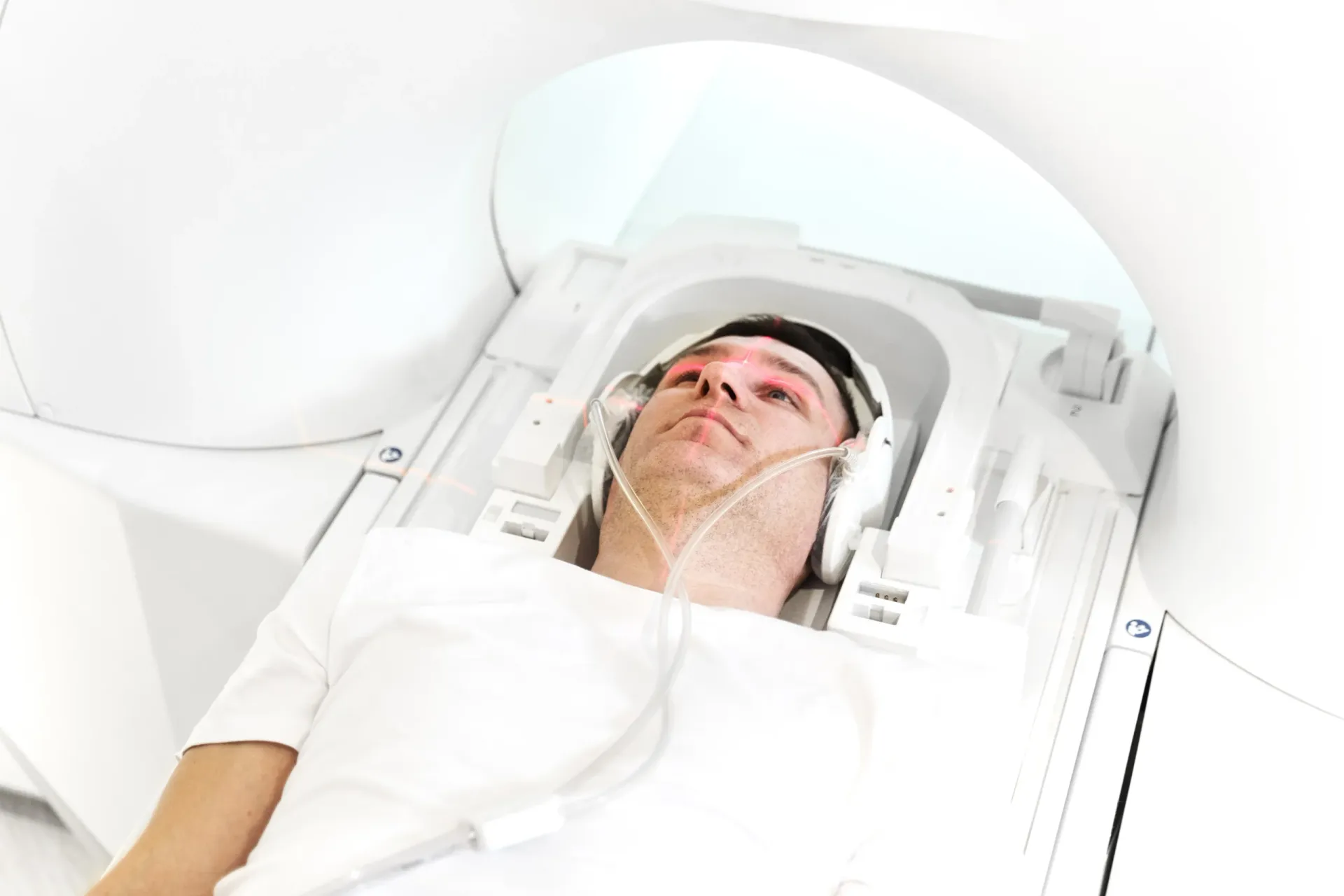
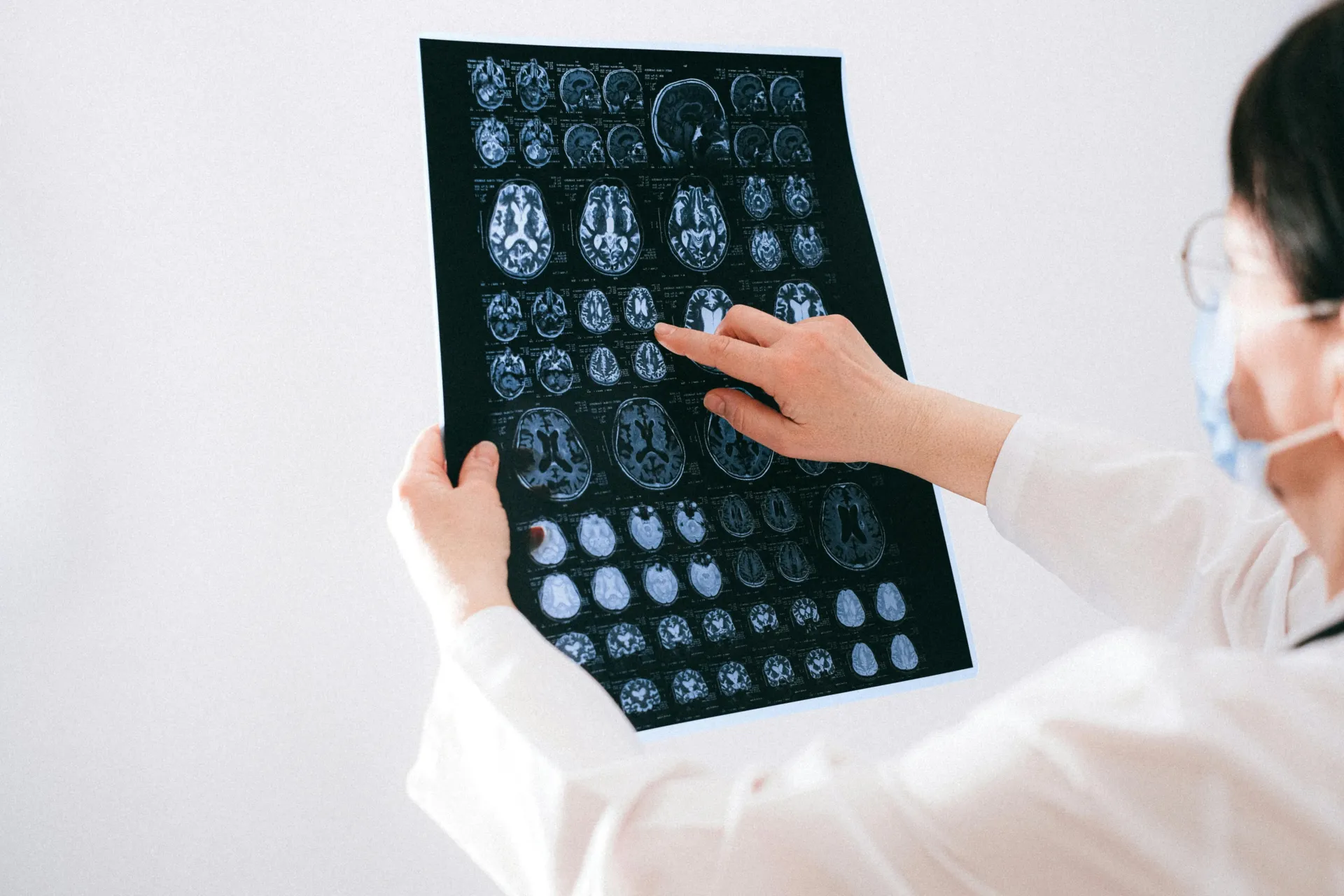
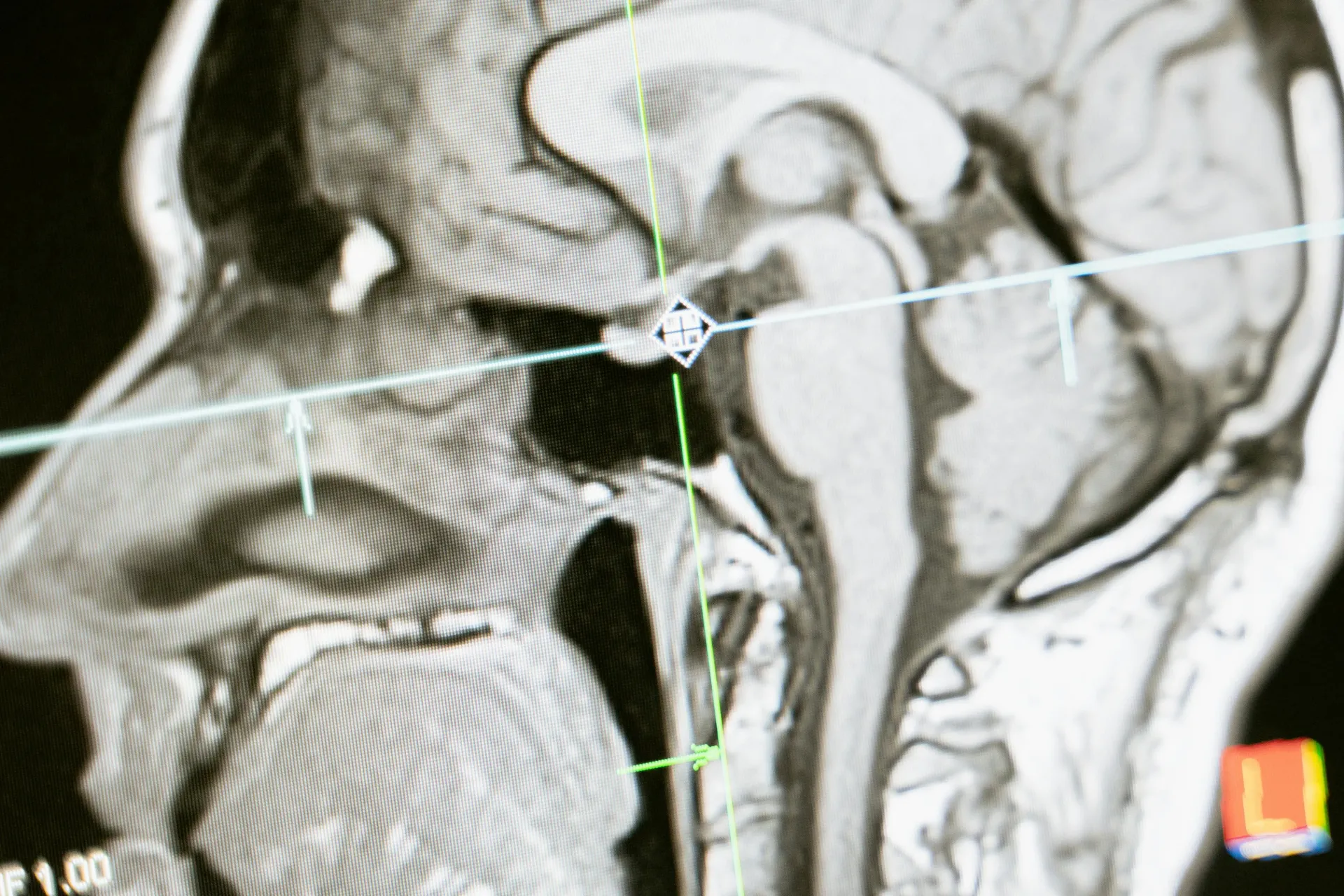
Brain MRI is not needed for every headache patient. However, it is recommended when red flag features are present, when the headache pattern changes fundamentally, when neurological examination reveals abnormalities, or when the headache does not respond to appropriate treatment. MRI is the preferred imaging modality for headache investigation because it provides superior detail of brain tissue, blood vessels, and surrounding structures without radiation exposure. At DCDC, brain MRI is performed on a Siemens 1.5T wide-bore scanner with neuroradiologist interpretation, providing detailed assessment of brain structures. For a full overview, read our guide on when you need an MRI for headaches.
Additional Investigations
Depending on the clinical scenario, your neurologist may also order blood tests (inflammatory markers, thyroid function, full blood count), CT angiography for vascular concerns, or lumbar puncture if meningitis or raised intracranial pressure is suspected. Electroencephalography (EEG) may be indicated if seizures are part of the presentation.
Worried About Your Headache? Get Expert Assessment at DCDC
At Doctors Clinic Diagnostic Center, our neurology team provides same-day appointments for severe headaches. With on-site brain MRI and a full range of headache treatment options, we deliver rapid diagnosis and relief.
Walk-ins welcome. 20+ insurance partners with direct billing.
Headache Treatment Options
Effective headache treatment depends on accurate diagnosis. What works for tension headache may not help migraine, and what relieves migraine may be ineffective for cluster headache. Below is an overview of the main treatment approaches for each headache type.
Acute (Immediate Relief) Treatment
- Tension headache: Simple analgesics such as ibuprofen (400 mg) or paracetamol (1000 mg) taken early in the attack. Avoid codeine-containing combination products due to medication-overuse risk.
- Migraine: Triptans (sumatriptan, rizatriptan) are the gold-standard acute migraine treatment, effective in approximately 60-70% of patients. Anti-nausea medication (metoclopramide) improves drug absorption and relieves vomiting. Newer options include gepants (rimegepant) and ditans (lasmiditan) for patients who cannot take triptans.
- Cluster headache: High-flow oxygen (12-15 L/min via non-rebreather mask) and subcutaneous sumatriptan injection. Oral painkillers are too slow to help during a cluster attack.
- Sinus headache: Antibiotics for confirmed bacterial sinusitis, nasal decongestants, saline irrigation, and anti-inflammatory pain relief.
Preventive (Long-Term) Treatment
Preventive medication is recommended when headaches occur 4 or more days per month, when attacks are severely disabling, or when acute treatments are being used excessively. Options include beta-blockers (propranolol), anti-epileptics (topiramate), tricyclic antidepressants (amitriptyline), CGRP inhibitors (erenumab, fremanezumab), and Botox for chronic migraine. Verapamil is the first-line preventive for cluster headache. Your neurologist tailors the choice based on your headache type, coexisting conditions, and personal preferences.
What to Expect at DCDC
If you visit Doctors Clinic Diagnostic Center (DCDC) in Dubai Healthcare City for headache evaluation, here is what the process typically involves.
- Booking: Call, WhatsApp, or book online. Same-day appointments are available for severe or concerning headaches. DCDC is located in Building 64, Block A, Al Razi Medical Complex, Dubai Healthcare City — just 10 minutes from Downtown Dubai with free parking.
- Headache history intake: Your neurologist will take a detailed history covering headache pattern, frequency, duration, triggers, associated symptoms, medication history, and impact on daily life. Bringing a headache diary — even a few weeks of notes on your phone — significantly improves this process.
- Neurological examination: A structured examination of cranial nerves, motor function, sensation, coordination, reflexes, and fundoscopy (examination of the back of the eyes) to check for any signs of underlying neurological disease.
- Brain MRI if indicated: When red flags are identified or when the clinical picture warrants imaging, brain MRI can be performed on-site the same day using our Siemens 1.5T wide-bore MRI scanner. The wide-bore design is more comfortable for patients who are anxious or claustrophobic. All brain MRIs receive subspecialty neuroradiologist interpretation with results available within 18-24 hours, same-day for urgent cases. For more on what brain MRI detects, see our brain MRI guide.
- Diagnosis and treatment plan: Based on history, examination, and any imaging results, your neurologist provides a clear diagnosis and personalised treatment plan. This may include acute medication, preventive medication, lifestyle modification advice, referral to physiotherapy, or scheduled follow-up to monitor treatment response.
- Insurance and billing: DCDC works with 20+ insurance partners including Daman, AXA, Bupa, MetLife, and Cigna with direct billing. The insurance team assists with any pre-authorisation requirements for imaging or advanced treatments.
A neurology consultation at DCDC costs from AED 250-500. Brain MRI costs from AED 900. DCDC is open Saturday to Thursday 8 AM to 10 PM and Friday 9 AM to 9 PM. Average wait time is 15 minutes. With a 4.8/5 Google rating from over 1,000 verified reviews and 98% patient satisfaction, DCDC provides trusted, MOHAP-licensed (License No. NIMY7VY5-240925) neurological care.
Headache Prevention Tips
Regardless of headache type, evidence-based lifestyle modifications can significantly reduce headache frequency and severity. These strategies are not optional extras — they form the foundation of every effective headache management plan.
- Stay hydrated: Drink at least 2.5 to 3 litres of water daily, more during summer months and outdoor activity. Set hourly reminders if necessary. Dehydration is one of the most easily correctable headache triggers in Dubai.
- Maintain regular sleep: Go to bed and wake up at the same time every day, including weekends. Aim for 7 to 8 hours. Both sleep deprivation and oversleeping are established headache triggers.
- Exercise regularly: Moderate aerobic exercise for 30 minutes, 3 to 5 times per week has been shown in clinical trials to reduce migraine frequency as effectively as some preventive medications. Exercise indoors or during cooler hours in Dubai's summer.
- Manage stress actively: Incorporate evidence-based stress management techniques such as mindfulness meditation, progressive muscle relaxation, or cognitive behavioural therapy. Schedule regular breaks during the work day.
- Eat regular meals: Never skip meals. Low blood sugar is a potent headache trigger. During Ramadan, suhoor should include slow-release carbohydrates and adequate protein to sustain energy levels.
- Limit screen time and improve ergonomics: Follow the 20-20-20 rule — every 20 minutes, look at something 20 feet away for 20 seconds. Ensure your monitor is at eye level, use appropriate lighting, and consider blue-light filtering glasses.
- Avoid medication overuse: Do not use acute headache medications on more than 10 to 15 days per month. Overuse of painkillers — including over-the-counter options — is a leading cause of chronic daily headache and is entirely preventable.
- Keep a headache diary: Record date, time, duration, severity (1-10), location, associated symptoms, potential triggers, and medication response. This data is invaluable for your neurologist in guiding treatment decisions.
Headaches in Special Populations
Headaches in Children
Approximately 10% of school-age children experience migraines, but childhood headaches often differ from adult patterns. Paediatric migraines tend to be shorter (sometimes as brief as 1 to 2 hours), bilateral rather than one-sided, and may feature prominent abdominal symptoms including nausea and vomiting. A child who frequently complains of headaches, misses school due to headaches, or experiences any neurological symptoms should be evaluated by a neurologist.
Headaches During Pregnancy
Many women experience changes in headache patterns during pregnancy. Migraines often improve during the second and third trimesters due to stable oestrogen levels. However, new-onset headache during pregnancy, particularly with high blood pressure, visual disturbances, or swelling, requires urgent evaluation to exclude pre-eclampsia. Treatment options are more limited during pregnancy, making neurological guidance particularly important.
Headaches After Age 50
New headaches developing after age 50 deserve careful evaluation. The differential diagnosis broadens to include giant cell arteritis (temporal arteritis), which requires urgent steroid treatment to prevent permanent vision loss, as well as intracranial mass lesions, medication side effects, and cervicogenic headache. An ESR blood test and temporal artery assessment are often part of the initial workup.
Book Your Headache Consultation at DCDC
Do not let headaches control your life. Our neurology team at Doctors Clinic Diagnostic Center in Dubai Healthcare City provides expert headache diagnosis with on-site brain MRI when needed. Neurology consultation from AED 250-500.
Open Sat-Thu 8 AM-10:30 PM, Fri 9 AM-10 PM. Direct billing with 20+ insurers.
Medication-Overuse Headache: A Hidden Epidemic
Medication-overuse headache (MOH) is one of the most common yet under-recognised headache disorders. It develops when acute headache medications — including over-the-counter painkillers like paracetamol, ibuprofen, and combination analgesics, as well as prescription triptans — are used on more than 10 to 15 days per month for three or more months. The medications that initially provided relief paradoxically begin to cause more frequent, daily or near-daily headaches.
MOH affects approximately 1-2% of the general population and up to 50% of patients presenting to headache clinics with chronic daily headache. The treatment involves gradual withdrawal of the offending medications under medical supervision, often with a bridging preventive medication to manage the withdrawal period. Recovery typically takes 2 to 3 months, after which headache frequency returns to its original episodic pattern. This is one of the most important reasons to consult a neurologist rather than self-medicating for frequent headaches.
DCDC میں متعلقہ خدمات
دبئی ہیلتھ کیئر سٹی میں ماہرانہ دیکھ بھال اور جدید تشخیص
Frequently Asked Questions
Final Thoughts
Most headaches are not dangerous, but knowing the difference between a routine headache and a medical emergency can be life-saving. Tension headaches, migraines, and cluster headaches are all treatable conditions, and with accurate diagnosis and the right treatment plan, the vast majority of headache sufferers can achieve significant improvement in their quality of life. The key is not to normalise persistent headaches or to rely indefinitely on over-the-counter painkillers — both habits delay effective treatment and can lead to medication-overuse headache.
At Doctors Clinic Diagnostic Center in Dubai Healthcare City, our neurology team provides comprehensive headache evaluation and treatment — from clinical assessment through advanced brain imaging and personalised treatment plans. Whether your headache is a minor nuisance or a source of genuine concern, specialist assessment gives you answers and a clear path forward. Contact us to book your consultation.
ذرائع اور حوالہ جات
یہ مضمون ہماری طبی ٹیم نے جائزہ لیا ہے اور درج ذیل ذرائع کا حوالہ دیتا ہے:
- Global Burden of Disease Study 2023 — Headache Disorders (The Lancet Neurology)
- International Headache Society — ICHD-3 Classification
- Mayo Clinic — Headache Types
- NHS — Headache Red Flags and When to Get Help
- Cleveland Clinic — Migraine: Types, Symptoms, Causes, Treatment
- World Health Organization — Headache Disorders Fact Sheet
- SNOOP Red Flags for Secondary Headache (Neurology Journal, PMC)
اس سائٹ پر طبی مواد کا جائزہ DHA لائسنس یافتہ ڈاکٹرز نے لیا ہے۔ ہماری دیکھیں تحریری پالیسی مزید معلومات کے لیے۔
تحریر
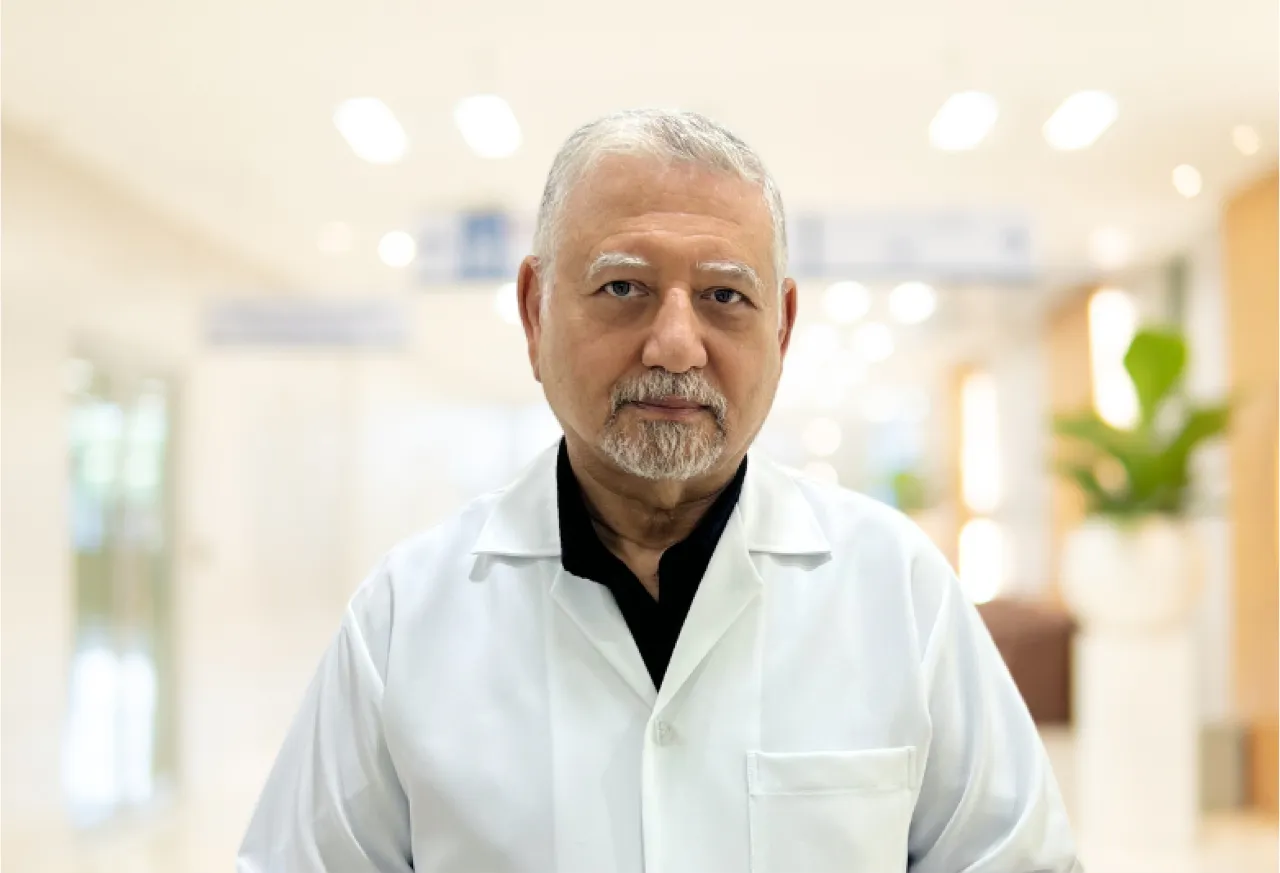
Dr. Riad Trabulsi
Neurologist
MD, Neurology
Dr. Riad Trabulsi is a Neurologist at Doctors Clinic Diagnostic Center (DCDC) in Dubai Healthcare City.
Related Articles

Migraine Treatment Dubai: Relief & Prevention (2026)
MRI for Headaches: When You Need a Brain Scan (2026)
Brain MRI Dubai: What It Detects & Cost (2026)
Best Neurologist Dubai: Brain & Nerve Specialist (2026)
Stroke Warning Signs Dubai: FAST Guide (2026)
More in General Health

Post-Surgical Care at Home Dubai: Guide (2026)
مزید پڑھیں
Corporate Wellness Dubai: Programs & Cost (2026)
مزید پڑھیں
Pre Employment Medical Test Dubai: Cost (2026)
مزید پڑھیں
Bronchitis Treatment Dubai: Symptoms & Care (2026)
مزید پڑھیں
Wound Care at Home Dubai: Full Guide (2026)
مزید پڑھیں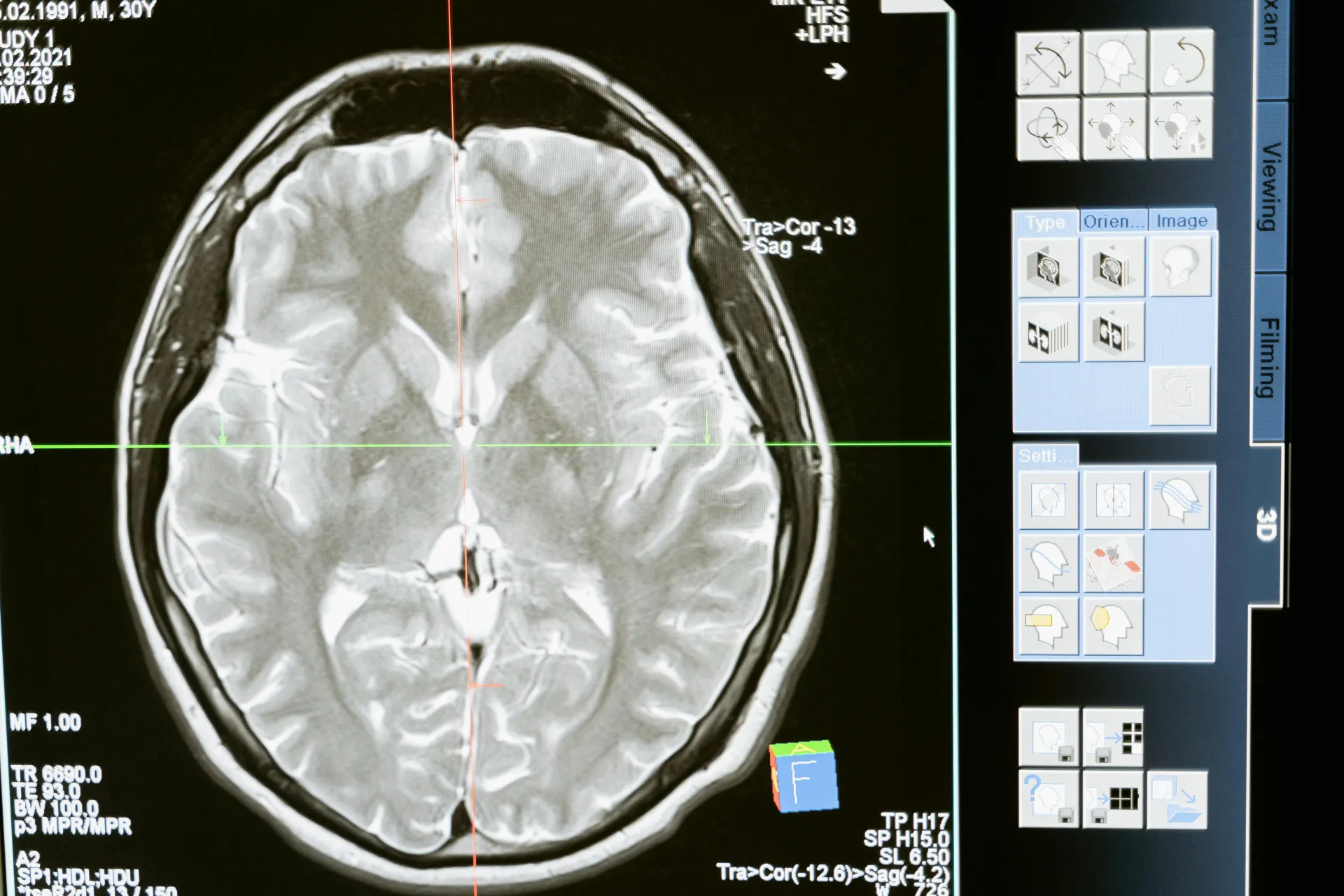
Dizziness Causes Dubai: When to Get Checked (2026)
مزید پڑھیں© 2026 Doctors Clinic Diagnostic Center (DCDC), Dubai Healthcare City. Originally published at https://doctorsclinicdubai.ae/blog/headache-types-when-to-worry-dubai. All rights reserved. Unauthorized reproduction is prohibited.