اہم نکات
- HbA1c test costs from AED 149 at DCDC Dubai Healthcare City, with same-day results from NGSP-certified analyzers — the gold standard for monitoring average blood sugar over 2–3 months
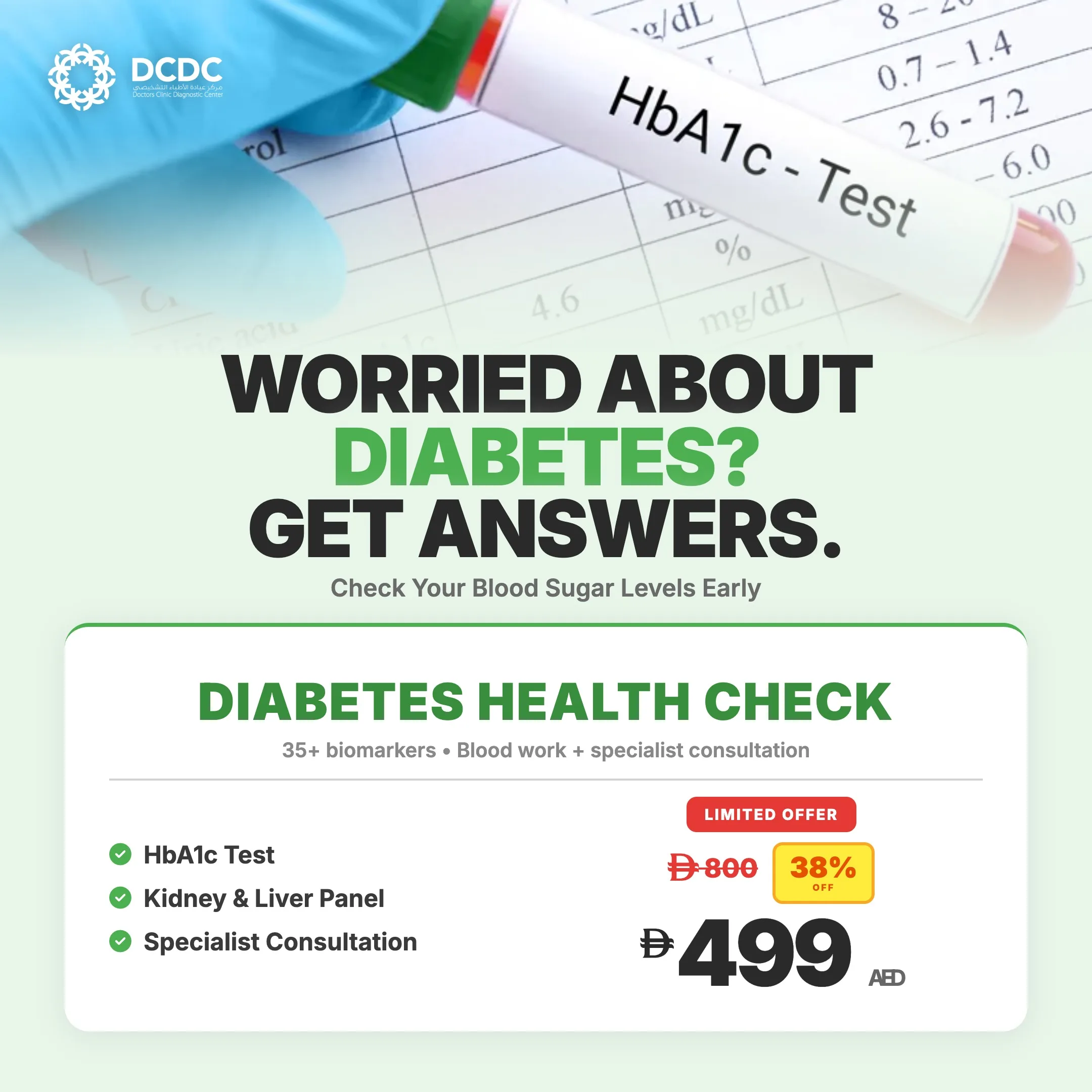
- Comprehensive diabetes screening packages start from AED 399 and include HbA1c, fasting glucose, lipid profile, and kidney function markers in a single blood draw
- The UAE has one of the highest diabetes prevalence rates globally at 16.3% of the adult population — early screening can detect prediabetes years before symptoms appear
- Insurance covers diabetes testing when ordered by a physician — DCDC partners with 20+ insurers including Daman, AXA, Bupa, MetLife, and Cigna with direct billing
- DCDC offers on-site sample collection with same-day results for routine tests, plus a direct pathway to diabetes specialists and nutritionists for comprehensive management
- Fasting is only required for the fasting glucose test (8–12 hours) and the OGTT — the HbA1c test requires no fasting and can be done at any time of day
If you are searching for the cost of a diabetes test in Dubai, the short answer is that an HbA1c test starts from AED 149 and a full diabetes screening panel starts from AED 399 at DCDC in Dubai Healthcare City. With the UAE reporting a diabetes prevalence of 16.3% among adults — nearly double the global average — knowing your blood sugar status is not optional, it is essential. This guide breaks down every diabetes test available in Dubai, what each one costs, what it measures, and how to get tested with same-day results.
Whether you need a routine HbA1c check, a fasting blood glucose test, or a comprehensive oral glucose tolerance test (OGTT), the pricing and preparation requirements differ significantly. We cover all of it below — including insurance coverage, what to expect during your visit, how to interpret your results, and when you should be tested based on your age and risk factors. DCDC's MOHAP-licensed laboratory (License No. NIMY7VY5-240925) uses NGSP-certified HbA1c analyzers to ensure clinical-grade accuracy for every result.
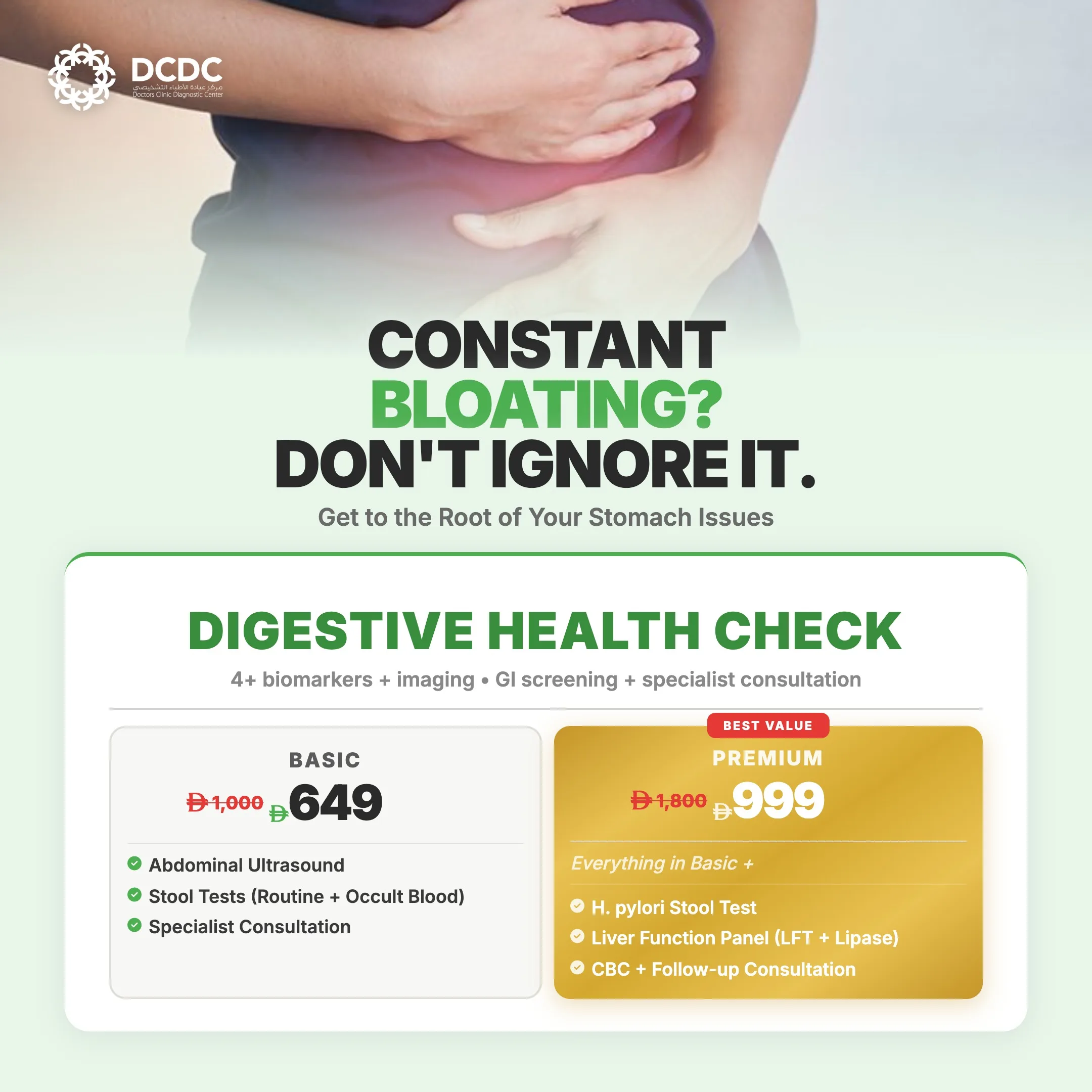
Health Screening Packages
Save with our bundled screening packages — specialist consultation included


Diabetes Test Cost Dubai: Full Pricing Breakdown (2026)
Diabetes test pricing in Dubai depends on the specific test ordered, whether it is a standalone test or part of a panel, and whether you are paying through insurance or out of pocket. Below is a comprehensive pricing breakdown of all diabetes-related blood tests available at DCDC Dubai Healthcare City. All prices reflect self-pay rates — insured patients typically pay only their co-pay amount (10–20%).
| Diabetes Test | Price Range (AED) | Fasting Required | Results Timeline |
|---|---|---|---|
| HbA1c (Glycated Haemoglobin) | From AED 149 | No | Same day |
| Fasting Blood Glucose | AED 50–100 | Yes (8–12 hours) | Same day |
| Random Blood Glucose | AED 50–80 | No | Same day |
| OGTT (Oral Glucose Tolerance Test) | AED 200–350 | Yes (8–12 hours) | Same day |
| Fasting Insulin | AED 150–250 | Yes (8–12 hours) | Same day |
| HOMA-IR (Insulin Resistance Index) | AED 200–350 | Yes (8–12 hours) | Same day |
| Diabetes Screening Panel (HbA1c + Fasting Glucose + Lipids + Kidney) | From AED 399 | Yes (8–12 hours) | Same day |
| Comprehensive Diabetes Panel (All above + Insulin + Microalbumin + Liver) | AED 600–900 | Yes (8–12 hours) | Same day |
Prices are approximate self-pay rates at DCDC Dubai Healthcare City. Insured patients pay co-pay only. Contact DCDC for current pricing.
DCDC offers both individual tests and bundled panels. If your doctor has recommended a specific test, you can order it individually. However, if you are screening for the first time or managing existing diabetes, a panel offers better value because it assesses multiple risk markers — blood sugar, cholesterol, kidney function, and liver enzymes — in a single blood draw.
What Diabetes Tests Are Available in Dubai
Several blood tests are used to diagnose, screen for, and monitor diabetes. Each measures a different aspect of how your body processes glucose. Understanding what each test does helps you discuss the right testing strategy with your doctor and ensures you are not paying for tests you do not need.
- HbA1c (Glycated Haemoglobin): Measures your average blood sugar over the past 2–3 months. Does not require fasting. The gold standard for diabetes diagnosis and monitoring. An HbA1c of 6.5% or higher indicates diabetes; 5.7–6.4% indicates prediabetes
- Fasting Blood Glucose (FBG): Measures blood sugar after 8–12 hours of fasting. A result of 126 mg/dL or higher on two separate tests indicates diabetes. Results between 100–125 mg/dL suggest prediabetes
- Random Blood Glucose: Measures blood sugar at any time of day, regardless of when you last ate. Useful for urgent screening. A result of 200 mg/dL or higher, combined with symptoms, suggests diabetes
- OGTT (Oral Glucose Tolerance Test): A two-hour test where you drink a 75g glucose solution and blood sugar is measured at intervals. The most sensitive test for gestational diabetes and impaired glucose tolerance. A two-hour result of 200 mg/dL or higher indicates diabetes
- Fasting Insulin: Measures the level of insulin in your blood after fasting. High fasting insulin with normal glucose suggests early insulin resistance — a precursor to type 2 diabetes that standard glucose tests may miss
- HOMA-IR (Insulin Resistance Index): Calculated from fasting glucose and fasting insulin levels. Quantifies the degree of insulin resistance and is increasingly used to identify metabolic syndrome and prediabetes risk
Your doctor will recommend specific tests based on your symptoms, risk factors, age, and whether you are being screened for the first time or monitoring an existing condition. At DCDC, our laboratory runs all these tests on site with same-day turnaround for routine panels.
HbA1c Test: The Gold Standard for Diabetes Screening
The HbA1c test — also called the glycated haemoglobin or A1c test — has become the most widely used diagnostic and monitoring tool for diabetes worldwide. Unlike a fasting glucose test that captures a single snapshot of your blood sugar at one moment, the HbA1c reflects your average blood glucose over the previous 2–3 months. This is because it measures the percentage of haemoglobin (the oxygen-carrying protein in red blood cells) that has glucose molecules attached to it. Since red blood cells live for approximately 120 days, the HbA1c provides a reliable medium-term picture of glycaemic control.
At DCDC, HbA1c testing starts from AED 149 and is performed using NGSP-certified (National Glycohemoglobin Standardization Program) analyzers. NGSP certification is the international gold standard for HbA1c accuracy and ensures that your results are comparable to the reference values used in major clinical trials like the DCCT (Diabetes Control and Complications Trial) and UKPDS (UK Prospective Diabetes Study). This matters because even small differences in HbA1c measurement — as little as 0.3% — can change clinical decisions about medication adjustment.
One of the biggest advantages of HbA1c is convenience: no fasting is required. You can walk into DCDC at any time during operating hours (Saturday–Thursday 8AM–10PM, Friday 9AM–9PM), have your blood drawn, and receive results the same day. This eliminates the need to schedule early-morning appointments and skip breakfast, which is particularly valuable for patients with busy schedules, those who work shifts, or elderly patients for whom prolonged fasting can be difficult.
| HbA1c Result | Interpretation | Recommended Next Steps |
|---|---|---|
| Below 5.7% | Normal | Retest in 3 years (or annually if risk factors present) |
| 5.7% – 6.4% | Prediabetes | Lifestyle changes, retest in 6–12 months, consider metformin if high risk |
| 6.5% or above | Diabetes | Confirm with repeat test, begin treatment plan with doctor |
| Below 7.0% (known diabetic) | Well-controlled diabetes | Continue current management, retest every 3 months |
| Above 9.0% (known diabetic) | Poorly controlled diabetes | Urgent medication review, specialist referral recommended |
HbA1c interpretation based on ADA (American Diabetes Association) guidelines.
Fasting Blood Glucose Test Cost and Purpose
The fasting blood glucose (FBG) test is the most traditional and widely available diabetes test. It costs between AED 50–100 in Dubai and requires you to fast for 8–12 hours before the blood draw — typically meaning an overnight fast with the test done first thing in the morning. The test measures the concentration of glucose in your blood in a fasting state, which reflects your body's baseline ability to regulate blood sugar without the influence of recent meals.
While the FBG test is cheaper than an HbA1c, it has limitations. A single fasting glucose result can be influenced by stress, illness, sleep quality, medications, and even what you ate the evening before. This is why medical guidelines recommend confirming an abnormal fasting glucose result with a repeat test or an HbA1c. For comprehensive guidance on managing your blood sugar long-term, see our detailed guide on diabetes management in Dubai.
According to Dr. Hadeel Elnur, "Many patients are surprised to learn that a simple HbA1c test can reveal months of blood sugar history. As a first point of contact at DCDC, I coordinate diabetes screening with our lab and internal medicine team so patients get a complete picture in a single visit — from the initial blood draw to specialist consultation if needed."
- Normal: Below 100 mg/dL (5.6 mmol/L) — no diabetes, retest based on risk factors
- Prediabetes (Impaired Fasting Glucose): 100–125 mg/dL (5.6–6.9 mmol/L) — increased risk, lifestyle changes recommended
- Diabetes: 126 mg/dL (7.0 mmol/L) or higher on two separate tests — diagnostic of diabetes
OGTT (Oral Glucose Tolerance Test) Cost in Dubai
The oral glucose tolerance test (OGTT) costs between AED 200–350 in Dubai and is the most comprehensive single test for evaluating how your body handles glucose. It is the preferred test for diagnosing gestational diabetes (diabetes during pregnancy) and is also used when HbA1c and fasting glucose results are borderline or conflicting.
The OGTT requires 8–12 hours of fasting. At the clinic, a baseline (fasting) blood sample is drawn first. You then drink a standardized 75-gram glucose solution (a very sweet drink). Blood samples are collected at one-hour and two-hour intervals after drinking the solution. The test takes approximately 2–2.5 hours in total, during which you must remain at the clinic. At DCDC, we ensure patient comfort during the wait with a dedicated phlebotomy area and timely sample collection to minimize delays.
The OGTT is particularly important for pregnant women between 24–28 weeks of gestation, where gestational diabetes screening is standard practice. It is also valuable for patients with symptoms of diabetes but normal fasting glucose — the OGTT can unmask impaired glucose tolerance that fasting tests alone would miss. Approximately 30% of diabetes cases would be missed if only fasting glucose were used for screening, according to World Health Organization data.
Diabetes Panel vs Individual Tests: Which Is Better Value?
A common question from patients is whether to order individual tests or opt for a comprehensive diabetes panel. The answer depends on your situation — first-time screening, monitoring an existing condition, or investigating specific symptoms. Here is a direct comparison of testing approaches and their approximate costs.
| Testing Approach | Tests Included | Approximate Cost (AED) | Best For |
|---|---|---|---|
| HbA1c only | Glycated haemoglobin | From 149 | Quick diabetes check, monitoring known diabetes |
| FBG + HbA1c | Fasting glucose + HbA1c | 200–250 | Initial screening with two complementary markers |
| Diabetes Screening Panel | HbA1c + FBG + Lipid profile + Kidney function | From 399 | First-time screening, annual check, family history of diabetes |
| Comprehensive Diabetes Panel | All above + Fasting insulin + HOMA-IR + Microalbumin + Liver function | 600–900 | Suspected insulin resistance, PCOS, metabolic syndrome, existing diabetics |
| OGTT + HbA1c | Oral glucose tolerance + HbA1c | 350–500 | Gestational diabetes screening, borderline results |
Panel pricing at DCDC offers better value than ordering each test individually.
For most patients being screened for the first time, the diabetes screening panel from AED 399 offers the best value. It captures your average blood sugar (HbA1c), current fasting level, cholesterol profile (which is closely linked to diabetes and cardiovascular risk), and kidney function (since diabetes is the leading cause of chronic kidney disease). Ordering these tests individually would cost significantly more. If you are managing existing diabetes, your endocrinologist may request the comprehensive panel, which adds insulin resistance markers and microalbumin to detect early kidney damage.
Factors That Affect Diabetes Test Cost in Dubai
Several variables influence what you will pay for diabetes testing in Dubai. Understanding these factors helps you compare pricing accurately across facilities and avoid unexpected charges. For a broader overview of laboratory testing pricing, see our complete guide to blood tests in Dubai.
- Type of test: A simple fasting glucose costs AED 50–100, while a comprehensive panel with multiple markers costs AED 600–900. The more biomarkers included, the higher the cost
- Facility type: Large hospital laboratories in Dubai typically charge 30–50% more than standalone diagnostic centers and clinics. DCDC offers hospital-grade testing with competitive clinic pricing in Dubai Healthcare City
- Individual vs panel pricing: Ordering a bundled panel is almost always cheaper than requesting each test separately. The diabetes screening panel from AED 399 at DCDC includes four test groups that would cost more if ordered individually
- Insurance vs self-pay: Insured patients with a doctor's referral pay only their co-pay (typically 10–20% of the total cost). Self-pay patients pay the full rate but benefit from transparent upfront pricing with no hidden charges
- Add-on tests: Your doctor may recommend additional tests alongside diabetes markers — such as a thyroid panel, vitamin D, or inflammatory markers — which increase the overall cost but provide a more complete health picture
- Urgency of results: Routine results are available same-day at DCDC. Some facilities charge extra for expedited reporting, but DCDC includes same-day results as standard for all routine blood work
Does Insurance Cover Diabetes Testing in Dubai?
Yes — diabetes testing is covered by the vast majority of health insurance plans in Dubai when it is ordered by a licensed physician and supported by a clinical indication. Dubai's mandatory health insurance framework requires all basic plans to cover essential diagnostic services, and diabetes screening falls squarely within that scope given the UAE's high prevalence rates.
DCDC partners with 20+ insurance providers and offers direct billing, meaning you do not need to pay upfront and file a claim later. Our front desk team verifies your coverage and obtains any required pre-authorization before your blood draw. Major insurers accepted include Daman, AXA, Bupa, MetLife, Cigna, Oman Insurance, Orient, Arabia, Mednet, and NGI, among others.
For self-pay patients, DCDC provides transparent pricing with no hidden fees. You will know the exact cost before any blood is drawn. Many patients choose to self-pay for screening panels even when they have insurance — especially when they want comprehensive testing without the referral process. Self-pay diabetes screening from AED 399 is often less than the co-pay for multiple specialist visits required to get the same tests through insurance.
Check Your Diabetes Test Coverage
Contact DCDC to verify your insurance coverage for diabetes testing. Direct billing with 20+ insurance partners. Walk-ins welcome.
Self-pay pricing from AED 149 for HbA1c
What to Expect at DCDC for Diabetes Testing
Knowing what to expect before your visit reduces anxiety and ensures you prepare correctly. Here is the step-by-step patient journey for diabetes testing at DCDC Dubai Healthcare City — from arrival to results.
- Step 1 — Book or walk in: You can book an appointment by phone, WhatsApp, or our online booking system. Walk-ins are also welcome during operating hours (Sat–Thu 8AM–10PM, Fri 9AM–9PM). If your test requires fasting, schedule an early morning slot for convenience
- Step 2 — Registration and insurance verification: On arrival at Building 64, Block A, Al Razi Medical Complex in DHCC (free parking available), our reception team registers you, verifies your insurance, and confirms the tests ordered. The process takes approximately 5 minutes
- Step 3 — Blood collection: Our experienced phlebotomy team collects your sample on site. For most diabetes tests, a single venous blood draw is sufficient. The HbA1c and fasting glucose can often be drawn from the same tube. If you are having an OGTT, you will drink the glucose solution after the fasting sample and wait at the clinic for subsequent draws at 1 hour and 2 hours
- Step 4 — On-site analysis: Your samples are processed in DCDC's on-site MOHAP-licensed laboratory using NGSP-certified HbA1c analyzers and automated chemistry platforms. On-site processing eliminates courier delays and reduces the chance of sample degradation
- Step 5 — Same-day results: Routine results — including HbA1c, fasting glucose, lipid profile, and kidney function — are available the same day. You receive your results digitally and can discuss them with your doctor during a follow-up consultation
- Step 6 — Doctor review and next steps: If your results indicate prediabetes or diabetes, DCDC offers a direct pathway to our internal medicine specialists, endocrinologists, and clinical nutritionists — all within the same facility. You can often see a specialist on the same day or within 24–48 hours, avoiding the weeks-long waiting times common at large hospitals
The entire process — from registration to blood draw — takes approximately 15–20 minutes for standard tests (longer for OGTT). DCDC's integrated model means your GP, lab, and specialists are all under one roof, which is particularly valuable for diabetes patients who benefit from coordinated multidisciplinary care. With a 4.8/5 Google rating from over 1,000 patient reviews and 98% patient satisfaction, our team consistently delivers a seamless, patient-first experience.
How Often Should You Get Tested for Diabetes
Screening frequency depends on your age, risk factors, and whether you have already been diagnosed with prediabetes or diabetes. The American Diabetes Association (ADA) and the UAE's national screening guidelines recommend the following schedule.
- Adults 35 and older: Screen every 3 years if no risk factors. The ADA lowered the screening age from 45 to 35 in 2022 to catch prediabetes earlier
- Overweight or obese adults (any age): Screen annually, especially with one or more additional risk factors such as family history, physical inactivity, high blood pressure, or history of gestational diabetes
- UAE/Middle Eastern heritage: Screen from age 30 or earlier. High-risk ethnic groups have a significantly elevated baseline risk for type 2 diabetes
- Prediabetes diagnosed: Retest HbA1c every 6–12 months. Prediabetes progresses to diabetes in approximately 5–10% of cases per year without intervention
- Known diabetics: HbA1c every 3 months (quarterly) to monitor treatment effectiveness. Fasting glucose and kidney function tests at least annually
- Pregnant women: OGTT at 24–28 weeks for gestational diabetes screening. Earlier testing if risk factors are present (BMI over 30, previous gestational diabetes, PCOS, family history)
- Women with PCOS: Annual screening regardless of age, as PCOS is a significant independent risk factor for insulin resistance and type 2 diabetes
- Post-gestational diabetes: Screen every 1–3 years for life, as 50% of women with gestational diabetes develop type 2 diabetes within 10 years
The UAE National Diabetes Strategy emphasises the importance of population-wide screening due to the country's high prevalence rate. At DCDC, Dr. Hadeel Elnur and the general practice team can assess your individual risk profile and recommend the appropriate testing frequency. If you are unsure whether you need testing, a brief consultation with your GP is the best starting point.
Understanding Your Diabetes Test Results
Receiving your diabetes test results can feel overwhelming, especially if numbers like HbA1c percentages and glucose levels are unfamiliar. Here is a practical guide to interpreting the most common results and understanding what they mean for your health.
It is important to understand that diabetes does not exist in isolation. Elevated blood sugar over time damages blood vessels and nerves throughout the body, increasing the risk of cardiovascular disease, kidney damage, vision loss, and neuropathy. This is why diabetes screening panels often include lipid profiles and kidney function markers. For more on protecting your kidney health — particularly relevant for diabetic patients — see our guide on kidney health and prevention tips.
- HbA1c below 5.7%: Your average blood sugar over 2–3 months is in the normal range. Continue healthy lifestyle habits and retest based on your risk profile
- HbA1c 5.7–6.4%: You are in the prediabetes range. Your body is not processing glucose as efficiently as it should. This is a critical window for intervention — lifestyle changes including diet modification, regular exercise, and weight loss can prevent or delay progression to diabetes
- HbA1c 6.5% or above: This meets the diagnostic threshold for diabetes. A confirmatory repeat test is recommended. Your doctor will discuss a treatment plan that may include medication, dietary changes, and regular monitoring
- Fasting glucose 100–125 mg/dL: Impaired fasting glucose (prediabetes). Your liver is releasing more glucose than normal during the fasting state. Lifestyle intervention is the first-line treatment
- Fasting insulin above 25 mIU/L or HOMA-IR above 2.5: Suggests insulin resistance. Your pancreas is producing excess insulin to maintain normal glucose levels. This is an early warning sign that may precede prediabetes by years
- Microalbumin in urine: If detected, this indicates early diabetic kidney damage (nephropathy). Early detection allows for protective treatment with ACE inhibitors or ARBs to slow kidney decline
Always discuss your results with your doctor rather than self-interpreting. Context matters — factors like anaemia, haemoglobin variants, chronic kidney disease, and certain medications can affect HbA1c accuracy. Your doctor will interpret results alongside your medical history, symptoms, and other test findings to provide accurate guidance.
Why Early Diabetes Detection Matters in the UAE
The UAE's diabetes statistics are alarming. According to the International Diabetes Federation (IDF), approximately 1.2 million adults in the UAE are living with diabetes, and an estimated 629,000 additional cases remain undiagnosed. The UAE ranks among the top 10 countries globally for diabetes prevalence, driven by a combination of genetic predisposition, sedentary lifestyles, high-calorie diets, and the intense heat that discourages outdoor physical activity for much of the year.
The economic and health burden is enormous. Diabetes is the leading cause of chronic kidney disease, adult blindness, and non-traumatic lower limb amputation in the UAE. It doubles the risk of heart attack and stroke. The average annual healthcare cost for a person with diabetes in the UAE is estimated at over AED 14,000 — most of which goes toward treating complications that could have been prevented with earlier diagnosis and management.
Prediabetes is the key intervention window. Research consistently shows that lifestyle modifications can reduce the risk of progressing from prediabetes to diabetes by 58% (Diabetes Prevention Program study). Weight loss of just 5–7% of body weight, combined with 150 minutes of moderate physical activity per week, is more effective than medication in preventing type 2 diabetes. But you cannot intervene if you do not know your status — which is why regular screening is so important.
DCDC supports the UAE's national diabetes prevention efforts by making screening accessible, affordable, and convenient. With HbA1c testing from AED 149, same-day results, and direct pathways to specialist care, there is no reason to delay finding out where you stand. For patients with diabetes who also need cardiac risk assessment, DCDC offers ECG, echocardiogram, blood work, and stress testing — all available in a single visit.
Book Your Diabetes Screening Today
Walk-in or book ahead for diabetes testing at DCDC Dubai Healthcare City. HbA1c from AED 149, full panel from AED 399. Same-day results.
Building 64, Block A, Al Razi Medical Complex, DHCC — Free Parking Available
DCDC میں متعلقہ خدمات
دبئی ہیلتھ کیئر سٹی میں ماہرانہ دیکھ بھال اور جدید تشخیص
Frequently Asked Questions
آخری خیالات
Diabetes testing is one of the most important investments you can make in your long-term health. In a country where 1 in 6 adults has diabetes and nearly half a million cases remain undiagnosed, a simple blood test costing from AED 149 can reveal whether you need to take action now — before complications develop. Prediabetes is reversible with lifestyle changes, but only if you know about it.
At DCDC Dubai Healthcare City, we have removed the common barriers to diabetes testing: cost is transparent and competitive (HbA1c from AED 149, full panel from AED 399), no appointment is required for walk-ins, results come back the same day from our on-site NGSP-certified laboratory, and 20+ insurance partners are accepted with direct billing. If your results require further evaluation, our internal medicine specialists and nutritionists are available in the same building for immediate follow-up.
Whether you are screening for the first time, monitoring a known condition, or concerned about a family history of diabetes, DCDC's team — led by doctors like Dr. Hadeel Elnur who coordinate multi-specialty workups from your very first visit — is here to guide you through every step. Contact us by phone or WhatsApp to book your diabetes screening, or simply walk in to our Al Razi Medical Complex location in DHCC. Your health cannot wait, and neither should your test.
ذرائع اور حوالہ جات
یہ مضمون ہماری طبی ٹیم نے جائزہ لیا ہے اور درج ذیل ذرائع کا حوالہ دیتا ہے:
- International Diabetes Federation — IDF Diabetes Atlas, 10th Edition (UAE Country Report)
- American Diabetes Association — Standards of Care in Diabetes (2024)
- World Health Organization — Use of Glycated Haemoglobin (HbA1c) in the Diagnosis of Diabetes
- National Glycohemoglobin Standardization Program (NGSP) — HbA1c Standardization
- Diabetes Prevention Program Research Group — Reduction in the Incidence of Type 2 Diabetes with Lifestyle Intervention or Metformin (NEJM)
- UAE Ministry of Health and Prevention (MOHAP) — National Diabetes Strategy
اس سائٹ پر طبی مواد کا جائزہ DHA لائسنس یافتہ ڈاکٹرز نے لیا ہے۔ ہماری دیکھیں تحریری پالیسی مزید معلومات کے لیے۔

تحریر
Dr. Hadeel Elnur
General Practitioner
MD, General Practice
Dr. Hadeel Elnur is a General Practitioner at Doctors Clinic Diagnostic Center (DCDC) in Dubai Healthcare City.
متعلقہ مضامین
Diabetes Management in Dubai: Complete Guide
Blood Test Dubai: Complete Guide to Lab Testing

Health Checkup Cost Dubai: Pricing Guide
Lipid Profile & Cholesterol Test Dubai

Kidney Health & Prevention Tips
Internal Medicine میں مزید

Endoscopy Dubai: Types, Cost & Guide (2026)
مزید پڑھیں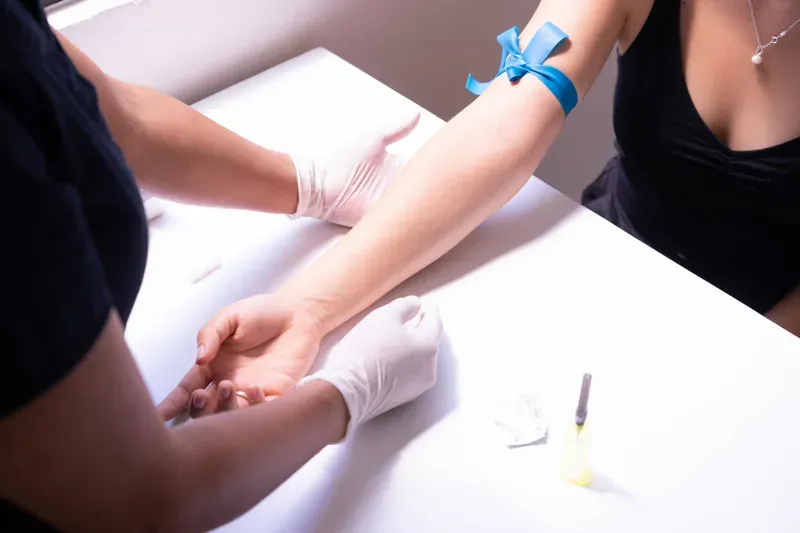
Uric Acid & Gout Treatment Dubai: Guide (2026)
مزید پڑھیں
Low Testosterone Symptoms & Treatment Dubai (2026)
مزید پڑھیں
Stomach Ulcer Dubai: Symptoms & Treatment (2026)
مزید پڑھیںBloating Causes & Treatment in Dubai (2026)
مزید پڑھیںAnemia Treatment Dubai: Types & Causes (2026)
مزید پڑھیں© 2026 Doctors Clinic Diagnostic Center (DCDC), Dubai Healthcare City. Originally published at https://doctorsclinicdubai.ae/blog/diabetes-test-cost-dubai. All rights reserved. Unauthorized reproduction is prohibited.