Book Your Appointment
Outpatient Stroke Prevention and Recovery Follow-Up
Sudden weakness, facial drooping or speech difficulty requires emergency care immediately, even if symptoms stop.
Risk Assessment
Comprehensive stroke risk evaluation
Prevention
Evidence-based risk reduction strategies
Recovery Support
Post-stroke management and rehab coordination
Stroke care in Dubai is critical because stroke is a leading cause of disability, but many strokes can be prevented with proper risk factor management. Our stroke specialist Dubai team focuses on cerebrovascular prevention through identifying your risk factors and implementing evidence-based strategies.
For patients who have experienced a stroke or TIA (mini-stroke), our stroke specialist Dubai team provides comprehensive stroke recovery Dubai support and secondary stroke risk reduction to reduce the risk of another event. This includes medication optimization, lifestyle guidance, and coordination with stroke recovery Dubai rehabilitation services.
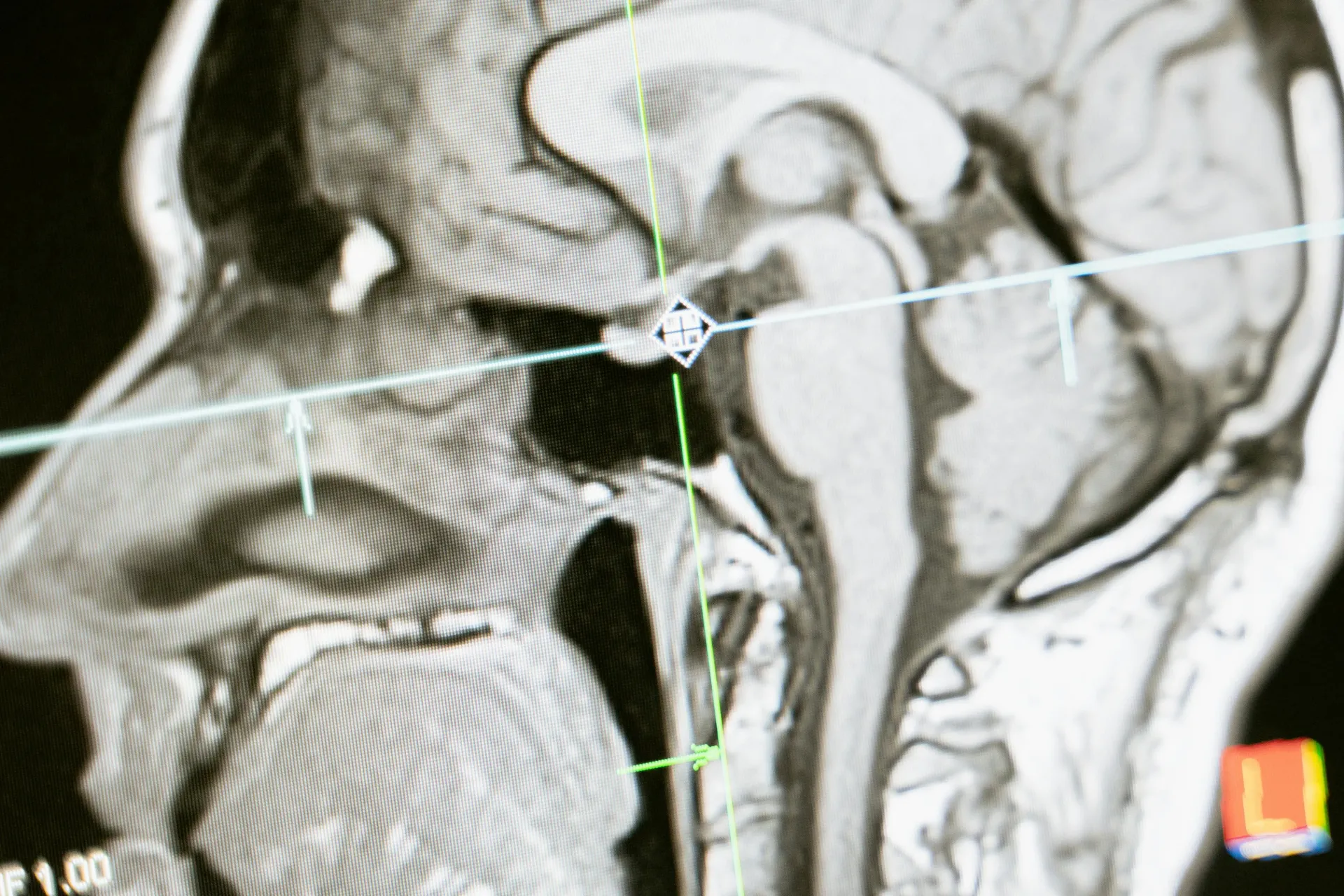
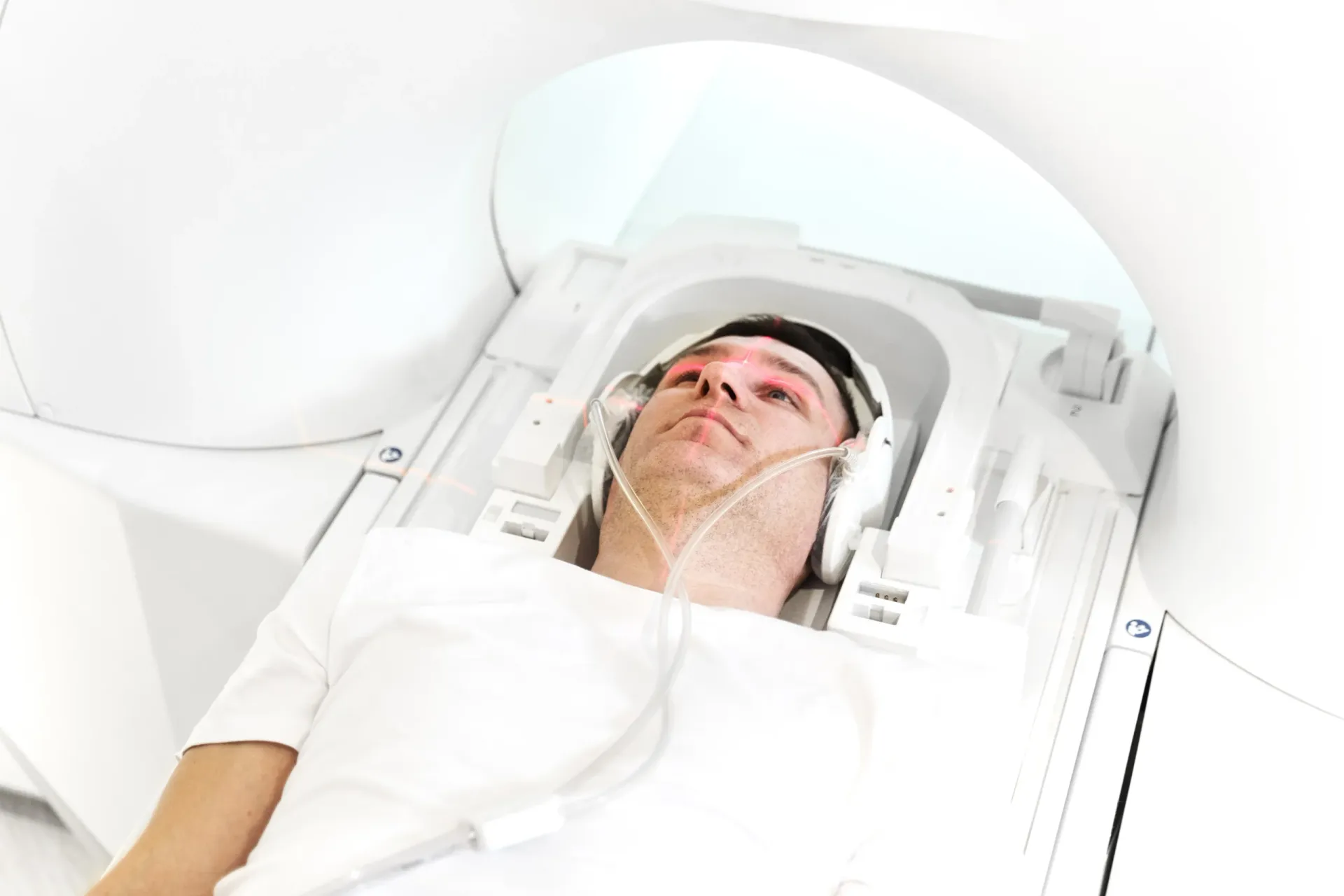
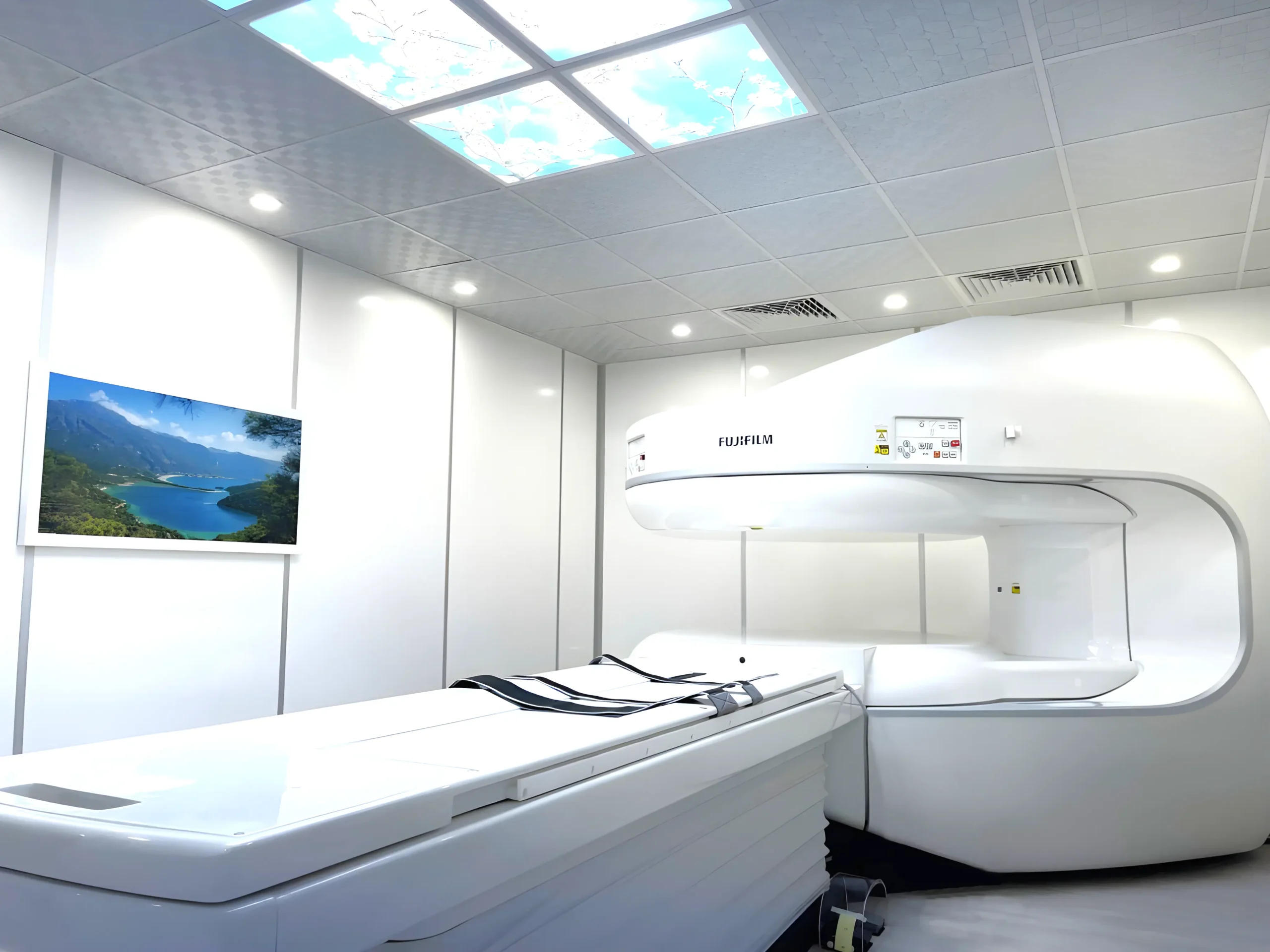
Our stroke neurologist near Oud Metha, based at our DHCC facility with on-site MRI and direct access from Sheikh Rashid Road, works closely with cardiology and vascular specialists to address all aspects of stroke risk, including atrial fibrillation, carotid disease, and cardiovascular conditions.
Stroke is the leading cause of long-term disability worldwide, yet up to 80 percent of strokes are preventable through proper risk factor management. In the UAE, the combination of high diabetes prevalence, sedentary lifestyles, obesity, and underdiagnosed hypertension creates an elevated stroke risk environment. Our stroke treatment Dubai Healthcare City program addresses these regional risk factors with culturally appropriate prevention strategies and evidence-based medical management.
If new stroke-like symptoms occur, seek emergency services immediately, even if they disappear. DCDC appointments support outpatient follow-up after hospital assessment: reviewing the discharge plan, prevention medication, risk factors and rehabilitation needs.
Risk Assessment
Comprehensive stroke risk evaluation
Prevention
Evidence-based risk reduction strategies
Recovery Support
Post-stroke management and rehab coordination
Outpatient Stroke Prevention and Recovery Follow-Up
Sudden weakness, facial drooping or speech difficulty requires emergency care immediately, even if symptoms stop.
Stroke care in Dubai is critical because stroke is a leading cause of disability, but many strokes can be prevented with proper risk factor management. Our stroke specialist Dubai team focuses on cerebrovascular prevention through identifying your risk factors and implementing evidence-based strategies.
For patients who have experienced a stroke or TIA (mini-stroke), our stroke specialist Dubai team provides comprehensive stroke recovery Dubai support and secondary stroke risk reduction to reduce the risk of another event. This includes medication optimization, lifestyle guidance, and coordination with stroke recovery Dubai rehabilitation services.
Our stroke neurologist near Oud Metha, based at our DHCC facility with on-site MRI and direct access from Sheikh Rashid Road, works closely with cardiology and vascular specialists to address all aspects of stroke risk, including atrial fibrillation, carotid disease, and cardiovascular conditions.
Stroke is the leading cause of long-term disability worldwide, yet up to 80 percent of strokes are preventable through proper risk factor management. In the UAE, the combination of high diabetes prevalence, sedentary lifestyles, obesity, and underdiagnosed hypertension creates an elevated stroke risk environment. Our stroke treatment Dubai Healthcare City program addresses these regional risk factors with culturally appropriate prevention strategies and evidence-based medical management.
If new stroke-like symptoms occur, seek emergency services immediately, even if they disappear. DCDC appointments support outpatient follow-up after hospital assessment: reviewing the discharge plan, prevention medication, risk factors and rehabilitation needs.

Dr. Heike Jacobs
Explore Our Services
Comprehensive post-stroke follow-up services at DCDC Dubai Healthcare City.
All services performed by DHA-licensed specialists
Who Should Get Post-Stroke Follow-Up?
These appointments are for stable patients after hospital care, or planned stroke-risk review. New stroke-like symptoms require emergency services immediately; do not wait for a clinic booking.
Previous stroke or TIA (mini-stroke)
High blood pressure not well controlled
Atrial fibrillation or heart rhythm disorders
Diabetes with cardiovascular risk factors
High cholesterol or carotid artery disease
Family history of stroke
Why Choose DCDC for Stroke Care?
Comprehensive stroke prevention and recovery services with multidisciplinary expertise.
Expert Neurologists
Specialists in cerebrovascular disease and vascular prevention.
Cardiology Integration
Collaboration with cardiologists for heart-related stroke risks.
Advanced Imaging
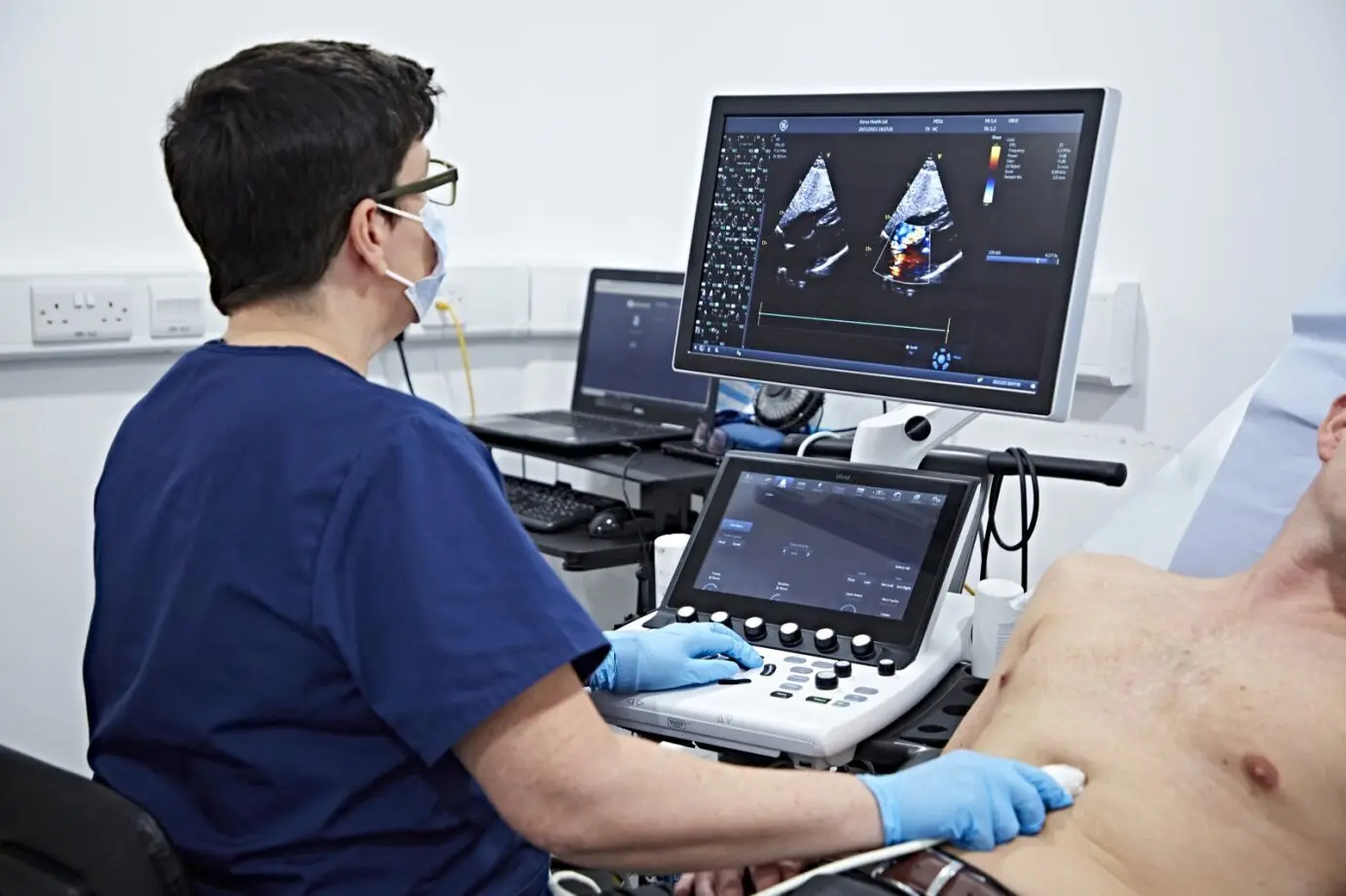
On-site MRI, CT, and carotid ultrasound capabilities.
Prevention Focus
Evidence-based strategies to reduce stroke risk.
Planned Follow-Up
Book outpatient review after emergency hospital assessment and discharge.
Insurance Support
Direct billing with major insurers.
Your Comfortable Visit
A simple, step-by-step Post-Stroke scan process designed for comfort, speed, and accuracy.
Stroke Care Pricing
Contact DCDC to confirm the consultation fee, clinician availability and insurance requirements. Imaging, blood tests, EEG and nerve studies are arranged only when clinically indicated; their availability and charges are confirmed separately.
- Consultation fee confirmed before booking
- Tests and procedures priced separately
- Insurance approval depends on your plan
Insurance verification in minutes • No hidden fees • Fast response on WhatsApp
Patient Guide
What to Expect in Stroke Care
Comprehensive evaluation and personalized prevention plan.
Insurance & Location
Insurance Partners
- •20+ insurance providers in Dubai including Daman, AXA, ADNIC, and others
- •Pre-authorization support and direct billing (where applicable)
- •Coverage verification before your appointment at our Dubai Healthcare City clinic
- •Transparent pricing with no hidden fees for post-stroke follow-up services








Visit Us in Dubai Healthcare City
Doctors Clinic Diagnostic Center
Building 64, Block A, Al Razi Medical Complex, Dubai Healthcare City, Dubai, UAE
Near Oud Metha Road · Easy access from Bur Dubai, Downtown Dubai, Business Bay · Free dedicated parking available
Working Hours
Mon-Thu, Sat: 8AM - 10:30PM | Sun: 8:30AM - 10:30PM | Fri: 9AM - 10PM
How Insurance Works at DCDC
Check Coverage
Verify your plan covers Post-Stroke Follow-Up
Get a Referral
Some insurers require a GP referral — we can guide you
Pre-Authorization
We handle pre-auth directly with your insurer
Direct Billing
No upfront payment — we bill your insurer directly
Co-Pay Only
You only pay any applicable co-pay at the clinic
Check Coverage
Verify your plan covers Post-Stroke Follow-Up
Get a Referral
Some insurers require a GP referral — we can guide you
Pre-Authorization
We handle pre-auth directly with your insurer
Direct Billing
No upfront payment — we bill your insurer directly
Co-Pay Only
You only pay any applicable co-pay at the clinic
Your Specialist
Dr. Heike Jacobs
Consultant Neurologist
MD, MRCP, Consultant Neurologist
German · English
Patient Guide
Understanding Stroke: Prevention, Recognition, and Recovery
Stroke occurs when blood supply to part of the brain is interrupted, either by a blood clot blocking an artery (ischemic stroke, accounting for about 85 percent of cases) or by a blood vessel bursting and bleeding into the brain (hemorrhagic stroke). Without blood supply, brain cells begin to die within minutes, which is why stroke is a medical emergency where rapid treatment is critical. The phrase "time is brain" reflects the reality that approximately 1.9 million neurons are lost every minute during an untreated ischemic stroke.
The UAE faces a growing stroke burden due to high rates of modifiable risk factors. Studies indicate that hypertension, diabetes, and dyslipidemia are significantly more prevalent in the Gulf region compared to global averages. Additionally, the young average age of the population means that strokes in younger adults have a disproportionate impact on productivity and families. Addressing these risk factors through structured prevention programs offers the greatest opportunity to reduce stroke incidence and its devastating consequences in the region.
Secondary stroke prevention after a first event is crucial because recurrent strokes tend to be more severe and cause greater disability. The risk of recurrence is highest in the first year, particularly the first 90 days after a TIA or stroke. An effective secondary risk reduction program includes optimal medication management, aggressive risk factor control targeting specific numerical goals, lifestyle modification, and regular monitoring. Research shows that comprehensive secondary risk reduction programs can reduce recurrence risk by up to 80 percent compared to standard care.
Post-stroke recovery is a gradual process that continues for months to years after the event. The brain has remarkable capacity for reorganization and adaptation, a property called neuroplasticity, which allows undamaged brain areas to partially compensate for lost function. Rehabilitation harnesses this neuroplasticity through repetitive, targeted exercises for movement, speech, and cognition. The most rapid recovery typically occurs in the first three to six months, but meaningful improvement can continue well beyond this period with consistent effort and appropriate therapeutic support.
Cerebrovascular Conditions We Manage
Ischemic Stroke
Stroke caused by blood clot blocking a brain artery, managed with secondary prevention including antiplatelet therapy, anticoagulation, and risk factor optimization.
Transient Ischemic Attack (TIA)
Mini-stroke with temporary symptoms requiring urgent evaluation and immediate prevention measures to reduce the high short-term risk of subsequent stroke.
Hemorrhagic Stroke
Stroke caused by bleeding in the brain, managed with blood pressure optimization, identification of underlying causes, and coordination of appropriate follow-up care.
Carotid Artery Stenosis
Narrowing of the carotid arteries due to atherosclerosis, detected with ultrasound and managed with medication or surgical referral based on severity and symptoms.
Atrial Fibrillation and Stroke Risk
Irregular heart rhythm significantly increasing stroke risk, managed with anticoagulation therapy in coordination with cardiology for comprehensive cardiac care.
Hypertension-Related Stroke Risk
High blood pressure as the leading modifiable stroke risk factor, managed with medication optimization and lifestyle changes targeting specific blood pressure goals.
Related Articles
Carotid Doppler Ultrasound and Stroke Prevention
Learn how carotid ultrasound helps detect artery narrowing and guides stroke prevention decisions.
Hypertension: The Silent Killer in Dubai
Understand why high blood pressure is the leading modifiable risk factor for stroke and how to manage it.
Heart Health Prevention in Dubai
Discover the shared risk factors between heart disease and stroke, and how cardiovascular prevention reduces stroke risk.
Diabetes Management in Dubai
Learn how optimal diabetes management reduces stroke risk and improves overall vascular health.
Related Services
Explore other diagnostic and consultation services available at our Dubai Healthcare City clinic.
Frequently Asked Questions
Common questions about Post-Stroke Follow-Up in Dubai.
Sudden facial drooping, arm weakness, speech difficulty, vision loss or other new stroke-like symptoms require emergency services immediately, even if they improve. Do not wait for a DCDC appointment or drive yourself. This clinic service is for planned outpatient follow-up after emergency hospital assessment.
A TIA (transient ischemic attack) or mini-stroke causes temporary stroke-like symptoms, typically lasting minutes to hours, that resolve completely within 24 hours. Symptoms may include sudden weakness or numbness on one side, speech difficulty, vision changes, or loss of balance. Despite the temporary nature, TIAs are medical emergencies and strong warning signs. Approximately 10 to 15 percent of TIA patients have a stroke within 90 days, with the highest risk in the first 48 hours. Urgent evaluation and prevention treatment can dramatically reduce this risk.
Yes, research demonstrates that up to 80 percent of strokes are preventable through proper risk factor management. Key modifiable risk factors include high blood pressure (the single largest risk factor), diabetes, high cholesterol, atrial fibrillation, smoking, obesity, physical inactivity, and excessive alcohol consumption. Our stroke risk reduction program systematically identifies and addresses each of your risk factors through medication optimization, lifestyle modification guidance, and regular monitoring to achieve and maintain target values for blood pressure, glucose, and cholesterol.
Remember FAST: Face drooping on one side, Arm weakness or inability to raise both arms equally, Speech that is slurred or confused, and Time to call emergency services immediately. Additional warning signs include sudden severe headache unlike any before, sudden confusion or difficulty understanding, sudden vision loss in one or both eyes, sudden dizziness or loss of balance, and sudden numbness. If you observe any of these signs in yourself or someone else, call emergency services immediately. Every minute of delay during a stroke results in additional brain damage.
After a stroke or TIA, follow-up frequency depends on your individual risk profile and recovery. Typically, we recommend appointments every one to three months during the first year, then every three to six months during the second year, and annually once stable. During follow-up, we monitor blood pressure, medication adherence and side effects, cholesterol levels, blood sugar control, lifestyle modifications, and any new symptoms. We also coordinate periodic imaging and cardiac monitoring as clinically indicated.
We coordinate comprehensive post-stroke rehabilitation with specialist services including physical therapy for mobility and strength recovery, neurorehabilitation for functional recovery, speech therapy for communication and swallowing difficulties, and neuropsychological support for cognitive and emotional recovery. Our neurologists oversee the medical management component, optimizing medications for secondary prevention and managing complications while rehabilitation specialists focus on functional recovery. This coordinated approach ensures all aspects of stroke recovery are addressed.
Stroke prevention medications are tailored to your specific risk factors and stroke type. Antiplatelet agents such as aspirin and clopidogrel prevent blood clots in patients with atherosclerotic disease. Anticoagulants like warfarin, dabigatran, or apixaban are essential for patients with atrial fibrillation. Statins lower cholesterol and stabilize arterial plaques. Antihypertensive medications control blood pressure. Diabetes medications optimize blood sugar control. The right combination is determined by your individual risk profile, and we monitor regularly to ensure optimal dosing and management of any side effects.
Heart disease and stroke share many common risk factors and are closely interconnected. Atrial fibrillation, the most common heart rhythm disorder, increases stroke risk five-fold because blood can pool and form clots in the heart that travel to the brain. Heart valve disease, heart failure, and patent foramen ovale (PFO) also increase stroke risk. Conversely, atherosclerosis that causes coronary artery disease also affects brain-supplying arteries. Our integrated approach with cardiology ensures comprehensive evaluation and management of both cardiac and cerebrovascular risk.
Key Facts
Medical Review & Oversight
All services are provided under the supervision of licensed medical professionals in our MOHAP-accredited facility.