Запишитесь на приём
Помощь при инсульте в Дубае: специалисты по профилактике и постинсультному лечению
Комплексная оценка риска инсульта и поддержка восстановления
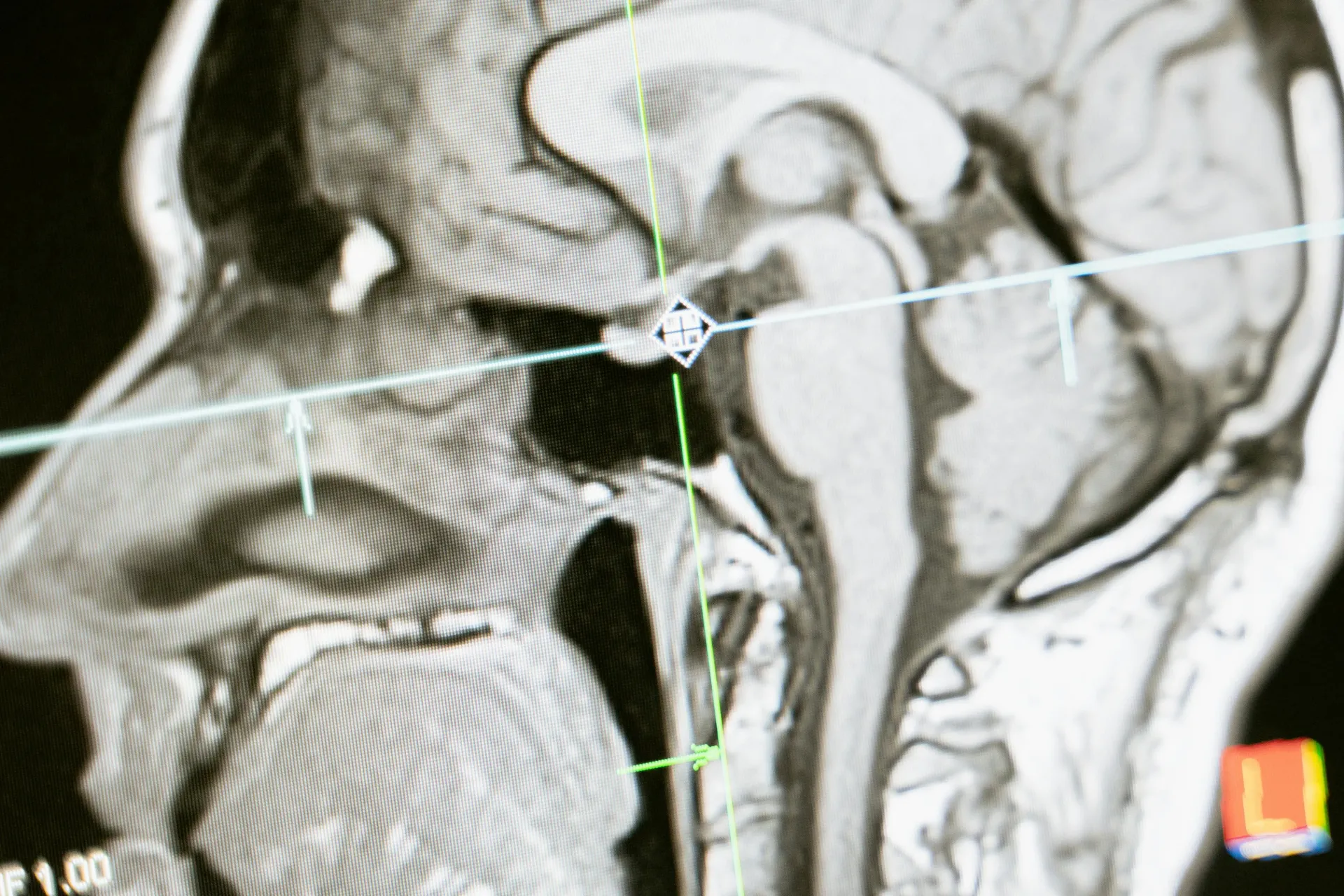
Передовая оценка риска
Комплексная оценка факторов риска инсульта
Экспертная профилактика инсульта и постинсультное лечение в Dubai Healthcare City. Оценка риска, вторичная профилактика, комплексная координация реабилитации. Забронируйте сегодня.
Передовая оценка риска
Комплексная оценка факторов риска инсульта
Помощь при инсульте в Дубае: специалисты по профилактике и постинсультному лечению
Комплексная оценка риска инсульта и поддержка восстановления
Экспертная профилактика инсульта и постинсультное лечение в Dubai Healthcare City. Оценка риска, вторичная профилактика, комплексная координация реабилитации. Забронируйте сегодня.

Dr. Heike Jacobs
Наши услуги
Комплексные услуги помощь при инсульте в DCDC Dubai Healthcare City.
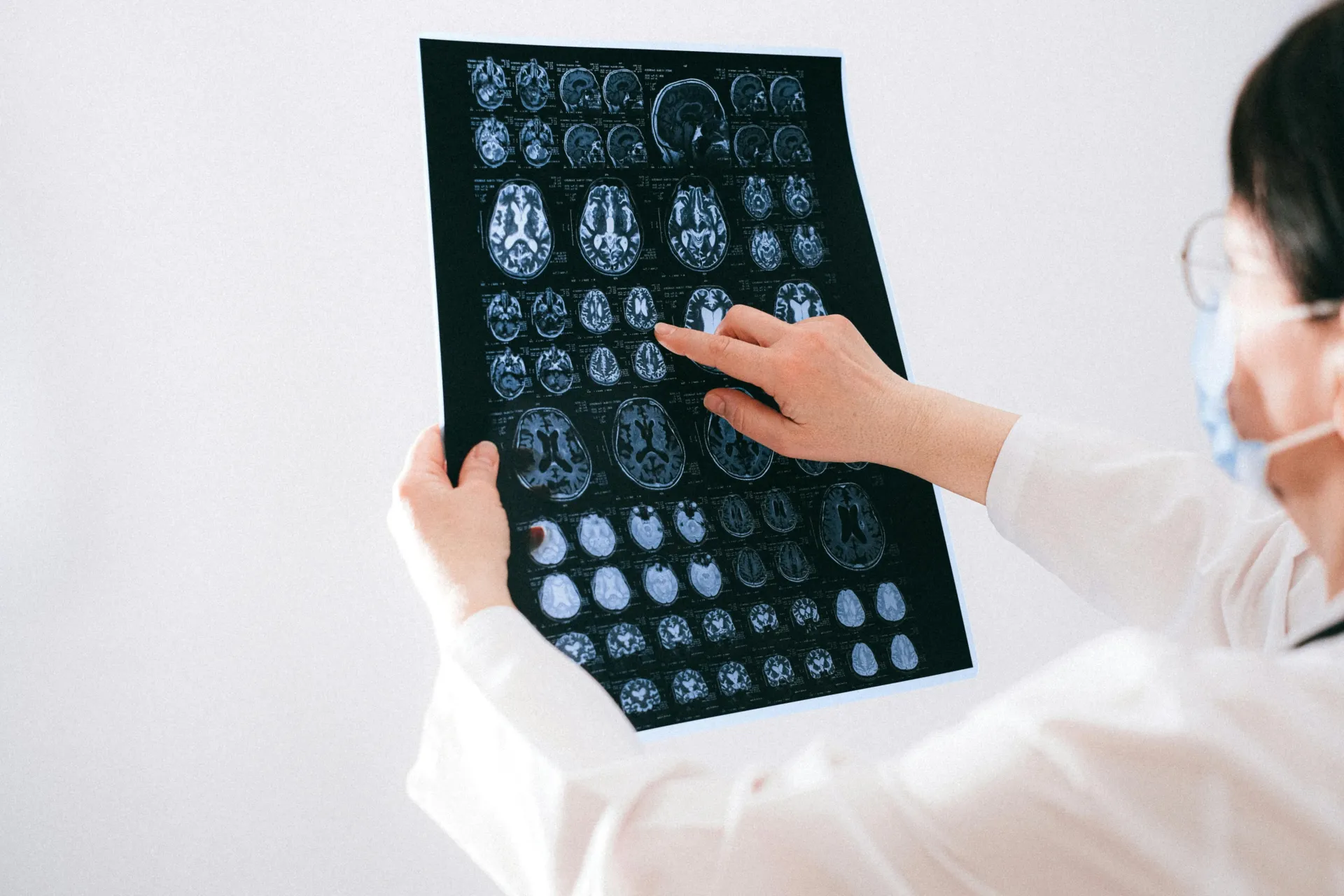
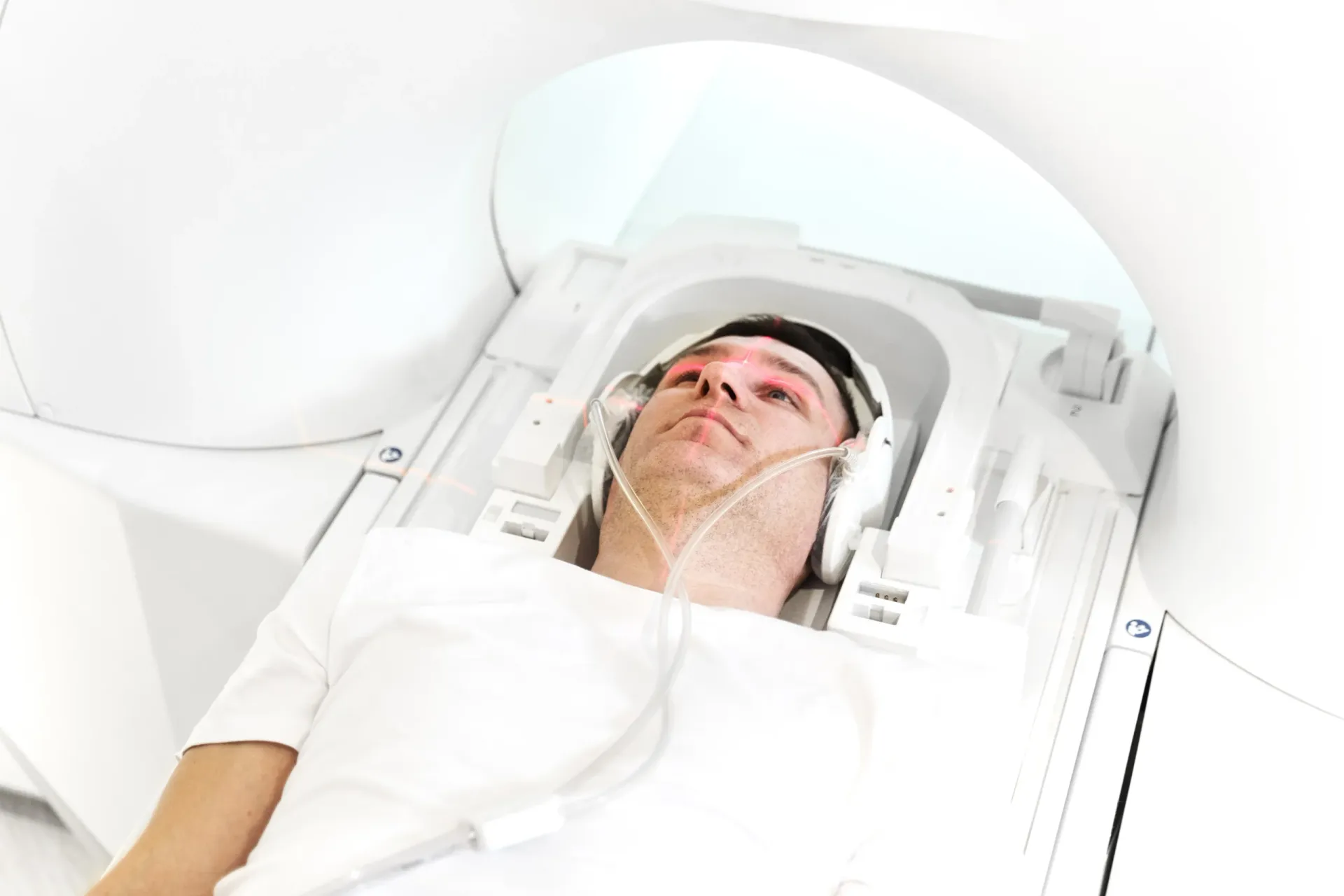
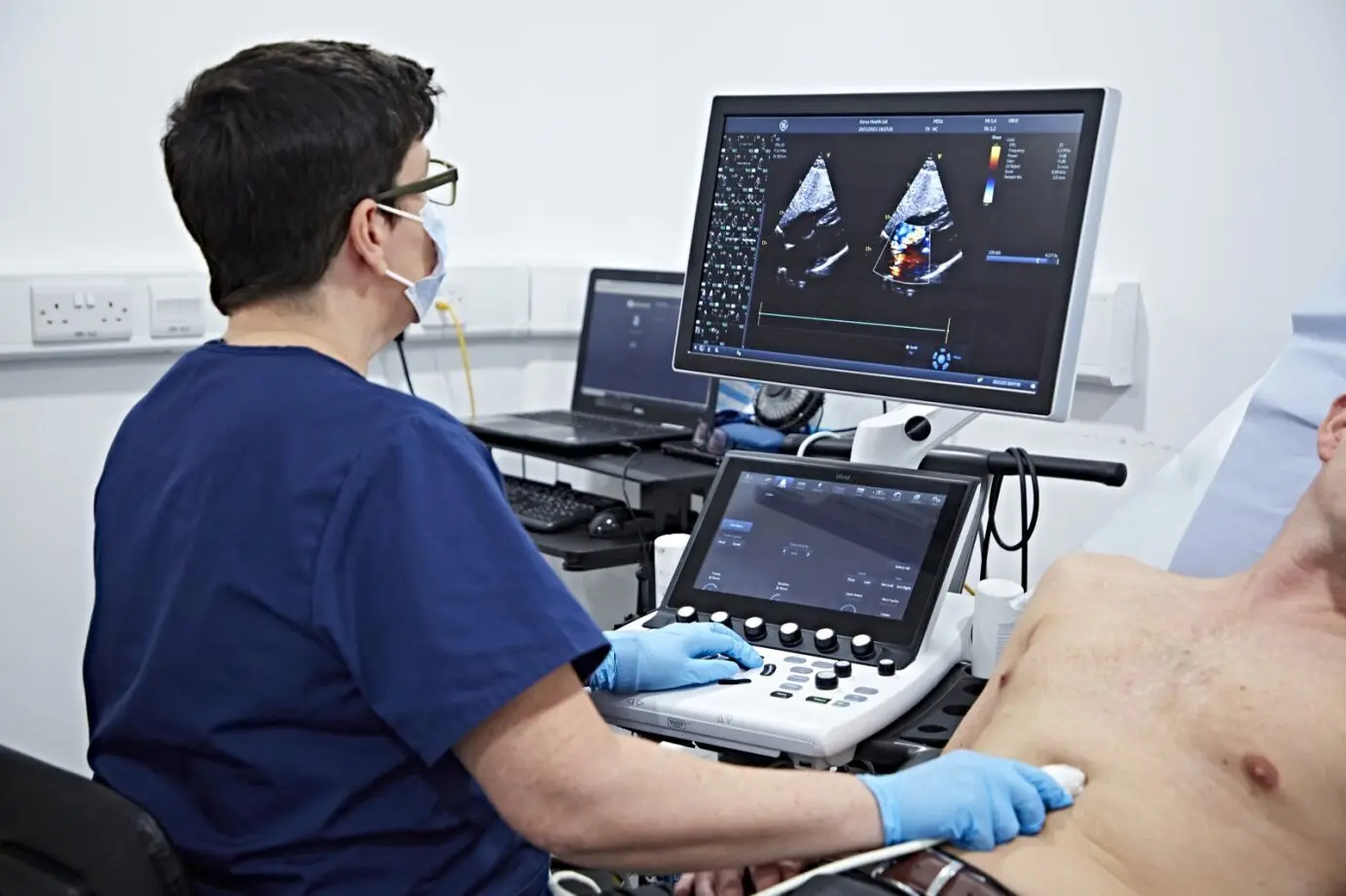
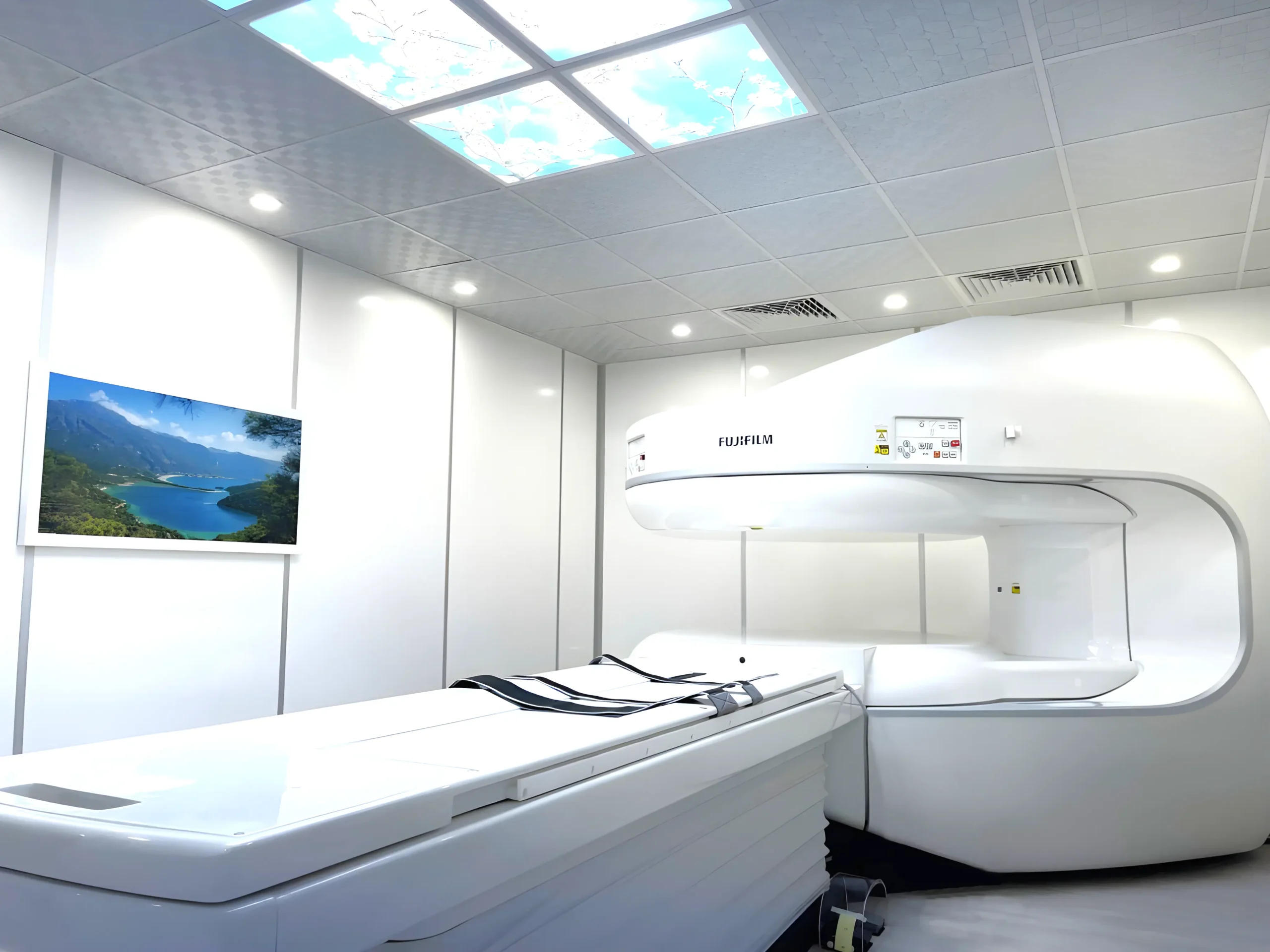
Все услуги выполняются специалистами с лицензией DHA
Кому нужна помощь при инсульте
Специализированная помощь для лиц, находящихся в группе риска инсульта или восстанавливающихся после него. Включает оценку риска, профилактику и комплексное медицинское управление.
Previous stroke or TIA (mini-stroke)
High blood pressure not well controlled
Atrial fibrillation or heart rhythm disorders
Diabetes with cardiovascular risk factors
High cholesterol or carotid artery disease
Family history of stroke
Почему выбрать DCDC для помощи при инсульте
Специализированные услуги с международными стандартами
Лицензирован MOHAP
Высокие стандарты качества и безопасности
Передовой медицинский опыт
Специализированная команда неврологов
Advanced Imaging
On-site MRI, CT, and carotid ultrasound capabilities.
Prevention Focus
Evidence-based strategies to reduce stroke risk.
Planned Follow-Up
Book outpatient review after emergency hospital assessment and discharge.
Insurance Support
Direct billing with major insurers.
Ваш комфортный визит
Простой пошаговый процесс Помощь сканирования, разработанный для комфорта, скорости и точности.
Услуги помощи при инсульте
Стоимость Помощь в Дубае зависит от типа услуги и страхового покрытия для различные виды услуг.
- Цены варьируются в зависимости от типа сканирования и необходимости контраста
- Страховое покрытие принимается при наличии направления и подтверждения
- Прозрачные тарифы при самостоятельной оплате с мгновенным расчётом по запросу
Проверка страховки за минуты • Без скрытых платежей • Быстрый ответ в WhatsApp
Руководство для пациента
Что ожидать
Комплексное лечение, начинающееся с точной оценки риска, с последующим индивидуальным планом лечения и координацией реабилитации. Мы гарантируем постоянный мониторинг.
Страхование и местоположение
Страховые партнёры
- •Более 20 страховых компаний в Дубае включая Daman, AXA, ADNIC и другие
- •Поддержка предварительного одобрения и прямой расчёт (при наличии)
- •Проверка покрытия перед вашим визитом в нашу клинику в Dubai Healthcare City
- •Прозрачные цены без скрытых платежей за услуги помощь при инсульте








Посетите нас в Медицинском городе Дубая
Докторс Клиник Диагностик Центр
Здание 64, Блок A, Медицинский комплекс Аль-Рази, Медицинский город Дубая, Дубай, ОАЭ
Рядом с улицей Уд-Мета · Удобный доступ из Бур-Дубая, центра Дубая, Бизнес-Бей · Бесплатная выделенная парковка
Часы работы
Пн-Чт, Сб: 8:00 - 22:30 | Вс: 8:30 - 22:30 | Пт: 9:00 - 22:00
Как работает страхование в DCDC
Проверьте покрытие
Убедитесь, что ваш план покрывает Помощь при инсульте
Получите направление
Некоторые страховщики требуют направление от терапевта — мы поможем
Предварительное одобрение
Мы оформляем предварительное одобрение напрямую с вашей страховой
Прямой расчёт
Без предоплаты — мы выставляем счёт напрямую вашей страховой
Только доплата
Вы оплачиваете только применимую доплату в клинике
Проверьте покрытие
Убедитесь, что ваш план покрывает Помощь при инсульте
Получите направление
Некоторые страховщики требуют направление от терапевта — мы поможем
Предварительное одобрение
Мы оформляем предварительное одобрение напрямую с вашей страховой
Прямой расчёт
Без предоплаты — мы выставляем счёт напрямую вашей страховой
Только доплата
Вы оплачиваете только применимую доплату в клинике
Your Specialist
Dr. Heike Jacobs
Consultant Neurologist
MD, MRCP, Consultant Neurologist
German · English
Руководство для пациента
Понимание: инсульт — профилактика, распознавание и восстановление
Инсульт возникает, когда кровоснабжение части мозга прерывается — либо из-за тромба, закупоривающего артерию (ишемический инсульт, составляющий около 85 процентов случаев), либо из-за разрыва кровеносного сосуда и кровоизлияния в мозг (геморрагический инсульт). Без кровоснабжения клетки мозга начинают отмирать в течение нескольких минут, поэтому инсульт является медицинской чрезвычайной ситуацией, при которой быстрое лечение критически важно. Фраза «время — мозг» отражает реальность: при нелечённом ишемическом инсульте каждую минуту погибает около 1,9 миллиона нейронов.
ОАЭ сталкиваются с растущим бременем инсульта вследствие высокой распространённости корректируемых факторов риска. Исследования показывают, что гипертония, диабет и дислипидемия значительно более распространены в странах Персидского залива по сравнению с мировыми показателями. Кроме того, молодой средний возраст населения означает, что инсульты у молодых взрослых оказывают непропорционально большое воздействие на производительность труда и семьи. Устранение этих факторов риска через структурированные программы профилактики предоставляет наибольшую возможность для снижения заболеваемости инсультом и его разрушительных последствий в регионе.
Вторичная профилактика инсульта после первого события имеет решающее значение, поскольку повторные инсульты, как правило, более тяжёлые и вызывают большую инвалидизацию. Риск рецидива наиболее высок в первый год, особенно в первые 90 дней после ТИА или инсульта. Эффективная программа снижения вторичного риска включает оптимальное медикаментозное ведение, агрессивный контроль факторов риска с достижением конкретных числовых целей, модификацию образа жизни и регулярный мониторинг. Исследования показывают, что комплексные программы снижения вторичного риска могут сократить риск рецидива до 80 процентов по сравнению со стандартным уходом.
Постинсультное восстановление — постепенный процесс, продолжающийся месяцами и годами после события. Мозг обладает замечательной способностью к реорганизации и адаптации — свойством, называемым нейропластичностью, которое позволяет неповреждённым областям мозга частично компенсировать утраченные функции. Реабилитация использует эту нейропластичность посредством повторяющихся, целенаправленных упражнений для движения, речи и когнитивных функций. Наиболее быстрое восстановление обычно происходит в первые три-шесть месяцев, однако значимое улучшение может продолжаться значительно дольше при последовательных усилиях и надлежащей терапевтической поддержке.
Цереброваскулярные состояния, которые мы ведём
Ишемический инсульт
Инсульт, вызванный тромбом, закупоривающим мозговую артерию; лечение включает вторичную профилактику с применением антиагрегантной терапии, антикоагуляции и оптимизации факторов риска.
Транзиторная ишемическая атака (ТИА)
Мини-инсульт с временными симптомами, требующий срочной оценки и немедленных профилактических мер для снижения высокого краткосрочного риска последующего инсульта.
Геморрагический инсульт
Инсульт, вызванный кровоизлиянием в мозг; лечение включает оптимизацию артериального давления, выявление основных причин и координацию надлежащего последующего наблюдения.
Стеноз сонных артерий
Сужение сонных артерий вследствие атеросклероза, выявляемое при УЗИ и лечащееся медикаментами или хирургическим направлением в зависимости от тяжести и симптомов.
Фибрилляция предсердий и риск инсульта
Нарушение сердечного ритма, значительно повышающее риск инсульта; лечение антикоагулянтами в координации с кардиологом для комплексной кардиологической помощи.
Риск инсульта, связанный с гипертонией
Высокое артериальное давление как ведущий корректируемый фактор риска инсульта; лечение включает оптимизацию медикаментов и изменение образа жизни с достижением конкретных целевых показателей давления.
Связанные статьи
Carotid Doppler Ultrasound and Stroke Prevention
Learn how carotid ultrasound helps detect artery narrowing and guides stroke prevention decisions.
Hypertension: The Silent Killer in Dubai
Understand why high blood pressure is the leading modifiable risk factor for stroke and how to manage it.
Heart Health Prevention in Dubai
Discover the shared risk factors between heart disease and stroke, and how cardiovascular prevention reduces stroke risk.
Diabetes Management in Dubai
Learn how optimal diabetes management reduces stroke risk and improves overall vascular health.
Связанные услуги
Изучите другие диагностические и консультационные услуги, доступные в нашей клинике в Dubai Healthcare City.
Часто задаваемые вопросы
Часто задаваемые вопросы о Помощь при инсульте в Дубае.
Мы предлагаем Помощь при инсульте в Dubai Healthcare City. Наша команда опытных специалистов готова провести комплексное обследование и консультацию. Свяжитесь с нами для получения дополнительной информации.
Продолжительность зависит от индивидуального случая. Наша команда заранее сообщит вам точное время. Свяжитесь с нами для записи на приём.
Большинство крупных страховых компаний в Дубае покрывают Помощь при инсульте. Мы предлагаем прямые расчёты с более чем 20 страховыми компаниями, включая Daman, AXA и Bupa. Свяжитесь с нами для проверки вашего страхового покрытия.
Наша команда даст вам конкретные инструкции по подготовке перед приёмом. В целом мы рекомендуем взять с собой все текущие лекарства и соответствующие медицинские документы.
В DCDC мы предлагаем Помощь при инсульте с опытными специалистами, современным оборудованием и высококачественным уходом за пациентами в Dubai Healthcare City. Наше учреждение лицензировано MOHAP и соответствует строгим клиническим стандартам.
Вы можете записаться на Помощь при инсульте по телефону +971 54 219 5008 или через нашу систему онлайн-бронирования. Мы предлагаем гибкое расписание, включая приёмы в тот же день при наличии мест.
Ключевые факты
Медицинский контроль
Все услуги предоставляются под наблюдением лицензированных медицинских специалистов в нашем аккредитованном MOHAP учреждении.