
अपना अपॉइंटमेंट बुक करें
दुबई में स्ट्रोक देखभाल: रोकथाम और स्ट्रोक बाद प्रबंधन में विशेषज्ञ
स्ट्रोक जोखिम का व्यापक मूल्यांकन और पुनर्प्राप्ति सहायता
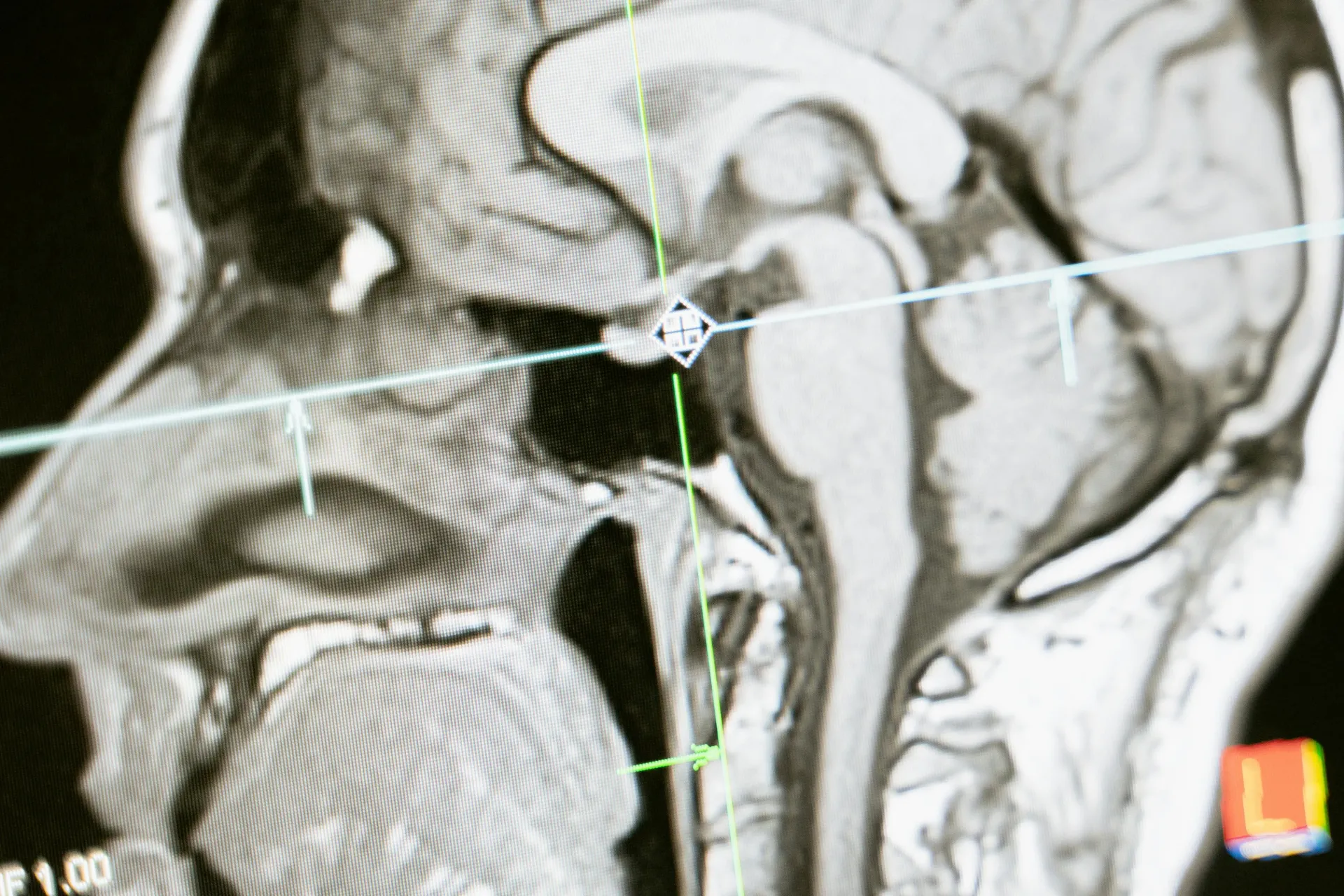
उन्नत जोखिम मूल्यांकन
स्ट्रोक जोखिम कारकों का व्यापक मूल्यांकन
दुबई हेल्थकेयर सिटी में स्ट्रोक की रोकथाम और देखभाल में विशेषज्ञ सेवाएँ। जोखिम मूल्यांकन, माध्यमिक रोकथाम, व्यापक पुनर्वास समन्वय। आज ही बुक करें।
उन्नत जोखिम मूल्यांकन
स्ट्रोक जोखिम कारकों का व्यापक मूल्यांकन
दुबई में स्ट्रोक देखभाल: रोकथाम और स्ट्रोक बाद प्रबंधन में विशेषज्ञ
स्ट्रोक जोखिम का व्यापक मूल्यांकन और पुनर्प्राप्ति सहायता
दुबई हेल्थकेयर सिटी में स्ट्रोक की रोकथाम और देखभाल में विशेषज्ञ सेवाएँ। जोखिम मूल्यांकन, माध्यमिक रोकथाम, व्यापक पुनर्वास समन्वय। आज ही बुक करें।

Dr. Heike Jacobs
हमारी सेवाएं देखें
DCDC दुबई हेल्थकेयर सिटी में व्यापक स्ट्रोक देखभाल सेवाएं।
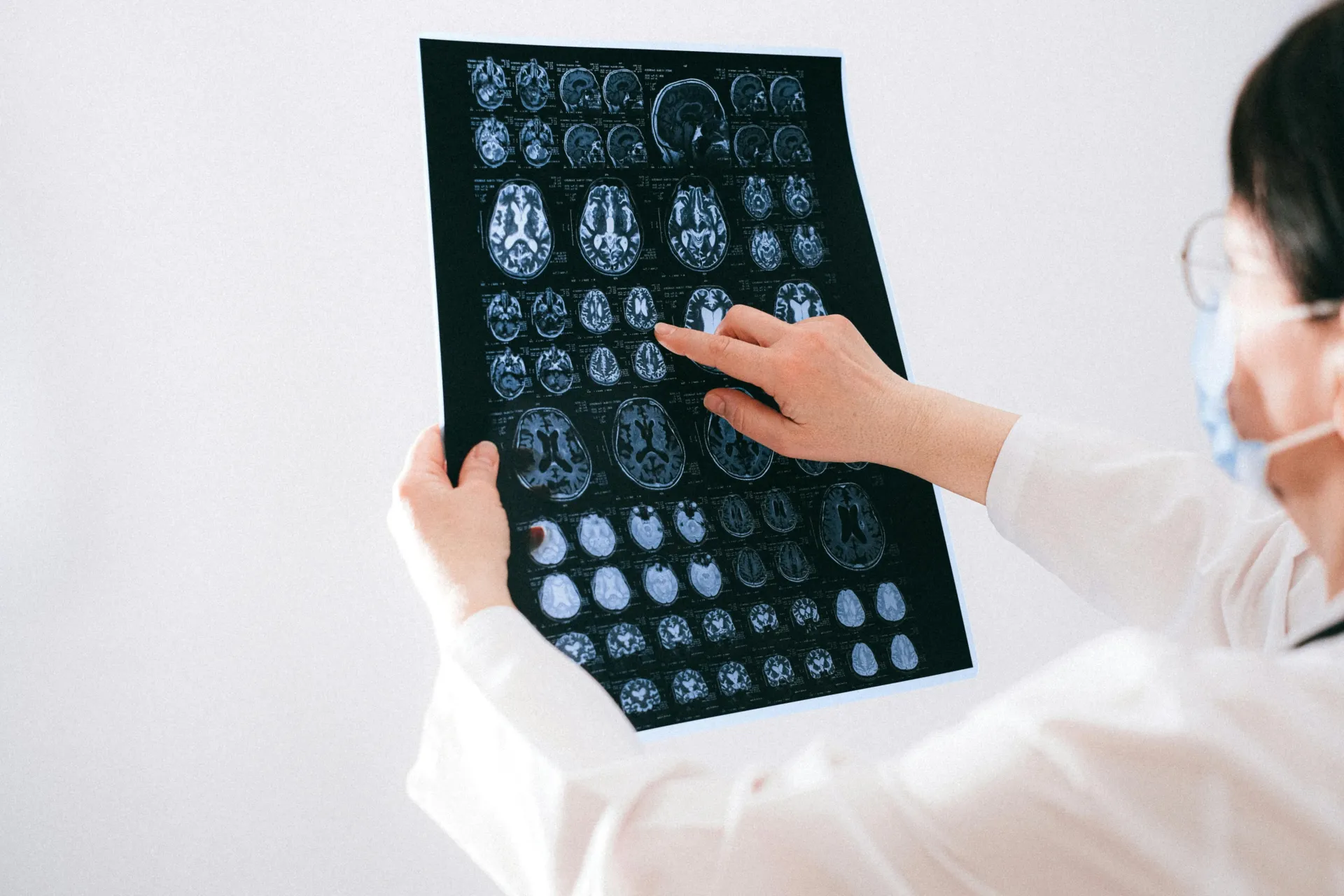
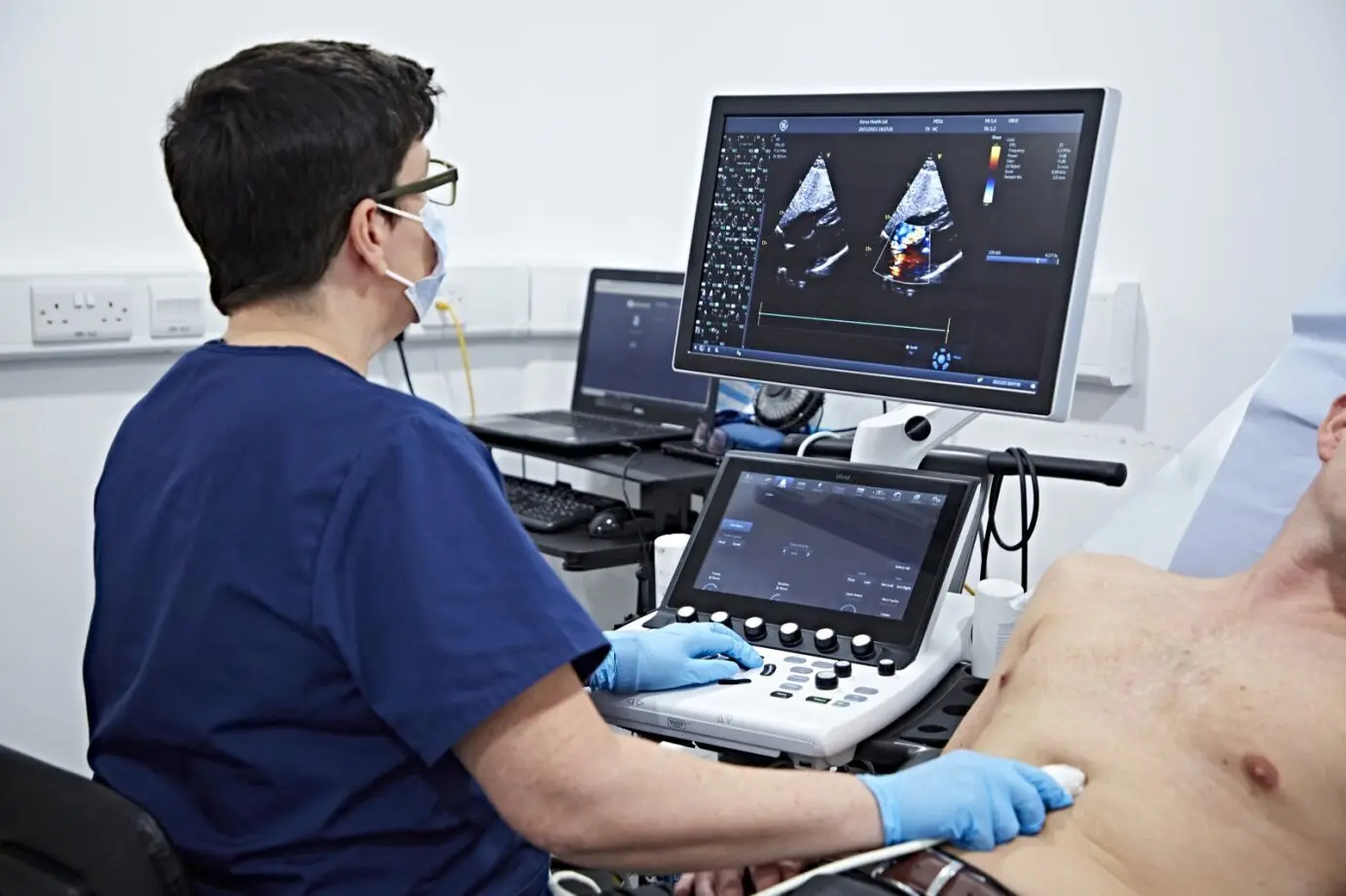
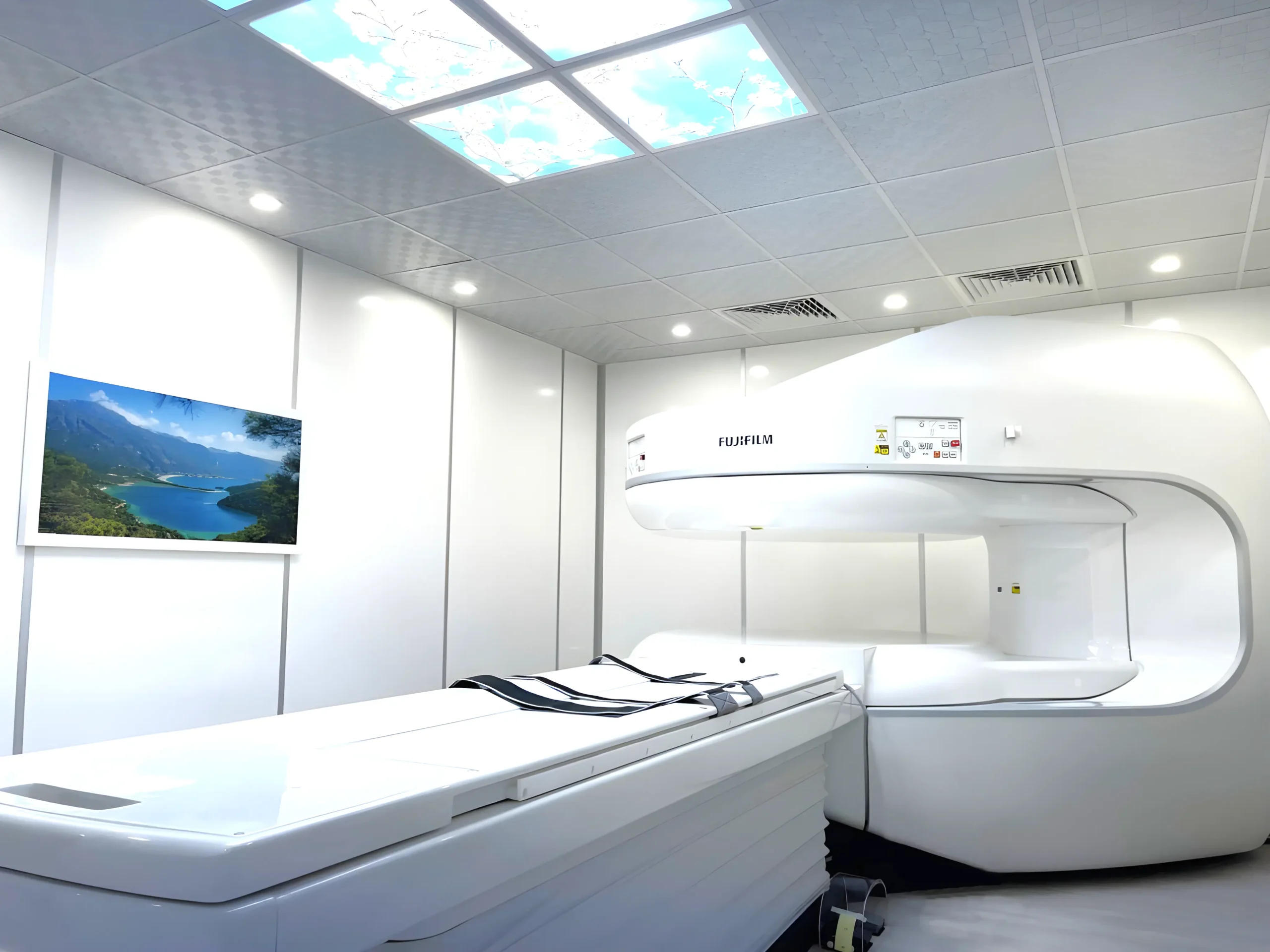
सभी सेवाएं DHA-लाइसेंस प्राप्त विशेषज्ञों द्वारा की जाती हैं
किसे स्ट्रोक देखभाल की आवश्यकता है
स्ट्रोक के जोखिम में या इससे पुनर्प्राप्ति करने वाले व्यक्तियों के लिए विशेषज्ञ देखभाल। जोखिम मूल्यांकन, रोकथाम, और व्यापक चिकित्सा प्रबंधन शामिल है।
Previous stroke or TIA (mini-stroke)
High blood pressure not well controlled
Atrial fibrillation or heart rhythm disorders
Diabetes with cardiovascular risk factors
High cholesterol or carotid artery disease
Family history of stroke
स्ट्रोक देखभाल के लिए DCDC को क्यों चुनें
विश्वमान के साथ विशेषज्ञ सेवाएँ
MOHAP लाइसेंसप्राप्त
गुणवत्ता और सुरक्षा में उच्च मानदंड
उन्नत चिकित्सा अनुभव
तंत्रिका विज्ञान में विशेषज्ञ दल
Advanced Imaging
On-site MRI, CT, and carotid ultrasound capabilities.
Prevention Focus
Evidence-based strategies to reduce stroke risk.
Planned Follow-Up
Book outpatient review after emergency hospital assessment and discharge.
Insurance Support
Direct billing with major insurers.
आपकी आरामदायक यात्रा
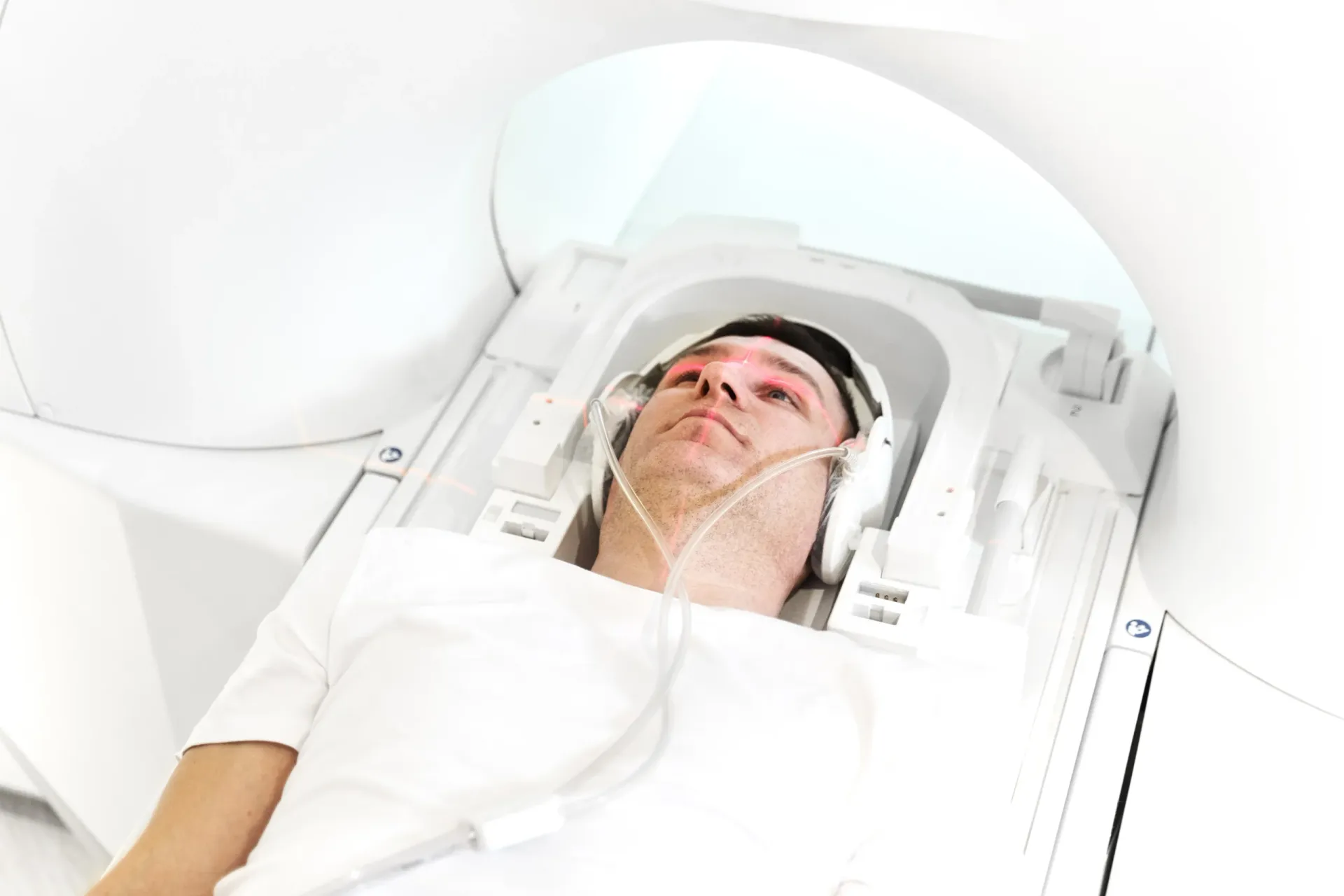
आराम, गति और सटीकता के लिए डिज़ाइन की गई एक सरल, चरण-दर-चरण स्ट्रोक स्कैन प्रक्रिया।
स्ट्रोक देखभाल सेवाएँ
दुबई में स्ट्रोक की कीमतें सेवा के प्रकार और विभिन्न सेवा प्रकार के बीमा कवरेज के अनुसार भिन्न होती हैं।
- स्कैन प्रकार और कंट्रास्ट की आवश्यकता के अनुसार मूल्य भिन्न होते हैं
- रेफरल और सत्यापन के साथ बीमा कवरेज स्वीकृत
- अनुरोध पर तत्काल उद्धरण के साथ पारदर्शी स्व-भुगतान दरें उपलब्ध
मिनटों में बीमा सत्यापन • कोई छिपी फीस नहीं • व्हाट्सएप पर तेज़ प्रतिक्रिया
रोगी गाइड
आप क्या उम्मीद कर सकते हैं
व्यापक देखभाल जो सटीक जोखिम मूल्यांकन से शुरू होती है, इसके बाद अनुकूलित उपचार योजना और पुनर्वास समन्वय होता है। हम निरंतर अनुवर्तन की गारंटी देते हैं।
बीमा और स्थान
बीमा भागीदार
- •दुबई में 20+ बीमा प्रदाता दमन, एक्सा, एडीएनआईसी और अन्य सहित
- •पूर्व-प्राधिकरण सहायता और प्रत्यक्ष बिलिंग (जहां लागू हो)
- •कवरेज सत्यापन दुबई हेल्थकेयर सिटी में आपकी अपॉइंटमेंट से पहले
- •पारदर्शी मूल्य निर्धारण स्ट्रोक देखभाल सेवाओं के लिए कोई छिपी फीस नहीं





दुबई हेल्थकेयर सिटी में हमसे मिलें
डॉक्टर्स क्लिनिक डायग्नोस्टिक सेंटर
बिल्डिंग 64, ब्लॉक A, अल राज़ी मेडिकल कॉम्प्लेक्स, दुबई हेल्थकेयर सिटी, दुबई, संयुक्त अरब अमीरात
ऊद मेठा रोड के पास · बुर दुबई, डाउनटाउन दुबई, बिजनेस बे से आसान पहुंच · मुफ्त समर्पित पार्किंग उपलब्ध
कार्य समय
सोम-गुरु, शनि: सुबह 8 - रात 10:30 | रवि: सुबह 8:30 - रात 10:30 | शुक्र: सुबह 9 - रात 10
DCDC में बीमा कैसे काम करता है
कवरेज जांचें
सत्यापित करें कि आपकी योजना स्ट्रोक देखभाल को कवर करती है
रेफरल प्राप्त करें
कुछ बीमाकर्ताओं को जीपी रेफरल की आवश्यकता होती है — हम मार्गदर्शन कर सकते हैं
पूर्व-प्राधिकरण
हम आपके बीमाकर्ता से सीधे पूर्व-प्राधिकरण संभालते हैं
सीधी बिलिंग
कोई अग्रिम भुगतान नहीं — हम आपके बीमाकर्ता को सीधे बिल करते हैं
केवल को-पे
आप क्लिनिक में केवल लागू को-पे का भुगतान करते हैं
कवरेज जांचें
सत्यापित करें कि आपकी योजना स्ट्रोक देखभाल को कवर करती है
रेफरल प्राप्त करें
कुछ बीमाकर्ताओं को जीपी रेफरल की आवश्यकता होती है — हम मार्गदर्शन कर सकते हैं
पूर्व-प्राधिकरण
हम आपके बीमाकर्ता से सीधे पूर्व-प्राधिकरण संभालते हैं
सीधी बिलिंग
कोई अग्रिम भुगतान नहीं — हम आपके बीमाकर्ता को सीधे बिल करते हैं
केवल को-पे
आप क्लिनिक में केवल लागू को-पे का भुगतान करते हैं
Your Specialist
Dr. Heike Jacobs
Consultant Neurologist
MD, MRCP, Consultant Neurologist
German · English
रोगी गाइड
समझना: स्ट्रोक: रोकथाम, पहचान और पुनर्प्राप्ति
स्ट्रोक तब होता है जब मस्तिष्क के किसी हिस्से में रक्त की आपूर्ति बाधित हो जाती है, या तो किसी धमनी को अवरुद्ध करने वाले रक्त के थक्के (इस्केमिक स्ट्रोक, लगभग 85 प्रतिशत मामलों में) या मस्तिष्क में फटने और रक्तस्राव करने वाली रक्त वाहिका (रक्तस्रावी स्ट्रोक) के कारण। रक्त आपूर्ति के बिना, मस्तिष्क कोशिकाएं मिनटों में मरने लगती हैं, यही कारण है कि स्ट्रोक एक चिकित्सा आपातकाल है जहाँ त्वरित उपचार महत्वपूर्ण है। 'समय ही मस्तिष्क है' वाक्यांश इस वास्तविकता को दर्शाता है कि अनुपचारित इस्केमिक स्ट्रोक के दौरान प्रति मिनट लगभग 1.9 मिलियन न्यूरॉन नष्ट होते हैं।
UAE में परिवर्तनीय जोखिम कारकों की उच्च दरों के कारण स्ट्रोक का बोझ बढ़ रहा है। अध्ययन बताते हैं कि खाड़ी क्षेत्र में उच्च रक्तचाप, मधुमेह और डिस्लिपिडेमिया वैश्विक औसत की तुलना में काफी अधिक प्रचलित हैं। इसके अलावा, जनसंख्या की कम औसत आयु का अर्थ है कि युवा वयस्कों में स्ट्रोक उत्पादकता और परिवारों पर अनुपातहीन प्रभाव डालते हैं। संरचित रोकथाम कार्यक्रमों के माध्यम से इन जोखिम कारकों को संबोधित करना क्षेत्र में स्ट्रोक की घटनाओं और इसके विनाशकारी परिणामों को कम करने का सबसे बड़ा अवसर प्रदान करता है।
पहली घटना के बाद माध्यमिक स्ट्रोक रोकथाम महत्वपूर्ण है क्योंकि बार-बार होने वाले स्ट्रोक अधिक गंभीर होते हैं और अधिक विकलांगता का कारण बनते हैं। पुनरावृत्ति का जोखिम पहले वर्ष में सबसे अधिक होता है, विशेष रूप से TIA या स्ट्रोक के बाद पहले 90 दिनों में। एक प्रभावी माध्यमिक जोखिम न्यूनीकरण कार्यक्रम में इष्टतम दवा प्रबंधन, विशिष्ट संख्यात्मक लक्ष्यों को लक्षित करने वाला आक्रामक जोखिम कारक नियंत्रण, जीवनशैली संशोधन और नियमित निगरानी शामिल है। शोध से पता चलता है कि व्यापक माध्यमिक जोखिम न्यूनीकरण कार्यक्रम मानक देखभाल की तुलना में पुनरावृत्ति जोखिम को 80 प्रतिशत तक कम कर सकते हैं।
स्ट्रोक बाद पुनर्प्राप्ति एक क्रमिक प्रक्रिया है जो घटना के बाद महीनों से वर्षों तक जारी रहती है। मस्तिष्क में पुनर्गठन और अनुकूलन की उल्लेखनीय क्षमता है, एक गुण जिसे न्यूरोप्लास्टिसिटी कहते हैं, जो अक्षुण्ण मस्तिष्क क्षेत्रों को खोई हुई कार्यक्षमता की आंशिक भरपाई करने की अनुमति देता है। पुनर्वास इस न्यूरोप्लास्टिसिटी का उपयोग आंदोलन, भाषण और संज्ञान के लिए दोहराव वाले, लक्षित अभ्यासों के माध्यम से करता है। सबसे तेज पुनर्प्राप्ति आमतौर पर पहले तीन से छह महीनों में होती है, लेकिन सार्थक सुधार निरंतर प्रयास और उचित चिकित्सीय सहायता के साथ इस अवधि से काफी आगे तक जारी रह सकता है।
हम जिन मस्तिष्कवाहिकीय स्थितियों का प्रबंधन करते हैं
इस्केमिक स्ट्रोक
मस्तिष्क धमनी को अवरुद्ध करने वाले रक्त के थक्के के कारण होने वाला स्ट्रोक, जिसका प्रबंधन एंटीप्लेटलेट थेरेपी, एंटीकोगुलेशन और जोखिम कारक अनुकूलन सहित माध्यमिक रोकथाम से किया जाता है।
ट्रांजिएंट इस्केमिक अटैक (TIA)
अस्थायी लक्षणों वाला मिनी-स्ट्रोक जिसके लिए तत्काल मूल्यांकन और बाद के स्ट्रोक के उच्च अल्पकालिक जोखिम को कम करने के लिए तत्काल रोकथाम उपायों की आवश्यकता होती है।
रक्तस्रावी स्ट्रोक
मस्तिष्क में रक्तस्राव के कारण होने वाला स्ट्रोक, जिसका प्रबंधन रक्तचाप अनुकूलन, अंतर्निहित कारणों की पहचान और उचित अनुवर्ती देखभाल के समन्वय से किया जाता है।
कैरोटिड धमनी स्टेनोसिस
एथेरोस्क्लेरोसिस के कारण कैरोटिड धमनियों का संकुचन, जिसे अल्ट्रासाउंड से पहचाना जाता है और गंभीरता एवं लक्षणों के आधार पर दवा या सर्जिकल रेफरल से प्रबंधित किया जाता है।
आलिंद फिब्रिलेशन और स्ट्रोक जोखिम
अनियमित हृदय लय जो स्ट्रोक के जोखिम को काफी बढ़ाती है, व्यापक हृदय देखभाल के लिए कार्डियोलॉजी के समन्वय में एंटीकोगुलेशन थेरेपी से प्रबंधित की जाती है।
उच्च रक्तचाप-संबंधित स्ट्रोक जोखिम
प्रमुख परिवर्तनीय स्ट्रोक जोखिम कारक के रूप में उच्च रक्तचाप, जिसे दवा अनुकूलन और विशिष्ट रक्तचाप लक्ष्यों पर केंद्रित जीवनशैली परिवर्तनों से प्रबंधित किया जाता है।
संबंधित लेख
Carotid Doppler Ultrasound and Stroke Prevention
Learn how carotid ultrasound helps detect artery narrowing and guides stroke prevention decisions.
Hypertension: The Silent Killer in Dubai
Understand why high blood pressure is the leading modifiable risk factor for stroke and how to manage it.
Heart Health Prevention in Dubai
Discover the shared risk factors between heart disease and stroke, and how cardiovascular prevention reduces stroke risk.
Diabetes Management in Dubai
Learn how optimal diabetes management reduces stroke risk and improves overall vascular health.
संबंधित सेवाएं
हमारी दुबई हेल्थकेयर सिटी क्लिनिक में उपलब्ध अन्य निदान और परामर्श सेवाओं का अन्वेषण करें।
अक्सर पूछे जाने वाले प्रश्न
दुबई में स्ट्रोक देखभाल के बारे में सामान्य प्रश्न।
हम Dubai Healthcare City में स्ट्रोक देखभाल प्रदान करते हैं। हमारी अनुभवी विशेषज्ञों की टीम व्यापक परीक्षण और परामर्श के लिए उपलब्ध है। अधिक जानकारी के लिए हमसे संपर्क करें।
अवधि प्रत्येक व्यक्तिगत मामले के अनुसार भिन्न होती है। हमारी टीम आपको पहले से सटीक समय के बारे में सूचित करेगी। अपॉइंटमेंट के लिए हमसे संपर्क करें।
दुबई में अधिकांश प्रमुख बीमा स्ट्रोक देखभाल को कवर करते हैं। हम Daman, AXA और Bupa सहित 20 से अधिक बीमा कंपनियों के साथ प्रत्यक्ष बिलिंग प्रदान करते हैं। अपनी कवरेज जांचने के लिए हमसे संपर्क करें।
हमारी टीम आपकी अपॉइंटमेंट से पहले विशिष्ट तैयारी निर्देश देगी। सामान्यतः हम सभी वर्तमान दवाएं और प्रासंगिक चिकित्सा रिकॉर्ड लाने की सलाह देते हैं।
DCDC में हम Dubai Healthcare City में अनुभवी विशेषज्ञों, अत्याधुनिक उपकरणों और उत्कृष्ट रोगी देखभाल के साथ स्ट्रोक देखभाल प्रदान करते हैं। हमारी सुविधा MOHAP द्वारा लाइसेंसप्राप्त है और कड़े नैदानिक मानकों का पालन करती है।
स्ट्रोक देखभाल के लिए आप +971 54 219 5008 पर फोन करके या हमारी ऑनलाइन बुकिंग प्रणाली के माध्यम से अपॉइंटमेंट ले सकते हैं। हम उपलब्धता के आधार पर उसी दिन की अपॉइंटमेंट सहित लचीले समय की पेशकश करते हैं।
मुख्य तथ्य
चिकित्सा समीक्षा और निरीक्षण
सभी सेवाएं हमारी MOHAP-मान्यता प्राप्त सुविधा में लाइसेंस प्राप्त चिकित्सा पेशेवरों की देखरेख में प्रदान की जाती हैं।