मुख्य बातें
- Stroke is the second leading cause of death worldwide and the leading cause of long-term disability — but up to 80% of strokes are preventable with proper risk factor management
- Dr. Heike Jacobs at DCDC Healthcare City is a Consultant Neurologist with MRCP (London) and King's College Hospital training who provides comprehensive stroke risk assessment and post-stroke care
- DCDC offers on-site carotid Doppler ultrasound (key for assessing stroke risk from carotid artery disease), brain MRI, ECG, and blood tests for complete stroke workup
- A TIA (transient ischaemic attack or 'mini-stroke') is a medical emergency that dramatically increases the risk of a full stroke within days — urgent specialist evaluation is essential
- Dr. Heike coordinates stroke prevention with Dr. Shahoo Mazhari (Cardiology) for atrial fibrillation and cardiac risk factors, and Dr. Hadi Komshi (Internal Medicine) for diabetes and hypertension
- Consultations available in German and English — call or WhatsApp DCDC to book your stroke risk assessment
Stroke strikes suddenly, but the risk factors that cause it develop over years — and most of them are treatable. In the UAE, cardiovascular disease (including stroke) is the leading cause of death, driven by high rates of hypertension, diabetes, obesity, and sedentary lifestyles. The good news is that up to 80% of strokes can be prevented with appropriate medical management and lifestyle changes. Dr. Heike Jacobs at DCDC (Doctors Clinic Diagnostic Centre) in Dubai Healthcare City is a Consultant Neurologist who provides comprehensive stroke prevention, TIA (mini-stroke) evaluation, and post-stroke neurological care.
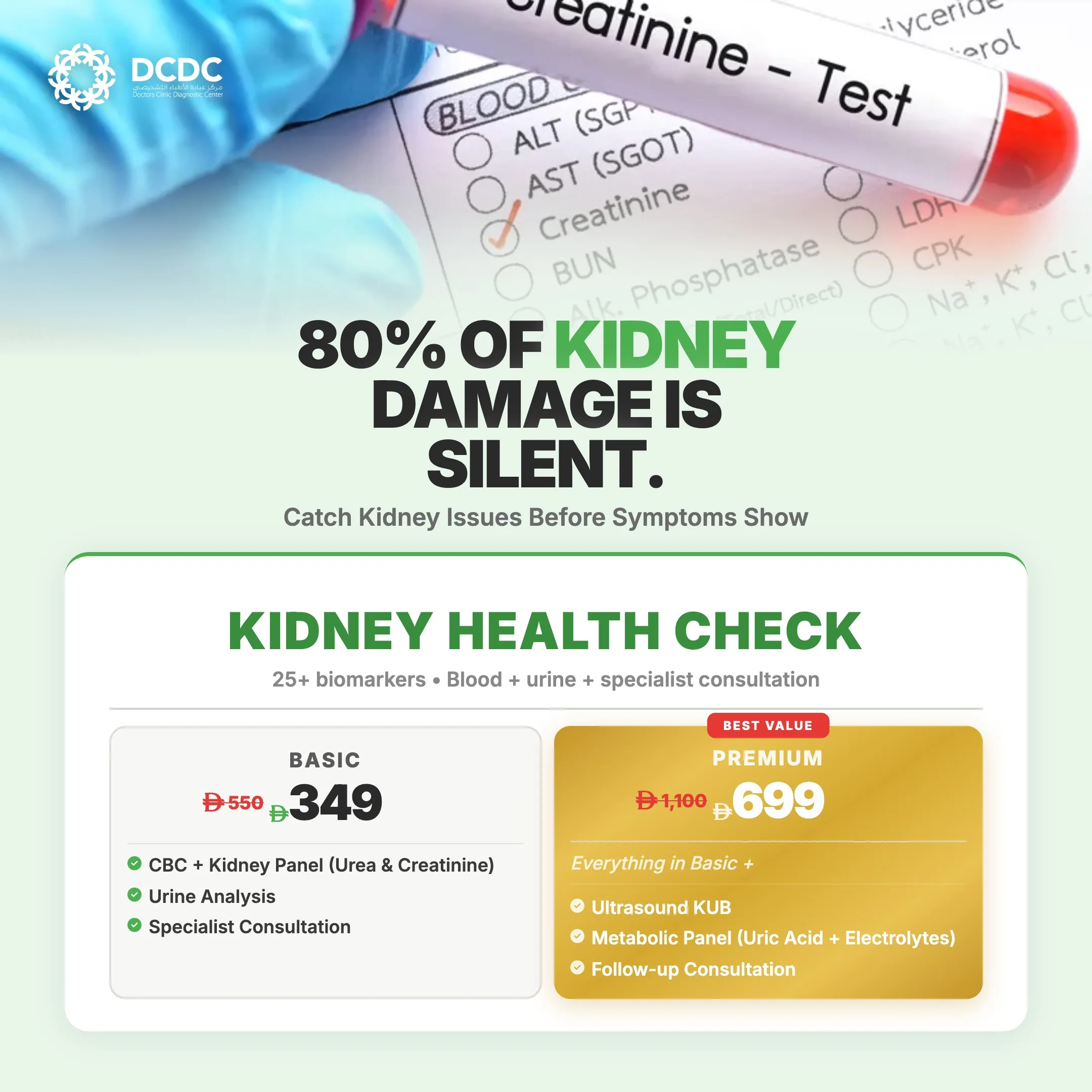
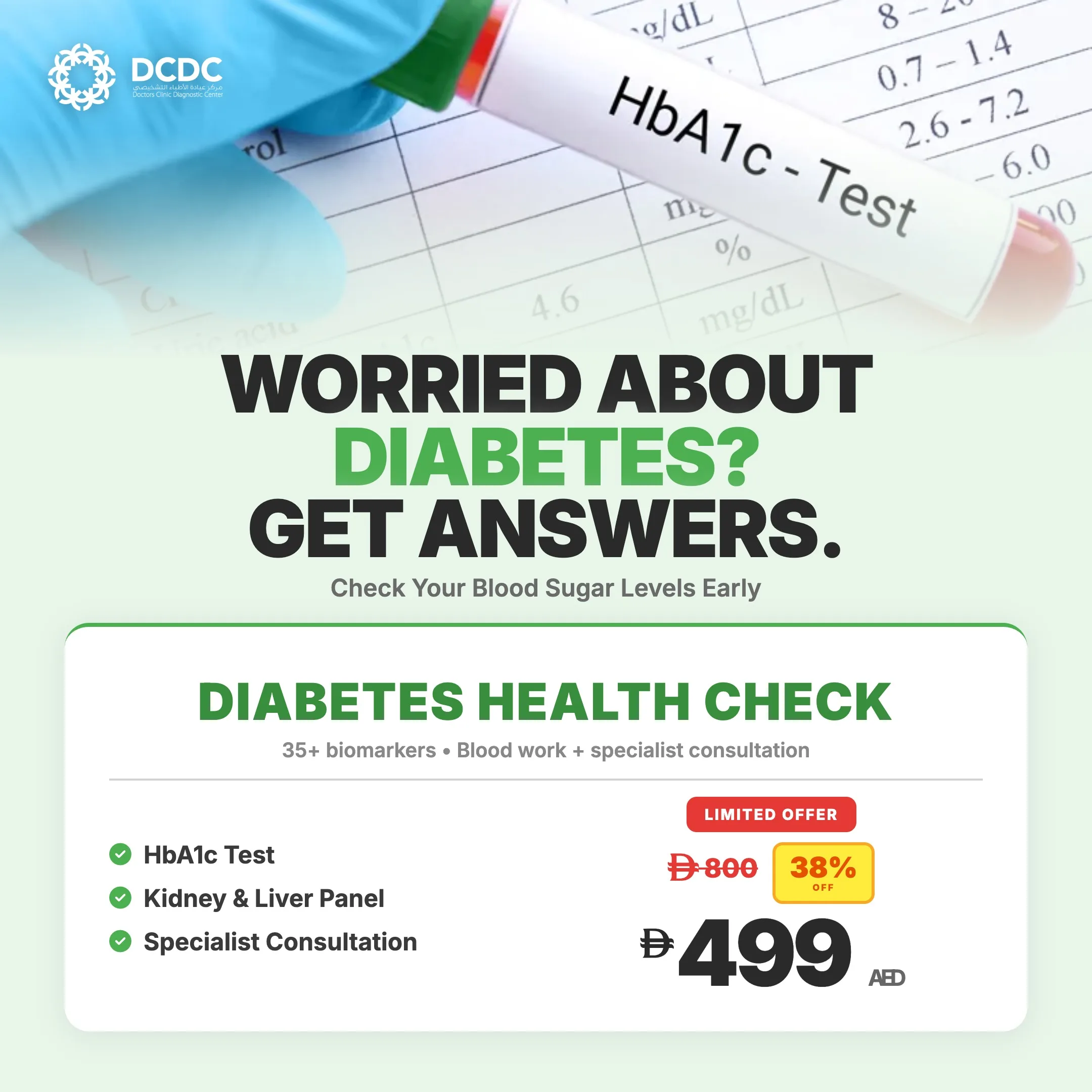
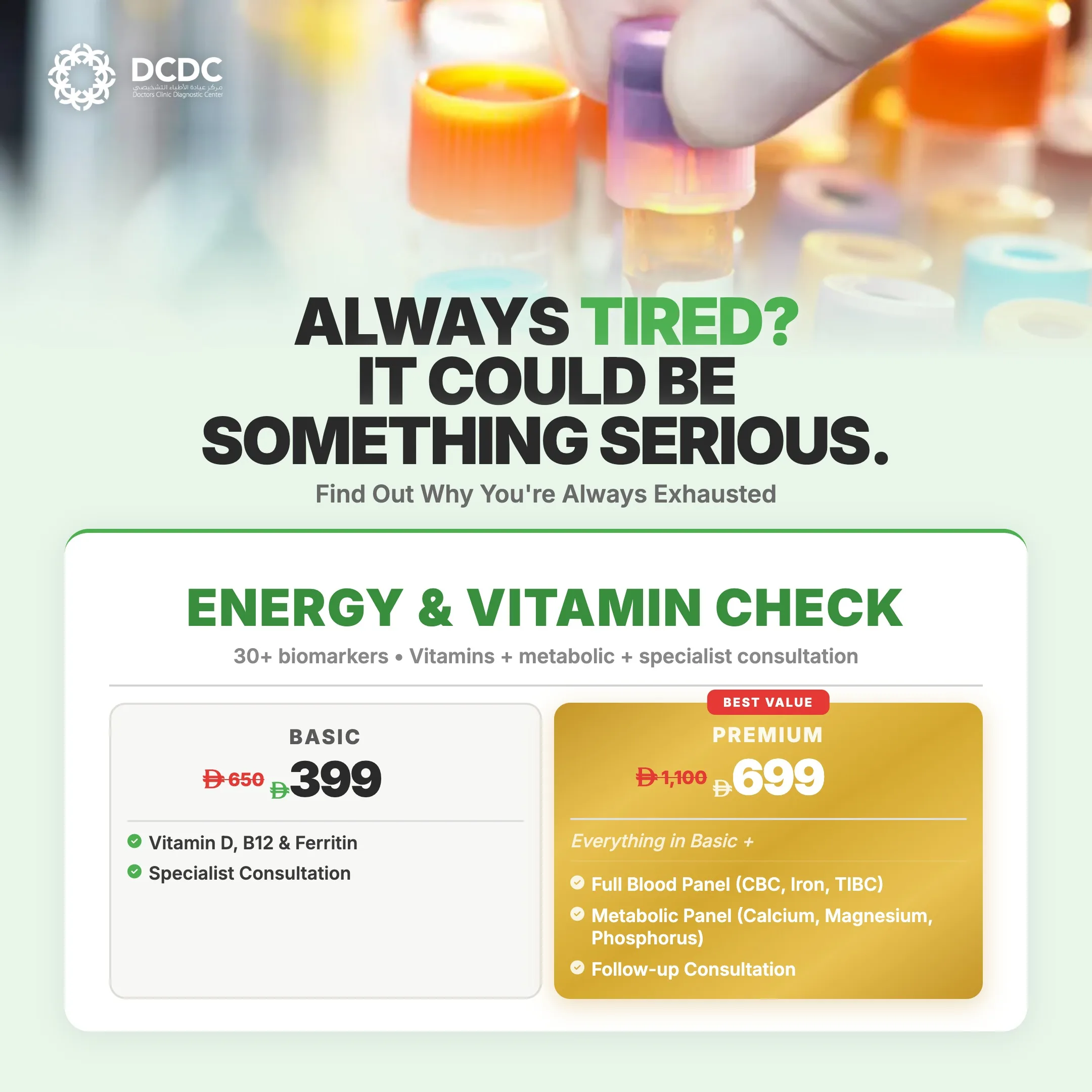
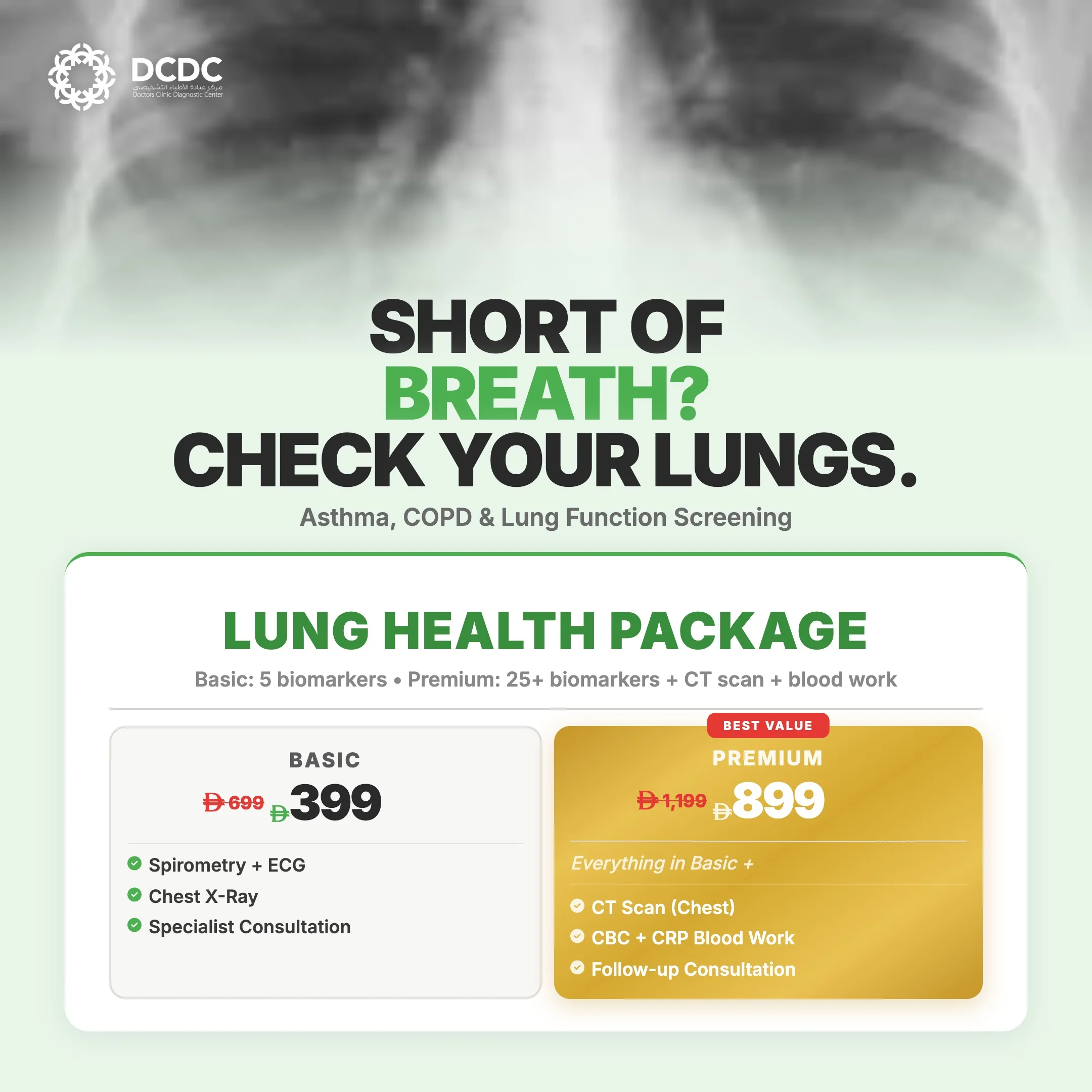
Health Screening Packages
Save with our bundled screening packages — specialist consultation included


Understanding Stroke: Types and Causes
A stroke occurs when the blood supply to part of the brain is interrupted, depriving brain cells of oxygen and causing them to die. There are two main types:
Ischaemic Stroke (85% of strokes)
Caused by a blood clot blocking an artery that supplies the brain. The clot may form in a narrowed brain artery (thrombotic stroke), travel from the heart or carotid arteries to the brain (embolic stroke), or result from small vessel disease deep in the brain (lacunar stroke). Risk factors include hypertension, atrial fibrillation, carotid artery disease, diabetes, high cholesterol, and smoking.
Haemorrhagic Stroke (15% of strokes)
Caused by bleeding into or around the brain from a ruptured blood vessel. Types include intracerebral haemorrhage (bleeding within the brain, most commonly from uncontrolled hypertension) and subarachnoid haemorrhage (bleeding around the brain, often from a ruptured aneurysm). Haemorrhagic strokes are less common but more likely to be fatal.
TIA (Transient Ischaemic Attack) — The Warning Stroke
A TIA is a temporary interruption of blood flow to the brain that causes stroke-like symptoms lasting minutes to hours before resolving completely. A TIA is a medical emergency — it signals that a full stroke is imminent. Studies show that the risk of a full stroke is approximately 5% within 48 hours of a TIA, and 10-15% within 90 days if the underlying cause is not treated. Urgent evaluation and treatment after a TIA can prevent a devastating stroke.
Recognising Stroke Symptoms: Act FAST
Every minute counts during a stroke. The FAST acronym helps identify stroke symptoms and the need for emergency action:
- F — Face: Does one side of the face droop when the person tries to smile?
- A — Arms: Does one arm drift downward when both arms are raised?
- S — Speech: Is speech slurred or difficult to understand?
- T — Time: If any of these signs are present, call emergency services immediately. Time is brain — every minute of delay means more brain cells die
Additional stroke symptoms include sudden severe headache (worst headache of your life), sudden vision loss or double vision, sudden confusion or difficulty understanding speech, sudden numbness or weakness on one side of the body, and sudden difficulty walking or loss of balance.
Important: If you or someone around you experiences stroke symptoms, call 998 (UAE emergency services) immediately. Do not drive to the hospital — ambulance services can begin treatment en route and take you to a stroke-ready hospital. After emergency treatment, follow-up stroke care and prevention should be managed by a neurologist.
Stroke Risk Assessment at DCDC
The best way to prevent a stroke is to identify and manage your risk factors before a stroke occurs. Dr. Heike provides comprehensive stroke risk assessment at DCDC that evaluates all major modifiable risk factors:
Major Stroke Risk Factors
- Hypertension (high blood pressure): The single most important modifiable risk factor for stroke. Uncontrolled hypertension increases stroke risk by 3-4 times. Blood pressure management alone can reduce stroke risk by 35-40%
- Atrial fibrillation (AF): An irregular heart rhythm that allows blood to pool and clot in the heart, with clots potentially travelling to the brain. AF increases stroke risk by 5 times. Detection requires ECG or Holter monitoring, coordinated with Dr. Shahoo Mazhari (Cardiology)
- Carotid artery disease: Narrowing of the carotid arteries (which supply blood to the brain) from atherosclerosis. Detected with carotid Doppler ultrasound, available on-site at DCDC
- Diabetes: Doubles the risk of stroke through accelerated atherosclerosis and damage to blood vessels. Coordinated with Dr. Hadi Komshi (Internal Medicine) for optimal blood sugar management
- High cholesterol: LDL cholesterol contributes to arterial plaque formation. Statin therapy reduces stroke risk by 25-30% in patients with elevated LDL
- Smoking: Doubles stroke risk by damaging blood vessel walls and promoting clot formation. Stroke risk returns to near-normal within 5 years of quitting
- Obesity and physical inactivity: Increase stroke risk both directly and through associated conditions (hypertension, diabetes, high cholesterol)
- Previous TIA or stroke: Dramatically increases the risk of future stroke. Secondary prevention is essential
- Family history: First-degree relatives with stroke increase your risk, particularly if the stroke occurred at a young age
Diagnostic Investigations
Dr. Heike coordinates the following investigations as part of stroke risk assessment, most of which are available on-site at DCDC:
- Carotid Doppler ultrasound: Non-invasive ultrasound imaging of the carotid arteries to detect narrowing (stenosis) from atherosclerotic plaque. This is one of the most important stroke prevention tests for patients with risk factors
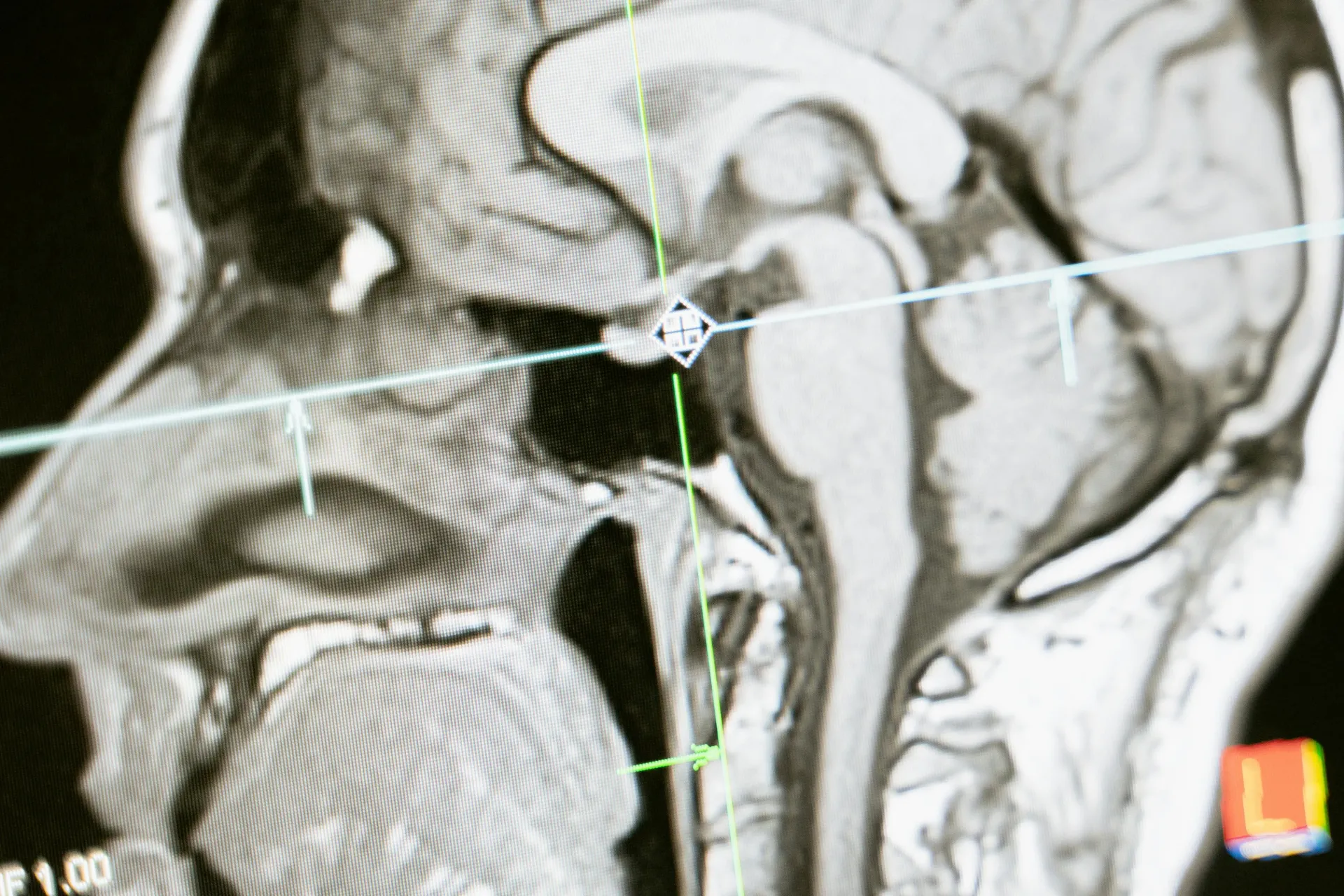
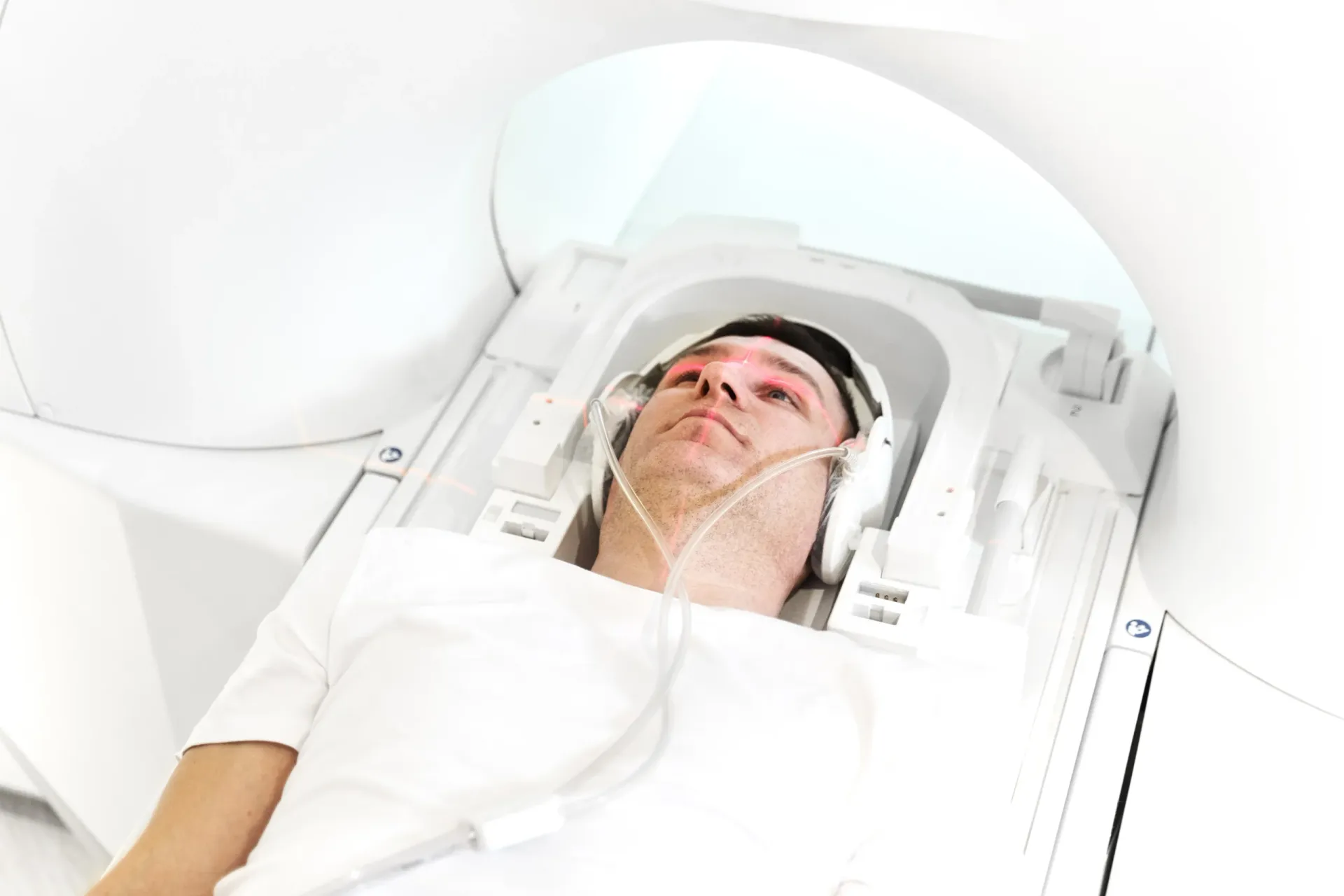
- Brain MRI: Identifies evidence of previous silent strokes (small infarcts that occurred without noticeable symptoms), white matter disease, and brain structural abnormalities that increase stroke risk
- ECG: Screens for atrial fibrillation and other cardiac arrhythmias that increase stroke risk
- Echocardiogram: Heart ultrasound (performed by Dr. Shahoo Mazhari) to look for cardiac sources of blood clots including valve disease, reduced heart function, and left atrial enlargement
- Blood tests: Lipid profile, fasting glucose, HbA1c, complete blood count, coagulation studies, and inflammatory markers
- Holter monitor: 24-48 hour continuous ECG recording to detect intermittent atrial fibrillation that a standard ECG may miss
TIA (Mini-Stroke) Evaluation: A Medical Urgency
If you have experienced a TIA — temporary episode of face drooping, arm weakness, speech difficulty, vision loss, or numbness that resolved within minutes to hours — you need urgent specialist evaluation. Dr. Heike provides rapid TIA assessment at DCDC:
- Urgent clinical assessment: Detailed neurological examination to confirm the diagnosis and identify the likely mechanism
- Brain MRI: To check for evidence of brain ischaemia (restricted blood flow) and exclude other causes of transient symptoms
- Carotid Doppler: To check for significant carotid artery narrowing that may require urgent intervention
- ECG and cardiac evaluation: To screen for atrial fibrillation and other cardiac sources of embolism
- Blood tests: Including lipid profile, glucose, and coagulation studies
- Immediate secondary prevention: Starting antiplatelet therapy (aspirin), statin, and blood pressure treatment if not already in place. Urgent referral for carotid endarterectomy if significant carotid stenosis is found
The goal of urgent TIA evaluation is to identify the cause and start preventive treatment within 24-48 hours, dramatically reducing the risk of a full stroke.
Book a Stroke Risk Assessment With Dr. Heike Jacobs
Call or WhatsApp DCDC to schedule your stroke prevention consultation or urgent TIA evaluation. Carotid Doppler, brain MRI, ECG, and blood tests available on-site.
Most major insurance plans accepted. German and English consultations available.
Stroke Prevention: What You Can Do
Stroke prevention is built on two pillars: medical treatment of risk factors and healthy lifestyle changes. Dr. Heike works with patients to optimise both:
Medical Prevention
- Blood pressure management: Target blood pressure below 130/80 mmHg for most patients. Achieved through medication, salt reduction, exercise, and weight management
- Anticoagulation for atrial fibrillation: Blood-thinning medication (DOACs or warfarin) reduces stroke risk by 60-70% in patients with AF. Coordinated with Dr. Shahoo Mazhari
- Statin therapy: Reduces LDL cholesterol and stabilises arterial plaques, lowering stroke risk by 25-30%. Recommended for most patients with established vascular risk factors
- Antiplatelet therapy: Aspirin or clopidogrel for patients with a history of TIA or ischaemic stroke to prevent recurrence
- Diabetes management: Optimal blood sugar control (HbA1c target typically <7%) to reduce vascular damage. Coordinated with Dr. Hadi Komshi
- Carotid intervention: Carotid endarterectomy (surgical plaque removal) or carotid stenting for patients with significant carotid stenosis (typically >70% narrowing with symptoms)
Lifestyle Prevention
- Regular physical activity: At least 150 minutes per week of moderate-intensity exercise (brisk walking, cycling, swimming) reduces stroke risk by 25-30%
- Healthy diet: Mediterranean-style diet rich in fruits, vegetables, whole grains, fish, and olive oil, with limited salt, processed food, and red meat
- Smoking cessation: Stroke risk drops significantly within the first year of quitting and returns to near-normal within 5 years
- Weight management: Maintaining a healthy BMI (18.5-24.9) reduces the burden of hypertension, diabetes, and cholesterol
- Alcohol moderation: Excessive alcohol consumption increases stroke risk. Moderate consumption (if any) is recommended
- Stress management: Chronic stress contributes to hypertension and unhealthy behaviours. Regular relaxation, adequate sleep, and social connection are protective
Post-Stroke Care and Recovery
For patients who have experienced a stroke, Dr. Heike provides ongoing neurological monitoring and secondary prevention management at DCDC:
- Neurological monitoring: Regular assessment of neurological function, cognitive recovery, and detection of any new symptoms
- Secondary prevention optimisation: Ensuring all preventable risk factors are being managed with appropriate medications and lifestyle measures to prevent a second stroke
- Medication review: Regular review and adjustment of antiplatelet, anticoagulant, anti-hypertensive, and statin medications
- Rehabilitation coordination: Referral to and coordination with physiotherapy (for mobility and balance), speech therapy (for language and swallowing difficulties), and occupational therapy (for daily living skills)
- Cognitive assessment: Monitoring for post-stroke cognitive impairment and vascular dementia, which can develop in the months after stroke
- Emotional well-being: Screening for post-stroke depression and anxiety, which affect approximately one-third of stroke survivors
Multi-Specialty Stroke Prevention at DCDC
Effective stroke prevention requires coordination between neurology, cardiology, and internal medicine — exactly the multi-specialty structure available at DCDC Healthcare City:
| Doctor | Role in Stroke Prevention |
|---|---|
| Dr. Heike Jacobs (Neurology) | Stroke risk assessment, TIA evaluation, brain MRI interpretation, carotid Doppler coordination, post-stroke care |
| Dr. Shahoo Mazhari (Cardiology) | Atrial fibrillation detection and management, echocardiography, anticoagulation therapy, cardiac risk factor management |
| Dr. Hadi Komshi (Internal Medicine) | Diabetes management, hypertension treatment, cholesterol optimisation, metabolic risk factor coordination |
Multi-specialty stroke prevention team at DCDC Dubai Healthcare City
When to See a Neurologist for Stroke Risk
You should see a neurologist for stroke risk assessment if any of the following apply:
- You have experienced a TIA (temporary face drooping, arm weakness, speech difficulty, or vision loss) — this requires urgent evaluation
- You have multiple stroke risk factors: Hypertension + diabetes + high cholesterol + family history
- You have atrial fibrillation and want to ensure your stroke prevention is optimised
- You have a family history of stroke, particularly at a young age
- You have had a previous stroke and need ongoing neurological monitoring and secondary prevention
- You have carotid artery disease detected on imaging and need specialist assessment
- You want a comprehensive stroke risk assessment for peace of mind and prevention planning
Cost of Stroke Assessment in Dubai
A comprehensive stroke risk assessment at DCDC includes a neurology consultation with Dr. Heike plus relevant investigations. The cost depends on which tests are indicated — carotid Doppler, brain MRI, ECG, and blood tests each carry separate fees. DCDC accepts most major insurance plans with direct billing. Insurance typically covers stroke risk assessment when clinical indications are documented. Self-pay patients receive transparent pricing before investigations are ordered.
DCDC में संबंधित सेवाएं
दुबई हेल्थकेयर सिटी में विशेषज्ञ देखभाल और उन्नत निदान
Stroke Care
Comprehensive stroke risk assessment, TIA evaluation, and post-stroke management
अपॉइंटमेंट बुक करेंNeurology Consultation
Expert neurological evaluation and diagnosis
अपॉइंटमेंट बुक करेंCarotid Doppler Ultrasound
Non-invasive imaging to assess stroke risk from carotid artery disease
अपॉइंटमेंट बुक करेंFrequently Asked Questions
Prevent Stroke Before It Happens
Stroke is devastating but largely preventable. The key is identifying your personal risk factors and managing them proactively — not waiting for warning signs that may come too late. Dr. Heike Jacobs at DCDC Healthcare City provides the expert neurological evaluation, advanced diagnostic facilities, and multi-specialty coordination needed for effective stroke prevention.
If you have experienced a TIA, do not wait — urgent evaluation within 24-48 hours can prevent a full stroke. If you have risk factors such as hypertension, diabetes, atrial fibrillation, or a family history of stroke, a comprehensive stroke risk assessment gives you the information and treatment plan to protect yourself.
Book your stroke risk assessment with Dr. Heike Jacobs by calling or sending a WhatsApp message to DCDC. Carotid Doppler, brain MRI, ECG, and blood tests available on-site at Dubai Healthcare City.
स्रोत एवं संदर्भ
यह लेख हमारी चिकित्सा टीम द्वारा समीक्षित है और निम्नलिखित स्रोतों का संदर्भ देता है:
- World Health Organization — Global Health Estimates: Stroke Mortality and Disability
- European Stroke Organisation (ESO) — Guidelines for the Management of Ischaemic Stroke 2024
- American Heart Association / American Stroke Association — Guidelines for the Prevention of Stroke
- Dubai Health Authority (DHA) — Licensed Healthcare Professionals Directory
- Rothwell PM et al. Effect of urgent treatment of transient ischaemic attack and minor stroke on early recurrent stroke (EXPRESS study). Lancet. 2007
इस साइट पर चिकित्सा सामग्री DHA-लाइसेंस प्राप्त चिकित्सकों द्वारा समीक्षित है। हमारी देखें संपादकीय नीति अधिक जानकारी के लिए।
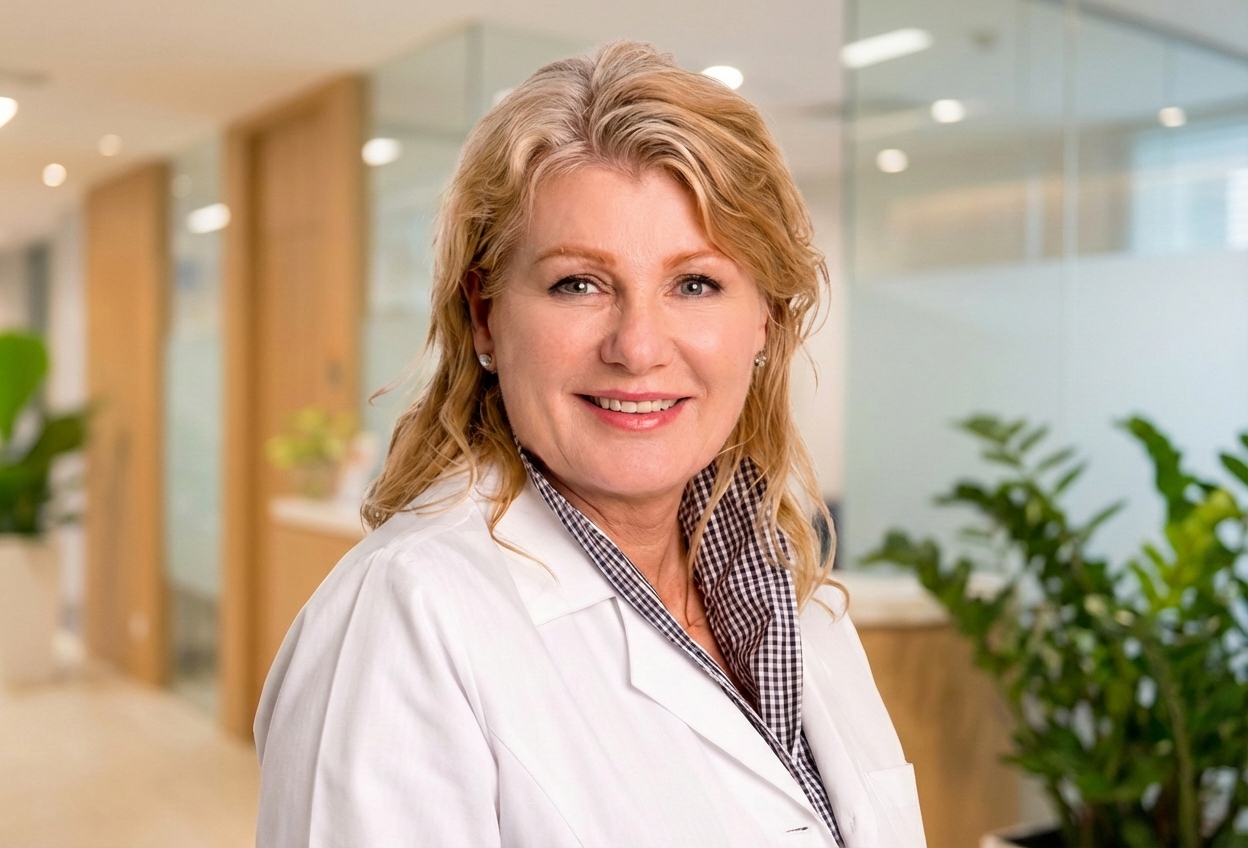
लेखक
Dr. Heike Jacobs
Consultant Neurologist
MD, MRCP (London)
Dr. Heike Jacobs is a Consultant Neurologist at DCDC Dubai Healthcare City. She holds MRCP from the Royal College of Physicians (London), trained at the Free University of Berlin and King's College Hospital. She specialises in stroke prevention, TIA evaluation, and neurological care. She speaks German and English.
Related Articles
Stroke Warning Signs in Dubai
Best Neurologist in Dubai: Dr. Heike Jacobs

Carotid Doppler Ultrasound and Stroke
Brain MRI Scan in Dubai

Hypertension: The Silent Killer

Atrial Fibrillation Treatment in Dubai
More in Neurology

Migraine vs Headache Dubai: Key Differences (2026)
और पढ़ें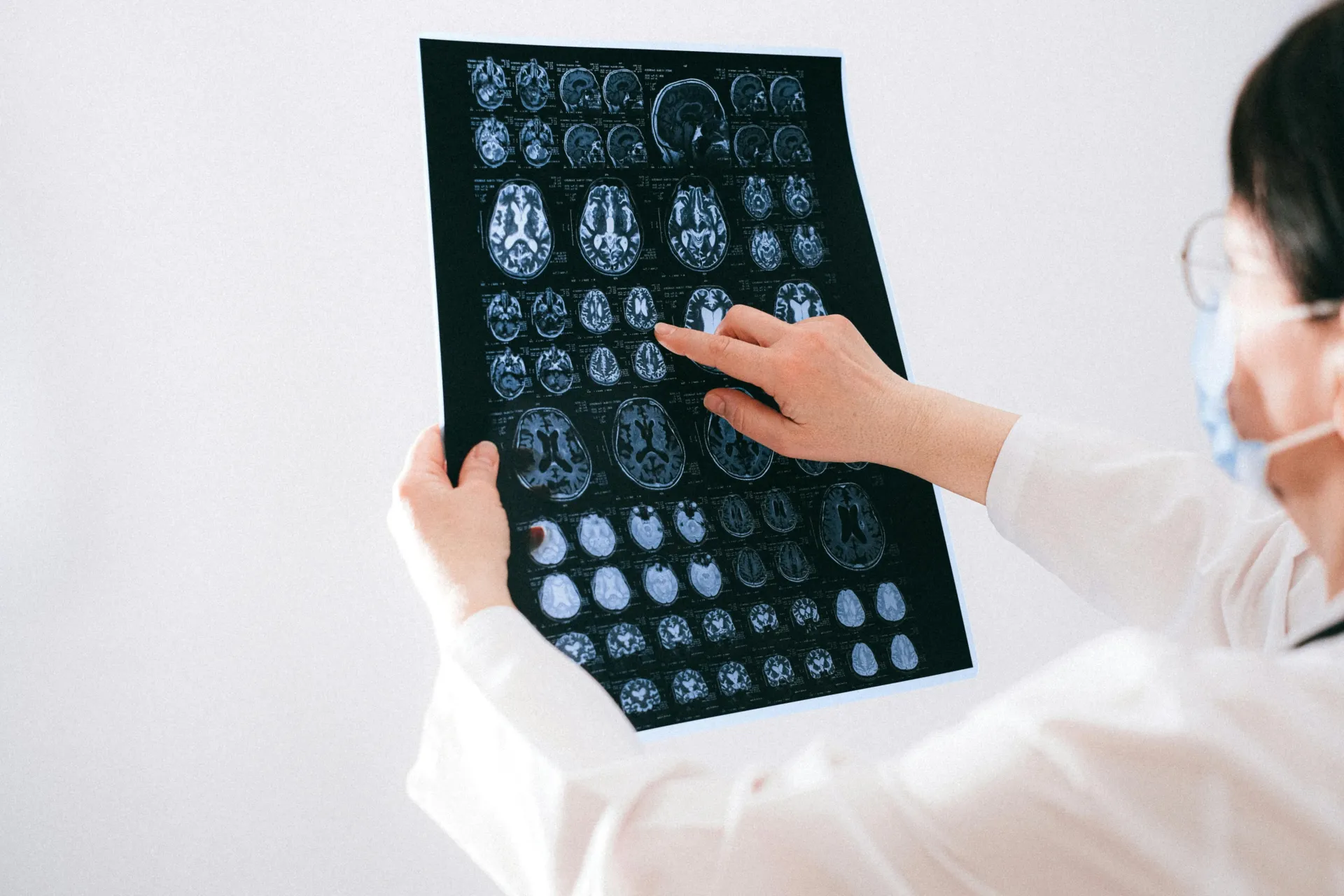
When to See a Neurologist in Dubai (2026)
और पढ़ेंNeurologist Cost Dubai: From AED 500 (2026)
और पढ़ेंBest Neurologist in Dubai: Dr. Heike Jacobs at DCDC (2026)
और पढ़ेंGerman Neurologist in Dubai: Dr. Heike Jacobs at DCDC (2026)
और पढ़ेंMigraine Specialist in Dubai: Expert Treatment at DCDC Healthcare City (2026)
और पढ़ें© 2026 Doctors Clinic Diagnostic Center (DCDC), Dubai Healthcare City. Originally published at https://doctorsclinicdubai.ae/blog/stroke-treatment-dubai. All rights reserved. Unauthorized reproduction is prohibited.