मुख्य बातें
- Osteoporosis prevalence in the UAE is projected to double by 2040, with 78% of residents having vitamin D deficiency that accelerates bone loss
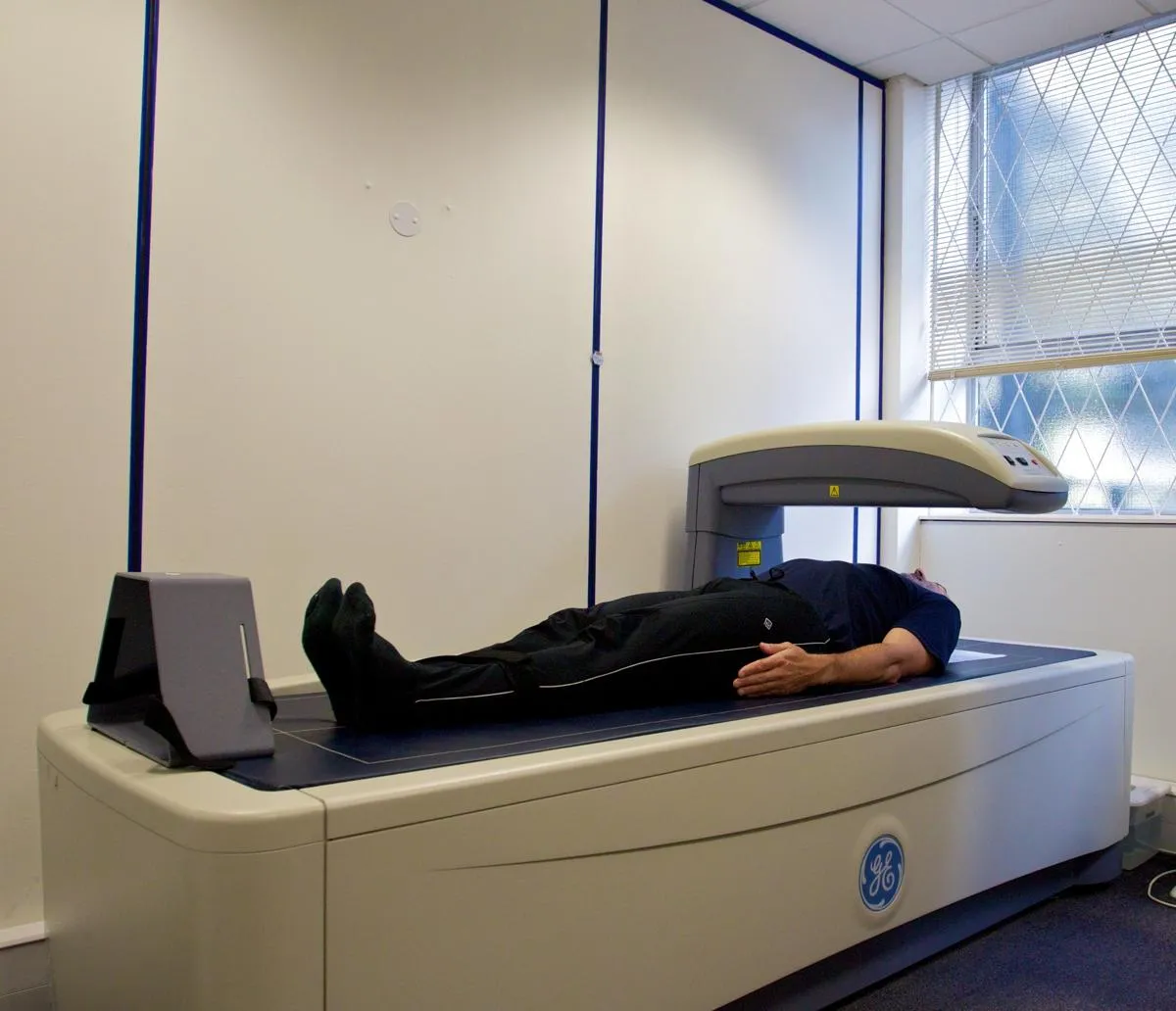
- A DEXA scan is the gold-standard screening tool - painless, non-invasive, and takes under 15 minutes at DCDC
- All women aged 65+ and men aged 70+ should be screened; younger postmenopausal women with risk factors should start earlier
- A T-score of -2.5 or lower confirms osteoporosis; scores between -1.0 and -2.5 indicate osteopenia (low bone mass)
- DCDC offers DEXA scans from AED 350 with subspecialty radiologist interpretation and results within 18-24 hours
- Treatment options range from bisphosphonates and denosumab to lifestyle modifications including weight-bearing exercise, calcium, and vitamin D supplementation
Osteoporosis is often called the "silent disease" because bone loss occurs without symptoms until a fracture happens. In the UAE, where roughly 78% of the population is vitamin D deficient, the risk is alarmingly high. At DCDC in Dubai Healthcare City, we offer comprehensive osteoporosis screening with our DEXA scan service - the gold-standard bone density measurement - along with on-site blood work, specialist interpretation, and coordinated treatment plans, all under one roof.
If you are a woman approaching or past menopause, a man over 50, or anyone with risk factors for bone loss, understanding your bone health is one of the most important preventive steps you can take. Osteoporosis-related fractures - particularly of the hip, spine, and wrist - can be life-altering. The International Osteoporosis Foundation estimates that one in three women and one in five men over 50 will experience an osteoporotic fracture. The encouraging reality is that osteoporosis is highly preventable and treatable when caught early through proper screening.
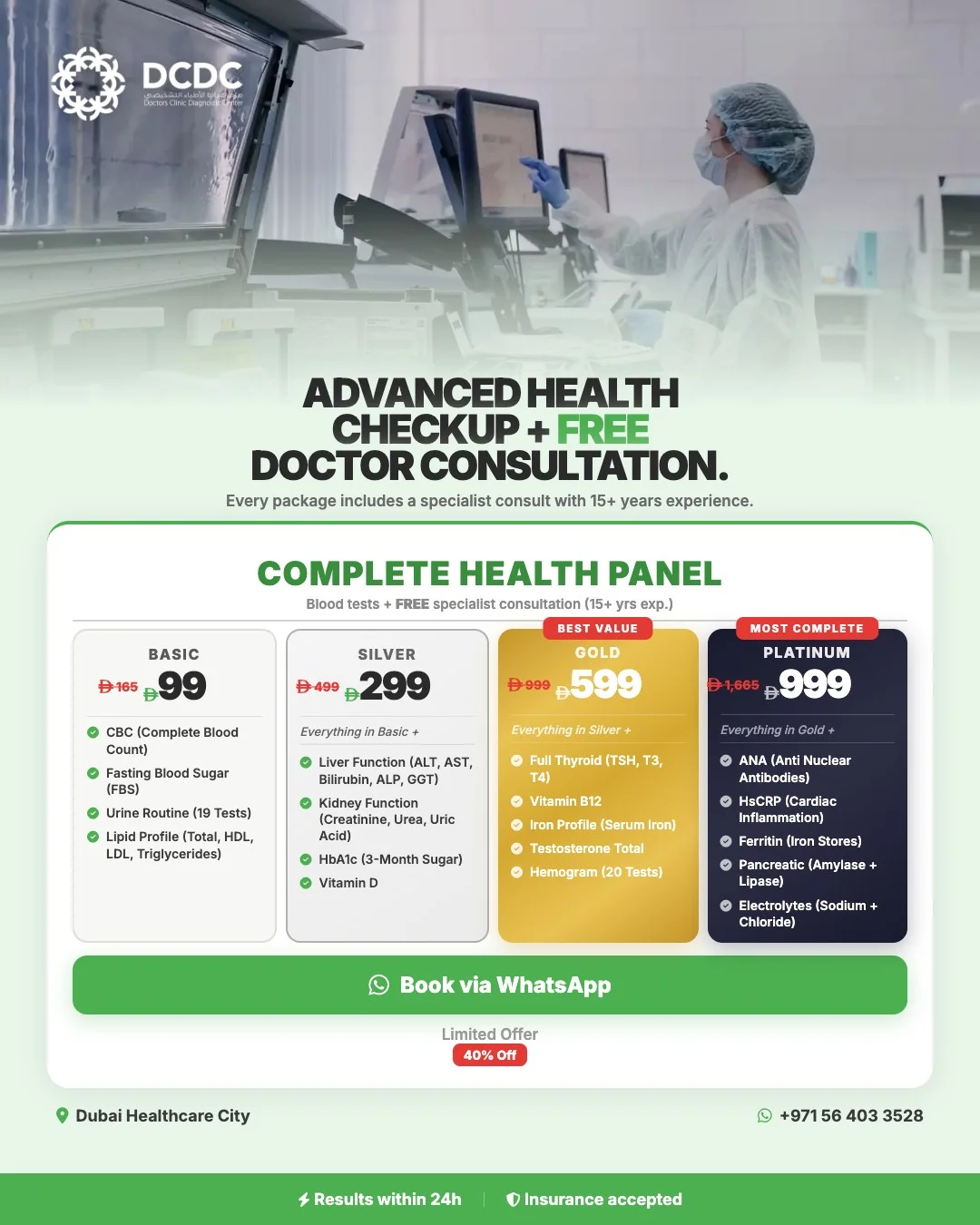
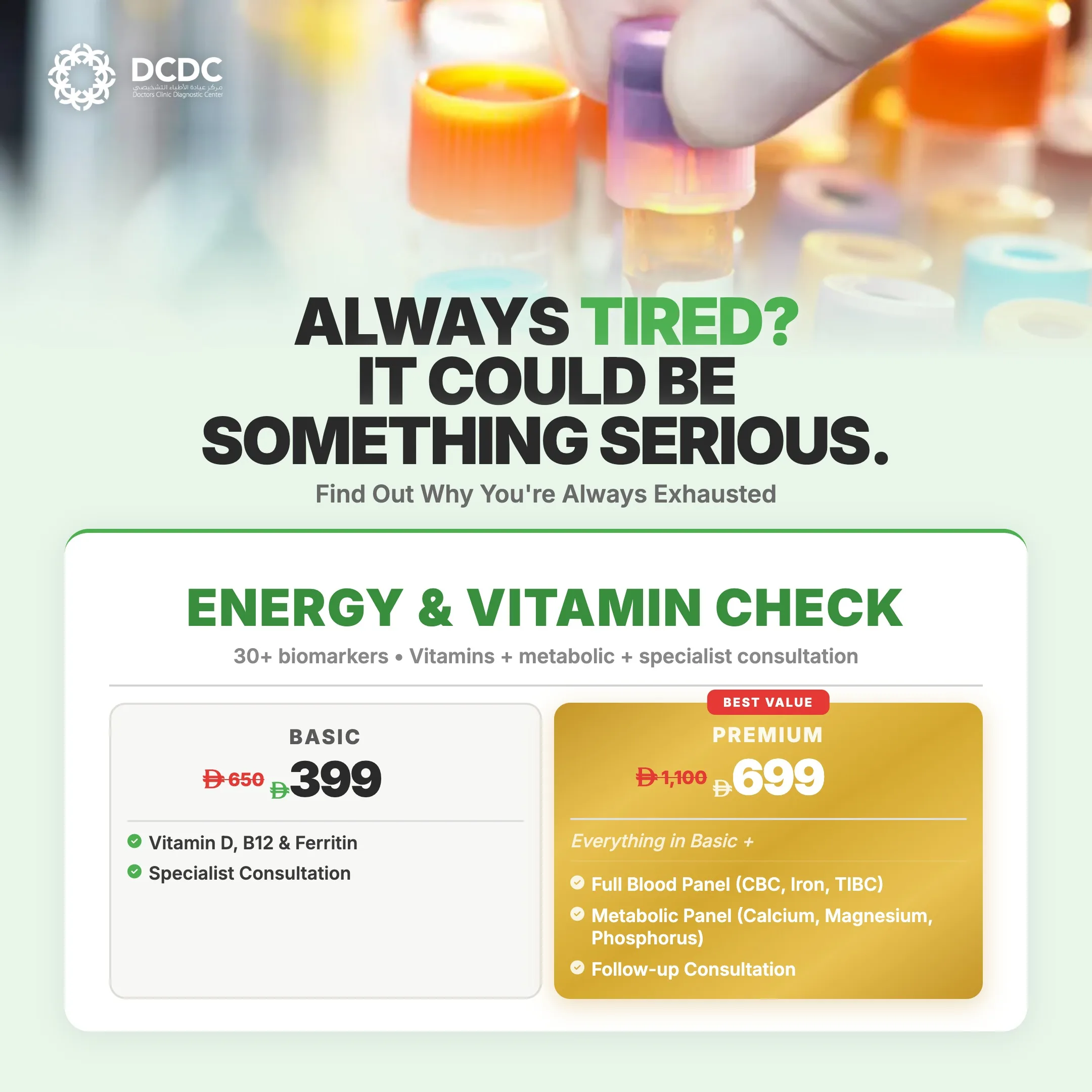
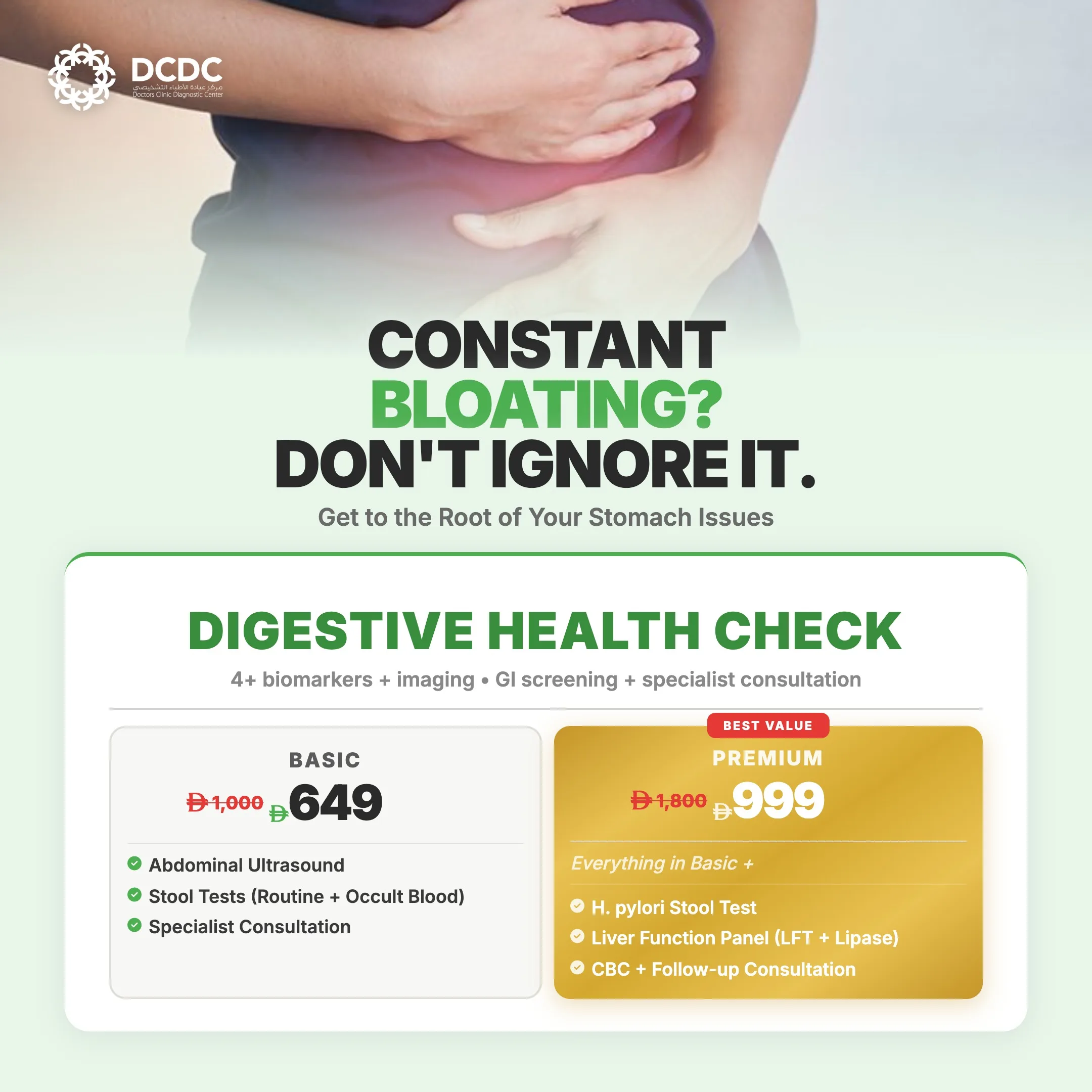
Health Screening Packages
Save with our bundled screening packages — specialist consultation included

What Is Osteoporosis? Understanding Bone Loss
Osteoporosis literally means "porous bone." It is a systemic skeletal condition in which bones lose density and structural quality, becoming fragile and far more susceptible to fractures. Healthy bone is a living tissue that constantly remodels itself - old bone is broken down by cells called osteoclasts and new bone is formed by osteoblasts. In osteoporosis, this balance tips toward breakdown, and bones become thinner and weaker over time.
Bone density typically peaks around age 30. After that, everyone gradually loses bone mass. In women, the decline accelerates sharply in the first five to seven years following menopause due to the drop in estrogen, a hormone that plays a critical role in maintaining bone density. Men lose bone more gradually, but by age 70, their risk catches up significantly.
Osteoporosis vs. Osteopenia
Osteopenia is the stage between normal bone density and osteoporosis. Think of it as a warning zone. A person with osteopenia has lower-than-normal bone density but has not yet reached the threshold for osteoporosis. Without intervention - improved nutrition, exercise, and sometimes medication - osteopenia can progress to osteoporosis. The distinction is based on your T-score from a DEXA scan:
- Normal: T-score of -1.0 or above
- Osteopenia (low bone mass): T-score between -1.0 and -2.5
- Osteoporosis: T-score of -2.5 or below
- Severe osteoporosis: T-score of -2.5 or below with a history of fragility fracture
Why Osteoporosis Is a Growing Concern in Dubai and the UAE
The UAE faces a unique convergence of risk factors that make osteoporosis a particularly pressing public health issue. Data from the International Osteoporosis Foundation and regional studies paint a concerning picture, with prevalence projected to double by 2040 unless preventive action is taken.
Widespread Vitamin D Deficiency
Despite year-round sunshine, approximately 78% of the UAE population suffers from vitamin D deficiency. Vitamin D is essential for calcium absorption - without adequate levels, your body cannot effectively build and maintain bone. A study at the Dubai Bone and Joint Centre found that 75% of osteoporosis patients also had vitamin D deficiency. The paradox of sunny Dubai creating vitamin D-deficient residents is well documented: indoor lifestyles, air-conditioned environments, tinted car windows, and sun avoidance during extreme summer temperatures all contribute.
Sedentary Lifestyle
Weight-bearing physical activity stimulates bone formation. However, Dubai's climate - with summer temperatures regularly exceeding 45 degrees Celsius - pushes residents indoors for much of the year. Office-based work, reliance on cars, and the prevalence of indoor entertainment create a lifestyle that does not challenge bones enough to maintain their strength. Studies show UAE residents spend over 90% of their time indoors, ranking among the highest globally.
Dietary Patterns
Many residents in Dubai do not meet the recommended daily intake of calcium (1,000-1,200 mg for adults) through diet alone. Busy professional lifestyles, reliance on processed foods, and lower consumption of dairy products contribute to inadequate calcium intake, a foundational element for bone health.
Young-Onset Concerns
UAE doctors have raised alarm about osteoporosis increasingly affecting younger populations. The combination of vitamin D deficiency starting in childhood, low physical activity, and poor dietary habits means that some individuals are entering their peak bone-building years with already compromised skeletal health. This is why preventive screening and early intervention are so important.
Who Should Get Screened for Osteoporosis?
Screening guidelines from the U.S. Preventive Services Task Force (USPSTF), the Bone Health & Osteoporosis Foundation (BHOF), and the International Osteoporosis Foundation (IOF) recommend bone density testing for the following groups:
- All women aged 65 and older - regardless of risk factors
- All men aged 70 and older - regardless of risk factors
- Postmenopausal women under 65 with one or more risk factors (family history, low body weight, smoking, early menopause)
- Men aged 50-69 with clinical risk factors for osteoporosis
- Anyone who has had a fragility fracture after age 50 (fracture from minimal trauma such as a fall from standing height)
- Adults on long-term corticosteroid therapy (e.g., prednisone for more than 3 months)
- People with conditions associated with bone loss - rheumatoid arthritis, hyperthyroidism, hyperparathyroidism, celiac disease, inflammatory bowel disease
- Anyone with radiological evidence of bone loss or vertebral compression on imaging
If you are unsure whether you should be screened, our annual health checkup at DCDC includes a risk assessment where Dr. Hadeel Elnur can evaluate your bone health risk factors and recommend appropriate screening.
Risk Factors for Osteoporosis
Understanding your personal risk profile is the first step toward prevention. Some risk factors are modifiable - meaning you can change them - while others are not.
Non-Modifiable Risk Factors
- Age: Bone density naturally declines after age 30, accelerating after 50
- Sex: Women are four times more likely to develop osteoporosis than men
- Family history: A parent or sibling with osteoporosis or hip fracture significantly increases your risk
- Ethnicity: Caucasian and Asian women have the highest risk, though all ethnicities are affected
- Body frame size: Smaller, thinner individuals tend to have less bone mass to draw from
- Early menopause: Menopause before age 45 (natural or surgical) increases risk due to earlier loss of estrogen
Modifiable Risk Factors
- Low calcium intake: Chronic low dietary calcium contributes to diminished bone density and early bone loss
- Vitamin D deficiency: Impairs calcium absorption and bone mineralization - extremely common in Dubai
- Sedentary lifestyle: Lack of weight-bearing exercise weakens bones over time
- Smoking: Reduces bone density by interfering with calcium absorption and estrogen levels
- Excessive alcohol: More than two drinks daily increases fracture risk
- Long-term medications: Corticosteroids, proton pump inhibitors, certain anti-seizure drugs, and some cancer treatments
- Eating disorders: Anorexia and severely restricted diets reduce bone-building nutrients
The DEXA Scan: Gold-Standard Bone Density Test
Dual-energy X-ray absorptiometry (DEXA or DXA) is the most widely used and validated diagnostic tool for measuring bone mineral density (BMD). It is recommended by the World Health Organization, the International Osteoporosis Foundation, and every major medical guideline as the reference standard for osteoporosis diagnosis.
How DEXA Works
A DEXA scanner uses two low-dose X-ray beams at different energy levels. These beams pass through the body, and the machine measures how much energy is absorbed by bone versus soft tissue. The difference between the two beams allows precise calculation of bone mineral density. The scan typically measures the lumbar spine (L1-L4) and the proximal femur (hip), which are the most clinically relevant sites for fracture prediction.
Understanding Your T-Score and Z-Score
Your DEXA results include two important numbers. The T-score compares your bone density to that of a healthy 30-year-old adult of the same sex - this is the primary diagnostic measure. The Z-score compares your bone density to others of the same age, sex, and ethnicity - this is useful for identifying whether bone loss is greater than expected for your age, which may point to secondary causes.
| T-Score | Classification | Clinical Significance |
|---|---|---|
| -1.0 and above | Normal | Healthy bone density; continue preventive measures |
| -1.0 to -2.5 | Osteopenia | Low bone mass; lifestyle modifications and possible medication |
| -2.5 and below | Osteoporosis | Significant bone loss; treatment recommended to prevent fractures |
| -2.5 and below + fracture | Severe Osteoporosis | Established disease; aggressive treatment and fall prevention |
WHO diagnostic criteria for osteoporosis based on DEXA T-scores.
For a detailed explanation of how DEXA scans work, what to expect, and how to interpret your T-score, read our comprehensive guide: DEXA Scan Dubai: Cost, T-Score & Who Needs It.
How Often Should You Get a DEXA Scan?
The frequency of repeat DEXA scans depends on your initial results and risk profile. General guidelines suggest:
- Normal T-score (-1.0 or above): Rescreen every 10-15 years if no new risk factors develop; every 5 years for women within 10 years of menopause
- Mild osteopenia (-1.0 to -1.5): Rescreen every 5 years
- Advanced osteopenia (-1.5 to -2.5): Rescreen every 1-2 years
- Osteoporosis (on treatment): Repeat DEXA every 1-2 years to monitor treatment response
- Corticosteroid therapy: Baseline scan at start of treatment, then annually
For more specific guidance on screening intervals, see our article on how often you should get a DEXA scan. At DCDC, Dr. Hadeel Elnur tailors the screening schedule to each patient's individual risk profile and results.
What to Expect at DCDC: Your Osteoporosis Screening Visit
At Doctors Clinic Diagnostic Center (DCDC) in Dubai Healthcare City, we have designed the osteoporosis screening process to be thorough yet efficient. Here is exactly what happens during your visit:
Step 1: Initial Consultation with Dr. Hadeel Elnur
Your visit begins with a consultation where Dr. Hadeel Elnur reviews your medical history, family history, medications, lifestyle factors, and any symptoms such as height loss or back pain. As a general practitioner, Dr. Elnur serves as your first point of contact and coordinates multi-specialty workups when needed. She will determine whether a DEXA scan, blood tests, or both are appropriate for you.
Step 2: The DEXA Scan
The scan itself is painless, non-invasive, and takes approximately 10-15 minutes. You lie fully clothed on a padded table (avoid clothing with metal zippers or buttons). A scanning arm passes over your body, measuring bone density at the hip and lumbar spine. The radiation exposure is extremely low - about one-tenth of a standard chest X-ray - making it one of the safest imaging procedures available.
Step 3: Blood Tests
Our on-site laboratory allows us to draw blood samples during the same visit. For a comprehensive bone health assessment, we typically check:
- Serum calcium - total and ionized levels
- 25-hydroxyvitamin D - your vitamin D status
- Phosphorus - works with calcium for bone formation
- Alkaline phosphatase (ALP) - a marker of bone turnover
- Parathyroid hormone (PTH) - regulates calcium metabolism
- Thyroid function tests - hyperthyroidism can accelerate bone loss
- Complete blood count and renal panel - to rule out secondary causes
Step 4: Results and Treatment Plan
Your DEXA scan is interpreted by a subspecialty radiologist, with results typically available within 18-24 hours (same-day for urgent cases). Blood test results are ready within 24-48 hours. Once all results are in, Dr. Elnur discusses your findings, explains your T-score, and creates a personalized management plan. If specialized treatment is needed, she can coordinate referral to endocrinology or rheumatology, all within our one-stop diagnostic center.
DCDC Equipment and Quality
DCDC uses a state-of-the-art DEXA scanner that provides precise, reproducible bone density measurements. All scans are performed by trained technologists and interpreted by subspecialty radiologists, ensuring accurate diagnosis. Our clinic is MOHAP licensed (NIMY7VY5-240925), and we maintain a 4.8/5 Google rating from over 1,000 reviews, with a 98% patient satisfaction rate.
Osteoporosis Screening and Treatment Costs in Dubai
Transparency in pricing helps you make informed decisions about your bone health. Here is what osteoporosis-related services cost at DCDC compared with typical market rates across Dubai:
| Service | DCDC Price (AED) | Typical Dubai Market (AED) | Notes |
|---|---|---|---|
| DEXA Scan (Bone Density) | From AED 350 | AED 500-800 | Includes subspecialty radiologist report; results in 18-24 hours |
| GP Consultation | From AED 249 | AED 300-500 | Initial assessment and risk evaluation with Dr. Hadeel Elnur |
| Bone Health Blood Panel (Calcium, Vitamin D, PTH, ALP) | AED 300-500 | AED 500-900 | Comprehensive panel at our on-site lab |
| Health Checkup Package | From AED 249 | AED 500-1,500 | Includes blood work; add DEXA for comprehensive bone screening |
| Follow-up DEXA Scan (Monitoring) | From AED 350 | AED 500-800 | Recommended 1-2 years after starting treatment |
Osteoporosis screening costs at DCDC Dubai Healthcare City vs. typical Dubai market rates. DCDC accepts 20+ insurance partners with direct billing including Daman, AXA, Bupa, MetLife, and Cigna.
For a broader overview of preventive screening costs, our guide on health checkup costs in Dubai covers pricing for various screening packages.
Book Your Osteoporosis Screening at DCDC
Protect your bones before a fracture happens. DEXA scans from AED 350, with subspecialty radiologist interpretation and results within 18-24 hours. Located in Building 64, Block A, Al Razi Medical Complex, Dubai Healthcare City. Free parking available. WhatsApp us now to schedule your DEXA scan or call to verify your insurance coverage.
WhatsApp Us
Treatment Options for Osteoporosis
Osteoporosis treatment aims to reduce fracture risk, stabilize or increase bone density, and maintain quality of life. The approach depends on your T-score, fracture history, age, and overall health. Current evidence-based treatment options include:
Bisphosphonates (First-Line Therapy)
Bisphosphonates are the most commonly prescribed class of medications for osteoporosis. They work by slowing osteoclast activity, reducing the rate at which bone is broken down. Options include:
- Alendronate (Fosamax): Oral, taken weekly. Most widely prescribed bisphosphonate; proven to reduce hip and spine fracture risk by up to 50%
- Risedronate (Actonel): Oral, taken weekly or monthly. Similar efficacy to alendronate with slightly different dosing options
- Ibandronate (Boniva): Oral monthly or intravenous every 3 months. Convenient for patients who prefer less frequent dosing
- Zoledronic acid (Reclast): Intravenous infusion once yearly. Ideal for patients who cannot tolerate oral bisphosphonates or prefer annual dosing
Oral bisphosphonates must be taken on an empty stomach with a full glass of water, and the patient must remain upright for 30-60 minutes afterward to prevent esophageal irritation. Treatment duration is typically five years for oral bisphosphonates or three years for intravenous zoledronic acid, after which a drug holiday may be considered.
Denosumab (Prolia)
Denosumab is a monoclonal antibody given as a subcutaneous injection every six months. It works by blocking RANKL, a protein that signals osteoclasts to break down bone. Denosumab is recommended as a second-line therapy for patients who cannot tolerate bisphosphonates, or as an alternative first-line option. It improves bone density more rapidly than bisphosphonates, but bone density drops quickly if the medication is stopped, so transition to a bisphosphonate is typically needed upon discontinuation.
Anabolic Agents (For Very High-Risk Patients)
For patients at very high fracture risk - those with severe osteoporosis, multiple prior fractures, or T-scores well below -2.5 - anabolic (bone-building) agents may be recommended:
- Teriparatide (Forteo): A synthetic form of parathyroid hormone given as daily subcutaneous injection for up to two years. Stimulates new bone formation rather than just slowing breakdown
- Romosozumab (Evenity): A sclerostin inhibitor given as monthly injection for one year. Has a dual action - increases bone formation and decreases bone resorption. Currently the most potent agent for building bone density
Anabolic agents are typically followed by anti-resorptive therapy (bisphosphonate or denosumab) to maintain the bone gains achieved.
Hormone Replacement Therapy (HRT)
For women in early menopause, hormone replacement therapy can help preserve bone density by replacing the estrogen lost during the menopausal transition. HRT is most effective when started within 10 years of menopause. While it reduces fracture risk, it is typically used for managing menopausal symptoms overall rather than as a first-line osteoporosis treatment, due to other health considerations that must be weighed on an individual basis. For more on managing the menopausal transition, read our guide on menopause treatment in Dubai.
The Role of Calcium and Vitamin D in Bone Health
No osteoporosis treatment is effective without adequate calcium and vitamin D. These two nutrients form the foundation of bone health and are non-negotiable components of any treatment plan.
Calcium Requirements
Adults need 1,000-1,200 mg of calcium daily. Dietary sources are preferred over supplements when possible, as they are better absorbed. Key sources include dairy products (milk, yogurt, cheese), leafy green vegetables (kale, broccoli, bok choy), fortified plant milks, almonds, sardines with bones, and tofu prepared with calcium. If dietary intake is insufficient, calcium supplements (calcium citrate or calcium carbonate) can bridge the gap, typically in doses of 500-600 mg taken with meals.
Vitamin D: The UAE Challenge
Vitamin D enables calcium absorption from the gut. Without adequate vitamin D, you can take all the calcium you want and your body still will not absorb it effectively. The recommended daily intake is 600-800 IU for most adults, but many experts recommend 1,000-2,000 IU daily for people in the UAE given the extremely high prevalence of deficiency. For a thorough understanding of vitamin D deficiency in the UAE, its causes, and treatment, see our detailed guide on vitamin D deficiency in Dubai.
At DCDC, our on-site laboratory can test your vitamin D and calcium levels during the same visit as your DEXA scan, giving you a complete picture of your bone health in a single appointment.
Preventing Osteoporosis: Lifestyle Strategies That Work
Prevention is always better than treatment. Whether you have been diagnosed with osteopenia, want to maintain healthy bones, or are supporting osteoporosis treatment, these evidence-based lifestyle strategies make a measurable difference.
Weight-Bearing and Resistance Exercise
Exercise is one of the most powerful tools for bone health. Weight-bearing exercise (where your bones support your body weight against gravity) and resistance training (using weights or bands) stimulate osteoblasts to build new bone. Effective exercises include:
- Walking briskly for 30 minutes most days
- Jogging or running (for those without existing fracture risk)
- Strength training with weights or resistance bands 2-3 times per week
- Stair climbing - a practical daily exercise
- Dancing, tennis, or pickleball - impact sports that are social and enjoyable
- Yoga and Pilates - improve balance and flexibility, reducing fall risk
Note that swimming and cycling, while excellent for cardiovascular health, are not weight-bearing and do not significantly stimulate bone formation.
Fall Prevention
For people with osteoporosis or osteopenia, preventing falls is as important as strengthening bones. Most osteoporotic fractures result from falls. Strategies include balance exercises (tai chi has strong evidence), ensuring adequate home lighting, removing trip hazards like loose rugs, using non-slip mats in bathrooms, having vision checked regularly, and reviewing medications that may cause dizziness.
Stop Smoking and Limit Alcohol
Smoking directly impairs bone formation and accelerates bone loss. Quitting smoking at any age provides bone health benefits. Alcohol in moderation (one drink or less per day for women, two or less for men) is generally acceptable, but excessive alcohol consumption weakens bones and increases fall risk.
Dr. Hadeel Elnur's Clinical Perspective on Bone Health in Dubai
As a general practitioner and the first point of contact for patients at DCDC, Dr. Hadeel Elnur sees bone health concerns across all age groups. Here is her clinical perspective:
"One pattern I see repeatedly at our clinic is patients who come in for unrelated complaints - back pain, fatigue, or a routine checkup - and we discover they have significant vitamin D deficiency combined with risk factors for osteoporosis they had never considered. Many patients, particularly women in their 40s and 50s, assume bone loss is something that only happens to the elderly. The reality is that preventive screening and early intervention can make a dramatic difference."
"What I appreciate about our setup at DCDC is the ability to coordinate everything in one visit. A patient comes in for a consultation, I assess their risk, we do the DEXA scan and blood work on the same day, and within 24 hours we have a complete picture. For patients who need specialist input - perhaps an endocrinologist for hormonal causes or a rheumatologist for inflammatory conditions - I can coordinate that referral without the patient having to navigate the system alone. That continuity of care matters."
"My strongest advice for Dubai residents is this: do not wait for a fracture to find out you have osteoporosis. If you are a woman approaching menopause, if you have a family history, if you have been vitamin D deficient - get screened. A 15-minute DEXA scan can change your entire trajectory."
Osteoporosis and Joint Health
Osteoporosis often coexists with other musculoskeletal conditions. Patients with osteoporosis frequently also experience osteoarthritis, chronic joint pain, or inflammatory conditions that affect mobility and quality of life. Reduced mobility from joint pain creates a vicious cycle - less physical activity leads to further bone loss, which increases fracture risk.
At DCDC, we take a holistic approach to musculoskeletal health. If you are experiencing joint pain alongside bone health concerns, our team can address both simultaneously. For more on managing joint conditions, see our guide on joint pain treatment in Dubai.
DEXA Beyond Bone Density: Body Composition Analysis
While the primary clinical use of DEXA is bone density measurement, the same technology can provide detailed body composition analysis - measuring fat mass, lean muscle mass, and bone mineral content across different body regions. This information is valuable for:
- Sarcopenia assessment: Age-related muscle loss that often accompanies osteoporosis and increases fall risk
- Metabolic health monitoring: Visceral fat measurement for cardiovascular risk assessment
- Athletic performance: Precise tracking of lean mass and body fat percentage
- Weight management programs: Distinguishing between fat loss and muscle loss during dieting
For athletes and fitness enthusiasts interested in body composition analysis, our article on DEXA body composition for athletes covers this application in detail. DCDC offers both bone density and body composition DEXA scans.
Insurance Coverage for Osteoporosis Screening in Dubai
Most major insurance providers in the UAE cover DEXA scans when clinically indicated - for example, when ordered by a physician for a patient who meets screening criteria based on age, risk factors, or symptoms. At DCDC, we work with 20+ insurance partners with direct billing, including:
- Daman (National Health Insurance)
- AXA
- Bupa
- MetLife
- Cigna
- And 15+ additional partners
Some insurance plans require pre-authorization for DEXA scans. Our team verifies your coverage before your appointment so there are no surprises. For self-pay patients, DCDC offers competitive pricing with DEXA scans from AED 350, which includes the scan, subspecialty radiologist interpretation, and a detailed written report.
Take the First Step Toward Stronger Bones
Whether you need a baseline DEXA scan, a follow-up bone density check, or a full bone health assessment with blood work, DCDC makes it simple. Open Sat-Thu 8 AM-10:30 PM, Fri 9 AM-10 PM, with free parking at Building 64, Al Razi Medical Complex, Dubai Healthcare City. WhatsApp us to book your appointment today.
WhatsApp Us
Living Well with Osteoporosis: Long-Term Management
An osteoporosis diagnosis does not mean your life has to change dramatically. With proper treatment, monitoring, and lifestyle adjustments, most people with osteoporosis maintain active, fulfilling lives. Long-term management involves:
- Medication adherence: Taking prescribed medications consistently is critical for fracture prevention
- Regular monitoring: Follow-up DEXA scans every 1-2 years to track treatment response
- Ongoing supplementation: Maintaining adequate calcium and vitamin D intake
- Staying active: Continuing weight-bearing exercise and balance training
- Fall prevention: Making home modifications and staying vigilant about trip hazards
- Communication with your doctor: Reporting any new pain, height loss, or changes in posture, which may indicate vertebral compression fractures
At DCDC, we believe in continuity of care. Dr. Hadeel Elnur and the team follow patients longitudinally, adjusting treatment plans based on repeat DEXA results, blood work, and clinical response. This ongoing partnership is what turns a diagnosis into a manageable condition.
DCDC में संबंधित सेवाएं
दुबई हेल्थकेयर सिटी में विशेषज्ञ देखभाल और उन्नत निदान
अक्सर पूछे जाने वाले प्रश्न
अंतिम विचार
Osteoporosis is a preventable, treatable condition - but only if it is detected. The challenge is that bone loss is silent. You cannot feel your bones getting thinner. By the time a fracture happens, the disease is already advanced. That is why screening matters so much, especially in the UAE where vitamin D deficiency, sedentary lifestyles, and dietary gaps create a perfect environment for bone loss.
A 15-minute DEXA scan can tell you exactly where you stand. If your bones are healthy, you have a baseline to track over time. If osteopenia or osteoporosis is found, early treatment can reduce your fracture risk by up to 70%. Either way, knowledge is power.
At DCDC in Dubai Healthcare City, we make bone health screening straightforward: walk-in or scheduled appointments, DEXA scans from AED 350 with subspecialty radiologist interpretation, on-site blood tests for calcium, vitamin D, and bone markers, and coordinated follow-up care - all in one visit. Learn more about our DEXA scan service, explore our annual health checkup guide, or understand your calcium score.
स्रोत एवं संदर्भ
यह लेख हमारी चिकित्सा टीम द्वारा समीक्षित है और निम्नलिखित स्रोतों का संदर्भ देता है:
- International Osteoporosis Foundation - Osteoporosis Facts and Statistics
- World Health Organization - Assessment of Fracture Risk and Application to Screening for Postmenopausal Osteoporosis (WHO Technical Report Series 843)
- U.S. Preventive Services Task Force - Screening for Osteoporosis to Prevent Fractures (2025 Update)
- Mayo Clinic - Osteoporosis: Diagnosis and Treatment
- NHS UK - Osteoporosis Overview, Causes, and Treatment
- PMC/NIH - Knowledge, Attitude, and Practices Towards Osteoporosis Among Adults in the UAE (2023)
- ASBMR/BHOF Task Force - Goal-Directed Osteoporosis Treatment Position Statement (2024)
इस साइट पर चिकित्सा सामग्री DHA-लाइसेंस प्राप्त चिकित्सकों द्वारा समीक्षित है। हमारी देखें संपादकीय नीति अधिक जानकारी के लिए।

लेखक
Dr. Hadeel Elnur
General Practitioner
MD, General Practice
Dr. Hadeel Elnur is a General Practitioner at Doctors Clinic Diagnostic Center (DCDC) in Dubai Healthcare City.
संबंधित लेख
DEXA Scan Dubai: Cost, T-Score & Who Needs It

Vitamin D Deficiency Dubai: Signs & Treatment

Annual Health Checkup Dubai: Complete Guide
और अधिक General Health में
Ear Cleaning Dubai: Safe Methods & Cost (2026)
और पढ़ें
AC Sickness Dubai: Summer Cold Symptoms (2026)
और पढ़ें
Allergy Specialist Dubai: Tests & Guide (2026)
और पढ़ेंAllergy Testing Dubai: IgE Blood Panels & Cost (2026)
और पढ़ें
Blood Test Dubai: Types, Cost & Fasting Guide (2026)
और पढ़ें
Cancer Screening Dubai: Tests & Cost by Age (2026)
और पढ़ें© 2026 Doctors Clinic Diagnostic Center (DCDC), Dubai Healthcare City. Originally published at https://doctorsclinicdubai.ae/blog/osteoporosis-screening-treatment-dubai. All rights reserved. Unauthorized reproduction is prohibited.