मुख्य बातें
- Most cases of vertigo are peripheral (inner ear-related) and do not require MRI — BPPV, the most common cause, is diagnosed clinically with positional tests and treated with repositioning maneuvers
- MRI is necessary when vertigo is suspected to be central (brainstem or cerebellar origin), persistent without improvement, accompanied by hearing loss, or associated with neurological symptoms
- Brain MRI for vertigo can detect acoustic neuroma (vestibular schwannoma), brainstem or cerebellar stroke, multiple sclerosis plaques, brain tumors, and Chiari malformation
- Central vertigo — characterized by severe imbalance, vertical nystagmus, neurological deficits, and inability to walk — is a medical emergency that often requires urgent MRI to rule out stroke
- Cervical spine MRI may be ordered in addition to brain MRI when cervicogenic dizziness is suspected, particularly in patients with neck pain, cervical spondylosis, or a history of whiplash injury
Vertigo — the sensation that you or your surroundings are spinning — is a distressing symptom that affects millions of people worldwide. While the word "dizziness" is used broadly by patients, vertigo specifically refers to an illusion of rotational movement. The critical clinical question in every vertigo patient is whether the cause is peripheral (originating in the inner ear or vestibular nerve) or central (originating in the brainstem or cerebellum). This distinction determines whether a brain MRI is needed and what it might reveal.



Central vs Peripheral Vertigo: Why the Distinction Matters
The first step in evaluating any patient with vertigo is determining whether the cause is peripheral or central. This distinction is fundamental because peripheral vertigo is almost always benign and self-limiting, while central vertigo can indicate a serious or even life-threatening neurological condition requiring immediate investigation.
| Feature | Peripheral Vertigo | Central Vertigo |
|---|---|---|
| Origin | Inner ear, vestibular nerve | Brainstem, cerebellum |
| Common causes | BPPV, labyrinthitis, vestibular neuritis, Meniere's disease | Stroke, MS, tumor, Chiari malformation |
| Onset | Sudden, often positional | Gradual or sudden (stroke) |
| Severity of vertigo | Often severe spinning | May be mild but persistent |
| Nystagmus direction | Horizontal or rotatory | Vertical, direction-changing, or purely torsional |
| Hearing loss | May be present (Meniere's, labyrinthitis) | Usually absent (unless acoustic neuroma) |
| Neurological deficits | Absent | Often present (diplopia, dysarthria, weakness, numbness) |
| Ability to walk | Unsteady but can walk | Often cannot walk, severe truncal ataxia |
| MRI needed? | Usually not | Yes — urgently in many cases |
Peripheral vertigo is far more common (90%+ of cases) but central vertigo is more dangerous.
The distinction is made primarily through clinical examination — particularly the HINTS exam (Head Impulse, Nystagmus, Test of Skew), which when performed by a trained clinician can differentiate central from peripheral vertigo with remarkable accuracy, sometimes even surpassing early MRI in detecting posterior circulation strokes. However, when clinical findings suggest central vertigo or when the diagnosis is uncertain, MRI becomes essential.
When Is MRI Needed for Vertigo?
While most vertigo is peripheral and does not require imaging, specific clinical scenarios warrant brain MRI to investigate potentially serious causes:
- Vertigo with neurological symptoms: If vertigo is accompanied by double vision (diplopia), difficulty speaking (dysarthria), difficulty swallowing (dysphagia), facial weakness or numbness, limb weakness, or severe coordination problems, central pathology must be excluded urgently. These symptoms may indicate a brainstem or cerebellar stroke, and MRI with diffusion-weighted imaging (DWI) is the most sensitive test for detecting posterior circulation infarction.
- Vertigo with unilateral hearing loss: Progressive or sudden hearing loss in one ear combined with vertigo raises concern for an acoustic neuroma (vestibular schwannoma) — a benign tumor of the vestibular nerve. MRI with contrast is the definitive diagnostic test, capable of detecting acoustic neuromas as small as 2 to 3 millimeters.
- Persistent vertigo without improvement: Peripheral causes of vertigo (BPPV, vestibular neuritis) typically improve within days to weeks. Vertigo that persists for months without improvement or that is continuously present (as opposed to episodic) should raise concern for a central cause and prompt MRI evaluation.
- Vertigo with vertical or direction-changing nystagmus: Nystagmus (involuntary rhythmic eye movements) in vertigo patients provides critical diagnostic information. Vertical nystagmus (up-beating or down-beating) and nystagmus that changes direction with gaze are characteristic of central pathology and warrant MRI.
- Vertigo in patients with vascular risk factors: Patients over 50 with hypertension, diabetes, atrial fibrillation, or a history of cardiovascular disease who develop acute vertigo are at elevated risk for posterior circulation stroke. Even if initial clinical findings suggest peripheral vertigo, MRI may be indicated given the high-risk profile.
- Recurrent unexplained vertigo episodes: Vertigo that recurs without a clear pattern or diagnosis — particularly when Meniere's disease and BPPV have been excluded — may benefit from MRI to investigate structural causes such as small tumors, demyelinating plaques, or vascular abnormalities.
- New vertigo in patients with known cancer: Patients with a history of cancer who develop new vertigo need MRI to exclude brainstem or cerebellar metastases as a cause of their symptoms.
"The key clinical question is whether the vertigo is peripheral or central," explains Dr. Osama Elzamzami, Consultant Radiologist at DCDC. "When clinical features suggest a central cause — or when the diagnosis is uncertain in a patient with risk factors — brain MRI is essential. It can detect strokes, tumors, and demyelinating lesions that may be causing the vertigo and that require specific treatment."
What Does Brain MRI Check for in Vertigo Patients?
When MRI is ordered for vertigo, the radiologist focuses particular attention on structures involved in balance and spatial orientation. The following conditions are specifically evaluated:
- Acoustic neuroma (vestibular schwannoma): This benign tumor arises from the Schwann cells of the vestibular nerve (cranial nerve VIII) within the internal auditory canal. It typically causes gradual, progressive unilateral hearing loss and tinnitus, often with associated vertigo or imbalance. Contrast-enhanced MRI is the gold standard for detection, revealing a brightly enhancing mass in the cerebellopontine angle or internal auditory canal.
- Brainstem and cerebellar stroke: The posterior circulation supplies the brainstem, cerebellum, and inner ear structures. Strokes in these areas can cause acute vertigo that may be difficult to distinguish from peripheral causes. MRI with diffusion-weighted imaging (DWI) can detect posterior circulation strokes within minutes of onset — significantly earlier than CT, which often misses small posterior fossa strokes.
- Multiple sclerosis plaques: Demyelinating lesions in the brainstem — particularly in the vestibular nuclei, medial longitudinal fasciculus, or cerebellar peduncles — can cause vertigo as an initial or recurring symptom of multiple sclerosis. MRI reveals characteristic hyperintense lesions on T2 and FLAIR sequences.
- Chiari malformation: Downward herniation of the cerebellar tonsils through the foramen magnum can cause vertigo, dizziness, imbalance, and occipital headaches that worsen with Valsalva maneuvers (coughing, straining). MRI of the brain and craniocervical junction is the definitive diagnostic tool.
- Posterior fossa tumors: Tumors in the cerebellum, fourth ventricle, or brainstem — including medulloblastomas, ependymomas, hemangioblastomas, and metastases — can cause vertigo, imbalance, and neurological deficits. Contrast-enhanced MRI provides detailed characterization of these lesions.
- Vertebrobasilar insufficiency: Narrowing or occlusion of the vertebral or basilar arteries can cause episodic vertigo, particularly in older patients with atherosclerosis. MRI angiography (MRA) of the posterior circulation evaluates the vertebral and basilar arteries for stenosis, dissection, or occlusion.
- Inner ear abnormalities: High-resolution MRI of the temporal bone can visualize the membranous labyrinth, cochlea, and vestibular apparatus. It can detect labyrinthitis, endolymphatic hydrops (associated with Meniere's disease), cholesteatoma, and other inner ear pathology, though these are less commonly the primary indication for MRI.
BPPV and Other Vertigo Types That Do Not Need MRI
It is equally important to understand when MRI is not needed for vertigo, as unnecessary imaging wastes resources and may generate incidental findings that cause anxiety without clinical benefit.
- Benign paroxysmal positional vertigo (BPPV): BPPV is the single most common cause of vertigo, responsible for approximately 20 to 30 percent of all vertigo cases. It is caused by tiny calcium carbonate crystals (otoconia) that become dislodged from the utricle and migrate into the semicircular canals. BPPV is diagnosed by the Dix-Hallpike test (a specific positional maneuver) and treated with canalith repositioning procedures such as the Epley maneuver. MRI is not needed and will be normal.
- Vestibular neuritis: This condition involves inflammation of the vestibular nerve, typically following a viral infection. It causes sudden severe vertigo lasting days, followed by gradual improvement over weeks. If the clinical presentation is typical and there are no neurological red flags, MRI is generally not required — though it may be ordered if symptoms do not improve as expected.
- Labyrinthitis: Similar to vestibular neuritis but with the addition of hearing loss and tinnitus, labyrinthitis involves inflammation of the inner ear labyrinth. The diagnosis is clinical, and MRI is reserved for atypical cases or when improvement does not occur.
- Meniere's disease (typical presentation): Meniere's disease causes episodic vertigo, fluctuating hearing loss, tinnitus, and ear fullness. The diagnosis is based on clinical criteria. However, MRI is often ordered at least once to exclude acoustic neuroma, which can mimic some features of Meniere's disease.
A general rule of thumb: if the vertigo is brief (seconds to minutes), triggered by head position, improves with time, and occurs without neurological symptoms, it is very likely peripheral and does not require MRI. If the vertigo is continuous, progressive, associated with neurological symptoms, or fails to improve, MRI should be performed.
The Role of Cervical Spine MRI in Dizziness
Cervicogenic dizziness — dizziness or unsteadiness arising from the cervical spine — is a controversial but increasingly recognized condition. It is thought to result from abnormal proprioceptive input from the upper cervical spine joints and muscles, which disrupts the brain's integration of balance information. Cervicogenic dizziness is often associated with:
- Neck pain and stiffness: Dizziness associated with neck movement or prolonged neck positions, typically in patients with cervical spondylosis (degenerative disc disease), neck muscle tension, or prior whiplash injury.
- Cervical spondylotic myelopathy: In severe cases of cervical spinal stenosis, compression of the spinal cord can cause dizziness, imbalance, and gait disturbance along with upper and lower limb neurological symptoms. Cervical spine MRI reveals the degree of spinal cord compression.
- Vertebral artery compression: Severe cervical spondylosis or cervical rib can compress the vertebral arteries during head rotation, causing transient vertebrobasilar insufficiency with vertigo. Dynamic MRA or CT angiography may be ordered in suspected cases.
When cervicogenic dizziness is suspected, cervical spine MRI may be ordered in addition to brain MRI to evaluate the cervical discs, facet joints, spinal cord, and vertebral arteries. However, it is important to note that cervicogenic dizziness remains a diagnosis of exclusion — other causes of vertigo must be ruled out first. Vestibular rehabilitation physiotherapy may be recommended for patients with cervicogenic dizziness alongside appropriate medical management.
Cost of MRI for Vertigo in Dubai
The cost of MRI for vertigo evaluation in Dubai depends on which regions are scanned and whether contrast is needed:
| MRI Protocol | Approximate Cost (AED) | Typical Indication |
|---|---|---|
| Brain MRI without contrast | 1,200 – 1,500 | Standard vertigo evaluation |
| Brain MRI with contrast | 1,500 – 2,000 | Suspected acoustic neuroma or tumor |
| Brain MRI with MRA | 1,800 – 2,200 | Suspected vertebrobasilar insufficiency |
| Brain + cervical spine MRI | 2,200 – 2,800 | Suspected cervicogenic dizziness or Chiari malformation |
Prices are approximate and include radiologist report at DCDC.
MRI for vertigo evaluation is covered by most health insurance plans in the UAE when ordered by a physician (neurologist, ENT specialist, or internist) with appropriate clinical justification. Common accepted indications include vertigo with neurological symptoms, unilateral hearing loss with vertigo, persistent vertigo not responding to treatment, and suspected central cause of vertigo.
Book Your Vertigo MRI at DCDC
At Doctors Clinic Diagnostic Center in Dubai Healthcare City, we offer comprehensive brain and spine MRI for vertigo evaluation with expert consultant radiologist interpretation. Our reports are delivered within 24 to 48 hours to support prompt diagnosis and treatment.
DCDC में संबंधित सेवाएं
दुबई हेल्थकेयर सिटी में विशेषज्ञ देखभाल और उन्नत निदान
Frequently Asked Questions
Final Thoughts
Vertigo is a common symptom with many possible causes, ranging from benign conditions like BPPV to serious neurological emergencies like posterior circulation stroke. The key to appropriate management lies in distinguishing peripheral from central vertigo through careful clinical assessment, and ordering MRI when the clinical picture suggests a central or structural cause.
At Doctors Clinic Diagnostic Center in Dubai Healthcare City, our consultant radiologists provide expert interpretation of brain and spine MRI for vertigo patients. Whether your physician is investigating a suspected acoustic neuroma, ruling out a brainstem lesion, or evaluating persistent dizziness that has not responded to treatment, our team delivers the imaging quality and expertise needed for accurate diagnosis.
स्रोत एवं संदर्भ
यह लेख हमारी चिकित्सा टीम द्वारा समीक्षित है और निम्नलिखित स्रोतों का संदर्भ देता है:
- American Academy of Neurology - Practice Parameter: Evaluation of Vertigo
- American College of Radiology - ACR Appropriateness Criteria for Vertigo and Hearing Loss
- The BMJ - Acute Vertigo: Diagnosis and Management
- Radiological Society of North America - Temporal Bone and Posterior Fossa Imaging
- New England Journal of Medicine - HINTS to Diagnose Stroke in Acute Vestibular Syndrome
इस साइट पर चिकित्सा सामग्री DHA-लाइसेंस प्राप्त चिकित्सकों द्वारा समीक्षित है। हमारी देखें संपादकीय नीति अधिक जानकारी के लिए।

लेखक
Dr. Osama Elzamzami
Diagnostic Radiology
MD, FRCR
Dr. Osama Elzamzami is a Consultant Radiologist specializing in diagnostic imaging including MRI, CT, and ultrasound at DCDC Dubai Healthcare City.
Related Articles
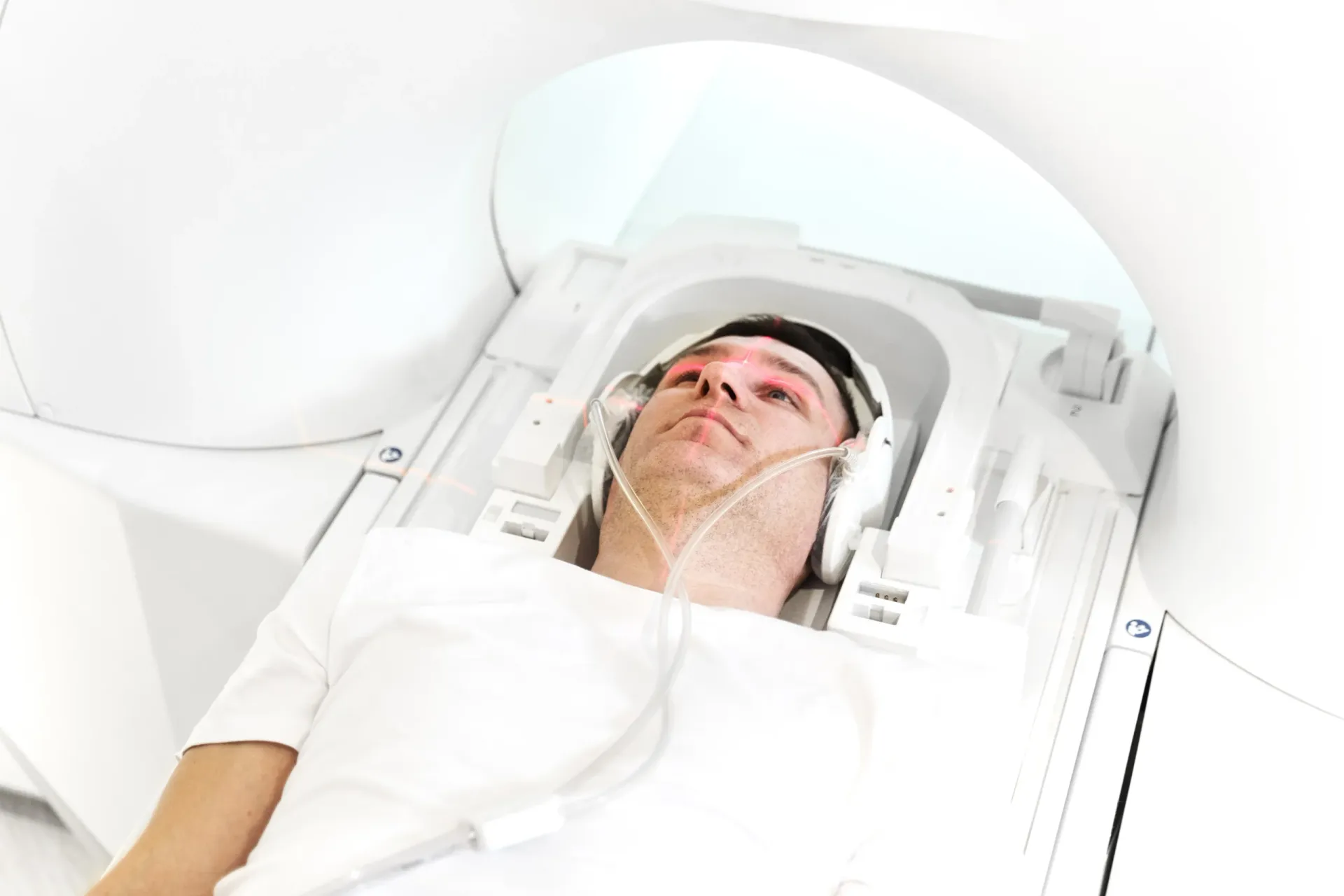
Brain MRI in Dubai: What It Detects, Cost & When You Need One

Vestibular Rehabilitation for Vertigo in Dubai
MRI for Headaches: When You Need a Brain Scan for Migraines
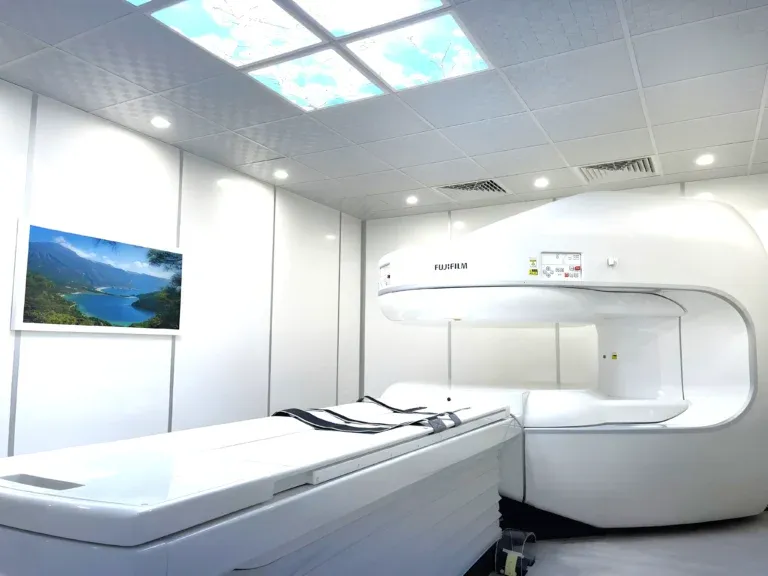
MRI Cost in Dubai: Complete Guide to Types & Pricing (2026)
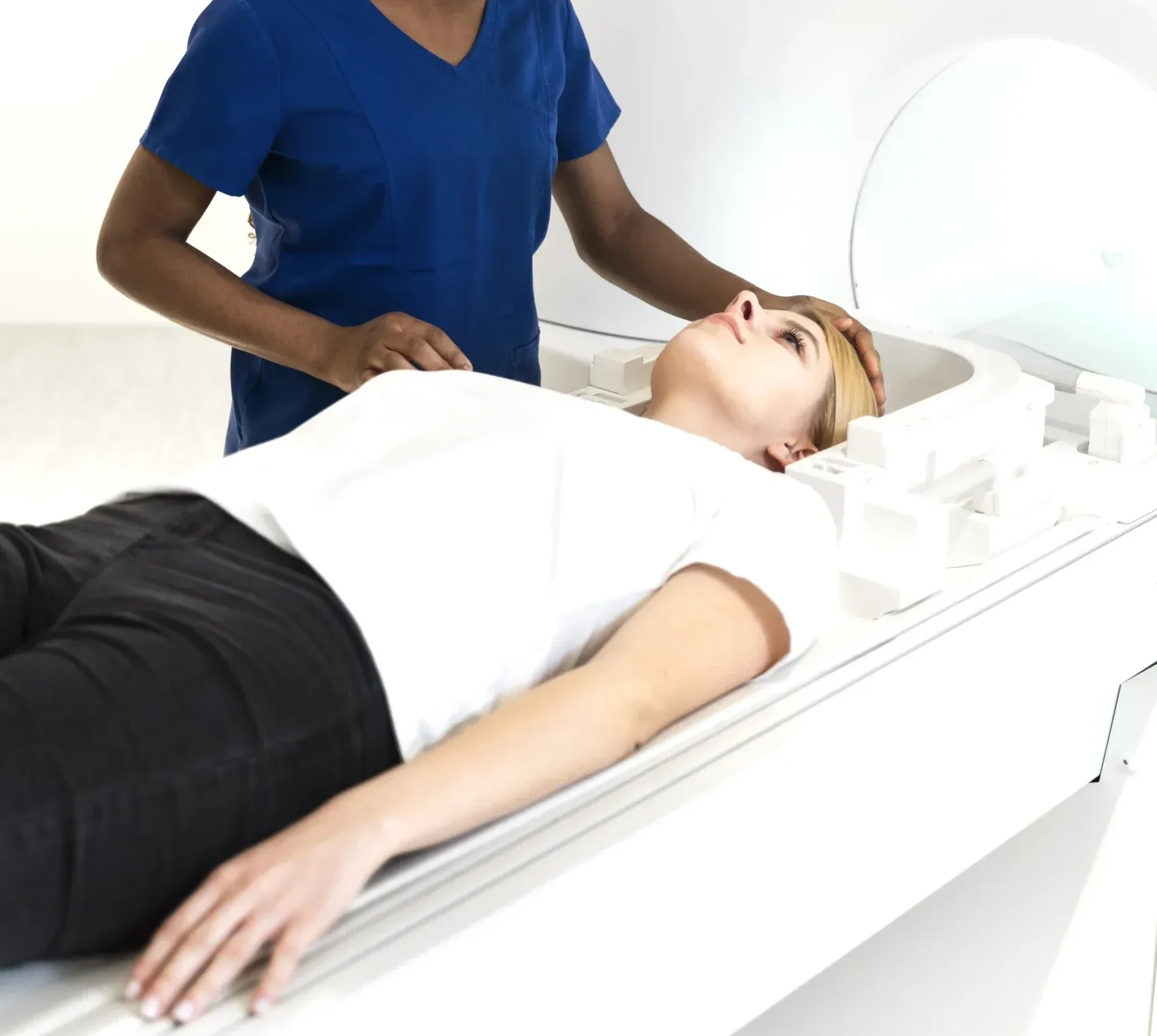
Spine MRI in Dubai: Cost, What It Shows & When You Need One
More in Diagnostic Imaging
Neck MRI Dubai: What It Shows & Cost (2026)
और पढ़ें
X-Ray Scan Dubai: Complete Guide (2026)
और पढ़ें
MRI vs Ultrasound Dubai: Which Scan? (2026)
और पढ़ें
MRI vs X-Ray Dubai: Which Scan Do You Need? (2026)
और पढ़ें
Kidney Ultrasound vs CT Dubai: Which Test? (2026)
और पढ़ेंMRI Preparation Dubai: Complete Guide (2026)
और पढ़ें© 2026 Doctors Clinic Diagnostic Center (DCDC), Dubai Healthcare City. Originally published at https://doctorsclinicdubai.ae/blog/mri-for-vertigo-balance. All rights reserved. Unauthorized reproduction is prohibited.