मुख्य बातें
- Most fasting blood tests require 8 to 12 hours without food — water is always allowed and actually recommended to keep veins accessible and results accurate
- The tests that require fasting include lipid panel, fasting glucose, fasting insulin, and basic metabolic panel — schedule these as early morning appointments for the easiest experience
- Many common blood tests do NOT require fasting, including CBC, thyroid panel, HbA1c, vitamin D, vitamin B12, and CRP — these can be done at any time of day
- Avoid alcohol for 24 hours and strenuous exercise for 48 hours before any blood test, as both can significantly alter liver enzymes, glucose, and other markers
- Always inform your doctor about all medications and supplements before testing — some drugs affect liver enzymes, electrolytes, and hormone levels, but never stop a medication without medical advice
- At DCDC Dubai Healthcare City, walk-in blood tests are available from 8 AM with same-day results for routine panels — ideal for early morning fasting appointments
Wondering what you can eat or drink before a blood test? You are not alone — preparation questions are the most common concern patients have before visiting the lab. Whether you need a fasting lipid panel, a routine CBC, or a comprehensive health screening, proper preparation directly affects the accuracy of your results. Getting it wrong can mean falsely elevated cholesterol, inaccurate glucose readings, or the need to repeat the test entirely. This guide covers exactly how to prepare for every type of blood test available in Dubai, including fasting timelines, hydration tips, medication guidance, and what to expect on the day of your appointment.
At Doctors Clinic Diagnostic Center (DCDC) in Dubai Healthcare City, our laboratory processes thousands of blood samples every month. The single biggest reason for inaccurate results is improper patient preparation — particularly breaking a fast too early or not knowing which tests actually require fasting. This guide, reviewed by Dr. Hadeel Elnur, General Practitioner at DCDC, provides clear, evidence-based instructions so you can walk into your blood test with complete confidence.
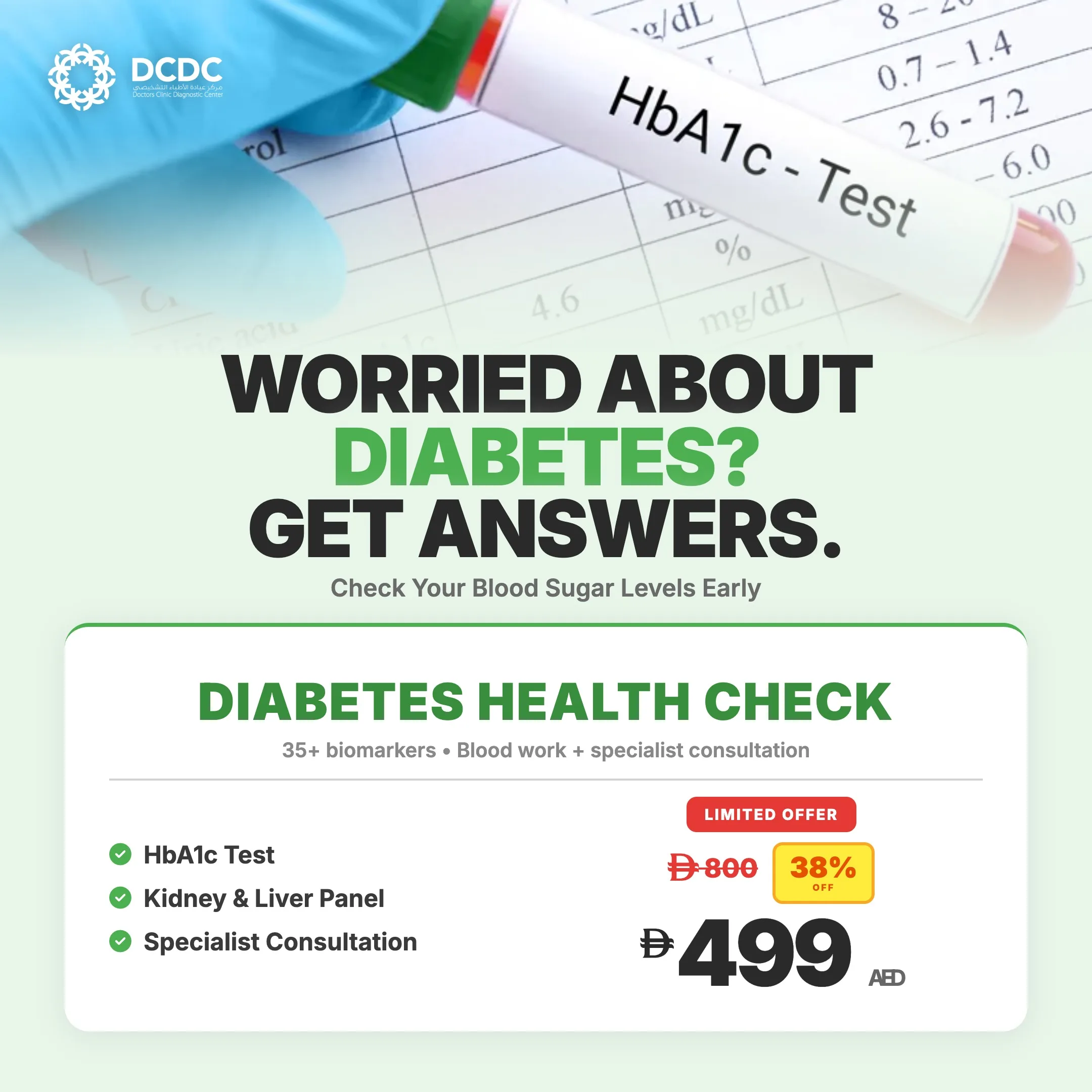
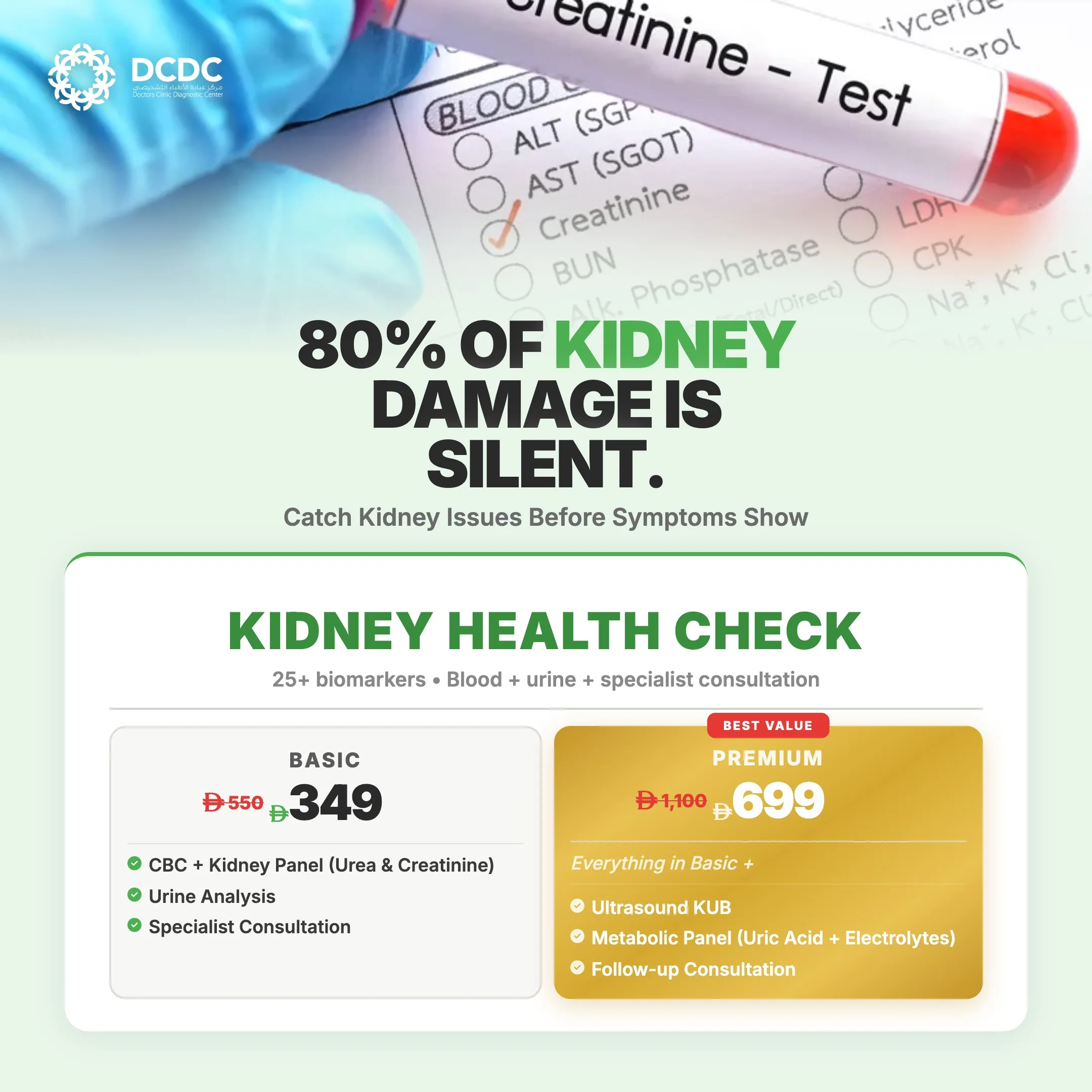
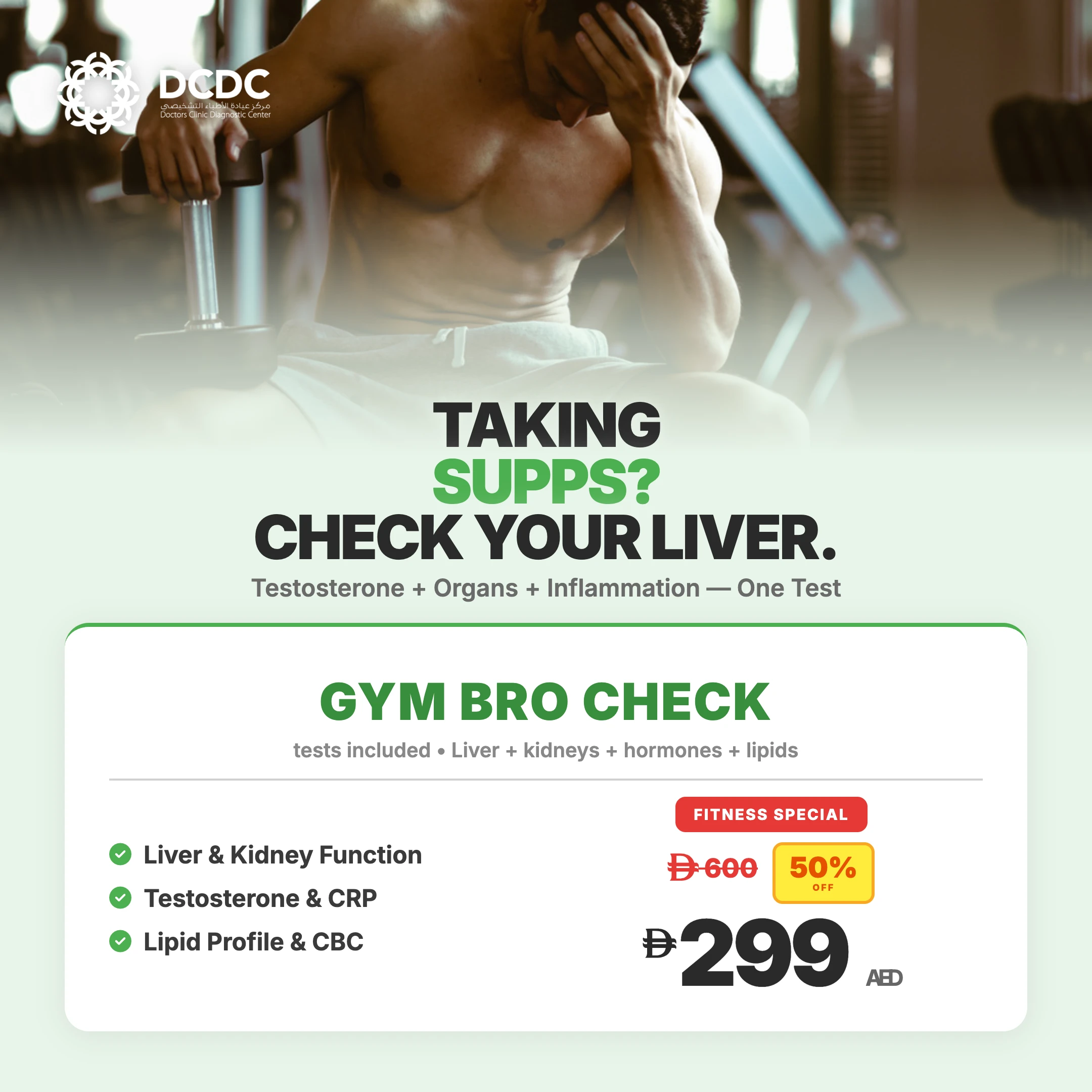
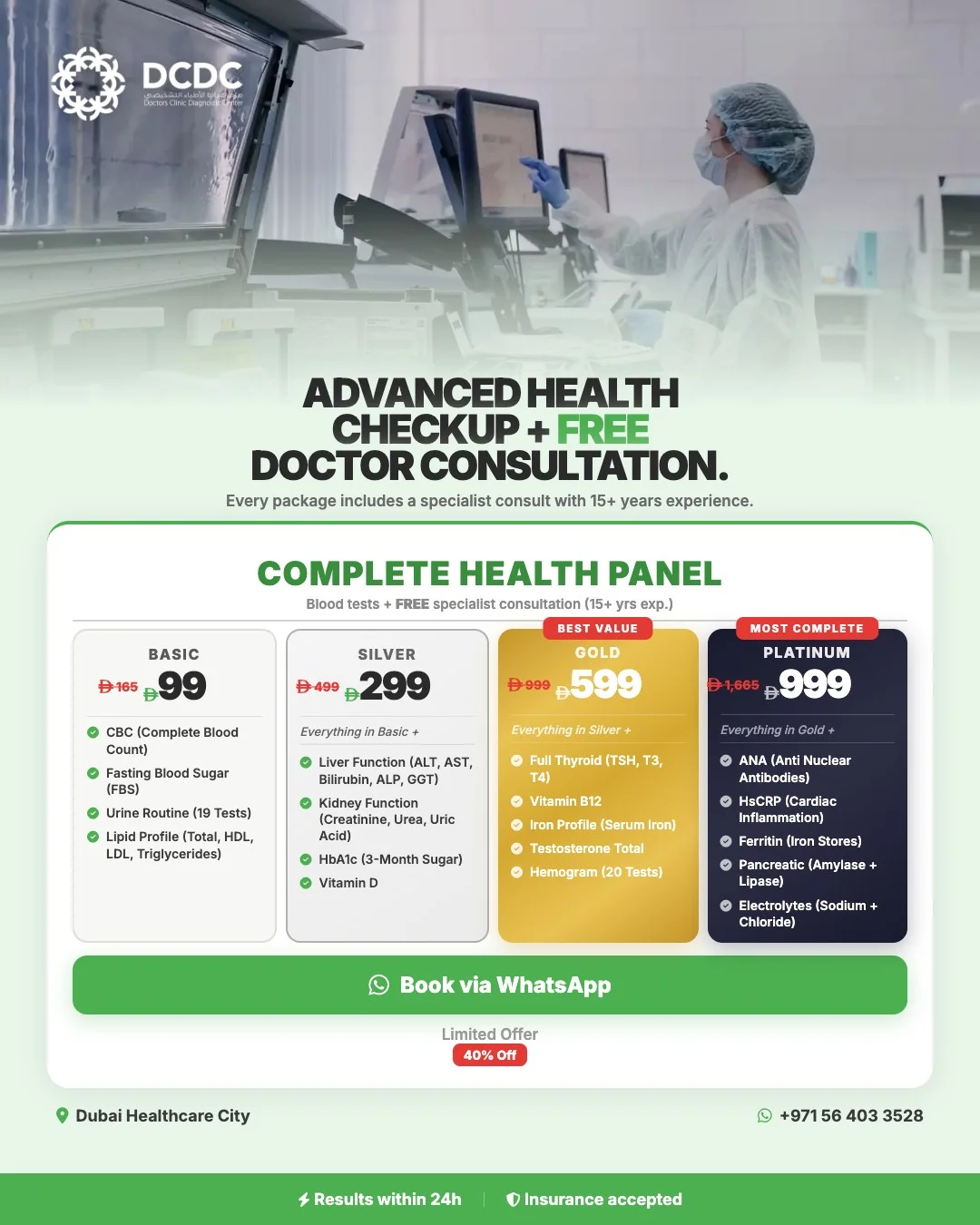
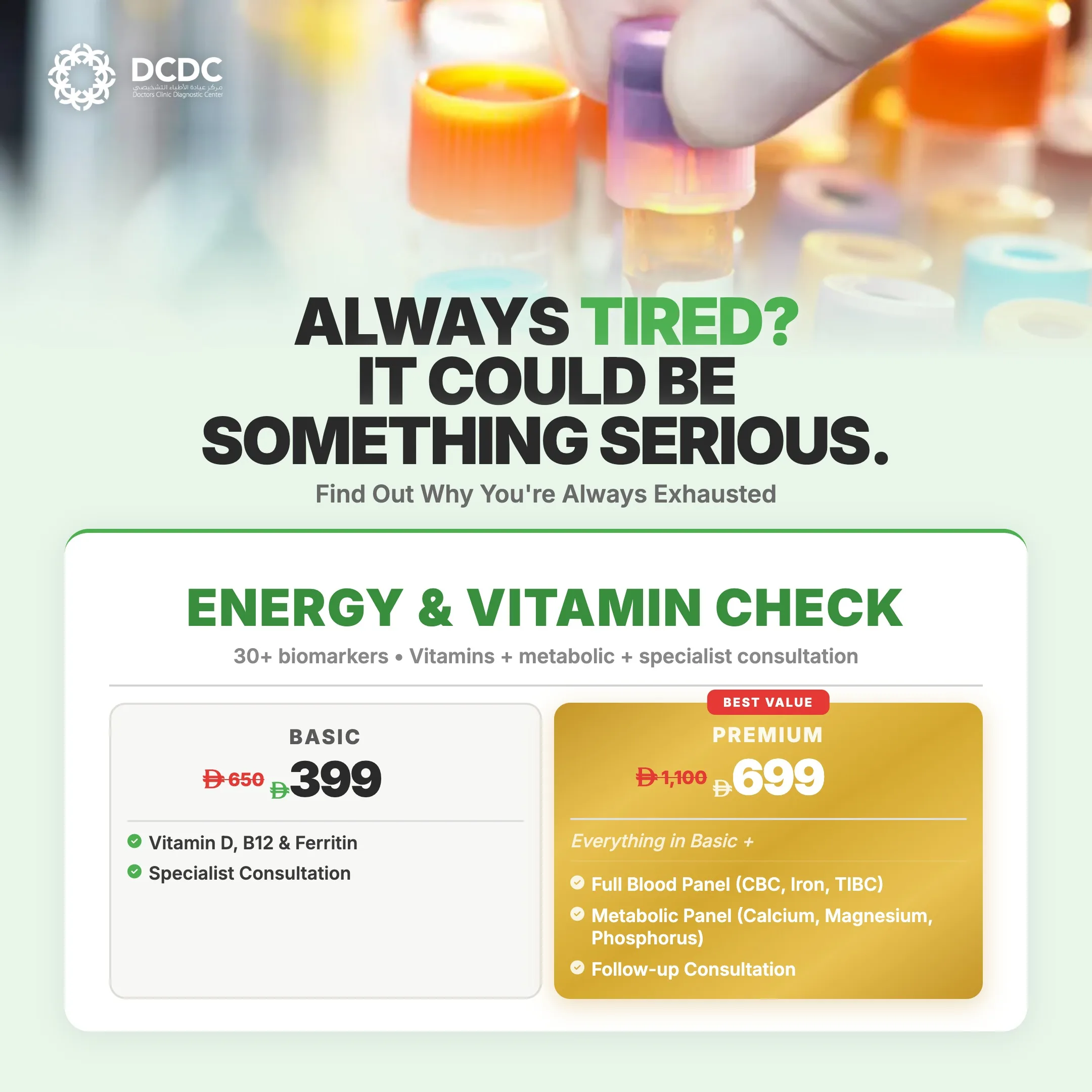
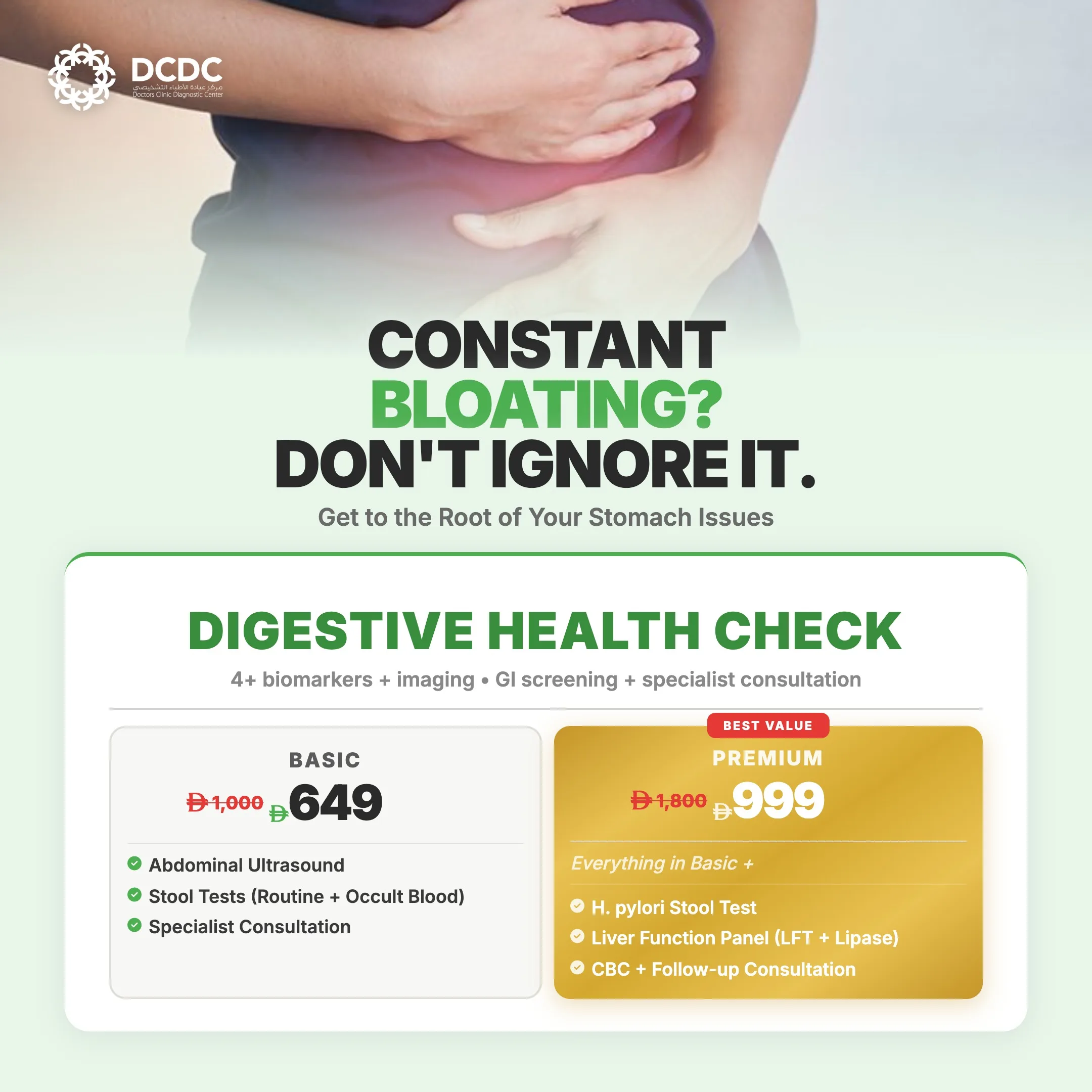
Health Screening Packages
Save with our bundled screening packages — specialist consultation included
Why Lab Test Preparation Matters for Accurate Results
Lab test preparation is not just a suggestion — it is a clinical requirement for certain blood tests. When you eat, your body breaks down food into glucose, triglycerides, amino acids, and other metabolites that enter your bloodstream. These substances can temporarily raise or lower the very markers your doctor is trying to measure. A meal eaten two hours before a lipid panel, for example, can raise your triglyceride reading by 20 to 30 percent, potentially pushing a normal result into the abnormal range and triggering unnecessary concern or treatment.
Beyond food, other factors also affect blood test accuracy. Caffeine can raise cortisol and blood pressure. Alcohol stresses the liver and alters enzyme levels for up to 72 hours. Strenuous exercise increases creatine kinase and can temporarily affect kidney markers. Even the time of day matters — cortisol peaks in the early morning and drops throughout the day, while testosterone follows a similar pattern. Understanding these variables is the key to getting results that truly reflect your health.
Which Blood Tests Require Fasting in Dubai?
Not all blood tests require fasting. In fact, the majority of routine lab tests can be done without any dietary preparation at all. Here is a comprehensive table showing which tests require fasting, how long you need to fast, and important notes for each:
| Test Name | Fasting Required? | Duration | Notes |
|---|---|---|---|
| Lipid Panel (Cholesterol, LDL, HDL, Triglycerides) | Yes | 10 to 12 hours | Triglycerides are most affected by food; schedule early morning |
| Fasting Blood Glucose | Yes | 8 to 12 hours | Used for diabetes screening; no food, juice, or sweetened drinks |
| Fasting Insulin | Yes | 8 to 12 hours | Measures baseline insulin; food triggers insulin release |
| Basic Metabolic Panel (BMP) | Yes | 8 to 12 hours | Includes glucose; fasting ensures accurate electrolyte and glucose readings |
| Comprehensive Metabolic Panel (CMP) | Yes | 10 to 12 hours | Includes BMP plus liver function; fasting preferred for glucose component |
| Iron Studies / Ferritin | Yes (morning preferred) | 8 to 12 hours | Iron levels fluctuate throughout the day; morning fasting sample is most accurate |
| Gamma-GT (GGT) | Yes | 8 to 12 hours | Liver enzyme affected by recent food and alcohol intake |
| Complete Blood Count (CBC) | No | N/A | Eat and drink normally; blood cells are not affected by meals |
| Thyroid Panel (TSH, T3, T4) | No | N/A | No fasting needed; early morning gives most consistent TSH |
| HbA1c (Glycated Hemoglobin) | No | N/A | Reflects 2 to 3 month average; unaffected by recent meals |
| Vitamin D (25-OH) | No | N/A | Can be done any time of day with or without food |
| Vitamin B12 | No | N/A | No dietary restrictions required |
| CRP (C-Reactive Protein) | No | N/A | Inflammation marker; unaffected by food |
| Kidney Function (Creatinine, BUN) | No | N/A | Hydration is helpful; avoid excessive meat 24 hours before |
| Liver Function (ALT, AST, ALP) | No (fasting preferred) | N/A | Fasting gives cleaner baseline; avoid alcohol 24 to 48 hours before |
| Hormone Panel (Testosterone, Estrogen, FSH, LH) | No | N/A | Early morning sample recommended for testosterone and cortisol |
Fasting requirements for common blood tests performed at DCDC Dubai Healthcare City. Always confirm specific instructions with your doctor.
The general rule is simple: if your test measures something that food directly puts into your blood (glucose, fats, iron), fasting is required. If it measures cells, hormones, vitamins, or proteins that are not immediately affected by a single meal, fasting is usually unnecessary.
Lab Test Preparation Timeline: 48 Hours to Test Day
Preparing for a blood test is not just about skipping breakfast. For the most accurate results, your preparation should begin 48 hours before your appointment. Here is a step-by-step timeline that applies to both fasting and non-fasting tests:
48 Hours Before Your Blood Test
- Stop strenuous exercise. Intense workouts raise creatine kinase (CK) levels, which can mimic muscle damage. Elevated CK may also affect kidney function markers. Light walking and gentle stretching are fine.
- Avoid alcohol completely. Alcohol affects liver enzymes (ALT, AST, GGT) for up to 72 hours. Even a single glass of wine can elevate your GGT reading. If you are having liver function tests, 48 to 72 hours of alcohol abstinence is ideal.
- Reduce high-fat and high-sugar meals. While you do not need to fast yet, eating an unusually heavy meal 48 hours before testing can still affect certain metabolic markers.
24 Hours Before Your Blood Test
- Eat balanced, normal meals. Do not binge eat or drastically change your diet. Your results should reflect your typical health, not an unusual day.
- Stay well hydrated. Drink at least 6 to 8 glasses of water throughout the day. Good hydration makes veins easier to locate and produces a cleaner blood sample.
- Confirm your fasting start time. If your appointment is at 8 AM and your test requires 12 hours of fasting, your last meal should be by 8 PM the night before.
- Review your medications. Contact your doctor if you are unsure whether to take morning medications before your test. In most cases, medications should be taken as usual with a small sip of water.
For a deeper understanding of what your blood test results mean, read our comprehensive Blood Test Dubai guide, which covers every common panel, cost breakdown, and how to interpret your report.
12 Hours Before Your Blood Test (Fasting Begins)
- Stop all food and caloric beverages. No food, juice, milk, smoothies, or sweetened drinks. Only plain water is allowed during the fasting period.
- No coffee or tea. Even black coffee without sugar can stimulate cortisol release and affect glucose metabolism. Caffeine also has a mild diuretic effect that can alter concentration-dependent markers.
- No chewing gum or mints. Sugar-free gum and mints contain sweeteners that can trigger a small insulin response, which affects fasting glucose and insulin levels.
- No smoking. Nicotine raises blood sugar and cortisol levels, and carbon monoxide from smoking affects hemoglobin readings.
Morning of Your Blood Test
- Drink 1 to 2 glasses of water. This is not just allowed — it is recommended. Dehydration makes veins smaller and harder to access, which can lead to difficult blood draws, bruising, and hemolyzed (damaged) samples that need to be repeated.
- Take medications as directed. Unless your doctor specifically told you to skip a dose, take your regular medications with a small sip of water. Blood pressure and heart medications should almost always be taken.
- Wear a short-sleeved or loose-fitting top. The blood draw is from a vein in the inner elbow area. Tight sleeves that cannot be easily rolled up can delay the process.
- Bring your doctor's request form and Emirates ID. If you have insurance, bring your insurance card. DCDC accepts 20+ insurance providers with direct billing.
What to Eat Before a Non-Fasting Blood Test
If your blood test does not require fasting — for example, a CBC, thyroid panel, vitamin D, or HbA1c — you can eat and drink normally before your appointment. However, "normally" does not mean anything goes. Here are practical dietary tips for the best results even when fasting is not required:
- Eat a light, balanced meal. Grilled chicken with vegetables, eggs with toast, or oatmeal with fruit are all fine choices. Avoid an unusually heavy or greasy meal right before your test.
- Avoid excessive sugar. A large dessert or sugary drink before a non-fasting test can still affect your random glucose reading, which may prompt your doctor to order follow-up testing unnecessarily.
- Skip alcohol. Even if your test does not require fasting, alcohol within 24 hours can affect liver enzymes and other markers.
- Stay hydrated. Adequate water intake makes the blood draw easier and faster regardless of the test type.
How Coffee, Alcohol & Exercise Affect Blood Test Results
Three lifestyle factors cause the most confusion when it comes to lab test preparation in Dubai: coffee, alcohol, and exercise. Understanding exactly how each one affects specific blood markers helps you make informed decisions in the hours leading up to your test.
Coffee and Blood Tests
Standard clinical guidelines recommend avoiding coffee before fasting blood tests. While a 2023 study published in the journal Clinical Chemistry and Laboratory Medicine found that black coffee one hour before blood collection produced no clinically significant changes in routine biochemistry, the official recommendation remains to avoid all caffeine during fasting. This is because coffee stimulates cortisol secretion, has a mild diuretic effect, and may affect glucose metabolism in some individuals. The safest approach: skip coffee until after your blood draw, then enjoy it immediately afterwards.
Alcohol and Blood Tests
Alcohol has a much more significant impact on blood tests than most people realize. It elevates liver enzymes (GGT, ALT, AST) for 24 to 72 hours after consumption, raises triglycerides, affects blood glucose regulation, and can alter electrolyte balance. If you are having liver function tests, a lipid panel, or metabolic testing, avoid alcohol for at least 24 hours — ideally 48 hours — before your appointment. A single night of heavy drinking can cause GGT levels to spike several times above the normal range.
Exercise and Blood Tests
Strenuous exercise within 48 hours of a blood test can significantly alter multiple markers. High-intensity workouts elevate creatine kinase (CK) by 2 to 10 times the normal level, which can persist for 24 to 72 hours. Exercise also temporarily affects white blood cell counts, reduces potassium and magnesium levels through sweat, increases lactate and uric acid, and can transiently raise liver enzymes. For the most accurate results, limit yourself to light walking for the 48 hours before your blood test.
Medication and Supplement Considerations Before Blood Tests
One of the most important aspects of lab test preparation is knowing how your medications and supplements may affect your results. The general rule is: never stop any prescribed medication before a blood test unless your doctor specifically instructs you to do so. However, you should always inform the laboratory staff about everything you are taking.
Common Medications That Affect Blood Test Results
- Statins (atorvastatin, rosuvastatin): These cholesterol medications can elevate liver enzymes (ALT, AST) and creatine kinase. Your doctor expects this and will interpret results accordingly.
- Metformin: May slightly lower vitamin B12 levels over time. This is a known effect, not a testing error.
- NSAIDs (ibuprofen, aspirin): Can affect kidney function markers (creatinine, BUN) and may cause mild elevation in liver enzymes with prolonged use.
- Biotin (vitamin B7) supplements: High-dose biotin, commonly found in hair and nail supplements, can interfere with thyroid function tests and troponin assays, producing falsely high or low readings. The FDA has issued a warning about this interaction.
- Diuretics (furosemide, hydrochlorothiazide): Alter electrolyte levels, particularly potassium and sodium. Take as prescribed unless directed otherwise.
- Corticosteroids (prednisone): Raise blood glucose and white blood cell count. These effects are expected by your doctor.
The key takeaway is transparency. Always tell your doctor and the lab technician about all medications, over-the-counter drugs, vitamins, and supplements you have taken in the past two weeks. This allows the doctor to interpret your results in the proper context rather than attributing a medication effect to a medical condition. For a deeper look at how fasting affects your cholesterol numbers, read our Lipid Profile and Cholesterol Test Dubai guide.
Common Mistakes That Ruin Blood Test Results
After processing thousands of samples at our laboratory in Dubai Healthcare City, we see the same preparation mistakes repeatedly. Avoiding these errors can save you the inconvenience and cost of a repeat test:
- Drinking coffee during a fast. Many patients assume black coffee is fine because it has no calories. It is not — caffeine affects cortisol, glucose metabolism, and hydration. Only plain water is permitted during fasting.
- Chewing gum or sucking on mints. Sugar-free gum contains sweeteners (sorbitol, xylitol) that can trigger an insulin response, affecting fasting glucose and insulin levels.
- Fasting for too long. While under-fasting is the more common problem, fasting for more than 14 to 16 hours can also distort results. Prolonged fasting can lower blood glucose below normal and trigger the liver to release stored glycogen, paradoxically raising some markers.
- Exercising the morning of the test. Running or going to the gym before your blood draw elevates white blood cells, CK, and lactate. Even a brisk 30-minute walk can affect certain markers.
- Not drinking enough water. Dehydration concentrates your blood, potentially inflating readings for BUN, hemoglobin, hematocrit, and electrolytes. It also makes the blood draw more difficult and painful.
- Stopping medications without asking. Some patients stop blood pressure or diabetes medications before testing because they think it will give cleaner results. This is dangerous and medically incorrect — your doctor needs to see how your body performs while on its current treatment.
- Taking biotin supplements before thyroid tests. High-dose biotin interferes with immunoassay-based thyroid tests. Stop biotin supplements 48 to 72 hours before thyroid testing.
- Drinking alcohol the night before. Even moderate alcohol intake the evening before a fasting test can elevate liver enzymes and triglycerides the next morning.
Blood Tests That Do NOT Require Fasting
Many patients assume that all blood tests require fasting, which leads to unnecessary inconvenience and sometimes causes people to delay important testing. In reality, the majority of commonly ordered blood tests can be performed at any time of day, regardless of when you last ate. Here is a clear breakdown of tests that have no fasting requirement:
- Complete Blood Count (CBC): Measures red and white blood cells, hemoglobin, and platelets. Your blood cell counts are not affected by food intake.
- HbA1c (Glycated Hemoglobin): Reflects your average blood sugar over the past 2 to 3 months. Because it measures sugar attached to hemoglobin over weeks, a single meal does not change the result.
- Thyroid Panel (TSH, Free T3, Free T4): Thyroid hormones are not affected by meals, although early morning sampling gives the most consistent TSH reading.
- Vitamin D (25-hydroxyvitamin D): Your vitamin D level reflects weeks to months of sun exposure and supplementation, not recent food intake.
- Vitamin B12 and Folate: These vitamin levels reflect long-term nutritional status and are not meaningfully affected by a single meal.
- CRP (C-Reactive Protein) and ESR: Inflammation markers that respond to infection, injury, or chronic disease — not to recent food.
- Kidney Function Tests (Creatinine, BUN, eGFR): Generally unaffected by meals, though staying hydrated is recommended for accurate results.
- Allergy Panels (IgE): Measure antibodies to specific allergens; food intake does not alter these levels.
- Tumor Markers (PSA, CA-125, CEA): Not affected by fasting status.
If you are having only non-fasting tests, you can visit the lab at any time that suits your schedule. At DCDC, walk-in blood tests are available throughout our opening hours — Saturday through Thursday from 8 AM to 10 PM, and Friday from 9 AM to 9 PM.
Best Time of Day for Blood Tests in Dubai
The time you schedule your blood test can affect certain results. Some hormones and biomarkers follow a circadian rhythm — their levels naturally rise and fall throughout the day. For the most consistent and clinically useful results, consider these timing guidelines:
- 7 AM to 9 AM — Ideal for fasting tests. If you stopped eating at 8 PM or 9 PM the night before, an early morning appointment means you have fasted for 10 to 12 hours while sleeping through most of it. This is the most comfortable approach to fasting blood work.
- Early morning — Best for hormone tests. Testosterone peaks between 7 AM and 10 AM and can drop by 20 to 30 percent by afternoon. Cortisol follows a similar morning peak pattern. If your doctor orders these tests, an early slot gives the most diagnostically useful reading.
- Early morning — Recommended for iron studies. Serum iron levels are highest in the morning and decline throughout the day. A morning fasting sample is the standard protocol for accurate iron assessment.
- Any time — Fine for CBC, HbA1c, vitamin D, B12, thyroid, CRP. These markers remain stable throughout the day and can be tested at your convenience.
DCDC opens at 8 AM Saturday through Thursday, making it convenient to schedule fasting blood tests first thing in the morning. With an average wait time of just 15 minutes and experienced phlebotomists who perform blood draws quickly and comfortably, you can be in and out before 9 AM and have breakfast immediately afterwards. Our free on-site parking at Al Razi Medical Complex means no circling for a spot during the morning rush. For thyroid tests specifically, our Thyroid Test Dubai guide explains timing considerations and what each thyroid marker reveals about your health.
Book Your Blood Test at DCDC
Walk-in or scheduled appointments available from 8 AM. Same-day results for routine panels, starting from AED 99. 20+ insurance partners with direct billing.
Call or WhatsApp to book your early morning fasting blood test slot
Day-of-Test Checklist for Lab Test Preparation in Dubai
Use this checklist on the morning of your blood test to make sure you have everything covered. Print it or save it on your phone:
- Confirmed whether your specific test requires fasting — and you have fasted for the correct duration if needed
- Drank 1 to 2 glasses of plain water this morning (even if fasting)
- Took regular medications with a small sip of water, unless your doctor said otherwise
- Have NOT consumed coffee, tea, juice, gum, or mints during the fasting period
- Have NOT smoked this morning
- Did NOT exercise vigorously in the past 48 hours
- Did NOT consume alcohol in the past 24 to 48 hours
- Wearing a short-sleeved or loose-fitting top for easy arm access
- Carrying your doctor's lab request form or referral
- Carrying your Emirates ID and insurance card (if applicable)
- Have a list of all current medications and supplements to share with the lab team
- Brought a snack and water bottle to have immediately after the blood draw
What to Expect at DCDC: Your Blood Test Visit
Knowing what happens when you arrive for your blood test can reduce anxiety and help the process go smoothly. Here is a step-by-step walkthrough of a typical blood test visit at DCDC in Dubai Healthcare City:
Step 1: Arrival and Check-In
Park in our free dedicated on-site parking area at Building 64, Block A, Al Razi Medical Complex, DHCC. At the reception desk, present your Emirates ID, insurance card, and doctor's lab request form. If you do not have a lab request, our front desk team can arrange a quick consultation with a general practitioner who will determine which tests you need. Walk-ins are welcome — no appointment is required for most routine blood tests.
Step 2: Registration and Insurance Verification
Our team will verify your insurance coverage and process any approvals needed. DCDC works with 20+ insurance partners including Daman, AXA, Bupa, MetLife, and Cigna, with direct billing so you do not need to pay out of pocket and claim later. For self-pay patients, blood tests start from AED 99. The average wait time from check-in to being called for your blood draw is approximately 15 minutes.
Step 3: The Blood Draw
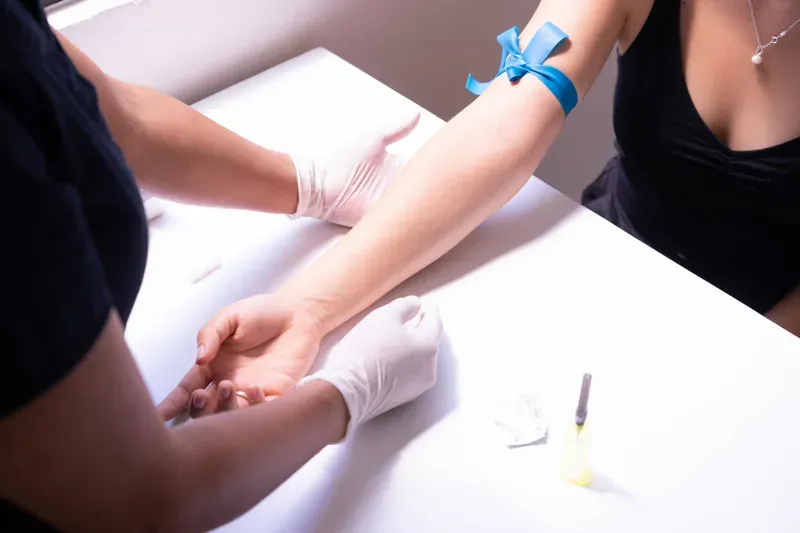
Our experienced phlebotomists will confirm your identity, review the tests ordered, and ask about your fasting status, medications, and any allergies. The blood draw itself typically takes 2 to 5 minutes. If you are nervous about needles, let the phlebotomist know — they can use distraction techniques and will ensure the process is as comfortable as possible. The blood is collected from a vein in your inner elbow using a thin needle. You will feel a brief pinch that lasts only a few seconds.
Step 4: After the Blood Draw
A small bandage will be applied to the puncture site. Keep pressure on it for 3 to 5 minutes to prevent bruising. If you were fasting, you can eat and drink immediately — this is the perfect time for that snack you brought. Your samples are processed in our on-site MOHAP-licensed laboratory (License No. NIMY7VY5-240925), and routine test results are typically available the same day. You will receive your results digitally through our patient portal, and your referring doctor will also be notified.
Doctor's Perspective: Why Proper Lab Test Preparation Matters
According to Dr. Hadeel Elnur, General Practitioner at DCDC, "I see the impact of improper test preparation every week. A patient comes in with elevated triglycerides and immediately worries about heart disease — but when we repeat the test with proper fasting, the result is perfectly normal. Another patient's fasting glucose comes back borderline high because they had a coffee with sugar during their fast without realizing it counted. These situations are stressful for patients, waste time and money on repeat testing, and can even lead to unnecessary medication if the doctor does not catch the preparation error."
Dr. Elnur adds: "As a general practitioner, I am often the first point of contact when patients need blood work. I coordinate with our laboratory team and, when needed, with specialists across our internal medicine, endocrinology, and cardiology departments. My advice is always the same — take preparation seriously, ask questions if you are unsure, and do not skip tests because you forgot to fast. We can always reschedule for the next morning. Getting accurate results on the first attempt is worth the small effort of proper preparation."
Special Preparation for Specific Blood Tests in Dubai
While the general fasting and hydration guidelines apply to most blood tests, some specific tests have additional preparation requirements that are worth knowing before your appointment:
Glucose Tolerance Test (OGTT)
The oral glucose tolerance test requires 8 to 12 hours of fasting followed by drinking a glucose solution at the lab, with blood drawn at intervals over 2 hours. You must remain at the clinic for the full duration. Do not eat, drink, or exercise during the test. This test is commonly used for diagnosing gestational diabetes during pregnancy and for borderline diabetes cases.
Cortisol Test
Cortisol follows a strong circadian rhythm — it peaks between 6 AM and 8 AM and reaches its lowest point around midnight. Your doctor will specify whether a morning or evening cortisol sample is needed. Stress, poor sleep, and certain medications can significantly affect cortisol levels. Try to arrive calmly and rest for 15 to 20 minutes before the blood draw.
Prolactin Test
Prolactin levels are affected by stress, exercise, and nipple stimulation. For the most accurate result, avoid exercise the morning of the test, rest quietly for 30 minutes before the blood draw, and schedule the sample for mid-morning (2 to 3 hours after waking). Sleep and certain medications — including antipsychotics, metoclopramide, and some antidepressants — can significantly elevate prolactin.
PSA (Prostate-Specific Antigen)
PSA levels can be temporarily elevated by ejaculation (avoid for 48 hours before), vigorous cycling (avoid for 48 hours), and prostate manipulation such as a digital rectal exam. If you have recently had a prostate biopsy, wait at least 6 weeks before testing PSA. These precautions ensure the result reflects your baseline PSA rather than a transient spike.
Hydration: The Most Overlooked Part of Lab Test Preparation
If there is one preparation tip that applies to every blood test, fasting or not, it is this: drink water. Adequate hydration before a blood test serves two critical purposes — it improves the accuracy of your results and it makes the blood draw physically easier.
From an accuracy standpoint, dehydration concentrates your blood plasma. This can artificially inflate readings for hemoglobin, hematocrit, BUN, albumin, and electrolytes. A dehydrated patient can appear to have borderline high hemoglobin or abnormal kidney markers when the underlying values are actually normal. Simply drinking adequate water normalizes these readings.
From a practical standpoint, hydrated veins are plumper, more visible, and easier to access. Phlebotomists consistently report that well-hydrated patients have faster, less painful blood draws with fewer complications like bruising or failed attempts. This is particularly important in Dubai, where the hot climate means many residents are chronically mildly dehydrated, especially during summer months when temperatures exceed 40 degrees Celsius.
Aim for at least 500 ml (2 glasses) of water in the 2 hours before your appointment. During a fast, plain water is always permitted and actively encouraged. Sparkling water, flavored water, and coconut water are NOT acceptable substitutes during a fasting period — only plain still water.
Ready for Your Blood Test?
DCDC offers walk-in blood tests from 8 AM at our Dubai Healthcare City location. Same-day results, 20+ insurance partners, experienced phlebotomists, and free parking. Rated 4.8/5 from 1,000+ patient reviews.
Book via WhatsApp or call us — or simply walk in, no appointment needed
Home Blood Collection: Lab Test Preparation at Your Doorstep
If visiting the clinic is not convenient — whether due to mobility issues, childcare responsibilities, or simply preferring the comfort of your home — DCDC offers home blood collection through our home care service. A certified phlebotomist comes to your location in Dubai with all the necessary equipment, collects your samples, and transports them to our laboratory under proper cold-chain protocols.
The preparation requirements for home blood collection are identical to in-clinic testing. Follow the same fasting, hydration, and medication guidelines described above. The advantage is that you can fast overnight, have the phlebotomist arrive first thing in the morning, and eat breakfast in your own kitchen immediately afterwards. Results are delivered digitally through the same patient portal. To arrange home blood collection, contact us via WhatsApp or phone to schedule your preferred date and time.
DCDC में संबंधित सेवाएं
दुबई हेल्थकेयर सिटी में विशेषज्ञ देखभाल और उन्नत निदान
अक्सर पूछे जाने वाले प्रश्न
अंतिम विचार
Proper lab test preparation is a small investment of effort that pays significant dividends in accuracy, time, and peace of mind. Following the guidelines in this article — fasting for the correct duration, staying hydrated, avoiding alcohol and strenuous exercise, and communicating openly about your medications — gives your doctor the most reliable data to work with. Inaccurate results due to poor preparation can lead to unnecessary worry, repeat testing, or even inappropriate treatment decisions.
At DCDC in Dubai Healthcare City, our laboratory team, phlebotomists, and physicians — including Dr. Hadeel Elnur — work together to ensure your blood test experience is efficient, comfortable, and clinically accurate. With walk-in availability from 8 AM, same-day results for routine panels, 20+ insurance partners, free parking, and a 4.8/5 rating from over 1,000 verified patient reviews, there is no reason to delay the blood work your doctor has recommended. Prepare properly, arrive hydrated, and let our team take care of the rest.
If you have questions about how to prepare for a specific blood test, or if you are not sure which tests you need, contact DCDC by phone or WhatsApp. Our team can advise on preparation requirements and help you schedule the most convenient time for your blood draw — whether at our Al Razi Medical Complex location or through our home blood collection service.
स्रोत एवं संदर्भ
यह लेख हमारी चिकित्सा टीम द्वारा समीक्षित है और निम्नलिखित स्रोतों का संदर्भ देता है:
- Mayo Clinic — Blood Tests: Types and Preparation
- Cleveland Clinic — Fasting Before Blood Tests
- NHS — Blood Tests Overview
- Harvard Health Publishing — What Blood Tests Require Fasting?
- Clinical Chemistry and Laboratory Medicine (CCLM) — Coffee Intake Prior to Phlebotomy: Effects on Routine Biochemical Tests
- FDA Safety Communication — Biotin Interference with Lab Tests
इस साइट पर चिकित्सा सामग्री DHA-लाइसेंस प्राप्त चिकित्सकों द्वारा समीक्षित है। हमारी देखें संपादकीय नीति अधिक जानकारी के लिए।
लेखक
Dr. Hadeel Elnur
General Practitioner
MD, General Practice
Dr. Hadeel Elnur is a General Practitioner at Doctors Clinic Diagnostic Center (DCDC) in Dubai Healthcare City.
संबंधित लेख
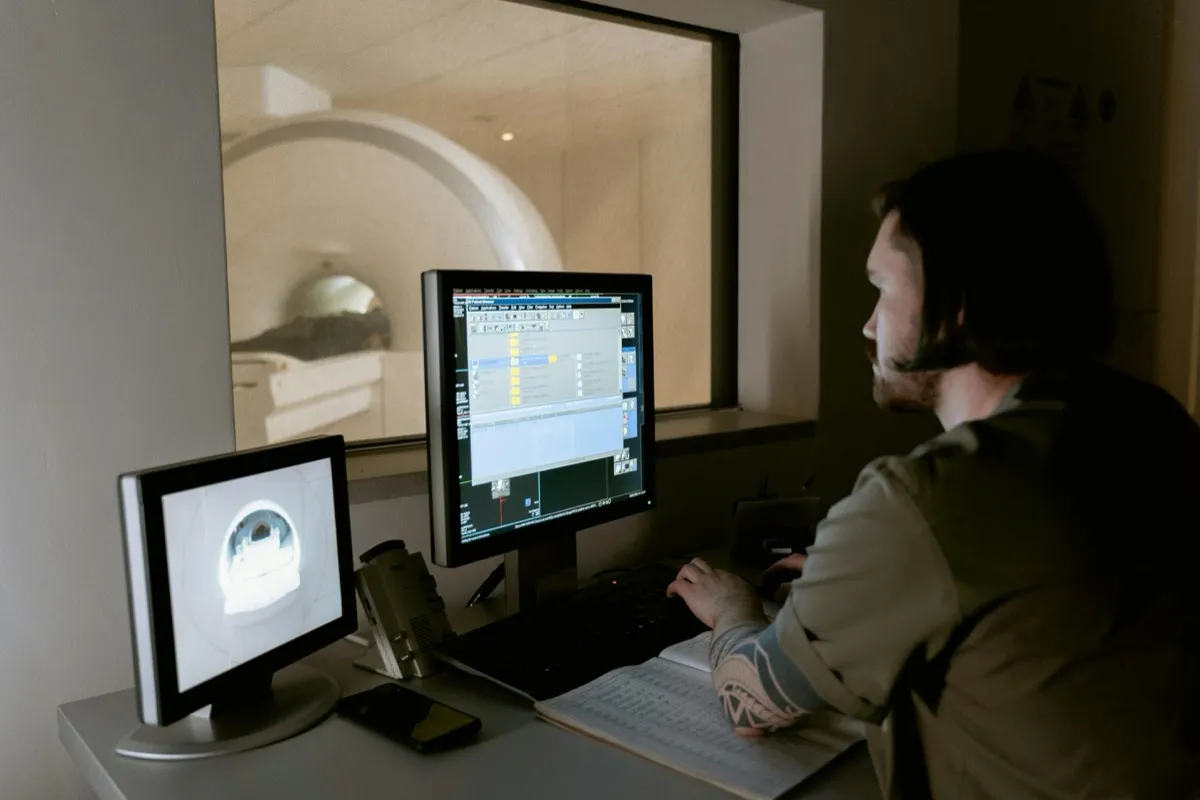
Blood Test Dubai: Types, Cost & Fasting Guide
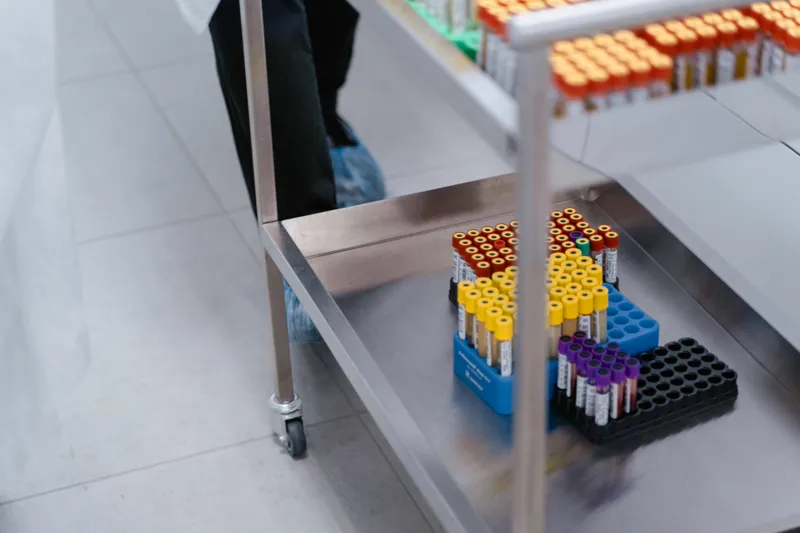
Lipid Profile & Cholesterol Test Dubai
Diabetes Test Cost Dubai: Full Pricing Guide
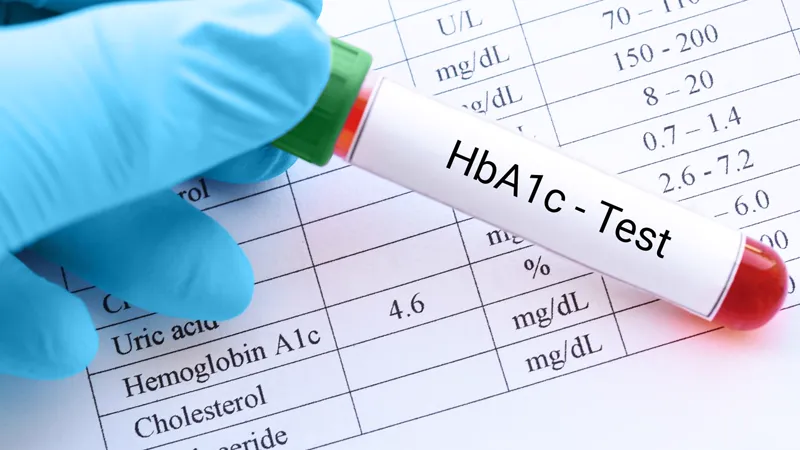
HbA1c Test Dubai: Complete Guide
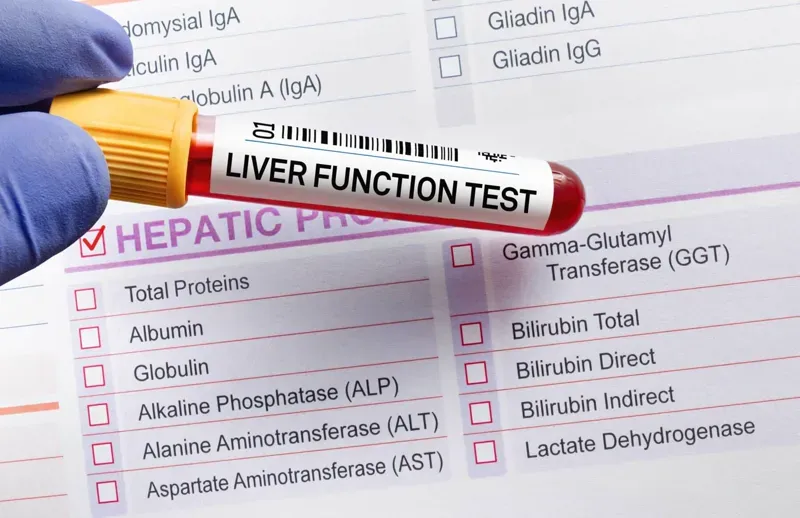
Liver Function Test Dubai: Complete Guide
और अधिक General Health में
Ear Cleaning Dubai: Safe Methods & Cost (2026)
और पढ़ें
AC Sickness Dubai: Summer Cold Symptoms (2026)
और पढ़ें
Allergy Specialist Dubai: Tests & Guide (2026)
और पढ़ेंAllergy Testing Dubai: IgE Blood Panels & Cost (2026)
और पढ़ेंBlood Test Dubai: Types, Cost & Fasting Guide (2026)
और पढ़ें
Cancer Screening Dubai: Tests & Cost by Age (2026)
और पढ़ें© 2026 Doctors Clinic Diagnostic Center (DCDC), Dubai Healthcare City. Originally published at https://doctorsclinicdubai.ae/blog/lab-test-preparation-dubai. All rights reserved. Unauthorized reproduction is prohibited.