मुख्य बातें
- Cardiovascular disease is the leading cause of death in the UAE, accounting for nearly 30% of all deaths — early symptom recognition can reduce cardiac mortality by up to 50% according to the American Heart Association
- The 8 key warning signs of heart disease include chest pain or pressure, shortness of breath, persistent fatigue, leg swelling, irregular heartbeat, dizziness, radiating pain to the jaw or arm, and excessive cold sweats without exertion — any of these warrants prompt evaluation
- In the UAE, diabetes prevalence is approximately 17% and obesity affects 30% of the adult population, creating a uniquely high cardiovascular risk profile that makes symptom awareness especially important for Dubai residents
- Women often experience subtler heart disease symptoms — unusual fatigue, nausea, jaw pain, and breathlessness rather than classic chest pain — leading to later diagnosis and higher mortality rates
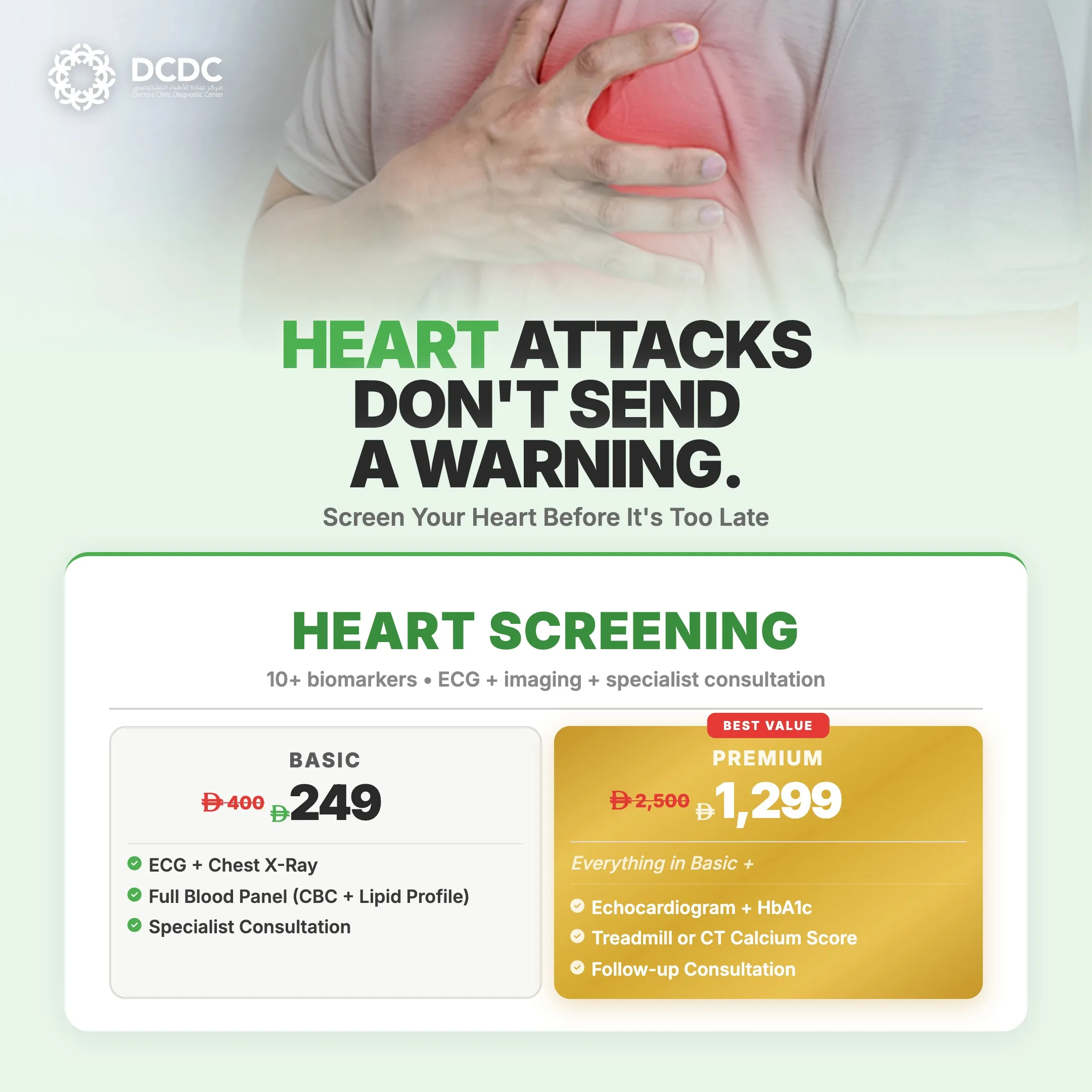
- A comprehensive cardiac evaluation at DCDC in Dubai Healthcare City starts from AED 250 for a cardiology consultation and includes same-day ECG (from AED 150), echocardiogram (from AED 800), and blood work — all under one roof
- At DCDC, patients benefit from one-visit diagnostics — ECG, echocardiogram, and blood work completed in a single visit with results available the same day, direct billing with 20+ insurance providers, and same-day appointments with an average wait time of just 15 minutes
Heart disease remains the number one killer in the UAE, yet many residents dismiss the early warning signs until a medical emergency forces their hand. The truth is that heart disease rarely strikes without warning. In most cases, the body sends signals — some obvious, some subtle — weeks, months, or even years before a major cardiac event. Recognising these symptoms early and seeking a prompt cardiology consultation in Dubai can genuinely be the difference between early treatment and a life-threatening emergency.
This comprehensive guide, medically reviewed by Dr. Shahoo Mazhari, Consultant Cardiologist at Doctors Clinic Diagnostic Center (DCDC) in Dubai Healthcare City, covers the 8 most important warning signs of heart disease, explains why Dubai residents face elevated cardiovascular risk, and details exactly what to expect when you seek cardiac evaluation. Whether you are experiencing new symptoms or want to understand your risk, this guide provides the clinical context and practical information you need to make informed decisions about your heart health.
Heart Disease in Dubai: Why Early Symptoms Matter
Cardiovascular disease (CVD) is the leading cause of death worldwide, claiming approximately 17.9 million lives each year according to the World Health Organization. In the UAE, the situation is particularly concerning: heart disease and stroke account for nearly 30% of all deaths, driven by a confluence of lifestyle factors, genetic predispositions, and environmental conditions that create one of the highest cardiovascular risk profiles in the world.
What makes these statistics especially alarming is that the majority of heart disease deaths are preventable. The American Heart Association estimates that up to 80% of cardiovascular events could be prevented through early detection, lifestyle modification, and timely medical intervention. The critical link in this chain is recognising symptoms early — before a heart attack, stroke, or heart failure episode occurs.
In Dubai, where the expatriate population faces unique stressors including demanding work schedules, extreme heat that limits outdoor activity, high-sodium diets, and limited family support networks, the risk factors for heart disease accumulate rapidly. The average age of first heart attack in the UAE is approximately 45 years — a full decade earlier than in Western Europe — making symptom awareness relevant for adults well under 50.
"In the UAE, where cardiovascular disease is the leading cause of death, I always tell my patients that the earliest warning signs of heart disease are often subtle and easy to dismiss," says Dr. Shahoo Mazhari, Consultant Cardiologist at DCDC. "Persistent fatigue, mild breathlessness during routine activities, or occasional chest tightness after meals — these symptoms deserve investigation, not dismissal. A simple ECG and blood test can provide clarity within minutes."
The good news is that Dubai offers world-class cardiac diagnostic facilities. At DCDC in Dubai Healthcare City, patients can access same-day cardiology evaluation with on-site ECG, echocardiography, treadmill stress testing, 24-hour Holter monitoring, and comprehensive blood work — all under one roof. Understanding which symptoms warrant evaluation is the first step toward protecting your heart.
The 8 Warning Signs of Heart Disease
Heart disease encompasses a range of conditions including coronary artery disease, heart failure, arrhythmias, and valve disorders. While each condition has specific features, there are 8 core warning signs that overlap across most forms of heart disease. If you experience any of these symptoms — especially in combination — a cardiac evaluation is strongly recommended.
| Warning Sign | What It May Feel Like | When to Seek Help |
|---|---|---|
| 1. Chest pain, pressure, or tightness | Squeezing, heaviness, or burning in the centre or left chest; may radiate to arm, jaw, or back | Immediately if new, severe, or lasting more than a few minutes |
| 2. Shortness of breath (dyspnoea) | Breathlessness during mild exertion or at rest; waking up gasping at night | Within 24-48 hours if new or worsening; immediately if severe |
| 3. Persistent fatigue and weakness | Unusual, unexplained exhaustion not relieved by rest; difficulty with routine activities | Within 1-2 weeks if persistent; sooner if sudden onset |
| 4. Leg swelling and fluid retention | Puffiness in ankles, feet, or legs; shoes feeling tight; weight gain over days | Within 1 week; immediately if sudden or accompanied by breathlessness |
| 5. Irregular heartbeat or palpitations | Fluttering, racing, pounding, or skipping sensations in the chest | Within 1-2 days; immediately if accompanied by dizziness or fainting |
| 6. Dizziness, lightheadedness, or fainting | Feeling unsteady, room spinning, or brief loss of consciousness | Within 24 hours; immediately if fainting occurs or recurs |
| 7. Pain in jaw, neck, upper back, or left arm | Aching, numbness, or discomfort that may or may not accompany chest symptoms | Immediately if sudden onset; within 1-2 days if recurring |
| 8. Excessive sweating (cold sweats) | Breaking into a cold sweat without physical exertion; clammy skin | Immediately if accompanied by chest pain or breathlessness |
The 8 key warning signs of heart disease. If you experience any of these symptoms — especially multiple symptoms together — contact a cardiologist for evaluation. In an emergency, call 999 (UAE emergency services) immediately.
It is important to understand that heart disease symptoms often present differently in women than in men. Women are more likely to experience atypical symptoms such as unusual fatigue, nausea, back pain, jaw discomfort, and breathlessness without obvious chest pain. This difference in presentation partly explains why women tend to delay seeking cardiac evaluation and, statistically, have higher mortality rates from heart attacks than men.
Chest Pain and Pressure: When to Take It Seriously
Chest pain is the most recognised symptom of heart disease and remains the most common reason patients seek cardiac evaluation. However, not all chest pain is cardiac, and the character of the pain provides important clues about its origin.
Cardiac chest pain — often called angina — typically presents as a sensation of pressure, tightness, squeezing, or heaviness in the centre or left side of the chest. Patients frequently describe it as feeling like "an elephant sitting on my chest" or "a tight band around my chest." This type of pain often worsens with physical exertion or emotional stress and improves with rest. When caused by a heart attack (myocardial infarction), the pain tends to be more intense, does not resolve with rest, and may be accompanied by shortness of breath, nausea, sweating, and a sense of impending doom.
The pain may radiate beyond the chest to the left arm, jaw, neck, back, or upper abdomen — a pattern that is highly suggestive of a cardiac origin. Importantly, some patients with coronary artery disease experience "silent ischaemia" with minimal or no chest pain, particularly those with diabetes, a condition affecting approximately 17% of the UAE adult population.
In contrast, non-cardiac chest pain is often sharp, stabbing, localised to a specific point, worsened by movement or breathing, or clearly related to eating (suggesting acid reflux). Musculoskeletal chest pain from costochondritis or muscle strain is common in younger adults, particularly those who exercise frequently. However, because the overlap between cardiac and non-cardiac chest pain is significant, clinical guidelines strongly recommend objective testing for any new, severe, or recurring chest pain.
For a detailed breakdown of cardiac versus non-cardiac chest pain, including when to call emergency services, read our comprehensive guide on chest pain causes and when to worry.
Shortness of Breath: A Key Cardiac Warning Sign
Shortness of breath (dyspnoea) is one of the most important but frequently overlooked symptoms of heart disease. While many people attribute breathlessness to being "out of shape," poor air quality, or Dubai's humidity, cardiac-related shortness of breath has distinct characteristics that set it apart.
Heart-related dyspnoea occurs when the heart cannot pump blood efficiently, causing fluid to back up into the lungs (pulmonary congestion). This may manifest as breathlessness during activities that previously caused no difficulty — such as climbing a single flight of stairs, walking short distances, or carrying groceries. The key distinction is a noticeable decline from your personal baseline: if activities that were effortless three months ago now leave you winded, this warrants investigation.
Two specific patterns are particularly concerning. Orthopnoea is breathlessness that worsens when lying flat and improves when sitting up, often requiring extra pillows to sleep comfortably. Paroxysmal nocturnal dyspnoea (PND) involves waking up suddenly at night gasping for air, often 1-2 hours after falling asleep. Both patterns suggest fluid accumulation in the lungs and are hallmark symptoms of heart failure.
In Dubai's climate, it is common for residents to become less physically active during the summer months, which can mask a gradual decline in exercise tolerance caused by developing heart disease. Paying attention to how your body responds to physical activity — even indoor activities like walking through a shopping mall — provides valuable early warning information.
Unexplained Fatigue and Weakness
Persistent, unexplained fatigue is one of the most commonly reported early symptoms of heart disease, yet it is also one of the most frequently dismissed. In Dubai's fast-paced environment, where long working hours and chronic sleep deprivation are normalised, attributing fatigue to lifestyle rather than health is understandable but potentially dangerous.
Cardiac fatigue is different from ordinary tiredness. When the heart's pumping efficiency declines, the body receives less oxygen-rich blood, forcing it to prioritise vital organs at the expense of muscles, skin, and extremities. The result is a deep, pervasive exhaustion that is not proportional to activity level and does not resolve with adequate rest or sleep. Patients often describe it as feeling like they have "run a marathon" after routine daily activities.
Women are particularly susceptible to cardiac fatigue as an early warning sign. Research published by the American Heart Association found that unusual fatigue was reported by up to 71% of women in the weeks leading up to a heart attack — significantly more frequently than chest pain. This makes persistent fatigue an especially important symptom for women over 40, or younger women with cardiovascular risk factors, to bring to medical attention.
Other cardiac conditions that cause profound fatigue include heart valve disease (where the heart works harder to maintain circulation), arrhythmias (where an irregular rhythm reduces pumping efficiency), and anaemia secondary to chronic disease. A comprehensive cardiac evaluation including blood work, ECG, and echocardiogram can quickly determine whether fatigue has a cardiac origin.
Leg Swelling and Fluid Retention (Oedema)
Swelling in the legs, ankles, and feet — known medically as peripheral oedema — is a classic sign of heart failure. When the right side of the heart is not pumping effectively, blood backs up in the venous system, causing fluid to leak into the surrounding tissues. This typically starts in the lowest points of the body (feet and ankles) due to gravity and may progress to the calves and thighs as the condition worsens.
Heart-related oedema has several distinguishing features. It is usually symmetrical (affecting both legs equally), worsens throughout the day (especially after standing or sitting for long periods), and may improve overnight when the legs are elevated. Pressing a finger into the swollen area may leave a visible indentation that persists for several seconds — a sign known as "pitting oedema." Patients may also notice unexplained weight gain of 1-2 kilograms over a few days, which reflects fluid accumulation rather than true weight change.
In Dubai, where temperatures regularly exceed 40 degrees Celsius during summer, mild ankle swelling from heat-related vasodilation is common and usually benign. However, swelling that is persistent, progressively worsening, or accompanied by other symptoms such as breathlessness or fatigue should prompt cardiac evaluation. An echocardiogram can assess heart function and identify whether fluid retention is cardiac in origin, while blood tests including BNP (B-type natriuretic peptide) serve as a sensitive marker for heart failure.
Understanding the role of diagnostic imaging in cardiac assessment is essential. Learn more about ECG testing in Dubai, including what the test measures, how to prepare, and what results mean for your heart health.
Irregular Heartbeat, Dizziness & Other Signs
The remaining warning signs of heart disease — irregular heartbeat, dizziness, radiating pain, and excessive sweating — are grouped here because they frequently occur together and share overlapping clinical significance.
Irregular Heartbeat and Palpitations
Heart palpitations — the sensation of your heart racing, fluttering, pounding, or skipping beats — can be caused by benign factors such as caffeine, stress, or dehydration, but they can also signal serious cardiac arrhythmias. Atrial fibrillation (AFib), the most common sustained arrhythmia, affects an estimated 33 million people worldwide and increases stroke risk by five times. Other arrhythmias including supraventricular tachycardia (SVT) and ventricular ectopic beats are common and may require treatment if frequent or symptomatic.
In Dubai's climate, dehydration and electrolyte imbalances — common during the hot months — can trigger or worsen palpitations. However, palpitations that occur frequently, last more than a few seconds, are accompanied by dizziness or fainting, or occur during rest without an obvious trigger should be evaluated by a cardiologist. A 24-hour Holter monitor, available at DCDC, records every heartbeat over a full day and can capture intermittent arrhythmias that a standard ECG might miss.
Dizziness, Lightheadedness, and Fainting
Dizziness and lightheadedness can have many causes, but when they occur in conjunction with other cardiac symptoms, they often indicate reduced blood flow to the brain. This can result from arrhythmias (the heart beating too fast, too slow, or irregularly), low blood pressure from heart failure, or aortic valve stenosis (narrowing of the main heart valve).
Syncope (fainting) is particularly concerning because it suggests a sudden, significant drop in blood flow to the brain. Cardiac syncope can occur without warning and carries a risk of injury from falls as well as the risk of the underlying cardiac condition itself. Any episode of unexplained fainting — especially during physical activity — should be evaluated urgently with an ECG, echocardiogram, and potentially Holter monitoring or event recording.
Radiating Pain: Jaw, Neck, Upper Back, or Left Arm
Pain that radiates from the chest to the jaw, neck, upper back, between the shoulder blades, or down the left arm is a classic pattern of cardiac ischaemia. This occurs because the nerves serving the heart share pathways with nerves from these other body regions, causing the brain to "misinterpret" the origin of the pain — a phenomenon called referred pain.
Notably, some patients experience radiating pain without significant chest discomfort. Women, elderly patients, and those with diabetes are more likely to present with jaw pain, back pain, or arm numbness as their primary symptom of a heart attack. Any sudden onset of unexplained pain in these regions — particularly during physical or emotional stress — should be treated as a potential cardiac emergency.
Excessive Sweating (Cold Sweats)
Breaking into a cold sweat without physical exertion — often described as clammy, cold, or drenching sweating — is a well-documented symptom of an acute cardiac event. The body's sympathetic nervous system activates during cardiac ischaemia, triggering the "fight or flight" response that produces sweating, nausea, and anxiety. While sweating is common in Dubai's heat, cold sweats that occur at rest, in air-conditioned environments, or at night are distinctly different from heat-related perspiration and should not be ignored.
Heart Disease Risk Factors in the UAE
Understanding the risk factors that make heart disease so prevalent in the UAE helps contextualise why symptom awareness is especially critical for Dubai residents. Many of these risk factors are modifiable, meaning that identifying and addressing them can significantly reduce your lifetime cardiovascular risk.
Diabetes and Metabolic Syndrome
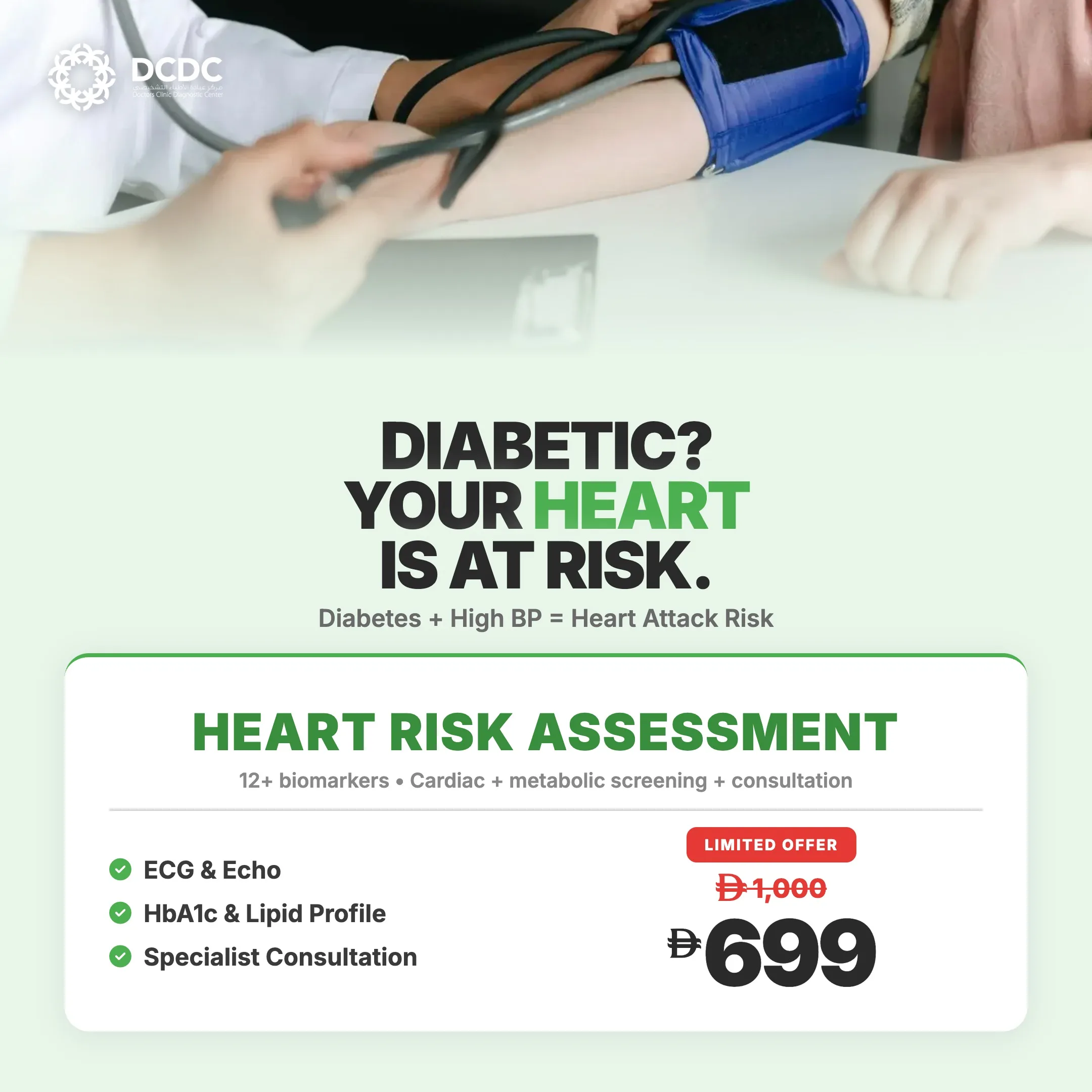
The UAE has a diabetes prevalence of approximately 17%, ranking among the highest globally according to the International Diabetes Federation. Diabetes accelerates atherosclerosis (plaque buildup in arteries), damages the blood vessel lining, and increases the risk of coronary artery disease, heart failure, and stroke by 2-4 times. Critically, diabetes can cause diabetic neuropathy, which dulls pain sensation — meaning diabetic patients may have a "silent" heart attack with minimal or no chest pain.
Obesity, Sedentary Lifestyle, and Heat-Limited Activity
Approximately 30% of the UAE adult population is obese, and sedentary behaviour is compounded by car-dependent transportation, desk-bound work, and summer temperatures exceeding 45 degrees Celsius that discourage outdoor physical activity for 4-5 months of the year. Obesity directly increases the risk of coronary artery disease, heart failure, atrial fibrillation, and sudden cardiac death.
Smoking and Shisha Use
While cigarette smoking rates have declined in some demographics, shisha (hookah) use remains culturally prevalent across the UAE. A single one-hour shisha session can expose the user to as much carbon monoxide and nicotine as smoking 10-20 cigarettes, significantly increasing blood pressure and accelerating atherosclerosis. Many patients are surprised to learn that shisha carries cardiovascular risks comparable to or exceeding those of cigarettes.
South Asian Genetic Predisposition
Dubai's large South Asian population faces a genetically elevated cardiovascular risk. Studies consistently show that South Asians develop coronary artery disease 5-10 years earlier than European populations, driven by higher rates of insulin resistance, central obesity, elevated lipoprotein(a), and metabolic syndrome. For South Asian residents of Dubai, cardiovascular screening should begin by age 30-35 rather than the standard recommendation of 40.
Chronic Workplace Stress
Dubai attracts ambitious professionals who often work 50-60 hours per week in high-pressure industries including finance, real estate, and technology. Chronic stress elevates cortisol and blood pressure, promotes inflammation, and is independently associated with a 40% increased risk of cardiovascular events. Combined with disrupted sleep patterns, high caffeine consumption, and limited exercise, workplace stress is a significant but under-recognised contributor to heart disease in Dubai's expatriate population.
For more on one of the most important modifiable risk factors, read our detailed guide on high blood pressure management in Dubai, including screening recommendations and treatment options available at DCDC.
Heart Disease Tests Available in Dubai (with Pricing)
A comprehensive cardiac evaluation uses a combination of clinical assessment, electrical testing, imaging, and blood work to determine whether heart disease is present and, if so, how advanced it is. At DCDC in Dubai Healthcare City, all core cardiac investigations are available on-site, enabling one-visit diagnostics that eliminate the delays and inconvenience of referrals to external facilities.
The table below provides transparent pricing for cardiac tests at DCDC compared to typical Dubai market rates in 2026. Most major insurance plans are accepted with direct billing for over 20 providers, significantly reducing or eliminating out-of-pocket costs for insured patients.
| Cardiac Test | DCDC Price (AED) | Dubai Market Range (AED) | What It Detects |
|---|---|---|---|
| Cardiology Consultation | From 250 | 400 – 2,500+ | Clinical assessment, risk stratification, treatment planning |
| ECG (Resting 12-Lead) | From 150 | 200 – 500 | Heart rhythm abnormalities, ischaemia, heart attack signs |
| Echocardiogram | From 800 | 1,000 – 2,500 | Heart structure, valve function, pumping strength, fluid |
| Treadmill Stress Test | From 800 | 1,000 – 2,000 | Heart performance under exertion, exercise-induced ischaemia |
| 24-Hour Holter Monitor | From 500 | 800 – 1,800 | Intermittent arrhythmias, heart rate patterns over 24 hours |
| Blood Tests (Lipid Panel, Troponin, BNP, Glucose) | From 200 | 300 – 800 | Cholesterol, heart muscle damage, heart failure markers, diabetes |
Heart disease diagnostic test pricing at DCDC Dubai Healthcare City (2026). Prices shown are starting rates; final costs depend on specific tests ordered. Direct billing available with 20+ insurance providers. Contact DCDC to verify your coverage.
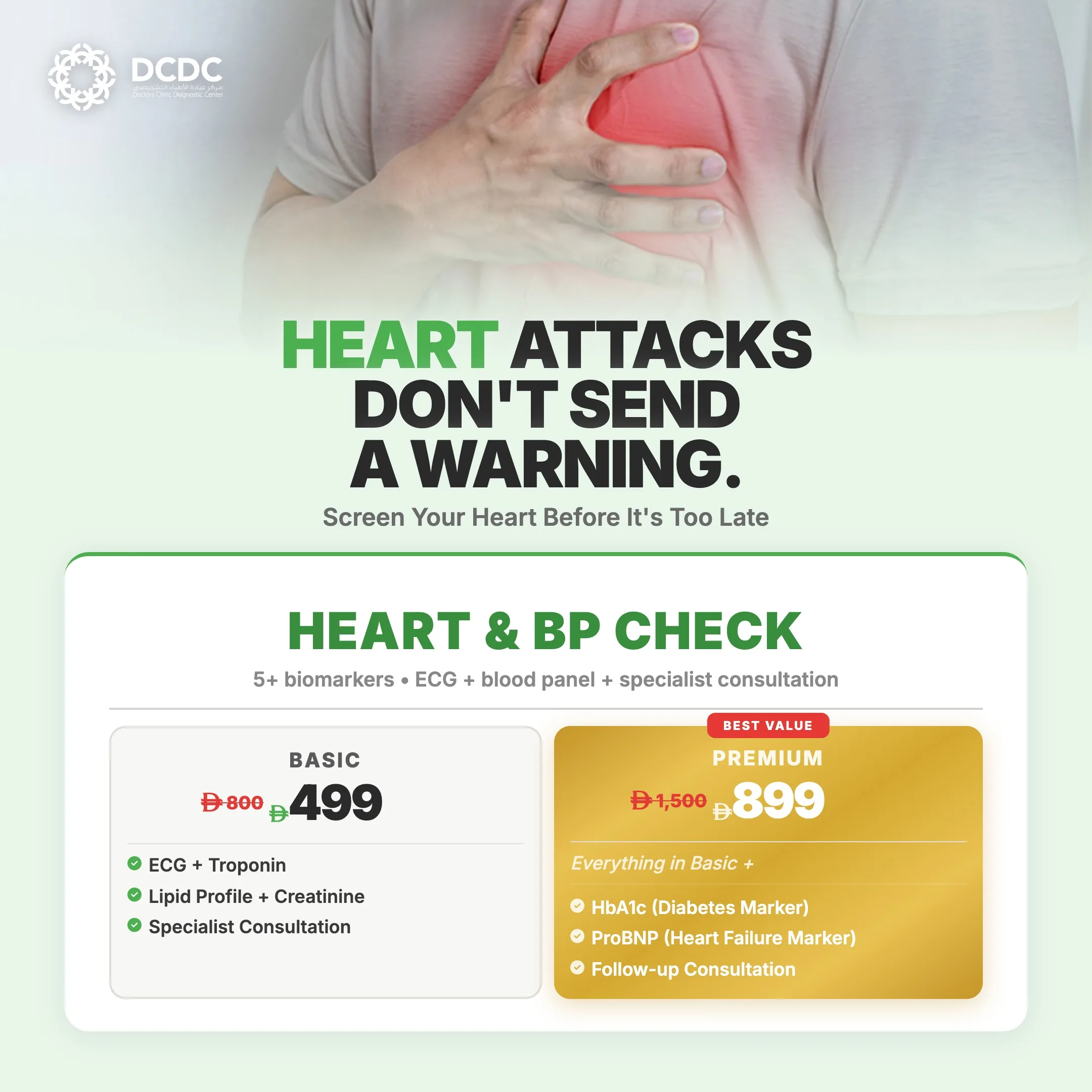
A basic cardiac screening (consultation + ECG + blood work) at DCDC starts from AED 600, while a comprehensive cardiac evaluation including echocardiogram and stress test may range from AED 2,000 to AED 2,500. For patients with insurance, most medically indicated cardiac investigations are covered in full.
"The investment in a thorough cardiac evaluation is minimal compared to the cost of undiagnosed heart disease," says Dr. Shahoo Mazhari. "A heart attack can result in prolonged ICU hospitalisation costing tens of thousands of dirhams, permanent heart muscle damage, and significantly reduced quality of life. By contrast, a same-day evaluation at DCDC provides definitive answers and a clear treatment plan at a fraction of that cost."
Concerned About Heart Disease Symptoms? Get Evaluated Today
Don't dismiss warning signs that could indicate heart disease. Book a same-day cardiology evaluation at DCDC in Dubai Healthcare City — on-site ECG, echocardiogram, stress testing, and blood work, all under one roof. Consultation from AED 250. Rated 4.8/5 from 1,000+ Google reviews. Direct billing with 20+ insurance providers. WhatsApp us to book your appointment.
What to Expect at DCDC for Heart Disease Evaluation
At Doctors Clinic Diagnostic Center (DCDC), located in Building 64, Block A, Al Razi Medical Complex, Dubai Healthcare City, cardiac evaluation follows a structured, patient-centred pathway designed to provide rapid, comprehensive answers. DCDC is a MOHAP-licensed facility with a 4.8/5 Google rating from over 1,000 verified reviews and a 98% patient satisfaction rate. Here is the step-by-step journey for patients presenting with heart disease symptoms.
Step 1: Booking and Arrival
DCDC offers same-day cardiology appointments and accepts walk-in patients for urgent cardiac symptoms. You can book via WhatsApp, phone, or online. No GP referral is required to see the cardiologist directly, though some insurance plans may require one for coverage — the front desk team will verify this for you before your appointment. Free parking is available at the DHCC campus, and the clinic operates extended hours until 10 PM for working professionals.
Step 2: Initial Assessment and ECG
Upon arrival, the nursing team records your vital signs including blood pressure, heart rate, and oxygen saturation. For patients presenting with cardiac symptoms, a resting 12-lead ECG is performed within minutes of arrival — before the cardiologist consultation begins. This ensures that Dr. Mazhari has objective data to review alongside your clinical history from the very start of the consultation. The average wait time at DCDC is approximately 15 minutes.
Step 3: Comprehensive Cardiologist Consultation
Dr. Shahoo Mazhari conducts a thorough consultation that includes a detailed symptom history, cardiovascular risk factor assessment (including family history, smoking status, exercise habits, diet, and stress levels), medication review, and focused physical examination including cardiac auscultation. A cardiovascular risk assessment is included as part of every cardiology consultation at DCDC, providing you with a clear picture of your overall heart disease risk profile.
Step 4: One-Visit Diagnostics
One of the key advantages of DCDC is the ability to complete ECG, echocardiogram, and blood work in a single visit. Depending on your symptoms and clinical findings, Dr. Mazhari may order an echocardiogram to assess heart structure and function, a treadmill stress test to evaluate the heart under exertion, blood tests including lipid panel, troponin, BNP, and fasting glucose, or a 24-hour Holter monitor to capture intermittent rhythm abnormalities. All tests are performed on-site with DCDC's own equipment, eliminating the need to visit separate imaging centres or laboratories.
Step 5: Results and Treatment Plan
ECG results are available immediately. Blood work and echocardiogram results are typically ready the same day or within 18-24 hours. Dr. Mazhari discusses all results with you in detail, provides a clear diagnosis, and outlines a personalised treatment or monitoring plan. If intervention beyond outpatient management is needed, direct referral to partner hospitals is arranged promptly. For patients whose evaluation is reassuring, guidance on risk factor modification and follow-up scheduling is provided.
How to Reduce Your Heart Disease Risk in Dubai
While some heart disease risk factors — such as age, gender, and genetics — cannot be changed, the majority of cardiovascular risk is driven by modifiable factors. The following evidence-based strategies are particularly relevant for residents of Dubai and can significantly reduce your lifetime risk of heart disease.
Diet and Nutrition
The Mediterranean and DASH diets are the most rigorously studied dietary patterns for cardiovascular protection. For Dubai residents, practical implementation means choosing grilled proteins over fried options when eating out, increasing fruit and vegetable portions, limiting processed food deliveries, reducing sodium intake by requesting less salt in restaurant dishes, replacing sugary beverages with water, and incorporating heart-healthy fats from olive oil, nuts, and fish. Reducing portion sizes and avoiding late-night eating also improve metabolic health.
Physical Activity
The American Heart Association recommends at least 150 minutes of moderate-intensity aerobic activity per week, or 75 minutes of vigorous activity. For Dubai residents managing extreme summer temperatures, indoor options include gym workouts, swimming, mall walking during early hours, and home-based exercise routines. Even 30 minutes of brisk walking five days per week can reduce cardiovascular risk by 30-40%. The cooler months from November through March offer excellent opportunities for outdoor activity.
Smoking and Shisha Cessation
Quitting smoking and shisha is the single most impactful lifestyle change for cardiovascular risk reduction. Within one year of quitting, heart attack risk drops by approximately 50%. Within 5 years, stroke risk approaches that of a non-smoker. Dubai offers smoking cessation support through DHA facilities, and nicotine replacement therapy and prescription cessation medications are available at most pharmacies.
Stress Management and Sleep
Managing chronic stress through regular exercise, mindfulness practices, adequate sleep (7-8 hours per night), and maintaining social connections is essential for cardiovascular health. Sleep disorders, particularly obstructive sleep apnoea — common in the UAE due to high obesity rates — are independently associated with hypertension, arrhythmias, and heart failure. If you snore heavily or feel unrefreshed despite adequate sleep hours, discuss sleep evaluation with your doctor.
Regular Cardiovascular Screening
For adults over 40 — or younger adults with risk factors such as family history, diabetes, obesity, or smoking — annual cardiovascular screening provides early detection of silent risk factors. A basic screen including blood pressure, lipid panel, fasting glucose, and resting ECG can identify hypertension, high cholesterol, pre-diabetes, and silent arrhythmias before symptoms develop. At DCDC, comprehensive cardiac screening packages are available, and Dr. Mazhari can tailor the screening protocol to your individual risk profile.
When to See a Cardiologist in Dubai Immediately
While many heart disease symptoms develop gradually and warrant evaluation within days to weeks, certain presentations require immediate medical attention. Knowing the difference between symptoms that need urgent evaluation and those that constitute a medical emergency can save your life.
Call 999 (UAE emergency number) immediately if you experience:
- Crushing or squeezing chest pain lasting more than a few minutes, especially if radiating to the arm, jaw, or back
- Chest pain accompanied by shortness of breath, cold sweating, nausea, or loss of consciousness
- Sudden severe breathlessness at rest, particularly if you cannot speak in full sentences
- Fainting during physical exertion or accompanied by chest pain or palpitations
- Sudden severe, tearing pain in the chest or between the shoulder blades (possible aortic dissection)
Book a same-day or urgent cardiology appointment if you experience:
- New or worsening breathlessness with everyday activities that previously caused no difficulty
- Palpitations lasting more than a few minutes or occurring frequently over several days
- Progressive swelling in the legs, ankles, or feet not explained by heat or prolonged standing
- Chest discomfort that occurs with exertion and resolves with rest (possible stable angina)
- Persistent, unexplained fatigue that has worsened over weeks and is not relieved by rest
- A family history of premature heart disease (first-degree relative before age 55 in men or 65 in women) combined with any new symptoms
The threshold for seeking cardiac evaluation in Dubai should be low given the region's elevated cardiovascular risk profile. A same-day consultation with ECG at DCDC can provide rapid reassurance or identify a problem that needs treatment — either outcome is far better than uncertainty and delay.
Protect Your Heart — Book Your Cardiac Evaluation at DCDC
Heart disease is the leading cause of death in the UAE, but it is also one of the most treatable conditions when caught early. Book a comprehensive cardiac evaluation at Doctors Clinic Diagnostic Center in Dubai Healthcare City. On-site ECG, echo, stress testing, Holter monitoring, and blood work — all in one visit. Cardiology consultation from AED 250. MOHAP-licensed, 4.8/5 Google rating from 1,000+ reviews. Same-day appointments available, extended hours until 10 PM. WhatsApp us now to book or call to schedule your appointment.
DCDC में संबंधित सेवाएं
दुबई हेल्थकेयर सिटी में विशेषज्ञ देखभाल और उन्नत निदान
Frequently Asked Questions
Final Thoughts
Heart disease is the leading cause of death in both the UAE and globally, but it is also one of the most preventable and treatable conditions in modern medicine — provided it is detected early. The 8 warning signs covered in this guide — chest pain, shortness of breath, persistent fatigue, leg swelling, irregular heartbeat, dizziness, radiating pain, and cold sweats — are your body's way of signalling that something may be wrong with your cardiovascular system. Dismissing these symptoms as stress, ageing, or poor fitness is a gamble with potentially devastating consequences. In the UAE, where cardiovascular risk factors are among the highest in the world, the threshold for seeking evaluation should be low.
The most important step you can take for your heart health is also the simplest: if you are experiencing any of the symptoms described in this guide, or if you have risk factors such as diabetes, high blood pressure, obesity, a smoking history, or a family history of heart disease, schedule a cardiac evaluation. At Doctors Clinic Diagnostic Center in Dubai Healthcare City, our cardiology team led by Dr. Shahoo Mazhari provides comprehensive heart disease evaluation with on-site ECG, echocardiography, treadmill stress testing, Holter monitoring, and same-day blood work — all in a single visit. With a 4.8/5 Google rating from 1,000+ verified reviews, 98% patient satisfaction, same-day appointments, extended hours until 10 PM, and direct billing with 20+ insurance providers, DCDC makes expert cardiac care accessible and convenient. To book your heart disease evaluation, WhatsApp us or call our team today.
स्रोत एवं संदर्भ
यह लेख हमारी चिकित्सा टीम द्वारा समीक्षित है और निम्नलिखित स्रोतों का संदर्भ देता है:
- American Heart Association - Warning Signs of Heart Disease
- World Health Organization - Cardiovascular Diseases (CVDs) Fact Sheet
- NHS - Cardiovascular Disease Symptoms
- Mayo Clinic - Heart Disease: Symptoms and Causes
- Cleveland Clinic - Heart Disease: Warning Signs and Symptoms
- International Diabetes Federation - IDF MENA Region
इस साइट पर चिकित्सा सामग्री DHA-लाइसेंस प्राप्त चिकित्सकों द्वारा समीक्षित है। हमारी देखें संपादकीय नीति अधिक जानकारी के लिए।
लेखक
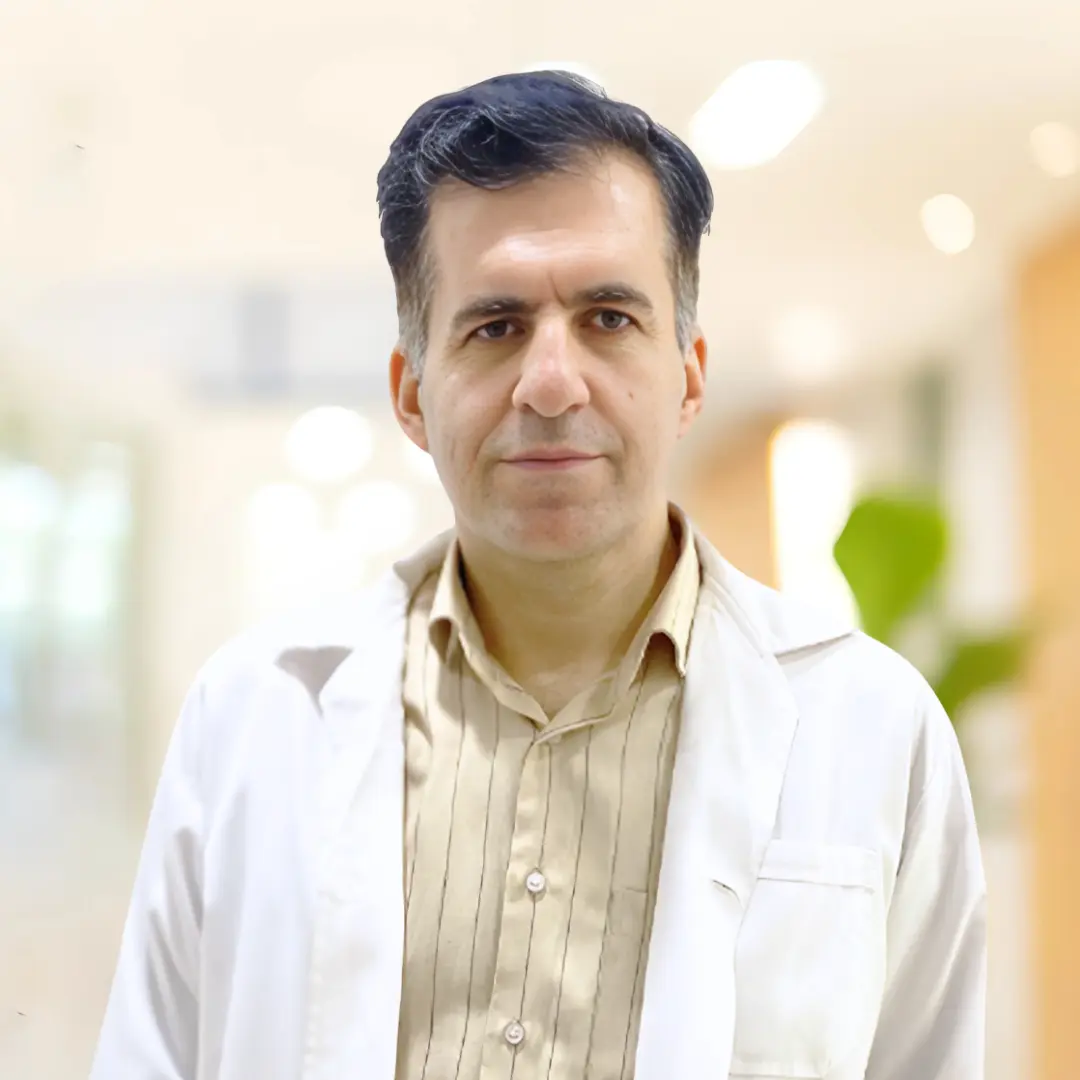
Dr. Shahoo Mazhari
Consultant Cardiologist
MD, Cardiology
Dr. Shahoo Mazhari is a Consultant Cardiologist at Doctors Clinic Diagnostic Center (DCDC) in Dubai Healthcare City.
Related Articles
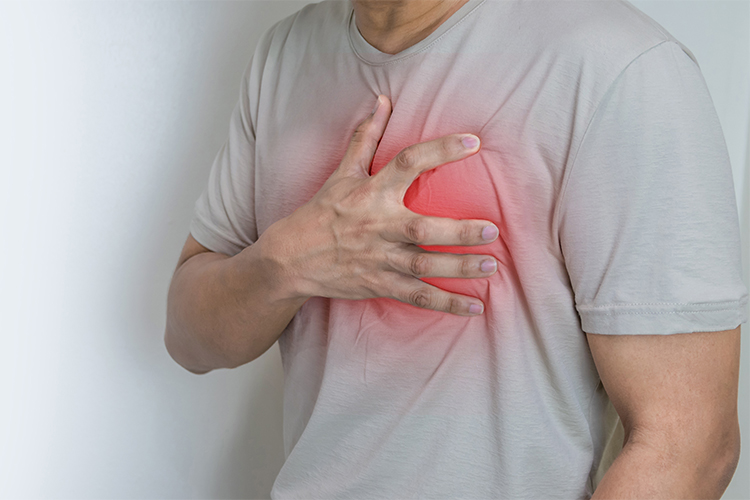
Chest Pain Dubai: Causes & When to Worry (2026)
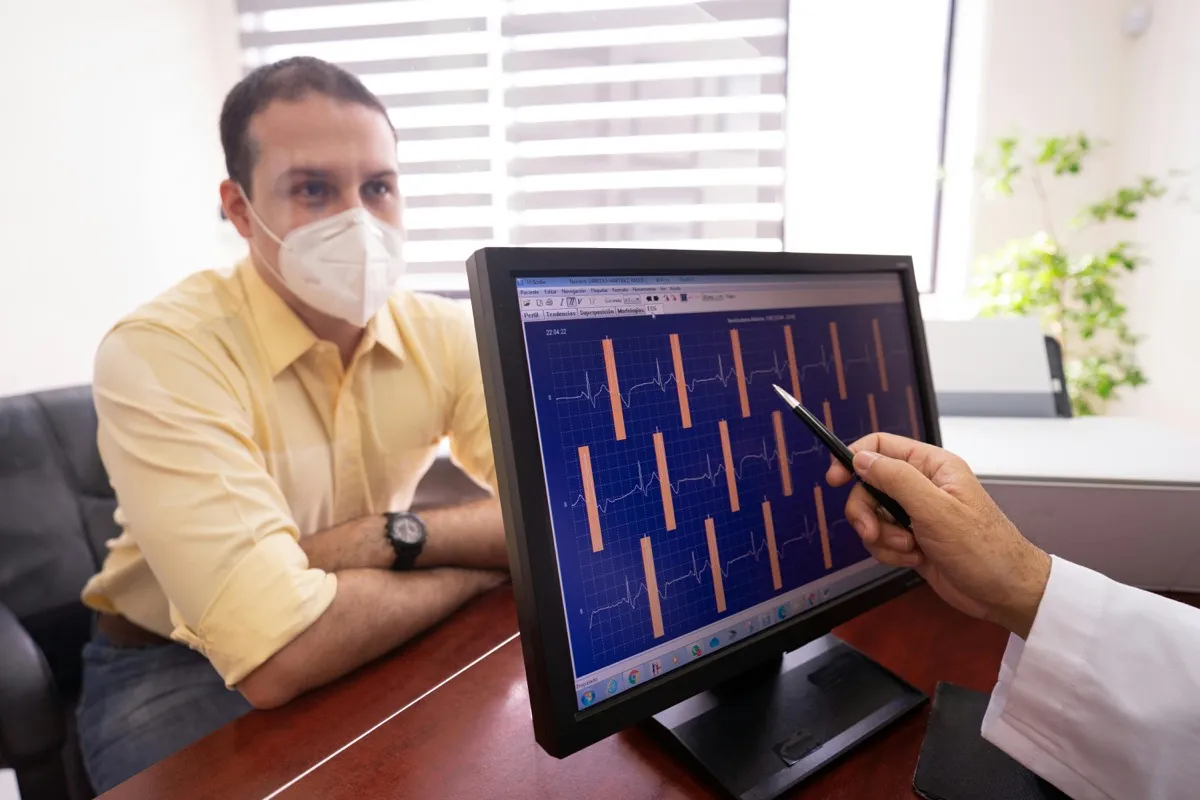
Heart Palpitations Dubai: Causes & Help (2026)

ECG Test Dubai: Cost, Types & Results (2026)
Echocardiogram Dubai: Types & What It Shows (2026)

High Blood Pressure Dubai: Screening & Treatment (2026)
More in Cardiology
ECG Cost in Dubai: From AED 200 (2026)
और पढ़ें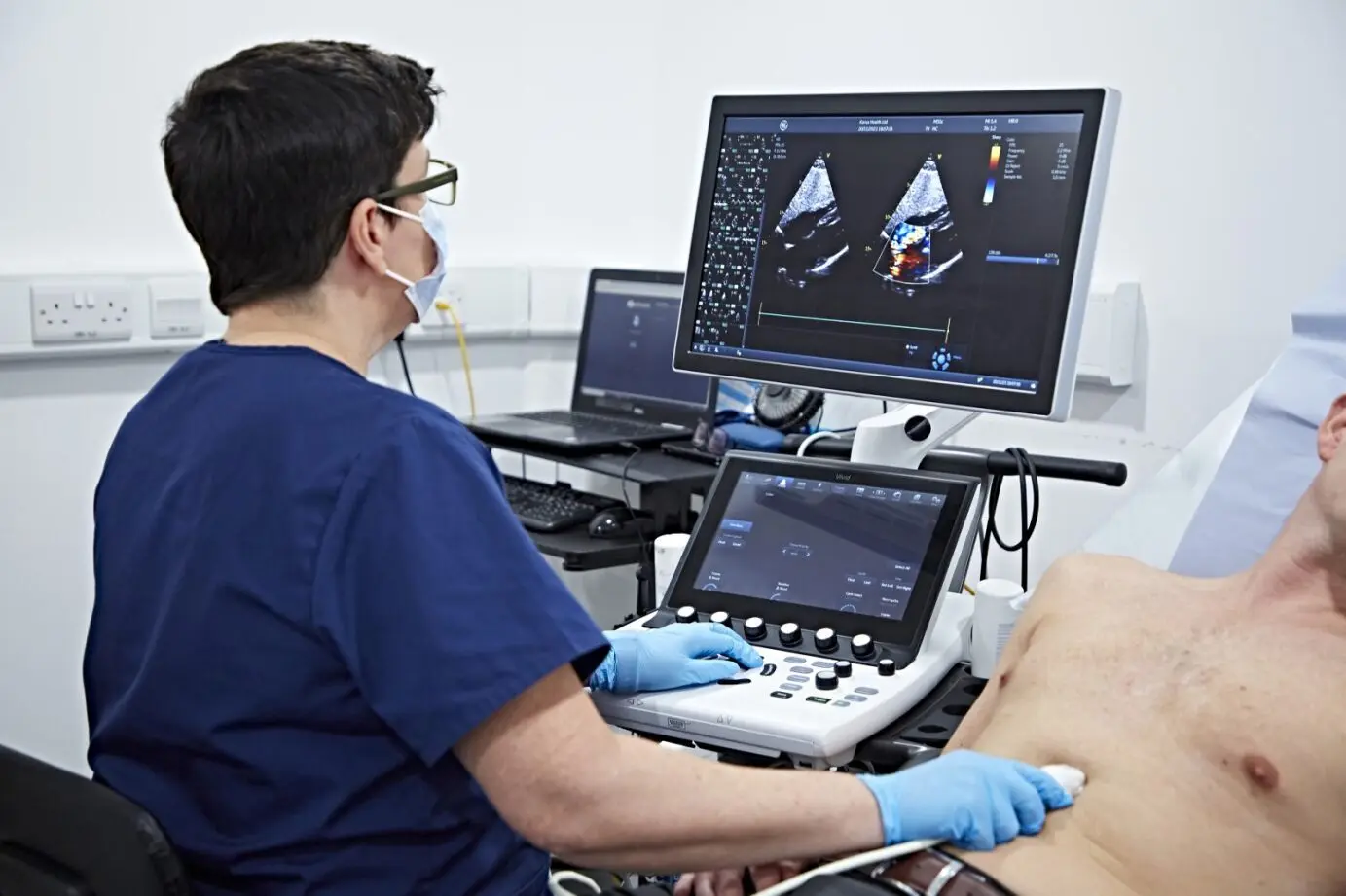
Echo at Home Dubai: From AED 799 (2026)
और पढ़ेंECG at Home Dubai: Cost & What to Expect (2026)
और पढ़ें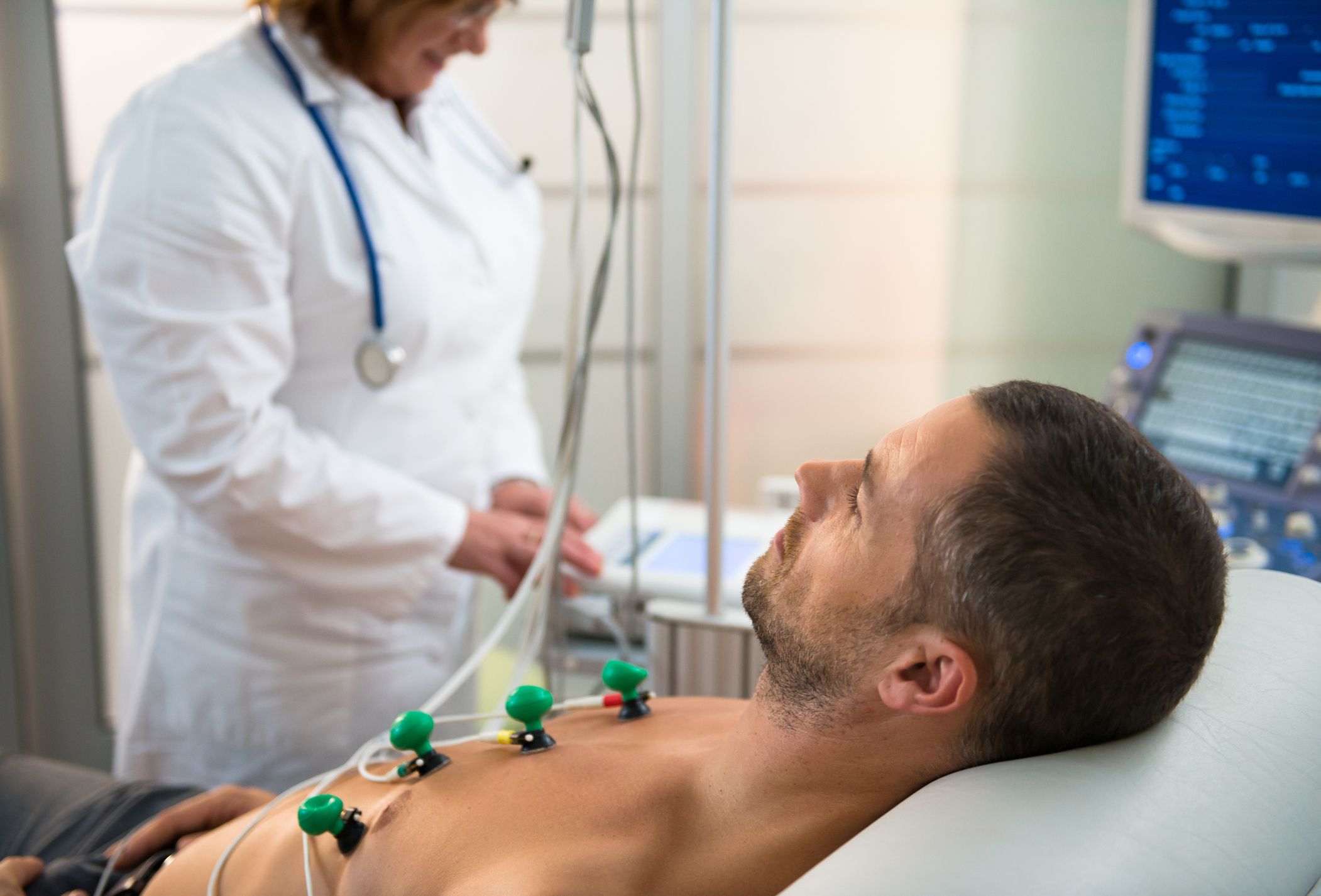
Holter Monitor vs ECG Dubai: Which Test? (2026)
और पढ़ें
Cardiac Rehabilitation Dubai: Recovery (2026)
और पढ़ेंTroponin Test Dubai: Heart Attack Marker (2026)
और पढ़ें© 2026 Doctors Clinic Diagnostic Center (DCDC), Dubai Healthcare City. Originally published at https://doctorsclinicdubai.ae/blog/heart-disease-symptoms-dubai. All rights reserved. Unauthorized reproduction is prohibited.