Prenez votre rendez-vous
Soins des accidents vasculaires cérébraux à Dubaï: spécialistes en prévention et gestion post-accident
Évaluation complète du risque d'accident vasculaire cérébral et soutien au rétablissement
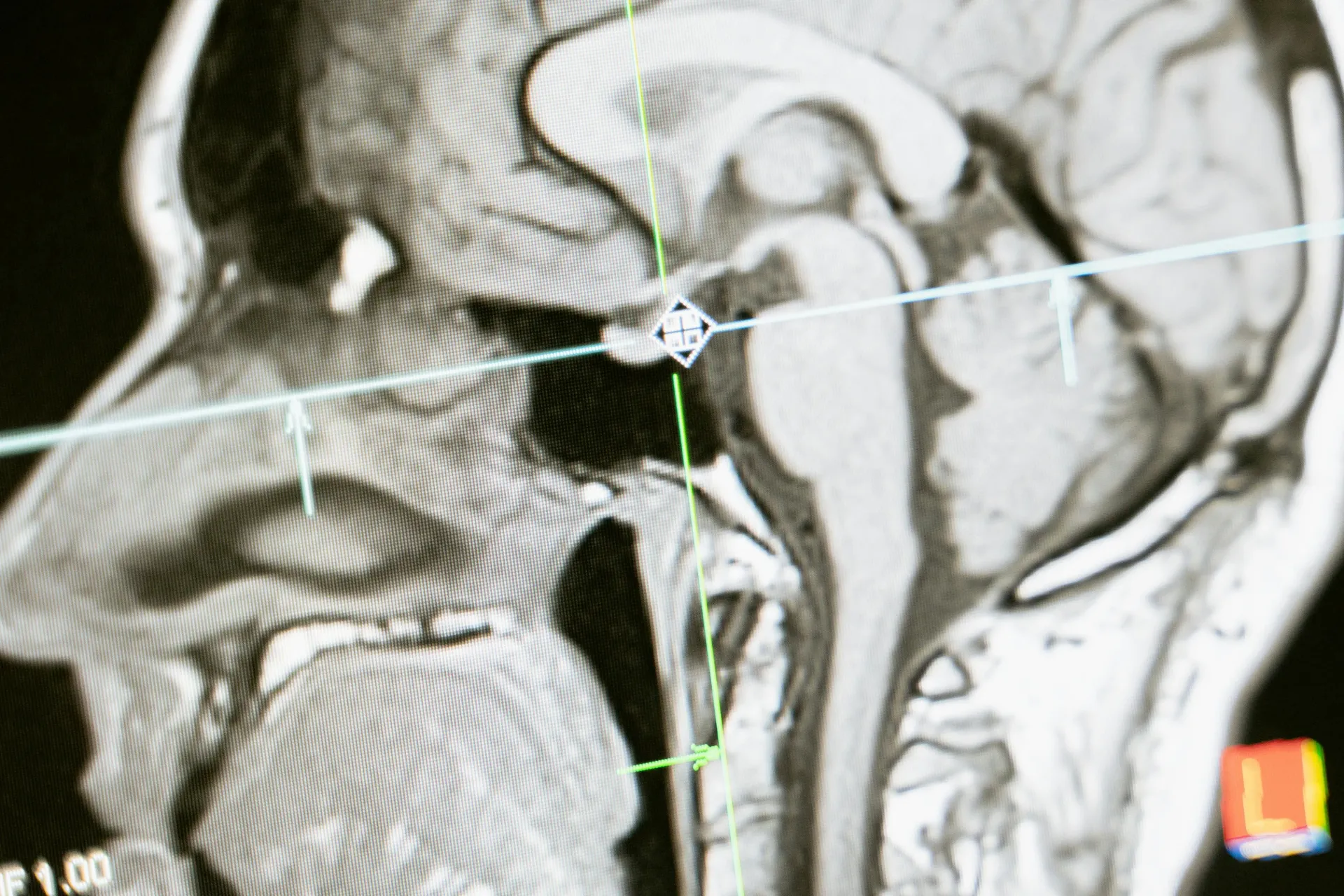
Évaluation des risques avancée
Évaluation complète des facteurs de risque d'accident vasculaire cérébral
Services spécialisés de prévention et de soins post-accident vasculaire cérébral à Dubaï Healthcare City. Évaluation des risques, prévention secondaire, coordination complète de la réadaptation. Réservez dès aujourd'hui.
Évaluation des risques avancée
Évaluation complète des facteurs de risque d'accident vasculaire cérébral
Soins des accidents vasculaires cérébraux à Dubaï: spécialistes en prévention et gestion post-accident
Évaluation complète du risque d'accident vasculaire cérébral et soutien au rétablissement
Services spécialisés de prévention et de soins post-accident vasculaire cérébral à Dubaï Healthcare City. Évaluation des risques, prévention secondaire, coordination complète de la réadaptation. Réservez dès aujourd'hui.

Dr. Heike Jacobs
Découvrez nos services
Services soins des accidents vasculaires cérébraux complets au DCDC Dubai Healthcare City.

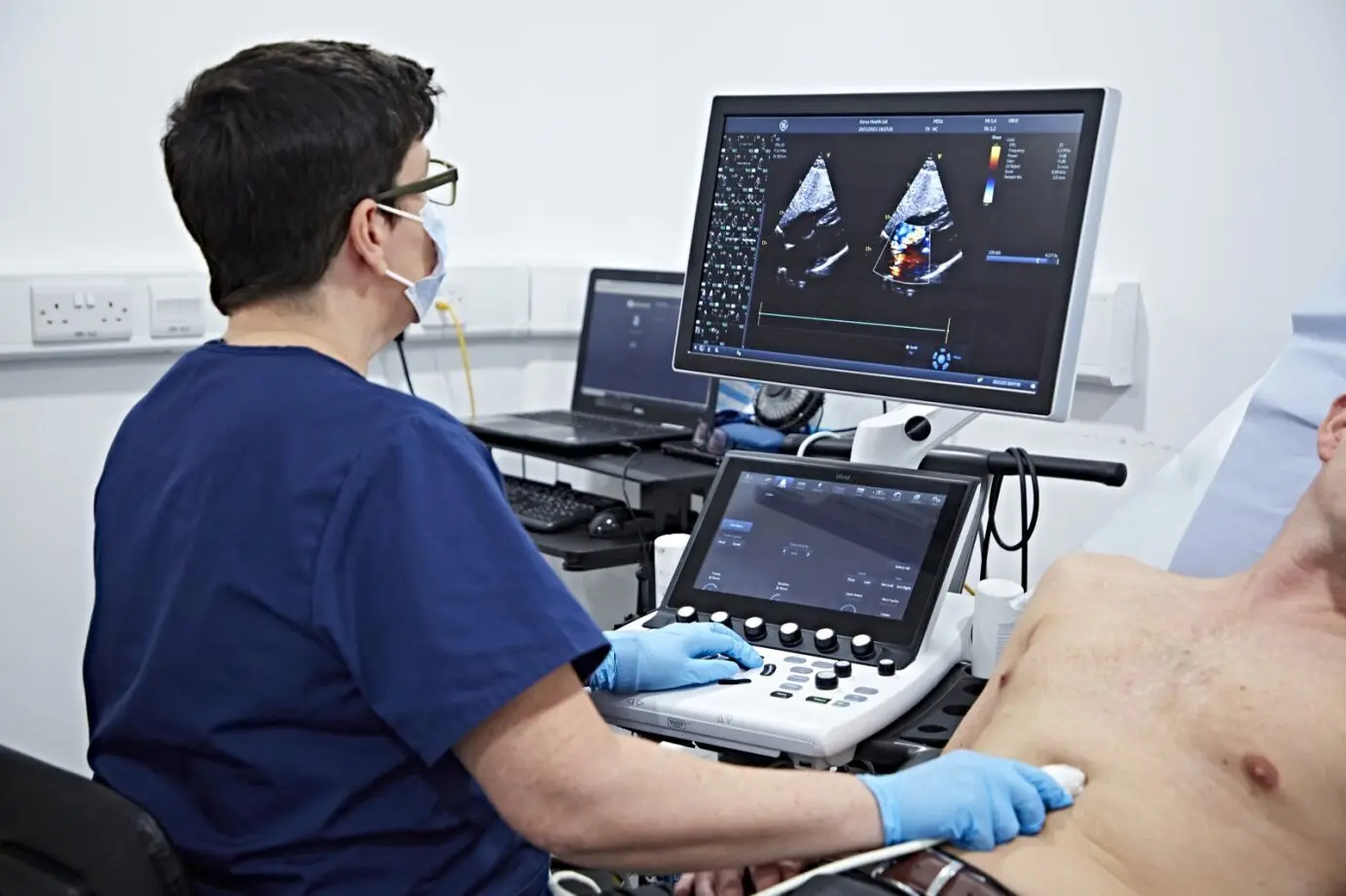
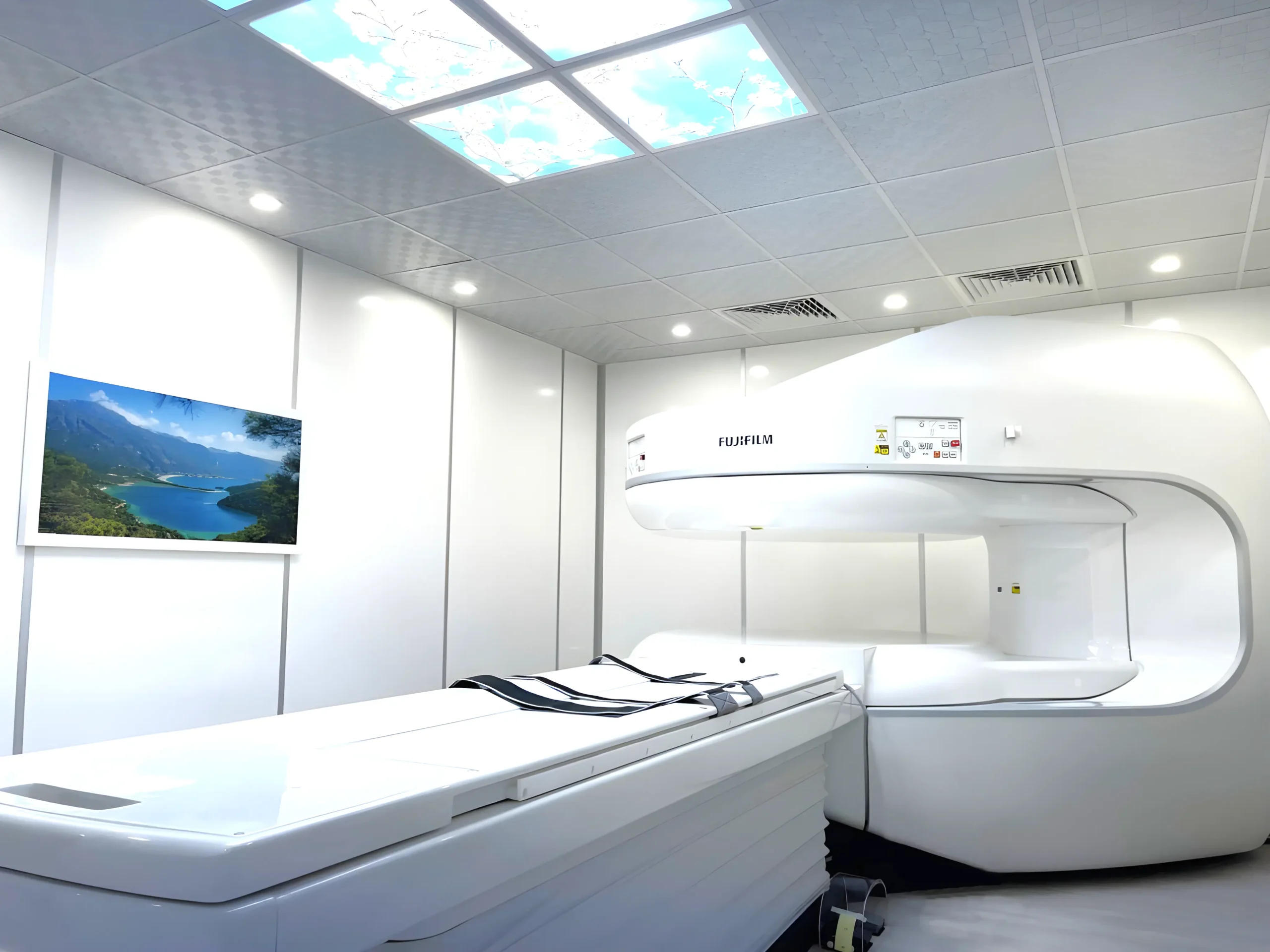
Tous les services realises par des specialistes agrees DHA
Qui a besoin de soins pour les accidents vasculaires cérébraux
Soins spécialisés pour les personnes à risque d'accident vasculaire cérébral ou en voie de rétablissement. Comprend l'évaluation des risques, la prévention et la gestion médicale complète.
Previous stroke or TIA (mini-stroke)
High blood pressure not well controlled
Atrial fibrillation or heart rhythm disorders
Diabetes with cardiovascular risk factors
High cholesterol or carotid artery disease
Family history of stroke
Pourquoi choisir DCDC pour les soins des accidents vasculaires cérébraux
Services spécialisés aux normes internationales
Agréé par MOHAP
Normes élevées en matière de qualité et de sécurité
Expérience médicale avancée
Équipe spécialisée en neurologie
Advanced Imaging
On-site MRI, CT, and carotid ultrasound capabilities.
Prevention Focus
Evidence-based strategies to reduce stroke risk.
Planned Follow-Up
Book outpatient review after emergency hospital assessment and discharge.
Insurance Support
Direct billing with major insurers.
Votre visite en tout confort
Un processus d'examen Soins simple, etape par etape, concu pour le confort, la rapidite et la precision.
Services de soins des accidents vasculaires cérébraux
Les tarifs Soins à Dubaï varient selon le type de service et la couverture d'assurance pour différents types de services.
- Les tarifs varient selon le type d'examen et la necessite de produit de contraste
- Couverture d'assurance acceptee avec ordonnance et verification
- Tarifs transparents pour paiement direct avec devis instantane sur demande
Verification d'assurance en quelques minutes - Pas de frais caches - Reponse rapide sur WhatsApp
Guide du patient
À quoi s'attendre
Soins complets commençant par une évaluation précise des risques, suivis d'un plan de traitement personnalisé et d'une coordination de la réadaptation. Nous garantissons un suivi continu.
Assurance et localisation
Partenaires d'assurance
- •Plus de 20 assureurs à Dubaï dont Daman, AXA, ADNIC et d'autres
- •Assistance pré-autorisation et facturation directe (le cas échéant)
- •Vérification de la couverture avant votre rendez-vous dans notre clinique de Dubai Healthcare City
- •Tarification transparente sans frais cachés pour les services de soins des accidents vasculaires cérébraux








Rendez-nous visite a Dubai Healthcare City
Doctors Clinic Diagnostic Center
Batiment 64, Bloc A, Al Razi Medical Complex, Dubai Healthcare City, Dubai, EAU
Pres de Oud Metha Road - Acces facile depuis Bur Dubai, Downtown Dubai, Business Bay - Parking gratuit dedie disponible
Horaires d'ouverture
Lun-Jeu, Sam : 8h - 22h30 | Dim : 8h30 - 22h30 | Ven : 9h - 22h
Comment fonctionne l'assurance chez DCDC
Vérifier la couverture
Vérifiez que votre plan couvre Soins des accidents vasculaires cérébraux
Obtenir une référence
Certains assureurs exigent une référence du médecin — nous pouvons vous guider
Pré-autorisation
Nous gérons la pré-autorisation directement avec votre assureur
Facturation directe
Pas de paiement initial — nous facturons directement votre assureur
Co-paiement uniquement
Vous ne payez que le co-paiement applicable à la clinique
Vérifier la couverture
Vérifiez que votre plan couvre Soins des accidents vasculaires cérébraux
Obtenir une référence
Certains assureurs exigent une référence du médecin — nous pouvons vous guider
Pré-autorisation
Nous gérons la pré-autorisation directement avec votre assureur
Facturation directe
Pas de paiement initial — nous facturons directement votre assureur
Co-paiement uniquement
Vous ne payez que le co-paiement applicable à la clinique
Your Specialist
Dr. Heike Jacobs
Consultant Neurologist
MD, MRCP, Consultant Neurologist
German · English
Guide du patient
Comprendre Stroke: Prevention, Recognition, and Recovery
Stroke occurs when blood supply to part of the brain is interrupted, either by a blood clot blocking an artery (ischemic stroke, accounting for about 85 percent of cases) or by a blood vessel bursting and bleeding into the brain (hemorrhagic stroke). Without blood supply, brain cells begin to die within minutes, which is why stroke is a medical emergency where rapid treatment is critical. The phrase "time is brain" reflects the reality that approximately 1.9 million neurons are lost every minute during an untreated ischemic stroke.
The UAE faces a growing stroke burden due to high rates of modifiable risk factors. Studies indicate that hypertension, diabetes, and dyslipidemia are significantly more prevalent in the Gulf region compared to global averages. Additionally, the young average age of the population means that strokes in younger adults have a disproportionate impact on productivity and families. Addressing these risk factors through structured prevention programs offers the greatest opportunity to reduce stroke incidence and its devastating consequences in the region.
Secondary stroke prevention after a first event is crucial because recurrent strokes tend to be more severe and cause greater disability. The risk of recurrence is highest in the first year, particularly the first 90 jours after a TIA or stroke. An effective secondary risk reduction program includes optimal medication management, aggressive risk factor control targeting specific numerical goals, lifestyle modification, and regular monitoring. Research shows that comprehensive secondary risk reduction programs can reduce recurrence risk by up to 80 percent compared to standard care.
Post-stroke recovery is a gradual process that continues for months to years after the event. The brain has remarkable capacity for reorganization and adaptation, a property called neuroplasticity, which allows undamaged brain areas to partially compensate for lost function. Rehabilitation harnesses this neuroplasticity through repetitive, targeted exercises for movement, speech, and cognition. The most rapid recovery typically occurs in the first three to six months, but meaningful improvement can continue well beyond this period with consistent effort and appropriate therapeutic support.
Cerebrovascular Conditions We Manage
Ischemic Stroke
Stroke caused by blood clot blocking a brain artery, managed with secondary prevention including antiplatelet therapy, anticoagulation, and risk factor optimization.
Transient Ischemic Attack (TIA)
Mini-stroke with temporary symptoms requiring urgent evaluation and immediate prevention measures to reduce the high short-term risk of subsequent stroke.
Hemorrhagic Stroke
Stroke caused by bleeding in the brain, managed with blood pressure optimization, identification of underlying causes, and coordination of appropriate follow-up care.
Carotid Artery Stenosis
Narrowing of the carotid arteries due to atherosclerosis, detected with ultrasound and managed with medication or surgical referral based on severity and symptoms.
Atrial Fibrillation and Stroke Risk
Irregular heart rhythm significantly increasing stroke risk, managed with anticoagulation therapy in coordination with cardiology for comprehensive cardiac care.
Hypertension-Related Stroke Risk
High blood pressure as the leading modifiable stroke risk factor, managed with medication optimization and lifestyle changes targeting specific blood pressure goals.
Articles associés
Carotid Doppler Ultrasound and Stroke Prevention
Learn how carotid ultrasound helps detect artery narrowing and guides stroke prevention decisions.
Hypertension: The Silent Killer in Dubai
Understand why high blood pressure is the leading modifiable risk factor for stroke and how to manage it.
Heart Health Prevention in Dubai
Discover the shared risk factors between heart disease and stroke, and how cardiovascular prevention reduces stroke risk.
Diabetes Management in Dubai
Learn how optimal diabetes management reduces stroke risk and improves overall vascular health.
Services connexes
Decouvrez d'autres services de diagnostic et de consultation disponibles dans notre clinique de Dubai Healthcare City.
Questions frequentes
Questions courantes sur Soins des accidents vasculaires cérébraux a Dubai.
Nous proposons Soins des accidents vasculaires cérébraux à Dubai Healthcare City. Notre équipe de spécialistes expérimentés est disponible pour un examen et une consultation complète. Contactez-nous pour plus d'informations.
La durée varie selon chaque cas individuel. Notre équipe vous informera à l'avance du temps exact nécessaire. Contactez-nous pour prendre un rendez-vous.
La plupart des grandes assurances à Dubaï couvrent Soins des accidents vasculaires cérébraux. Nous proposons une facturation directe avec plus de 20 compagnies d'assurance, dont Daman, AXA et Bupa. Contactez-nous pour vérifier votre couverture.
Notre équipe vous donnera des instructions de préparation spécifiques avant votre rendez-vous. En général, nous recommandons d'apporter tous vos médicaments actuels et vos dossiers médicaux pertinents.
Chez DCDC, nous proposons Soins des accidents vasculaires cérébraux avec des spécialistes expérimentés, des équipements de pointe et des soins aux patients de premier ordre à Dubai Healthcare City. Notre établissement est agréé par MOHAP et suit des normes cliniques strictes.
Vous pouvez prendre rendez-vous pour Soins des accidents vasculaires cérébraux par téléphone au +971 54 219 5008 ou via notre système de réservation en ligne. Nous proposons des horaires flexibles, y compris des rendez-vous le jour même si disponibles.
Faits cles
Supervision medicale
Tous les services sont fournis sous la supervision de professionnels medicaux agrees dans notre etablissement accredite MOHAP.