
Points cles
- Respiratory infections, gastroenteritis, and ear infections are the most frequent childhood illnesses seen in Dubai clinics, with seasonal spikes during summer (stomach bugs) and winter (colds and flu)
- Dubai's extreme heat from May to September significantly raises the risk of dehydration, heat rash, and food-borne gastroenteritis in young children
- Red-flag symptoms that require immediate medical attention include persistent fever above 39.5 degrees C, refusal to drink fluids for more than 8 hours, difficulty breathing, unusual lethargy, and a non-blanching rash
- On-site diagnostics such as CBC blood tests, inflammation markers, X-rays, and ultrasound allow pediatricians to diagnose common childhood illnesses quickly without hospital referrals
- Most childhood illnesses are viral and self-limiting, resolving within 3 to 7 days with supportive care, but bacterial infections may require prescription antibiotics
- Preventive measures including proper hydration, hand hygiene, up-to-date vaccinations, and limiting sun exposure during peak hours can reduce the frequency and severity of childhood illness in Dubai
Children in Dubai get sick an average of 6 to 10 times per year, and for families living in a subtropical desert climate, the pattern of illness often looks different from what parents experienced back home. From heat-related dehydration in summer to respiratory infections that circulate through nurseries during the cooler months, understanding common childhood illnesses helps you respond calmly and seek the right care at the right time. The paediatrics team at DCDC in Dubai Healthcare City provides same-day sick visits for children from newborn through 18 years, with on-site blood tests, X-rays, and ultrasound so your child can be diagnosed and treated under one roof.
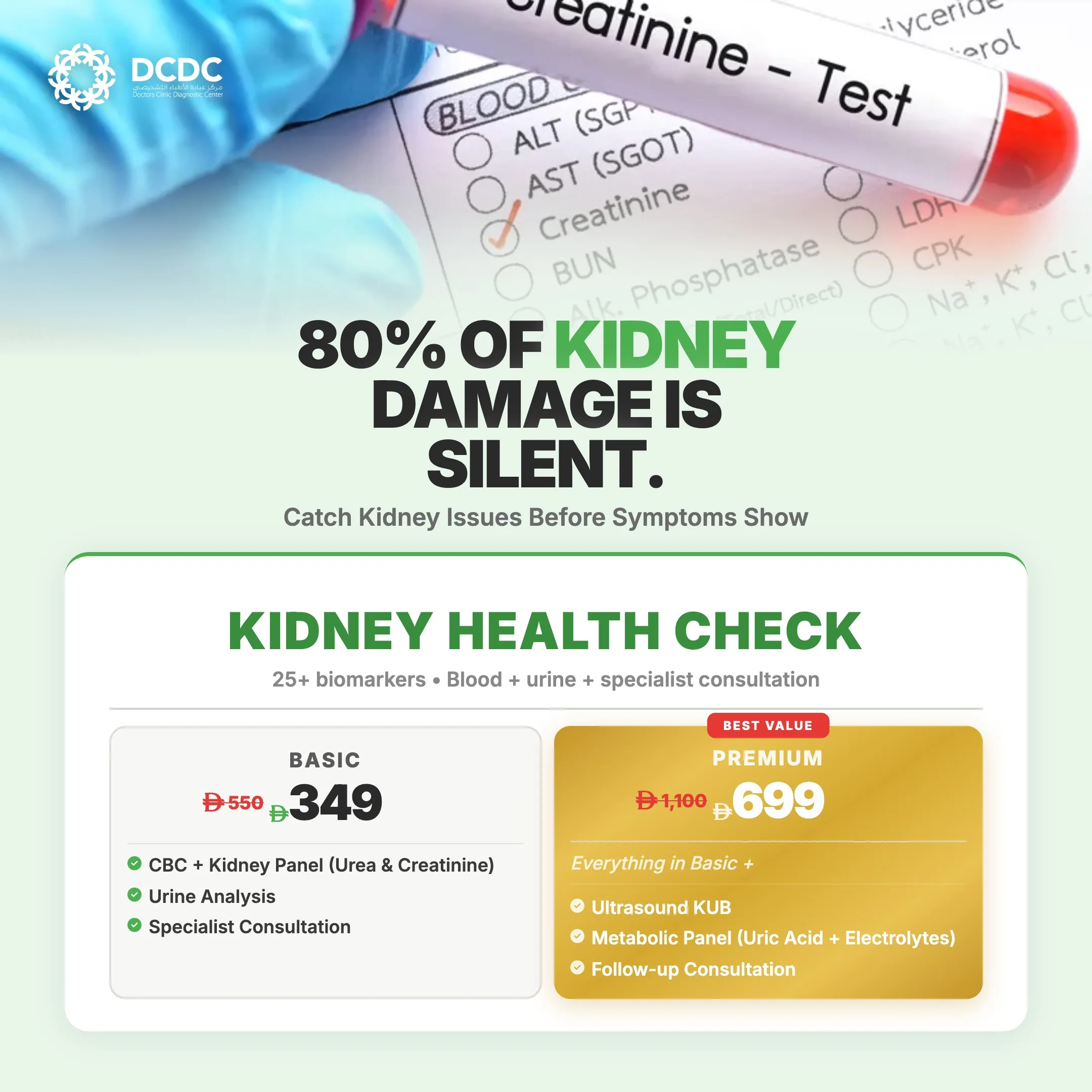
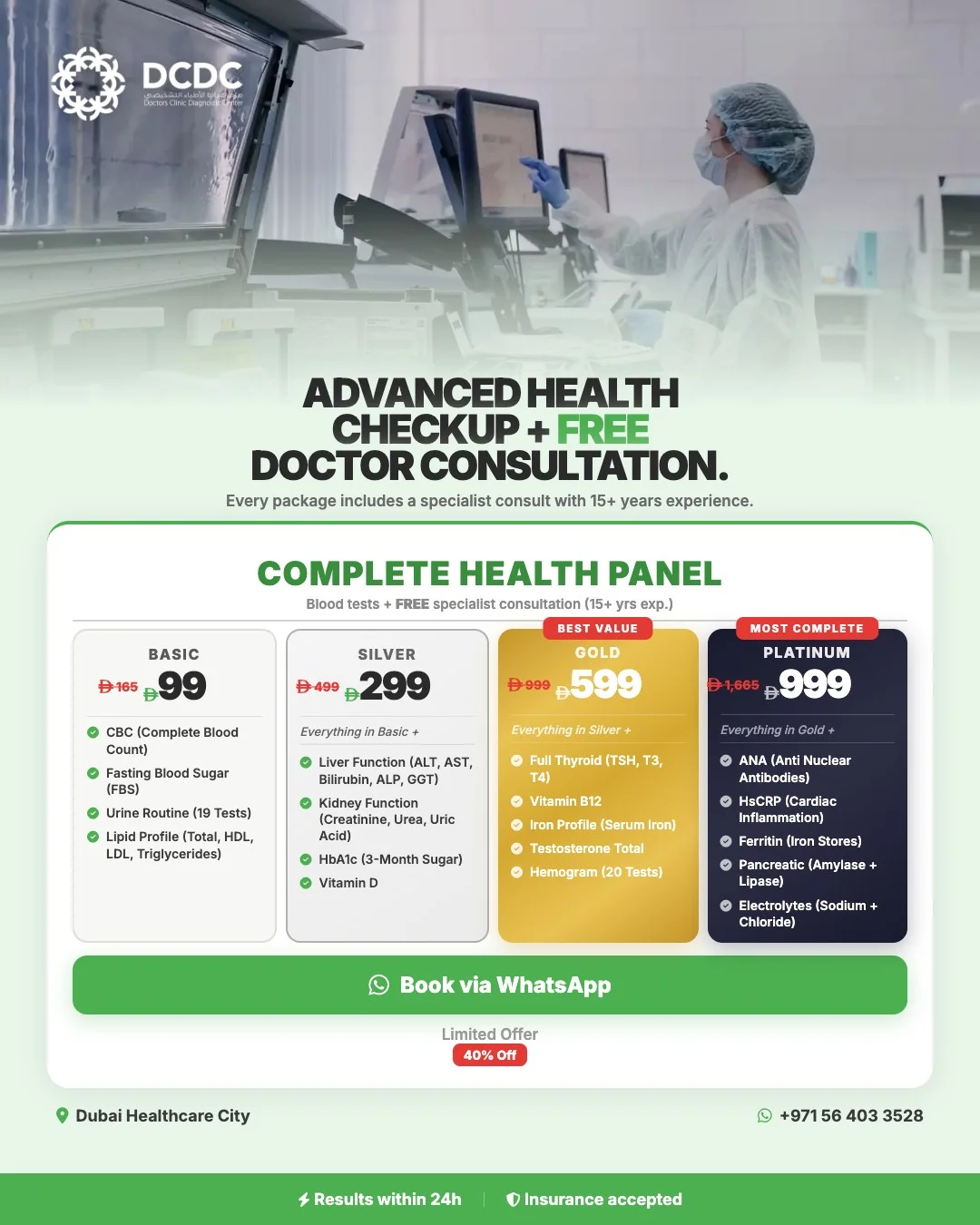
Health Screening Packages
Save with our bundled screening packages — specialist consultation included




Most Common Childhood Illnesses in Dubai
While children everywhere are susceptible to similar infections, Dubai's climate, population density in nurseries and schools, and lifestyle factors create distinct patterns. Air-conditioned indoor environments, extreme outdoor heat, and a diverse expatriate community all contribute to the types and timing of childhood illness. The table below summarises the illnesses our physicians see most frequently at DCDC, along with their hallmark symptoms and urgency level.
| Illness | Key Symptoms | Peak Season | Urgency |
|---|---|---|---|
| Upper respiratory tract infection (common cold) | Runny nose, sneezing, mild cough, low-grade fever | October to March | Low — home care usually sufficient |
| Influenza (flu) | High fever, body aches, fatigue, headache, cough | November to February | Moderate — see a doctor if fever persists over 3 days |
| Gastroenteritis (stomach bug) | Vomiting, diarrhea, stomach cramps, fever | May to September | Moderate to high — dehydration risk in heat |
| Acute otitis media (ear infection) | Ear pain, tugging at ear, irritability, fever, disturbed sleep | Year-round | Moderate — doctor visit recommended |
| Bronchiolitis | Wheezing, rapid breathing, poor feeding, cough | December to March | Moderate to high — watch for breathing difficulty |
| Hand, foot, and mouth disease | Mouth sores, rash on palms and soles, fever, poor appetite | Year-round (nursery outbreaks) | Low to moderate — highly contagious |
| Allergic rhinitis and asthma | Sneezing, wheezing, cough at night, watery eyes | Year-round (dust), spring (pollen) | Moderate — needs ongoing management plan |
| Heat rash (miliaria) | Red bumps on neck, chest, groin; itching | May to September | Low — cool the skin and keep dry |
| Conjunctivitis (pink eye) | Red, itchy eyes, discharge, crusting on eyelids | Year-round | Low to moderate — doctor visit if bacterial |
| Urinary tract infection | Painful urination, frequent urination, fever, foul-smelling urine | Year-round | Moderate — requires urine test and treatment |
Respiratory Infections in Children
Respiratory infections account for the majority of pediatric sick visits in Dubai. The common cold, caused by over 200 different viruses, typically presents with a runny nose, mild cough, and low-grade fever lasting 7 to 10 days. While uncomfortable, most colds resolve without treatment. Influenza is more aggressive, producing high fever (often above 39 degrees C), body aches, and significant fatigue that can keep a child in bed for several days.
Bronchiolitis and Croup
Bronchiolitis, most commonly caused by respiratory syncytial virus (RSV), affects infants and toddlers under 2 years. It starts like a cold but progresses to wheezing and rapid breathing as the small airways become inflamed. Croup produces a distinctive barking cough and a harsh, high-pitched sound when the child breathes in (stridor). Both conditions can be frightening for parents, but the vast majority of cases are managed at home with close monitoring.
When Respiratory Symptoms Need Medical Attention
- Breathing difficulty: Ribs visible with each breath, nostril flaring, or grunting sounds
- Blue lips or fingernails: Indicates inadequate oxygen and requires emergency care
- Fever above 39.5 degrees C that does not respond to paracetamol or ibuprofen
- Refusal to drink fluids for more than 8 hours, especially in infants
- Stridor at rest: Noisy breathing when the child is calm, not just when crying
- Symptoms worsening after day 5: Most viral infections improve by day 5 — worsening suggests a secondary bacterial infection
At DCDC, our physicians can perform a chest X-ray and blood tests (CBC with differential and CRP) on-site to determine whether a respiratory infection is viral or bacterial, helping avoid unnecessary antibiotics while ensuring bacterial infections receive prompt treatment. For more detailed guidance on managing fever at home, read our guide on child fever management.
Gastroenteritis and Stomach Bugs in Kids
Gastroenteritis — commonly called a stomach bug — is one of the most worrying childhood illnesses for parents in Dubai, and for good reason. The combination of vomiting, diarrhea, and Dubai's extreme summer heat creates a perfect storm for rapid dehydration. Rotavirus, norovirus, and bacterial pathogens like Salmonella are the most common culprits, and outbreaks spread quickly through nurseries and schools.
The Dubai Heat Factor
During the summer months (May to September), when outdoor temperatures regularly exceed 45 degrees C, children lose more fluid through sweat even before becoming ill. A child who begins vomiting or having diarrhea in this environment can become dehydrated much faster than during the cooler months. This is why gastroenteritis during Dubai's summer warrants closer monitoring and a lower threshold for seeking medical attention.
Managing Gastroenteritis at Home
- Oral rehydration solution (ORS): Small, frequent sips every 5 to 10 minutes — do not give large volumes at once as this may trigger more vomiting
- Continue breastfeeding: For breastfed infants, continue nursing as tolerated
- BRAT diet: Once vomiting subsides, introduce bananas, rice, applesauce, and toast before returning to a normal diet
- Avoid sugary drinks: Juice and soft drinks worsen diarrhea due to osmotic effect
- Monitor urine output: A child should produce urine at least every 6 to 8 hours — fewer wet nappies is a dehydration warning sign
When to Seek Medical Care for Gastroenteritis
- Blood in vomit or stool
- No wet nappy or urination for 8 or more hours
- Sunken eyes or fontanelle (soft spot) in infants
- Persistent vomiting that prevents any fluid intake for more than 6 hours
- Fever above 39 degrees C lasting more than 48 hours
- Lethargy or unusual sleepiness beyond what you would expect from tiredness
Ear Infections in Children: Signs and Treatment
Acute otitis media (middle ear infection) is one of the most common reasons parents bring children to the doctor, especially between ages 6 months and 3 years. The Eustachian tubes in young children are shorter and more horizontal than in adults, making it easier for bacteria from a cold or throat infection to travel into the middle ear.
Recognising Ear Infections
Older children can tell you their ear hurts, but infants and toddlers communicate differently. Watch for tugging or pulling at the ear, increased irritability (especially when lying down), difficulty sleeping, reduced appetite, and fluid drainage from the ear. Ear infections often follow a cold, so a child whose cold symptoms seem to be improving and then suddenly develops fever and fussiness may have developed a secondary ear infection.
Treatment Approach
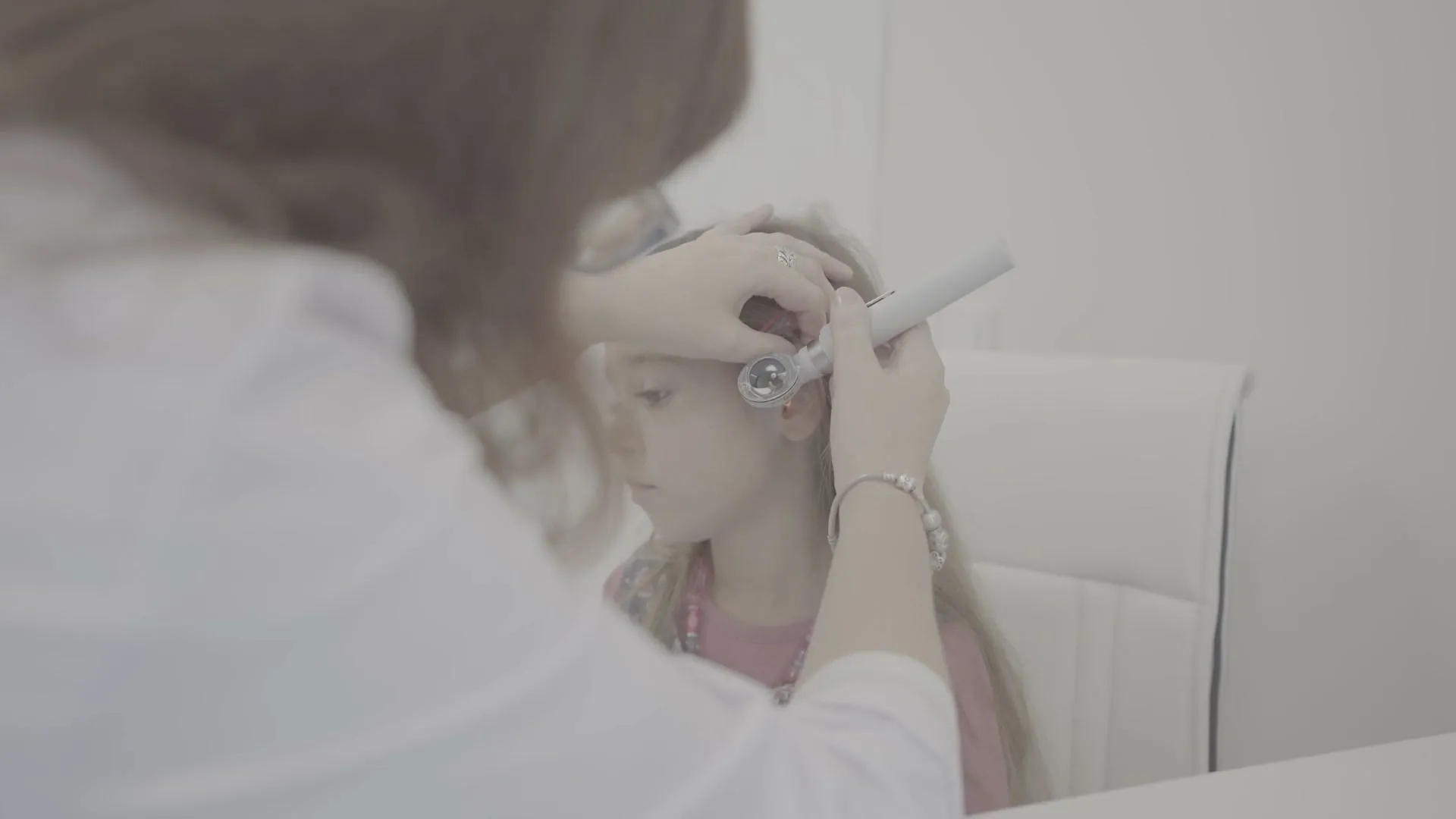
Not all ear infections require antibiotics. Current guidelines recommend a 'watchful waiting' approach for children over 2 years with mild symptoms, as many ear infections resolve on their own within 48 to 72 hours. Pain management with paracetamol or ibuprofen is the priority. However, antibiotics are typically prescribed for children under 2 years, those with bilateral infections, severe symptoms, or high fever. Your doctor at DCDC can examine the eardrum with an otoscope and make the right call.
Childhood Allergies and Asthma in Dubai
Dubai's environment presents unique challenges for children with allergies and asthma. Indoor dust mites thrive in the humidity created by air conditioning, construction dust is ever-present, and sandstorms can trigger severe symptoms. Many families notice their child's allergies worsen after moving to Dubai, or that a child who never had respiratory issues develops them here.
Common Triggers in Dubai
- Dust mites: Flourish in AC-cooled, carpeted homes — the most common indoor allergen in the UAE
- Mould: Bathroom and kitchen humidity, especially during summer when AC condensation is constant
- Outdoor dust and sandstorms: Fine particulate matter that penetrates airways
- Rapid temperature changes: Moving between 45-degree outdoor heat and 20-degree indoor AC stresses airways
- Pet dander: Common in homes with cats and dogs, especially in poorly ventilated spaces
When Wheezing Needs Urgent Attention
Mild, intermittent wheezing during a cold is common and often manageable with a prescribed inhaler. However, if your child is breathing rapidly, using stomach muscles to breathe, cannot speak in full sentences, or has blue-tinged lips, seek emergency care immediately. Children with known asthma should have an updated action plan from their doctor, and parents should know how to use a spacer device correctly.
Keeping your child's vaccinations current is one of the most effective ways to prevent serious respiratory illness. See our complete guide to the child vaccination schedule in Dubai for age-by-age recommendations.
Hand, Foot, and Mouth Disease
Hand, foot, and mouth disease (HFMD) is caused by Coxsackievirus and spreads rapidly through nurseries and schools. It typically affects children under 5, though older children and even adults can contract it. The illness begins with fever and sore throat, followed within 1 to 2 days by painful mouth sores and a distinctive rash of small blisters on the palms of the hands and soles of the feet.
Managing HFMD at Home
- Pain relief: Paracetamol or ibuprofen for fever and mouth pain
- Cold foods: Ice lollies, yoghurt, and cold milk soothe mouth sores — avoid acidic or salty foods
- Hydration: The biggest concern is refusal to drink due to painful mouth sores — offer cold fluids frequently
- Hygiene: Frequent handwashing, separate towels, and disinfecting toys and surfaces
- Isolation: Most nurseries in Dubai require children to stay home until all blisters have crusted over, typically 7 to 10 days
HFMD is almost always mild and self-limiting. The main risk is dehydration from poor fluid intake. If your child refuses all fluids for more than 8 hours or shows signs of dehydration, bring them in for evaluation.
Skin Conditions Common in Dubai's Climate
Dubai's heat and humidity create ideal conditions for several childhood skin conditions. Understanding these helps parents avoid unnecessary worry while recognising when treatment is needed.
Heat Rash (Miliaria)
Heat rash appears as tiny red bumps, typically on the neck, chest, back, and groin where sweat collects. It occurs when sweat ducts become blocked, trapping perspiration beneath the skin. Treatment is straightforward: move the child to a cool environment, dress in loose cotton clothing, and allow the skin to air-dry. Avoid heavy creams or lotions that further block pores. Heat rash usually clears within 24 to 48 hours once the skin cools.
Eczema Flare-Ups
Children with eczema (atopic dermatitis) often struggle in Dubai. The combination of air conditioning reducing skin moisture, chlorinated swimming pools, and sweat irritation can trigger persistent flare-ups. A consistent moisturising routine using fragrance-free emollients, gentle soap-free cleansers, and promptly treating flare-ups with prescribed creams are essential for managing eczema in this climate.
Fungal Skin Infections
Ringworm, athlete's foot, and other fungal infections thrive in warm, moist environments. Children who participate in swimming, martial arts, or any activity involving shared surfaces are at higher risk. Look for circular, scaly patches that gradually enlarge (ringworm), or itchy, peeling skin between the toes (athlete's foot). Antifungal creams available at UAE pharmacies are usually effective, but persistent or widespread infection should be evaluated by a doctor.
When to Take Your Child to the Doctor
One of the hardest decisions for any parent is knowing when a sick child needs professional medical attention and when watchful waiting at home is appropriate. The urgency guide below categorises symptoms into three levels to help you make that decision with confidence.
| Urgency Level | Symptoms | Action Required |
|---|---|---|
| RED — Emergency (go now) | Difficulty breathing or blue lips; unresponsive or extremely difficult to rouse; non-blanching rash (press glass test); seizure lasting more than 5 minutes; fever in infant under 3 months; severe dehydration with no tears, dry mouth, and sunken eyes | Go to the nearest emergency department immediately or call 998 (UAE ambulance) |
| AMBER — Urgent same-day visit | Fever above 39.5 degrees C not responding to medication; persistent vomiting preventing fluid intake for 6+ hours; reduced urine output (no wet nappy for 8 hours); ear pain with fever; wheezing not relieved by inhaler; child unusually lethargic even after fever is reduced | Book a same-day appointment at a clinic such as DCDC — do not wait until the next day |
| GREEN — Monitor at home | Low-grade fever under 38.5 degrees C with child drinking and playing; mild runny nose and cough without breathing difficulty; single episode of vomiting with no other symptoms; mild heat rash; loose stools without blood and with adequate fluid intake | Provide supportive care at home and monitor — see a doctor if symptoms worsen or persist beyond 3 to 5 days |
According to Dr. Hadeel Elnur, "Living in Dubai's hot climate means I see seasonal patterns in childhood illness — gastroenteritis and dehydration spike every summer, while respiratory infections cluster during the cooler months when children spend more time indoors with AC. As a general practitioner, I always tell parents that knowing the red flags — persistent high fever, refusal to drink fluids, or unusual lethargy — can make the difference between a routine recovery and a medical emergency."
What to Expect at DCDC for Sick Child Visits
Bringing a sick child to a clinic can be stressful, especially if you are new to Dubai or unfamiliar with the healthcare system. Here is exactly what happens when you visit Doctors Clinic Diagnostic Center (DCDC) in Dubai Healthcare City for a pediatric sick visit.
Step 1: Booking and Arrival
Call the clinic or send a WhatsApp message to book a same-day appointment. Sick child visits are prioritised, so even during busy periods, we aim to accommodate unwell children quickly. DCDC is located in Building 64, Block A, Al Razi Medical Complex, DHCC — there is free parking available. The clinic is open Saturday to Thursday from 8 AM to 10 PM, and Friday from 9 AM to 9 PM, providing extended hours that are especially valuable when your child falls ill outside standard office hours.
Step 2: Registration and Insurance
At reception, the team will process your insurance (DCDC partners with 20+ insurers including Daman, AXA, Bupa, MetLife, and Cigna for direct billing) and collect basic information. If this is your child's first visit, bring their Emirates ID or passport, insurance card, and any previous medical records or vaccination booklet.
Step 3: Clinical Assessment
Your child will be seen by a physician experienced in pediatric care. The consultation includes a thorough history (when symptoms started, progression, any medications given at home), physical examination, and clinical assessment. The approach is gentle and child-friendly — the staff at DCDC are trained to put anxious children at ease with calm, unhurried exams.
Step 4: On-Site Diagnostics (if Needed)
If your child's symptoms warrant further investigation, DCDC offers on-site blood tests (CBC, CRP, inflammation markers), X-rays, and ultrasound — all within the same building. There is no need to travel to a separate lab or imaging centre, which matters enormously when you have a miserable, unwell child. Results for urgent blood work are typically available within 1 to 2 hours, allowing your doctor to make a diagnosis and start treatment during the same visit.
Step 5: Diagnosis, Treatment Plan, and Follow-Up
Once results are reviewed, your doctor will explain the diagnosis, prescribe any necessary medications (DCDC can send e-prescriptions to your preferred pharmacy), provide home care instructions, and schedule a follow-up if needed. Parents consistently rate this thorough, communicative approach highly — DCDC holds a 4.8 out of 5 Google rating from over 1,000 reviews and a 98% patient satisfaction rate.
For detailed information on what pediatric consultations cost, including insurance coverage and out-of-pocket pricing, see our guide on pediatrician costs in Dubai.
Preventing Childhood Illness in Dubai
While it is impossible to prevent every childhood illness, practical strategies significantly reduce the frequency and severity of infections. These prevention measures are especially important during Dubai's summer months when heat-related conditions and food-borne illness peak.
Hydration and Nutrition
- Water intake: Children need more fluids in Dubai's heat — encourage regular water drinking, not just when thirsty
- Electrolyte balance: For active children, include coconut water or diluted ORS during intense outdoor play
- Food safety: Refrigerate perishable foods promptly, avoid street food in extreme heat, and ensure school lunchboxes have ice packs
- Vitamin D: Paradoxically, vitamin D deficiency is common in Dubai because children stay indoors during peak heat — consider supplementation after discussing with your pediatrician
Hygiene and Infection Control
- Handwashing: Teach children to wash hands for 20 seconds with soap, especially after using the toilet and before eating
- Cough etiquette: Cough or sneeze into the elbow, not hands
- Avoid sharing: Water bottles, utensils, and towels should not be shared at nursery or school
- Clean surfaces: Regularly disinfect high-touch surfaces like door handles, light switches, and toys
Environmental and Lifestyle Measures
- Limit outdoor exposure: Avoid outdoor play between 10 AM and 4 PM during summer months (May to September)
- AC maintenance: Clean air conditioning filters regularly to reduce dust mite and mould exposure
- Sun protection: Use SPF 50+ sunscreen, wide-brimmed hats, and UV-protective clothing for any outdoor activity
- Swimming pools: Shower before and after swimming, ensure children do not swallow pool water, and dry ears thoroughly to prevent swimmer's ear
- Vaccinations: Stay up to date with the UAE immunisation schedule — vaccines prevent serious diseases including measles, whooping cough, and rotavirus gastroenteritis
Cost of Pediatric Sick Visits in Dubai
Understanding the cost of pediatric care helps parents plan ahead and avoid surprises. At DCDC, a pediatric or general practitioner consultation starts from AED 300. If diagnostics are required, blood tests (CBC, CRP) typically range from AED 100 to AED 400 depending on the panel, while X-rays start from AED 200. For insured patients, most consultations and diagnostic tests are covered under standard pediatric benefits with direct billing — meaning you pay only the applicable co-pay or deductible at the time of visit.
DCDC is a MOHAP-licensed facility (license number NIMY7VY5-240925) that partners with over 20 insurance providers including Daman, AXA, Bupa, MetLife, and Cigna. If you are unsure whether your insurance covers pediatric sick visits, the DCDC reception team can verify your benefits before your appointment.
Is Your Child Unwell? Book a Same-Day Appointment
At Doctors Clinic Diagnostic Center in Dubai Healthcare City, sick child visits are prioritised with same-day availability. Our physicians provide gentle, thorough evaluations for children from newborn to 18 years, backed by on-site blood tests, X-rays, and ultrasound for fast diagnosis. Pediatric consultations start from AED 300 with direct insurance billing available.
Send us a WhatsApp message: 'Hi, my child is unwell and I would like to book a pediatric appointment at DCDC.'
Summer-Specific Risks for Children in Dubai
Dubai's summer presents particular health challenges for children that deserve special attention. Between May and September, when temperatures regularly exceed 45 degrees C and humidity can surpass 90%, the risk of heat-related illness compounds with typical childhood infections.
Dehydration
Children are more vulnerable to dehydration than adults because they have a higher surface-area-to-body-weight ratio, lose fluids faster through sweat, and may not recognise or communicate thirst. Signs of dehydration in children include dark-coloured urine, dry lips and tongue, decreased energy, crying without tears, and fewer than 4 wet nappies in 24 hours for infants. During summer, proactively offer water every 30 minutes during any outdoor activity.
Heat Exhaustion and Heatstroke
Heat exhaustion presents with heavy sweating, pale or cool skin, nausea, headache, and dizziness. If untreated, it can progress to heatstroke — a medical emergency characterised by a body temperature above 40 degrees C, hot and dry skin (sweating stops), confusion, and potential loss of consciousness. Move the child to shade or AC immediately, apply cool (not ice-cold) water, and seek emergency care if temperature does not drop or if the child is confused or unresponsive.
Food-Borne Illness
Bacteria multiply rapidly in food left at room temperature in Dubai's heat. Packed school lunches, picnic food, and improperly stored leftovers are common sources of food poisoning in children. Use insulated lunch bags with frozen ice packs, discard any perishable food left out for more than one hour in temperatures above 35 degrees C, and ensure all meat and eggs are thoroughly cooked.
Building Your Child's Immune Resilience
While the goal is not to prevent every minor illness — exposure to common viruses actually helps build a child's immune system — there are evidence-based strategies to support overall immune health in children living in Dubai.
- Adequate sleep: Toddlers need 11 to 14 hours, preschoolers 10 to 13 hours, and school-age children 9 to 12 hours of sleep per 24 hours
- Balanced diet: Include fruits, vegetables, lean proteins, and whole grains — a varied diet provides the vitamins and minerals essential for immune function
- Physical activity: Regular exercise boosts immune response; aim for at least 60 minutes of active play daily, moving indoors during summer peak hours
- Reduce stress: Overscheduled children with excessive extracurriculars can become run down — ensure adequate downtime and unstructured play
- Gut health: Include probiotic-rich foods such as yoghurt and fermented foods, which support the gut microbiome and immune defence
Concerned About Your Child's Health?
Whether your child has an acute illness or you want a general health check, the team at DCDC Dubai Healthcare City is here to help. We see children from newborn to 18 years for everything from fever and coughs to allergy management and vaccination catch-ups. Book online, call, or WhatsApp us today.
Building 64, Block A, Al Razi Medical Complex, DHCC. Open Sat-Thu 8 AM-10:30 PM, Fri 9 AM-10 PM. Free parking.
Services associés au DCDC
Soins spécialisés et diagnostics avancés à Dubai Healthcare City
Frequently Asked Questions
Réflexions Finales
Children get sick — it is an unavoidable part of growing up, and each illness helps build immune resilience for the future. What matters most is your ability to recognise when an illness is following a normal course and when something requires medical attention. The guidance in this article, from the symptom tables to the urgency colour coding, is designed to give you that confidence.
If your child is unwell and you are unsure whether they need to see a doctor, err on the side of caution. A brief consultation can provide reassurance, catch complications early, and give you a clear plan for managing the illness at home. At DCDC in Dubai Healthcare City, same-day pediatric appointments are frequently available, our on-site diagnostics mean faster answers, and our physicians take the time to explain everything clearly. Book a visit by phone, online, or WhatsApp — we are here Saturday to Thursday from 8 AM to 10 PM and Friday from 9 AM to 9 PM.
Sources et references
Cet article a ete revise par notre equipe medicale et fait reference aux sources suivantes :
- World Health Organization — Management of Common Childhood Illnesses
- American Academy of Pediatrics — Common Childhood Infections
- NHS UK — Common Childhood Illnesses
- UAE Ministry of Health and Prevention — Child Health Guidelines
- Dubai Health Authority — Pediatric Healthcare Services
- Centers for Disease Control and Prevention — Childhood Diseases and Conditions
Le contenu medical de ce site est revise par des medecins agrees DHA. Voir notre politique editoriale pour plus d'informations.

Redige par
Dr. Hadeel Elnur
General Practitioner
MD, General Practice
Dr. Hadeel Elnur is a General Practitioner at Doctors Clinic Diagnostic Center (DCDC) in Dubai Healthcare City.
Articles Connexes

Child Fever: When to Worry & What to Do
Child Vaccination Schedule Dubai: Complete Guide

Pediatrician Cost in Dubai: What to Expect

Pediatric Imaging Safety: A Parent's Guide

Dehydration Symptoms and Treatment in Dubai
Plus dans General Health
AC Sickness Dubai: Summer Cold Symptoms (2026)
Lire la suite
Allergy Specialist Dubai: Tests & Guide (2026)
Lire la suiteAllergy Testing Dubai: IgE Blood Panels & Cost (2026)
Lire la suite
Blood Test Dubai: Types, Cost & Fasting Guide (2026)
Lire la suite
Cancer Screening Dubai: Tests & Cost by Age (2026)
Lire la suite
Cortisol Test Dubai: Levels & Cost Guide (2026)
Lire la suite© 2026 Doctors Clinic Diagnostic Center (DCDC), Dubai Healthcare City. Originally published at https://doctorsclinicdubai.ae/blog/common-childhood-illnesses-dubai. All rights reserved. Unauthorized reproduction is prohibited.