I-book ang Iyong Appointment
Pangangalaga sa Stroke sa Dubai: Mga Eksperto sa Pag-iwas at Pamamahala Pagkatapos ng Stroke
Komprehensibong pagsusuri ng panganib sa stroke at suporta sa pagbawi
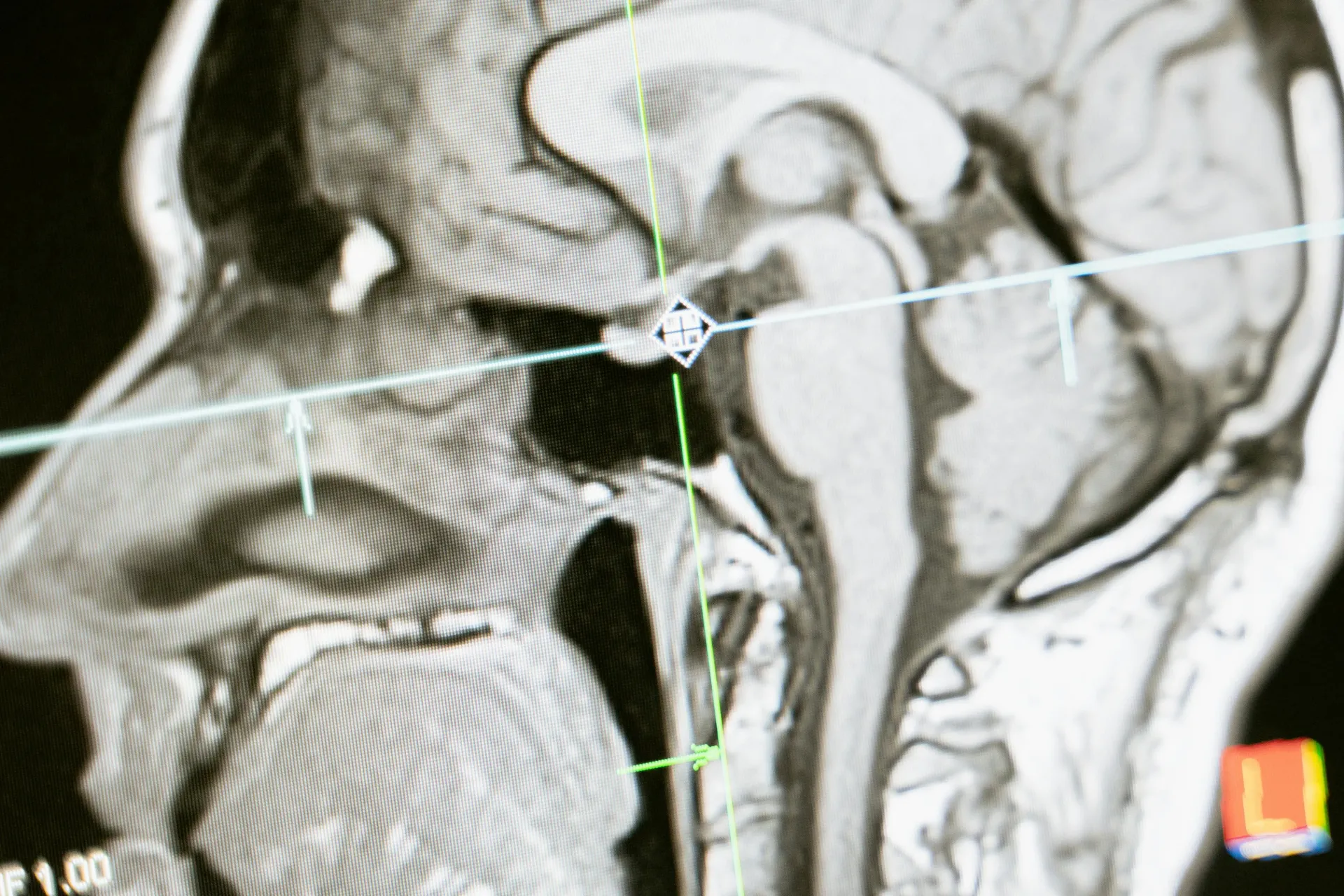
Advanced na Pagsusuri ng Panganib
Komprehensibong pagsusuri ng mga risk factors ng stroke
Ekspertong pag-iwas sa stroke at post-stroke care sa Dubai Healthcare City. Pagsusuri ng panganib, secondary prevention, koordinasyon ng rehabilitation. Mag-book ngayon.
Advanced na Pagsusuri ng Panganib
Komprehensibong pagsusuri ng mga risk factors ng stroke
Pangangalaga sa Stroke sa Dubai: Mga Eksperto sa Pag-iwas at Pamamahala Pagkatapos ng Stroke
Komprehensibong pagsusuri ng panganib sa stroke at suporta sa pagbawi
Ekspertong pag-iwas sa stroke at post-stroke care sa Dubai Healthcare City. Pagsusuri ng panganib, secondary prevention, koordinasyon ng rehabilitation. Mag-book ngayon.

Dr. Heike Jacobs
Tuklasin ang Aming mga Serbisyo
Komprehensibong serbisyo sa pangangalaga sa stroke sa DCDC Dubai Healthcare City.

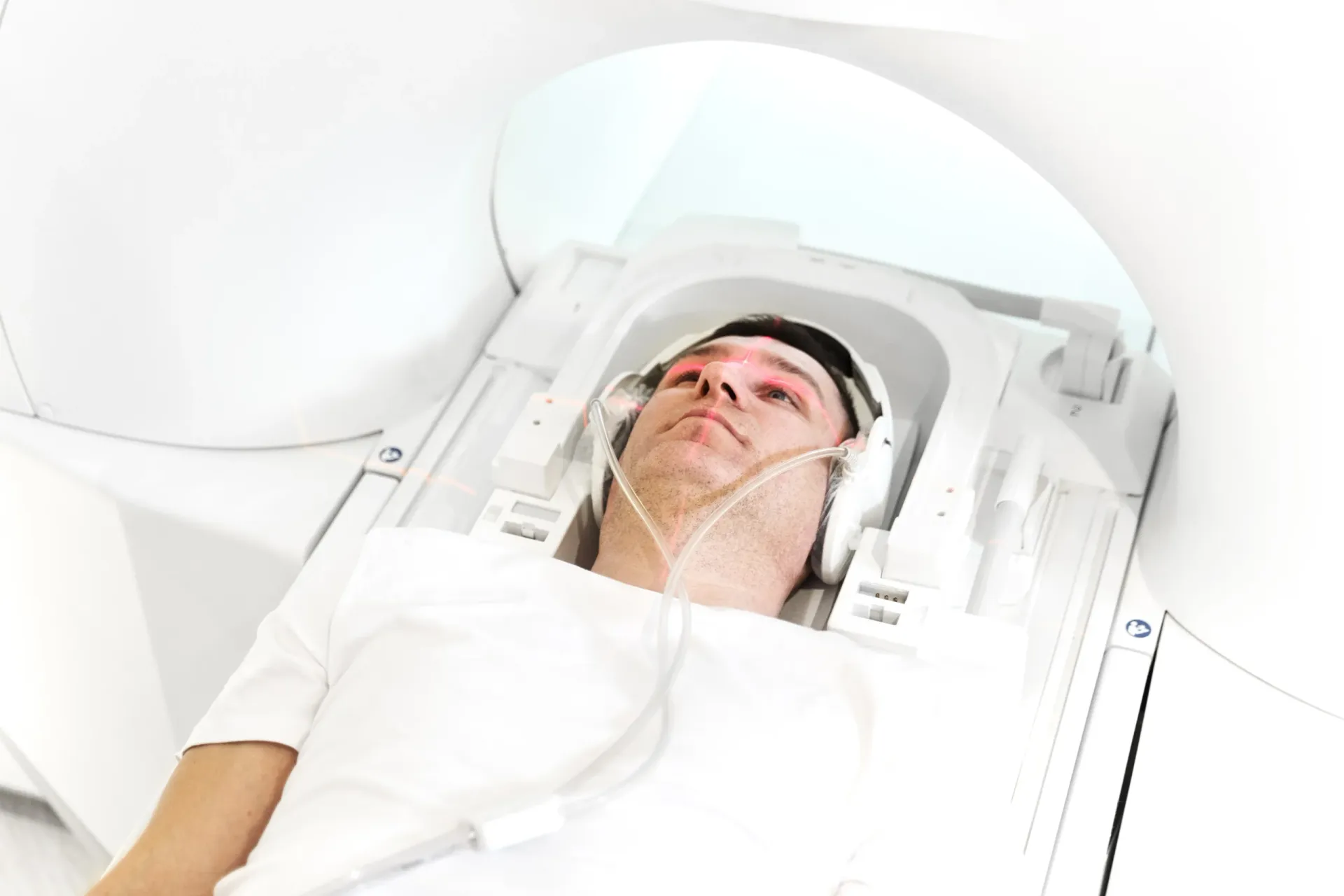
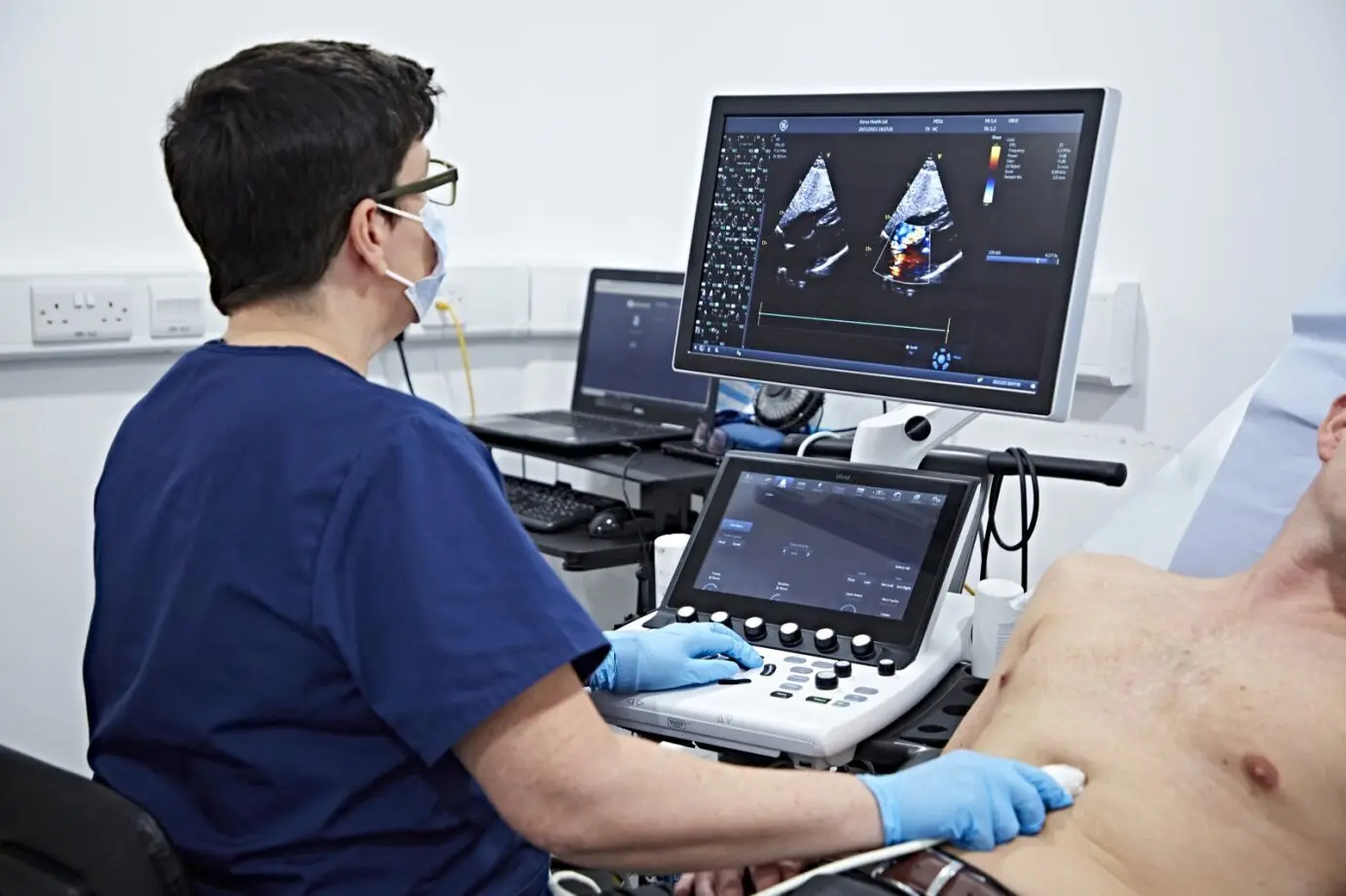
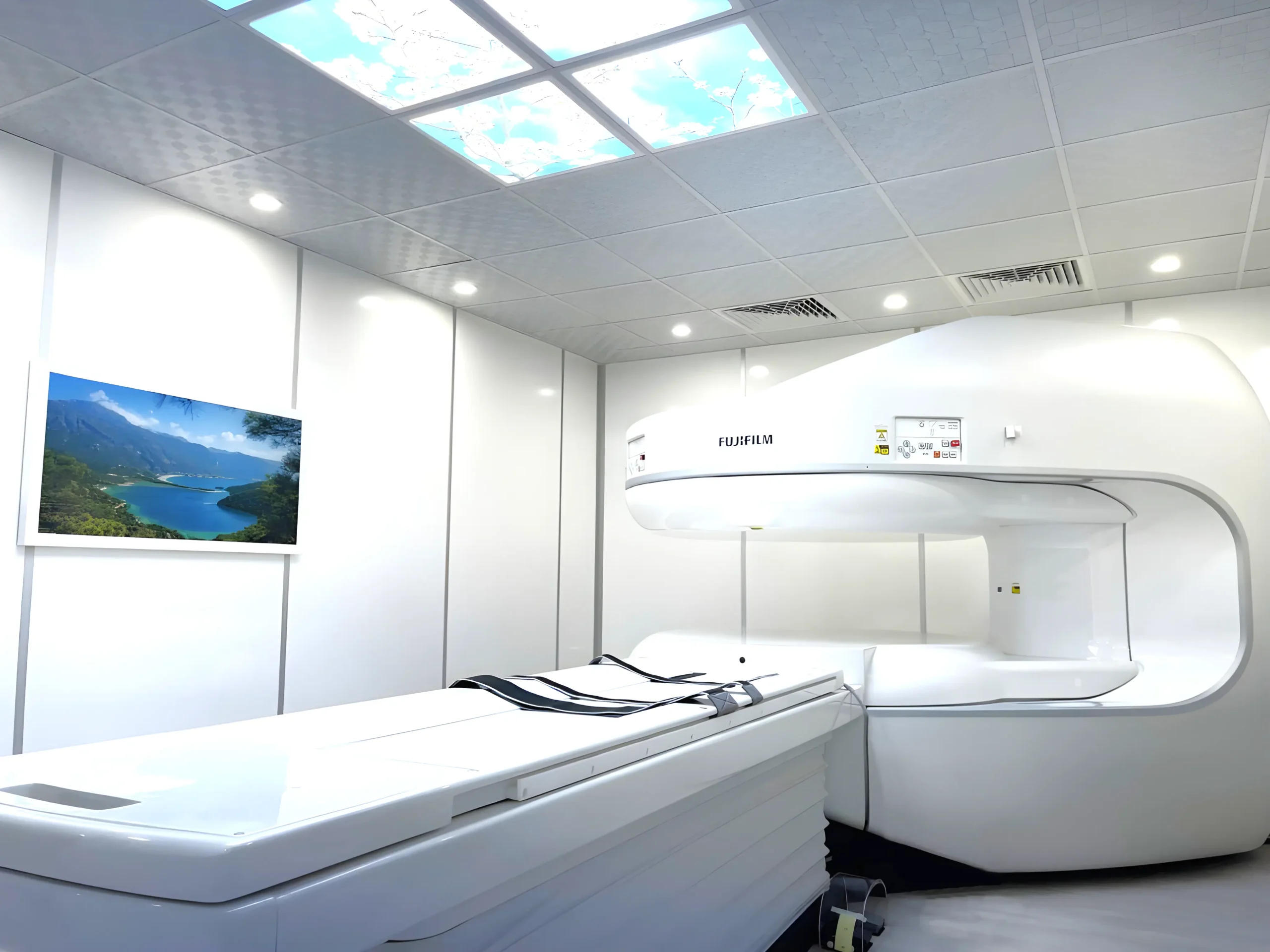
Lahat ng serbisyo ay ginagawa ng mga DHA-licensed na espesyalista
Sino ang Nangangailangan ng Pangangalaga sa Stroke
Ang espesyalisadong pangangalaga ay inirerekomenda para sa mga indibidwal na nasa panganib ng stroke o nagbabawi mula rito. Kasama sa mga serbisyo ang pagsusuri ng panganib, pag-iwas, at komprehensibong medikal na pamamahala.
Previous stroke or TIA (mini-stroke)
High blood pressure not well controlled
Atrial fibrillation or heart rhythm disorders
Diabetes with cardiovascular risk factors
High cholesterol or carotid artery disease
Family history of stroke
Bakit Piliin ang DCDC para sa Pangangalaga sa Stroke
Espesyalisadong serbisyo na may pandaigdigang pamantayan
Lisensyado ng MOHAP
Mataas na pamantayan sa kalidad at kaligtasan
Advanced na Medikal na Ekspertise
Espesyalisadong team sa neurological diseases
Advanced Imaging
On-site MRI, CT, and carotid ultrasound capabilities.
Prevention Focus
Evidence-based strategies to reduce stroke risk.
Planned Follow-Up
Book outpatient review after emergency hospital assessment and discharge.
Insurance Support
Direct billing with major insurers.
Ang Iyong Komportableng Pagbisita
Isang simple, hakbang-hakbang na proseso ng Pangangalaga scan na dinisenyo para sa kaginhawahan, bilis, at katumpakan.
Mga Serbisyo sa Pangangalaga sa Stroke
Ang presyo ng Pangangalaga sa Dubai ay nag-iiba ayon sa uri ng serbisyo at insurance coverage para sa iba't ibang uri ng serbisyo.
- Ang presyo ay nag-iiba ayon sa uri ng scan at kung kailangan ng contrast
- Tinatanggap ang insurance coverage na may referral at verification
- Transparent na self-pay rate na available na may instant na presyo kapag hiniling
Verification ng insurance sa ilang minuto • Walang nakatagong bayad • Mabilis na sagot sa WhatsApp
Gabay para sa Pasyente
Ano ang Aasahan
Pagbibigay ng komprehensibong pangangalaga na nagsisimula sa maingat na pagsusuri ng panganib, sinusundan ng personalized na plano sa paggamot at koordinasyon ng rehabilitation. Tinitiyak namin ang patuloy na follow-up para sa pinakamahusay na mga resulta.
Insurance at Lokasyon
Mga Kasosyo sa Insurance
- •20+ na insurance provider sa Dubai kabilang ang Daman, AXA, ADNIC, at iba pa
- •Suporta sa pre-authorization at direct billing (kung naaangkop)
- •Verification ng coverage bago ang iyong appointment sa aming klinika sa Dubai Healthcare City
- •Transparent na presyo na walang nakatagong bayad para sa mga serbisyo ng pangangalaga sa stroke








Bisitahin Kami sa Dubai Healthcare City
Doctors Clinic Diagnostic Center
Building 64, Block A, Al Razi Medical Complex, Dubai Healthcare City, Dubai, UAE
Malapit sa Oud Metha Road · Madaling puntahan mula sa Bur Dubai, Downtown Dubai, Business Bay · May libreng dedikadong parking
Oras ng Trabaho
Lun-Huw, Sab: 8AM - 10:30PM | Lin: 8:30AM - 10:30PM | Biy: 9AM - 10PM
Paano Gumagana ang Insurance sa DCDC
Suriin ang Coverage
I-verify na sakop ng iyong plano ang Pangangalaga sa Stroke
Kumuha ng Referral
Ang ilang insurer ay nangangailangan ng GP referral — maaari ka naming gabayan
Pre-Autorisation
Kami ang mag-aasikaso ng pre-auth nang direkta sa iyong insurer
Direktang Pagsingil
Walang bayad sa una — direkta kaming nagbi-bill sa iyong insurer
Co-Pay Lang
Ikaw ay magbabayad lamang ng anumang naaangkop na co-pay sa klinika
Suriin ang Coverage
I-verify na sakop ng iyong plano ang Pangangalaga sa Stroke
Kumuha ng Referral
Ang ilang insurer ay nangangailangan ng GP referral — maaari ka naming gabayan
Pre-Autorisation
Kami ang mag-aasikaso ng pre-auth nang direkta sa iyong insurer
Direktang Pagsingil
Walang bayad sa una — direkta kaming nagbi-bill sa iyong insurer
Co-Pay Lang
Ikaw ay magbabayad lamang ng anumang naaangkop na co-pay sa klinika
Your Specialist
Dr. Heike Jacobs
Consultant Neurologist
MD, MRCP, Consultant Neurologist
German · English
Gabay para sa Pasyente
Pag-unawa sa Stroke: Prevention, Recognition, and Recovery
Stroke occurs when blood supply to part of the brain is interrupted, either by a blood clot blocking an artery (ischemic stroke, accounting for about 85 percent of cases) or by a blood vessel bursting and bleeding into the brain (hemorrhagic stroke). Without blood supply, brain cells begin to die within minuto, which is why stroke is a medical emergency where rapid treatment is critical. The phrase "time is brain" reflects the reality that approximately 1.9 million neurons are lost every minuto during an untreated ischemic stroke.
The UAE faces a growing stroke burden due to high rates of modifiable risk factors. Studies indicate that hypertension, diabetes, and dyslipidemia are significantly more prevalent in the Gulf region compared to global averages. Additionally, the young average age of the population means that strokes in younger adults have a disproportionate impact on productivity and families. Addressing these risk factors through structured prevention programs offers the greatest opportunity to reduce stroke incidence and its devastating consequences in the region.
Secondary stroke prevention after a first event is crucial because recurrent strokes tend to be more severe and cause greater disability. The risk of recurrence is highest in the first year, particularly the first 90 araw after a TIA or stroke. An effective secondary risk reduction program includes optimal medication management, aggressive risk factor control targeting specific numerical goals, lifestyle modification, and regular monitoring. Research shows that comprehensive secondary risk reduction programs can reduce recurrence risk by up to 80 percent compared to standard care.
Post-stroke recovery is a gradual process that continues for months to years after the event. The brain has remarkable capacity for reorganization and adaptation, a property called neuroplasticity, which allows undamaged brain areas to partially compensate for lost function. Rehabilitation harnesses this neuroplasticity through repetitive, targeted exercises for movement, speech, and cognition. The most rapid recovery typically occurs in the first three to six months, but meaningful improvement can continue well beyond this period with consistent effort and appropriate therapeutic support.
Cerebrovascular Conditions We Manage
Ischemic Stroke
Stroke caused by blood clot blocking a brain artery, managed with secondary prevention including antiplatelet therapy, anticoagulation, and risk factor optimization.
Transient Ischemic Attack (TIA)
Mini-stroke with temporary symptoms requiring urgent evaluation and immediate prevention measures to reduce the high short-term risk of subsequent stroke.
Hemorrhagic Stroke
Stroke caused by bleeding in the brain, managed with blood pressure optimization, identification of underlying causes, and coordination of appropriate follow-up care.
Carotid Artery Stenosis
Narrowing of the carotid arteries due to atherosclerosis, detected with ultrasound and managed with medication or surgical referral based on severity and symptoms.
Atrial Fibrillation and Stroke Risk
Irregular heart rhythm significantly increasing stroke risk, managed with anticoagulation therapy in coordination with cardiology for comprehensive cardiac care.
Hypertension-Related Stroke Risk
High blood pressure as the leading modifiable stroke risk factor, managed with medication optimization and lifestyle changes targeting specific blood pressure goals.
Mga Kaugnay na Artikulo
Carotid Doppler Ultrasound and Stroke Prevention
Learn how carotid ultrasound helps detect artery narrowing and guides stroke prevention decisions.
Hypertension: The Silent Killer in Dubai
Understand why high blood pressure is the leading modifiable risk factor for stroke and how to manage it.
Heart Health Prevention in Dubai
Discover the shared risk factors between heart disease and stroke, and how cardiovascular prevention reduces stroke risk.
Diabetes Management in Dubai
Learn how optimal diabetes management reduces stroke risk and improves overall vascular health.
Mga Kaugnay na Serbisyo
Galugarin ang iba pang serbisyo sa diagnostics at konsultasyon na available sa aming klinika sa Dubai Healthcare City.
Mga Madalas Itanong
Mga karaniwang tanong tungkol sa Pangangalaga sa Stroke sa Dubai.
Nag-aalok kami ng Pangangalaga sa Stroke sa Dubai Healthcare City. Ang aming team ng mga bihasang espesyalista ay available para sa komprehensibong pagsusuri at konsultasyon. Makipag-ugnayan sa amin para sa karagdagang impormasyon.
Ang tagal ay nag-iiba depende sa bawat indibidwal na kaso. Aabisuhan kayo ng aming team nang maaga tungkol sa eksaktong oras. Makipag-ugnayan sa amin para sa appointment.
Karamihan sa mga pangunahing insurance sa Dubai ay sumasaklaw sa Pangangalaga sa Stroke. Nag-aalok kami ng direct billing sa mahigit 20 insurance companies, kasama na ang Daman, AXA at Bupa. Makipag-ugnayan sa amin upang suriin ang iyong coverage.
Ibibigay ng aming team ang mga tukoy na tagubilin sa paghahanda bago ang iyong appointment. Sa pangkalahatan, inirerekomenda namin na dalhin ang lahat ng kasalukuyang gamot at mga kaugnay na medikal na rekord.
Sa DCDC, nag-aalok kami ng Pangangalaga sa Stroke na may mga bihasang espesyalista, makabagong kagamitan at pinakamataas na kalidad ng pangangalaga sa pasyente sa Dubai Healthcare City. Ang aming pasilidad ay lisensyado ng MOHAP at sumusunod sa mahigpit na mga pamantayang pangklinika.
Maaari kang mag-book ng appointment para sa Pangangalaga sa Stroke sa pamamagitan ng pagtawag sa +971 54 219 5008 o sa pamamagitan ng aming online booking system. Nag-aalok kami ng flexible na mga oras kasama na ang same-day appointments kung available.
Mga Pangunahing Katotohanan
Medikal na Pagsusuri at Pamamahala
Lahat ng serbisyo ay ibinibigay sa ilalim ng pamamahala ng mga lisensyadong propesyonal sa medisina sa aming MOHAP-accredited na pasilidad.