رزرو نوبت
مراقبت از سکته مغزی در دبی: متخصصان پیشگیری و مدیریت پس از سکته
ارزیابی جامع خطر سکته مغزی و پشتیبانی بهبودی
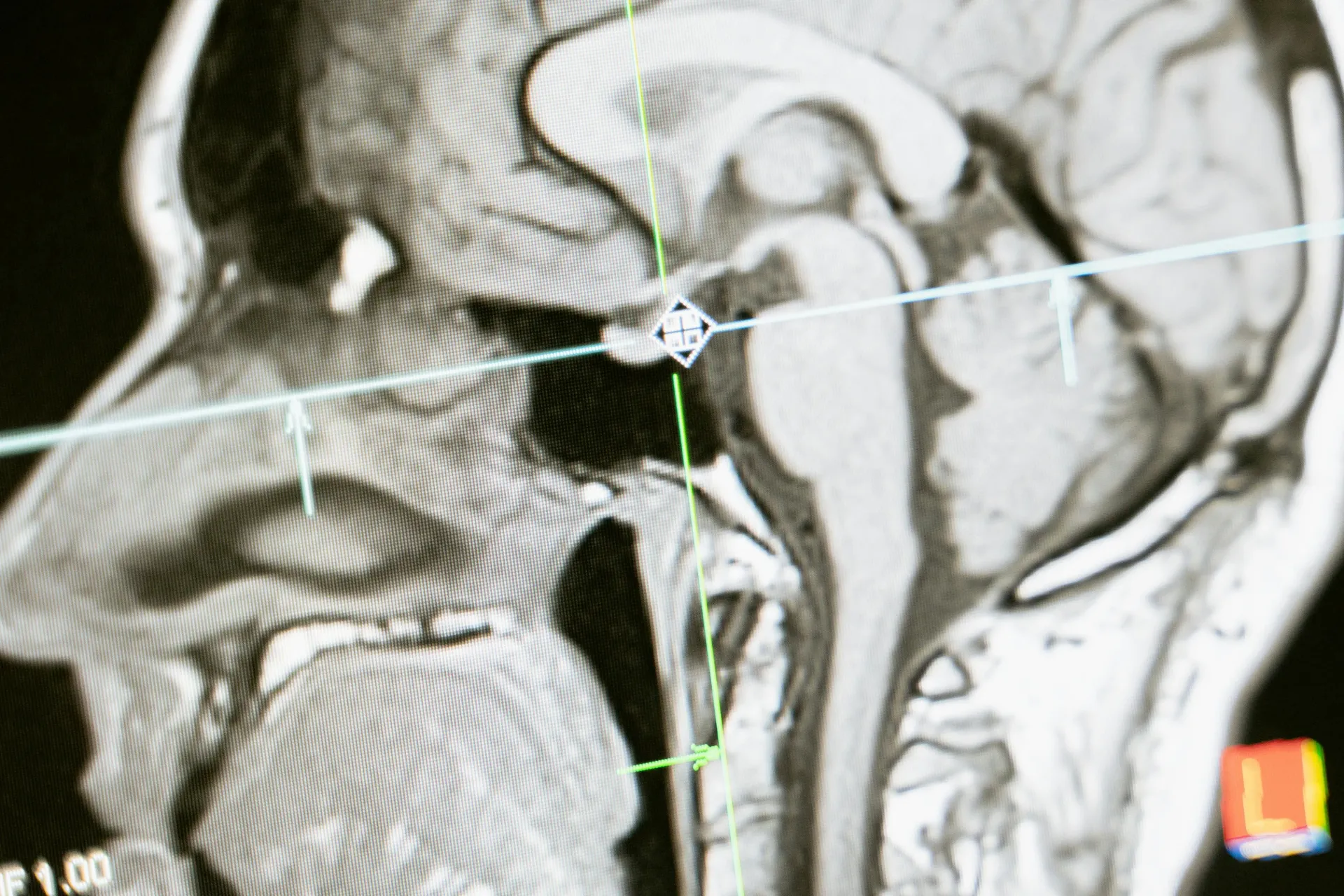
ارزیابی خطر پیشرفته
ارزیابی جامع عوامل خطر سکته مغزی
خدمات تخصصی پیشگیری و مراقبت پس از سکته مغزی در شهر بهداشت دبی. ارزیابی خطر، پیشگیری ثانویه، هماهنگی درمان جامع. رزرو کنید.
ارزیابی خطر پیشرفته
ارزیابی جامع عوامل خطر سکته مغزی
مراقبت از سکته مغزی در دبی: متخصصان پیشگیری و مدیریت پس از سکته
ارزیابی جامع خطر سکته مغزی و پشتیبانی بهبودی
خدمات تخصصی پیشگیری و مراقبت پس از سکته مغزی در شهر بهداشت دبی. ارزیابی خطر، پیشگیری ثانویه، هماهنگی درمان جامع. رزرو کنید.

Dr. Heike Jacobs
خدمات ما را کاوش کنید
خدمات جامع مراقبت از سکته مغزی در DCDC شهر سلامت دبی.
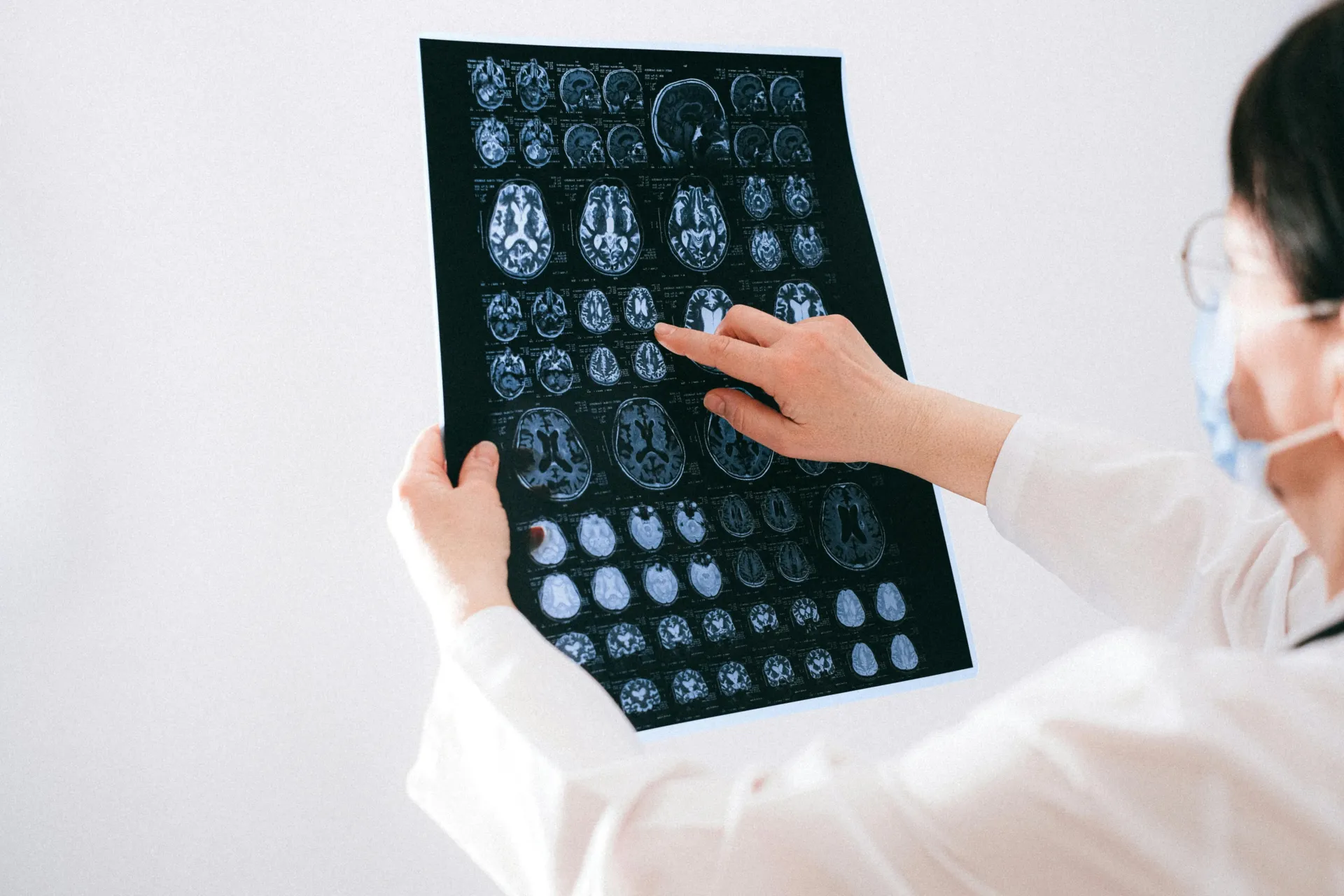
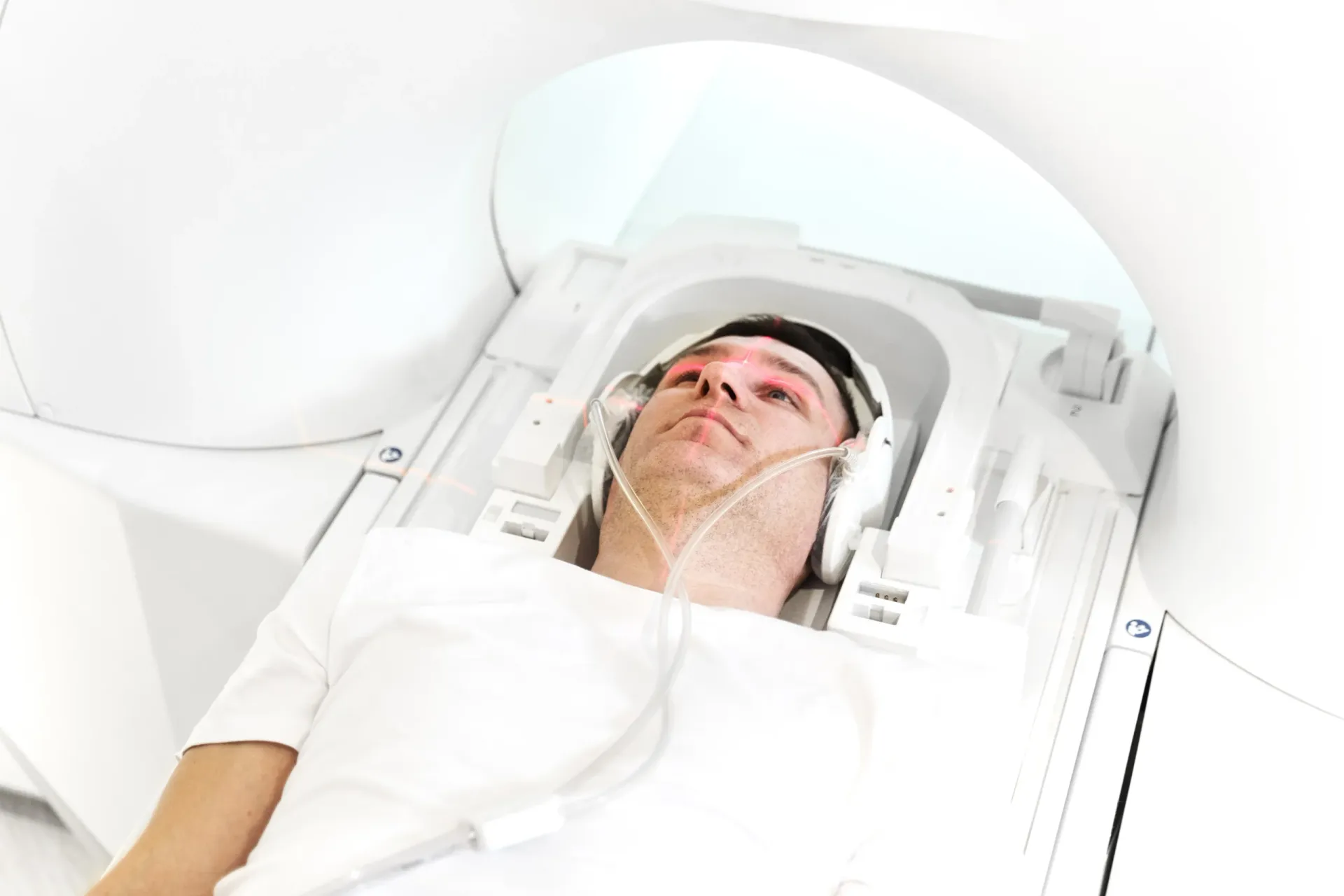
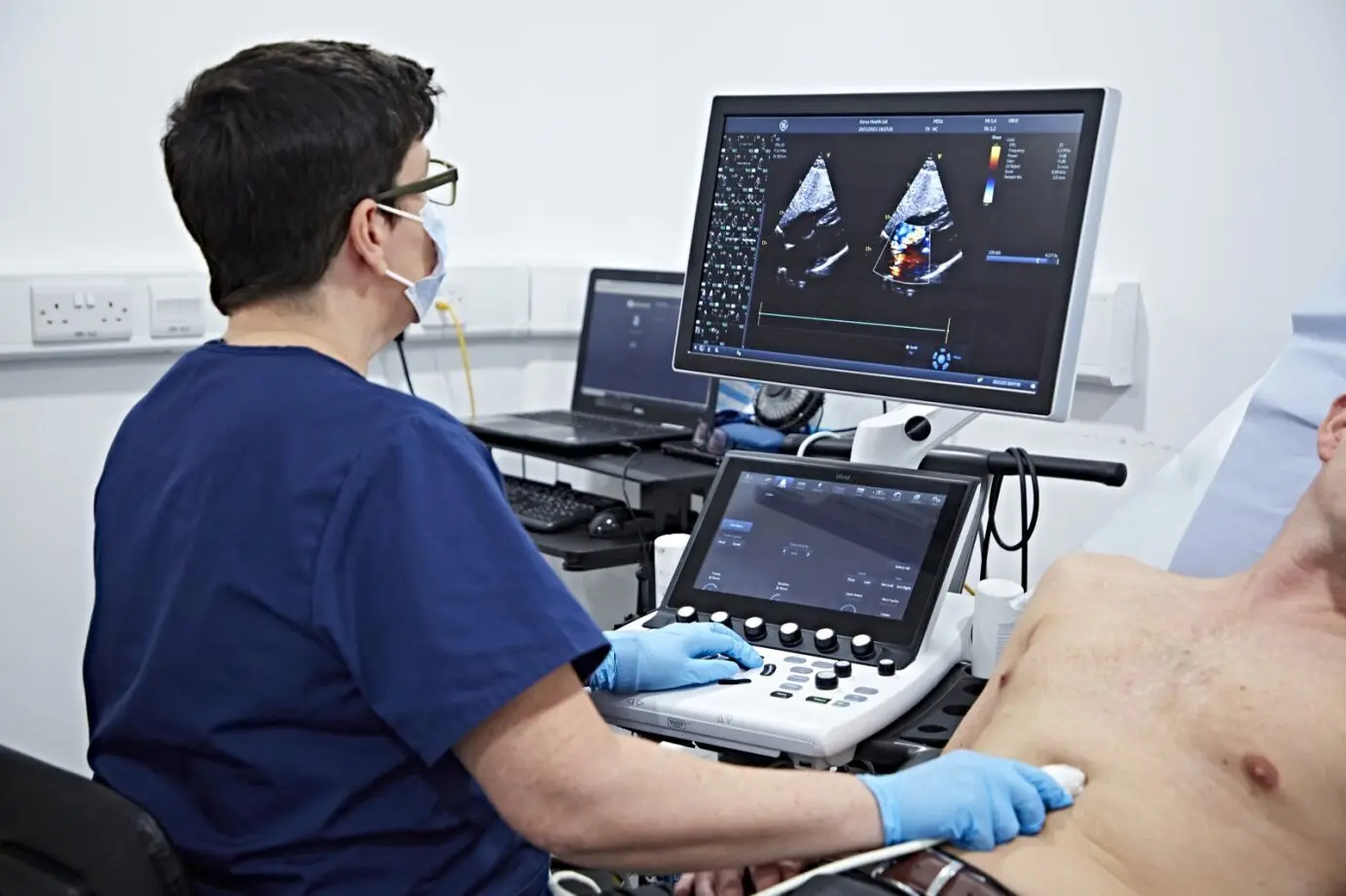
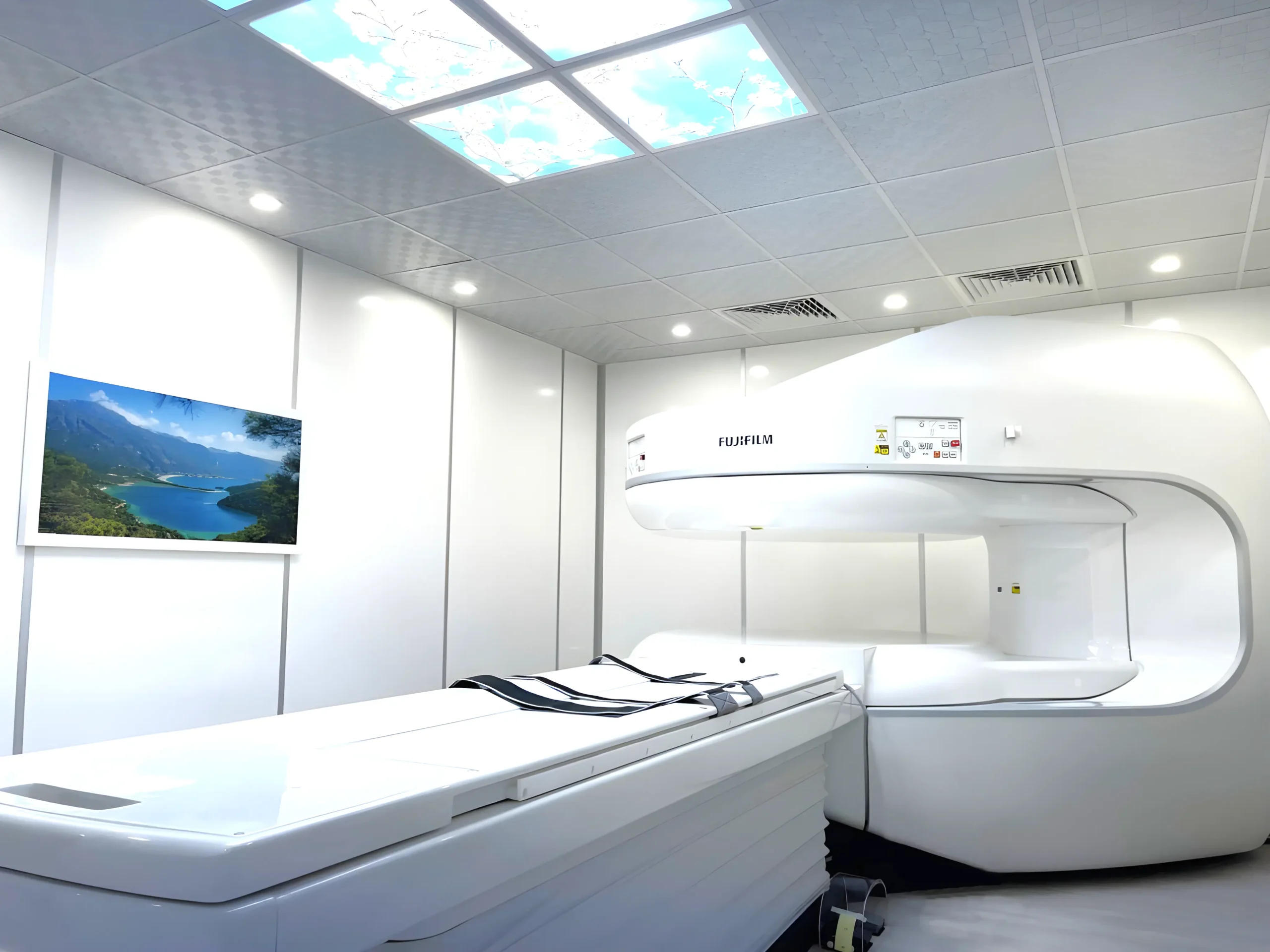
تمام خدمات توسط متخصصان دارای مجوز DHA انجام میشود
چه کسانی نیاز به مراقبت سکته مغزی دارند
مراقبت تخصصی برای افرادی که در معرض خطر سکته مغزی هستند یا از آن بهبودی مییابند. شامل ارزیابی خطر، پیشگیری، و مدیریت پزشکی جامع.
Previous stroke or TIA (mini-stroke)
High blood pressure not well controlled
Atrial fibrillation or heart rhythm disorders
Diabetes with cardiovascular risk factors
High cholesterol or carotid artery disease
Family history of stroke
چرا DCDC برای مراقبت از سکته مغزی انتخاب کنید
خدمات تخصصی با معایر جهانی
مجوزدار MOHAP
معایر بالا در کیفیت و ایمنی
تجربه پزشکی پیشرفته
تیم متخصص در بیماریهای اعصاب
Advanced Imaging
On-site MRI, CT, and carotid ultrasound capabilities.
Prevention Focus
Evidence-based strategies to reduce stroke risk.
Planned Follow-Up
Book outpatient review after emergency hospital assessment and discharge.
Insurance Support
Direct billing with major insurers.
مراجعه راحت شما
فرآیند اسکن مراقبت ساده و گام به گام که برای راحتی، سرعت و دقت طراحی شده است.
خدمات مراقبت از سکته مغزی
قیمت مراقبت در دبی بسته به نوع خدمت و پوشش بیمه برای انواع مختلف خدمات متفاوت است.
- قیمتها بسته به نوع اسکن و نیاز به ماده حاجب متفاوت است
- پوشش بیمه با ارجاع و تأیید پذیرفته میشود
- نرخهای شفاف پرداخت نقدی با قیمتگذاری فوری در صورت درخواست
تأیید بیمه در چند دقیقه • بدون هزینه پنهان • پاسخ سریع در واتساپ
راهنمای بیمار
چه انتظار داشته باشید
ارائه مراقبت جامع که با ارزیابی دقیق خطر شروع میشود و با نقشه درمانی شخصیسازیشده و هماهنگی درمان ادامه مییابد. ما مراقبت مستمر را تضمین میکنیم.
بیمه و موقعیت
شرکای بیمه
- •بیش از ۲۰ شرکت بیمه در دبی از جمله ضمان، آکسا، ادنیک و دیگران
- •پشتیبانی پیشتأیید و صورتحساب مستقیم (در صورت امکان)
- •بررسی پوشش بیمه قبل از نوبت شما در کلینیک ما در شهر بهداشت دبی
- •قیمتگذاری شفاف بدون هزینه پنهان برای خدمات مراقبت از سکته مغزی




به ما در شهر سلامت دبی سر بزنید
مرکز تشخیصی کلینیک پزشکان
ساختمان ۶۴، بلوک A، مجتمع پزشکی الرازی، شهر سلامت دبی، دبی، امارات متحده عربی
نزدیک جاده عود متحا · دسترسی آسان از بر دبی، داونتاون دبی، بیزینس بی · پارکینگ اختصاصی رایگان موجود
ساعات کاری
دوشنبه-پنجشنبه، شنبه: ۸ صبح - ۱۰:۳۰ شب | یکشنبه: ۸:۳۰ صبح - ۱۰:۳۰ شب | جمعه: ۹ صبح - ۱۰ شب
نحوه عملکرد بیمه در DCDC
بررسی پوشش
بررسی کنید که بیمه شما مراقبت از سکته مغزی را پوشش میدهد
دریافت ارجاع
برخی بیمهها نیاز به ارجاع پزشک عمومی دارند — ما راهنمایی میکنیم
پیشتأیید
ما پیشتأیید را مستقیماً با بیمهگر انجام میدهیم
فاکتور مستقیم
بدون پرداخت اولیه — ما مستقیماً با بیمهگر تسویه میکنیم
فقط سهم بیمار
فقط سهم بیمار قابل اعمال را در کلینیک پرداخت میکنید
بررسی پوشش
بررسی کنید که بیمه شما مراقبت از سکته مغزی را پوشش میدهد
دریافت ارجاع
برخی بیمهها نیاز به ارجاع پزشک عمومی دارند — ما راهنمایی میکنیم
پیشتأیید
ما پیشتأیید را مستقیماً با بیمهگر انجام میدهیم
فاکتور مستقیم
بدون پرداخت اولیه — ما مستقیماً با بیمهگر تسویه میکنیم
فقط سهم بیمار
فقط سهم بیمار قابل اعمال را در کلینیک پرداخت میکنید
Your Specialist
Dr. Heike Jacobs
Consultant Neurologist
MD, MRCP, Consultant Neurologist
German · English
راهنمای بیمار
آشنایی با سکته مغزی: پیشگیری، تشخیص و بهبودی
سکته مغزی زمانی رخ میدهد که خونرسانی به بخشی از مغز قطع میشود؛ یا به دلیل لخته خون که شریانی را مسدود میکند (سکته ایسکمیک که حدود ۸۵ درصد موارد را تشکیل میدهد) یا به دلیل پارگی رگ خونی و خونریزی به مغز (سکته هموراژیک). بدون خونرسانی، سلولهای مغز ظرف دقایق شروع به مردن میکنند؛ به همین دلیل سکته مغزی یک اورژانس پزشکی است که درمان سریع در آن حیاتی است. عبارت «زمان مغز است» واقعیتی را منعکس میکند که در یک سکته ایسکمیک درماننشده، تقریباً ۱.۹ میلیون نورون در هر دقیقه از بین میرود.
امارات متحده عربی با بار رو به رشد سکته مغزی به دلیل نرخ بالای عوامل خطر قابل اصلاح روبرو است. مطالعات نشان میدهند که فشار خون بالا، دیابت و دیسلیپیدمی در منطقه خلیج فارس در مقایسه با میانگین جهانی به طور قابل توجهی شایعتر هستند. پرداختن به این عوامل خطر از طریق برنامههای پیشگیری ساختاریافته بیشترین فرصت را برای کاهش بروز سکته مغزی در منطقه فراهم میکند.
پیشگیری ثانویه از سکته مغزی پس از رویداد اول بسیار مهم است، زیرا سکتههای مغزی عود کننده معمولاً شدیدتر هستند و ناتوانی بیشتری ایجاد میکنند. خطر عود در سال اول، به ویژه در ۹۰ روز اول پس از TIA یا سکته مغزی، بالاترین است. یک برنامه مؤثر کاهش خطر ثانویه شامل مدیریت بهینه دارو، کنترل تهاجمی عوامل خطر با هدف اعداد خاص، اصلاح سبک زندگی و پایش منظم است.
بهبودی پس از سکته مغزی یک فرآیند تدریجی است که ماهها تا سالها پس از رویداد ادامه مییابد. مغز ظرفیت قابل توجهی برای سازماندهی مجدد و انطباق دارد که نوروپلاستیسیته نامیده میشود و به نواحی آسیبندیده مغز اجازه میدهد تا تا حدی عملکرد از دست رفته را جبران کنند. توانبخشی از این نوروپلاستیسیته از طریق تمرینات تکراری و هدفمند برای حرکت، گفتار و شناخت بهره میبرد.
بیماریهای عروقی مغز که مدیریت میکنیم
سکته مغزی ایسکمیک
سکته مغزی ناشی از لخته خون که شریان مغزی را مسدود میکند و با پیشگیری ثانویه شامل درمان ضدپلاکتی، ضدانعقادی و بهینهسازی عوامل خطر مدیریت میشود.
حمله ایسکمیک گذرا (TIA)
سکته مغزی کوچک با علائم موقت که نیاز به ارزیابی فوری و اقدامات پیشگیری فوری برای کاهش خطر بالای کوتاهمدت سکته مغزی بعدی دارد.
سکته مغزی هموراژیک
سکته مغزی ناشی از خونریزی در مغز که با بهینهسازی فشار خون، شناسایی علل زمینهای و هماهنگی مراقبت پیگیری مناسب مدیریت میشود.
تنگی شریان کاروتید
تنگ شدن شریانهای کاروتید به دلیل آترواسکلروز که با سونوگرافی تشخیص داده شده و بسته به شدت و علائم با دارو یا ارجاع جراحی مدیریت میشود.
فیبریلاسیون دهلیزی و خطر سکته مغزی
ریتم نامنظم قلب که خطر سکته مغزی را به طور قابل توجهی افزایش میدهد و با درمان ضدانعقادی در هماهنگی با قلبپزشکی برای مراقبت جامع قلبی مدیریت میشود.
خطر سکته مغزی مرتبط با فشار خون بالا
فشار خون بالا به عنوان اصلیترین عامل خطر قابل اصلاح سکته مغزی که با بهینهسازی داروها و تغییرات سبک زندگی با هدف رسیدن به اهداف خاص فشار خون مدیریت میشود.
مقالات مرتبط
Carotid Doppler Ultrasound and Stroke Prevention
Learn how carotid ultrasound helps detect artery narrowing and guides stroke prevention decisions.
Hypertension: The Silent Killer in Dubai
Understand why high blood pressure is the leading modifiable risk factor for stroke and how to manage it.
Heart Health Prevention in Dubai
Discover the shared risk factors between heart disease and stroke, and how cardiovascular prevention reduces stroke risk.
Diabetes Management in Dubai
Learn how optimal diabetes management reduces stroke risk and improves overall vascular health.
خدمات مرتبط
سایر خدمات تشخیصی و مشاورهای موجود در کلینیک ما در شهر سلامت دبی را کاوش کنید.
سؤالات متداول
سؤالات متداول درباره مراقبت از سکته مغزی در دبی.
ما مراقبت از سکته مغزی را در شهر بهداشت دبی ارائه میدهیم. تیم متخصصان با تجربه ما برای معاینه و مشاوره جامع در دسترس است. برای اطلاعات بیشتر با ما تماس بگیرید.
مدت زمان بسته به هر مورد فردی متفاوت است. تیم ما قبلاً شما را از زمان دقیق آگاه خواهد کرد. برای رزرو وقت با ما تماس بگیرید.
اکثر بیمههای بزرگ در دبی مراقبت از سکته مغزی را پوشش میدهند. ما پرداخت مستقیم با بیش از ۲۰ شرکت بیمه از جمله Daman، AXA و Bupa ارائه میدهیم. برای بررسی پوشش بیمهای خود با ما تماس بگیرید.
تیم ما قبل از قرار ملاقات دستورالعملهای آمادگی خاصی به شما خواهد داد. به طور کلی توصیه میکنیم تمام داروهای فعلی و سوابق پزشکی مرتبط را همراه بیاورید.
در DCDC، ما مراقبت از سکته مغزی را با متخصصان باتجربه، تجهیزات پیشرفته و مراقبت ممتاز از بیمار در شهر بهداشت دبی ارائه میدهیم. تأسیسات ما دارای مجوز MOHAP است و از استانداردهای بالینی دقیق پیروی میکند.
میتوانید برای مراقبت از سکته مغزی با شماره +971 54 219 5008 تماس بگیرید یا از طریق سیستم رزرو آنلاین ما وقت بگیرید. ما زمانبندیهای انعطافپذیر از جمله قرارهای همان روز در صورت موجودیت ارائه میدهیم.
اطلاعات کلیدی
نظارت پزشکی
تمام خدمات تحت نظارت متخصصین پزشکی دارای مجوز در مرکز معتبر وزارت بهداشت ارائه میشود.