نکات کلیدی
- کرامپ خفیف (۲-۴ ساعت)، لکهبینی خفیف (۱-۲ روز) و سرگیجه کوتاهمدت همگی عوارض جانبی طبیعی بعد از آزمایش HSG هستند
- تب بالای ۳۸ درجه سانتیگراد، خونریزی شدید که در هر ساعت یک نوار بهداشتی را خیس کند، یا ترشحات بدبو علائم هشداردهندهای هستند که نیاز به توجه فوری پزشکی دارند
- بیشتر زنان ظرف ۲۴ تا ۴۸ ساعت کاملاً بهبود مییابند و میتوانند روز بعد به کار بازگردند
- عوارض جدی مانند عفونت یا واکنش آلرژیک در کمتر از ۱-۲ درصد موارد رخ میدهد
- معمولاً میتوانید در همان سیکل قاعدگی پس از HSG اقدام به بارداری کنید و برخی مطالعات افزایش کوتاهمدت باروری را نشان میدهند
پس از انجام آزمایش HSG، بسیاری از زنان تعجب میکنند که کدام علائم بخش طبیعی بهبودی هستند و کدام ممکن است نشانه مشکل باشند. خبر خوب این است که HSG یک روش بسیار ایمن است و بیشتر عوارض جانبی خفیف هستند و ظرف یک یا دو روز خودبهخود برطرف میشوند. با این حال، دانستن تفاوت بین ناراحتی مورد انتظار و علائم هشداردهنده میتواند به شما کمک کند با اطمینان بهبود یابید و در صورت نیاز فوراً کمک بگیرید.
این راهنما تمام عوارض جانبی را که ممکن است پس از هیستروسالپنگوگرافی تجربه کنید پوشش میدهد، از شایع و بیضرر تا نادر و نگرانکننده. همچنین یک جدول زمانی واضح بهبودی ارائه میدهیم تا دقیقاً بدانید چه زمانی میتوانید به برنامه عادی خود بازگردید، ورزش را از سر بگیرید، رابطه زناشویی را ادامه دهید و اقدام به بارداری کنید.
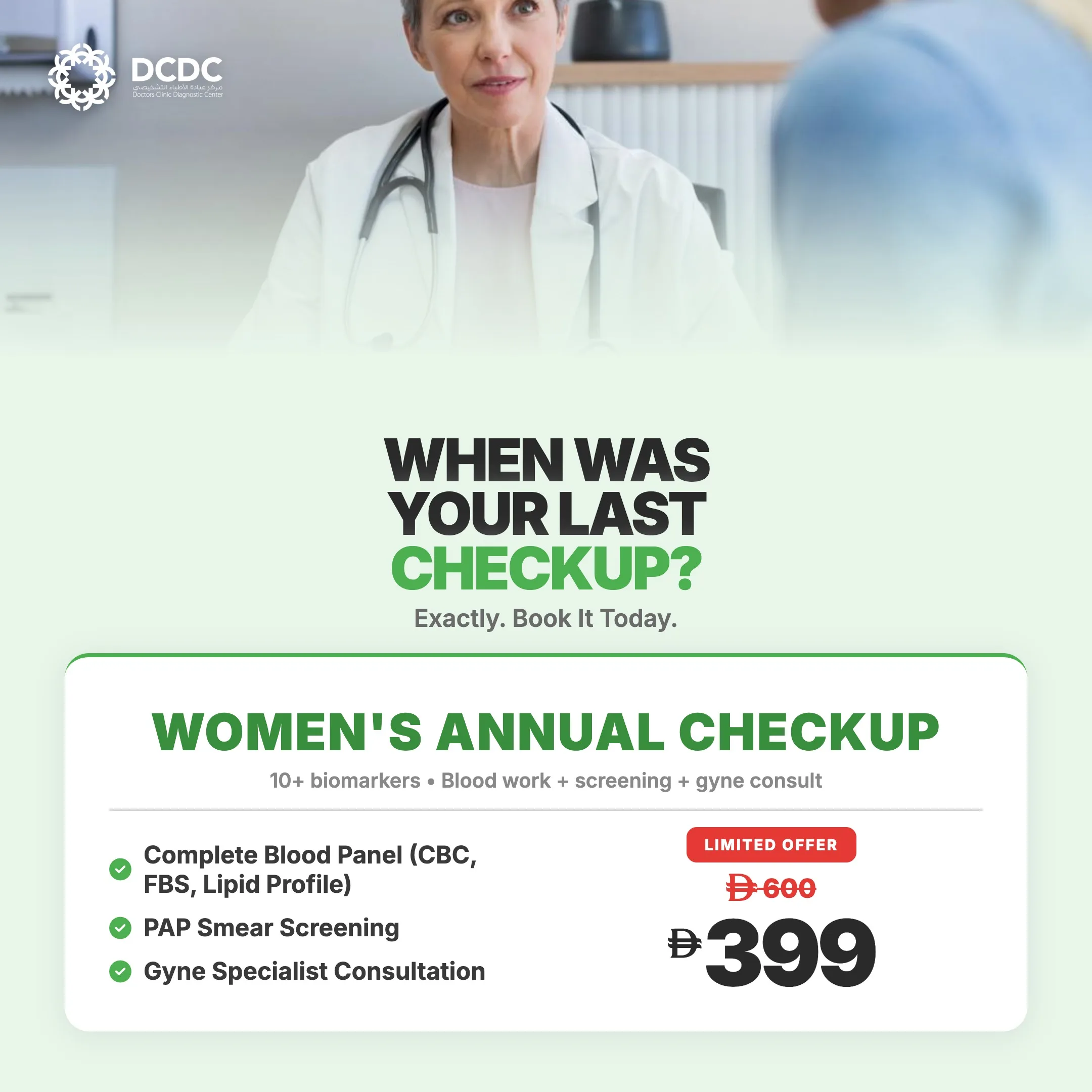
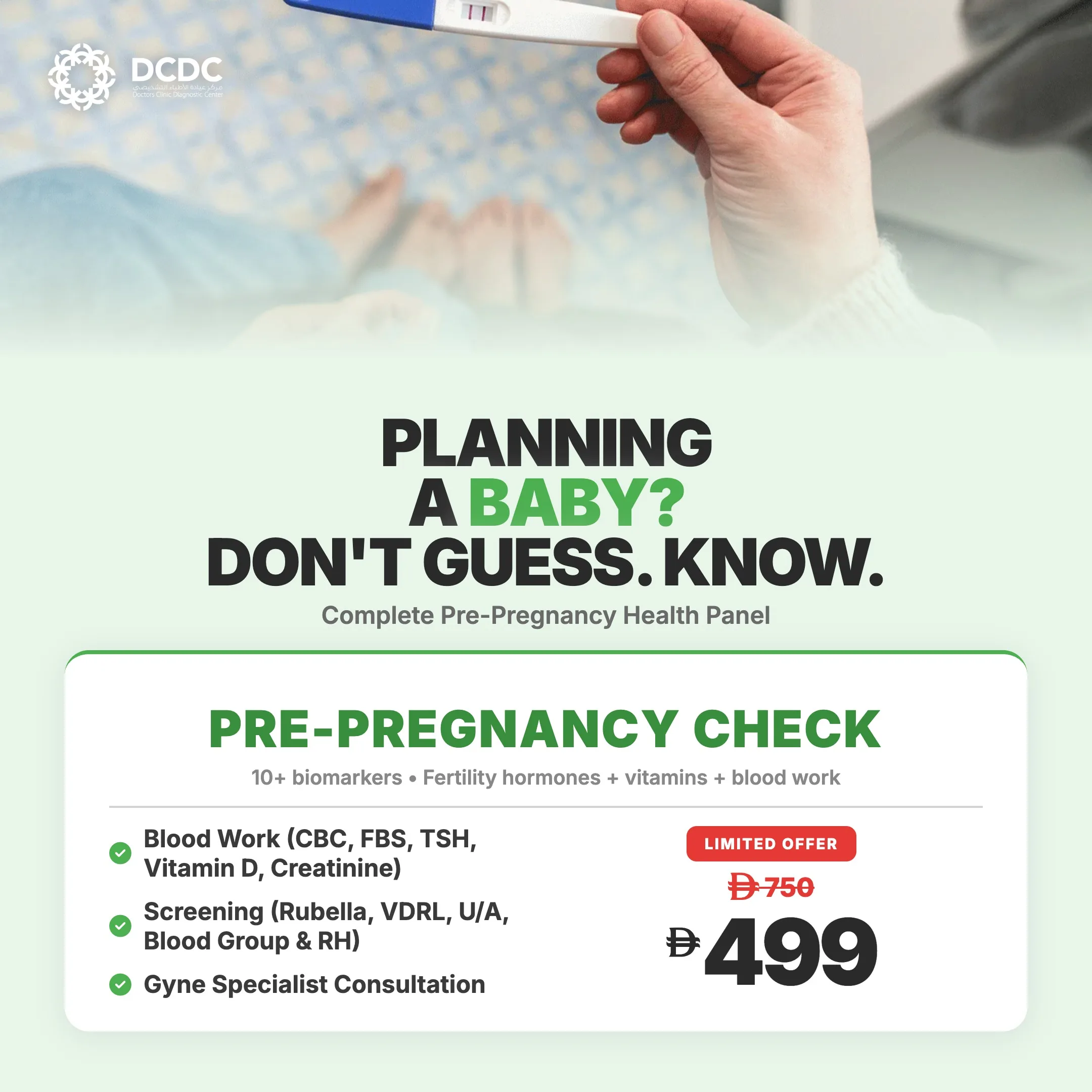
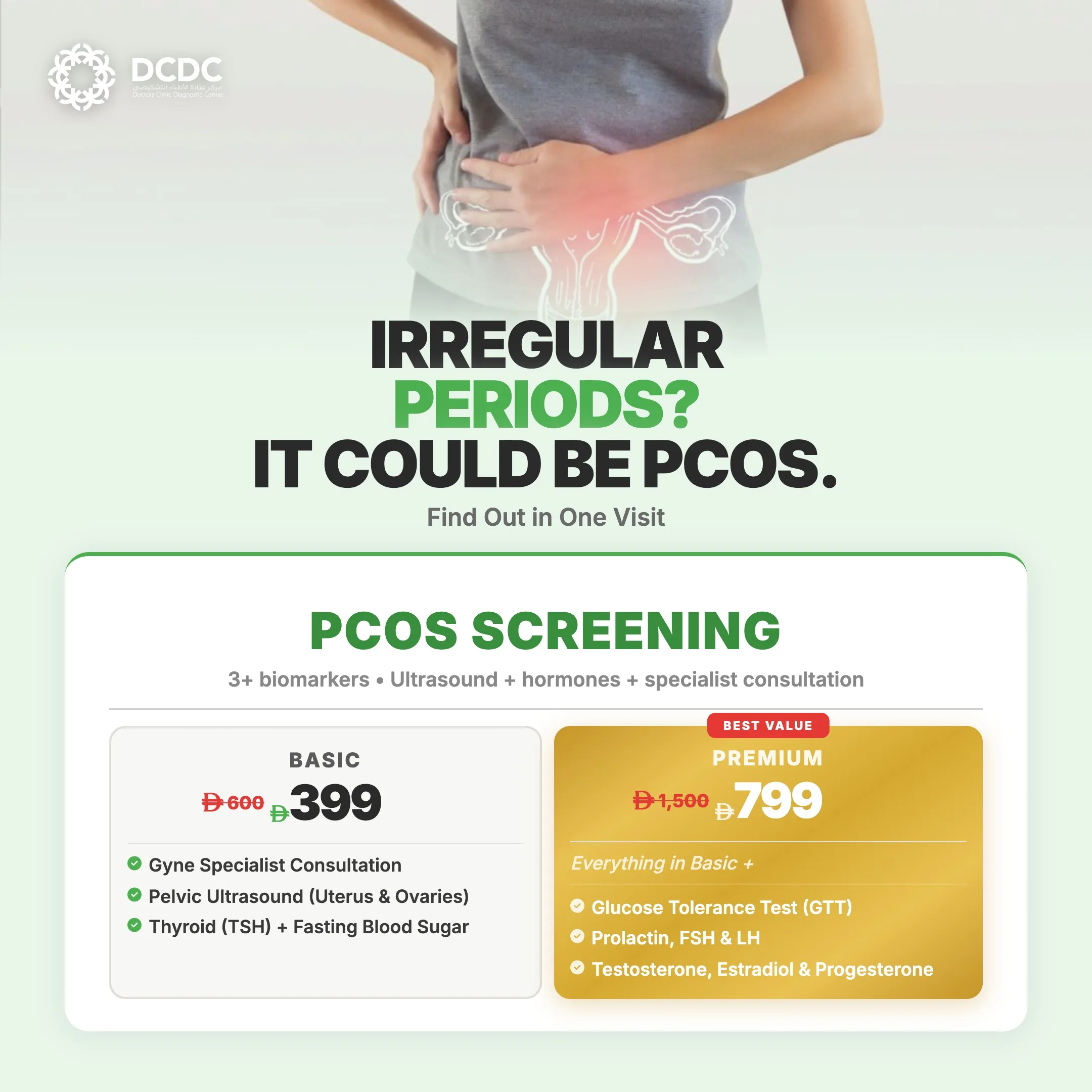
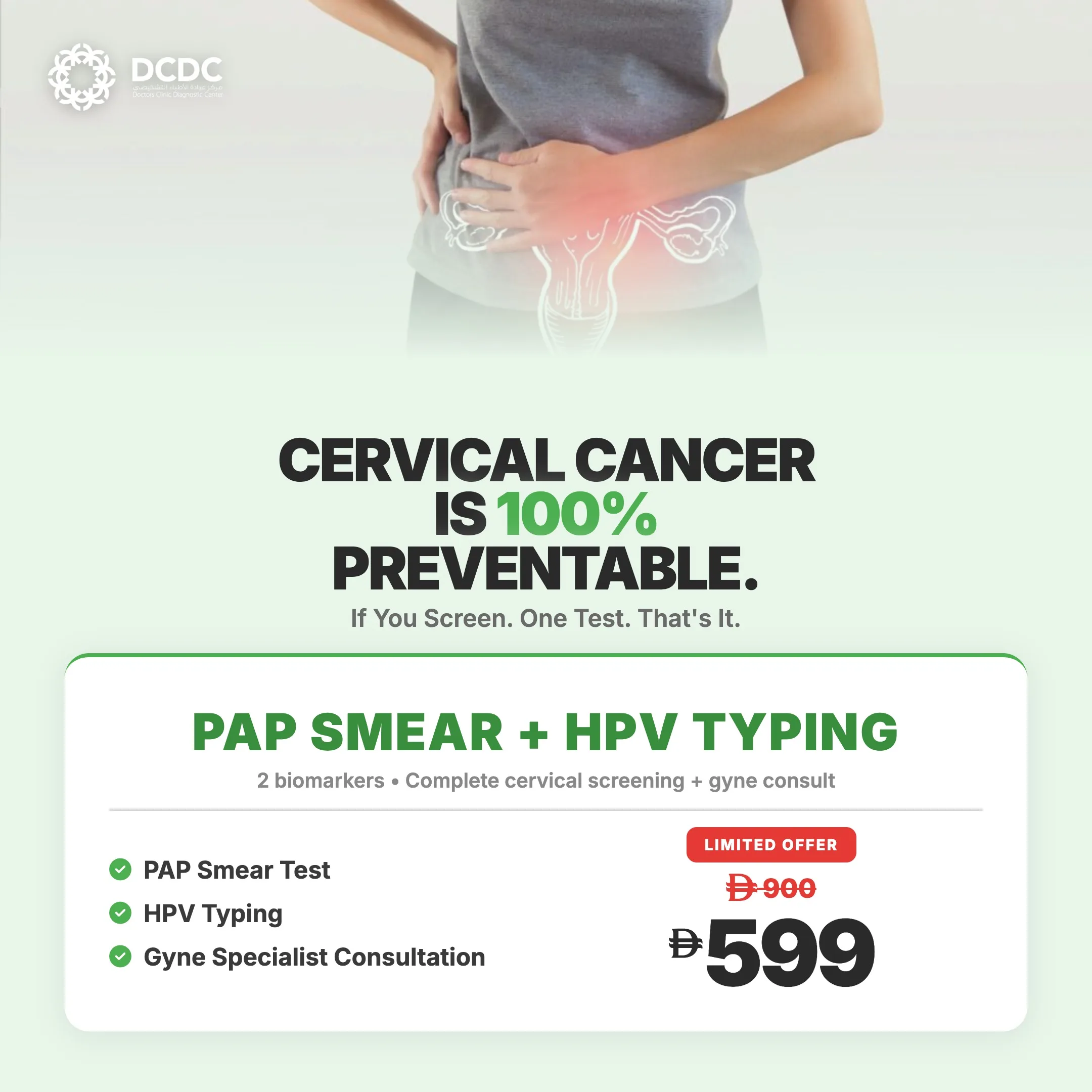
Health Screening Packages
Save with our bundled screening packages — specialist consultation included


عوارض جانبی طبیعی بعد از HSG
عوارض جانبی زیر توسط اکثر زنان پس از آزمایش HSG تجربه میشوند. آنها واکنش طبیعی بدن به این روش هستند و معمولاً نیازی به مداخله پزشکی فراتر از مراقبت اولیه ندارند.
کرامپ (به مدت ۲-۴ ساعت)
کرامپ خفیف تا متوسط شایعترین عارضه جانبی بعد از HSG است. رحم در پاسخ به ماده حاجب رنگی که در طول آزمایش تزریق شده منقبض میشود، مشابه کرامپهای قاعدگی. بیشتر زنان متوجه میشوند که کرامپ در ۳۰ دقیقه اول پس از روش به اوج خود میرسد و به تدریج طی ۲ تا ۴ ساعت بعدی فروکش میکند. مسکنهای بدون نسخه مانند ایبوپروفن یا استامینوفن معمولاً کافی هستند. کمپرس گرم روی قسمت پایین شکم نیز میتواند کمککننده باشد.
لکهبینی خفیف (به مدت ۱-۲ روز)
لکهبینی خفیف واژینال یا مقدار کمی ترشحات صورتی یا قهوهای برای ۱ تا ۲ روز بعد از HSG طبیعی است. این لکهبینی از محل قرارگیری کاتتر در دهانه رحم ناشی میشود و نشانه آسیب نیست. یک نوار بهداشتی روزانه معمولاً کافی است. لکهبینی باید بسیار خفیفتر از یک دوره قاعدگی عادی باشد و نباید حاوی لخته باشد.
سرگیجه یا گیجی کوتاهمدت
برخی از زنان بلافاصله پس از روش احساس گیجی یا سرگیجه لحظهای میکنند. این معمولاً یک واکنش وازوواگال ناشی از دستکاری دهانه رحم است و خطرناک نیست. معمولاً ظرف چند دقیقه استراحت در بخش ریکاوری برطرف میشود. خوردن یک میانوعده سبک و نوشیدن آب بعد از آزمایش به پیشگیری از این عارضه کمک میکند.
عوارض جانبی طبیعی اما غیرمنتظره
برخی عوارض جانبی ممکن است زنان را غافلگیر کنند زیرا به نظر بیربط به یک روش رحمی میرسند. اینها همچنان طبیعی تلقی میشوند و جای نگرانی نیست.
درد شانه یا ناراحتی بالای شکم
این یکی از عوارض جانبی است که بسیاری از زنان را متعجب میکند. اگر مقدار کمی ماده حاجب رنگی از طریق لولههای فالوپ به حفره شکمی نشت کند (که در واقع نشانه باز بودن لولههای شماست)، میتواند دیافراگم را تحریک کند و باعث درد ارجاعی در ناحیه نوک شانه شود. این احساس میتواند چندین ساعت طول بکشد اما با جذب ماده رنگی توسط بدن خودبهخود برطرف میشود. دراز کشیدن و استراحت معمولاً کمککننده است.
حالت تهوع
حالت تهوع خفیف بعد از HSG میتواند به دلیل واکنش وازوواگال، خود کرامپ یا اضطراب مربوط به روش رخ دهد. معمولاً کوتاهمدت است و منجر به استفراغ نمیشود. اگر در طول روشهای پزشکی مستعد حالت تهوع هستید، این موضوع را قبلاً به پزشک خود بگویید تا بتوانند راهنمایی ارائه دهند.
ترشحات آبکی
ترشحات آبکی شفاف یا کمی رنگی تا ۲۴ ساعت بعد از آزمایش طبیعی است. این صرفاً باقیمانده ماده حاجب رنگی است که از رحم و کانال واژن خارج میشود. بیضرر است و جای نگرانی نیست. برای راحتی از نوار بهداشتی روزانه استفاده کنید.
چه زمانی با پزشک خود تماس بگیرید: علائم هشداردهنده
در حالی که عوارض جدی بعد از HSG نادر هستند، مهم است که علائم هشداردهنده را بشناسید. اگر هر یک از علائم زیر را پس از آزمایش HSG خود تجربه کردید، با پزشک خود تماس بگیرید یا به اورژانس مراجعه کنید.
- تب ۳۸ درجه سانتیگراد (۱۰۰.۴ درجه فارنهایت) یا بالاتر، به ویژه اگر ۱ تا ۳ روز بعد از روش ظاهر شود، زیرا میتواند نشانه عفونت باشد
- خونریزی شدید واژینال که در کمتر از یک ساعت یک نوار بهداشتی را خیس کند، زیرا این خونریزی طبیعی بعد از HSG نیست
- ترشحات واژینال بدبو، که میتواند نشانه عفونت در حال توسعه در رحم یا لولههای فالوپ باشد
- درد شدید یا بدتر شونده شکمی که به مسکنهای بدون نسخه پاسخ نمیدهد
- علائم واکنش آلرژیک به ماده حاجب رنگی، از جمله کهیر، مشکل تنفسی، تورم صورت یا گلو، یا بثورات گسترده
- غش یا سرگیجه طولانیمدت بیش از ۳۰ دقیقه بعد از روش
اگر هر یک از این علائم را تجربه کردید، منتظر نمانید تا خودبهخود برطرف شوند. درمان زودهنگام عوارض منجر به نتایج بسیار بهتری میشود.
آزمایش HSG ایمن در DCDC دبی
در مرکز تشخیصی کلینیک دکترها در شهر سلامت دبی، آزمایش HSG ما از پروتکلهای ایمنی دقیق با راهنمایی واضح مراقبت بعد از روش برای هر بیمار پیروی میکند.
عوارض نادر HSG
عوارض جدی ناشی از HSG غیرمعمول هستند، اما درک آنها به شما کمک میکند تصمیم آگاهانهای درباره این روش بگیرید و در صورت بروز، مشکلات را زودتر تشخیص دهید.
عفونت لگنی (خطر تقریبی ۱٪)
عفونت شایعترین عارضه جدی HSG است، اما همچنان فقط حدود ۱ از هر ۱۰۰ زن را تحت تأثیر قرار میدهد. خطر در زنانی که سابقه بیماری التهابی لگن یا بیماری لولهای موجود دارند بیشتر است. علائم معمولاً ۲ تا ۷ روز بعد از روش ظاهر میشوند و شامل تب، افزایش درد لگنی و ترشحات غیرطبیعی واژینال هستند. درمان با آنتیبیوتیک در صورت شروع سریع مؤثر است. برخی پزشکان برای زنان در معرض خطر بالاتر، آنتیبیوتیک پیشگیرانه قبل از روش تجویز میکنند.
واکنش آلرژیک به ماده حاجب رنگی
واکنشهای آلرژیک به ماده حاجب رنگی ید-پایه مورد استفاده در HSG نادر هستند اما میتوانند از خفیف (بثورات پوستی، خارش) تا شدید (آنافیلاکسی) متغیر باشند. اگر آلرژی شناختهشدهای به ید یا مواد حاجب دارید، یا اگر قبلاً واکنشی به ماده حاجب رنگی در طول سیتی اسکن یا سایر مطالعات تصویربرداری داشتهاید، قبل از روش به پزشک خود اطلاع دهید. ممکن است از مواد حاجب جایگزین یا پیشدارو با آنتیهیستامینها و استروئیدها استفاده شود.
سوراخ شدن رحم
سوراخ شدن رحم در طول HSG بسیار نادر است و بیشتر با قرارگیری دشوار کاتتر مرتبط است. ممکن است باعث درد ناگهانی تیز شود و معمولاً بلافاصله توسط رادیولوژیست روی تصاویر فلوروسکوپی تشخیص داده میشود. در بیشتر موارد، یک سوراخ کوچک بدون مداخله خودبهخود بهبود مییابد، هرچند نظارت لازم است. این عارضه زمانی که روش توسط یک رادیولوژیست باتجربه انجام شود کمتر احتمال دارد.
قرار گرفتن در معرض اشعه
HSG از مقدار کمی اشعه فلوروسکوپی استفاده میکند. دوز بسیار پایین است، معادل چند روز اشعه طبیعی محیط، و بیخطر در نظر گرفته میشود. با این حال، به همین دلیل است که آزمایش در دوران بارداری انجام نمیشود. همیشه قبل از روش در صورت وجود هرگونه احتمال بارداری، پزشک خود را مطلع کنید.
جدول زمانی بهبودی HSG
درک جدول زمانی معمول بهبودی به شما کمک میکند برنامهریزی کنید و بدانید هر روز بعد از روش چه انتظاری داشته باشید.
| بازه زمانی | چه انتظاری داشته باشید | توصیهها |
|---|---|---|
| روز ۱ (روز انجام روش) | کرامپ به مدت ۲-۴ ساعت، لکهبینی خفیف، احتمال سرگیجه یا حالت تهوع، ترشحات آبکی از باقیمانده ماده حاجب رنگی | استراحت در خانه، مصرف ایبوپروفن در صورت نیاز، استفاده از کمپرس گرم، هیدراته ماندن، اجتناب از فعالیت شدید |
| روز ۲-۳ | حداقل یا بدون کرامپ، لکهبینی خفیف ممکن است ادامه یابد، خستگی خفیف در برخی زنان | از سرگیری فعالیتهای روزانه عادی از جمله کار، ادامه اجتناب از استخر، وان حمام و جکوزی |
| روز ۴-۷ | تمام عوارض جانبی باید برطرف شده باشند، ترشحات واژینال عادی از سر گرفته میشود | میتوانید تمام فعالیتهای عادی از جمله ورزش و رابطه زناشویی را از سر بگیرید |
بیشتر زنان تا روز ۲ یا ۳ بعد از آزمایش HSG کاملاً طبیعی احساس میکنند.
چه زمانی میتوانید فعالیتها را بعد از HSG از سر بگیرید؟
یکی از عملیترین سؤالاتی که زنان بعد از HSG دارند مربوط به زمان بازگشت به روال عادی است. در اینجا راهنمایی برای فعالیتهای خاص ارائه شده است.
بازگشت به کار
بیشتر زنان میتوانند همان روز یا روز بعد از HSG به کار بازگردند. اگر شغل شما شامل بلند کردن اجسام سنگین یا فعالیت بدنی شدید است، استراحت بقیه روز انجام روش را در نظر بگیرید. کارهای اداری و فعالیتهای سبک معمولاً ظرف چند ساعت پس از آزمایش قابل انجام هستند.
ورزش
پیادهروی سبک در روز انجام روش مشکلی ندارد. ورزشهای شدیدتر مانند دویدن، تمرین با وزنه یا تمرینات با شدت بالا باید ۲۴ تا ۴۸ ساعت به تعویق بیفتد تا کرامپ کاملاً برطرف شود. به بدن خود گوش دهید و به تدریج شروع کنید.
رابطه زناشویی
بیشتر پزشکان توصیه میکنند حداقل ۴۸ ساعت بعد از HSG قبل از رابطه زناشویی صبر کنید. این اجازه میدهد دهانه رحم کاملاً بسته شود و خطر کم ورود باکتری به رحم را کاهش میدهد. برخی پزشکان ممکن است توصیه کنند تا توقف کامل لکهبینی صبر کنید. دستورالعملهای خاص پزشک معالج خود را دنبال کنید.
حمام و شنا
میتوانید در روز انجام روش به طور عادی دوش بگیرید. با این حال، از حمام کردن در وان، جکوزی، استخر شنا و دریا حداقل ۴۸ ساعت بعد از HSG اجتناب کنید. این محیطها ممکن است در حالی که دهانه رحم هنوز به وضعیت بسته طبیعی خود بازنگشته باکتری وارد کنند. دوش گرفتن در این دوره کاملاً مشکلی ندارد.
چه زمانی میتوانید بعد از HSG اقدام به بارداری کنید؟
بسیاری از زنان HSG را به عنوان بخشی از ارزیابی باروری خود انجام میدهند، بنابراین این یکی از مهمترین سؤالات است. خبر خوب این است که نیازی نیست مدت زیادی صبر کنید.
میتوانید در همان سیکل قاعدگی آزمایش HSG خود اقدام به بارداری کنید. در واقع، برخی تحقیقات نشان میدهند که ممکن است افزایش کوتاهمدت باروری در ۱ تا ۳ ماه بعد از HSG وجود داشته باشد، به ویژه زمانی که از ماده حاجب رنگی روغنپایه استفاده شود. یک نظریه این است که اثر شستشوی ماده رنگی ممکن است بقایای جزئی یا مخاط را از لولههای فالوپ پاک کند و عملکرد آنها را کمی بهبود بخشد.
اگر نتایج HSG شما لولههای باز و سالم و حفره رحمی طبیعی را نشان دهد، پزشک شما ممکن است شما را تشویق کند که در ماههای بلافاصله بعد از آزمایش قبل از در نظر گرفتن درمانهای پیشرفتهتر باروری، به طور طبیعی اقدام به بارداری کنید. اگر انسداد یا ناهنجاریهایی یافت شود، پزشک شما مراحل بعدی را بحث خواهد کرد که ممکن است شامل آزمایشهای بیشتر یا مداخله جراحی باشد.
مراقبت بعد از روش در DCDC: تفاوت ما در دبی
در مرکز تشخیصی کلینیک دکترها در شهر سلامت دبی، ما معتقدیم که مراقبت بعد از روش به اندازه خود روش اهمیت دارد. پروتکل مراقبت بعد از روش ما طراحی شده است تا اطمینان حاصل شود که در طول بهبودی احساس حمایت میکنید.
- دوره نظارت بعد از روش در کلینیک قبل از ترخیص، تا اطمینان حاصل شود که راحت و پایدار هستید
- دستورالعملهای مراقبت بعد از روش به صورت مکتوب به زبان مورد نظر شما، شامل لیست واضح علائم طبیعی در مقابل علائم هشداردهنده
- خط تماس مستقیم با تیم رادیولوژی ما برای هرگونه سؤال یا نگرانی که پس از ترک کلینیک ایجاد شود
- بحث نتایج همان روز با پزشک ارجاعدهنده یا تیم ما، تا یافتههای خود را فوراً درک کنید
- هماهنگی پیگیری با متخصص زنان شما برای اطمینان از انتقال یکپارچه به مرحله بعدی برنامه باروری شما
اگر پس از HSG خود در DCDC علائم نگرانکنندهای تجربه کردید، تیم ما آماده کمک به شماست. برای مواقع اورژانسی خارج از ساعات کاری کلینیک، نزدیکترین مرکز اورژانس بیمارستان مدیکلینیک سیتی هاسپیتال است که در شهر سلامت دبی واقع شده است، یا میتوانید با خط اورژانس هیئت بهداشت دبی تماس بگیرید.
نکاتی برای بهبودی راحتتر
- حدود ۳۰ دقیقه قبل از روش ایبوپروفن (۴۰۰ میلیگرم) مصرف کنید تا کرامپ بعد از روش را کاهش دهید
- ترتیبی دهید تا کسی شما را بعد از آزمایش به خانه برساند، به ویژه اگر در طول روشهای پزشکی تمایل به سرگیجه دارید
- یک کمپرس گرم یا پد حرارتی در خانه آماده داشته باشید برای هرگونه کرامپ باقیمانده
- بعد از روش به خوبی آب بنوشید، زیرا این به بدن شما کمک میکند ماده حاجب رنگی باقیمانده را دفع کند
- لباسهای راحت و گشاد برای قرار ملاقات خود بپوشید تا بعداً بتوانید راحت باشید
- بعد از روش یک عصر آرام برنامهریزی کنید، حتی اگر احساس خوبی دارید، به عنوان احتیاط
- از تامپون به مدت ۴۸ ساعت اجتناب کنید و به جای آن برای هرگونه لکهبینی از نوار بهداشتی یا نوار روزانه استفاده کنید
برای راهنمای کامل آمادهسازی برای روش، مقاله ما درباره نحوه آمادهسازی برای آزمایش HSG را بخوانید. اگر میخواهید قبل از قرار ملاقات خود روش کامل را درک کنید، راهنمای جامع آزمایش HSG ما همه چیز را از ابتدا تا انتها پوشش میدهد.
آیا به آزمایش HSG در DCDC دبی نیاز دارید؟
تیم رادیولوژی باتجربه ما در مرکز تشخیصی کلینیک دکترها آزمایشهای HSG را با راحتی و ایمنی بیمار به عنوان اولویتهای اصلی انجام میدهد. آزمایش HSG خود را رزرو کنید و مراقبت جامع قبل و بعد از روش را دریافت کنید.
یا برای اطلاعات بیشتر درباره روش و فرآیند بهبودی با ما تماس بگیرید.
خدمات مرتبط در DCDC
مراقبت تخصصی و تشخیص پیشرفته در شهر بهداشت دبی
Frequently Asked Questions
سخن پایانی
HSG یک روش تشخیصی ایمن و تثبیتشده با نرخ عوارض بسیار پایین است. شایعترین عوارض جانبی، از جمله کرامپ خفیف، لکهبینی خفیف و سرگیجه کوتاهمدت، موقتی هستند و ظرف یک یا دو روز برطرف میشوند. عوارض جدی مانند عفونت یا واکنشهای آلرژیک نادر هستند و در کمتر از ۱-۲٪ موارد رخ میدهند و در صورت تشخیص زودهنگام قابل درمان هستند.
کلید بهبودی راحت دانستن آنچه انتظار میرود و درک تفاوت بین علائم طبیعی بعد از روش و علائم هشداردهنده واقعی است. اگر بعد از HSG خود تب، خونریزی شدید، درد شدید یا ترشحات بدبو تجربه کردید، در تماس با پزشک خود یا مراجعه به مرکز اورژانس تردید نکنید.
در مرکز تشخیصی کلینیک دکترها، ما دستورالعملهای کامل مراقبت بعد از روش ارائه میدهیم و برای هرگونه سؤال بعد از روش در دسترس هستیم. راحتی و ایمنی شما از لحظه ورود برای آزمایش تا بهبودی کامل اولویت ماست. برای اطلاعات درباره هزینهها و بیمه، از راهنمای هزینه آزمایش HSG در دبی ما دیدن کنید.
منابع و مراجع
این مقاله توسط تیم پزشکی ما بررسی شده و به منابع زیر ارجاع میدهد:
- کالج آمریکایی متخصصان زنان و زایمان - هیستروسالپنگوگرافی
- باروری و نازایی - عوارض هیستروسالپنگوگرافی
- انجمن رادیولوژی آمریکای شمالی - اطلاعات بیمار HSG
- تولیدمثل انسانی - نتایج باروری بعد از HSG
- هیئت بهداشت دبی - دستورالعملهای ایمنی بیمار
محتوای پزشکی این سایت توسط پزشکان دارای مجوز DHA بررسی میشود. مشاهده سیاست تحریریه برای اطلاعات بیشتر.
نوشته شده توسط
Dr. Osama Elzamzami
رادیولوژیست مشاور
MD, Radiology
دکتر اسامه الزمزمی رادیولوژیست مشاور متخصص در تصویربرداری تشخیصی از جمله MRI، سیتی، سونوگرافی و روشهای فلوروسکوپی مانند HSG در DCDC شهر سلامت دبی است.
مقالات مرتبط
آیا آزمایش HSG دردناک است؟ پاسخ صادقانه یک رادیولوژیست
نحوه آمادهسازی برای آزمایش HSG
بارداری بعد از HSG: شواهد چه میگویند
آزمایش HSG چیست؟ همه چیزهایی که باید بدانید
غربالگری سلامت زنان: راهنمای کامل
More in Women's Health

Perimenopause vs Menopause Dubai: Signs (2026)
بیشتر بخوانید
Mother & Baby Home Care Dubai: Guide (2026)
بیشتر بخوانید
Gestational Diabetes Dubai: Screening (2026)
بیشتر بخوانید
Mammogram Preparation Dubai: What to Expect (2026)
بیشتر بخوانید
CA-125 Test Dubai: Ovarian Cancer Marker (2026)
بیشتر بخوانیدMammogram vs Breast Ultrasound Dubai (2026)
بیشتر بخوانید© 2026 Doctors Clinic Diagnostic Center (DCDC), Dubai Healthcare City. Originally published at https://doctorsclinicdubai.ae/blog/hsg-test-side-effects-recovery. All rights reserved. Unauthorized reproduction is prohibited.