
Termin vereinbaren
Schlaganfall-Versorgung in Dubai: Spezialisten für Prävention und Nachbehandlung
Umfassende Schlaganfallrisikobewertung und Genesungsunterstützung
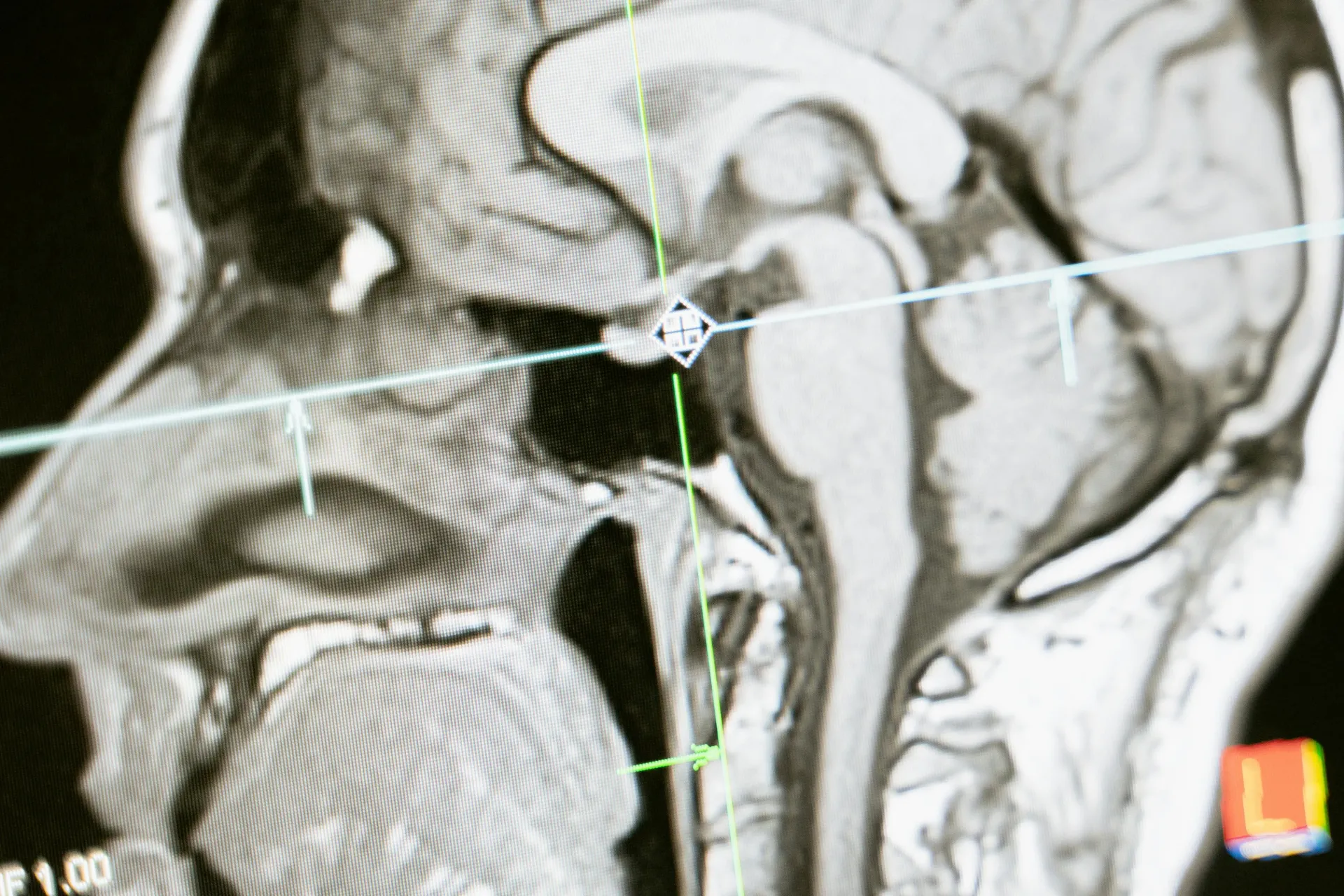
Fortgeschrittene Risikobewertung
Umfassende Bewertung der Schlaganfallrisikofaktoren
Fachleute in Schlaganfallprävention und Nachbehandlung in Dubai Healthcare City. Risikobewertung, Sekundärprävention, umfassende Rehabilitationskoordination. Jetzt buchen.
Fortgeschrittene Risikobewertung
Umfassende Bewertung der Schlaganfallrisikofaktoren
Schlaganfall-Versorgung in Dubai: Spezialisten für Prävention und Nachbehandlung
Umfassende Schlaganfallrisikobewertung und Genesungsunterstützung
Fachleute in Schlaganfallprävention und Nachbehandlung in Dubai Healthcare City. Risikobewertung, Sekundärprävention, umfassende Rehabilitationskoordination. Jetzt buchen.

Dr. Heike Jacobs
Unsere Leistungen entdecken
Umfassende schlaganfall-versorgung Leistungen im DCDC Dubai Healthcare City.

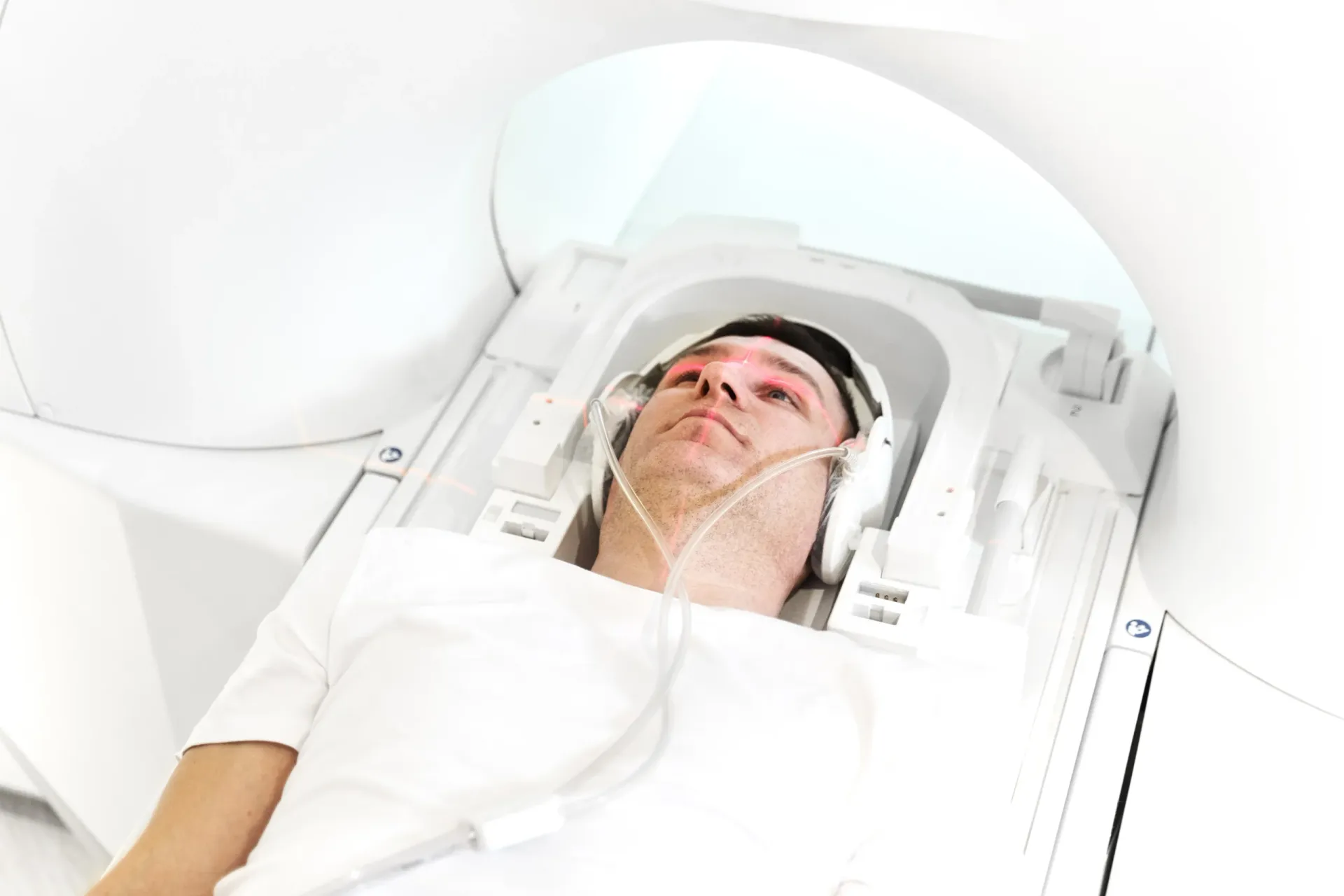
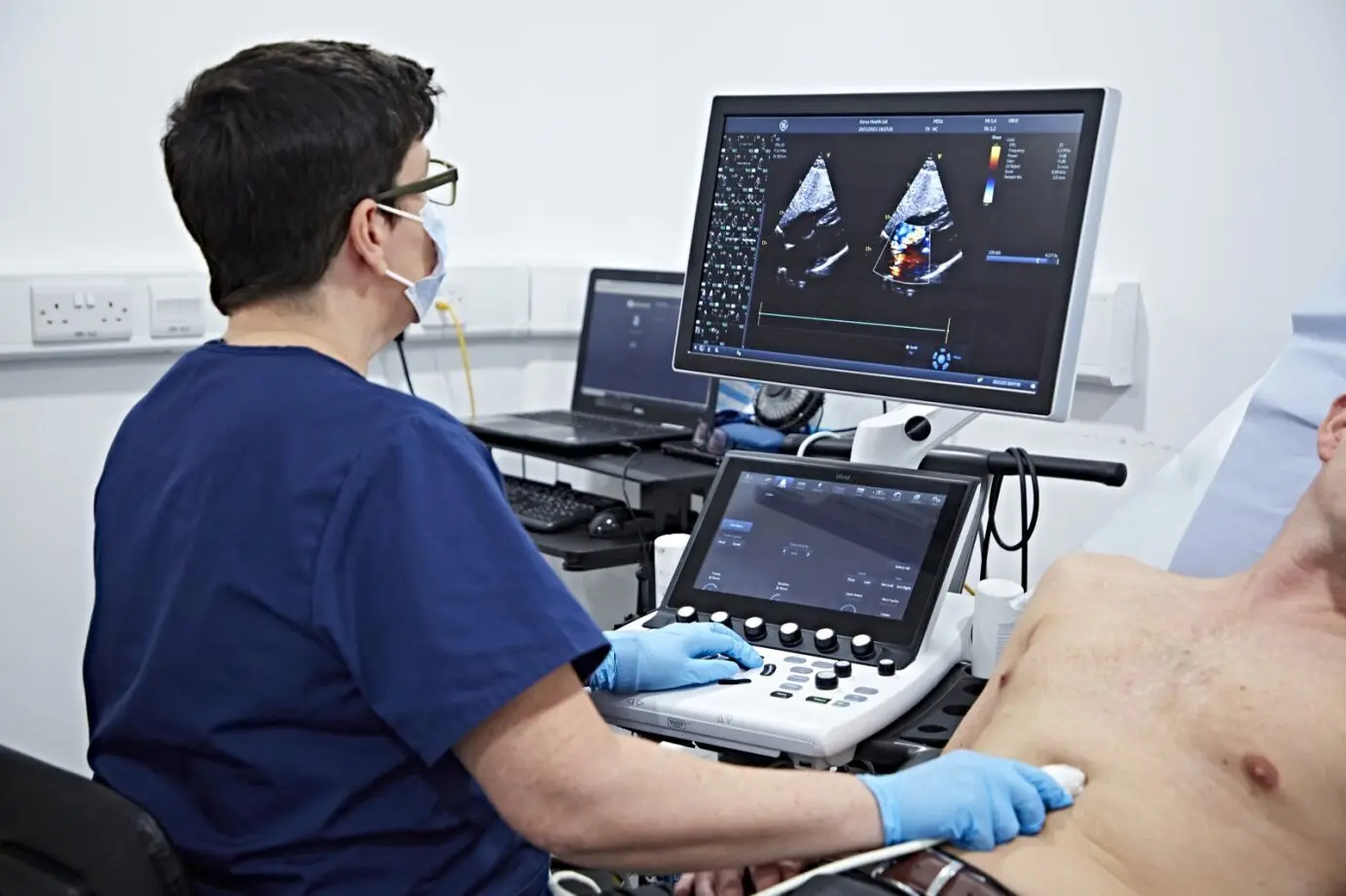
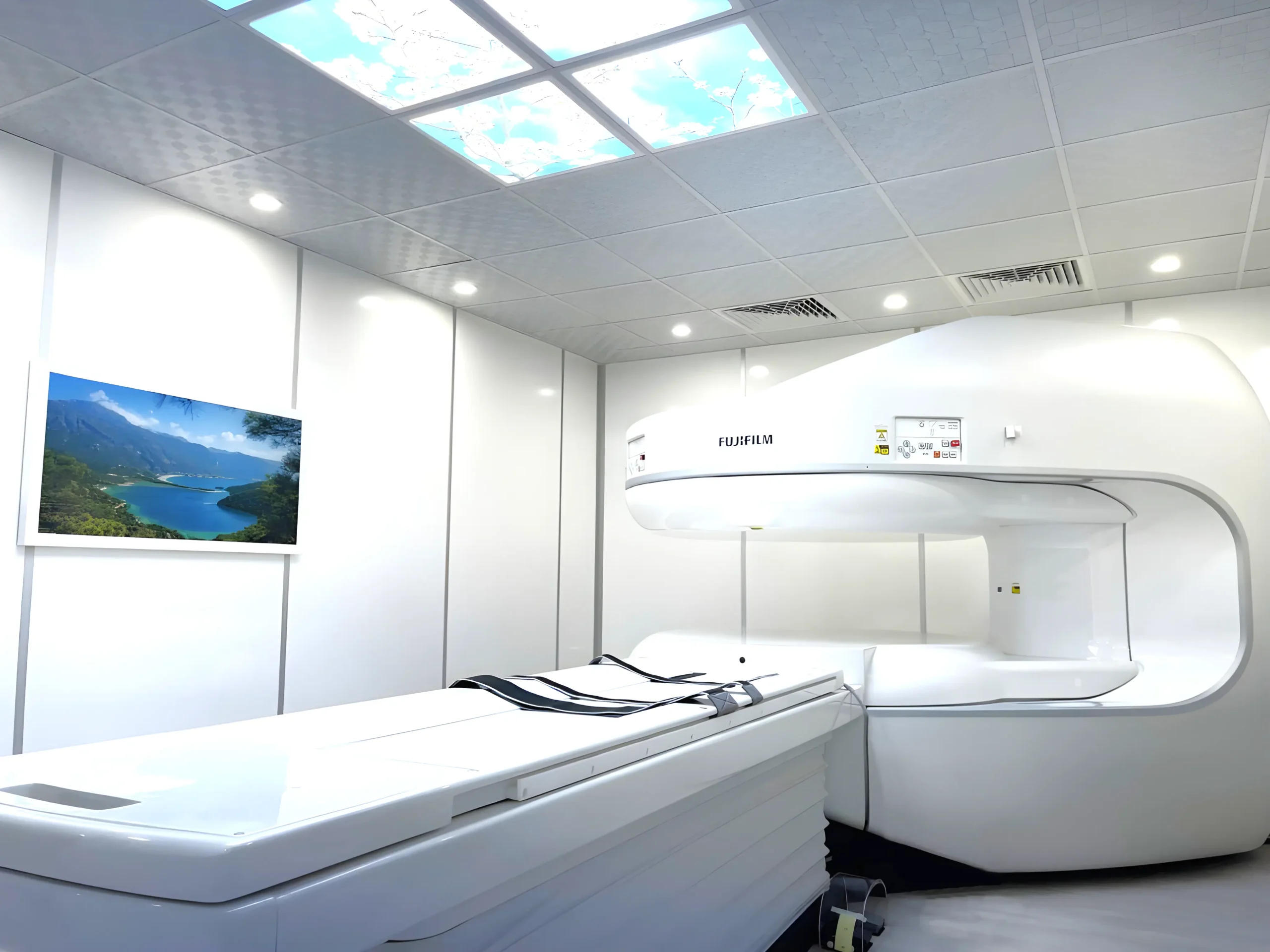
Alle Leistungen werden von DHA-lizenzierten Spezialisten durchgeführt
Wer benötigt Schlaganfall-Versorgung
Fachversorgung für Personen mit Schlaganfallrisiko oder in Genesung. Umfasst Risikobewertung, Prävention und umfassende medizinische Verwaltung.
Previous stroke or TIA (mini-stroke)
High blood pressure not well controlled
Atrial fibrillation or heart rhythm disorders
Diabetes with cardiovascular risk factors
High cholesterol or carotid artery disease
Family history of stroke
Warum DCDC für die Schlaganfall-Versorgung wählen
Fachleistungen mit internationalen Standards
MOHAP lizenziert
Hohe Standards in Qualität und Sicherheit
Fortgeschrittene medizinische Erfahrung
Spezialisiertes Team für Neurologie
Advanced Imaging
On-site MRI, CT, and carotid ultrasound capabilities.
Prevention Focus
Evidence-based strategies to reduce stroke risk.
Planned Follow-Up
Book outpatient review after emergency hospital assessment and discharge.
Insurance Support
Direct billing with major insurers.
Ihr angenehmer Besuch
Ein einfacher, schrittweiser Schlaganfall-Versorgung-Untersuchungsprozess für Komfort, Schnelligkeit und Genauigkeit.
Schlaganfall-Versorgungsleistungen
Die Schlaganfall-Versorgung-Preise in Dubai variieren je nach Leistungsart und Versicherungsdeckung für verschiedene Leistungstypen.
- Preise variieren je nach Untersuchungsart und Kontrastmittelbedarf
- Versicherungsdeckung akzeptiert mit Überweisung und Verifizierung
- Transparente Selbstzahlerpreise mit sofortigem Angebot auf Anfrage
Versicherungsverifizierung in Minuten • Keine versteckten Gebühren • Schnelle Antwort auf WhatsApp
Patientenratgeber
Was Sie erwarten können
Umfassende Versorgung, die mit einer genauen Risikobewertung beginnt, gefolgt von einem maßgeschneiderten Behandlungsplan und Rehabilitationskoordination. Wir garantieren kontinuierliche Nachsorge.
Versicherung & Standort
Versicherungspartner
- •Über 20 Versicherungsanbieter in Dubai einschließlich Daman, AXA, ADNIC und andere
- •Vorabgenehmigung-Unterstützung und Direktabrechnung (falls zutreffend)
- •Deckungsüberprüfung vor Ihrem Termin in unserer Klinik in Dubai Healthcare City
- •Transparente Preisgestaltung ohne versteckte Gebühren für schlaganfall-versorgung-Leistungen








Besuchen Sie uns in Dubai Healthcare City
Doctors Clinic Diagnostic Center
Gebäude 64, Block A, Al Razi Medical Complex, Dubai Healthcare City, Dubai, VAE
Nahe der Oud Metha Road · Einfacher Zugang von Bur Dubai, Downtown Dubai, Business Bay · Kostenlose Patientenparkplätze verfügbar
Öffnungszeiten
Mo-Do, Sa: 8:00 - 22:30 Uhr | So: 8:30 - 22:30 Uhr | Fr: 9:00 - 22:00 Uhr
So funktioniert die Versicherung bei DCDC
Deckung prüfen
Überprüfen Sie, ob Ihr Plan Schlaganfall-Versorgung abdeckt
Überweisung erhalten
Einige Versicherer verlangen eine Überweisung — wir helfen Ihnen gerne
Vorab-Genehmigung
Wir übernehmen die Vorab-Genehmigung direkt mit Ihrem Versicherer
Direktabrechnung
Keine Vorauszahlung — wir rechnen direkt mit Ihrem Versicherer ab
Nur Eigenanteil
Sie zahlen nur den anfallenden Eigenanteil in der Klinik
Deckung prüfen
Überprüfen Sie, ob Ihr Plan Schlaganfall-Versorgung abdeckt
Überweisung erhalten
Einige Versicherer verlangen eine Überweisung — wir helfen Ihnen gerne
Vorab-Genehmigung
Wir übernehmen die Vorab-Genehmigung direkt mit Ihrem Versicherer
Direktabrechnung
Keine Vorauszahlung — wir rechnen direkt mit Ihrem Versicherer ab
Nur Eigenanteil
Sie zahlen nur den anfallenden Eigenanteil in der Klinik
Your Specialist
Dr. Heike Jacobs
Consultant Neurologist
MD, MRCP, Consultant Neurologist
German · English
Patientenratgeber
Verstehen: Stroke: Prevention, Recognition, and Recovery
Stroke occurs when blood supply to part of the brain is interrupted, either by a blood clot blocking an artery (ischemic stroke, accounting for about 85 percent of cases) or by a blood vessel bursting and bleeding into the brain (hemorrhagic stroke). Without blood supply, brain cells begin to die within Minuten, which is why stroke is a medical emergency where rapid treatment is critical. The phrase "time is brain" reflects the reality that approximately 1.9 million neurons are lost every Minute during an untreated ischemic stroke.
The UAE faces a growing stroke burden due to high rates of modifiable risk factors. Studies indicate that hypertension, diabetes, and dyslipidemia are significantly more prevalent in the Gulf region compared to global averages. Additionally, the young average age of the population means that strokes in younger adults have a disproportionate impact on productivity and families. Addressing these risk factors through structured prevention programs offers the greatest opportunity to reduce stroke incidence and its devastating consequences in the region.
Secondary stroke prevention after a first event is crucial because recurrent strokes tend to be more severe and cause greater disability. The risk of recurrence is highest in the first year, particularly the first 90 Tage after a TIA or stroke. An effective secondary risk reduction program includes optimal medication management, aggressive risk factor control targeting specific numerical goals, lifestyle modification, and regular monitoring. Research shows that comprehensive secondary risk reduction programs can reduce recurrence risk by up to 80 percent compared to standard care.
Post-stroke recovery is a gradual process that continues for months to years after the event. The brain has remarkable capacity for reorganization and adaptation, a property called neuroplasticity, which allows undamaged brain areas to partially compensate for lost function. Rehabilitation harnesses this neuroplasticity through repetitive, targeted exercises for movement, speech, and cognition. The most rapid recovery typically occurs in the first three to six months, but meaningful improvement can continue well beyond this period with consistent effort and appropriate therapeutic support.
Cerebrovascular Conditions We Manage
Ischemic Stroke
Stroke caused by blood clot blocking a brain artery, managed with secondary prevention including antiplatelet therapy, anticoagulation, and risk factor optimization.
Transient Ischemic Attack (TIA)
Mini-stroke with temporary symptoms requiring urgent evaluation and immediate prevention measures to reduce the high short-term risk of subsequent stroke.
Hemorrhagic Stroke
Stroke caused by bleeding in the brain, managed with blood pressure optimization, identification of underlying causes, and coordination of appropriate follow-up care.
Carotid Artery Stenosis
Narrowing of the carotid arteries due to atherosclerosis, detected with ultrasound and managed with medication or surgical referral based on severity and symptoms.
Atrial Fibrillation and Stroke Risk
Irregular heart rhythm significantly increasing stroke risk, managed with anticoagulation therapy in coordination with cardiology for comprehensive cardiac care.
Hypertension-Related Stroke Risk
High blood pressure as the leading modifiable stroke risk factor, managed with medication optimization and lifestyle changes targeting specific blood pressure goals.
Verwandte Artikel
Carotid Doppler Ultrasound and Stroke Prevention
Learn how carotid ultrasound helps detect artery narrowing and guides stroke prevention decisions.
Hypertension: The Silent Killer in Dubai
Understand why high blood pressure is the leading modifiable risk factor for stroke and how to manage it.
Heart Health Prevention in Dubai
Discover the shared risk factors between heart disease and stroke, and how cardiovascular prevention reduces stroke risk.
Diabetes Management in Dubai
Learn how optimal diabetes management reduces stroke risk and improves overall vascular health.
Verwandte Leistungen
Entdecken Sie weitere Diagnose- und Beratungsleistungen in unserer Klinik in Dubai Healthcare City.
Häufig gestellte Fragen
Häufige Fragen zu Schlaganfall-Versorgung in Dubai.
Wir bieten Schlaganfall-Versorgung in Dubai Healthcare City an. Unser Team aus erfahrenen Spezialisten steht Ihnen für eine umfassende Untersuchung und Beratung zur Verfügung. Kontaktieren Sie uns für weitere Informationen.
Die Dauer variiert je nach individuellem Fall. Unser Team wird Sie vorab über den genauen Zeitaufwand informieren. Kontaktieren Sie uns für einen Termin.
Die meisten großen Versicherungen in Dubai decken Schlaganfall-Versorgung ab. Wir bieten Direktabrechnung mit über 20 Versicherungsgesellschaften, einschließlich Daman, AXA und Bupa. Kontaktieren Sie uns, um Ihre Versicherungsdeckung zu überprüfen.
Unser Team wird Ihnen vor dem Termin spezifische Vorbereitungsanweisungen geben. Im Allgemeinen empfehlen wir, alle aktuellen Medikamente und relevante medizinische Unterlagen mitzubringen.
Bei DCDC bieten wir Schlaganfall-Versorgung mit erfahrenen Spezialisten, modernster Ausrüstung und erstklassiger Patientenversorgung in Dubai Healthcare City an. Unsere Einrichtung ist von MOHAP lizenziert und folgt strengen klinischen Standards.
Sie können einen Termin für Schlaganfall-Versorgung telefonisch unter +971 54 219 5008 oder über unser Online-Buchungssystem vereinbaren. Wir bieten flexible Terminzeiten einschließlich Same-Day-Termine bei Verfügbarkeit.
Wichtige Fakten
Medizinische Aufsicht
Alle Leistungen werden unter Aufsicht lizenzierter medizinischer Fachkräfte in unserer MOHAP-akkreditierten Einrichtung erbracht.