
Wichtigste Erkenntnisse
- Metabolic syndrome is a cluster of 5 interconnected risk factors — increased waist circumference, high triglycerides, low HDL cholesterol, elevated blood pressure, and high fasting glucose — and having any 3 of the 5 qualifies for the diagnosis
- The UAE has one of the highest diabetes prevalence rates in the world at approximately 16% of the adult population, and metabolic syndrome is the underlying driver in the majority of cardiovascular disease and type 2 diabetes cases in the region
- Metabolic syndrome often develops silently over years — many individuals have no obvious symptoms until a routine blood test or health screening reveals abnormal values, making proactive screening essential
- The International Diabetes Federation (IDF) uses ethnicity-specific waist circumference thresholds: 94 cm or above for men and 80 cm or above for women of Middle Eastern descent signals central obesity and elevated metabolic risk
- Metabolic syndrome is reversible in many cases through lifestyle changes including 150 minutes of weekly exercise, dietary modification emphasising whole foods, and 5–10% body weight reduction
- DCDC Dubai Healthcare City offers comprehensive metabolic screening with same-day results from the on-site laboratory — diabetes screening packages from AED 399 and health checkup packages from AED 249, with direct billing for 20+ insurance partners
If you have been told your blood pressure is creeping up, your waistline is expanding, or your blood sugar is borderline, you may already be developing metabolic syndrome — a dangerous cluster of conditions that dramatically increases your risk of heart disease, stroke, and type 2 diabetes. In the UAE, where diabetes prevalence stands at approximately 16% of the adult population, metabolic syndrome is one of the most common yet under-diagnosed conditions. At DCDC's Diabetes Clinic in Dubai Healthcare City, we screen for, diagnose, and manage metabolic syndrome with comprehensive same-day testing and coordinated specialist care — all under one roof.
Metabolic syndrome is not a single disease. It is a constellation of five measurable risk factors that, when they occur together, multiply your cardiovascular and metabolic risk far beyond what any single factor would cause alone. The World Health Organization, the International Diabetes Federation, and the American Heart Association all recognise metabolic syndrome as a distinct clinical entity requiring targeted screening and intervention. This guide explains the five warning signs you need to know, who is most at risk in Dubai, how metabolic syndrome is diagnosed using the latest IDF criteria, what treatment options are available, and what to expect when you come to DCDC for metabolic health screening. Whether you are experiencing symptoms or simply want to understand your risk, this is your comprehensive resource.
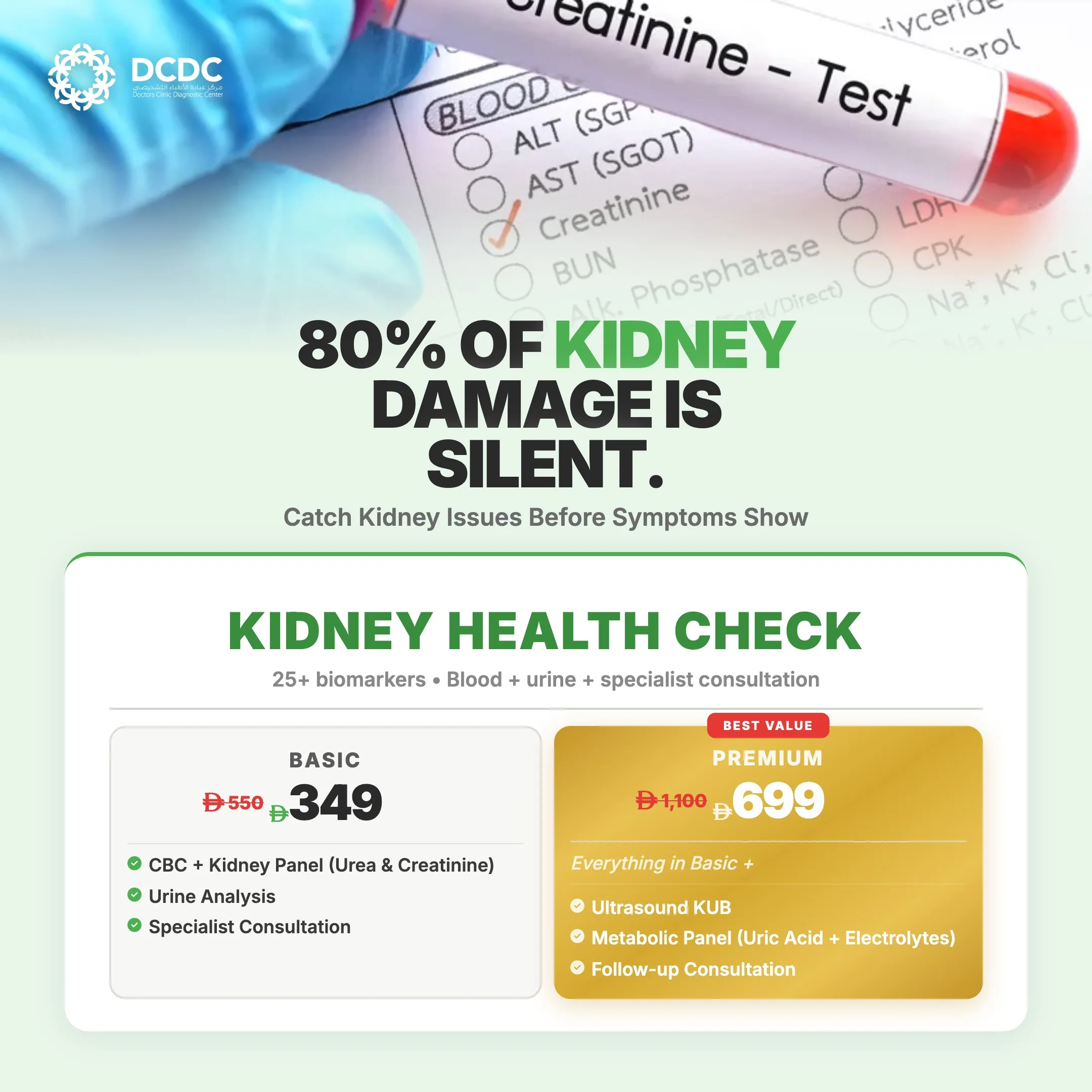
Health Screening Packages
Save with our bundled screening packages — specialist consultation included





What Is Metabolic Syndrome?
Metabolic syndrome — also known as syndrome X, insulin resistance syndrome, or cardiometabolic syndrome — is defined as the presence of three or more of five specific metabolic abnormalities occurring in the same individual. These abnormalities are: increased waist circumference (central obesity), elevated triglycerides, reduced HDL cholesterol, elevated blood pressure, and elevated fasting glucose. Each component represents a measurable, treatable condition. But when three or more converge, the combination creates a metabolic environment that accelerates atherosclerosis, promotes insulin resistance, triggers chronic inflammation, and dramatically increases the risk of cardiovascular events and type 2 diabetes.
The concept was first described in the late 1980s by Dr. Gerald Reaven, who proposed that insulin resistance was the common link connecting obesity, dyslipidaemia, hypertension, and glucose intolerance. Since then, multiple international organisations have published diagnostic criteria. The most widely used in clinical practice today are the International Diabetes Federation (IDF) harmonised criteria published jointly with the American Heart Association and the National Heart, Lung, and Blood Institute (NHLBI), which require any three of the five components for diagnosis.
Metabolic syndrome is alarmingly common. Global estimates suggest that approximately 20–25% of the adult population worldwide has metabolic syndrome, with prevalence rising sharply in urbanised, high-income populations. In the Middle East and North Africa (MENA) region, prevalence rates are among the highest globally, with some studies reporting figures exceeding 35% in certain Gulf Cooperation Council (GCC) populations. The condition is closely linked to the rapid dietary and lifestyle transitions that have occurred in the UAE over the past several decades.
The 5 Warning Signs of Metabolic Syndrome Dubai Residents Must Know
Unlike many diseases that produce clear symptoms, metabolic syndrome often progresses silently. You cannot feel high triglycerides or low HDL cholesterol. Mildly elevated blood pressure may cause no headaches. Fasting glucose can sit in the prediabetic range for years without producing thirst or frequent urination. The only warning sign you might notice on your own is your waistline. This is why understanding the five diagnostic components — and getting tested — is critical. Here are the five warning signs, based on the IDF harmonised criteria.
- 1. Increased Waist Circumference (Central Obesity): This is the most visible indicator and the one the IDF considers a prerequisite in its original criteria. For people of Middle Eastern, Mediterranean, and Sub-Saharan African descent, the thresholds are a waist circumference of 94 cm or above for men and 80 cm or above for women. For South Asian, Chinese, and Japanese populations, the thresholds are even lower (90 cm for men, 80 cm for women). Central obesity reflects visceral fat — the metabolically active fat surrounding abdominal organs — which releases inflammatory cytokines (IL-6, TNF-alpha) and free fatty acids that directly worsen insulin resistance, drive up triglycerides, and increase blood pressure. Measuring your waist circumference at home (at the level of your navel, on bare skin, while standing) is one of the simplest health checks you can perform
- 2. Elevated Triglycerides: Triglycerides are the most common type of fat in your blood. A fasting triglyceride level of 150 mg/dL (1.7 mmol/L) or above — or being on drug treatment for elevated triglycerides — meets the metabolic syndrome criterion. Elevated triglycerides are driven by excess visceral fat, high carbohydrate intake (especially refined sugars and starches), excessive alcohol consumption, and insulin resistance. In the UAE, dietary patterns that include large portions of white rice, sweetened beverages, and processed snacks contribute to widespread triglyceride elevation. You will not feel high triglycerides — they are only detected through a fasting blood test
- 3. Low HDL Cholesterol (Good Cholesterol): HDL cholesterol helps remove excess cholesterol from arteries and transport it back to the liver for clearance. The metabolic syndrome threshold is HDL below 40 mg/dL (1.0 mmol/L) in men or below 50 mg/dL (1.3 mmol/L) in women — or being on drug treatment for low HDL. Low HDL and high triglycerides frequently occur together and form the characteristic dyslipidaemia of metabolic syndrome. Physical inactivity, smoking, a diet high in trans fats and refined carbohydrates, and genetic factors all contribute to low HDL levels
- 4. Elevated Blood Pressure: A systolic blood pressure of 130 mmHg or above and/or a diastolic pressure of 85 mmHg or above — or being on antihypertensive medication — meets the criterion. Elevated blood pressure is often called the silent killer because it damages blood vessels and organs progressively without producing symptoms until complications like heart attack, stroke, or kidney failure occur. Insulin resistance contributes to hypertension by promoting sodium retention and increasing sympathetic nervous system activity. In the UAE, high ambient temperatures, limited outdoor exercise, high salt intake, and stress contribute to elevated blood pressure
- 5. Elevated Fasting Glucose: A fasting blood glucose of 100 mg/dL (5.6 mmol/L) or above — or being on drug treatment for elevated glucose — completes the fifth criterion. This level falls in the prediabetic range (100–125 mg/dL) or diabetic range (126 mg/dL and above). Elevated fasting glucose indicates that the pancreas can no longer fully compensate for insulin resistance. Given the UAE's diabetes prevalence of approximately 16%, this component is particularly relevant for Dubai residents. Many people learn about their elevated glucose only during a routine health checkup or blood test
The critical point is that you need any three of these five to receive a metabolic syndrome diagnosis. You do not need all five. A person with central obesity, high triglycerides, and elevated blood pressure — but normal glucose and HDL — already has metabolic syndrome and needs treatment. This is why comprehensive blood testing, not just a glucose check, is essential.
If you have already been diagnosed with one or more of these components, understanding how they connect is vital. For a deeper look at how diabetes fits into the metabolic syndrome picture, read our guide on diabetes management in Dubai.
Why Metabolic Syndrome Is a Growing Crisis in Dubai
The UAE faces a convergence of factors that make metabolic syndrome particularly prevalent in its population. The International Diabetes Federation reports that approximately 16% of UAE adults have diabetes — more than double the global average — and for every diagnosed case of diabetes, there are individuals with undiagnosed prediabetes and metabolic syndrome who remain untreated. National health surveys have found that obesity prevalence in the UAE ranges from 25–40% depending on the study and demographic group, with abdominal obesity rates even higher.
Several Dubai-specific factors fuel the metabolic syndrome epidemic. Climate-related inactivity is a major driver: temperatures exceeding 40 degrees Celsius for five or more months per year limit outdoor physical activity, and car-dependent urban design reduces incidental movement. Dietary patterns in the region include high consumption of refined carbohydrates, sugary beverages, large portion sizes, and energy-dense traditional and fast foods. Genetic predisposition plays a role as well — populations from the Arabian Peninsula, South Asia, and Southeast Asia show higher susceptibility to insulin resistance and visceral fat accumulation at lower BMI thresholds compared to European populations.
The economic impact is staggering. Metabolic syndrome increases the risk of cardiovascular disease by two-fold and the risk of type 2 diabetes by five-fold, according to the American Heart Association. The downstream healthcare costs — treating heart attacks, strokes, diabetes complications, kidney disease, and peripheral vascular disease — dwarf the cost of early screening and lifestyle intervention. This is why health authorities in Dubai and the broader UAE have made chronic disease screening a public health priority.
Self-Assessment: Do You Have Metabolic Syndrome?
While a definitive diagnosis requires blood tests, you can perform a preliminary self-assessment at home using the questions below. Answer honestly. If you answer yes to three or more of these questions, you should schedule a metabolic health screening as soon as possible.
- Question 1: Is your waist circumference 94 cm or above (men) or 80 cm or above (women)? Measure at your navel level, standing upright, on bare skin, at the end of a normal breath
- Question 2: Have you been told your triglycerides are high, or are you taking medication for high triglycerides?
- Question 3: Have you been told your HDL (good cholesterol) is low, or are you taking medication for low HDL?
- Question 4: Is your blood pressure 130/85 mmHg or above, or are you taking blood pressure medication?
- Question 5: Is your fasting blood glucose 100 mg/dL or above, or have you been told you have prediabetes or diabetes, or are you taking glucose-lowering medication?
- Question 6: Do you have a first-degree relative (parent or sibling) with type 2 diabetes, heart disease, or stroke?
- Question 7: Do you exercise fewer than 150 minutes per week?
- Question 8: Are you of Middle Eastern, South Asian, or African descent? (These populations have lower waist circumference thresholds and higher genetic susceptibility)
Questions 1 through 5 correspond directly to the IDF diagnostic criteria. Questions 6 through 8 identify additional risk factors that increase your likelihood of developing metabolic syndrome even if you do not currently meet the clinical thresholds. If you answered yes to any combination of three or more, particularly among questions 1–5, we strongly recommend scheduling a comprehensive metabolic screening at DCDC.
Diagnostic Criteria: How Metabolic Syndrome Is Officially Diagnosed
The current international consensus for diagnosing metabolic syndrome uses the IDF/AHA/NHLBI harmonised criteria (2009), which require the presence of any three of five components. Importantly, central obesity is no longer an absolute prerequisite in the harmonised definition (as it was in the original 2005 IDF definition), though it remains the most common component. Your doctor will measure or test each component during your screening visit.
| Component | Diagnostic Threshold | How It Is Measured |
|---|---|---|
| Central Obesity (Waist Circumference) | 94 cm or above (men) / 80 cm or above (women) — Middle Eastern, Mediterranean, African thresholds | Tape measure at navel level; ethnicity-specific cut-offs apply |
| Elevated Triglycerides | 150 mg/dL (1.7 mmol/L) or above, or on drug treatment | Fasting blood test (lipid panel) |
| Low HDL Cholesterol | Below 40 mg/dL (1.0 mmol/L) in men; below 50 mg/dL (1.3 mmol/L) in women, or on drug treatment | Fasting blood test (lipid panel) |
| Elevated Blood Pressure | Systolic 130 mmHg or above and/or diastolic 85 mmHg or above, or on antihypertensive medication | Blood pressure cuff measurement (at least two readings) |
| Elevated Fasting Glucose | 100 mg/dL (5.6 mmol/L) or above, or on glucose-lowering medication | Fasting blood test (glucose panel) |
IDF/AHA/NHLBI harmonised criteria for metabolic syndrome (2009). Any 3 of 5 components = diagnosis. Waist circumference thresholds shown are for Middle Eastern populations; thresholds vary by ethnicity.
At DCDC, all five components can be assessed in a single visit. Waist circumference and blood pressure are measured during your consultation. Triglycerides, HDL cholesterol, and fasting glucose are obtained from a single fasting blood draw performed in our on-site, MOHAP-licensed laboratory (License No. NIMY7VY5-240925) with same-day results. Your physician then determines whether three or more criteria are met and provides a comprehensive risk assessment.
Understanding your cholesterol numbers is a key part of metabolic syndrome diagnosis. For a complete breakdown of lipid testing, including what triglyceride and HDL levels mean, see our guide on high cholesterol treatment in Dubai.
The Role of Insulin Resistance in Metabolic Syndrome
Insulin resistance is widely considered the central pathophysiological mechanism that ties the five components of metabolic syndrome together. When cells in muscles, fat tissue, and the liver become resistant to insulin's action, the pancreas compensates by producing more insulin. This hyperinsulinaemia (excess circulating insulin) has far-reaching metabolic effects that directly contribute to each of the five criteria.
- Central obesity: Excess insulin promotes fat storage, particularly in visceral (abdominal) deposits. Visceral fat, in turn, releases inflammatory cytokines and free fatty acids that worsen insulin resistance — creating a self-reinforcing cycle
- Elevated triglycerides: Insulin resistance increases hepatic triglyceride production (VLDL) and impairs clearance of triglyceride-rich lipoproteins from the bloodstream, resulting in chronically elevated triglyceride levels
- Low HDL cholesterol: The same dyslipidaemic process that raises triglycerides causes increased exchange of triglycerides for cholesterol esters in HDL particles, which are then cleared more rapidly. The net result is reduced HDL levels
- Elevated blood pressure: Hyperinsulinaemia stimulates sodium reabsorption in the kidneys, increases sympathetic nervous system activity, and promotes vascular smooth muscle growth — all of which raise blood pressure
- Elevated fasting glucose: As insulin resistance worsens and the pancreas cannot produce enough insulin to compensate, blood glucose levels rise — initially to prediabetic levels and eventually to diabetic thresholds
This is why addressing insulin resistance is the most effective strategy for treating metabolic syndrome holistically. Rather than treating each component in isolation — one medication for blood pressure, another for cholesterol, another for glucose — lifestyle interventions that improve insulin sensitivity can improve all five components simultaneously. For a detailed look at how insulin resistance develops and how to detect it early, see our guide on insulin resistance warning signs in Dubai.
Who Should Get Screened for Metabolic Syndrome in Dubai?
The American Heart Association and the IDF recommend metabolic syndrome screening for all adults during routine health visits, particularly those with any of the following risk factors. Given the UAE's exceptionally high burden of metabolic disease, screening thresholds should be lower and more proactive than in lower-risk populations.
- Adults aged 35 and above: The ADA recommends screening for prediabetes and diabetes from age 35, and metabolic syndrome screening should accompany this. In high-risk populations, screening from age 25–30 is reasonable
- Overweight or obese individuals: A BMI of 25 or above (or 23 or above for South Asian and Middle Eastern populations) warrants screening, as does any increase in waist circumference above ethnicity-specific thresholds
- Family history of diabetes or heart disease: Having a first-degree relative with type 2 diabetes, metabolic syndrome, heart attack, or stroke before age 55 (men) or 65 (women) significantly increases risk
- People already diagnosed with one component: If you have been told you have high blood pressure, high cholesterol, prediabetes, or high triglycerides, you should be screened for the remaining metabolic syndrome components
- Women with PCOS or a history of gestational diabetes: Both conditions are strongly associated with insulin resistance and future metabolic syndrome development
- Sedentary individuals: Those exercising fewer than 150 minutes per week, particularly in desk-bound occupations, face higher metabolic risk
- Middle Eastern, South Asian, and African populations: These groups have lower visceral fat thresholds and higher genetic susceptibility to insulin resistance, meaning metabolic syndrome can develop at lower BMI levels
According to Dr. Hadeel Elnur, General Practitioner at DCDC, "Metabolic syndrome is one of the most common findings in our practice here in Dubai Healthcare City. What concerns me most is that many patients present with two or three components already established — but they have never been told they have metabolic syndrome because each component was treated in isolation. When I see a patient with borderline blood pressure and slightly elevated glucose, I always order a full lipid panel and measure waist circumference. The whole picture matters. At DCDC, we have the advantage of an on-site laboratory that can run a complete metabolic panel in hours, so patients leave with answers on the same day."
Know Your Metabolic Risk — Get Screened at DCDC
Book a comprehensive metabolic health screening at DCDC Dubai Healthcare City. Fasting lipid panel, glucose, blood pressure, and waist circumference — all in one visit with same-day results. Diabetes screening from AED 399. Health checkup packages from AED 249.
Building 64, Block A, Al Razi Medical Complex, DHCC — Sat–Thu 8AM–10PM, Fri 9AM–9PM
Metabolic Syndrome Treatment and Lifestyle Intervention
The treatment of metabolic syndrome follows a clear evidence-based hierarchy: lifestyle intervention first, medication when indicated. The Diabetes Prevention Program (DPP), a landmark study involving over 3,200 participants, demonstrated that intensive lifestyle changes reduced the progression from prediabetes to type 2 diabetes by 58% — outperforming metformin (31% reduction). Similar reductions in blood pressure, triglycerides, and waist circumference have been documented across multiple clinical trials. The 2025 ADA Standards of Care and the AHA both position lifestyle modification as the foundation of metabolic syndrome treatment.
- Physical activity — 150 minutes per week minimum: Both aerobic exercise (walking, swimming, cycling) and resistance training improve insulin sensitivity, reduce visceral fat, lower triglycerides, raise HDL cholesterol, and reduce blood pressure. In Dubai's climate, indoor options such as gym workouts, swimming pools, and mall walking are practical for most of the year. Even brief walking breaks of 5 minutes every hour improve post-meal glucose levels
- Dietary modification — Mediterranean or DASH diet pattern: Reduce refined carbohydrates, sugar, sweetened beverages, white rice, and processed foods. Increase fibre through vegetables, legumes, whole grains, nuts, and seeds. The Mediterranean diet has the strongest evidence for improving all components of metabolic syndrome simultaneously. Emphasise healthy fats (olive oil, fish, avocado) over saturated and trans fats
- Weight loss — target 5–10% of body weight: Even modest weight loss produces measurable improvements across all five metabolic syndrome components. A 5 kg loss in an 80 kg individual can reduce waist circumference, lower triglycerides, raise HDL, improve blood pressure, and improve fasting glucose. Visceral fat loss is more important than total weight loss for metabolic improvement
- Sleep optimisation — 7–9 hours per night: Chronic sleep deprivation (fewer than 6 hours) worsens insulin resistance, increases appetite hormones (ghrelin), and raises cortisol levels. Obstructive sleep apnoea, which is common in individuals with metabolic syndrome, should be evaluated and treated
- Smoking cessation and alcohol moderation: Smoking directly worsens insulin resistance and lowers HDL cholesterol. Excessive alcohol intake raises triglycerides and blood pressure. Both should be addressed as part of a comprehensive metabolic syndrome treatment plan
- Medication when lifestyle alone is insufficient: If lifestyle changes do not adequately control individual components after 3–6 months, medications may be prescribed: statins or fibrates for dyslipidaemia, ACE inhibitors or ARBs for hypertension, metformin for elevated glucose, and GLP-1 receptor agonists for patients with obesity and insulin resistance. Each medication targets a specific component, but lifestyle remains the foundation
At DCDC, patients diagnosed with metabolic syndrome receive a coordinated treatment plan that addresses all components simultaneously. Dr. Hadeel Elnur creates the initial management strategy and coordinates with internal medicine specialists, nutritionists, and other providers as needed — all within the Al Razi Medical Complex. Follow-up testing at 3- and 6-month intervals tracks improvements across all five metabolic parameters.
Metabolic Syndrome Screening Cost in Dubai
Understanding the cost of metabolic syndrome screening helps you plan your visit. Below is a breakdown of individual test prices and screening package options at DCDC Dubai Healthcare City. All prices are approximate self-pay rates. Insured patients with a physician's referral typically pay only their co-pay (10–20%). DCDC partners with 20+ insurance providers including Daman, AXA, Bupa, MetLife, and Cigna with direct billing.
| Test or Package | Price Range (AED) | What It Includes |
|---|---|---|
| Fasting Lipid Panel (triglycerides + HDL + LDL + total cholesterol) | From AED 100–300 | Measures triglycerides and HDL — two of the five metabolic syndrome criteria |
| Fasting Glucose | From AED 50–150 | Measures fasting blood sugar — the fifth metabolic syndrome criterion |
| HbA1c (Glycated Haemoglobin) | From AED 100–200 | Average blood sugar over 2–3 months — supports glucose assessment |
| Comprehensive Metabolic Panel (glucose + lipids + liver + kidney + CBC) | From AED 300–800 | Full metabolic snapshot including all blood-based metabolic syndrome criteria |
| DCDC Diabetes Screening Package | From AED 399 | HbA1c + fasting glucose + lipid profile + kidney function |
| DCDC Health Checkup Package | From AED 249 | Preventive screening including metabolic markers, blood pressure, and physical assessment |
Approximate self-pay prices at DCDC Dubai Healthcare City. Insurance patients pay co-pay only. Blood pressure and waist circumference measurements are included in any GP consultation. Contact DCDC for current pricing.
For the most cost-effective approach, the DCDC health checkup package from AED 249 provides an excellent starting point for metabolic screening, while the diabetes screening package from AED 399 offers a more comprehensive metabolic assessment. Both include the blood tests necessary to evaluate the lipid and glucose components of metabolic syndrome. Blood pressure measurement and waist circumference assessment are performed during your GP consultation at no additional charge. For detailed information about lipid testing, visit our guide on lipid profile testing in Dubai.
What to Expect at DCDC for Metabolic Syndrome Screening
At Doctors Clinic Diagnostic Center (DCDC) in Dubai Healthcare City, metabolic syndrome screening is designed to be thorough yet efficient — typically completed in a single visit from consultation to results. Here is the step-by-step patient journey.
- Step 1 — Arrive fasting: Come to DCDC having fasted for 8–12 hours (water is allowed). Morning appointments are ideal for fasting blood tests. Walk-ins are welcome during all operating hours: Saturday–Thursday 8 AM–10 PM, Friday 9 AM–9 PM. Free parking is available at the Al Razi Medical Complex. Our average wait time is 15 minutes
- Step 2 — GP consultation with clinical assessment: Your visit begins with a focused consultation where your physician reviews your medical history, family history, current medications, symptoms, and lifestyle. During this consultation, your blood pressure is measured (at least two readings for accuracy), your waist circumference is measured using a standardised technique, and your BMI is calculated. These three physical measurements address two of the five metabolic syndrome criteria
- Step 3 — Blood draw at the on-site laboratory: Based on your clinical assessment, your physician orders the appropriate blood tests — typically a fasting lipid panel and fasting glucose at minimum. A single blood draw is sufficient for all tests. Samples are processed immediately in DCDC's MOHAP-licensed on-site laboratory — no courier delays, no waiting for external lab results
- Step 4 — Same-day results: Routine metabolic panel results are available the same day. Results are shared digitally and reviewed with you by your doctor, either during a follow-up consultation or via a phone or video call
- Step 5 — Diagnosis and risk stratification: Your physician evaluates all five criteria against the IDF harmonised thresholds. If three or more are met, metabolic syndrome is diagnosed. Your overall cardiovascular risk is assessed, and any additional tests (fasting insulin, HOMA-IR, liver function, uric acid) are ordered if indicated
- Step 6 — Personalised treatment plan: Whether you meet the criteria or have one or two borderline components, you receive a clear action plan — lifestyle recommendations, dietary guidance, exercise targets, and medication if needed. If specialist referral is required (endocrinology, cardiology, nutrition), it is arranged within the same facility
- Step 7 — Insurance and billing: DCDC's front desk verifies your insurance coverage and handles pre-authorisation with any of our 20+ insurance partners. Direct billing means you pay only your co-pay. Self-pay patients receive transparent pricing upfront before any tests are performed
The one-stop diagnostic model at DCDC — laboratory, imaging, general practice, and specialist consultations under one roof in Building 64 of the Al Razi Medical Complex — eliminates the need to visit multiple facilities. This is particularly important for metabolic syndrome, which requires coordinated assessment of multiple parameters. DCDC's 4.8/5 Google rating from 1,000+ verified reviews and 98% patient satisfaction rate reflect this patient-centred approach.
When to See a Doctor: Urgency Guide for Metabolic Syndrome
Metabolic syndrome is not a medical emergency in itself, but it significantly increases the risk of acute cardiovascular events. Knowing when to seek medical attention — and how urgently — can be lifesaving. Use the following guide to determine your next step.
- Seek emergency care immediately if: You experience sudden chest pain, chest tightness or pressure radiating to the arm, jaw, or back; sudden severe headache with visual changes; sudden weakness or numbness on one side of the body; difficulty speaking or understanding speech; or sudden shortness of breath. These may indicate a heart attack or stroke — conditions that metabolic syndrome significantly increases the risk for
- Book a same-week appointment if: You have recently received blood test results showing two or more abnormal metabolic markers; your blood pressure reading was 140/90 mmHg or above at a pharmacy or home monitor; you have been experiencing persistent new symptoms such as excessive thirst, frequent urination, or unexplained fatigue; or your waist circumference has increased noticeably
- Book a routine screening appointment if: You are 35 or older and have not had a metabolic screening in the past 1–3 years; you have a family history of diabetes, heart disease, or metabolic syndrome; you have any single known risk factor (high BMI, sedentary lifestyle, PCOS, previous gestational diabetes); or you want a baseline metabolic assessment as part of preventive healthcare
Do not wait for symptoms before getting screened. The nature of metabolic syndrome is that most of its components are silent until complications develop. Proactive screening is the only reliable way to detect the condition early — when it is most responsive to treatment. For more on how elevated blood pressure specifically contributes to metabolic syndrome risk, read our guide on high blood pressure screening in Dubai.
Metabolic Syndrome Complications: Why Early Treatment Matters
Left untreated, metabolic syndrome substantially increases the risk of several serious conditions. Understanding these complications underscores the importance of early detection and intervention.
- Type 2 diabetes: Metabolic syndrome increases the risk of developing type 2 diabetes by five-fold. The combination of insulin resistance and elevated fasting glucose puts the pancreas under sustained stress, leading to progressive beta-cell failure and overt diabetes
- Cardiovascular disease: The risk of heart attack, stroke, and peripheral arterial disease is doubled in individuals with metabolic syndrome. The combination of dyslipidaemia, hypertension, and hyperglycaemia accelerates atherosclerotic plaque formation and increases the risk of plaque rupture
- Non-alcoholic fatty liver disease (NAFLD): Up to 90% of individuals with metabolic syndrome have some degree of hepatic steatosis (fatty liver). In a subset, this progresses to non-alcoholic steatohepatitis (NASH), fibrosis, and potentially cirrhosis
- Chronic kidney disease: The combination of hypertension, hyperglycaemia, and dyslipidaemia damages the kidneys' delicate filtration units (nephrons), leading to progressive decline in kidney function
- Obstructive sleep apnoea: Central obesity is a major risk factor for sleep apnoea, which in turn worsens insulin resistance and hypertension — creating another vicious cycle within the metabolic syndrome
- Increased cancer risk: Emerging research links metabolic syndrome to increased risk of several cancers, including colorectal, breast (postmenopausal), endometrial, and hepatocellular carcinoma, likely mediated through chronic inflammation and hyperinsulinaemia
The good news is that treating metabolic syndrome reduces all of these risks simultaneously. A comprehensive approach that addresses insulin resistance — the root cause — can improve lipid levels, blood pressure, glucose, and waist circumference together. This is far more effective than treating each risk factor in isolation, and it is the approach we take at DCDC.
Protect Your Long-Term Health — Book Metabolic Screening Today
DCDC Dubai Healthcare City offers same-day metabolic syndrome screening with on-site lab results. Health checkups from AED 249. Diabetes screening from AED 399. Walk-ins welcome or book via phone/WhatsApp.
Building 64, Block A, Al Razi Medical Complex, DHCC — Free Parking, 20+ Insurance Partners with Direct Billing
Can Metabolic Syndrome Be Reversed?
Yes — and this is perhaps the most important message in this guide. Metabolic syndrome is reversible in the majority of cases, particularly when identified early and treated with consistent lifestyle changes. The evidence is robust and well-established across multiple large-scale clinical trials.
The Finnish Diabetes Prevention Study demonstrated that lifestyle intervention — combining dietary changes with increased physical activity — reduced the incidence of metabolic syndrome by 38% over four years. The Diabetes Prevention Program showed a 58% reduction in progression from prediabetes to diabetes through lifestyle intervention alone. Importantly, these benefits were sustained for 10–15 years in follow-up studies, demonstrating that metabolic improvement is durable when lifestyle changes are maintained.
The key targets for reversal are clear: 150 minutes of moderate-intensity exercise per week, a 5–10% reduction in body weight, adoption of a Mediterranean or DASH dietary pattern, adequate sleep (7–9 hours), and stress management. Many patients at DCDC see measurable improvement in their metabolic parameters within 3 months of consistent effort. We track progress through repeat blood testing at 3- and 6-month intervals, adjusting the treatment plan as needed. The earlier metabolic syndrome is identified, the more responsive it is to non-pharmacological intervention — which is why we advocate for proactive screening rather than waiting for complications to develop.
Final Thoughts
Verwandte Leistungen im DCDC
Fachkundige Betreuung und moderne Diagnostik in Dubai Healthcare City
Frequently Asked Questions
Do Not Wait for a Heart Attack — Screen for Metabolic Syndrome Now
Metabolic syndrome is one of the most significant yet under-diagnosed health conditions affecting Dubai residents today. With 16% of the UAE adult population already living with diabetes, and with the prevalence of obesity, hypertension, and dyslipidaemia rising steadily, the 5 warning signs of metabolic syndrome are present in a substantial proportion of the population — many of whom have never been tested. The silent nature of most metabolic syndrome components means that proactive screening is the only reliable path to early detection.
At DCDC Dubai Healthcare City, we make metabolic syndrome screening accessible, comprehensive, and efficient. Walk in for a complete metabolic assessment — blood pressure, waist circumference, fasting lipid panel, and fasting glucose — with same-day results from our on-site, MOHAP-licensed laboratory. Health checkup packages start from AED 249, diabetes screening from AED 399, and 20+ insurance partners provide direct billing. Our average wait time is 15 minutes, and our 4.8/5 Google rating from 1,000+ reviews reflects our commitment to patient care.
Whether you have already been diagnosed with one or two metabolic risk factors, have a family history of diabetes or heart disease, or simply want to establish a baseline for your metabolic health, the first step is a single fasting blood draw and a brief consultation. Contact DCDC by phone or WhatsApp to book your metabolic screening, or walk in to Building 64, Block A, Al Razi Medical Complex in Dubai Healthcare City. Metabolic syndrome is reversible when caught early — and early detection starts with you.
Quellen und Referenzen
Dieser Artikel wurde von unserem medizinischen Team überprüft und bezieht sich auf folgende Quellen:
- International Diabetes Federation — IDF Consensus Worldwide Definition of the Metabolic Syndrome
- American Heart Association — About Metabolic Syndrome
- World Health Organization — Obesity and Overweight Fact Sheet
- Mayo Clinic — Metabolic Syndrome: Symptoms and Causes
- Cleveland Clinic — Metabolic Syndrome: What It Is, Causes, Symptoms & Treatment
- NHS — Metabolic Syndrome
Medizinische Inhalte auf dieser Website werden von DHA-lizenzierten Ärzten überprüft. Siehe unsere redaktionelle Richtlinien für weitere Informationen.

Verfasst von
Dr. Hadeel Elnur
General Practitioner
MD, General Practice
Dr. Hadeel Elnur is a General Practitioner at Doctors Clinic Diagnostic Center (DCDC) in Dubai Healthcare City.
Related Articles

Diabetes Management Dubai: Complete Guide (2026)

High Cholesterol Dubai: Causes & Treatment (2026)

Insulin Resistance Dubai: Signs & Testing (2026)

Lipid Profile Test Dubai: Cost & Guide (2026)

High Blood Pressure Dubai: Screening & Treatment (2026)
More in Internal Medicine
Endocrinologist Dubai: Diabetes & Thyroid Care (2026)
Weiterlesen
Gastroenterologist Dubai: When to See One (2026)
Weiterlesen
Pulmonologist Dubai: Lung & Breathing Care (2026)
WeiterlesenUrologist Dubai: Men's Health Guide (2026)
WeiterlesenVaricose Veins Treatment Dubai: Options & Cost (2026)
Weiterlesen
Low Testosterone Symptoms & Treatment Dubai (2026)
Weiterlesen© 2026 Doctors Clinic Diagnostic Center (DCDC), Dubai Healthcare City. Originally published at https://doctorsclinicdubai.ae/blog/metabolic-syndrome-signs-dubai. All rights reserved. Unauthorized reproduction is prohibited.