Zum Hauptinhalt springen
DCDC, Dubai Healthcare City, Dubai, VAE
Zurück zum Blog
Diagnostic Imaging

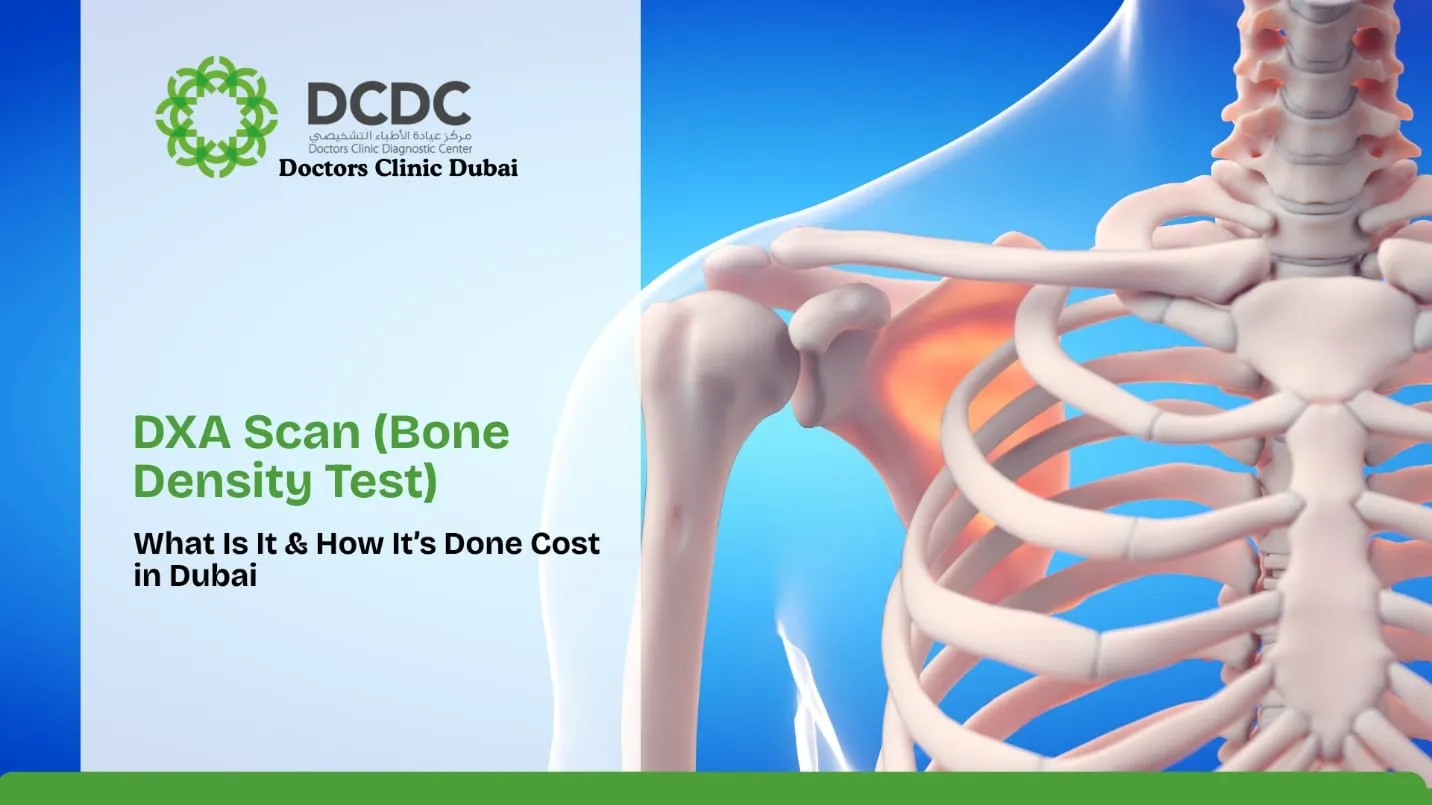
DXA Scan (Bone Density Test): What Is It, How It Works & Cost in Dubai

DCDC Ärzteteam15 min read
DXA Scan Bone Density Test
Medizinisch überprüft von Dr. Osama ElzamzamiConsultant Radiologist

Wichtigste Erkenntnisse

  • DEXA scan measures bone mineral density to detect osteoporosis and fracture risk
  • The test takes 10-15 minutes and uses very low radiation (1/10th of a chest X-ray)
  • DEXA scan cost in Dubai typically ranges from AED 350 to AED 700, with full packages up to AED 1,000
  • Results use T-scores: above -1.0 is normal, -1.0 to -2.5 is osteopenia, below -2.5 indicates osteoporosis
  • Recommended for women 50+, men 60+, and those with fracture history or risk factors
  • 80% of UAE residents are vitamin D deficient, which directly affects bone density

A DEXA scan, also known as a DXA scan, is a quick, painless imaging test that measures bone density and helps detect bone loss before fractures happen. It's the most accurate way to diagnose osteoporosis, assess fracture risk, and monitor bone health over time. The scan uses very low-dose X-rays and is usually completed within 10-15 minutes.

This test is commonly recommended for adults over 50, postmenopausal women, people with frequent fractures, or anyone with risk factors for bone thinning. Doctors also use DEXA scans to track treatment results when bone-strengthening medications are prescribed.

Bereit für den nächsten Schritt?

Buchen Sie noch heute Ihren Termin und erleben Sie fachkundige Betreuung im Doctors Clinic Diagnostic Center in Dubai Healthcare City.

What Is a DEXA Scan and Why Is It Done?

A DEXA scan measures bone mineral density (BMD), which shows how strong or fragile your bones are. The most common areas scanned are the lower spine, hip, and sometimes the forearm because fractures in these areas are more likely and more serious.

The main goal is early detection. Bone loss often happens silently, without pain or warning signs. By identifying changes early, doctors can suggest lifestyle changes or treatment before fractures occur. This is especially important for people with family history, long-term steroid use, or hormonal changes.

How a DXA Scan Works

The scan uses two low-energy X-ray beams that pass through the bone. By comparing how much of each beam is absorbed, the system calculates bone density. The radiation exposure is extremely low, much less than a standard chest X-ray.

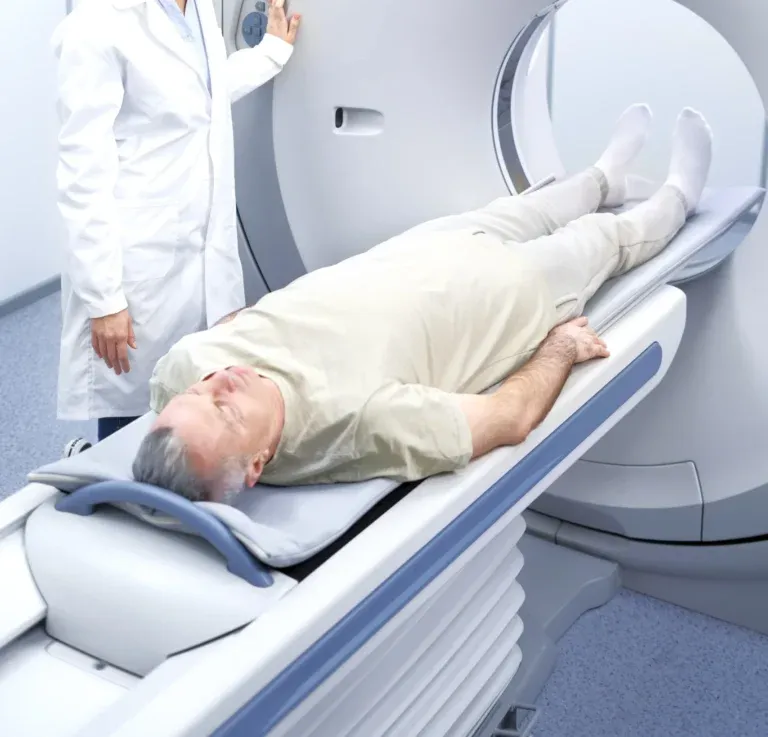
During the scan, you'll lie flat on a padded table while a scanning arm moves slowly over your body. You don't enter a tunnel, and there's no noise or discomfort. The process is simple, calm, and doesn't require recovery time afterward.

Who Should Get a DEXA Scan?

Many people assume bone tests are only for older adults, but that's not always true. Doctors recommend DEXA scans based on age, health history, and risk factors rather than symptoms alone.

People commonly advised to get this test include:

  • Women aged 50+ and men aged 60+
  • Postmenopausal women
  • Individuals with frequent fractures or height loss
  • Long-term steroid users
  • People with thyroid, hormonal, or autoimmune conditions

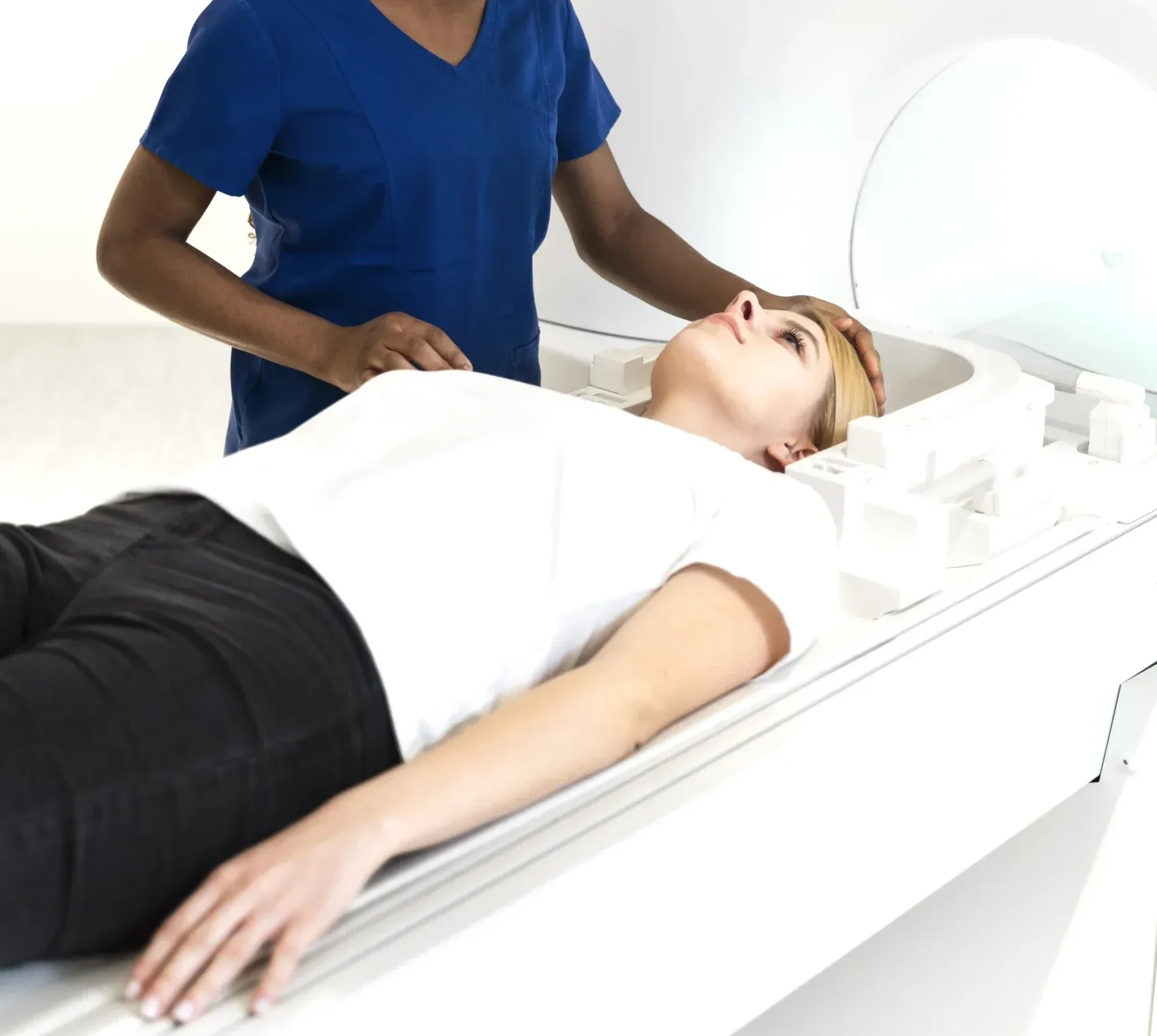
If you've already had imaging like an MRI scan or digital X-ray for bone or joint issues, a DEXA scan adds a different layer by measuring bone strength rather than structure.

What Happens During the Test?

Preparation is minimal. You can eat normally and take your medications unless told otherwise. The only thing to avoid is calcium supplements for 24 hours before the scan.

You'll be asked to remove metal objects such as belts or jewelry. Once positioned, the technologist will guide you through simple instructions like staying still for a few seconds. The scan itself usually takes 10 to 15 minutes, and you can resume normal activities immediately afterward.

Understanding DEXA Scan Results

DEXA results are reported using T-scores and Z-scores. These numbers help doctors compare your bone density to healthy reference values.

T-Score Detailed Interpretation

Your DEXA results include two important numbers: the T-score and the Z-score. Understanding both helps you grasp what the results mean for your bone health.

The T-score compares your bone density to that of a healthy 30-year-old adult of the same gender. This is the primary score used to diagnose osteoporosis in postmenopausal women and men over 50.

T-Score RangeMeaningFracture Risk
Above -1.0Normal bone densityLow risk
-1.0 to -2.5Osteopenia (low bone density)Moderate risk - preventive measures recommended
Below -2.5OsteoporosisHigh risk - treatment typically recommended
Below -2.5 with fractureSevere osteoporosisVery high risk - immediate treatment needed

The Z-score compares your bone density to what is expected for someone of your age, gender, and body size. This score is more useful for premenopausal women, men under 50, and children. A Z-score of -2.0 or lower may indicate bone loss from causes other than aging, such as medication use or underlying medical conditions.

Each 1.0 decrease in T-score roughly doubles your fracture risk. For example, a T-score of -2.0 carries about twice the fracture risk of a T-score of -1.0. This is why even osteopenia (the stage before osteoporosis) deserves attention.

"We never rely on T-scores alone when making treatment decisions. A 55-year-old woman with a T-score of -2.3 and no other risk factors may only need lifestyle changes and monitoring, while a 70-year-old with the same score and a history of falls may need medication. Context matters just as much as the number," explains Dr. Osama Elzamzami.

DEXA vs Other Bone Density Methods

DEXA is the gold standard for bone density testing, but it's not the only method available. Understanding how it compares to alternatives helps you appreciate its value. At DCDC, our DEXA scan service uses the latest dual-energy X-ray technology for accurate, same-day results.

MethodAccuracyRadiationCost in Dubai (AED)AvailabilityWhat It Measures
DEXA ScanHighest (gold standard)Very low350-700Widely availableBMD at hip and spine
Quantitative Ultrasound (QUS)Moderate (screening only)None150-300LimitedHeel bone density estimate
Quantitative CT (QCT)High but less preciseHigher than DEXA800-1,500LimitedSpine BMD in 3D
Peripheral QCT (pQCT)Good for extremitiesLow to moderate500-900RareWrist or ankle BMD

DEXA remains the most reliable and cost-effective option for diagnosing osteoporosis in clinical practice.

Quantitative ultrasound may be used for quick screening at health fairs, but it cannot diagnose osteoporosis and often leads to DEXA confirmation anyway. QCT provides 3D images but exposes patients to much higher radiation and costs significantly more. For most patients, DEXA offers the best balance of accuracy, safety, and affordability.

Vitamin D Deficiency and Bone Health in Dubai

One of the most overlooked factors affecting bone density in Dubai is vitamin D deficiency. Despite abundant sunshine, studies show that 80% of UAE residents are vitamin D deficient, primarily due to indoor lifestyles, air-conditioned environments, and cultural clothing practices.

Vitamin D is critical for calcium absorption. Without adequate vitamin D, your body cannot absorb enough calcium from food, no matter how much dairy you consume. This leads to progressive bone loss and increased fracture risk over time.

Women wearing full coverage clothing are at particularly high risk because limited skin exposure to sunlight drastically reduces natural vitamin D production. The UAE's strong UV index also means people avoid direct sun exposure, compounding the problem.

If your DEXA scan shows low bone density, your doctor will almost certainly check your vitamin D levels through a simple blood test. Normal vitamin D levels are above 30 ng/mL; most residents in Dubai fall below 20 ng/mL, and many are below 10 ng/mL.

Treating vitamin D deficiency with supplementation can improve bone density over time. For Dubai residents, a daily supplement of 1,000-2,000 IU is often recommended, though higher doses may be needed initially if levels are very low. This is one of the simplest and most effective ways to protect bone health in this region.

Treatment Options for Low Bone Density and Osteoporosis

If your DEXA scan reveals osteopenia or osteoporosis, several treatment options can help strengthen bones and reduce fracture risk. Treatment plans are individualized based on your T-score, age, fracture history, and other health conditions.

Bisphosphonates

These are the most commonly prescribed medications for osteoporosis. Bisphosphonates (such as alendronate, risedronate, and ibandronate) slow bone breakdown and help maintain or increase bone density. They are typically taken weekly or monthly as tablets, or annually by IV infusion. Side effects may include stomach upset or, rarely, jaw problems with long-term use.

Denosumab (Prolia)

This injectable medication is given every six months and works by blocking a protein that causes bone breakdown. It's often used for patients who cannot tolerate bisphosphonates or who have very high fracture risk. Denosumab is highly effective but requires consistent follow-up because stopping it suddenly can lead to rapid bone loss.

Hormone Replacement Therapy (HRT)

For postmenopausal women, estrogen therapy can slow bone loss and reduce fracture risk. However, HRT carries other health risks and is typically reserved for women who also need relief from severe menopausal symptoms. It's not usually the first choice for osteoporosis alone.

Calcium and Vitamin D Supplementation

These are foundational for bone health, regardless of whether medication is prescribed. Adults need 1,000-1,200 mg of calcium daily and 1,000-2,000 IU of vitamin D. In Dubai, where vitamin D deficiency is widespread, supplementation is almost always recommended alongside any bone-strengthening treatment.

Weight-Bearing Exercise

Activities like walking, jogging, dancing, and resistance training stimulate bone formation and slow bone loss. Exercise also improves balance and muscle strength, reducing fall risk. Aim for at least 30 minutes of weight-bearing activity most days of the week.

Treatment works best when started early. Osteopenia caught on a DEXA scan can often be managed with lifestyle changes alone, while osteoporosis usually requires medication plus lifestyle modification. Regular follow-up scans every 1-2 years track whether treatment is working.

Risk Factors: Who Should Get a DEXA Scan?

Even if you feel healthy, certain risk factors make bone density testing critical. Knowing these helps you decide whether to schedule a DEXA scan now or wait.

High-priority risk factors include:

  • Postmenopausal women, especially if menopause occurred early (before age 45)
  • Family history of osteoporosis or hip fractures in parents or siblings
  • Low body weight or BMI below 19 (thin bones have less reserve)
  • Current smoking or history of heavy smoking
  • Excessive alcohol consumption (more than 2 drinks daily)
  • Long-term use of corticosteroids (prednisone, prednisolone) for conditions like asthma or rheumatoid arthritis
  • Rheumatoid arthritis, lupus, or other autoimmune diseases
  • History of fragility fractures (breaking a bone from minor trauma)
  • Chronic kidney disease or liver disease
  • Hyperthyroidism or hyperparathyroidism

If you have two or more of these factors, a DEXA scan is strongly recommended even if you're younger than the standard screening age. Early detection allows intervention before fractures occur.

DEXA Scan Cost in Dubai: Complete Breakdown

Cost is one of the most common questions patients ask. In Dubai, a DEXA scan typically costs AED 350 to AED 700 for the scan alone, but the total expense depends on what's included and whether follow-up is needed.

ServiceCost Range (AED)What's Included
DEXA scan (scan only)350 - 700Bone density measurement of hip and spine
DEXA scan with consultation600 - 1,000Scan + doctor review and treatment discussion
Follow-up DEXA scan300 - 500Repeat scan to monitor treatment progress
Vitamin D blood test100 - 200Essential add-on for complete bone health assessment
Calcium profile blood test150 - 300Checks calcium, phosphate, and parathyroid levels

Prices vary by facility, location, and whether insurance coverage applies. Dubai Healthcare City clinics often offer competitive pricing with high-quality reporting.

Some insurance providers may cover the test if it's medically indicated, especially for osteoporosis screening or treatment monitoring. It's always best to check coverage beforehand, particularly if the scan is part of a wider diagnostic plan involving services like blood tests or hormonal assessments.

Many clinics offer package deals that include DEXA scan, vitamin D testing, and calcium profile together at a reduced rate. These packages make sense because vitamin D and calcium levels directly affect bone health and treatment decisions.

Is a DEXA Scan Safe?

Yes, it's considered very safe. The radiation exposure is extremely low: about 1/10th of a standard chest X-ray. This makes it suitable even for repeat scans when monitoring bone health over time.

However, it's usually avoided during pregnancy unless absolutely necessary. Always inform the clinic if there's any chance you might be pregnant.

How Often Should You Get a DEXA Scan?

The frequency depends on your initial results and risk level. People with normal bone density may only need a scan every 3-5 years, while those with osteopenia or osteoporosis may be advised to repeat it every 1-2 years.

Doctors use follow-up scans to see whether bone density is stable, improving, or declining. This helps adjust treatment plans and lifestyle advice more accurately.

How DEXA Differs From Other Imaging Tests

A DEXA scan is often confused with other imaging tests, but its purpose is unique. While X-rays and MRI scans show bone structure or injury, DEXA focuses purely on bone strength.

It's also different from CT scans, which use much higher radiation and are not designed for routine bone density screening. That's why DEXA remains the global standard for osteoporosis diagnosis.

Real Patient Story: Early Detection Makes a Difference

A 52-year-old woman came to our clinic for a routine health checkup. She felt perfectly fine and had no symptoms, but because she had entered menopause early at age 48, her doctor recommended a DEXA scan as a precaution.

Her results showed a T-score of -2.1 at the hip, indicating osteopenia (the stage before osteoporosis). Her vitamin D level was also very low at 12 ng/mL, which is common in Dubai. She was surprised because she had always considered herself healthy and active.

Her doctor started her on vitamin D supplementation (4,000 IU daily initially, then 2,000 IU maintenance), recommended calcium-rich foods, and suggested weight-bearing exercises like brisk walking and light strength training. She didn't need medication at that stage because her bone loss was caught early.

Two years later, her follow-up DEXA scan showed improvement to a T-score of -1.7. Her vitamin D level had normalized to 38 ng/mL. This patient avoided progressing to osteoporosis simply because the scan detected a problem before symptoms appeared. She continues annual monitoring and has maintained healthy bone density through lifestyle measures alone.

Why Early Bone Density Testing Matters

Bone loss doesn't cause pain until a fracture happens. Hip and spine fractures, in particular, can seriously affect mobility and quality of life. Hip fractures in older adults are associated with a 20% increased risk of death within the first year, primarily due to complications like pneumonia and blood clots from immobility.

Early testing allows doctors to recommend changes such as diet adjustments, supplements, exercise routines, or medication before serious damage occurs. The window for prevention is wide: bone loss progresses slowly over years or decades, giving you time to intervene if you catch it early.

For people with chronic conditions or hormonal changes, regular monitoring becomes an important part of long-term health planning. In Dubai, where vitamin D deficiency compounds the problem, proactive screening is even more important than in other regions.

"Screening for osteoporosis is one of the most underutilized preventive tests, especially in the UAE where vitamin D deficiency is so common. A DEXA scan gives us objective data to identify bone loss before fractures occur, and when combined with vitamin D testing and appropriate treatment, we can preserve mobility and independence for years to come," emphasizes Dr. Osama Elzamzami.

Comprehensive Bone Health Assessment in Dubai

Understanding your bone health starts with accurate testing. Our diagnostic packages include DEXA scanning, vitamin D testing, and calcium profile analysis to give you a complete picture of your bone health status and risk factors.

Trusted Bone Density Testing in Dubai Healthcare City

If you're considering a DEXA scan in Dubai Healthcare City, choosing the right diagnostic center matters. At Doctors Clinic Diagnostic Center, patients receive accurate bone density testing using advanced imaging systems, handled by experienced medical professionals in a calm, patient-focused setting. Located near Oud Metha, Umm Hurair 2, and Karama Dubai, the clinic is a preferred choice for many patients seeking reliable diagnostics without long waiting times.

Häufig gestellte Fragen

No. The test is completely painless and non-invasive. You simply lie still for a few minutes.
In many cases, yes. However, some clinics allow self-referrals for screening purposes.
Results are often available within 24-48 hours, depending on the clinic.
Absolutely. Men, especially over 60 or with fracture history, benefit from bone density testing.
If your results are normal, repeat every 3-5 years. If you have osteopenia or osteoporosis, your doctor may recommend scans every 1-2 years to monitor treatment progress.
T-score compares your bone density to a healthy 30-year-old and is used to diagnose osteoporosis. Z-score compares you to others your same age and is more useful for premenopausal women and younger men.
Osteoporosis cannot be fully reversed, but bone density can improve with treatment. Medications, vitamin D, calcium, and exercise can strengthen bones and significantly reduce fracture risk.
Women should start at age 50 (or at menopause), and men at age 60. Earlier screening is recommended if you have risk factors like family history, steroid use, or early menopause.
Many insurance plans cover DEXA scans when medically indicated, especially for osteoporosis screening in at-risk patients. Check with your provider for specific coverage details.
The actual scan takes 10-15 minutes. The full appointment including preparation and positioning usually takes 20-30 minutes.
No. DEXA uses extremely low radiation, about 1/10th of a standard chest X-ray. It is considered very safe even for repeat scans.
Osteopenia means low bone density but not yet osteoporosis. Your doctor will likely recommend lifestyle changes (calcium, vitamin D, exercise) and may monitor with follow-up scans. Medication is usually not needed unless you have other high-risk factors.

Bereit für den nächsten Schritt?

Buchen Sie noch heute Ihren Termin und erleben Sie fachkundige Betreuung im Doctors Clinic Diagnostic Center in Dubai Healthcare City.

Final Thoughts

A DEXA scan is one of the simplest yet most important tests for long-term bone health. It helps catch bone loss early, guides treatment decisions, and reduces the risk of fractures that can seriously affect daily life. With low radiation, quick results, and no recovery time, it's an easy step toward better health planning.

If you're unsure about your bone strength or fall into a higher-risk group, getting tested sooner rather than later can make a real difference. Accurate diagnosis leads to timely care, and timely care protects mobility, independence, and overall quality of life.

For trusted DEXA scan services in Dubai Healthcare City, Doctors Clinic Diagnostic Center offers professional care, modern equipment, and patient-first diagnostics you can rely on.

Quellen und Referenzen

Dieser Artikel wurde von unserem medizinischen Team überprüft und bezieht sich auf folgende Quellen:

  1. Dubai Health Authority - Bone Health Guidelines
  2. International Osteoporosis Foundation - DXA Standards
  3. National Osteoporosis Foundation - Bone Density Testing
  4. American College of Radiology - Bone Densitometry
  5. Endocrine Society - Vitamin D and Bone Health
  6. Mayo Clinic - Bone Density Test
  7. NHS - DEXA (DXA) Scan

Medizinische Inhalte auf dieser Website werden von DHA-lizenzierten Ärzten überprüft. Siehe unsere redaktionelle Richtlinien für weitere Informationen.

Dr. Osama Elzamzami

Verfasst von

Dr. Osama Elzamzami

Profil anzeigen

Consultant Radiologist

MD, Radiology

Dr. Osama Elzamzami is a Consultant Radiologist specializing in diagnostic imaging including DEXA scans, MRI, CT, and ultrasound at DCDC Dubai Healthcare City.

Related Articles

Verwandte Leistungen im DCDC

Fachkundige Betreuung und moderne Diagnostik in Dubai Healthcare City

Kontaktieren Sie Doctors Clinic Diagnostic Center Dubai über WhatsAppRufen Sie Doctors Clinic Diagnostic Center Dubai an