Wichtigste Erkenntnisse
- Atrial fibrillation (AFib) is the most common sustained cardiac arrhythmia worldwide, affecting over 37 million people globally, and its prevalence is rising in the UAE due to increasing rates of obesity, hypertension, and diabetes
- AFib increases stroke risk by up to five times compared to people with normal heart rhythm — stroke prevention through anticoagulation guided by the CHA2DS2-VASc score is a cornerstone of treatment
- Symptoms range from racing heart, palpitations, and shortness of breath to no symptoms at all — approximately one in three AFib patients is asymptomatic, making screening and routine ECGs essential for at-risk individuals
- The 2024 ESC guidelines introduce the AF-CARE framework: Comorbidity management, Avoid stroke, Reduce symptoms through rate or rhythm control, and Evaluation with dynamic reassessment — reflecting a holistic, patient-centred approach
- At DCDC in Dubai Healthcare City, AFib diagnosis is streamlined with on-site ECG, echocardiogram, 24-hour Holter monitoring, treadmill stress testing, and blood work — often completed in a single visit
- Cardiology consultation at DCDC starts from AED 250 with direct billing for 20+ insurance providers including Daman, AXA, Bupa, MetLife, and Cigna — making expert AFib evaluation accessible and affordable in Dubai
Atrial fibrillation — commonly known as AFib or AF — is the most common sustained heart rhythm disorder in the world, and it is increasingly prevalent in Dubai's diverse, fast-growing population. This condition causes the upper chambers of the heart (the atria) to beat irregularly and often rapidly, disrupting efficient blood flow and significantly raising the risk of stroke, heart failure, and other cardiovascular complications. Despite its seriousness, AFib is highly manageable when diagnosed early and treated according to current evidence-based guidelines. This comprehensive guide, reviewed by Dr. Shahoo Mazhari, board-certified Cardiologist at DCDC in Dubai Healthcare City, covers everything you need to know about AFib — from recognising the symptoms and understanding the causes to navigating diagnosis, treatment options, and long-term management. Whether you suspect you may have AFib or have already been diagnosed, you will find actionable information here along with details on how to access expert cardiology evaluation in Dubai.
The Global Burden of Disease study estimates that over 37 million people worldwide live with atrial fibrillation, and prevalence is projected to increase substantially over the coming decades as populations age and metabolic risk factors become more common. In the UAE, rapid urbanisation, sedentary lifestyles, and high rates of obesity, type 2 diabetes, and hypertension are driving a parallel rise in AFib cases — yet many patients remain undiagnosed because the condition can be intermittent or entirely asymptomatic. The 2023 ACC/AHA/ACCP/HRS guideline and the 2024 ESC/EACTS guideline both emphasise early detection, comprehensive stroke risk assessment, and a structured treatment framework that balances symptom relief with long-term cardiovascular protection. At DCDC, we follow these latest international guidelines to ensure every patient with suspected or confirmed AFib receives thorough evaluation and individualised management.

What Is Atrial Fibrillation?
Atrial fibrillation is a supraventricular tachyarrhythmia characterised by uncoordinated electrical activity in the atria — the two upper chambers of the heart. In a healthy heart, electrical impulses originate from the sinoatrial (SA) node and travel in an orderly pattern through the atria, causing them to contract in a coordinated manner before the electrical signal passes through the atrioventricular (AV) node to the ventricles. In AFib, multiple chaotic electrical signals fire simultaneously throughout the atria, causing them to quiver (fibrillate) instead of contracting effectively. This results in an irregular and often rapid ventricular response — the hallmark "irregularly irregular" pulse of atrial fibrillation.
The consequences of this disorganised rhythm are twofold. First, the loss of coordinated atrial contraction reduces cardiac output by approximately 15-25%, which can cause symptoms such as fatigue, breathlessness, and exercise intolerance. Second, because blood is no longer being efficiently pumped from the atria, it can pool and form clots — particularly in the left atrial appendage. These clots can travel to the brain and cause ischaemic stroke, which is why stroke prevention is a critical component of AFib management.
Types of Atrial Fibrillation
The 2023 ACC/AHA guideline classifies AFib into four major categories based on duration and pattern, which helps guide treatment decisions:
- Paroxysmal AFib — episodes that start and stop spontaneously, typically lasting less than 7 days (often under 24 hours). The heart returns to normal sinus rhythm on its own between episodes
- Persistent AFib — episodes lasting longer than 7 days, or requiring cardioversion (electrical or pharmacological) to restore normal rhythm
- Long-standing persistent AFib — continuous AFib lasting more than 12 months, where a decision is made to pursue a rhythm-control strategy
- Permanent AFib — a clinical decision has been made by the patient and physician to stop attempts at restoring or maintaining sinus rhythm, and management focuses on rate control and stroke prevention
It is important to understand that AFib is often progressive. What begins as occasional paroxysmal episodes may gradually become more frequent and prolonged, eventually transitioning to persistent or permanent AFib. This progression underscores the importance of early diagnosis and treatment — including aggressive management of underlying risk factors — to slow or prevent disease advancement.
Symptoms of Atrial Fibrillation
AFib symptoms vary widely between individuals. Some patients experience dramatic, disabling symptoms during episodes, while others have no symptoms at all and are diagnosed incidentally during a routine ECG or when they present with a complication such as stroke. Common symptoms include:
- Heart palpitations — a sensation of the heart racing, fluttering, pounding, or skipping beats, often described as the heart "jumping around" in the chest
- Fatigue and reduced exercise tolerance — caused by reduced cardiac output and inefficient blood flow, often noticed as unusual tiredness during activities that were previously manageable
- Shortness of breath (dyspnoea) — particularly during physical activity, climbing stairs, or lying flat, resulting from fluid congestion when the heart cannot pump efficiently
- Dizziness or lightheadedness — caused by reduced cerebral blood flow, especially when standing quickly or during rapid ventricular rates
- Chest discomfort or pressure — a vague tightness or discomfort in the chest, which may mimic angina and requires differentiation from coronary artery disease
- Syncope (fainting) — in severe cases, particularly when ventricular rates are very rapid or very slow, transient loss of consciousness can occur
One of the most concerning aspects of AFib is that approximately one in three patients is entirely asymptomatic. These "silent AFib" cases are often diagnosed only after a complication occurs — most devastatingly, an embolic stroke. This is why the 2024 ESC guidelines emphasise opportunistic screening for AFib in individuals over 65, and targeted screening in those with known risk factors such as hypertension, diabetes, or prior stroke.
Causes and Risk Factors for Atrial Fibrillation
AFib develops when structural and electrical changes in the atrial tissue create the conditions for chaotic electrical activity. These changes can be triggered or accelerated by a wide range of cardiovascular and non-cardiovascular conditions. Understanding the causes and risk factors is essential because many are modifiable — meaning that addressing them can reduce AFib burden and improve treatment outcomes.
| Risk Factor Category | Specific Risk Factors | Relevance to Dubai Population |
|---|---|---|
| Cardiovascular | Hypertension, coronary artery disease, heart failure, valvular heart disease, cardiomyopathy | Hypertension affects an estimated 28-30% of UAE adults — the single strongest modifiable risk factor for AFib |
| Metabolic | Obesity (BMI > 30), type 2 diabetes, metabolic syndrome, hyperthyroidism | UAE has one of the highest obesity rates in the Middle East; diabetes prevalence exceeds 15% of the adult population |
| Lifestyle | Excessive alcohol intake, high caffeine consumption, smoking, physical inactivity, chronic stress | High-stress professional environments and sedentary office lifestyles are prevalent across Dubai's workforce |
| Respiratory | Obstructive sleep apnoea (OSA), chronic obstructive pulmonary disease (COPD) | OSA is strongly associated with obesity and is underdiagnosed in the UAE population |
| Non-Modifiable | Age (risk increases significantly after 60), male sex, family history, genetic predisposition | While Dubai has a young population, the ageing expatriate community and genetic factors in certain ethnic groups increase prevalence |
Major risk factors for atrial fibrillation and their relevance to the Dubai population.
Among these risk factors, hypertension deserves special emphasis. It is present in over 60% of AFib patients and is the single most attributable risk factor for the condition globally. In Dubai, where hypertension is common and often undertreated, controlling blood pressure to target levels is one of the most impactful interventions for preventing both new-onset AFib and recurrence after treatment. For a deeper understanding of how ECG testing in Dubai can identify early rhythm abnormalities, including subclinical AFib, screening is a valuable first step for anyone with multiple risk factors.
How Atrial Fibrillation Is Diagnosed
The diagnosis of atrial fibrillation requires documentation of the characteristic irregular rhythm on an electrocardiogram (ECG). While a clinical history of palpitations and an irregularly irregular pulse are strongly suggestive, guideline-based diagnosis mandates ECG confirmation. The diagnostic process typically involves several complementary investigations:
12-Lead ECG (Electrocardiogram)
The resting 12-lead ECG is the primary diagnostic tool for atrial fibrillation. The hallmark ECG findings in AFib include the absence of organised P-waves (replaced by fibrillatory waves), irregularly irregular R-R intervals, and a variable ventricular rate. A standard resting ECG takes approximately 5 minutes and is painless. However, because paroxysmal AFib may not be present at the time of the ECG, a normal result does not exclude the diagnosis.
24-Hour Holter Monitoring
For patients with intermittent symptoms, a 24-hour Holter monitor provides continuous ECG recording over an extended period while the patient goes about their normal daily activities. This is particularly valuable for detecting paroxysmal AFib, quantifying the AFib burden (percentage of time in AFib), identifying other arrhythmias, and correlating symptoms with rhythm disturbances. At DCDC, Holter monitors are fitted on-site and results are interpreted by our cardiology team.
Echocardiogram (Echo)
An echocardiogram is a critical component of the AFib workup because it provides detailed information about cardiac structure and function that directly influences treatment decisions. The echo evaluates left atrial size (enlarged atria are both a cause and consequence of AFib), left ventricular function (reduced ejection fraction changes the treatment approach), valvular heart disease (which may be causing or contributing to AFib), and the presence of any structural abnormalities. At DCDC, transthoracic echocardiography is performed on-site with results available the same day.
Blood Tests
Baseline blood work for AFib evaluation includes thyroid function tests (hyperthyroidism is a reversible cause of AFib), complete blood count (to exclude anaemia), renal function (important for medication dosing, especially anticoagulants), liver function, electrolytes (potassium, magnesium), fasting glucose and HbA1c (diabetes screening), and a lipid profile. These tests help identify contributing factors and ensure safe prescribing of AFib medications.
Treadmill Stress Test
In selected patients, an exercise stress test may be performed to assess heart rate response during physical activity, evaluate for exercise-induced AFib or other arrhythmias, screen for underlying coronary artery disease, and assess exercise tolerance. This is particularly relevant for patients who report symptoms primarily during exertion.
Understanding Your Stroke Risk: The CHA2DS2-VASc Score
Stroke prevention is the single most important aspect of atrial fibrillation management. AFib increases the risk of ischaemic stroke approximately fivefold, and AFib-related strokes tend to be more severe, more disabling, and more often fatal than strokes from other causes. The CHA2DS2-VASc score is the internationally validated tool used to assess individual stroke risk and guide anticoagulation decisions.
| Risk Factor | Points |
|---|---|
| Congestive heart failure | 1 |
| Hypertension | 1 |
| Age 75 years or older | 2 |
| Diabetes mellitus | 1 |
| Stroke / TIA / thromboembolism history | 2 |
| Vascular disease (prior MI, PAD, aortic plaque) | 1 |
| Age 65-74 years | 1 |
| Sex category (female) | 1 |
CHA2DS2-VASc scoring system for stroke risk assessment in atrial fibrillation. Maximum score is 9. Scores of 2 or higher in men (3 or higher in women) indicate strong need for anticoagulation.
According to the 2023 ACC/AHA guidelines and the 2024 ESC guidelines, anticoagulation with a direct oral anticoagulant (DOAC) is recommended for men with a CHA2DS2-VASc score of 2 or higher and women with a score of 3 or higher. For men with a score of 1 and women with a score of 2, anticoagulation should be considered after individualised assessment. Men scoring 0 and women scoring 1 (where sex is the only risk factor) generally do not require anticoagulation but should be reassessed periodically, as risk factors accumulate over time.
Importantly, modern guidelines have moved away from aspirin as a stroke-prevention strategy in AFib. The evidence consistently shows that aspirin provides minimal stroke protection in AFib while carrying a bleeding risk comparable to anticoagulants. Direct oral anticoagulants (DOACs) such as rivaroxaban, apixaban, dabigatran, and edoxaban are now the preferred agents over warfarin for most patients with non-valvular AFib, offering predictable pharmacokinetics, fewer drug interactions, and no requirement for regular INR monitoring.
Treatment Approaches: Rate Control vs Rhythm Control
Once AFib is diagnosed and stroke risk has been assessed, the next critical decision is whether to pursue a rate-control or rhythm-control strategy. Both approaches are used alongside anticoagulation (when indicated) and risk factor management. The choice depends on symptom severity, AFib duration, patient age, comorbidities, and patient preference. Understanding the difference between these strategies helps patients participate meaningfully in shared decision-making with their cardiologist. For patients who also experience heart palpitations causes beyond AFib, a comprehensive cardiac evaluation helps clarify the full picture.
Rate Control
Rate control aims to slow down the ventricular rate during AFib to a target of less than 110 beats per minute at rest (lenient control) or less than 80 beats per minute (strict control), without attempting to restore normal sinus rhythm. The heart remains in AFib, but the rate is controlled to reduce symptoms and prevent tachycardia-induced cardiomyopathy. Rate control is often the initial strategy for patients with minimal symptoms, older patients, those with permanent AFib, or when rhythm control has been unsuccessful.
Common rate-control medications include beta-blockers (metoprolol, bisoprolol, atenolol), non-dihydropyridine calcium channel blockers (diltiazem, verapamil), and digoxin (usually as an add-on agent). The choice depends on the patient's cardiac function — beta-blockers are preferred in patients with heart failure with reduced ejection fraction, while calcium channel blockers are avoided in this setting.
Rhythm Control
Rhythm control aims to restore and maintain normal sinus rhythm through antiarrhythmic medications, electrical cardioversion, catheter ablation, or a combination of these approaches. The landmark EAST-AFNET 4 trial, published in the New England Journal of Medicine, demonstrated that early rhythm control within 12 months of AFib diagnosis significantly reduced cardiovascular death, stroke, and hospitalisation compared to rate control alone. This finding has shifted guideline recommendations toward earlier and more proactive use of rhythm control, particularly in patients diagnosed recently.
Antiarrhythmic drugs used for rhythm control include flecainide (for patients without structural heart disease), amiodarone (the most effective antiarrhythmic, used when other agents fail or in patients with structural heart disease), dronedarone (a safer alternative to amiodarone for selected patients), and sotalol. All antiarrhythmic medications carry potential side effects and require monitoring, which is why the choice of agent must be individualised by an experienced cardiologist.
Cardioversion and Catheter Ablation
Beyond medication, two important procedural interventions play central roles in AFib management: electrical cardioversion and catheter ablation.
Electrical Cardioversion
Electrical cardioversion is a procedure in which a controlled electrical shock is delivered to the heart through electrode pads placed on the chest, with the goal of resetting the heart's rhythm to normal sinus rhythm. The procedure is performed under short-acting sedation and typically takes only a few minutes. Cardioversion is most effective when AFib has been present for less than 12 months and when underlying risk factors have been addressed. The 2024 ESC guidelines now recommend that cardioversion can be considered within the first 24 hours of AFib onset (reduced from the previous 48-hour threshold) without the need for prolonged anticoagulation beforehand, provided that a transoesophageal echocardiogram (TOE) excludes left atrial thrombus or the patient has been adequately anticoagulated.
Catheter Ablation
Catheter ablation is a minimally invasive procedure that targets and electrically isolates the pulmonary veins — the primary source of abnormal electrical impulses that trigger and sustain AFib. During the procedure, a catheter is inserted through a vein in the groin and guided to the heart, where radiofrequency energy, cryotherapy, or the newer pulsed-field ablation (PFA) technology is used to create scar tissue that blocks the abnormal signals. The success rate for pulmonary vein isolation in paroxysmal AFib is approximately 70-80% after a single procedure, with some patients requiring a second procedure.
The 2024 ESC guidelines now position catheter ablation as a first-line rhythm-control option for suitable patients with paroxysmal AFib — a significant upgrade from its previous recommendation as a second-line therapy after failed antiarrhythmic drugs. This reflects growing evidence that ablation provides superior rhythm control and quality-of-life outcomes compared to medication alone. While catheter ablation is performed at specialised electrophysiology centres in Dubai, the complete pre-ablation workup — including ECG, echocardiogram, Holter monitoring, blood work, and risk factor optimisation — can be completed at DCDC before referral.
Anticoagulation Therapy for AFib
Anticoagulation (blood-thinning therapy) is prescribed to reduce the risk of blood clot formation in the fibrillating atria and thereby prevent embolic stroke. The decision to start anticoagulation is based on the CHA2DS2-VASc score, not on the type or frequency of AFib episodes — even paroxysmal AFib carries significant stroke risk and warrants anticoagulation when the score is elevated.
Direct oral anticoagulants (DOACs) have largely replaced warfarin as the first-line anticoagulant for non-valvular AFib. The four DOACs currently available — apixaban (Eliquis), rivaroxaban (Xarelto), dabigatran (Pradaxa), and edoxaban (Lixiana) — offer several advantages over warfarin: fixed dosing without routine blood monitoring, fewer food and drug interactions, rapid onset and offset of action, and comparable or superior efficacy with lower rates of intracranial haemorrhage. The choice of DOAC depends on renal function, patient weight, age, concomitant medications, and patient preference.
Warfarin remains the anticoagulant of choice for patients with mechanical heart valves or moderate-to-severe mitral stenosis ("valvular AFib"), as DOACs are not approved for these indications. Patients on warfarin require regular INR monitoring to maintain a therapeutic range of 2.0-3.0. For patients in whom anticoagulation is contraindicated or not tolerated, left atrial appendage occlusion (LAAO) — a catheter-based procedure that seals off the left atrial appendage — may be considered as an alternative stroke-prevention strategy.
What to Expect at DCDC: Your AFib Diagnosis Journey
At Doctors Clinic Diagnostic Center (DCDC) in Dubai Healthcare City, we have structured our cardiology workflow to provide efficient, comprehensive AFib evaluation — often in a single visit. Here is what you can expect when you come to DCDC for suspected or confirmed atrial fibrillation:
- Arrival and registration (10-15 minutes) — arrive at Building 64, Block A, Al Razi Medical Complex in Dubai Healthcare City. Free dedicated parking is available on-site. Our average patient wait time is just 15 minutes. Present your insurance card for direct billing verification — DCDC works with 20+ insurance partners including Daman, AXA, Bupa, MetLife, and Cigna
- Cardiology consultation with Dr. Shahoo Mazhari (20-30 minutes) — Dr. Mazhari will take a detailed history of your symptoms, review your medical and family history, assess your cardiovascular risk factors, perform a physical examination including pulse assessment and auscultation, and discuss the diagnostic plan
- Resting 12-lead ECG (5-10 minutes) — performed immediately during your visit, often within the consultation itself. Results are available within minutes and reviewed by your cardiologist on the spot
- Echocardiogram (20-30 minutes) — our on-site echo facility evaluates heart structure, chamber sizes, valve function, and ejection fraction. Results are interpreted same-day and discussed with you before you leave
- Blood work (5-10 minutes) — thyroid function, CBC, electrolytes, renal function, glucose, HbA1c, and lipid profile are drawn on-site. Most results are available within 24 hours
- Holter monitor fitting, if needed (10 minutes) — if paroxysmal AFib is suspected but not captured on the resting ECG, a 24-hour Holter monitor is fitted during the same visit. You return the device the following day and results are typically available within 48 hours
- Treadmill stress test, if indicated (30 minutes) — performed on-site for patients who need exercise-related assessment
- Results review and treatment plan (15-20 minutes) — Dr. Mazhari reviews all available results with you, explains the diagnosis, calculates your CHA2DS2-VASc score, discusses treatment options including anticoagulation and rate or rhythm control, and provides a clear follow-up plan
DCDC is a MOHAP-licensed facility with a 4.8/5 Google rating from over 1,000 reviews and 98% patient satisfaction. Our clinic hours are Saturday through Thursday from 8 AM to 10 PM and Friday from 9 AM to 9 PM, providing flexible scheduling for working professionals across Dubai.
Concerned About Atrial Fibrillation? Book Your Evaluation at DCDC
Get a comprehensive AFib evaluation with on-site ECG, echocardiogram, Holter monitoring, stress testing, and blood work — all under one roof at Doctors Clinic Diagnostic Center in Dubai Healthcare City. Cardiology consultation from AED 250. Direct billing with 20+ insurance providers. MOHAP-licensed facility with 4.8/5 Google rating. WhatsApp us to book your appointment.
AFib Diagnosis and Treatment Cost in Dubai (2026)
Understanding the cost of AFib evaluation and ongoing management helps you plan effectively and removes financial uncertainty as a barrier to seeking care. The table below provides transparent pricing for cardiology investigations at DCDC compared to typical Dubai market rates. Most insurance plans cover medically necessary cardiac investigations, and DCDC offers direct billing with over 20 providers to minimise out-of-pocket expenses.
| Diagnostic Test / Service | DCDC Price (AED) | Dubai Market Range (AED) |
|---|---|---|
| Cardiology Consultation | From 250 | 300 – 800 |
| ECG (Resting 12-Lead) | From 150 | 150 – 400 |
| Echocardiogram (Transthoracic) | From 500 | 600 – 1,500 |
| 24-Hour Holter Monitor | From 500 | 600 – 1,500 |
| Treadmill Stress Test | From 500 | 500 – 1,200 |
| Blood Tests (Thyroid, CBC, Electrolytes, Renal, Lipids) | From 250 | 250 – 700 |
Atrial fibrillation evaluation costs at DCDC Dubai Healthcare City (2026). Prices shown are starting rates; insurance coverage may apply. Verify coverage with your provider.
A basic AFib evaluation (consultation + ECG + blood work) at DCDC starts from approximately AED 650, while a comprehensive workup including echocardiogram and Holter monitoring may range from AED 1,400 to AED 2,100. These costs are competitive with or lower than comparable evaluations at major Dubai hospitals, and insurance coverage through direct billing significantly reduces or eliminates out-of-pocket costs for most patients.
Dr. Shahoo Mazhari on Managing Atrial Fibrillation
"Atrial fibrillation is a condition that I see increasingly in my Dubai practice, and I want patients to understand that an AFib diagnosis is not a crisis — it is a manageable condition when approached systematically," says Dr. Shahoo Mazhari, Cardiologist at DCDC. "The foundation of excellent AFib care rests on three pillars: accurate diagnosis with the right investigations, personalised stroke-risk assessment using validated tools like the CHA2DS2-VASc score, and a treatment plan that addresses both the rhythm disorder and the underlying risk factors driving it. What I find most impactful in my practice is the comprehensive approach — when we control a patient's blood pressure, optimise their weight, treat their sleep apnoea, and manage their AFib simultaneously, the outcomes are substantially better than treating the arrhythmia in isolation. At DCDC, having ECG, echocardiography, Holter monitoring, stress testing, and laboratory services all on-site allows me to complete a thorough evaluation efficiently, which means patients receive answers and a clear treatment plan faster."
Lifestyle Modifications and Risk Factor Management
The 2024 ESC guidelines place unprecedented emphasis on risk factor modification as a core component of AFib management — not merely an adjunct. The AF-CARE framework begins with "C" for Comorbidity and risk factor management, reflecting evidence that addressing modifiable risk factors reduces AFib recurrence, improves treatment response, and lowers overall cardiovascular risk. Key lifestyle modifications and risk factor targets include:
- Blood pressure control — target below 130/80 mmHg. Hypertension is the most prevalent modifiable risk factor for AFib, and strict control reduces both AFib burden and stroke risk
- Weight management — the LEGACY trial demonstrated that sustained weight loss of 10% or more in overweight or obese AFib patients led to a sixfold increase in long-term arrhythmia-free survival compared to those who lost less weight
- Alcohol reduction or abstinence — even moderate alcohol consumption increases AFib risk. The Alcohol-AF trial showed that alcohol abstinence in regular drinkers with AFib reduced arrhythmia recurrence by approximately 50%
- Regular moderate exercise — 150 minutes of moderate-intensity activity per week improves cardiovascular fitness and reduces AFib episodes, but extreme endurance exercise may paradoxically increase AFib risk
- Obstructive sleep apnoea treatment — untreated OSA is associated with higher AFib recurrence after cardioversion and ablation. Screening and treating OSA with CPAP significantly improves rhythm-control outcomes
- Diabetes management — tight glycaemic control reduces atrial remodelling and AFib progression. HbA1c targets should be individualised in consultation with the treating physician
- Smoking cessation — smoking increases AFib risk by approximately 30-40% and amplifies the risk of cardiovascular complications. Cessation support is available through primary care
In the Dubai context, heat-related dehydration and electrolyte depletion during summer months can trigger or worsen AFib episodes. Patients with AFib should be especially diligent about hydration (2.5-3 litres of water daily), adequate potassium and magnesium intake, and avoiding prolonged heat exposure — particularly during the peak summer months from June to September.
AFib and Stroke Prevention: What Dubai Residents Need to Know
The relationship between atrial fibrillation and stroke is one of the most clinically significant associations in cardiovascular medicine. AFib-related strokes account for approximately 20-30% of all ischaemic strokes, and they tend to be more severe than strokes from other causes — larger infarct volumes, higher disability rates, and greater mortality. In Dubai, where the healthcare system is well-equipped to treat acute stroke, the priority must be prevention through appropriate anticoagulation.
Despite the clear evidence supporting anticoagulation, global studies consistently show that a significant proportion of AFib patients who should be on blood thinners are either not prescribed them, prescribed aspirin instead (which is no longer recommended for stroke prevention in AFib), or are non-adherent to their prescribed therapy. Non-adherence is particularly problematic with DOACs because their short half-lives mean that even missing one or two doses can leave the patient temporarily unprotected. Education, regular follow-up, and open communication between patient and cardiologist are essential to maintaining consistent anticoagulation. For a comprehensive understanding of stroke warning signs, every AFib patient and their family members should be familiar with the FAST acronym (Face drooping, Arm weakness, Speech difficulty, Time to call emergency services).
Living with Atrial Fibrillation: Long-Term Management
AFib is typically a chronic condition that requires ongoing management rather than a one-time fix. Long-term care involves regular follow-up appointments to assess symptom control, medication efficacy and side effects, anticoagulation adherence, ongoing risk factor management, and periodic reassessment of stroke risk (as CHA2DS2-VASc scores can change as patients age or develop new comorbidities).
The 2024 ESC guidelines emphasise the "E" in the AF-CARE framework — Evaluation and dynamic reassessment. This reflects the reality that AFib management is not static: as patients age, develop new conditions, or respond to treatment, their management plan should evolve accordingly. At DCDC, Dr. Mazhari provides structured follow-up for AFib patients, typically at 3-month intervals initially and then every 6-12 months once stable control is achieved.
Patients with AFib can lead full, active lives with appropriate treatment. Many patients achieve excellent symptom control with medication or ablation, and the risk of complications is dramatically reduced with consistent anticoagulation and risk factor management. The key to successful long-term outcomes is a strong partnership between the patient and their cardiologist, built on clear communication, shared decision-making, and mutual commitment to the treatment plan.
Modern consumer wearable devices — such as smartwatches with optical heart rate sensors — now offer irregular rhythm detection algorithms that can alert users to possible AFib. While these devices are not diagnostic on their own, they can prompt timely clinical evaluation and have been shown to detect previously unknown AFib in population-level studies. For Dubai residents using such devices, any alert suggesting irregular heart rhythm should be followed up with a confirmatory ECG at a medical facility.
Expert AFib Management at DCDC Dubai Healthcare City
Whether you need initial AFib diagnosis, ongoing rhythm monitoring, or long-term treatment optimisation, DCDC provides comprehensive cardiology care with on-site ECG, echocardiogram, 24-hour Holter monitoring, and treadmill stress testing. Cardiology consultation from AED 250. 4.8/5 Google rating from 1,000+ reviews. 98% patient satisfaction. Sat-Thu 8 AM-10:30 PM, Fri 9 AM-10 PM. WhatsApp us to book now.
Verwandte Leistungen im DCDC
Fachkundige Betreuung und moderne Diagnostik in Dubai Healthcare City
Frequently Asked Questions
Final Thoughts
Atrial fibrillation is the most common sustained heart rhythm disorder worldwide, and its prevalence in Dubai is increasing alongside rising rates of hypertension, obesity, and diabetes. The condition carries a significant risk of stroke — up to five times higher than in people with normal heart rhythm — making early diagnosis and appropriate treatment essential. The good news is that AFib is eminently manageable: with accurate diagnosis, personalised stroke-risk assessment, evidence-based treatment (whether rate control, rhythm control, or a combination), and consistent management of underlying risk factors, most patients achieve excellent outcomes and maintain active, fulfilling lives.
The critical first step is getting properly evaluated. A comprehensive AFib assessment — including ECG, echocardiogram, Holter monitoring, blood work, and CHA2DS2-VASc scoring — provides the foundation for every treatment decision that follows. Delaying evaluation risks allowing silent AFib to progress and, in the worst case, manifesting first as a devastating stroke that could have been prevented with timely anticoagulation.
At Doctors Clinic Diagnostic Center in Dubai Healthcare City, our cardiology team led by Dr. Shahoo Mazhari provides complete AFib evaluation and management with on-site ECG, echocardiography, 24-hour Holter monitoring, treadmill stress testing, and same-day blood work — all under one roof, often completed in a single visit. With a 4.8/5 Google rating from 1,000+ reviews, 98% patient satisfaction, MOHAP licensing, and direct billing with 20+ insurance providers, DCDC makes expert cardiac evaluation accessible and straightforward in Dubai. To book your AFib evaluation, WhatsApp us or call our team today.
Quellen und Referenzen
Dieser Artikel wurde von unserem medizinischen Team überprüft und bezieht sich auf folgende Quellen:
- 2023 ACC/AHA/ACCP/HRS Guideline for Diagnosis and Management of Atrial Fibrillation — Circulation
- 2024 ESC Guidelines for the Management of Atrial Fibrillation — European Heart Journal
- Cleveland Clinic — Atrial Fibrillation (AFib): Symptoms & Treatment
- Mayo Clinic — Atrial Fibrillation: Symptoms and Causes
- American Heart Association — What Is Atrial Fibrillation (AFib or AF)?
- EAST-AFNET 4 Trial — Early Rhythm-Control Therapy in Patients with Atrial Fibrillation (NEJM)
Medizinische Inhalte auf dieser Website werden von DHA-lizenzierten Ärzten überprüft. Siehe unsere redaktionelle Richtlinien für weitere Informationen.

Verfasst von
Dr. Shahoo Mazhari
Cardiologist
MD, Cardiology
Dr. Shahoo Mazhari is a Cardiologist at Doctors Clinic Diagnostic Center (DCDC) in Dubai Healthcare City.
Related Articles

ECG Test Dubai: Cost, Types & Results
Holter Monitor Test Dubai: Cost & Guide
Heart Disease Symptoms: When to See a Doctor
Echocardiogram Dubai: Types & What It Shows
Stroke Warning Signs: Act FAST in Dubai
More in Cardiology
ECG Cost in Dubai: From AED 200 (2026)
Weiterlesen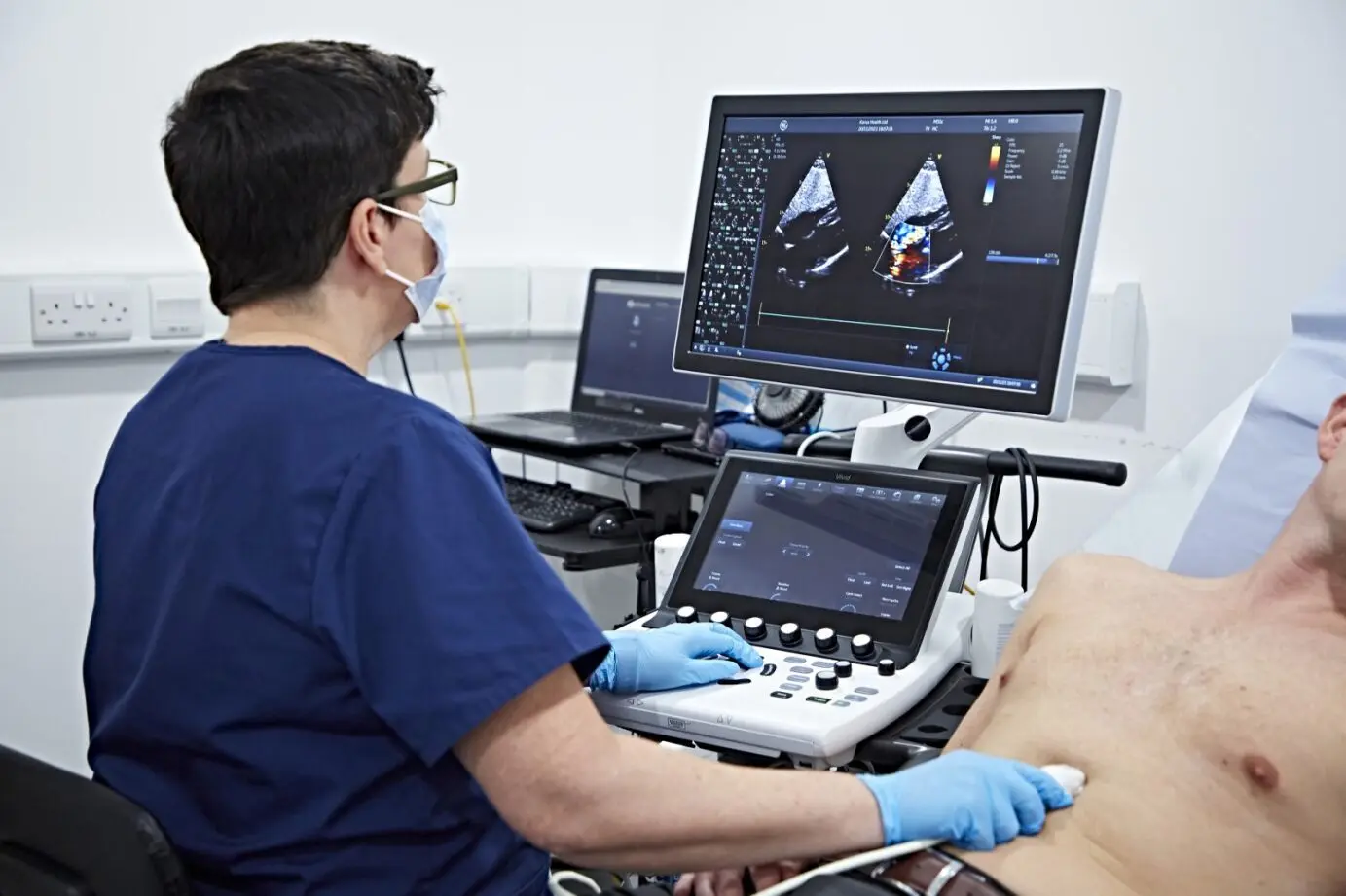
Echo at Home Dubai: From AED 799 (2026)
WeiterlesenECG at Home Dubai: Cost & What to Expect (2026)
Weiterlesen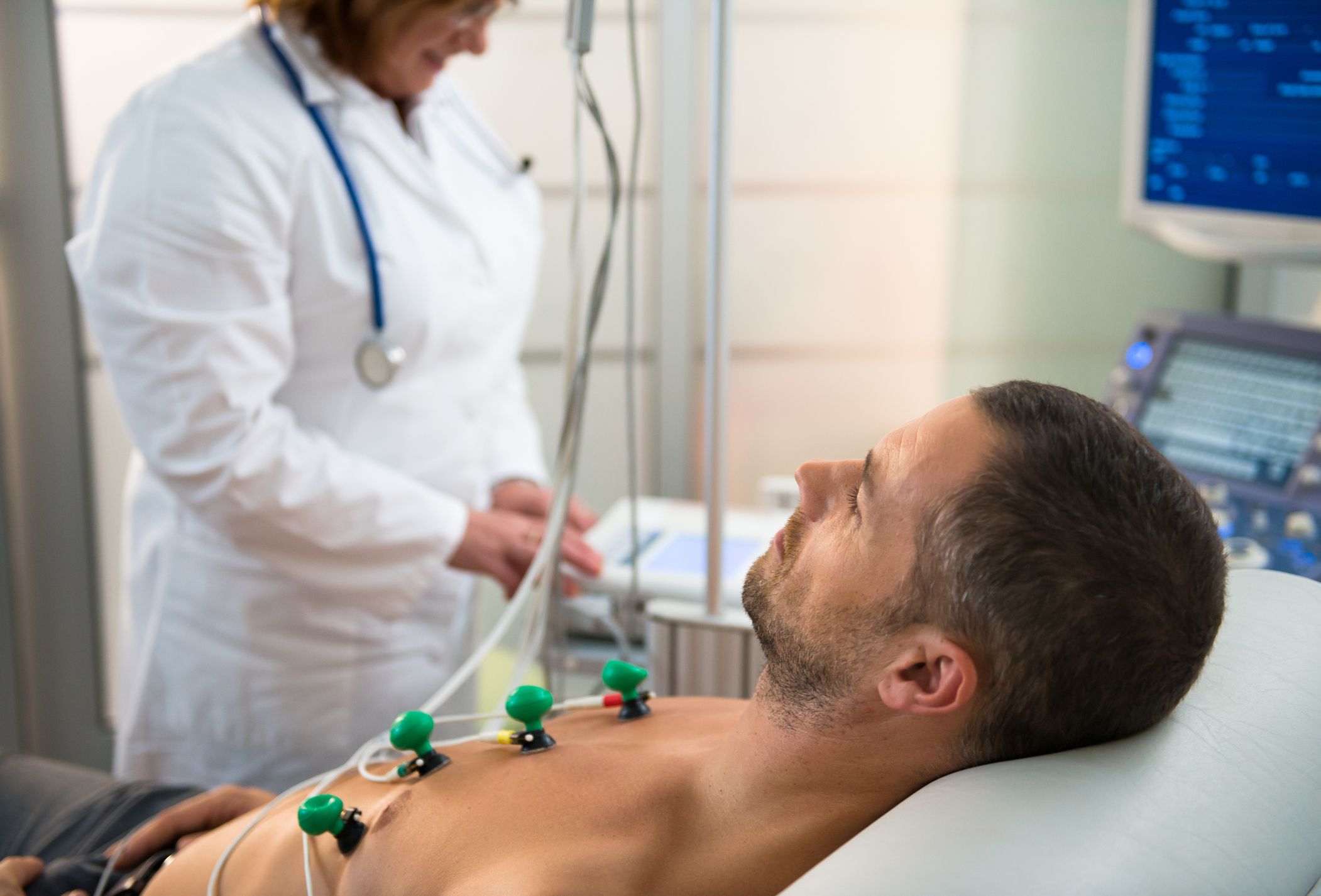
Holter Monitor vs ECG Dubai: Which Test? (2026)
Weiterlesen
Cardiac Rehabilitation Dubai: Recovery (2026)
WeiterlesenTroponin Test Dubai: Heart Attack Marker (2026)
Weiterlesen© 2026 Doctors Clinic Diagnostic Center (DCDC), Dubai Healthcare City. Originally published at https://doctorsclinicdubai.ae/blog/atrial-fibrillation-treatment-dubai. All rights reserved. Unauthorized reproduction is prohibited.