
Key Takeaways
- Urinary incontinence affects over 200 million people globally, and up to 1 in 3 women over 40 experience some degree of bladder leakage -- yet it remains widely underdiagnosed because of embarrassment and the mistaken belief that leakage is a normal part of aging
- There are five main types of incontinence -- stress, urge, overflow, mixed, and functional -- each with different triggers, symptoms, and treatment approaches, so accurate diagnosis matters more than the symptom itself
- Pregnancy, childbirth, menopause, prostate enlargement, obesity, chronic cough, certain medications, and neurological conditions are among the most common causes of bladder leakage
- Dubai's climate and lifestyle -- dehydration cycles from extreme heat, a strong caffeine culture, sedentary indoor routines, and high regional birth rates -- create risk factors that are worth addressing proactively
- Pelvic floor physiotherapy resolves or significantly improves symptoms in 70-80% of patients with stress or mixed incontinence, often without the need for medication or surgery
- At DCDC in Dubai Healthcare City, a GP consultation starts from AED 250, urinalysis from AED 149, pelvic ultrasound from AED 400, and physiotherapy sessions from AED 300, with same-day results and 20+ direct-billing insurance partners
- Most cases of incontinence respond well to non-surgical treatments such as pelvic floor exercises, bladder training, and lifestyle changes; medication and surgery are reserved for cases that do not improve with conservative care
- DCDC now offers BTL Emsella pelvic floor therapy -- a non-invasive HIFEM treatment taken fully clothed, 28 minutes per session, typically six sessions over three weeks with no downtime -- as an option for stress, urge and mixed incontinence alongside pelvic floor physiotherapy; pricing is available on request
Urinary incontinence affects over 200 million people worldwide, according to the World Health Organization, yet fewer than half of those affected ever discuss it with a doctor. In the UAE, where extreme heat encourages fluid restriction and caffeine is woven into daily routines, bladder leakage is far more common than most residents realize -- and far more treatable than most people assume. Whether you notice occasional leaks when you cough or laugh, a sudden urge you cannot control in time, or ongoing dribbling, understanding the type and cause of your incontinence is the first step toward regaining control. Our urinary health services at DCDC in Dubai Healthcare City combine specialist consultation, same-day diagnostic testing, and pelvic floor physiotherapy to help patients of all ages manage -- and often fully resolve -- bladder control problems.



What Is Urinary Incontinence?
Urinary incontinence is the involuntary leakage of urine -- any loss of bladder control, ranging from an occasional small leak when you sneeze to a near-complete inability to hold urine at all. It is not a disease in itself but a symptom that reflects a problem with how the bladder, urethra, pelvic floor muscles, or nervous system work together to store and release urine.
The World Health Organization estimates that urinary incontinence affects more than 200 million people worldwide, making it one of the most common yet least discussed health conditions globally. Population studies suggest that roughly one in three women over the age of 40 experiences some degree of bladder leakage, and the condition also affects a meaningful proportion of men, particularly with age-related prostate enlargement or after prostate surgery.
Despite how common it is, urinary incontinence remains dramatically undertreated. Surveys consistently show that most people wait years before mentioning symptoms to a doctor, often out of embarrassment, the mistaken belief that leakage is an unavoidable part of aging or childbirth, or simply not knowing that effective treatments exist. In reality, the vast majority of cases can be significantly improved or fully resolved with the right combination of lifestyle changes, pelvic floor therapy, medication, or, in select cases, minimally invasive procedures.
Types of Urinary Incontinence
Not all bladder leakage is the same, and correctly identifying the type you have is essential because treatment approaches differ significantly. The table below compares the five main types recognized by the International Continence Society.
| Type | Common Triggers | Typical Symptoms | Most Affected Group |
|---|---|---|---|
| Stress Incontinence | Coughing, sneezing, laughing, exercise, lifting | Small leaks during physical exertion or sudden pressure on the bladder | Women after childbirth, athletes, postmenopausal women |
| Urge Incontinence (Overactive Bladder) | Sudden, intense need to urinate | Leakage before reaching the toilet, frequent urination, waking at night to void | Older adults, people with neurological conditions |
| Overflow Incontinence | Bladder does not empty completely | Frequent or constant dribbling, weak stream, feeling of incomplete emptying | Men with enlarged prostate, people with nerve damage or diabetes |
| Mixed Incontinence | Combination of stress and urge triggers | Symptoms of both stress and urge incontinence together | Women, particularly after menopause |
| Functional Incontinence | Physical or cognitive barriers to reaching the toilet in time | Leakage due to mobility issues, dementia, or environmental barriers rather than bladder dysfunction | Older adults, people with mobility or cognitive impairment |
The five recognized types of urinary incontinence, their triggers, and typical patient profiles.
Many patients experience more than one type simultaneously, particularly mixed stress-urge incontinence, which is the most common pattern seen in women over 50. A proper evaluation distinguishes which type -- or combination of types -- you have, because a treatment that works well for stress incontinence, such as pelvic floor exercises, may need to be paired with bladder training or medication for urge symptoms.
Common Causes of Bladder Leakage
Urinary incontinence has many possible causes, and more than one factor is often at play. Understanding the underlying cause guides which treatment is most likely to help.
- Pregnancy and vaginal childbirth: The weight of a growing uterus and the mechanical stretching of vaginal delivery can weaken the pelvic floor muscles and nerves that support bladder control
- Menopause: Declining estrogen thins the urethral and vaginal tissue, reducing the natural support around the bladder neck
- Prostate enlargement (BPH) or prostate surgery: In men, an enlarged prostate can obstruct urine flow and cause overflow leakage, while prostate surgery can affect the muscles that control continence
- Neurological conditions: Multiple sclerosis, Parkinson's disease, stroke, and spinal cord injury can all disrupt the nerve signals between the brain and the bladder
- Obesity: Excess body weight increases constant pressure on the bladder and pelvic floor, a well-established and modifiable risk factor
- Chronic cough: Repeated coughing from smoking, asthma, or chronic bronchitis places repetitive stress on the pelvic floor over time
- Certain medications: Diuretics, sedatives, some blood pressure medications, and certain antidepressants can worsen urgency or leakage as a side effect
- Urinary tract infections: An active infection can cause temporary urgency and leakage that mimics chronic incontinence until it is treated
- Age-related changes: Natural loss of muscle tone in the bladder wall and urethra over time reduces bladder capacity and control
Because urinary tract infections can cause sudden urgency and leakage that closely mimics chronic incontinence, it is worth ruling out an active infection first. Our UTI symptoms and treatment guide explains how to recognize and treat infection-related bladder symptoms in Dubai's climate.
Risk Factors for Urinary Incontinence in Dubai
Beyond the universal causes above, living in Dubai carries a specific set of environmental and lifestyle factors that can raise the risk of developing -- or worsening -- bladder control problems.
- The heat-and-dehydration cycle: Many residents under-hydrate during summer to reduce bathroom trips or simply because thirst is blunted in air-conditioned environments, then over-correct with large fluid volumes in the evening. Both patterns can irritate the bladder lining and worsen urgency
- Caffeine culture: Coffee and tea consumption is deeply embedded in daily life across the UAE. Caffeine is both a bladder irritant and a mild diuretic, and it is one of the most common -- and most fixable -- contributors to urgency and frequency
- Sedentary indoor lifestyles: Extreme summer heat keeps many residents indoors for much of the year, and car-dependent commuting reduces the incidental core and pelvic-floor-engaging activity that comes with walking. Reduced activity contributes to weight gain, itself a leading incontinence risk factor
- High regional birth rates and cesarean prevalence: Dubai has one of the higher childbirth rates in the region. Cesarean delivery reduces -- but does not eliminate -- the stress-incontinence risk associated with vaginal birth, because the pelvic floor changes of pregnancy itself, regardless of delivery mode, remain a significant contributor. Multiple pregnancies compound the risk further
- An aging long-term resident population: As Dubai's established expatriate and Emirati population ages, age-related incontinence, prostate-related overflow incontinence in men, and menopause-related stress incontinence in women are becoming more common presentations in clinic
- Delayed care-seeking: Unfamiliarity with the healthcare system, privacy concerns, or cultural reluctance to discuss bladder symptoms mean many Dubai residents live with treatable incontinence for years before ever raising it with a doctor
When to See a Doctor for Bladder Problems
Many people delay seeing a doctor because they assume leakage is simply something to manage rather than treat. In most cases, that assumption is wrong -- incontinence is a medical condition with well-established treatment pathways, and earlier evaluation generally means simpler, faster treatment.
Signs You Should Not Ignore
- Leakage that affects your daily activities, work, exercise routine, or social life
- Sudden onset of incontinence, especially after starting a new medication
- Blood in the urine at any point, with or without leakage
- Pain or burning during urination alongside leakage, which may signal an infection
- Complete inability to urinate despite feeling a full bladder -- this is urinary retention and needs urgent same-day care
- Frequent nighttime urination that is disrupting your sleep
- Recurrent urinary tract infections occurring alongside leakage symptoms
- Incontinence accompanied by new weakness, numbness, or difficulty walking, which may point to a neurological cause
Beyond the physical symptoms, untreated incontinence has a measurable impact on quality of life. It is associated with social withdrawal, reduced physical activity, sleep disruption, skin irritation, and -- in older adults who rush to reach the bathroom -- an increased risk of falls. None of these consequences are necessary once the underlying cause is identified and addressed.
How Urinary Incontinence Is Diagnosed
Diagnosing incontinence is a structured process aimed at identifying the type, the likely cause, and any contributing conditions that need to be ruled out. At DCDC, most of this workup can be completed in a single visit thanks to an on-site laboratory and ultrasound suite.
- Medical history and symptom review: Your doctor asks about when leakage occurs, what triggers it, fluid and caffeine intake, current medications, and obstetric or surgical history
- Bladder diary: A simple two- to three-day log of fluid intake, how often you urinate, and when leakage episodes occur, which often reveals patterns that point directly to the type of incontinence
- Urinalysis: Rules out a urinary tract infection or blood in the urine as an underlying or contributing cause, with same-day results from DCDC's on-site laboratory
- Pelvic examination (women) or prostate examination (men): Assesses pelvic floor muscle strength, any pelvic organ prolapse, and prostate size
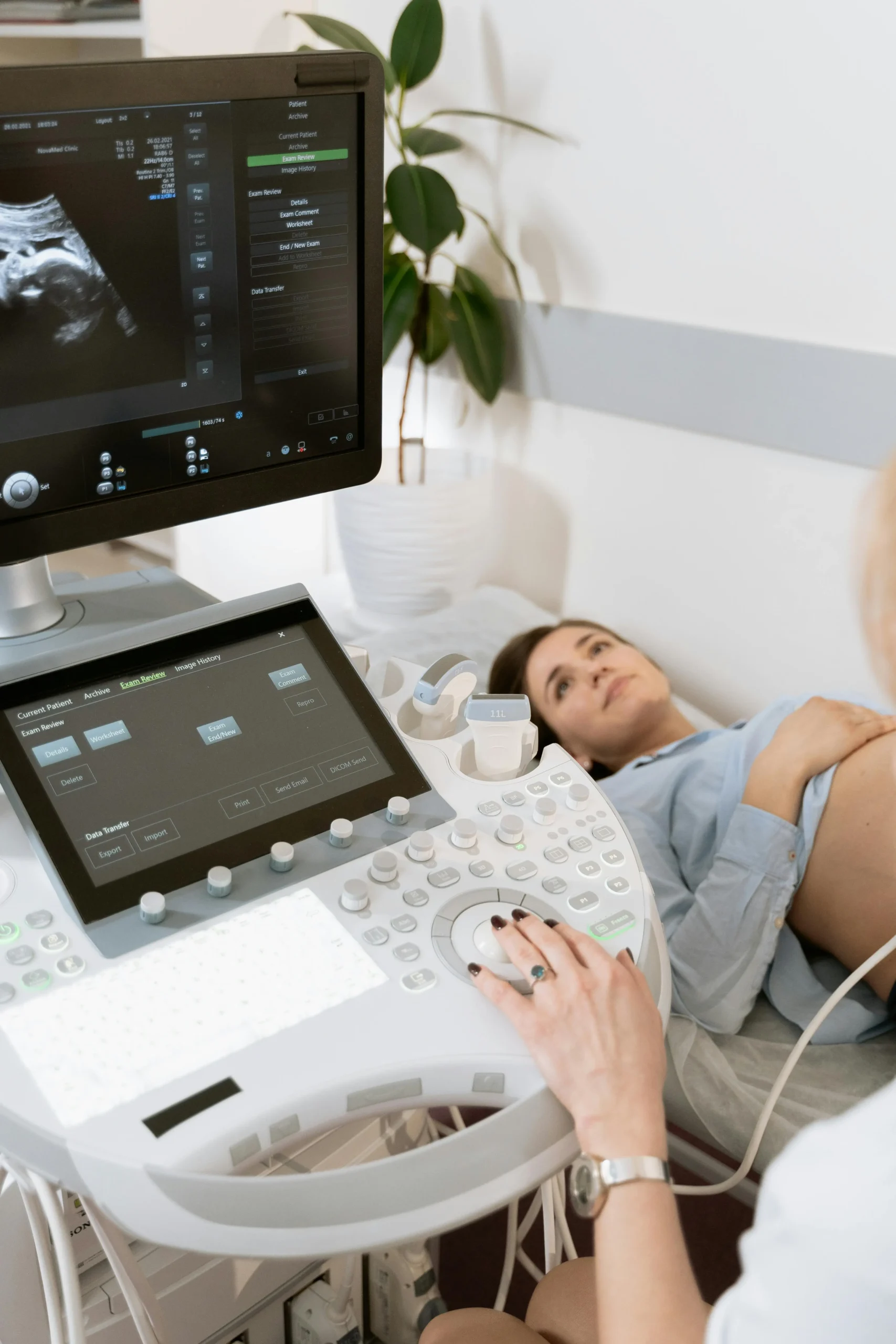
- Post-void residual ultrasound: A quick, painless scan measuring how much urine remains in the bladder after urination, which helps distinguish overflow incontinence from other types
- Urodynamic studies: Specialized tests measuring bladder pressure and urine flow, typically reserved for complex cases or when surgery is being considered, and coordinated with specialist urology or urogynecology centers when required
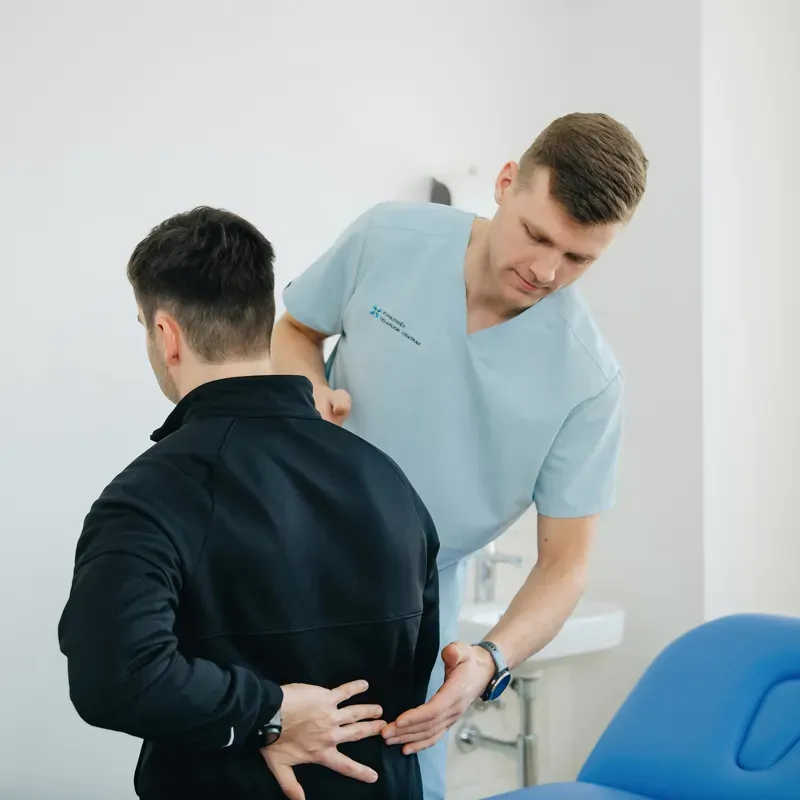
Many patients begin conservative treatment with pelvic floor physiotherapy in Dubai even before advanced testing is needed, since it carries no risk and is effective for the majority of stress and mixed incontinence cases.
What to Expect at DCDC for Incontinence Care
Knowing what happens during your visit can make it easier to take the first step. Here is a walkthrough of a typical incontinence evaluation at Doctors Clinic Diagnostic Center in Dubai Healthcare City.
- 1. Arrival and registration: DCDC is located in Building 64, Block A, Al Razi Medical Complex, DHCC, with free on-site parking. Walk-ins are welcome, and the average wait time is around 15 minutes
- 2. A confidential, judgment-free consultation: Bladder symptoms are sensitive, and appointments are conducted privately with a focus on putting patients at ease when discussing symptoms they may never have mentioned before
- 3. Symptom history and bladder diary review: Your doctor discusses when leakage occurs, its severity, and any triggers, and may ask you to keep a brief bladder diary if this is your first visit
- 4. Urine test with same-day results: A urine sample is processed in DCDC's on-site laboratory to rule out infection, which can cause or worsen leakage symptoms
- 5. Pelvic or renal ultrasound, if needed: If your doctor suspects incomplete bladder emptying, prolapse, or a structural cause, an ultrasound is performed the same day with results available before you leave
- 6. Referral to pelvic floor physiotherapy: For most stress, urge, and mixed incontinence cases, you are referred to DCDC's physiotherapy department, where a pelvic floor specialist designs a tailored exercise and treatment program
- 7. A personalized treatment plan and follow-up: Your doctor outlines next steps -- whether that is a physiotherapy course, lifestyle changes, medication, or a specialist referral -- and schedules a follow-up to track your progress
DCDC is a MOHAP-licensed clinic with a 4.8/5 Google rating from over 1,000 verified reviews and a 98% patient satisfaction rate. The on-site laboratory, ultrasound suite, and physiotherapy department under one roof mean patients typically leave their first visit with a clear diagnosis and treatment plan rather than a string of separate appointments across different facilities.
Don't Let Bladder Leakage Limit Your Life
Doctors Clinic Diagnostic Center in Dubai Healthcare City offers confidential consultations, same-day urine testing, on-site ultrasound, and dedicated pelvic floor physiotherapy -- all under one MOHAP-licensed roof. Most patients see meaningful improvement within weeks of starting the right treatment plan.
GP consultation from AED 250. Open Sat-Thu 8 AM-10 PM, Fri 9 AM-9 PM. 20+ insurance partners with direct billing. Free on-site parking.
Non-Surgical Treatment Options
For the majority of patients, urinary incontinence improves significantly -- or resolves entirely -- with conservative, non-surgical treatment. These approaches are typically tried first because they carry minimal risk and address the root cause rather than simply managing symptoms.
- Pelvic floor exercises (Kegels): Targeted contractions of the muscles that support the bladder and urethra, proven to reduce or eliminate stress incontinence symptoms with consistent practice
- Bladder training: A structured program of timed voiding that gradually increases the interval between bathroom trips, retraining the bladder to hold larger volumes and reducing urgency episodes
- Lifestyle modifications: Gradual weight loss, reducing caffeine and alcohol intake, adjusting the timing of fluids in the evening, quitting smoking, and treating chronic constipation can all meaningfully reduce symptoms
- Absorbent products: Pads and protective garments provide practical interim support while other treatments take effect, without being a substitute for addressing the underlying cause
- Structured pelvic floor physiotherapy: A supervised program with a trained physiotherapist, available on-site at DCDC, produces significantly better outcomes than self-directed exercises alone because technique and progression are guided and monitored
- Emsella (HIFEM chair): A non-invasive, fully clothed treatment offered at DCDC -- six 28-minute sessions over about three weeks with no downtime -- that stimulates around 11,000 supramaximal pelvic floor contractions per session and can be combined with physiotherapy
Pelvic Floor Physiotherapy for Incontinence
Pelvic floor physiotherapy is considered the first-line treatment for stress and mixed incontinence by most international guidelines, and it is often effective for urge symptoms as well. A pelvic floor physiotherapist begins with a detailed assessment of muscle strength, coordination, and any imbalances, since many patients who think they are doing Kegels correctly are actually engaging the wrong muscles.
What a Session Involves
Sessions typically combine manual assessment, biofeedback (visual or sensor-based feedback that helps you learn to correctly engage the right muscles), and in some cases gentle electrical stimulation to help re-educate weak or uncoordinated pelvic floor muscles. You are also given a structured home exercise program to reinforce progress between sessions.
Most treatment programs involve one session per week for six to eight weeks, followed by a maintenance routine. Clinical evidence consistently shows that supervised pelvic floor physiotherapy produces a meaningful improvement or complete resolution of symptoms in 70-80% of patients with stress or mixed incontinence, making it one of the most effective and lowest-risk treatments available. For related bladder or kidney concerns that sometimes accompany incontinence, it is also worth knowing when to see a nephrologist rather than a general physiotherapist or GP.
Non-Surgical Option: The BTL Emsella Chair at DCDC
Alongside supervised physiotherapy, DCDC now offers Emsella pelvic floor therapy at DCDC, a non-invasive treatment that uses HIFEM (High-Intensity Focused Electromagnetic) energy to stimulate the pelvic floor. You sit fully clothed on the chair for about 28 minutes, and in that time the device triggers roughly 11,000 supramaximal pelvic floor contractions -- a level of activation that cannot be reached voluntarily with Kegel exercises. The standard protocol is six sessions over about three weeks (two sessions per week). Most patients notice a difference after two or three sessions, with results continuing to build in the weeks after the course. There is no anaesthesia, no probe, no undressing and no downtime, so you can drive home or go back to work immediately afterwards.
| Approach | What it involves | Typical course | Best suited to |
|---|---|---|---|
| Kegel exercises at home | Voluntary pelvic floor contractions you perform yourself | Daily practice for 3+ months | Mild stress leakage in patients who can isolate the muscles correctly |
| Supervised pelvic floor physiotherapy | Assessment, biofeedback, manual techniques and a guided home programme | 6-8 weekly sessions | Stress, urge and mixed incontinence, and anyone unsure their technique is correct |
| Emsella (HIFEM chair) | Sitting fully clothed for 28 minutes; around 11,000 supramaximal contractions per session | 6 sessions over about 3 weeks, no downtime | Patients who struggle to contract the pelvic floor voluntarily or want a non-invasive option |
| Emsella combined with physiotherapy | An Emsella course alongside physiotherapy for technique, timing and daily-life control | 6 Emsella sessions plus weekly physiotherapy | Moderate or long-standing incontinence, postpartum and post-prostatectomy patients |
How the Emsella chair compares with Kegels and supervised pelvic floor physiotherapy. Emsella is offered at DCDC; pricing is available on request.
Emsella suits stress, urge and mixed urinary incontinence, pelvic floor weakness after childbirth (once you have passed the six-week postnatal check), menopause-related weakening, and men with leakage after prostate surgery. It complements pelvic floor physiotherapy rather than replacing it: the chair builds muscle strength, while a physiotherapist teaches you how to use those muscles in daily life, so many patients do best with both. Emsella is not used during pregnancy or for patients with a pacemaker, defibrillator or other implanted electronic device, metal implants in the pelvic or hip area, a copper IUD, recent pelvic surgery, active malignancy in the treatment area, or a significant bleeding disorder -- suitability is screened at your consultation, which also rules out a urinary tract infection or other treatable cause first. Emsella at DCDC is offered as single sessions and as a six-session course; contact the clinic for current pricing and package offers, and note that this type of treatment is typically self-pay even though the consultation itself may be covered by your insurance.
Medical and Surgical Treatment Options
When lifestyle changes and pelvic floor physiotherapy do not fully resolve symptoms, or when the type and severity of incontinence call for it, medical and surgical options are available and are typically discussed as a stepwise progression.
- Anticholinergic medications (such as oxybutynin, tolterodine, and solifenacin): Reduce involuntary bladder muscle contractions, commonly used for urge incontinence and overactive bladder
- Beta-3 agonists (such as mirabegron): Relax the bladder muscle through a different mechanism than anticholinergics, often with fewer side effects such as dry mouth
- Topical vaginal estrogen: For postmenopausal women, low-dose local estrogen can improve tissue quality around the urethra and reduce stress and urge symptoms
- Botox bladder injections: An option for overactive bladder that has not responded adequately to medication, temporarily relaxing the bladder muscle to reduce urgency and leakage
- Midurethral sling surgery: A minimally invasive procedure that provides additional support to the urethra, considered highly effective for stress incontinence that has not improved with conservative treatment
- Sacral nerve stimulation: A device-based therapy that modulates the nerve signals controlling bladder function, used for urge incontinence that has not responded to other treatments
- Pessary devices: A supportive device fitted internally to manage leakage associated with pelvic organ prolapse, particularly useful for women who prefer to avoid or delay surgery
- Prostate treatment: For men with overflow incontinence caused by benign prostatic hyperplasia, medication or surgical prostate procedures can relieve the obstruction and restore normal bladder emptying
DCDC's GP and general medicine team manages the full spectrum of conservative and medication-based treatment, and coordinates referrals to specialist urology and urogynecology centers when surgical evaluation is appropriate, ensuring continuity of care from first consultation through any advanced treatment.
Incontinence After Pregnancy and Childbirth
Postpartum incontinence is extremely common and, for most women, temporary. Studies suggest that roughly one in three women experiences some degree of bladder leakage in the first year after a vaginal delivery, most often stress incontinence caused by the stretching and weakening of pelvic floor muscles during pregnancy and birth.
For many women, symptoms noticeably improve within the first three to six months postpartum as the pelvic floor gradually regains tone, particularly with early, gentle pelvic floor exercises. However, leakage that persists beyond six to twelve months, or that worsens rather than improves, should be evaluated rather than assumed to resolve on its own.
Gentle pelvic floor contractions can typically begin within the first few days after delivery once cleared by your doctor, progressing gradually to more structured pelvic floor physiotherapy. Heavy lifting and high-impact exercise are generally best delayed until pelvic floor strength is restored. Any new pelvic pressure, a visible or felt bulge, or leakage that is worsening rather than improving over time warrants a prompt evaluation, as it may indicate pelvic organ prolapse or a pelvic floor injury that benefits from targeted treatment rather than time alone.
Incontinence Cost and Treatment in Dubai
Understanding the cost of an incontinence evaluation and treatment helps you plan your care with confidence. The table below outlines typical DCDC pricing alongside general Dubai market averages for comparable services.
| Service | DCDC Price | Dubai Average |
|---|---|---|
| GP Consultation | From AED 250 | AED 300-500 |
| Nephrologist Consultation | From AED 500 | AED 600-900 |
| Urinalysis | From AED 149 | AED 80-150 |
| Pelvic Ultrasound | From AED 400 | AED 500-800 |
| Physiotherapy Session | From AED 300 | AED 400-600 |
| Renal Ultrasound | From AED 400 | AED 500-800 |
Estimated pricing for incontinence evaluation and treatment services at DCDC Dubai Healthcare City (2026), compared with general Dubai market averages. Actual costs vary by individual case and insurance coverage.
DCDC partners with over 20 insurance providers -- including Daman, AXA, Bupa, MetLife, and Cigna -- for direct billing, so most patients pay only their co-pay at the time of the visit. A full initial evaluation, including consultation and urinalysis, typically starts from AED 300 before insurance, with physiotherapy and imaging added as clinically indicated. Our patient services team can verify your specific coverage before your appointment.
Doctor's Perspective: Why You Shouldn't Delay Treatment

General Practitioner
Dr. Hadeel Elnur is a General Practitioner at Doctors Clinic Diagnostic Center (DCDC) in Dubai Healthcare City.
"Many patients delay seeking help for incontinence due to embarrassment, but it's a medical condition with highly effective treatments. I regularly see patients who have quietly managed leakage for years, sometimes avoiding exercise, travel, or social occasions because of it, when a straightforward evaluation could have identified the cause much earlier. At DCDC, we take a multidisciplinary approach -- combining specialist consultation, diagnostic testing, and targeted physiotherapy to help patients regain bladder control. There is no need to simply live with it, and the sooner we understand what type of incontinence someone has, the sooner we can put an effective plan in place."
Take the First Step Toward Bladder Control
Whether your symptoms are new or something you have managed quietly for years, a confidential consultation at Doctors Clinic Diagnostic Center in Dubai Healthcare City can identify the cause and start you on an effective treatment path -- from pelvic floor physiotherapy to medical management. On-site lab, ultrasound, and physiotherapy mean fewer visits and faster answers.
Physiotherapy sessions from AED 300. Building 64, Block A, Al Razi Medical Complex, DHCC. Free parking. Walk-ins welcome.
Related Services at DCDC
Expert care and advanced diagnostics at Dubai Healthcare City
Emsella Pelvic Floor Therapy
Non-surgical BTL Emsella chair for urinary incontinence
Book AppointmentUTI Treatment
Diagnosis and treatment of urinary tract conditions
Book AppointmentPelvic Health
Pelvic floor assessment and rehabilitation
Book AppointmentPhysiotherapy
Pelvic floor strengthening and rehabilitation programs
Book AppointmentFrequently Asked Questions
Final Thoughts
Urinary incontinence is one of the most common and most undertreated health conditions worldwide, affecting people of every age and background. Whether the cause is childbirth, menopause, an enlarged prostate, or a neurological condition, the majority of cases respond well to non-surgical treatment -- particularly pelvic floor physiotherapy, which resolves or significantly improves symptoms in the vast majority of patients with stress or mixed incontinence. In Dubai, where heat-related dehydration, caffeine consumption, and sedentary indoor routines add regional risk factors, being proactive about bladder health is especially worthwhile.
At DCDC in Dubai Healthcare City, incontinence care is approached without judgment and with a clear, structured path from consultation to diagnosis to treatment -- often within a single visit thanks to on-site laboratory testing, ultrasound imaging, and a dedicated pelvic floor physiotherapy department. If bladder leakage has been affecting your daily life, work, or confidence, there is no need to continue managing it quietly. Schedule a confidential consultation and take the first step toward lasting bladder control.
Sources & References
This article was reviewed by our medical team and references the following sources:
- World Health Organization - Ageing and Health (Fact Sheet)
- NHS - Urinary Incontinence: Causes, Types, and Treatment
- Mayo Clinic - Urinary Incontinence: Symptoms, Causes, and Treatment
- Cleveland Clinic - Urinary Incontinence: Types, Causes, and Management
- Cleveland Clinic - Pelvic Floor Dysfunction and Pelvic Floor Therapy
- International Continence Society - Standardisation of Terminology in Lower Urinary Tract Function
- PubMed - Pelvic Floor Muscle Training for Urinary Incontinence (Research Literature)
Medical content on this site is reviewed by DHA-licensed physicians. See our editorial policy for more information.

Written by
Dr. Hadeel Elnur
General Practitioner
MD, General Practice
Dr. Hadeel Elnur is a General Practitioner at Doctors Clinic Diagnostic Center (DCDC) in Dubai Healthcare City.
Related Articles

UTI Treatment Dubai: Symptoms & Prevention
Pelvic Floor Physiotherapy Dubai
When to See a Nephrologist in Dubai

Nephrologist Cost Dubai: From AED 500
Kidney Stones vs UTI Dubai: Key Differences

How Emsella Works: Pelvic Floor Chair Guide Dubai (2026)
More in Nephrology
Kidney Cyst Dubai: Types & When to Worry (2026)
Read MoreKidney Stones vs UTI Dubai: Key Differences (2026)
Read More
Diabetic Nephropathy Dubai: Prevention Guide (2026)
Read MoreKidney Stone Symptoms Dubai: Warning Signs (2026)
Read MoreWhen to See a Nephrologist Dubai: Key Signs (2026)
Read More
Blood in Urine Dubai: Causes & Diagnosis (2026)
Read More© 2026 Doctors Clinic Diagnostic Center (DCDC), Dubai Healthcare City. Originally published at https://doctorsclinicdubai.ae/blog/urinary-incontinence-treatment-dubai. All rights reserved. Unauthorized reproduction is prohibited.