Key Takeaways
- Kidney stones cause sharp, wave-like flank pain that radiates toward the groin, while UTIs produce a burning sensation during urination and constant pressure in the lower abdomen -- the pain pattern is the single most reliable way to distinguish the two conditions at home
- Both kidney stones and UTIs are significantly more common in the UAE than in cooler climates, with kidney stone cases rising 40% during summer months due to dehydration and UTIs affecting 50-60% of women at least once in their lifetime
- Kidney stones and UTIs can occur simultaneously -- an obstructed stone that traps bacteria behind it creates a urological emergency (urosepsis risk) requiring immediate medical attention, especially if fever accompanies severe flank pain
- Diagnosis requires different tests: UTIs are confirmed with a simple urinalysis and urine culture (from AED 50), while kidney stones typically need imaging such as renal ultrasound (from AED 250) or CT scan (from AED 600) -- both available same-day at DCDC
- Most kidney stones smaller than 5 mm pass naturally within 1-4 weeks, whereas uncomplicated UTIs resolve within 3-7 days of targeted antibiotics -- early diagnosis at a MOHAP-licensed clinic ensures the correct treatment pathway from the start
- Dubai residents should drink 2.5-3.5 liters of water daily (increasing to 4+ liters in summer) to reduce the risk of both conditions, as dehydration is the leading modifiable risk factor for kidney stones and a major contributor to UTIs in this climate
Kidney stones vs UTI -- both conditions cause urinary pain, both can produce blood in the urine, and both are significantly more common in Dubai's extreme heat than in cooler climates. Yet the two conditions require entirely different treatments, and confusing one for the other can delay recovery or mask a more serious problem. This guide compares kidney stone treatment and UTI management side by side so you can understand your symptoms, know which tests to expect, and make an informed decision about seeking care. With kidney stone cases in the UAE rising 40% during summer months and an estimated 10-15% of the population affected at some point, knowing the difference between these two conditions is essential for anyone living in or visiting Dubai.
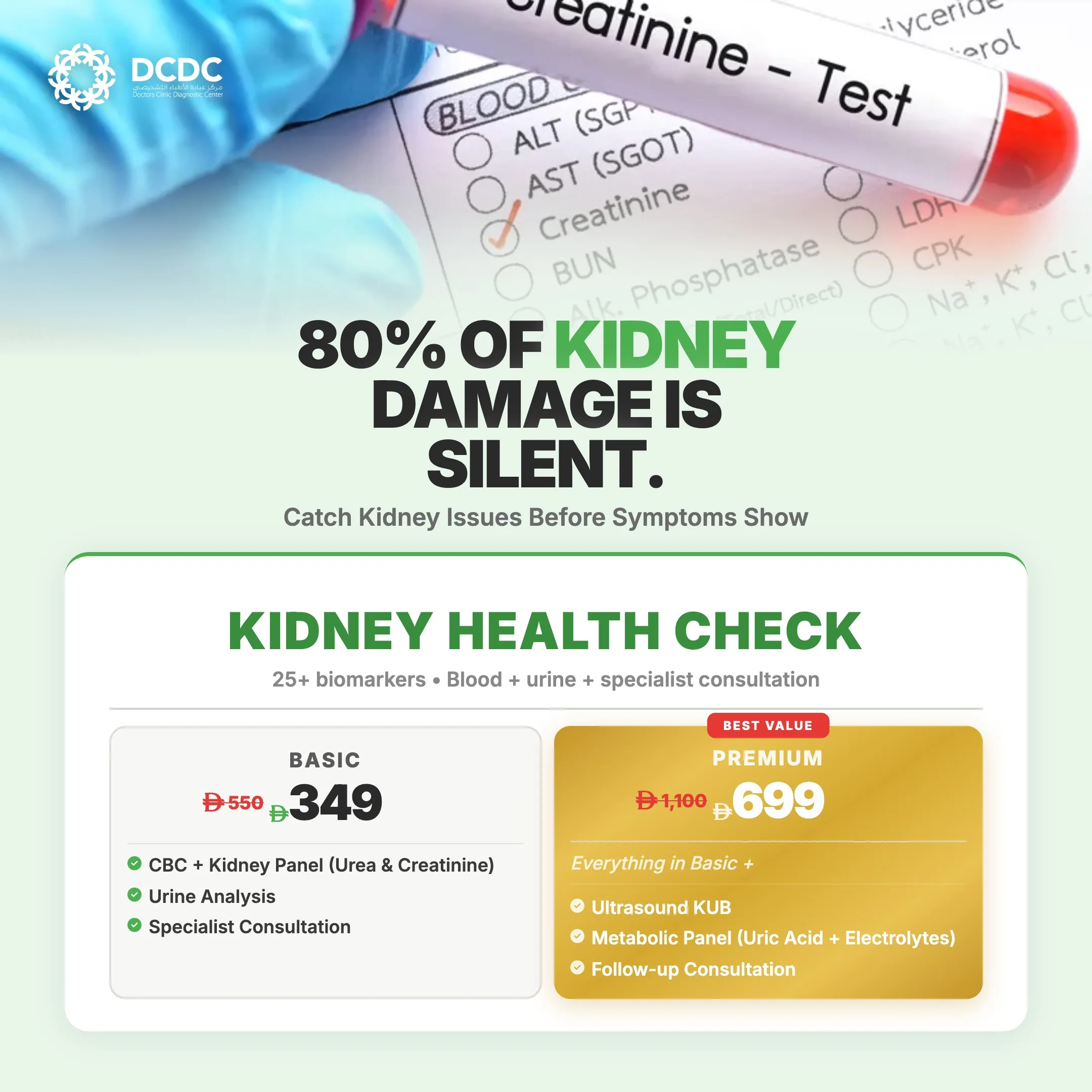


Kidney Stones vs UTI: Quick Comparison
Before exploring each condition in detail, the table below provides a side-by-side comparison of the most important distinguishing features. Use this as a reference point as you read through the rest of the article.
| Feature | Kidney Stones | UTI (Urinary Tract Infection) |
|---|---|---|
| Pain type | Sharp, colicky, comes in waves (renal colic) | Burning or stinging during urination, constant dull pressure |
| Pain location | Flank or side of back, radiates toward groin as stone moves | Lower abdomen, suprapubic area, urethra |
| Fever | Usually absent; if present, suggests infected stone (emergency) | Common, especially if infection ascends to kidney (pyelonephritis) |
| Nausea and vomiting | Very common due to pain intensity | Uncommon unless infection has spread to kidneys |
| Blood in urine | Common; may be visible (pink, red, or brown) | Possible; usually accompanied by cloudy or foul-smelling urine |
| Onset | Sudden and severe, often waking a patient from sleep | Gradual, building over hours to days |
| More common in | Men (5:1 male-to-female ratio in UAE); ages 30-60 | Women (50-60% lifetime risk); sexually active women, postmenopausal women |
| Primary diagnosis | CT scan or renal ultrasound to visualize the stone | Urinalysis and urine culture to identify bacteria |
| Treatment | Hydration, pain management, passage of small stones; lithotripsy or surgery for large stones | Culture-guided antibiotics for 3-7 days (lower UTI) or 7-14 days (kidney infection) |
| Duration | Days to weeks for stone passage; immediate relief after removal | Symptom improvement within 24-48 hours of starting antibiotics |
Side-by-side comparison of kidney stones and UTIs. Individual presentations may vary -- see a doctor for an accurate diagnosis.
Symptoms of Kidney Stones
A kidney stone (renal calculus) is a hard mineral deposit that forms inside the kidney. Stones often produce no symptoms while they remain in the kidney, but the moment a stone enters the ureter -- the narrow tube connecting the kidney to the bladder -- it can trigger some of the most intense pain a person will ever experience. This pain is called renal colic.
The hallmark symptoms of a kidney stone include severe, sharp pain in the flank or side of the back that comes in waves and radiates toward the lower abdomen and groin as the stone moves through the ureter. The pain often shifts in location as the stone progresses. Most patients describe the pain as worse than childbirth or broken bones. Nausea and vomiting are extremely common because the kidneys and gastrointestinal tract share nerve pathways. Blood in the urine (hematuria) occurs in the majority of cases because the stone scratches the lining of the urinary tract as it moves. Frequent urination and a persistent urge to urinate can develop once the stone reaches the lower ureter or bladder junction.
Critically, a kidney stone by itself should not cause fever. If a patient with a suspected kidney stone develops fever or chills, this suggests the stone has trapped bacteria behind it, creating an infected obstructed kidney -- a urological emergency that requires immediate medical intervention to prevent urosepsis. For a detailed guide on kidney stone treatment options available in the UAE, see our kidney stones treatment guide.
Symptoms of a UTI
A urinary tract infection occurs when bacteria -- most commonly Escherichia coli (E. coli) -- enter the urinary system and multiply. UTIs are classified by location: a lower UTI (cystitis) affects the bladder, while an upper UTI (pyelonephritis) involves the kidneys. The distinction matters because upper UTIs are more serious and require longer treatment.
Lower UTI symptoms include a burning or stinging sensation during urination (dysuria), an urgent and frequent need to urinate even when the bladder is nearly empty, cloudy or strong-smelling urine, discomfort or pressure in the lower abdomen or pelvis, and occasionally blood in the urine. The onset is gradual, typically building over several hours to a day or two.
When a UTI ascends to the kidneys (pyelonephritis), the symptoms escalate significantly. Patients develop high fever and chills, severe flank or back pain (which can be confused with a kidney stone), nausea and vomiting, and general malaise. An untreated kidney infection can progress to sepsis, making prompt diagnosis and treatment essential. For comprehensive information on UTI management, read our UTI treatment and symptoms guide.
Overlapping Symptoms: Why Kidney Stones and UTIs Get Confused
Several symptoms are shared by both kidney stones and UTIs, which explains why patients -- and sometimes even clinicians without the right tests -- can initially confuse the two conditions. The overlapping features include blood in the urine, urinary urgency and frequency (especially when a stone sits near the bladder), back or flank pain (kidney stones always; kidney infections sometimes), and general discomfort in the urinary tract.
The confusion deepens because the two conditions can occur simultaneously. A kidney stone can obstruct urine flow and create a stagnant pool of urine behind it, which becomes an ideal breeding ground for bacteria. This means a patient can have a stone and an infection at the same time, presenting with features of both conditions. Additionally, certain types of bacteria (particularly Proteus mirabilis) produce an enzyme called urease that raises urine pH, promoting the formation of struvite stones -- also known as infection stones. In these cases, the UTI literally causes the kidney stone.
The key to sorting out the diagnosis is objective testing. A urinalysis, urine culture, and imaging study can definitively distinguish between the two conditions and identify cases where both are present. This is why self-diagnosis and self-treatment carry real risk -- what feels like a recurring UTI could be a stone causing repeated infections, and treating only the infection without addressing the stone will never resolve the underlying problem.
Pain Differences: Kidney Stone vs UTI
Pain is the feature that most reliably separates kidney stones from UTIs, and understanding the character, location, and pattern of your pain can help you communicate effectively with your doctor.
Kidney Stone Pain (Renal Colic)
Kidney stone pain is among the most severe forms of acute pain in medicine. It begins suddenly, often without warning, and frequently starts in the early morning or during the night when urine output is lowest and concentration is highest. The pain originates in the flank (the area between the lower ribs and the hip on one side) and radiates downward and forward toward the groin, inner thigh, or genitalia as the stone travels through the ureter. The pain comes in waves (colic) -- it builds to a peak over 20-60 minutes, subsides partially, and then returns. Patients cannot find a comfortable position and typically pace, writhe, or shift constantly. Between episodes, there may be a dull ache but no complete relief until the stone passes or is removed.
UTI Pain
UTI pain is fundamentally different in character. The primary sensation is burning or stinging localized to the urethra during urination. Between urination episodes, patients feel a constant, dull pressure or discomfort in the suprapubic area (just above the pubic bone). The pain is annoying and persistent but rarely reaches the severity of renal colic. Patients with a lower UTI can generally sit, lie down, and function -- the pain is disruptive but not incapacitating. When a UTI ascends to the kidneys, the pain profile shifts: patients develop steady (not colicky) flank pain, often accompanied by high fever, which distinguishes it from a kidney stone where fever is a danger signal rather than a typical symptom.
Quick Decision Guide
If your pain started suddenly, is on one side of your back, comes in waves, and makes you unable to sit still, the most likely cause is a kidney stone. If your pain is a burning sensation when you urinate, centered in your lower abdomen, and has been gradually worsening over a day or two, the most likely cause is a UTI. If you have severe one-sided flank pain with fever, you need emergency evaluation regardless of the suspected cause.
How Kidney Stones Are Diagnosed
Diagnosing a kidney stone requires confirming its presence, determining its size and location, and assessing whether it is causing obstruction. The following tests are typically used.
- Urinalysis: Checks for blood (hematuria), crystals, and signs of infection. Blood in the urine supports a stone diagnosis, and the presence of crystals can suggest the stone type. A concurrent infection must be identified early because it changes management urgency
- Blood tests (kidney function panel): Creatinine, BUN, and electrolytes assess whether the stone is affecting kidney function. Elevated creatinine suggests obstruction. A CBC may reveal elevated white blood cells if infection is present
- Non-contrast CT scan (CT KUB): The gold standard for kidney stone diagnosis. It detects stones of all types and sizes (including those invisible on X-ray), shows the stone's exact location and size, and reveals any obstruction or hydronephrosis. CT is the single most important imaging study for a suspected stone
- Renal ultrasound: A radiation-free alternative that is excellent for detecting stones in the kidney and identifying hydronephrosis (swelling from urine backup). Ultrasound is particularly suitable for pregnant patients, children, and patients requiring follow-up imaging. It is less sensitive than CT for small stones in the ureter
- 24-hour urine collection: Performed after the acute episode resolves, this test analyzes the chemical composition of your urine to identify metabolic risk factors (high calcium, low citrate, high oxalate, high uric acid) that caused the stone to form. The results guide long-term prevention strategies
At DCDC in Dubai Healthcare City, CT scanning and renal ultrasound are both available on-site, meaning your imaging can be completed during the same visit as your consultation. This one-stop approach eliminates the delays associated with booking imaging at an external facility and waiting days for results.
How a UTI Is Diagnosed
UTI diagnosis is more straightforward and relies primarily on laboratory analysis of urine. The following tests confirm the diagnosis and guide treatment.
- Urine dipstick test: A rapid, in-clinic test that provides results within minutes. It detects nitrites (produced by certain bacteria), leukocyte esterase (a marker of white blood cells), blood, and protein. A positive dipstick strongly suggests a UTI and allows treatment to begin immediately while culture results are pending
- Urinalysis with microscopy: A laboratory examination that counts white blood cells, red blood cells, bacteria, and epithelial cells under the microscope. This confirms infection and helps distinguish a true UTI from contamination
- Urine culture and sensitivity: The definitive test. A urine sample is cultured in the laboratory for 24-48 hours to identify the specific bacteria causing the infection and determine which antibiotics are effective against it. This is essential for targeted treatment, especially for recurrent UTIs or treatment failures
- Blood tests: Reserved for suspected kidney infections (pyelonephritis) or complicated UTIs. A CBC showing elevated white blood cells and inflammatory markers (CRP) suggests systemic infection. Kidney function tests are checked if upper tract involvement is suspected
DCDC's on-site laboratory processes urine dipstick results during your consultation and delivers full culture and sensitivity results within 24-48 hours. For a deeper understanding of urine testing and how to prepare, see our blood in urine causes guide, which covers the full diagnostic pathway.
Can Kidney Stones Cause a UTI?
Yes, and this relationship is one of the most clinically important points in this entire article. Kidney stones and UTIs are not mutually exclusive conditions -- they interact in ways that can escalate the severity of both.
How Stones Cause Infections
When a kidney stone partially or completely obstructs the ureter, urine cannot drain properly. Stagnant urine behind the obstruction becomes a breeding ground for bacteria. Even a small bacterial inoculum that would normally be flushed out by normal urine flow can multiply rapidly in the obstructed system. The result is an infected obstructed kidney -- a condition that carries a risk of urosepsis (life-threatening bloodstream infection) and requires emergency drainage, typically with a ureteral stent or nephrostomy tube, in addition to intravenous antibiotics.
How Infections Cause Stones
Certain bacteria, particularly Proteus mirabilis, Klebsiella, and Pseudomonas, produce an enzyme called urease that breaks down urea into ammonia. This raises the urine pH (makes it alkaline), which promotes the crystallization of magnesium ammonium phosphate -- forming struvite stones, also called infection stones or staghorn calculi. These stones can grow rapidly and fill the entire collecting system of the kidney. Struvite stones will not resolve with antibiotics alone; the stone must be surgically removed, and the underlying infection must be completely eradicated to prevent recurrence.
Warning Signs of an Infected Stone
The combination of severe flank pain, high fever (above 38.5 degrees Celsius), chills and rigors, rapid heart rate, and confusion or altered consciousness suggests an infected obstructed stone and constitutes a medical emergency. Do not wait to see if symptoms improve -- seek emergency care immediately. At DCDC, our team can perform urgent blood work, urinalysis, and imaging to identify this combination and coordinate emergency referral if needed.
Dubai Climate and Urinary Health
Dubai's climate plays a direct and measurable role in the prevalence of both kidney stones and UTIs. Understanding this connection is essential for residents who want to protect their urinary health.
Kidney stone prevalence in the UAE is estimated at 10-15%, significantly higher than the global average of approximately 10%. A 2024 report by Cleveland Clinic Abu Dhabi and Khaleej Times documented a 40% rise in kidney stone cases during summer months, driven by dehydration from temperatures that routinely exceed 45 degrees Celsius. The male-to-female ratio for kidney stones in the region is approximately 5:1, likely reflecting greater heat exposure among men working outdoors. Dehydration concentrates minerals such as calcium, oxalate, and uric acid in the urine, accelerating crystal formation and stone growth.
UTIs are also exacerbated by Dubai's climate, though through a different mechanism. Dehydration reduces urine volume and frequency of urination, which means bacteria are not flushed from the urinary tract as effectively. Concentrated urine also irritates the bladder lining, potentially compromising its natural defense mechanisms. Women are disproportionately affected -- 50-60% of women will experience at least one UTI in their lifetime, and the rate is higher in hot climates where dehydration is chronic. Prolonged hours in air-conditioned environments, while comfortable, can also contribute to insensible fluid loss that residents may not recognize.
The message for Dubai residents is clear: hydration is the single most important preventive measure for both kidney stones and UTIs. Drinking 2.5-3.5 liters of water daily -- and increasing to 4 liters or more during summer -- can significantly reduce your risk for both conditions.
Treatment for Kidney Stones vs UTI
The treatments for kidney stones and UTIs are fundamentally different, which is why accurate diagnosis is essential. Treating one condition as if it were the other wastes time, prolongs symptoms, and can create complications.
Kidney Stone Treatment
Treatment depends primarily on the size and location of the stone. Stones smaller than 5 mm have an 80-90% chance of passing naturally with conservative management: aggressive hydration (2-3 liters of water per day), pain control with NSAIDs (ibuprofen or diclofenac), and alpha-blocker medications (tamsulosin) that relax the ureter to facilitate stone passage. This process typically takes 1-4 weeks. Stones between 5-10 mm may pass naturally but often require intervention if they do not progress within a few weeks or if pain is uncontrolled. Stones larger than 10 mm rarely pass on their own and typically require one of the following procedures.
- Extracorporeal Shock Wave Lithotripsy (ESWL): External shock waves break the stone into small fragments that can pass naturally. Best suited for stones in the kidney or upper ureter that are less than 2 cm
- Ureteroscopy (URS): A thin scope is passed through the urethra and bladder into the ureter to directly visualize and fragment the stone with laser energy. Effective for stones throughout the ureter
- Percutaneous Nephrolithotomy (PCNL): A minimally invasive surgical approach for large stones (over 2 cm) or staghorn calculi. A small incision in the back provides direct access to the kidney for stone removal
UTI Treatment
UTI treatment centers on culture-guided antibiotic therapy. For uncomplicated lower UTIs (cystitis), a 3-7 day course of antibiotics is typically sufficient. Common first-line agents include nitrofurantoin, trimethoprim-sulfamethoxazole, and fosfomycin. Symptoms usually improve within 24-48 hours of starting the correct antibiotic, though the full course must be completed to prevent resistance and recurrence.
For upper UTIs (pyelonephritis or kidney infections), treatment is more intensive: 7-14 days of antibiotics, often starting with intravenous therapy if the patient is systemically unwell. Fluoroquinolones or third-generation cephalosporins are commonly used. Hospitalization may be necessary for severe cases with sepsis signs. Recurrent UTIs (three or more per year) require investigation for underlying causes -- including kidney stones, anatomical abnormalities, or bladder dysfunction -- and may benefit from prophylactic strategies.
Experiencing Urinary Pain? Get Diagnosed Today
Whether it is a kidney stone or a UTI, DCDC in Dubai Healthcare City provides same-day urinalysis, urine culture, blood tests, and on-site imaging (ultrasound and CT) to pinpoint your diagnosis in a single visit. Our average wait time is just 15 minutes, and we accept walk-ins.
Open Sat-Thu 8 AM-10 PM, Fri 9 AM-9 PM. Urinalysis from AED 149. Nephrology consultation from AED 299. 20+ insurance partners.
Kidney Stones vs UTI Cost Comparison in Dubai
Understanding diagnostic costs helps you plan your visit and reduces anxiety about unexpected expenses. The table below compares the typical diagnostic pathway and associated costs for kidney stones and UTIs at DCDC. Most services are covered by health insurance when medically indicated, and DCDC offers direct billing with over 20 insurance partners.
| Test / Service | UTI Diagnosis Cost (AED) | Kidney Stone Diagnosis Cost (AED) |
|---|---|---|
| Urinalysis (dipstick) | From AED 149 | From AED 149 |
| Urine culture and sensitivity | From AED 120 | From AED 120 (to rule out co-infection) |
| Kidney function test (blood) | From AED 149 (if kidney infection suspected) | From AED 149 |
| Nephrology consultation | From AED 299 | From AED 299 to AED 599 |
| Renal / kidney ultrasound | Not typically needed for uncomplicated UTI | From AED 250 |
| CT scan (kidney) | Rarely needed | From AED 600 |
| Estimated total (before insurance) | From AED 170 to AED 570 | From AED 470 to AED 1,120 |
Estimated diagnostic costs at DCDC Dubai Healthcare City (2026). Prices are approximate. Insurance co-pays may apply. Direct billing available with 20+ insurance providers.
As the table shows, a straightforward UTI diagnosis can be completed with a dipstick urinalysis and urine culture for as little as from AED 170, making it one of the most affordable diagnostic workups available. Kidney stone diagnosis is more expensive because imaging is required, but DCDC's on-site CT and ultrasound capabilities eliminate the markup and scheduling delays of external imaging centers.
When to Go to the Emergency Room
Most kidney stones and UTIs can be safely managed in an outpatient clinic setting. However, certain presentations require emergency evaluation. Go to the emergency room or seek urgent care immediately if you experience any of the following.
- Severe flank pain with fever above 38.5 degrees Celsius: This combination suggests an infected obstructed kidney stone, which carries a risk of urosepsis and requires emergency drainage
- Inability to keep fluids down: Persistent vomiting from a kidney stone can lead to dehydration, and intravenous fluids and pain management are needed
- Signs of sepsis: High fever, rapid heartbeat, low blood pressure, confusion, or feeling extremely unwell can indicate a bloodstream infection originating from either an infected stone or a severe kidney infection
- Complete inability to urinate: If a large stone completely blocks the ureter and urine cannot pass at all, urgent decompression is needed to prevent kidney damage
- Known single kidney with obstruction signs: Patients with only one functioning kidney are at higher risk of acute kidney injury from obstruction
- Pregnancy with UTI symptoms and fever: Pyelonephritis during pregnancy can trigger preterm labor and requires immediate treatment
If you are unsure whether your symptoms warrant an emergency visit, DCDC offers extended hours (Saturday to Thursday 8 AM-10 PM, Friday 9 AM-9 PM) and walk-in consultations with an average wait time of 15 minutes. Our doctors can quickly assess whether your condition can be managed in the clinic or requires hospital-level care.
What to Expect at DCDC
Knowing what happens during your visit reduces anxiety and helps you prepare. Here is a step-by-step walkthrough of a typical kidney stone or UTI evaluation at Doctors Clinic Diagnostic Center in Dubai Healthcare City.
- 1. Arrival and parking: DCDC is located in Building 64, Block A, Al Razi Medical Complex, DHCC. Free dedicated parking is available on-site. Walk-ins are welcome, or you can book in advance via WhatsApp, phone, or online
- 2. Registration and insurance verification (5-10 minutes): Our front desk team handles registration and verifies your insurance coverage through direct billing with 20+ partners including Daman, AXA, Bupa, MetLife, and Cigna. You will know your co-pay amount before seeing the doctor
- 3. Urine sample collection: You will be asked to provide a midstream clean-catch urine sample. Clear instructions are provided to ensure an uncontaminated specimen. A urine dipstick is processed immediately, providing preliminary results within minutes
- 4. Doctor consultation (15-20 minutes): Your doctor takes a thorough history of your symptoms, asks about the character, location, and timing of your pain, reviews medications and medical history, and performs a focused physical examination. The dipstick results are reviewed during this consultation
- 5. On-site imaging (if kidney stone suspected): If clinical findings suggest a kidney stone, a renal ultrasound or CT scan is performed the same day in DCDC's radiology suite. Results are available before you leave the clinic
- 6. Blood tests (if indicated): Kidney function tests and CBC are drawn at the same visit if kidney involvement, infection, or obstruction is suspected. Results are processed in DCDC's on-site laboratory
- 7. Diagnosis and treatment plan: Based on combined clinical, laboratory, and imaging findings, your doctor provides a diagnosis and initiates treatment during the same visit. For UTIs, targeted antibiotics are prescribed. For kidney stones, a management plan is outlined including hydration targets, pain medication, and follow-up imaging timeline
- 8. Prescriptions, referrals, and follow-up: Prescriptions are issued the same day. If surgical intervention is needed for a large stone, a specialist referral is coordinated. A follow-up appointment is scheduled to review urine culture results (24-48 hours) and confirm treatment response
DCDC's one-stop model -- on-site lab, imaging, and consultation under one MOHAP-licensed roof -- means you leave with answers and a treatment plan rather than waiting days for results from external facilities. With a 4.8/5 Google rating from over 1,000 verified reviews and a 98% patient satisfaction rate, our patients consistently report that the streamlined experience is what sets DCDC apart.
Doctor Perspective: Differentiating Kidney Stones and UTIs in Dubai

General Practitioner
Dr. Hadeel Elnur is a General Practitioner at Doctors Clinic Diagnostic Center (DCDC) in Dubai Healthcare City.
"In Dubai, I see a disproportionately high number of patients presenting with urinary symptoms, and the first question I ask myself is whether this is a stone, an infection, or both. The pain history is my most important clinical tool -- renal colic has a characteristic wave-like intensity and restlessness that is very different from the burning dysuria of a UTI. But what I always emphasize to patients is that we never guess. A simple urinalysis and dipstick, which we process during the consultation, tells me within minutes whether infection markers are present. If I suspect a stone, we can do an ultrasound or CT the same day. The cases that concern me most are the ones where a patient has been self-treating a perceived UTI with over-the-counter remedies for weeks, and what they actually have is a stone causing recurrent infections. In this climate, where dehydration drives both conditions, I tell every patient the same thing: drink more water than you think you need, and come in early rather than waiting for symptoms to become unbearable."
Prevention Tips for Dubai Residents
Many of the risk factors for kidney stones and UTIs overlap, and a single set of preventive habits can significantly reduce your risk for both conditions. The following recommendations are tailored to the realities of living in Dubai's hot climate.
Hydration: The Foundation of Prevention
- Drink 2.5-3.5 liters of water daily as a baseline. During summer (May through October), increase to 3.5-4.5 liters or more if you work outdoors or exercise
- Monitor your urine color -- it should be pale straw yellow. Dark yellow or amber urine signals dehydration
- Set reminders to drink water, especially in air-conditioned environments where you may not feel thirsty despite ongoing fluid loss
- Limit caffeinated beverages and sugary drinks, which have diuretic effects and can worsen dehydration
Diet and Lifestyle
- Reduce sodium intake -- excess salt increases urinary calcium excretion, a primary driver of calcium stone formation. Aim for less than 2,300 mg of sodium per day
- Moderate animal protein intake -- high protein diets increase uric acid and calcium in the urine. Balance protein with fruits, vegetables, and whole grains
- Eat calcium-rich foods (but do not take excessive calcium supplements) -- dietary calcium actually binds oxalate in the gut and reduces stone risk, while calcium supplements taken separately from meals can increase it
- Include citrus fruits -- lemons, limes, and oranges contain citrate, which inhibits stone crystal formation. Adding lemon to your water provides a dual benefit of improved hydration and increased citrate
UTI-Specific Prevention
- Do not hold your urine -- empty your bladder every 3-4 hours. Regular urination flushes bacteria from the urinary tract before they can multiply
- Urinate after sexual intercourse to flush bacteria that may have entered the urethra
- Wipe front to back after using the bathroom to prevent intestinal bacteria from reaching the urethra
- Avoid irritating products in the genital area, including scented soaps, douches, and powders
- Wear breathable cotton underwear, especially in Dubai's humid summer months, to reduce moisture that promotes bacterial growth
Annual Screening
Include a urinalysis as part of your annual health checkup. This simple test can detect microscopic blood, infection, and crystals before they cause symptoms, enabling early intervention. DCDC offers comprehensive health checkup packages that include urinalysis alongside a full panel of blood tests.
Protect Your Kidneys and Urinary Health
Whether you are experiencing symptoms now or want a preventive screening, DCDC in Dubai Healthcare City provides complete urinary health evaluation including urinalysis (from AED 149), kidney function testing (from AED 149), renal ultrasound (from AED 250), and specialist nephrology consultation (from AED 299). Walk in or book via WhatsApp.
MOHAP-licensed in DHCC. 4.8/5 Google rating from 1,000+ reviews. Multilingual staff: Arabic, English, Farsi, Urdu, Hindi. Free parking.
Related Services at DCDC
Expert care and advanced diagnostics at Dubai Healthcare City
Frequently Asked Questions
Final Thoughts
Kidney stones and UTIs are among the most common urinary conditions in Dubai, and the city's extreme heat makes both conditions more prevalent here than in most parts of the world. While the two conditions share some symptoms -- particularly blood in the urine and urinary urgency -- their underlying causes, treatments, and urgency levels differ significantly. A kidney stone that is mistaken for a UTI may go untreated for weeks, and a UTI that develops behind an obstructing stone can escalate to a life-threatening emergency within hours.
The most reliable way to distinguish between the two is objective testing: a urinalysis, urine culture, and imaging study when indicated. At DCDC in Dubai Healthcare City, all of these diagnostics are available on-site and same-day, eliminating the guesswork and delays that can make urinary conditions unnecessarily stressful. With nephrology consultations from AED 299, urinalysis from AED 149, and on-site ultrasound and CT, DCDC provides a complete diagnostic pathway under one roof. If you are experiencing urinary pain, blood in your urine, or any of the symptoms described in this guide, do not wait -- schedule your evaluation today.
Sources & References
This article was reviewed by our medical team and references the following sources:
- Mayo Clinic -- Kidney Stones: Symptoms, Causes, and Diagnosis
- Cleveland Clinic -- Urinary Tract Infections (UTIs): Symptoms, Diagnosis, and Treatment
- Cleveland Clinic -- Kidney Stones: Causes, Symptoms, and Treatment
- NHS -- Kidney Stones: Symptoms
- NHS -- Kidney Stones: Treatment
- National Association for Continence (NAFC) -- UTI vs Kidney Infection vs Kidney Stones
- Khaleej Times -- UAE Doctors Warn of Silent Dehydration as 40% Rise Seen in Kidney Stone Cases in Summer
Medical content on this site is reviewed by DHA-licensed physicians. See our editorial policy for more information.

Written by
Dr. Hadeel Elnur
General Practitioner
MD, General Practice
Dr. Hadeel Elnur is a General Practitioner at Doctors Clinic Diagnostic Center (DCDC) in Dubai Healthcare City.
Related Articles
Kidney Stones Dubai: Causes & Treatment (2026)

UTI Treatment Dubai: Symptoms & Prevention (2026)
Kidney Stone Symptoms Dubai: Warning Signs (2026)
Blood in Urine Dubai: Causes & Diagnosis (2026)
Kidney Infection Dubai: Symptoms & Treatment (2026)
More in Nephrology

Urinary Incontinence Dubai: Causes & Care (2026)
Read MoreKidney Cyst Dubai: Types & When to Worry (2026)
Read More
Diabetic Nephropathy Dubai: Prevention Guide (2026)
Read MoreKidney Stone Symptoms Dubai: Warning Signs (2026)
Read MoreWhen to See a Nephrologist Dubai: Key Signs (2026)
Read MoreBlood in Urine Dubai: Causes & Diagnosis (2026)
Read More© 2026 Doctors Clinic Diagnostic Center (DCDC), Dubai Healthcare City. Originally published at https://doctorsclinicdubai.ae/blog/kidney-stones-vs-uti-dubai. All rights reserved. Unauthorized reproduction is prohibited.