Key Takeaways
- ACL reconstruction surgery in Dubai typically costs between AED 25,000 and AED 65,000 depending on the graft type, hospital facility, surgeon's fees, and whether the procedure is performed as day surgery or with an overnight stay
- Arthroscopic ACL reconstruction using autograft tissue (hamstring, patellar tendon, or quadriceps tendon) has a success rate of 85-95%, with most patients returning to pre-injury activity levels within 9 to 12 months
- DCDC offers on-site MRI diagnosis with a Siemens 1.5T wide-bore scanner and subspecialty MSK radiologist reads, enabling same-day ACL tear confirmation and surgical planning
- Most enhanced and premium health insurance plans in Dubai cover ACL reconstruction when medically necessary, with pre-authorisation required — DCDC partners with 20+ insurers including Daman, AXA, Bupa, MetLife, and Cigna for direct billing
- Not every ACL tear requires surgery — Dr. Mersad Moosavi evaluates each patient individually, and partial tears or low-demand patients may benefit from physiotherapy and PRP therapy as conservative alternatives
- Post-operative rehabilitation is the single most important factor in surgical outcomes, requiring a structured 9 to 12 month programme progressing from range-of-motion exercises to sport-specific agility training before return-to-play clearance
ACL reconstruction surgery in Dubai is one of the most commonly performed knee ligament procedures, with thousands of athletes and active individuals undergoing the operation each year across the emirate's hospitals and clinics. If you have been diagnosed with an anterior cruciate ligament tear and are researching costs, graft options, and recovery expectations, this guide provides a detailed breakdown of everything you need to know. At DCDC's Sports Injury Treatment centre in Dubai Healthcare City, Dr. Mersad Moosavi provides comprehensive ACL care from initial MRI diagnosis through surgical reconstruction and post-operative rehabilitation under one roof.
ACL Reconstruction Surgery Cost in Dubai: 2026 Pricing Table
The total cost of ACL reconstruction surgery in Dubai depends on multiple variables including the hospital or clinic, surgeon's experience, type of graft used, anaesthesia method, and whether additional procedures such as meniscus repair are required. Below is a detailed pricing breakdown based on current market data for 2026.
| Cost Component | Estimated Range (AED) |
|---|---|
| Surgeon's fees | 8,000 - 20,000 |
| Hospital / facility charges (day surgery or 1 night) | 8,000 - 20,000 |
| Anaesthesia (spinal or general) | 2,000 - 5,000 |
| Graft preparation and fixation devices | 3,000 - 10,000 |
| Pre-operative MRI and diagnostics | From AED 900 (single-region MRI at DCDC) |
| Post-operative physiotherapy (6-9 months) | 5,000 - 15,000 |
| Knee brace and crutches | 500 - 1,500 |
| Total estimate (autograft) | AED 25,000 - 55,000 |
| Total estimate (allograft) | AED 35,000 - 65,000 |
Estimated ACL reconstruction cost breakdown in Dubai (2026). Actual costs vary by facility, surgeon, graft choice, and insurance. Prices shown are indicative and subject to individual case complexity.
At DCDC, the initial orthopedic consultation with Dr. Mersad Moosavi and the diagnostic MRI can be completed in a single visit thanks to the on-site Siemens 1.5T wide-bore scanner. This eliminates the need for referrals to external imaging centres and reduces the overall pre-surgical timeline. MRI scans at DCDC start from AED 900 for a single-region knee scan, with subspecialty MSK radiologist reporting included.
Cost Breakdown: What Factors Affect ACL Surgery Price in Dubai?
Understanding the factors that influence ACL reconstruction cost helps patients make informed financial decisions and avoid unexpected expenses.
Graft Type
The choice of graft is the single largest variable in ACL reconstruction pricing. Autografts (tissue harvested from the patient's own body) are generally less expensive than allografts (donor tissue), because allograft tissue must be processed, sterilised, and stored in a tissue bank, adding AED 5,000 to AED 15,000 to the procedure cost. Among autograft options, hamstring tendon and patellar tendon grafts have similar costs, while quadriceps tendon grafts may carry slightly higher surgeon fees due to the more technically demanding harvest.
Hospital and Facility Tier
Government-affiliated hospitals in Dubai typically charge 30-50% less than premium private hospitals for the same procedure. Mid-range private clinics — including specialist orthopaedic centres in Dubai Healthcare City — generally fall between these two tiers, offering competitive pricing with shorter wait times and personalised care.
Anaesthesia Type
ACL reconstruction can be performed under general anaesthesia (fully asleep) or regional anaesthesia (spinal or nerve block). Regional anaesthesia is often preferred by surgeons because it provides excellent pain control during and immediately after surgery, carries lower risk of nausea, and typically costs AED 1,000 to AED 2,000 less than general anaesthesia.
Combined Procedures
Approximately 50% of ACL tears occur alongside other injuries — most commonly meniscus tears or medial collateral ligament (MCL) sprains. If a meniscus repair or partial meniscectomy is performed during the same arthroscopy, the total cost increases by AED 5,000 to AED 15,000 depending on the complexity. For more information on meniscus injuries, see our guide to meniscus tear treatment in Dubai.
Insurance Coverage for ACL Reconstruction in Dubai
ACL reconstruction is classified as a medically necessary surgical procedure by most insurance providers in the UAE, provided the tear is confirmed by MRI and the patient has been assessed by a specialist orthopaedic surgeon. Coverage details vary by plan:
- Enhanced and premium plans: Typically cover 80-100% of ACL reconstruction costs including surgeon's fees, hospital charges, implants, and post-operative physiotherapy up to annual plan limits
- Basic plans: May cover the surgical procedure but impose sub-limits on physiotherapy sessions, advanced imaging, or specific graft types
- Pre-authorisation: Almost all insurance companies require pre-authorisation before ACL surgery. This involves submitting the MRI report, clinical assessment, and proposed surgical plan for approval
- Co-payment: Most UAE insurance plans require a co-payment of 10-20% for surgical procedures, meaning the patient pays a portion out of pocket
- Physiotherapy limits: Post-operative rehabilitation is usually covered but may be limited to a set number of sessions (e.g., 20-30 sessions) per year
DCDC partners with 20+ insurance companies including Daman, AXA, Bupa, MetLife, and Cigna, offering direct billing so patients do not need to pay upfront and claim reimbursement. The DCDC team assists with the entire pre-authorisation process, from submitting the MRI report to obtaining surgery approval.
ACL Reconstruction Cost: DCDC vs Other Dubai Clinics
The table below provides a general comparison of ACL reconstruction at DCDC against other facility types in Dubai. Actual costs vary depending on individual cases.
| Feature | DCDC Healthcare City | Premium Private Hospital | Government Hospital |
|---|---|---|---|
| Estimated total cost (autograft) | AED 25,000 - 45,000 | AED 40,000 - 65,000 | AED 18,000 - 30,000 |
| On-site MRI | Yes (Siemens 1.5T) | Varies | Yes (longer wait times) |
| Wait time for surgery | 1-2 weeks | 1-2 weeks | 4-12 weeks |
| Surgeon continuity | Same surgeon from diagnosis to rehab | May vary | May vary |
| In-house physiotherapy | Yes | Varies | Yes (separate department) |
| Insurance direct billing | 20+ partners | Most insurers | Limited private insurance |
| Weekend and evening availability | Yes (Sat-Thu 8AM-10PM) | Limited | Limited |
| Average wait time per visit | 15 minutes | 30-60 minutes | 60+ minutes |
General comparison of ACL reconstruction services across Dubai facility types (2026). Individual hospital pricing may vary.
What Is ACL Reconstruction Surgery? Procedure Overview
The anterior cruciate ligament (ACL) is one of four major ligaments in the knee that connects the femur (thighbone) to the tibia (shinbone). It prevents the tibia from sliding forward and provides rotational stability during cutting, pivoting, and jumping movements. When the ACL tears — most commonly during sports such as football, basketball, skiing, or martial arts — the knee becomes unstable, often giving way during direction changes or weight-bearing activity.
ACL reconstruction is an arthroscopic (keyhole) surgical procedure in which the torn ligament is replaced with a graft — a piece of tendon tissue that serves as a scaffold for a new ligament to grow. The surgeon drills bone tunnels in the femur and tibia, threads the graft through these tunnels to replicate the native ACL's position and tension, and secures it with fixation devices (screws, buttons, or interference screws). The procedure typically takes 1 to 2 hours and is performed under spinal or general anaesthesia. Most patients in Dubai are discharged the same day or after a single overnight stay.
"In my 14 years of orthopaedic practice, ACL reconstruction has consistently proven to be one of the most reliable procedures we perform," says Dr. Mersad Moosavi. "With modern arthroscopic techniques and anatomic graft placement, we achieve success rates of 85-95%. The key to an excellent outcome is not just the surgery itself — it is the combination of accurate pre-operative diagnosis, the right graft choice for the individual patient, and a disciplined rehabilitation programme."
ACL Graft Types: Comparison and Selection
Choosing the right graft is one of the most important decisions in ACL reconstruction. Each graft type has distinct advantages and considerations. Dr. Mersad discusses all options in detail during the pre-operative consultation, tailoring the recommendation to the patient's age, activity level, sport, and anatomy. For a deeper understanding of how ACL injuries are initially assessed, refer to our complete ACL injury recovery guide.
| Graft Type | Source | Key Advantages | Considerations | Best Suited For |
|---|---|---|---|---|
| Hamstring tendon autograft | Patient's semitendinosus and gracilis tendons | Smaller incision, less anterior knee pain, faster early recovery | Slightly higher re-rupture rate in young athletes, variable graft diameter | Recreational athletes, patients concerned about kneeling pain |
| Patellar tendon autograft (BPTB) | Patient's central third of patellar tendon with bone plugs | Bone-to-bone healing in tunnels, strong fixation, gold-standard track record | Risk of anterior knee pain, patellar fracture (rare), donor-site morbidity | Competitive athletes, contact sport players, those needing earliest return |
| Quadriceps tendon autograft | Patient's quadriceps tendon above the kneecap | Large graft diameter, highest collagen content, avoids hamstring harvest | Longer quadriceps recovery period, technically demanding harvest | Revision surgery, patients with small hamstring tendons, multi-ligament injuries |
| Allograft (donor tissue) | Cadaveric tendon (Achilles, tibialis anterior, patellar) | No donor-site morbidity, shorter surgery time, less post-operative pain | Higher re-rupture rate in young active patients, higher cost, disease transmission risk (extremely rare) | Older patients (40+), low-demand individuals, multi-ligament reconstruction |
Comparison of ACL graft types used in reconstruction surgery. Graft selection is individualised based on patient factors and surgeon expertise.
Research published in the journal Knee Surgery, Sports Traumatology, Arthroscopy found that hamstring tendon autografts had a yearly graft failure rate of 1.70%, bone-patellar tendon-bone autografts had 1.16%, and quadriceps tendon autografts had 0.72%. Allografts showed the highest failure rate at 1.76% per year. These differences are clinically significant, particularly for young athletes under 25 who place high demands on the reconstructed knee.
ACL Reconstruction Recovery Timeline
Recovery after ACL reconstruction is a structured, phased process that typically spans 9 to 12 months for a full return to sport. Understanding the timeline helps patients set realistic expectations and commit to the rehabilitation programme.
- Weeks 1-2 (Protection phase): Focus on controlling swelling, restoring full knee extension (straightening), and beginning gentle quadriceps activation exercises. Walking with crutches and a hinged knee brace locked in extension. Ice and elevation for swelling management. Flexion gradually progressed to 90 degrees by end of week 2
- Weeks 3-6 (Early motion phase): Progressive range-of-motion exercises, stationary cycling, pool walking, and gentle closed-chain strengthening (mini squats, leg press with limited range). Most patients transition to walking without crutches by week 4-6 depending on swelling and quadriceps control
- Weeks 6-12 (Strengthening phase): Increasing load on the quadriceps, hamstrings, and hip muscles. Balance and proprioception training begins. Light jogging may commence at 10-12 weeks if quadriceps strength reaches 60-70% of the uninjured leg
- Months 3-6 (Advanced strengthening): Running progression, plyometric introduction (controlled jumping and landing), sport-specific drills without cutting or pivoting. Quadriceps and hamstring strength should reach 80% symmetry by month 6
- Months 6-9 (Sport-specific training): Agility drills, cutting and pivoting exercises, non-contact sport practice. Functional testing benchmarks assessed regularly to track readiness
- Months 9-12 (Return to play): Gradual return to full training and competition after passing return-to-sport criteria: quadriceps strength within 90% of the uninjured leg, hop test symmetry above 90%, psychological readiness, and no pain or swelling with sport-specific activities. For more about return-to-play protocols, see our sports injury recovery guide
"I tell every ACL patient that the surgery is only 20% of the outcome — the other 80% is rehabilitation," says Dr. Mersad Moosavi. "Patients who commit to their physiotherapy programme, attend every session, and do their home exercises consistently achieve significantly better results than those who cut corners. At DCDC, our physiotherapy team and I work together to monitor progress and adjust the programme at every stage."
Concerned About an ACL Injury? Book Your Assessment Today
Call or WhatsApp DCDC to schedule an orthopedic consultation with Dr. Mersad Moosavi. Same-day MRI is available on-site with our Siemens 1.5T scanner for immediate ACL tear confirmation and surgical planning.
Direct billing with 20+ insurance partners. Located in Dubai Healthcare City with free parking.
What to Expect at DCDC: Your ACL Reconstruction Journey
At Doctors Clinic Diagnostic Center (DCDC) in Dubai Healthcare City, ACL reconstruction follows a streamlined, patient-centred pathway. The clinic's one-stop diagnostic model means imaging, specialist consultation, and rehabilitation all happen under one roof, eliminating the delays and coordination challenges that patients often experience when navigating between separate facilities.
Step 1: Orthopedic Consultation and On-Site MRI
Your journey begins with a detailed consultation with Dr. Mersad Moosavi. He performs specific clinical tests — the Lachman test, anterior drawer test, and pivot shift test — to assess ACL integrity and knee stability. If imaging is needed, the knee MRI is performed on the same visit using DCDC's Siemens 1.5T wide-bore scanner (70 cm opening, suitable for patients of all body sizes). The MRI is reported by a subspecialty MSK radiologist, and results are typically available within hours.
Step 2: Diagnosis and Treatment Planning
Once the ACL tear is confirmed, Dr. Mersad reviews the MRI images with the patient, explains the degree of tear (partial vs complete), identifies any associated injuries (meniscus, MCL, cartilage), and discusses whether surgery or conservative management is the most appropriate path. For patients proceeding with surgery, he explains graft options, expected recovery, and realistic outcomes based on the patient's age, activity level, and goals.
Step 3: Pre-Operative Preparation
Pre-operative workup includes blood tests, ECG, cardiac clearance if indicated, and anaesthesia consultation. DCDC coordinates all pre-operative requirements internally, and the team assists with insurance pre-authorisation and cost estimates. Patients receive detailed written instructions covering fasting, medication adjustments, what to bring on surgery day, and post-operative supplies to arrange at home.
Step 4: Surgery and Same-Day / Next-Day Discharge
The arthroscopic ACL reconstruction is performed at an affiliated surgical facility. Dr. Mersad performs the procedure using anatomic tunnel placement and the patient's chosen graft type. Surgery typically takes 1 to 2 hours. Most patients are discharged the same day or after one night, fitted with a hinged knee brace and crutches, and provided with clear post-operative instructions and pain management prescriptions.
Step 5: Post-Operative Rehabilitation at DCDC
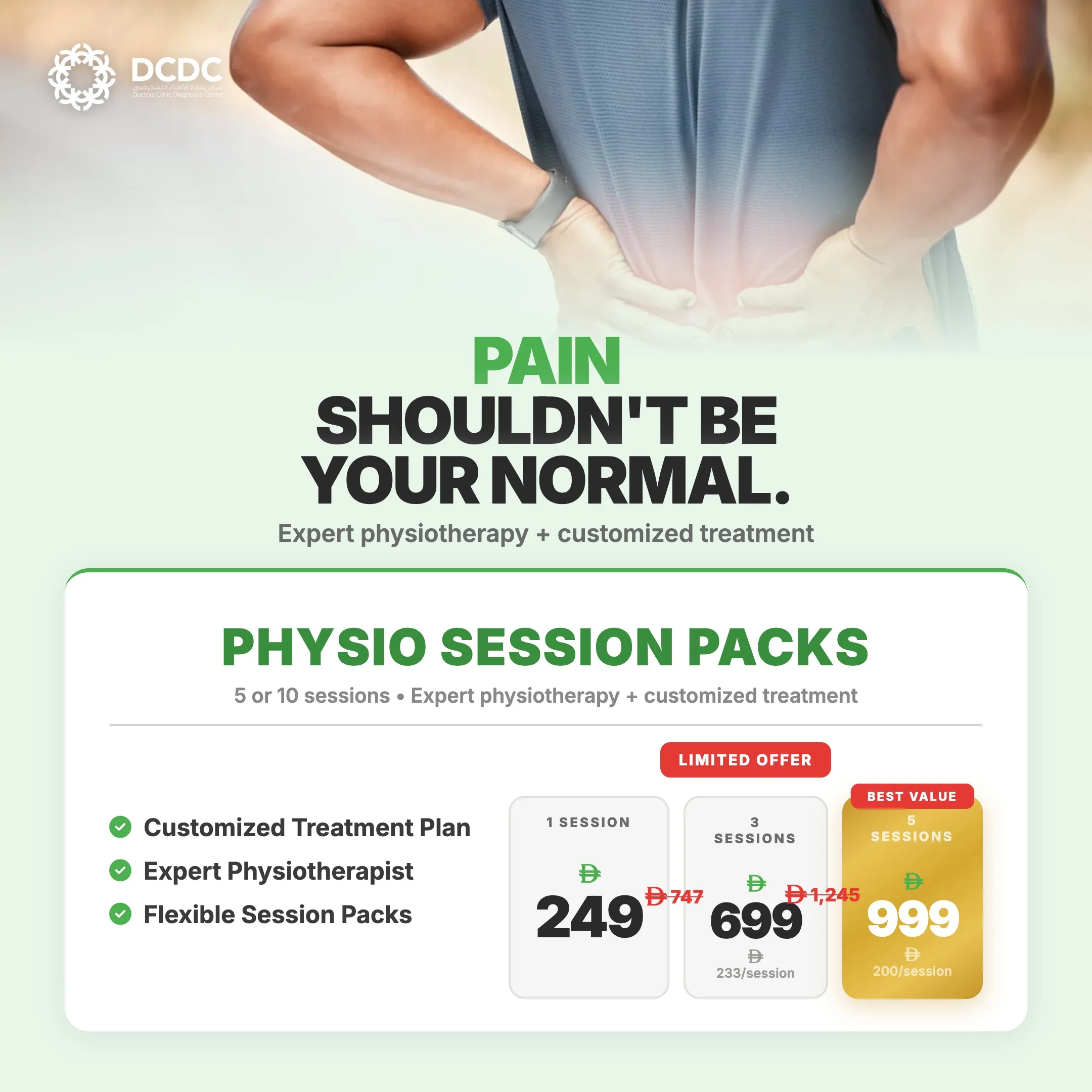
Post-operative follow-up visits with Dr. Mersad and structured physiotherapy sessions are conducted at DCDC. The surgeon and physiotherapy team communicate directly, ensuring the rehabilitation programme progresses appropriately at each stage. DCDC offers flexible physiotherapy session packs and sports injury rehabilitation programmes tailored to each patient's recovery goals. The clinic's extended hours (Saturday to Thursday 8 AM to 10 PM, Friday 9 AM to 9 PM) make it easy to schedule sessions around work and family commitments.
When Is ACL Reconstruction Surgery Needed?
Not every ACL tear requires surgical reconstruction. Dr. Mersad Moosavi evaluates each patient individually and recommends surgery only when specific clinical criteria are met. Understanding which patients benefit from surgery versus conservative treatment is essential for making an informed decision.
Surgery Is Typically Recommended When
- Complete ACL tear: MRI confirms a full-thickness rupture of the ACL with clinically unstable knee on examination
- Active lifestyle: The patient participates in sports or activities that involve cutting, pivoting, jumping, or rapid direction changes (football, basketball, tennis, martial arts, skiing)
- Recurrent instability: The knee gives way during daily activities, walking on uneven surfaces, or descending stairs despite bracing and physiotherapy
- Combined injuries: The ACL tear is accompanied by a repairable meniscus tear, MCL injury, or cartilage damage that benefits from concurrent surgical treatment
- Young, active patients: Athletes under 30 with high functional demands have the greatest benefit from reconstruction to prevent progressive cartilage damage from chronic instability
Conservative Treatment May Be Appropriate When
- Partial ACL tear: The ligament is partially intact and the knee remains functionally stable on clinical testing
- Low-demand lifestyle: The patient does not participate in cutting or pivoting sports and is satisfied with activities such as walking, swimming, or cycling
- No functional instability: The knee does not give way during the patient's normal daily activities despite the torn ACL
- Older patients: Patients over 50-60 who have lower physical demands may achieve satisfactory function with physiotherapy and activity modification
Conservative treatment for ACL tears includes structured physiotherapy to strengthen the muscles around the knee (particularly the hamstrings and quadriceps), proprioception training, bracing during high-risk activities, and PRP (platelet-rich plasma) therapy to support tissue healing. At DCDC, Dr. Mersad monitors conservatively managed ACL patients with regular follow-up assessments and adjusts the treatment plan based on functional progress.
Risks and Complications of ACL Reconstruction
ACL reconstruction is a well-established and generally safe procedure, but as with any surgery, patients should be aware of potential risks. Dr. Mersad discusses these thoroughly during the pre-operative consultation to ensure fully informed consent.
- Graft failure or re-rupture: Occurs in approximately 5-8% of cases overall. Risk is higher in patients under 20, those who return to sport too early, or those who do not complete rehabilitation
- Infection: Deep joint infection occurs in less than 1% of arthroscopic ACL reconstructions. Prevented with prophylactic antibiotics and sterile surgical technique
- Stiffness (arthrofibrosis): Loss of knee range of motion can occur if early rehabilitation is inadequate. This is why structured physiotherapy starting within days of surgery is critical
- Donor-site pain: Patients who receive autografts may experience pain or weakness at the graft harvest site, particularly with patellar tendon grafts (anterior knee pain) or hamstring grafts (hamstring weakness)
- Blood clots (DVT): Prevented with blood-thinning medication, compression stockings, and early mobilisation. Risk is lower in ACL surgery than in total knee replacement due to shorter operative time and earlier weight-bearing
- Nerve injury: Numbness around the incision site is common and usually temporary. Significant nerve injury is rare
ACL Reconstruction Success Rates and Long-Term Outcomes
Modern ACL reconstruction is one of the most studied and successful procedures in orthopaedic surgery. Published data from large registries and meta-analyses provide the following outcomes:
- Overall success rate: 85-95% of patients report good to excellent outcomes with a stable, functional knee
- Return to sport: 60-80% of athletes return to their pre-injury level of sport participation. Return rates are higher among professional athletes with access to structured rehabilitation
- Graft survival: At 10 years, approximately 90% of ACL grafts remain intact. At 25 years, the failure rate is approximately 9%
- Osteoarthritis risk: Long-term studies show that 20-50% of ACL-reconstructed knees develop some degree of osteoarthritis within 10-20 years, although this is also influenced by the initial injury pattern (meniscus and cartilage damage at the time of injury)
- Patient satisfaction: The vast majority of patients report significant improvement in knee stability, pain reduction, and quality of life compared to their pre-surgery status
For patients who have already undergone a knee MRI scan in Dubai and received a diagnosis, DCDC offers rapid consultation and surgical scheduling to minimise the time between diagnosis and treatment.
How to Prepare for ACL Surgery in Dubai
Proper preparation improves surgical outcomes and makes the recovery process smoother. Dr. Mersad provides each patient with a personalised pre-operative checklist, which generally includes the following:
- Pre-operative physiotherapy (prehab): 2-4 weeks of exercises to reduce knee swelling, restore full extension, and strengthen the quadriceps before surgery. Research shows that patients who enter surgery with better quadriceps strength and range of motion recover faster
- Home preparation: Set up a comfortable recovery area on the ground floor if possible, arrange for someone to help with daily tasks for the first 1-2 weeks, stock up on ice packs, and prepare easy meals in advance
- Medication adjustments: Inform Dr. Mersad about all current medications. Blood thinners and certain supplements may need to be stopped 7-10 days before surgery
- Arrange transportation: You will not be able to drive for 4-6 weeks after surgery. Arrange for someone to drive you to and from the surgical facility and follow-up appointments
- Work and activity planning: Desk-based workers can often return to work within 1-2 weeks. Physical jobs may require 3-6 months of modified duties. Athletes should plan for a 9-12 month absence from competitive sport
Why Choose DCDC for ACL Reconstruction in Dubai
Doctors Clinic Diagnostic Center (DCDC) offers several advantages for patients requiring ACL assessment and reconstruction in Dubai:
- Expert orthopaedic surgeon: Dr. Mersad Moosavi brings 14+ years of orthopaedic experience and 20+ international publications. He trained at Tehran University of Medical Sciences and manages the full spectrum of sports injuries including ACL, MCL, meniscus, and multi-ligament knee injuries
- On-site MRI with MSK specialist reporting: DCDC's Siemens 1.5T wide-bore scanner (70 cm opening) provides same-day MRI with subspecialty musculoskeletal radiologist reads — no referral delays or separate imaging appointments
- One-stop diagnostic centre: Imaging, laboratory, specialist consultation, and rehabilitation under one roof in Dubai Healthcare City (Building 64, Block A, Al Razi Medical Complex)
- Insurance direct billing: 20+ insurance partners including Daman, AXA, Bupa, MetLife, and Cigna. The team handles pre-authorisation paperwork
- Proven patient satisfaction: 4.8/5 Google rating from 1,000+ reviews and 98% patient satisfaction rate
- Convenient access: Extended hours Saturday to Thursday 8 AM to 10 PM, Friday 9 AM to 9 PM. Free parking available. Average wait time of 15 minutes. Multilingual staff
- Integrated rehabilitation: Flexible physiotherapy session packs and sports injury programmes coordinated directly between surgeon and physiotherapy team
Ready to Start Your ACL Recovery? Contact DCDC Today
Whether you need a diagnostic MRI to confirm an ACL tear or a second opinion on surgical options, Dr. Mersad Moosavi and the DCDC team are here to help. Call or WhatsApp to book your consultation.
MOHAP Licensed (License No. NIMY7VY5-240925). Free parking at Dubai Healthcare City. Most major insurance plans accepted with direct billing.
Related Services at DCDC
Expert care and advanced diagnostics at Dubai Healthcare City
Sports Injury Treatment
Comprehensive sports injury diagnosis, ACL/MCL care, and return-to-play protocols
Book AppointmentKnee MRI Scan
High-resolution knee MRI with subspecialty MSK radiologist reporting
Book AppointmentSports Rehabilitation
Structured post-surgical rehabilitation and physiotherapy for athletes
Book AppointmentFrequently Asked Questions
Making an Informed Decision About ACL Reconstruction in Dubai
ACL reconstruction surgery is a highly effective procedure that restores knee stability and enables athletes and active individuals to return to the activities they love. However, it is a significant commitment — the surgery itself is only the beginning of a 9 to 12 month journey that requires dedication to rehabilitation and patience through each recovery phase.
Understanding the costs, graft options, and recovery expectations before you begin allows you to plan appropriately, manage your insurance coverage, and set realistic goals. At DCDC in Dubai Healthcare City, Dr. Mersad Moosavi provides expert ACL care from initial MRI diagnosis through surgery and rehabilitation, with the convenience of on-site imaging, direct insurance billing, and flexible scheduling.
If you are dealing with a suspected or confirmed ACL tear, the next step is a specialist assessment. Contact DCDC by phone or WhatsApp to book your consultation with Dr. Mersad Moosavi and take the first step toward recovery.
Sources & References
This article was reviewed by our medical team and references the following sources:
- Failure rates of common grafts used in ACL reconstructions: a systematic review — Knee Surgery, Sports Traumatology, Arthroscopy (2022)
- A Comprehensive Review of Graft Choices and Surgical Techniques in Primary ACL Reconstruction — PMC (2024)
- Graft choice to decrease the revision rate of ACL reconstruction: a nationwide retrospective cohort study — Scientific Reports (2024)
- Revision Rates After Primary ACL Reconstruction (1969-2018): A Systematic Review and Meta-regression Analysis — PMC (2022)
- American Academy of Orthopaedic Surgeons (AAOS) — ACL Injury Clinical Practice Guidelines
- Patellar tendon versus hamstring tendon autograft for ACL rupture in adults — Cochrane Database of Systematic Reviews (2019)
Medical content on this site is reviewed by DHA-licensed physicians. See our editorial policy for more information.
Written by
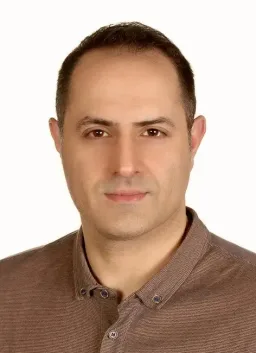
Dr. Mersad Moosavi
Specialist Orthopaedic Surgeon
MD, Orthopedic Surgery
Dr. Mersad Moosavi is a Specialist Orthopaedic Surgeon at DCDC Dubai Healthcare City with over 14 years of clinical experience and 20+ international publications on orthopaedic and spine surgery. Trained at Tehran University of Medical Sciences, he manages the full spectrum of sports injuries including ACL reconstruction, meniscus repair, and multi-ligament knee surgery.
Related Articles
ACL Injury Recovery Guide: Complete Rehabilitation Timeline
ACL MRI Scan in Dubai: Diagnosis and What to Expect
Knee MRI Scan in Dubai: Cost, Process, and Results
Knee Replacement Cost in Dubai: Full Guide (2026)
Meniscus Tear Treatment in Dubai: Options and Recovery
PRP Injection for Joints in Dubai: Benefits and Cost
More in Orthopedics
Sciatica Causes & Symptoms in Dubai (2026)
Read MoreGym Injuries Dubai: Prevention & Recovery (2026)
Read More
Chronic Pain Management Dubai: Guide (2026)
Read More
Achilles Tendonitis Treatment in Dubai (2026)
Read More
Spinal Stenosis vs Herniated Disc Dubai (2026)
Read MoreWrist Pain Causes Dubai: When to Worry (2026)
Read More© 2026 Doctors Clinic Diagnostic Center (DCDC), Dubai Healthcare City. Originally published at https://doctorsclinicdubai.ae/blog/acl-reconstruction-surgery-dubai. All rights reserved. Unauthorized reproduction is prohibited.