Key Takeaways
- Most knee pain is caused by overuse, minor injury, or age-related wear and does not require surgery. Conservative treatments resolve 80-90% of cases
- Red flags that require urgent medical attention include: inability to bear weight, visible deformity, fever with swelling, sudden locking, or numbness below the knee
- Osteoarthritis is the most common cause of chronic knee pain in adults over 50, affecting roughly 25% of the UAE adult population
- An accurate diagnosis requires physical examination and often imaging. DCDC offers same-day knee MRI on a Siemens 1.5T wide-bore scanner with subspecialty MSK radiologist interpretation
- Orthopedic consultation at DCDC starts from AED 500 and knee MRI from AED 900, with direct billing available for 20+ insurance providers
- Early intervention with physiotherapy, PRP injections, or lifestyle modification can slow cartilage loss and delay or prevent the need for knee replacement surgery
Knee pain affects one in four adults every year, making it one of the most common musculoskeletal complaints worldwide. Whether your knee aches after a morning run, swells without explanation, or gives way on stairs, the question is always the same: is this something serious? This guide walks you through the most common causes of knee pain, the warning signs that should prompt urgent evaluation, and what to expect when you visit an orthopedic specialist in Dubai. At DCDC, our Joint Pain Management service provides same-day consultation, imaging, and treatment planning under one roof at Dubai Healthcare City.
This evidence-based guide covers the full spectrum of knee pain causes, from minor muscle strain to conditions that need immediate attention, with Dubai-specific pricing, diagnostic pathways, and treatment options.



Knee Pain Causes: Understanding Why Your Knee Hurts
The knee is the largest and one of the most complex joints in the body. It relies on an intricate system of bones, cartilage, ligaments, tendons, and fluid-filled sacs (bursae) working together. Pain can originate from any of these structures, and understanding the source is the first step toward effective treatment. According to the American Academy of Orthopaedic Surgeons (AAOS), knee complaints account for nearly 20 million physician visits annually in the United States alone, and the prevalence is similar in urban populations across the Gulf region.
Knee pain causes generally fall into four categories: acute injuries, overuse conditions, degenerative disease, and inflammatory or systemic conditions. Below, we break down the most common causes in each category so you can begin to identify what might be driving your symptoms.
Acute Knee Injuries: Sudden Onset Pain
Acute injuries typically occur during sports, falls, or accidents. They produce sudden, often severe pain and may be accompanied by swelling, bruising, or instability. In Dubai, where weekend sports leagues, gym culture, and outdoor activities are popular year-round, acute knee injuries are particularly common.
ACL and Ligament Tears
The anterior cruciate ligament (ACL) is one of four major ligaments stabilising the knee. ACL tears typically happen during sudden changes of direction, pivoting, or landing from a jump. You may hear or feel a pop, followed by rapid swelling and a sense that the knee is unstable or giving way. The medial collateral ligament (MCL) and posterior cruciate ligament (PCL) can also be injured, though less commonly. According to the British Journal of Sports Medicine, ACL injuries occur at a rate of approximately 68.6 per 100,000 person-years, with higher rates in athletes playing football, basketball, and skiing.
Meniscus Tears
The menisci are two C-shaped pieces of cartilage that act as shock absorbers between the thighbone (femur) and shinbone (tibia). A meniscus tear can happen from a twisting motion during sports or from degenerative wear in older adults. Symptoms include pain along the joint line, swelling that develops over 24-48 hours, catching or locking of the knee, and difficulty fully straightening the leg. The Mayo Clinic notes that meniscus tears are among the most frequently treated knee injuries, with an estimated 750,000 repairs performed yearly in the US.
Fractures and Dislocations
The kneecap (patella) is the most commonly fractured bone around the knee, usually from a direct blow or fall. Fractures of the tibial plateau (the flat top of the shinbone) occur during higher-energy trauma such as road traffic accidents. A knee dislocation, where the femur and tibia are completely displaced, is a medical emergency because it can damage blood vessels and nerves. Any suspected fracture or dislocation requires immediate evaluation.
Overuse Knee Conditions: Pain That Builds Gradually
Overuse conditions develop over weeks or months from repetitive stress. They are especially common in Dubai among office workers who exercise intensely on weekends, runners training in the cooler months, and individuals who suddenly increase their activity level.
Patellofemoral Pain Syndrome (Runner's Knee)
Patellofemoral pain syndrome (PFPS) is the single most common cause of knee pain, affecting one in four adults annually according to the Cleveland Clinic. It produces a dull ache around or behind the kneecap that worsens with running, squatting, climbing stairs, or sitting for long periods. The cause is usually a combination of muscle imbalance (weak quadriceps or tight hamstrings), improper footwear, or training errors. PFPS responds well to targeted physiotherapy, activity modification, and proper footwear.
Tendinitis (Jumper's Knee)
Patellar tendinitis is inflammation of the tendon connecting the kneecap to the shinbone. It is common in sports involving repetitive jumping, such as basketball and volleyball, and presents as pain just below the kneecap that worsens with activity. Iliotibial (IT) band syndrome, which causes pain on the outer side of the knee, is another overuse condition frequently seen in runners and cyclists.
Bursitis
Bursae are small fluid-filled sacs that reduce friction around the knee joint. When they become inflamed from repetitive kneeling, prolonged pressure, or overuse, the result is localised swelling and tenderness. Prepatellar bursitis (swelling at the front of the kneecap) is sometimes called housemaid's knee, while pes anserine bursitis causes pain on the inner side of the knee below the joint line.
For a detailed look at how physiotherapy can address runner's knee and other overuse conditions, see our guide on runner's knee treatment and physiotherapy.
Degenerative Knee Conditions: Age-Related Wear
Degenerative conditions involve gradual breakdown of joint structures over time. They are the leading cause of chronic knee pain in adults over 45.
Osteoarthritis
Osteoarthritis (OA) is the most common form of arthritis and the leading cause of chronic knee pain worldwide. It occurs when the protective cartilage that cushions the ends of the bones wears down over time, leading to bone-on-bone friction, stiffness, swelling, and progressive loss of mobility. The Arthritis Foundation reports that approximately 32.5 million adults in the US have osteoarthritis, with the knee being the most commonly affected joint. Risk factors include age over 50, obesity, previous knee injury, family history, and occupations involving prolonged kneeling or heavy lifting.
In Dubai, where lifestyle factors such as sedentary work habits and obesity rates contribute to earlier onset, orthopedic specialists see a significant volume of knee OA. Symptoms typically start as intermittent stiffness in the morning or after sitting, progress to pain with activity, and in advanced stages produce pain even at rest. The Kellgren-Lawrence grading system classifies OA severity from Grade 1 (doubtful narrowing of joint space) to Grade 4 (severe narrowing with bone-on-bone contact).
Degenerative Meniscus Tears
Unlike acute meniscus tears from sports injuries, degenerative meniscus tears develop gradually in patients over 40 as the cartilage becomes more brittle. These tears may cause intermittent pain, mild swelling, and occasional catching. Research published in the New England Journal of Medicine has shown that physiotherapy is often as effective as arthroscopic surgery for degenerative meniscus tears, which is why many orthopedic specialists now recommend conservative management first.
Inflammatory and Systemic Causes of Knee Pain
Not all knee pain originates from mechanical injury or wear. Inflammatory and systemic conditions can affect the knee joint and require a different diagnostic and treatment approach.
Rheumatoid Arthritis
Rheumatoid arthritis (RA) is an autoimmune condition in which the immune system attacks the joint lining (synovium), causing pain, swelling, and eventually joint destruction. Unlike osteoarthritis, RA typically affects multiple joints symmetrically (both knees, both wrists) and is often accompanied by morning stiffness lasting more than 30 minutes, fatigue, and sometimes low-grade fever.
Gout and Pseudogout
Gout is caused by the accumulation of uric acid crystals in the joint, producing sudden, severe pain, redness, and swelling. While gout most often affects the big toe, it can also affect the knee. Pseudogout (calcium pyrophosphate deposition disease) presents similarly but involves a different type of crystal. Both conditions cause episodic flares of intense pain and require blood tests and sometimes joint fluid analysis for definitive diagnosis.
Septic Arthritis (Infected Joint)
Septic arthritis is a medical emergency. It occurs when bacteria enter the joint, causing rapid-onset pain, swelling, redness, warmth, and fever. The knee is the most commonly affected joint. Without prompt treatment with IV antibiotics and possible surgical drainage, septic arthritis can cause permanent joint damage within days. The NHS emphasises that a hot, swollen, painful joint combined with fever should be evaluated in an emergency department immediately.
If you are experiencing knee pain alongside pain in other joints, our comprehensive guide to joint pain treatment in Dubai covers multi-joint conditions and treatment pathways.
Knee Pain Causes: When to Worry and Seek Urgent Care
Most knee pain is not dangerous and responds to conservative treatment. However, certain signs indicate a potentially serious condition that requires prompt medical evaluation. The following red flags should not be ignored:
- Inability to bear weight: If you cannot put any weight on your leg or your knee buckles completely, this suggests a significant structural injury such as a ligament tear or fracture
- Visible deformity: An obviously misshapen knee suggests a fracture or dislocation that requires emergency care
- Rapid, significant swelling: Swelling that develops within minutes to hours of an injury often indicates bleeding inside the joint (haemarthrosis), which can be caused by an ACL tear or fracture
- Fever with a red, hot, swollen knee: This combination suggests possible septic arthritis (joint infection) or an acute gout flare and requires same-day evaluation
- Locking or catching: A knee that suddenly locks in a bent position and cannot be straightened may have a displaced meniscus fragment blocking the joint
- Numbness, tingling, or coolness below the knee: These symptoms suggest possible nerve or blood vessel damage, especially after trauma
- Progressive worsening over days: Pain and swelling that steadily worsen rather than improve with rest and ice require medical assessment to rule out infection or other serious pathology
- Pain at rest or at night: Persistent night pain that wakes you from sleep, particularly if not associated with a clear injury, should be evaluated to rule out inflammatory conditions or, rarely, bone tumours
If you experience any of these red flags, do not wait to see whether the problem resolves on its own. Contact an orthopedic specialist or visit an emergency department.
How Knee Pain Is Diagnosed in Dubai
Accurate diagnosis is the foundation of effective knee pain treatment. The diagnostic process typically involves a clinical examination followed by imaging studies when indicated.
Clinical Examination
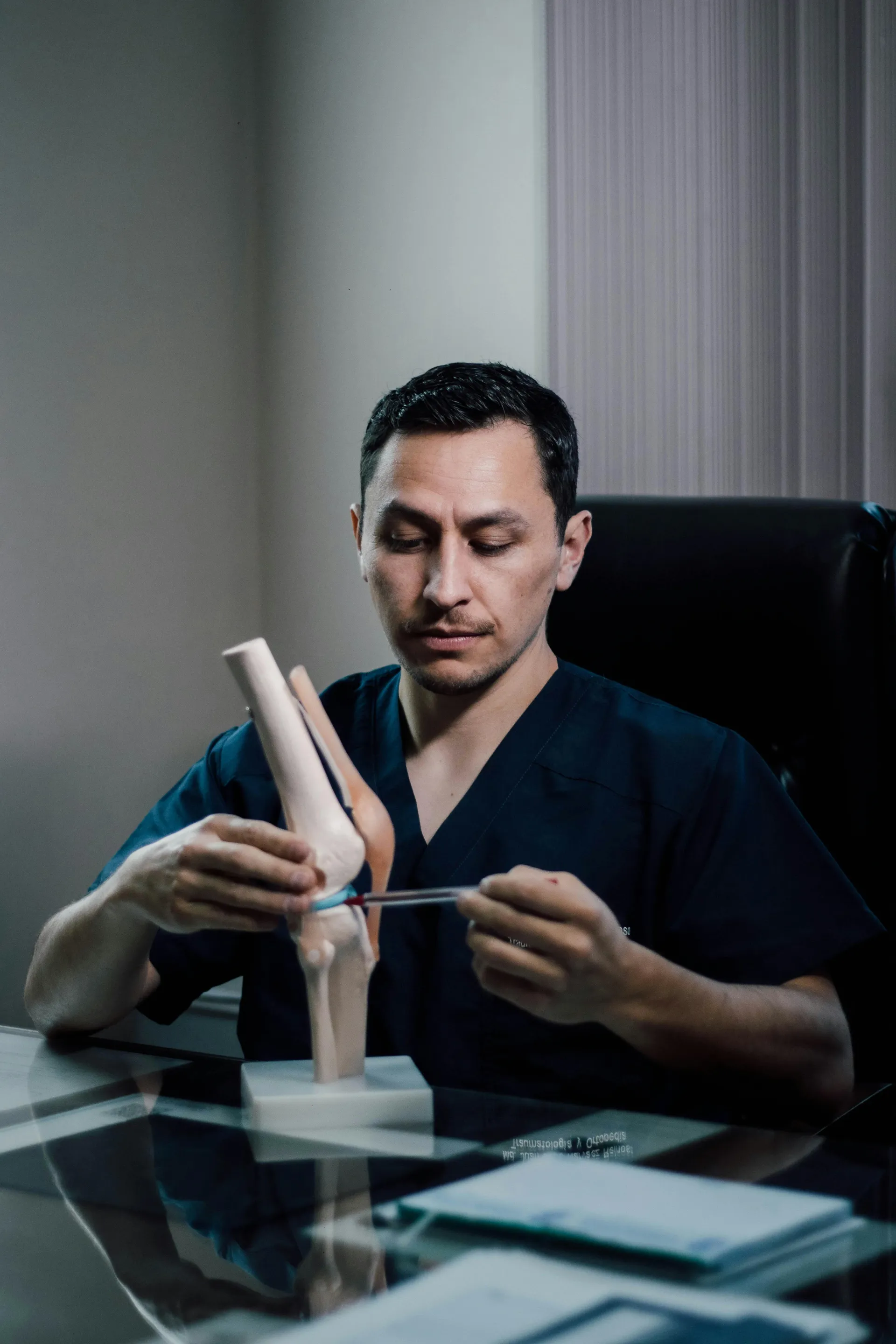
An experienced orthopedic specialist can narrow down the diagnosis significantly through a careful physical examination. This includes assessing the location of pain, checking for swelling and warmth, testing the range of motion, evaluating ligament stability with specific manoeuvres (Lachman test for ACL, McMurray test for meniscus), assessing muscle strength, and observing your gait pattern. At DCDC, Dr. Mersad Moosavi performs a thorough biomechanical assessment that examines not just the knee but also the hip and ankle, since problems in these joints can refer pain to the knee.
Imaging: X-Ray and MRI
X-rays are the first-line imaging study for knee pain. They show bone alignment, joint space narrowing (indicating cartilage loss), fractures, and calcifications. Standing weight-bearing X-rays are particularly useful for assessing osteoarthritis severity because they show how the joint space changes under load.
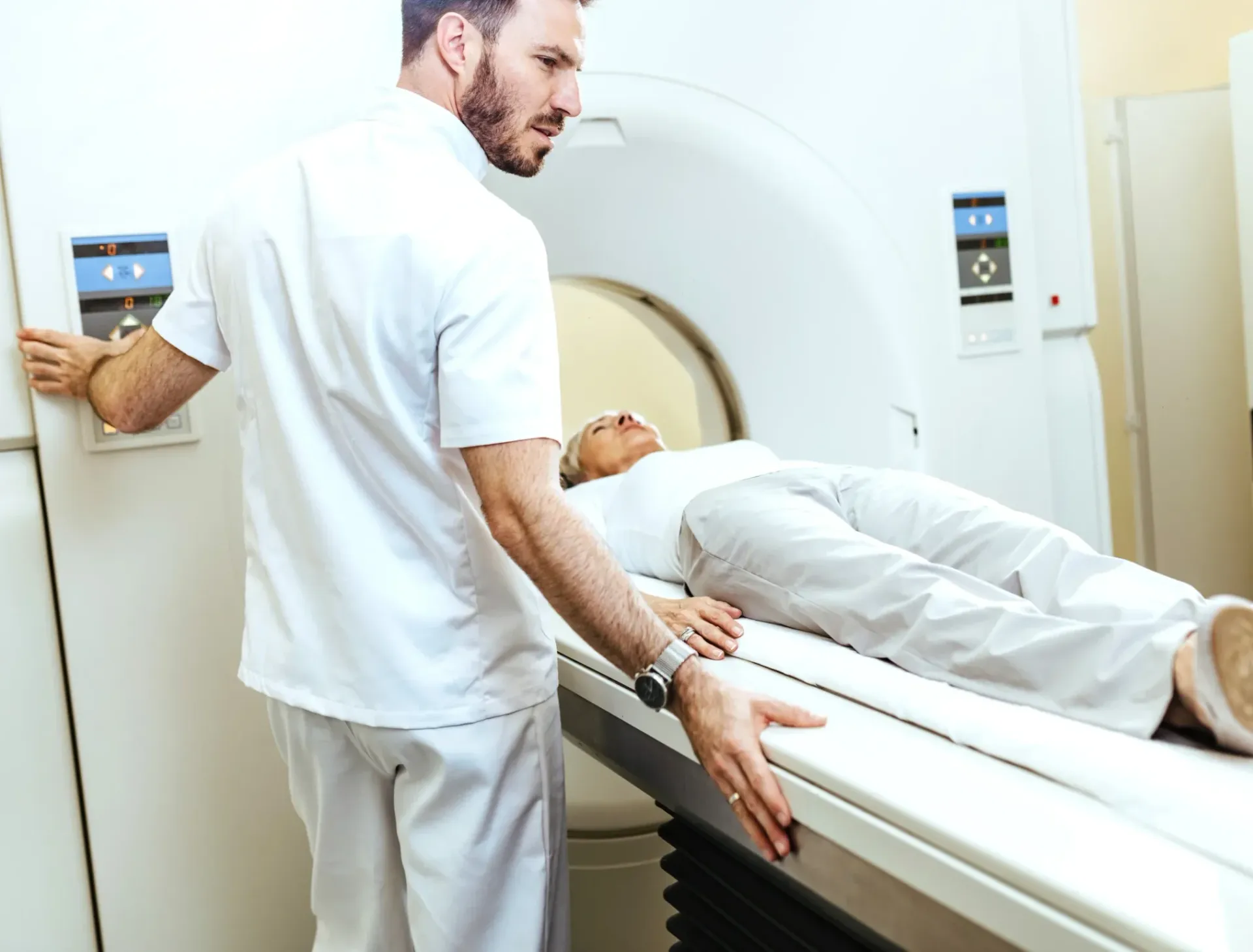
MRI is the gold standard for soft tissue evaluation. It visualises ligaments, menisci, cartilage, tendons, and bone marrow with high detail, making it essential for diagnosing ACL tears, meniscus injuries, cartilage defects, and bone bruises. DCDC's in-house Siemens 1.5T wide-bore MRI scanner (70 cm opening) produces high-resolution images that are interpreted by a subspecialty musculoskeletal (MSK) radiologist. The wide-bore design is more comfortable for patients who experience claustrophobia, and same-day scanning is available so you do not need to return for a separate appointment.
For a detailed guide on what to expect during knee MRI, including preparation tips and scan duration, read our article on knee MRI scans in Dubai.
Blood Tests and Joint Aspiration
When inflammatory or infectious causes are suspected, blood tests may be ordered to check for markers of inflammation (ESR, CRP), uric acid levels (gout), rheumatoid factor, and anti-CCP antibodies (rheumatoid arthritis). In some cases, the doctor may aspirate (draw fluid from) the joint for analysis. Joint fluid can confirm infection, identify crystals (gout or pseudogout), or assess the degree of inflammation.
Knee Pain Treatment Options in Dubai: Conservative to Surgical
Treatment depends on the specific diagnosis, severity, and the patient's goals. The general principle in modern orthopedics is to start with conservative (non-surgical) measures and escalate only when necessary. Here is the treatment spectrum from least to most invasive:
RICE Protocol and Activity Modification
For acute injuries and flare-ups, the RICE protocol (Rest, Ice, Compression, Elevation) remains the first-line approach. Ice should be applied for 15-20 minutes several times a day during the first 48-72 hours. Compression with an elastic bandage helps control swelling, and elevating the leg above heart level encourages fluid drainage. Over-the-counter anti-inflammatory medications such as ibuprofen can help manage pain and swelling in the short term.
Physiotherapy and Exercise
Physiotherapy is the cornerstone of treatment for most knee conditions. A structured programme typically includes quadriceps and hamstring strengthening, hip stabiliser exercises (gluteus medius strengthening is particularly important for patellofemoral pain), range-of-motion exercises, balance and proprioception training, and manual therapy techniques. Research consistently shows that physiotherapy is as effective as surgery for many conditions including patellofemoral pain, mild to moderate osteoarthritis, and degenerative meniscus tears. DCDC offers on-site physiotherapy so that treatment can begin immediately after your orthopedic consultation.
Injections: Corticosteroid and PRP
When oral medications and physiotherapy are insufficient, injection therapies offer targeted relief. Corticosteroid injections provide rapid anti-inflammatory effect and are useful for acute flares of osteoarthritis, bursitis, and inflammatory conditions. However, repeated steroid injections can weaken cartilage and tendons, so they are typically limited to 3-4 per year in a single joint.
Platelet-rich plasma (PRP) therapy uses concentrated platelets from the patient's own blood to stimulate healing. PRP has shown promising results for early to moderate osteoarthritis, tendinitis, and ligament injuries. A systematic review in the American Journal of Sports Medicine found that PRP injections provided better pain relief and functional improvement than hyaluronic acid or corticosteroid injections for knee osteoarthritis at 12-month follow-up. DCDC offers PRP treatment on-site, prepared and administered in a single visit.
Surgical Options
Surgery is considered when conservative treatments have failed after an adequate trial (typically 3-6 months) or when the condition clearly requires surgical intervention (such as a locked knee from a displaced meniscus fragment, an ACL tear in a young athlete, or advanced bone-on-bone osteoarthritis). Common knee surgeries include:
- Arthroscopy: Minimally invasive keyhole surgery for meniscus repair or trimming, removal of loose bodies, and cartilage procedures
- ACL reconstruction: Replacing the torn ligament with a graft, typically from the patient's own hamstring or patellar tendon
- Partial knee replacement (unicompartmental): Replacing only the damaged compartment of the knee, preserving healthy bone and cartilage
- Total knee replacement (arthroplasty): Replacing the entire joint surface with metal and plastic components, indicated for severe end-stage osteoarthritis
- Osteotomy: Reshaping the shinbone or thighbone to shift weight away from the damaged part of the knee, used in younger patients to delay the need for replacement
For detailed information on knee replacement procedures and costs, read our guide on knee replacement cost in Dubai.
Worried About Your Knee Pain? Get Answers Today
Book an orthopedic consultation at DCDC Dubai Healthcare City. Same-day MRI available if needed. Consultation from AED 500 with direct insurance billing for 20+ providers.
Call or WhatsApp to schedule with Dr. Mersad Moosavi.
Knee Pain Treatment Costs in Dubai
Understanding the cost of knee pain evaluation and treatment helps you plan ahead. The table below provides a comparison of typical costs in Dubai alongside DCDC pricing.
| Service | Dubai Market Range | DCDC Starting Price |
|---|---|---|
| Orthopedic consultation | AED 400-1,500 | From AED 500 |
| Knee X-ray (both views) | AED 200-600 | From AED 200 |
| Knee MRI scan | AED 800-3,000 | From AED 900 |
| PRP injection (single session) | AED 1,500-4,000 | From AED 1,500 |
| Physiotherapy session | AED 300-800 | From AED 350 |
| Arthroscopic knee surgery | AED 15,000-45,000 | Varies by procedure |
| Total knee replacement | AED 50,000-120,000 | Varies by case |
Estimated knee pain treatment costs in Dubai (2026). Prices are approximate and may vary based on individual case complexity, insurance coverage, and specific treatment requirements.
DCDC offers direct billing with over 20 insurance providers in the UAE, including major plans from Daman, Oman Insurance, AXA, Cigna, MetLife, and others. Self-pay patients receive transparent pricing before any tests or procedures are performed.
What to Expect at DCDC: Your Knee Pain Visit
Visiting DCDC for knee pain is designed to be efficient and comprehensive. Located in Building 47, Dubai Healthcare City (DHCC), the clinic offers free parking and is accessible via the DHCC Metro Station on the Green Line. Here is what a typical knee pain evaluation looks like:
Step 1: Arrival and Registration
Upon arrival, our reception team will complete your registration and verify insurance coverage. The average wait time at DCDC is 15 minutes. You will be escorted to the orthopedic consultation room where Dr. Mersad Moosavi will begin your assessment.
Step 2: Orthopedic Consultation
Dr. Mersad performs a detailed clinical examination including a thorough medical history review, physical examination of the knee (palpation, range of motion, ligament stability tests), biomechanical assessment of gait, hip alignment, and ankle function, and a discussion of your symptoms, activity level, and treatment goals. This consultation typically takes 20-30 minutes and provides Dr. Mersad with the clinical information needed to determine whether imaging is necessary.
Step 3: Same-Day Imaging (If Needed)
If imaging is indicated, DCDC provides on-site X-ray and MRI without the need for an external referral. Knee MRI is performed on the clinic's Siemens 1.5T wide-bore scanner, which has a 70 cm opening that accommodates patients of all sizes and reduces anxiety for those who are claustrophobic. Images are interpreted by a subspecialty MSK radiologist, and results are typically available within hours.
Step 4: Diagnosis and Treatment Plan
After reviewing clinical findings and imaging, Dr. Mersad will explain your diagnosis in clear terms, discuss all treatment options (from physiotherapy to surgery), and develop a personalised treatment plan. If conservative treatment is recommended, you may be able to start physiotherapy at DCDC's on-site rehabilitation department on the same day. If PRP therapy is indicated, this can also be arranged within the same visit.
This one-stop diagnostic approach, where consultation, imaging, and treatment planning happen in a single visit, saves time and eliminates the delays common in multi-facility pathways. It is one of the reasons DCDC maintains a 4.8 out of 5 Google rating and 98% patient satisfaction rate.
Dr. Mersad Moosavi's Approach to Knee Pain
With over 14 years of clinical experience in orthopedic surgery and more than 20 international publications on musculoskeletal conditions, Dr. Mersad Moosavi brings a research-informed, patient-centred approach to knee pain management at DCDC.
"Accurate diagnosis must always come before treatment. Many patients arrive having already been told they need surgery without having received a thorough clinical examination or appropriate imaging. My approach is to first understand exactly what is causing the pain, and then to explore all conservative options before recommending surgical intervention. In my experience, the majority of knee pain cases respond well to a combination of targeted physiotherapy, activity modification, and when appropriate, injection therapy."
Dr. Mersad is a MOHAP-licensed orthopedic surgeon who trained at Tehran University of Medical Sciences and completed fellowship training in advanced orthopedic techniques. He treats the full spectrum of knee conditions, from sports injuries in young athletes to end-stage osteoarthritis requiring joint replacement.
To learn more about PRP as a non-surgical treatment option, see our detailed guide on PRP injection for knee pain in Dubai.
Preventing Knee Pain: Practical Steps for Dubai Residents
While not all knee pain can be prevented, many of the most common causes are modifiable. The following evidence-based strategies can significantly reduce your risk of developing knee problems or slow the progression of existing conditions.
- Maintain a healthy weight: Every kilogram of body weight places approximately 4 kg of force on the knee joint during walking. Losing even 5 kg can reduce knee joint load by 20 kg per step, significantly decreasing pain and slowing cartilage wear
- Strengthen the muscles around the knee: Strong quadriceps, hamstrings, and gluteal muscles absorb shock and stabilise the knee. Focus on exercises like wall sits, step-ups, hamstring curls, and clamshells
- Warm up before exercise: A proper warm-up of 5-10 minutes increases blood flow to muscles and tendons, making them more pliable and less injury-prone
- Use proper footwear: Worn-out or inappropriate shoes alter knee biomechanics. Replace running shoes every 500-800 km and choose footwear with adequate arch support
- Increase training gradually: Follow the 10% rule: do not increase your weekly training volume (distance, weight, or intensity) by more than 10% per week
- Stay active in Dubai's heat: During summer months, shift outdoor exercise to early morning or evening, use air-conditioned gyms, or try swimming and pool-based exercise, which are low-impact alternatives that maintain knee fitness without the jarring forces of running
- Address muscle imbalances: Tight hip flexors, weak gluteal muscles, and flat feet are common contributors to knee pain. A physiotherapist can identify and correct these biomechanical issues
- Take movement breaks: If you work at a desk, stand and walk for 2-3 minutes every 30-45 minutes. Prolonged sitting stiffens the knee joint and weakens the supporting muscles
When to See a Doctor for Knee Pain: A Decision Guide
Not every episode of knee pain requires a doctor's visit. However, knowing when to seek evaluation can prevent a treatable problem from becoming a chronic condition. Use this guide to decide your next step:
Self-Care Is Appropriate When
- The pain is mild and started after a known activity (e.g., a long run or new exercise)
- There is no swelling, locking, giving way, or deformity
- You can bear weight normally
- The pain is improving day by day with rest, ice, and over-the-counter medication
See an Orthopedic Specialist Within 1-2 Weeks When
- Pain persists for more than 2 weeks despite self-care
- You notice mild swelling that does not resolve
- Pain interferes with daily activities such as climbing stairs, walking, or getting in and out of a car
- You have recurrent episodes of knee pain in the same location
- You are over 50 and experiencing new onset of knee stiffness and aching
Seek Urgent Evaluation (Same Day) When
- You cannot bear weight on the affected leg
- The knee is visibly deformed or dislocated
- There is rapid swelling within hours of an injury
- The knee is red, hot, and swollen, especially with fever
- The knee is locked and cannot be straightened or bent
- You feel numbness, tingling, or coldness below the knee
Book Your Orthopedic Consultation at DCDC
Get an expert evaluation of your knee pain at Dubai Healthcare City. Same-day MRI, on-site physiotherapy, and PRP treatment available. Direct billing with 20+ insurers.
Consultation from AED 500. Call or WhatsApp DCDC to book.
Common Knee Pain Patterns and What They Mean
The location and character of your knee pain provides important clues about the underlying cause. Here is a quick reference guide:
| Pain Location / Pattern | Common Causes | Typical Investigation |
|---|---|---|
| Front of knee (behind kneecap) | Patellofemoral pain syndrome, patellar tendinitis, chondromalacia patellae | X-ray, clinical exam |
| Inside (medial) of knee | Medial meniscus tear, MCL sprain, pes anserine bursitis, medial osteoarthritis | MRI, X-ray |
| Outside (lateral) of knee | IT band syndrome, lateral meniscus tear, lateral collateral ligament injury | MRI, clinical exam |
| Back of knee | Baker's cyst, PCL injury, hamstring tendinitis, deep vein thrombosis | Ultrasound, MRI |
| Pain with swelling after injury | ACL tear, meniscus tear, fracture, haemarthrosis | MRI, X-ray |
| Pain worse in morning, improves with movement | Osteoarthritis, inflammatory arthritis | X-ray, blood tests |
| Pain at night, waking from sleep | Inflammatory arthritis, infection, bone pathology | Blood tests, MRI, X-ray |
| Pain going down stairs | Patellofemoral syndrome, chondromalacia, early osteoarthritis | X-ray, clinical exam |
Common knee pain patterns and their likely causes. This table is for general guidance only and does not replace professional diagnosis.
Knee Pain in Specific Populations
Knee Pain in Young Adults and Athletes
In patients under 40, knee pain is most commonly caused by overuse injuries (patellofemoral pain, tendinitis, IT band syndrome) or acute sports injuries (ACL tears, meniscus tears). Young athletes in Dubai who participate in football, padel, running, and gym training are at particular risk. Early evaluation and treatment of ligament injuries is critical in this group, as untreated ACL tears can lead to recurrent instability, meniscus damage, and early-onset osteoarthritis.
Knee Pain in Middle-Aged Adults (40-60)
This age group sees a mix of overuse injuries, early degenerative changes, and the consequences of old injuries. Meniscus tears become increasingly degenerative rather than traumatic. Early osteoarthritis may begin to cause symptoms, especially in those with a history of knee injury, obesity, or family predisposition. Weight management, targeted exercise, and PRP therapy can slow disease progression and delay the need for surgical intervention.
Knee Pain in Older Adults (60+)
Osteoarthritis is the dominant cause of knee pain in this group. Treatment focuses on maintaining mobility and quality of life through physiotherapy, weight management, walking aids if needed, and surgical options (partial or total knee replacement) when conservative measures are no longer effective. The decision to proceed with knee replacement surgery should be based on the impact of pain on daily life, not solely on imaging findings.
Why Choose DCDC for Knee Pain in Dubai
DCDC (Doctors Clinic Diagnostic Center) in Dubai Healthcare City offers a fully integrated approach to knee pain that eliminates the delays and fragmentation of multi-facility care. Key advantages include:
- One-stop diagnosis: Orthopedic consultation, on-site X-ray, and same-day Siemens 1.5T wide-bore MRI, with subspecialty MSK radiologist interpretation, all in a single visit
- Experienced specialist: Dr. Mersad Moosavi brings 14+ years of orthopedic experience and 20+ international research publications
- On-site treatment: Physiotherapy, PRP therapy, and injection treatments available without external referral
- Transparent pricing: Consultation from AED 500, knee MRI from AED 900, with clear pricing before any procedure
- Insurance coverage: Direct billing with 20+ insurers including Daman, AXA, Cigna, MetLife, and Oman Insurance
- Patient experience: 4.8/5 Google rating, 98% patient satisfaction, average 15-minute wait time, MOHAP-licensed facility
- Convenient location: Free parking at DHCC, accessible via DHCC Metro Station (Green Line)
Related Services at DCDC
Expert care and advanced diagnostics at Dubai Healthcare City
Joint Pain Management
Non-surgical and surgical treatments for knee and joint pain at DCDC
Book AppointmentOrthopedic Consultation
Expert bone and joint specialist consultation from AED 500 at DHCC
Book AppointmentPRP Treatment
Platelet-rich plasma therapy for joint pain and cartilage healing
Book AppointmentFrequently Asked Questions
Final Thoughts
Knee pain is one of the most common reasons people visit an orthopedic specialist, and the good news is that the vast majority of cases can be effectively managed without surgery. Whether your knee pain is caused by a sports injury, overuse, degenerative wear, or an inflammatory condition, the key to a good outcome is accurate diagnosis followed by appropriate, evidence-based treatment.
Do not ignore persistent knee pain or warning signs like inability to bear weight, rapid swelling, fever with joint inflammation, or locking. These symptoms may indicate conditions that worsen without timely intervention. At the same time, do not assume that every episode of knee pain requires surgery or extensive treatment. Many cases respond well to physiotherapy, activity modification, and targeted injection therapy.
At DCDC Dubai Healthcare City, we offer a streamlined pathway from consultation to diagnosis to treatment, all under one roof. With same-day imaging on our Siemens 1.5T MRI, on-site physiotherapy, PRP therapy, and the expertise of Dr. Mersad Moosavi, patients receive comprehensive knee pain care without the delays and inconvenience of being referred between multiple facilities. If your knee pain is affecting your daily life, take the first step and book an orthopedic consultation today.
Sources & References
This article was reviewed by our medical team and references the following sources:
- American Academy of Orthopaedic Surgeons (AAOS) — Knee Pain and Problems
- Mayo Clinic — Knee Pain: Symptoms, Causes and When to See a Doctor
- Cleveland Clinic — Knee Pain: Causes, Diagnosis and Treatments
- NHS — Knee Pain Overview and When to Get Medical Help
- Arthritis Foundation — Osteoarthritis of the Knee
- American Journal of Sports Medicine — PRP vs. Hyaluronic Acid for Knee Osteoarthritis: Systematic Review
- British Journal of Sports Medicine — Epidemiology of ACL Injuries
Medical content on this site is reviewed by DHA-licensed physicians. See our editorial policy for more information.

Written by
Dr. Mersad Moosavi
Orthopedic Surgery
MD, Orthopedic Surgery
Dr. Mersad Moosavi is an Orthopedic Surgeon at Doctors Clinic Diagnostic Center (DCDC) in Dubai Healthcare City.
Related Articles
Knee MRI Scan in Dubai: Complete Guide
Knee Replacement Cost in Dubai (2026)
PRP Injection for Knee Pain in Dubai
Runner's Knee Treatment and Physiotherapy
Joint Pain Treatment in Dubai
More in Orthopedics
Sciatica Causes & Symptoms in Dubai (2026)
Read MoreGym Injuries Dubai: Prevention & Recovery (2026)
Read More
Chronic Pain Management Dubai: Guide (2026)
Read More
Achilles Tendonitis Treatment in Dubai (2026)
Read More
Spinal Stenosis vs Herniated Disc Dubai (2026)
Read MoreWrist Pain Causes Dubai: When to Worry (2026)
Read More© 2026 Doctors Clinic Diagnostic Center (DCDC), Dubai Healthcare City. Originally published at https://doctorsclinicdubai.ae/blog/knee-pain-causes-when-to-worry-dubai. All rights reserved. Unauthorized reproduction is prohibited.