النقاط الرئيسية
- السكتة الدماغية هي السبب الثاني للوفاة عالمياً والسبب الرئيسي للإعاقة طويلة الأمد — لكن ما يصل إلى 80% من السكتات يمكن الوقاية منها بإدارة عوامل الخطر
- دكتورة هايكي جاكوبس في DCDC مدينة دبي الصحية استشارية أعصاب حاصلة على MRCP (لندن) وتدريب مستشفى كينغز كولدج تُقدّم تقييم شاملاً لخطر السكتة ورعاية ما بعدها
- تُقدّم DCDC تصوير دوبلر السباتي بالموجات فوق الصوتية في الموقع (رئيسي لتقييم خطر السكتة من أمراض شريان السباتي) وMRI الدماغ وECG وفحوصات الدم للكشف الشامل عن السكتة
- النوبة الإقفارية العابرة (أو السكتة الخفيفة) طوارئ طبية ترفع بشكل كبير من خطر الإصابة بسكتة كاملة خلال أيام — التقييم التخصصي العاجل ضروري
- تنسّق دكتورة هايكي الوقاية من السكتة مع دكتور شاهو مظهري (أمراض القلب) لرجفان أذيني وعوامل الخطر القلبية، ودكتور هادي كومشي (الطب الداخلي) للسكري وارتفاع ضغط الدم
- الاستشارات متاحة بالألمانية والإنجليزية — اتصل أو أرسل رسالة WhatsApp لحجز تقييم خطر السكتة
تضرب السكتة الدماغية فجأة، لكن عوامل الخطر التي تسببها تتطور على مدى سنوات — ومعظمها قابل للعلاج. في الإمارات، تُعدّ أمراض القلب والأوعية الدموية (بما فيها السكتة) السبب الرئيسي للوفاة نتيجة ارتفاع معدلات ضغط الدم والسكري والسمنة وأسلوب الحياة الخامل. البشرى الجيدة أن ما يصل إلى 80% من السكتات يمكن الوقاية منها. دكتورة هايكي جاكوبس في DCDC (Doctors Clinic Diagnostic Centre) في مدينة دبي الصحية استشارية أعصاب تُقدّم الوقاية الشاملة من السكتة وتقييم النوبة الإقفارية العابرة والرعاية العصبية بعد السكتة.


فهم السكتة الدماغية: الأنواع والأسباب
تحدث السكتة الدماغية عندما ينقطع تدفق الدم إلى جزء من الدماغ مما يحرم خلايا الدماغ من الأكسجين ويتسبب في موتها. هناك نوعان رئيسيان:
السكتة الإقفارية (85% من السكتات)
تحدث بسبب جلطة دموية تسدّ شرياناً يغذي الدماغ. قد تتشكل الجلطة في شريان دماغي ضيق (سكتة خثارية) أو تنتقل من القلب أو الشرايين السباتية (سكتة انصمامية) أو تنجم عن أمراض الأوعية الدموية الصغيرة في عمق الدماغ (سكتة ثاقبة). تشمل عوامل الخطر: ارتفاع ضغط الدم والرجفان الأذيني وأمراض شريان السباتي والسكري وارتفاع الكوليسترول والتدخين.
السكتة النزفية (15% من السكتات)
تحدث بسبب نزيف داخل الدماغ أو حوله جراء تمزق وعاء دموي. السكتات النزفية أقل شيوعاً لكنها أكثر احتمالاً للوفاة.
النوبة الإقفارية العابرة (TIA) — السكتة التحذيرية
النوبة الإقفارية العابرة هي انقطاع مؤقت لتدفق الدم إلى الدماغ يسبب أعراضاً شبيهة بالسكتة تدوم دقائق إلى ساعات ثم تختفي تلقائياً. النوبة الإقفارية العابرة طوارئ طبية — إشارة إلى سكتة كاملة وشيكة. الخطر تقريباً 5% في غضون 48 ساعة و10-15% في غضون 90 يوماً إذا لم تُعالج الأسباب. التقييم والعلاج العاجلان بعد النوبة يمكنهما منع سكتة مدمرة.
التعرف على أعراض السكتة الدماغية: تصرف FAST
كل دقيقة تحسم نتيجة السكتة. اختصار FAST يساعد في التعرف على الأعراض والحاجة لإجراء طارئ:
- F — الوجه (Face): هل يسقط أحد جانبي الوجه عند محاولة الابتسام؟
- A — الذراعان (Arms): هل يميل أحد الذراعين للأسفل عند رفع كليهما؟
- S — الكلام (Speech): هل الكلام متعثر أو يصعب فهمه؟
- T — الوقت (Time): إذا وجد أي من هذه الأعراض، اتصل بالطوارئ فوراً. الوقت = الدماغ — كل دقيقة تأخير تعني موت خلايا دماغية أكثر
مهم: إذا عانيت أو شخص حولك من أعراض السكتة، اتصل بـ998 (طوارئ الإمارات) فوراً. لا تقد السيارة للمستشفى — سيارات الإسعاف تبدأ العلاج في الطريق. بعد العلاج الطارئ، يجب إدارة رعاية السكتة والوقاية منها من قِبَل متخصص أعصاب.
تقييم خطر السكتة في DCDC
أفضل طريقة لمنع السكتة هي تحديد عوامل خطرك وإدارتها قبل حدوثها. تُقدّم دكتورة هايكي تقييماً شاملاً لخطر السكتة في DCDC يشمل جميع عوامل الخطر الرئيسية القابلة للتعديل:
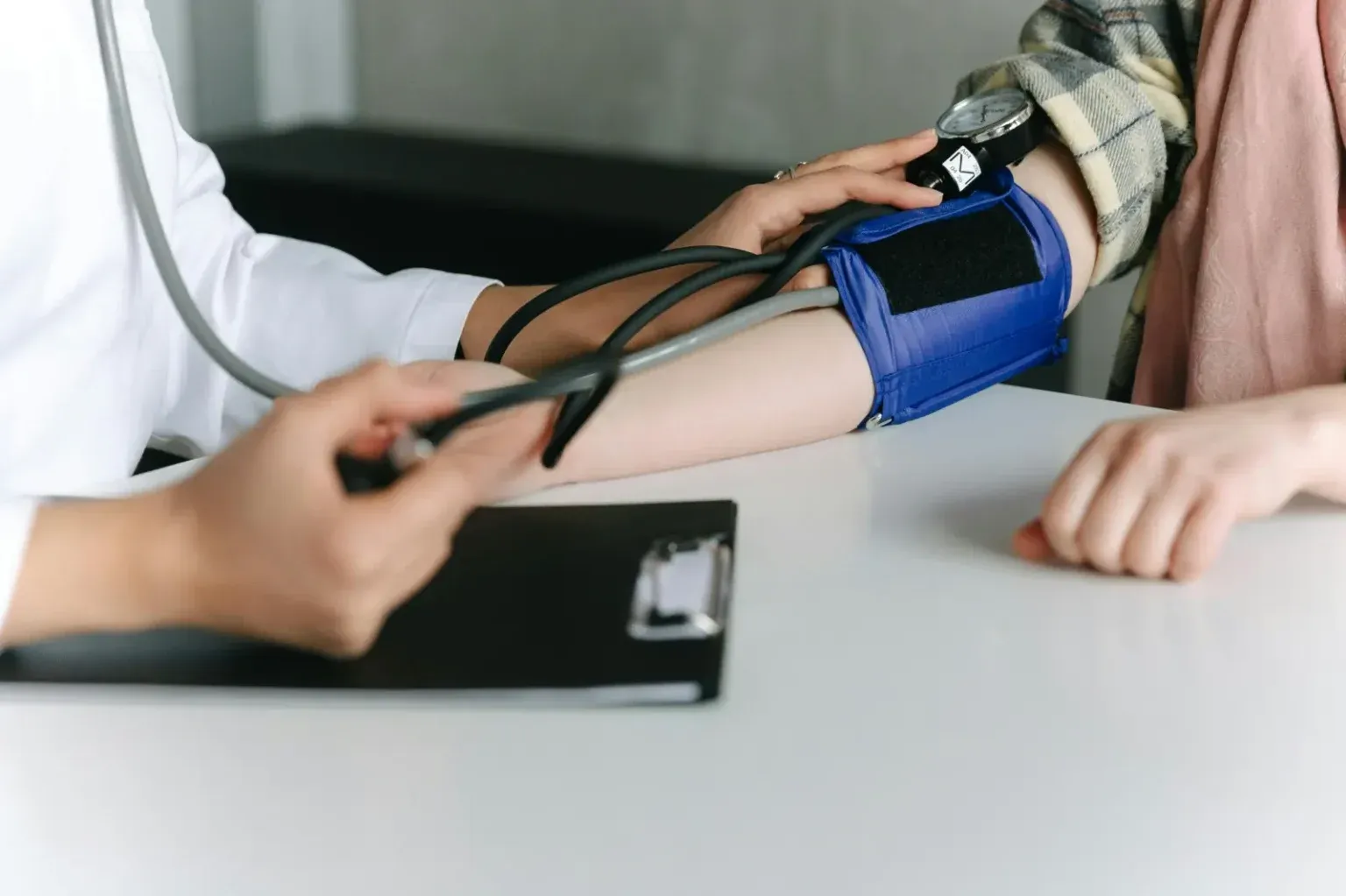
- ارتفاع ضغط الدم: أهم عامل خطر واحد قابل للتعديل للسكتة. ضغط الدم غير المنضبط يرفع خطر السكتة 3-4 أضعاف. إدارة ضغط الدم وحدها يمكنها تقليل خطر السكتة بنسبة 35-40%
- الرجفان الأذيني: اضطراب نظم القلب الذي يسمح للدم بالتجمع والتخثر في القلب. الرجفان الأذيني يرفع خطر السكتة 5 أضعاف. يتطلب تنسيقاً مع دكتور شاهو مظهري (أمراض القلب)
- أمراض الشريان السباتي: تضيّق الشرايين السباتية بسبب تصلب الشرايين. يُكشف بتصوير دوبلر السباتي المتاح في الموقع في DCDC
- السكري: يضاعف خطر السكتة. يُنسَّق مع دكتور هادي كومشي (الطب الداخلي) لإدارة مثالية لسكر الدم
- الكوليسترول المرتفع: العلاج بالستاتين يقلل خطر السكتة بنسبة 25-30%
- التدخين: يضاعف خطر السكتة. يعود الخطر لشبه الطبيعي خلال 5 سنوات من الإقلاع
الفحوصات التشخيصية
- دوبلر السباتي بالموجات فوق الصوتية: تصوير غير غازٍ للشرايين السباتية للكشف عن التضيّق من لويحات تصلب الشرايين
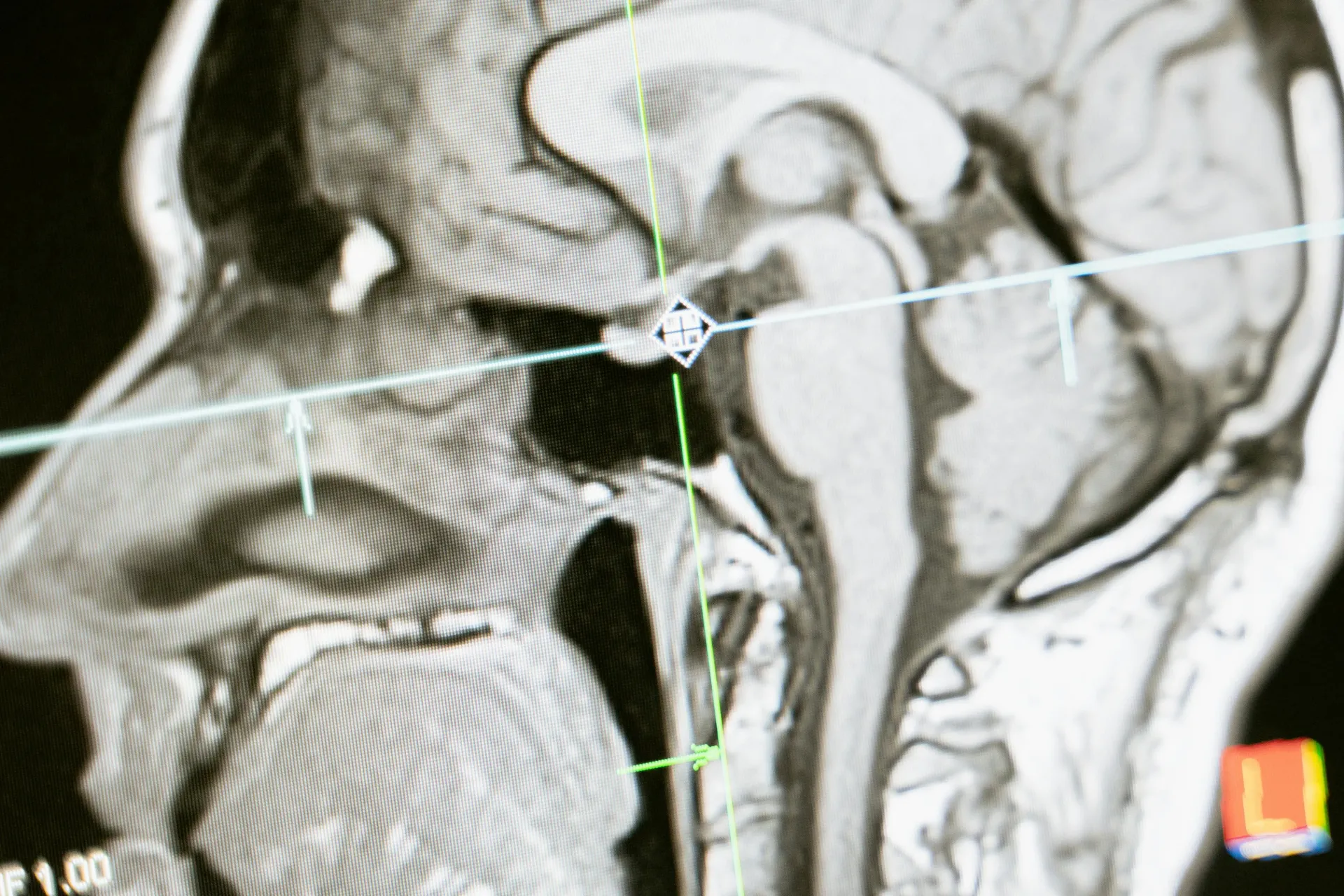
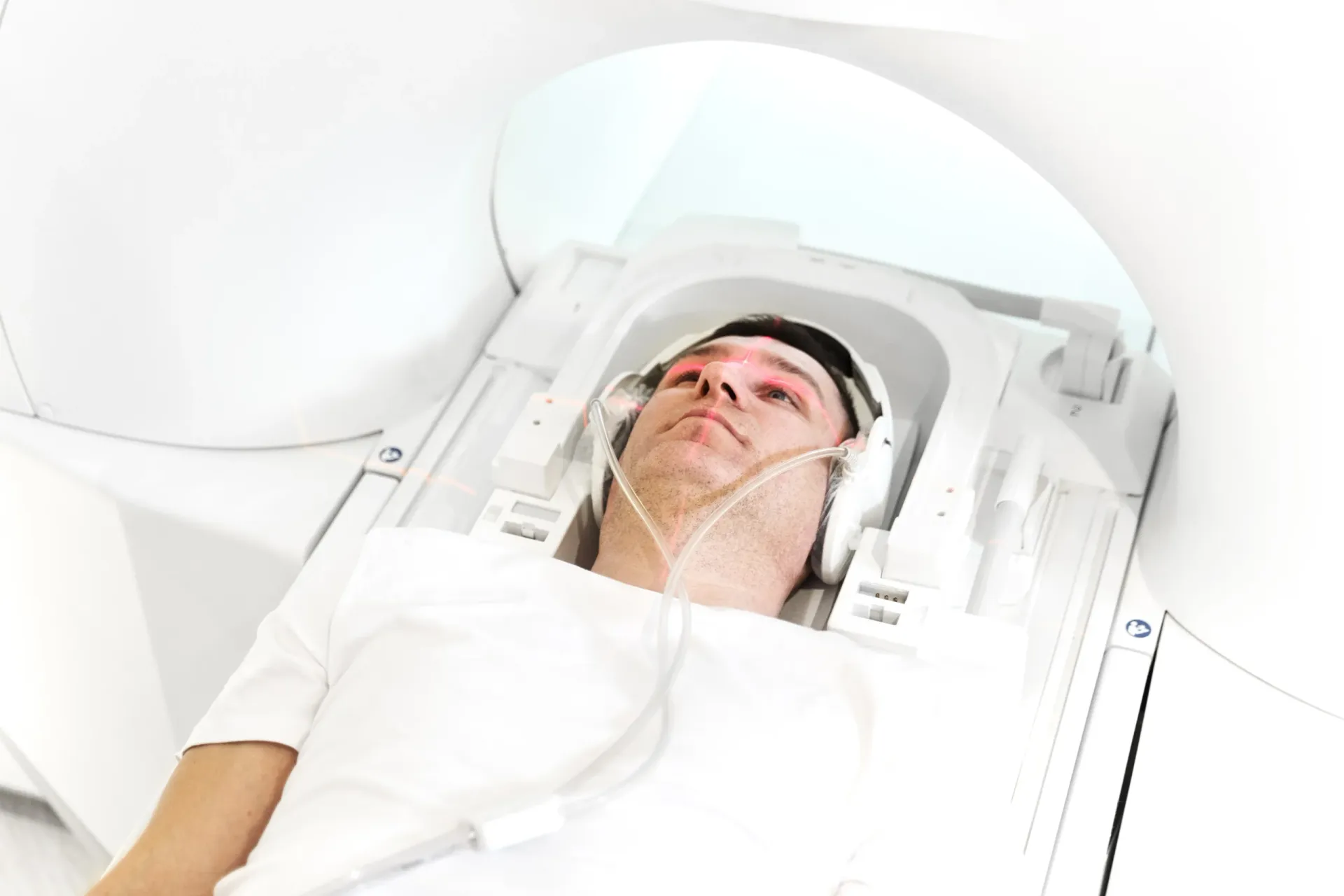
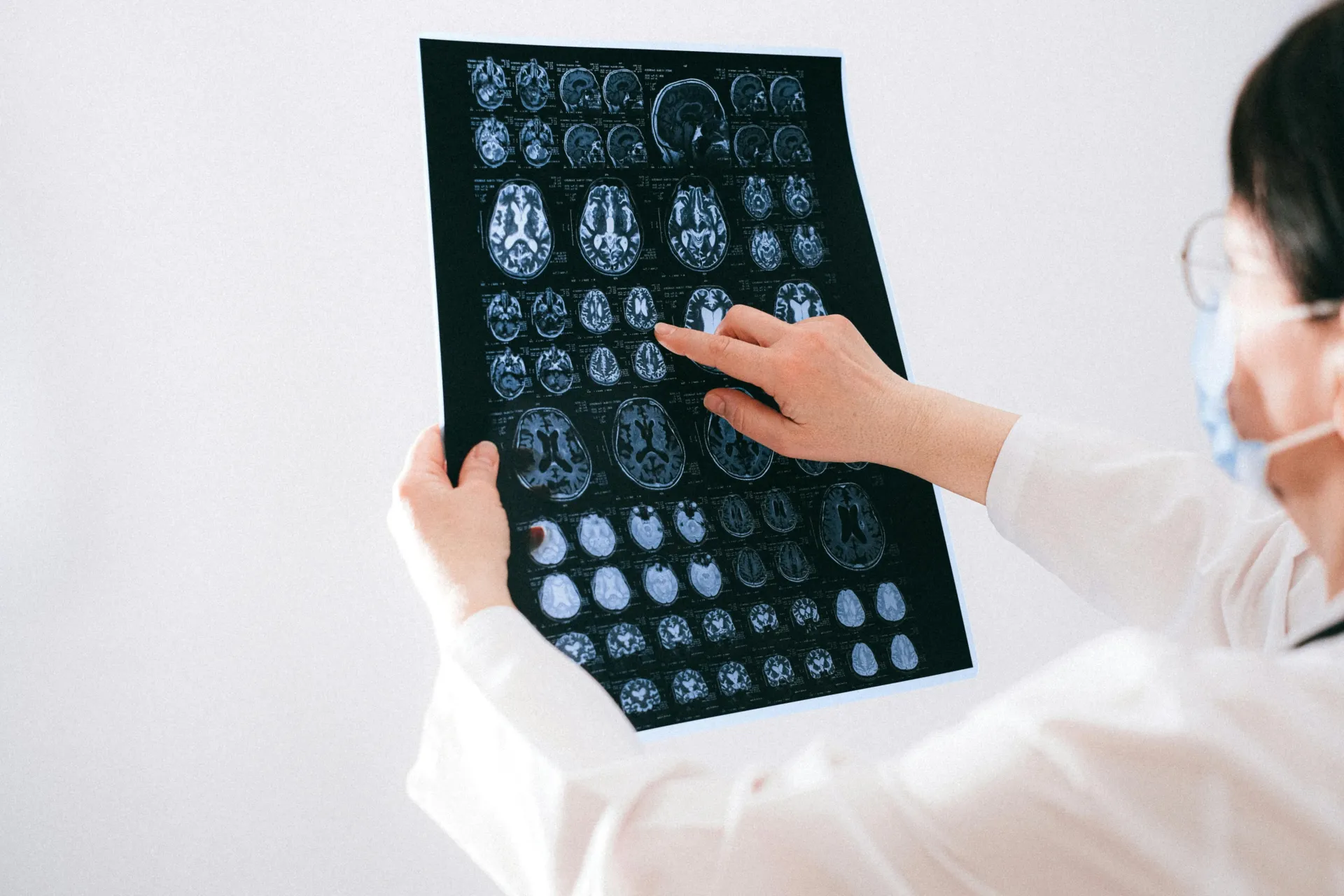
- MRI الدماغ: يكشف أدلة على سكتات صامتة سابقة وأمراض المادة البيضاء
- ECG: يكشف الرجفان الأذيني وغيره من اضطرابات نظم القلب
- مخطط صدى القلب: يُجريه دكتور شاهو مظهري للبحث عن مصادر قلبية للجلطات
- فحوصات الدم: ملف الدهون والسكر الصائم وHbA1c وصورة الدم الكاملة ودراسات التخثر
تقييم النوبة الإقفارية العابرة: طوارئ طبية
إذا عانيت من نوبة إقفارية عابرة — نوبة مؤقتة من سقوط الوجه أو ضعف الذراع أو صعوبة الكلام أو فقدان البصر أو الخدر اختفت في غضون دقائق إلى ساعات — تحتاج إلى تقييم تخصصي عاجل. تُقدّم دكتورة هايكي تقييماً سريعاً للنوبات في DCDC يشمل: التقييم السريري العاجل وMRI الدماغ ودوبلر السباتي وECG وتقييم قلبي وفحوصات الدم والوقاية الثانوية الفورية.
احجز تقييم خطر السكتة مع دكتورة هايكي جاكوبس
اتصل أو أرسل رسالة WhatsApp إلى DCDC لجدولة مشاورة الوقاية من السكتة أو تقييم النوبة الإقفارية العابرة العاجل. دوبلر السباتي وMRI الدماغ وECG وفحوصات الدم متاحة في الموقع.
تُقبل معظم خطط التأمين الرئيسية. الاستشارات متاحة بالألمانية والإنجليزية.
الوقاية من السكتة الدماغية: ما يمكنك فعله
الوقاية الطبية
- إدارة ضغط الدم: استهداف ضغط دم أقل من 130/80 ملم زئبق لمعظم المرضى
- مضادات التخثر للرجفان الأذيني: أدوية تخفيف الدم تقلل خطر السكتة بنسبة 60-70% في مرضى الرجفان الأذيني
- العلاج بالستاتين: يقلل الكوليسترول ويثبّت لويحات الشرايين، مما يخفض خطر السكتة بنسبة 25-30%
- مضادات الصفيحات: الأسبرين أو الكلوبيدوجريل للمرضى بسجل نوبة إقفارية عابرة أو سكتة إقفارية
- إدارة السكري: تحكم مثالي في سكر الدم
الوقاية بتغيير نمط الحياة
- النشاط البدني المنتظم: 150 دقيقة على الأقل أسبوعياً من التمارين المعتدلة تقلل خطر السكتة بنسبة 25-30%
- نظام غذائي صحي: نمط البحر الأبيض المتوسط الغني بالفواكه والخضروات والحبوب الكاملة والأسماك وزيت الزيتون
- الإقلاع عن التدخين: خطر السكتة يتراجع بشكل ملحوظ خلال السنة الأولى من الإقلاع
- إدارة الوزن: الحفاظ على مؤشر كتلة جسم صحي يقلل عبء ارتفاع الضغط والسكري والكوليسترول
رعاية ما بعد السكتة والتعافي
- المراقبة العصبية: تقييم دوري للوظيفة العصبية والتعافي المعرفي وكشف أي أعراض جديدة
- تحسين الوقاية الثانوية: ضمان إدارة جميع عوامل الخطر القابلة للوقاية بأدوية وإجراءات نمط حياة مناسبة
- مراجعة الأدوية: مراجعة وتعديل دوريان لمضادات الصفيحات ومضادات التخثر والأدوية الخافضة للضغط والستاتين
- تنسيق إعادة التأهيل: الإحالة والتنسيق مع العلاج الطبيعي وعلاج النطق والعلاج المهني
- التقييم المعرفي: مراقبة الاضطراب المعرفي بعد السكتة
- الصحة النفسية: الكشف عن الاكتئاب والقلق بعد السكتة اللذين يصيبان نحو ثلث الناجين
فريق متعدد التخصصات للوقاية من السكتة في DCDC
| الطبيب | الدور في الوقاية من السكتة |
|---|---|
| دكتورة هايكي جاكوبس (الأعصاب) | تقييم خطر السكتة وتقييم النوبة الإقفارية العابرة وتفسير MRI الدماغ وتنسيق دوبلر السباتي ورعاية ما بعد السكتة |
| دكتور شاهو مظهري (أمراض القلب) | كشف وإدارة الرجفان الأذيني وتخطيط صدى القلب والعلاج المضاد للتخثر |
| دكتور هادي كومشي (الطب الداخلي) | إدارة السكري وعلاج ارتفاع الضغط وتحسين الكوليسترول |
فريق متعدد التخصصات للوقاية من السكتة في DCDC مدينة دبي الصحية
خدمات ذات صلة في DCDC
رعاية متخصصة وتشخيص متقدم في مدينة دبي الطبية
الأسئلة الشائعة
امنع السكتة الدماغية قبل وقوعها
السكتة الدماغية مدمرة لكنها إلى حد بعيد قابلة للوقاية. المفتاح هو تحديد عوامل خطرك الشخصية وإدارتها بشكل استباقي — لا انتظار علامات تحذيرية قد تأتي متأخرة جداً. دكتورة هايكي جاكوبس في DCDC مدينة دبي الصحية تُقدّم التقييم العصبي المتخصص والمرافق التشخيصية المتقدمة والتنسيق متعدد التخصصات اللازم للوقاية الفعّالة من السكتة.
إذا كنت قد عانيت من نوبة إقفارية عابرة، لا تنتظر — التقييم العاجل في 24-48 ساعة يمكنه منع سكتة كاملة. إذا كانت لديك عوامل خطر كارتفاع ضغط الدم والسكري والرجفان الأذيني أو تاريخ عائلي بالسكتة، يمنحك تقييم خطر السكتة الشامل المعلومات وخطة العلاج اللازمة لحماية نفسك.
احجز تقييم خطر السكتة مع دكتورة هايكي جاكوبس باتصال أو رسالة WhatsApp إلى DCDC. دوبلر السباتي وMRI الدماغ وECG وفحوصات الدم متاحة في الموقع في مدينة دبي الصحية.
المصادر والمراجع
تمت مراجعة هذا المقال من قبل فريقنا الطبي ويستند إلى المصادر التالية:
- World Health Organization — Global Health Estimates: Stroke Mortality and Disability
- European Stroke Organisation (ESO) — Guidelines for the Management of Ischaemic Stroke 2024
- American Heart Association / American Stroke Association — Guidelines for the Prevention of Stroke
- Dubai Health Authority (DHA) — Licensed Healthcare Professionals Directory
- Rothwell PM et al. Effect of urgent treatment of transient ischaemic attack and minor stroke on early recurrent stroke (EXPRESS study). Lancet. 2007
يتم مراجعة المحتوى الطبي على هذا الموقع من قبل أطباء مرخصين من هيئة الصحة. اطلع على سياستنا التحريرية لمزيد من المعلومات.
كتبه
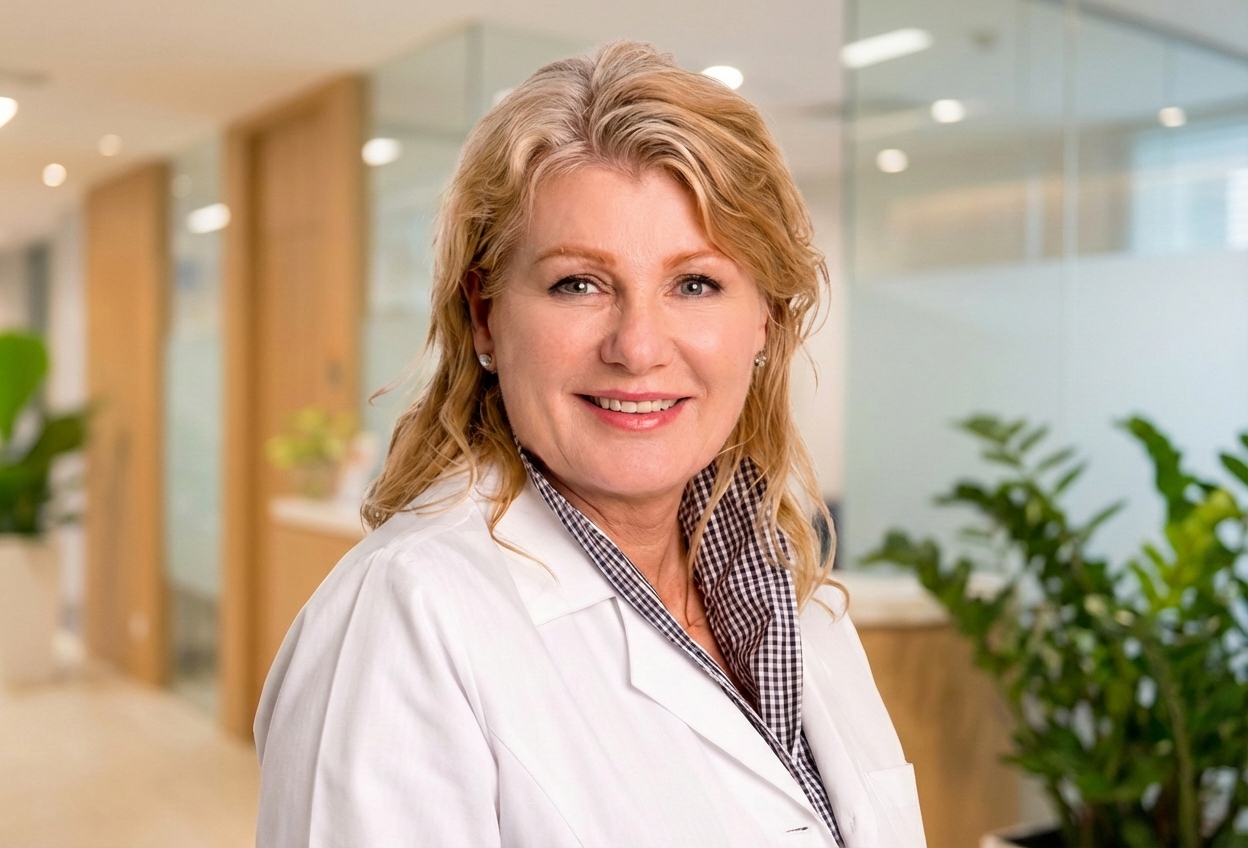
Dr. Heike Jacobs
استشاري طب الأعصاب
دكتوراه في الطب، MRCP (لندن)
دكتورة هايكي جاكوبس استشارية أعصاب في DCDC مدينة دبي الصحية. حاصلة على MRCP من الكلية الملكية للأطباء (لندن) وتدربت في جامعة برلين الحرة ومستشفى كينغز كولدج. متخصصة في الوقاية من السكتة وتقييم النوبة الإقفارية العابرة. تتحدث الألمانية والإنجليزية.
مقالات ذات صلة
علامات تحذير السكتة في دبي
أفضل طبيب أعصاب في دبي: دكتورة هايكي جاكوبس
تصوير دوبلر السباتي والسكتة الدماغية
MRI الدماغ في دبي
ارتفاع ضغط الدم: القاتل الصامت

علاج الرجفان الأذيني في دبي
المزيد في Neurology
Essential Tremor vs Parkinson’s Dubai (2026)
اقرأ المزيدInsomnia Treatment Dubai: Causes & Help (2026)
اقرأ المزيدFibromyalgia Dubai: Symptoms & Treatment (2026)
اقرأ المزيد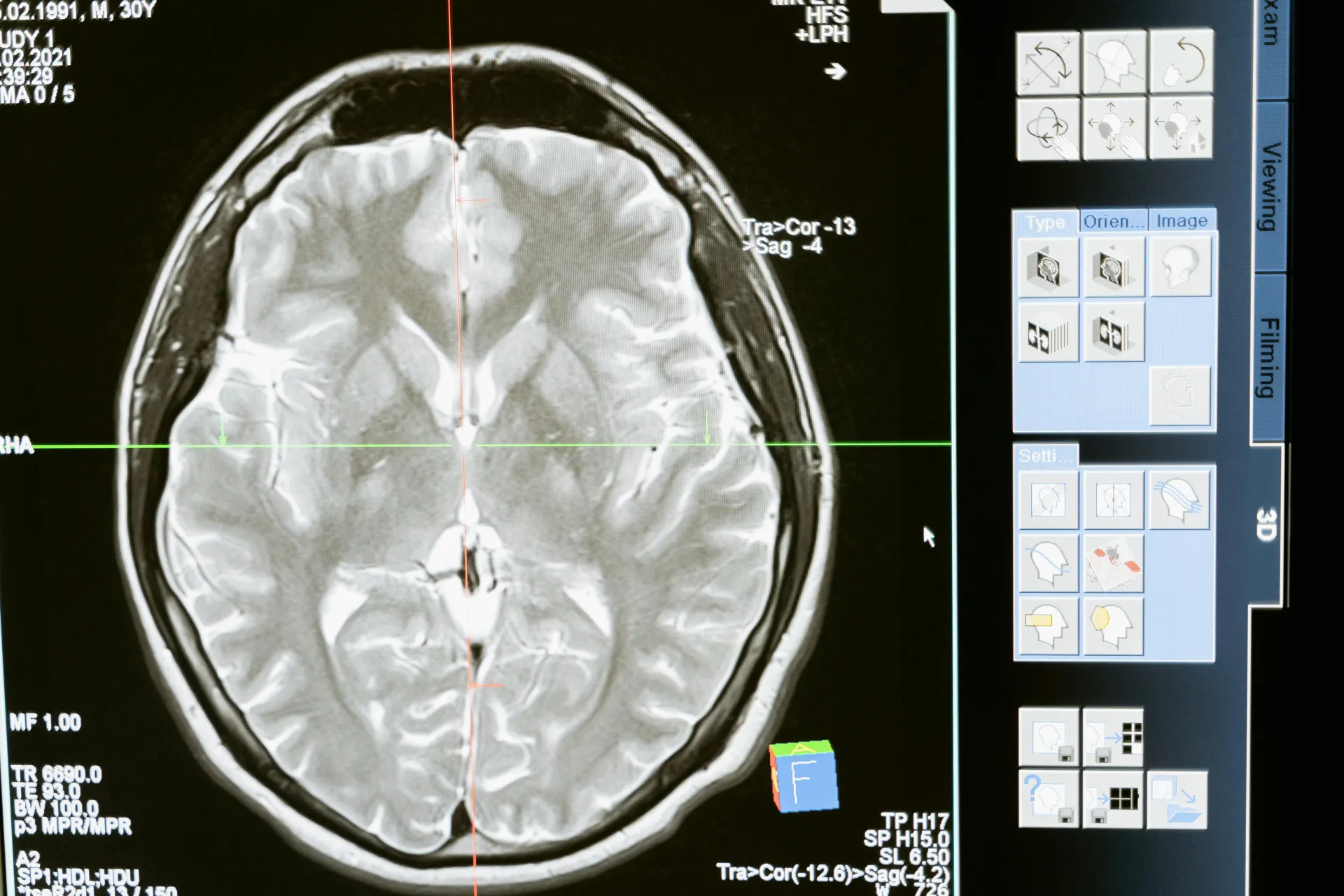
Vertigo vs Dizziness Dubai: Key Differences (2026)
اقرأ المزيدNumbness & Tingling Causes Dubai (2026)
اقرأ المزيد
Migraine vs Headache Dubai: Key Differences (2026)
اقرأ المزيد© 2026 Doctors Clinic Diagnostic Center (DCDC), Dubai Healthcare City. Originally published at https://doctorsclinicdubai.ae/blog/stroke-treatment-dubai. All rights reserved. Unauthorized reproduction is prohibited.