
النقاط الرئيسية
- الترطيب هو ركيزة العلاج الأولى في الغالبية العظمى من حالات عدوى المعدة
- المضادات الحيوية لا تفيد الحالات الفيروسية ويجب حجبها لحين التأكد
- الجفاف يُمثّل الخطر الأكبر، خاصةً للأطفال وكبار السن
- الحمى الشديدة أو الدم في البراز أو الألم الحاد يستوجب مراجعة طبية عاجلة
- النظافة الجيدة وسلامة الغذاء هما السلاح الأمضى في الوقاية
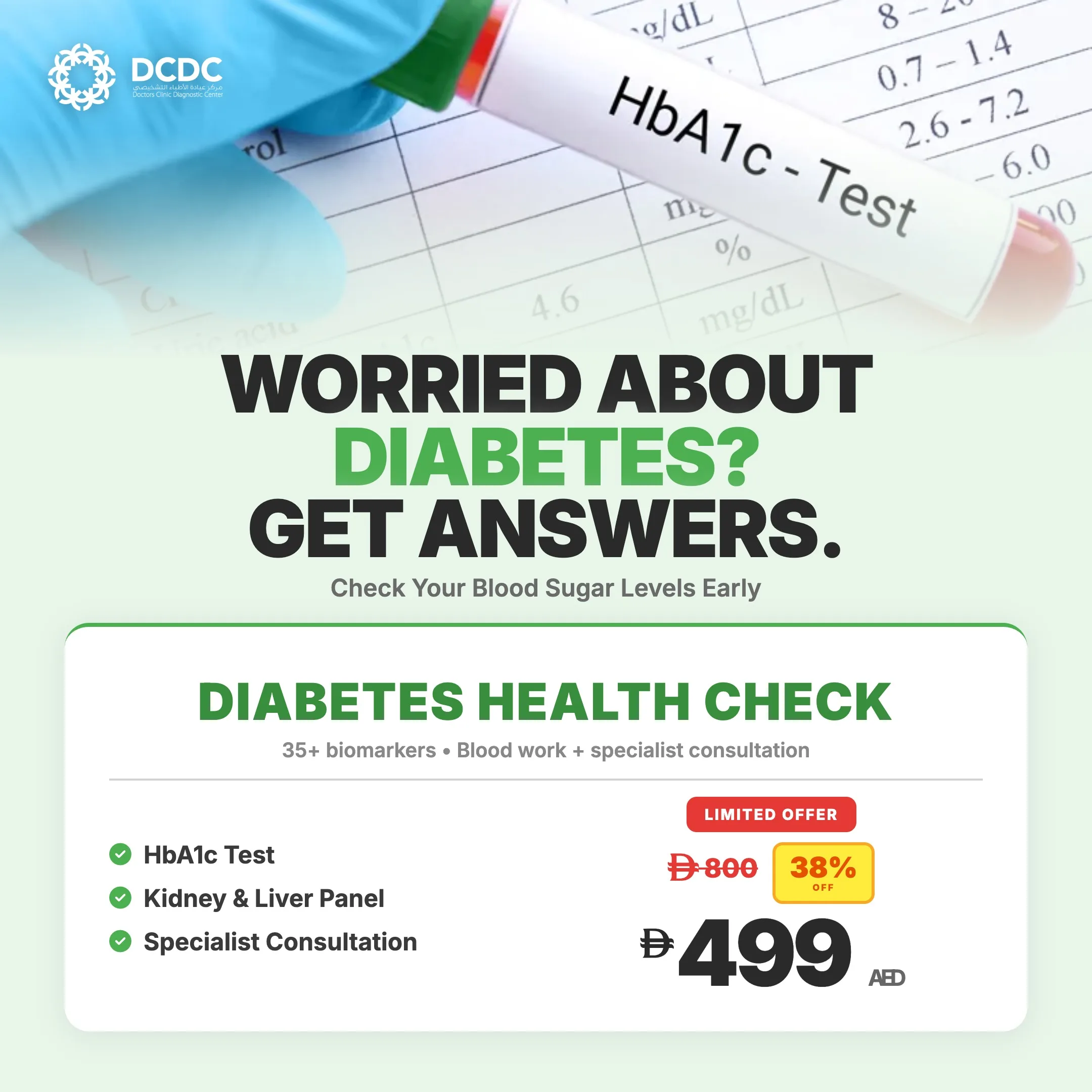
- في DCDC بدبي هيلث كير سيتي، يشمل تقييم عدوى المعدة استشارة الطبيب العام من 150 درهم، تحليل البراز وفحص H. pylori بنتائج في نفس اليوم، وفواتير مباشرة مع أكثر من 20 مزود تأمين
ألم في البطن، غثيان، إسهال — أعراض مقلقة قد تكون إشارة لعدوى معوية. اعرف أسبابها وعلاجها وما يستوجب الذهاب فورًا إلى الطبيب.
التهاب المعدة والأمعاء (Gastroenteritis)، المعروف شعبيًا بعدوى المعدة أو أنفلونزا المعدة، هو التهاب يُصيب الجهاز الهضمي وكثيرًا ما تسببه عوامل معدية. وفي دبي — كما في سائر المراكز الحضرية الكبرى — تظل هذه الحالة من أبرز أسباب مراجعة العيادات والمستشفيات. يوضح هذا الدليل الشامل أسبابها وأعراضها وكيفية علاجها.




أنواع عدوى المعدة
تنقسم عدوى المعدة إلى ثلاثة أنواع رئيسية تبعًا للمسبب: العدوى الفيروسية وهي الأكثر شيوعًا، وتشمل:
- نوروفيروس (Norovirus): من أكثر مسببات الإسهال الوبائي انتشارًا في العالم
- روتافيروس (Rotavirus): يُصيب الأطفال الصغار بصورة خاصة
- أدينوفيروس (Adenovirus): قد يُسبب أعراضًا هضمية إلى جانب أعراض تنفسية
- سالمونيلا (Salmonella): تنتقل عادةً عبر الدواجن والبيض النيئ أو ناقص النضج
- إي كولاي (E. coli): بسلالاتها المختلفة بما فيها المنتجة للذيفان
- كامبيلوباكتر (Campylobacter): تُعدّ من أشيع الأسباب البكتيرية
- لستيريا (Listeria): تشكّل خطورة خاصة على الحوامل وكبار السن
- جيارديا (Giardia): تنتقل عادةً عبر المياه الملوثة
- كريبتوسبوريديوم (Cryptosporidium): مقاوم للكلور وقد يصيب حمامات السباحة
أعراض عدوى المعدة
تُميّز العلامات التالية بين عدوى المعدة وسواها من الاضطرابات الهضمية: <ul> <li><strong>الإسهال</strong>: غالبًا مائي الطابع، نادرًا ما يحتوي على دم في الحالات الفيروسية</li> <li><strong>الغثيان والتقيؤ</strong>: يسبق الإسهال أحيانًا</li> <li><strong>ألم وتشنج البطن</strong>: قد يكون شديدًا ومتقطعًا</li> <li><strong>الحمى</strong>: أكثر شيوعًا في العدوى البكتيرية</li> <li><strong>الصداع والآلام العضلية</strong>: علامات على الاستجابة الالتهابية العامة</li> <li><strong>الإرهاق والوهن</strong>: ناتجان عن جهد الجسم في مقاومة العدوى</li> </ul>
الجفاف: المضاعفة الأكثر خطورة
يُعدّ الجفاف أخطر مضاعفات عدوى المعدة، ويستوجب المراقبة الدقيقة. وعلاماته تشمل: <ul> <li>شحوب أو توقف البول</li> <li>جفاف الفم واللسان</li> <li>الدوخة عند الوقوف</li> <li>غزارة الإسهال مع انعدام الشهية</li> <li>تسارع ضربات القلب</li> </ul> <strong>علامات الخطر الطارئة التي تستوجب الرعاية الفورية</strong> <ul> <li>دم في البراز أو القيء</li> <li>حمى فوق 39 درجة مئوية</li> <li>ألم بطني شديد ومستمر</li> <li>علامات جفاف حاد لدى الأطفال أو كبار السن</li> <li>استمرار الأعراض أكثر من أسبوع</li> </ul>
علاج عدوى المعدة
- نوروفيروس: السبب الرئيسي لالتهاب المعدة والأمعاء الفيروسي عند البالغين. شديد العدوى، ينتشر عبر الطعام والماء الملوثَين والأسطح والاتصال المباشر. يُسبب بداية مفاجئة من التقيؤ النافوري والإسهال المائي والغثيان وتشنجات المعدة خلال 12 إلى 48 ساعة من التعرض. الأوبئة شائعة في الفنادق والسفن السياحية والمدارس وبيئات تناول الطعام المشترك
- روتافيروس: السبب الرئيسي لالتهاب المعدة والأمعاء الحاد عند الرضع والأطفال الصغار حول العالم. في منطقة الشرق الأوسط وشمال أفريقيا، يُمثّل الروتافيروس 16 إلى 61% من حالات التهاب المعدة والأمعاء عند الأطفال ويُسبب ما يُقدَّر بـ 112 حالة وفاة لكل 100,000 في بعض دول المنطقة. الأعراض تشمل إسهالاً مائياً وتقيؤاً وحمى وألم بطني تمتد من 3 إلى 8 أيام
- فيروس الأدينو: أكثر شيوعاً عند الأطفال دون السنتين. يُسبب إسهالاً مطولاً (حتى 12 إلى 14 يوماً) وحمى خفيفة وأعراضاً تنفسية. موجود على مدار العام دون ذروات موسمية
- فيروس الأستروفيروس وسابوفيروس: أسباب أقل شيوعاً بأعراض أخف عموماً. تُظهر الدراسات الإقليمية معدلات انتشار تبلغ نحو 3.5% و3.2% على التوالي في منطقة الشرق الأوسط
النظام الغذائي خلال فترة التعافي
تُنصح قديمًا بالنظام الغذائي المعروف بـ"BRAT" (الموز والأرز وصلصة التفاح والخبز المحمص)، وإن لم تدعمه أدلة علمية قاطعة، إلا أنه يظل مقبولًا. وتشمل الإرشادات الغذائية العامة خلال التعافي: <ul> <li>العودة التدريجية إلى الغذاء العادي عند تحسن الشهية</li> <li>تجنب الدهون والتوابل الحارة في بداية التعافي</li> <li>تجنب الكحول والمشروبات المحتوية على الكافيين</li> <li>اليوغرت البروبيوتيكي قد يُساعد في استعادة توازن بكتيريا الأمعاء</li> </ul>
الوقاية من عدوى المعدة
- السالمونيلا: توجد في الدواجن ومنتجات البيض ومنتجات الألبان غير المبسترة. تظهر الأعراض بعد 6 إلى 72 ساعة من التعرض وتشمل إسهالاً وحمى وتشنجات بطنية تمتد 4 إلى 7 أيام. أفادت السلطات الصحية في دبي بأن السالمونيلا من أكثر أسباب التسمم الغذائي المؤكدة في المدينة
- كامبيلوباكتر: السبب الجرثومي الأكثر تكراراً لالتهاب المعدة والأمعاء على مستوى العالم. يوجد في الدواجن غير المطهوة جيداً والحليب غير المبستر والمياه الملوثة. يُسبب إسهالاً مائياً أو دموياً وتشنجات وحمى تبدأ بعد 2 إلى 5 أيام من التعرض
- الإشريكية القولونية (E. coli): معظم السلالات غير ضارة، لكن السلالات المُمرِّضة كـ E. coli O157:H7 تُسبب إسهالاً دموياً حاداً وقد تُفضي إلى مضاعفات كلوية (متلازمة انحلال الدم اليوريمي). ترتبط عادةً باللحوم البقرية غير المطهوة جيداً والخضراوات الملوثة
- هيليكوباكتر بيلوري: خلافاً للجراثيم أعلاه، تُسبب هيليكوباكتر بيلوري التهاباً مزمناً في المعدة لا التهاباً حاداً في المعدة والأمعاء. تُصيب بطانة المعدة مسببةً التهاباً مزمناً وقرحة وفي حالات نادرة سرطان المعدة. تُصيب هيليكوباكتر بيلوري نحو 50% من سكان العالم وتستلزم علاجاً بمضادات حيوية مركّبة محددة — لا تُقضي عليها الرعاية الداعمة البسيطة
- الشيغيلا: تُسبب الزحار العصوي مع إسهال دموي وحمى وتشنجات بطنية. تنتشر عبر الطعام والماء الملوثَين أو الاتصال المباشر. تظهر الأعراض بعد 1 إلى 2 يوم من التعرض وقد تمتد 5 إلى 7 أيام
عدوى المعدة لدى الأطفال
الأطفال أكثر عرضة لخطر الجفاف، وتزيد الحالة حرجًا عند:
- الرضع دون ستة أشهر
- الأطفال الذين لا يستطيعون شرب السوائل
- ظهور علامات الجفاف الشديد
- الحمى الشديدة
- وجود دم في البراز
- جيارديا لامبليا: تُسبب داء الجيارديات — إسهال مائي مزمن وانتفاخ وغازات وبراز دهني قد يستمر أسابيع دون علاج. تنتقل عبر الطعام والماء الملوثَين. قد تُكتسب أثناء السفر إلى مناطق موبوءة
- أميبا المستكيسة: تُسبب الزحار الأميبي مع إسهال دموي وألم بطني وحمى. قد تُفضي إلى خراج كبدي في الحالات الشديدة. أكثر شيوعاً عند المسافرين العائدين من جنوب آسيا أو أفريقيا أو أمريكا الوسطى
- كريبتوسبوريديوم: يُسبب إسهالاً مائياً غزيراً يمتد 1 إلى 2 أسبوع. مقاوم للكلور، لذا يمكنه الصمود في المياه المعالجة. خطير بشكل خاص لمن يعانون من ضعف المناعة
يواجه كبار السن مخاطر مضاعفة تستوجب الانتباه:
- الجفاف يحدث بسرعة أكبر
- تشابك الأعراض مع أمراض مزمنة أخرى
- تفاعلات محتملة مع الأدوية المعتادة
- ضعف الاستجابة المناعية
عدوى المعدة والتسمم الغذائي — الفرق بينهما
كثيرًا ما يتداخل المصطلحان وإن اختلفا في المفهوم الدقيق: التسمم الغذائي يحدث عبر:
- ذيفانات بكتيرية ناجمة عن سوء تخزين الطعام
- أعراض مبكرة تظهر خلال ساعات من تناول الطعام الملوث
- غثيان وتقيؤ بارزين في أغلب الأحيان
- فترة حضانة أطول (1-3 أيام)
- انتشار بين أفراد المجموعة نفسها أو الأسرة
- مدة أطول للأعراض (3-7 أيام أو أكثر)
متى تزور طبيبًا لعدوى المعدة في دبي؟
توجّه إلى DCDC أو أقرب مرفق طبي في الحالات التالية:
- استمرار الأعراض أكثر من 3 أيام دون تحسن ملموس
- الحمى فوق 38.5 درجة مئوية
- وجود دم في البراز أو القيء
- علامات الجفاف الشديد
- ألم بطني شديد لا يُحتمل
- تدهور الحالة رغم الإجراءات المنزلية
التهاب المعدة والأمعاء في مقابل متلازمة القولون العصبي (IBS)
قد يُقلّد القولون العصبي بعض أعراض عدوى المعدة. والفيصل الأساسي في التمييز:
- عدوى المعدة تبدأ فجأة وتُشفى من تلقاء نفسها في الغالب
- القولون العصبي حالة مزمنة تمتد لأشهر
- الحمى علامة تؤكد العدوى وليست من أعراض القولون العصبي
- استمرار أعراض الهضم بعد شفاء الحالة الحادة قد يستوجب مزيدًا من التقييم
طبيب أمراض الجهاز الهضمي في دبي
Dr. Chadi El Masry هو أخصائي أمراض الجهاز الهضمي والكبد في مركز DCDC، يختص في تشخيص وعلاج الالتهابات المعوية وسائر حالات الجهاز الهضمي. إذا كانت أعراضك شديدة أو تمتد لفترة طويلة، فإن تقييمه المتخصص يُسرّع تعافيك.
احجز موعدك في DCDC
لا تتردد في طلب الرعاية الطبية اللازمة. مركز DCDC في دبي هيلث كير سيتي يُتيح لك رؤية طبيب متخصص بسرعة وكفاءة. احجز موعدك الآن.
أعراض عدوى المعدة: كيف تتعرف على علامات التحذير
تتفاوت أعراض عدوى المعدة بحسب المسبب، لكن ثمة نمط أساسي يمكن التعرف عليه. تظهر الأعراض عادةً خلال 1-72 ساعة من التعرض وقد تشمل:
الأعراض الجوهرية
- الإسهال: العرض المميّز — يتراوح بين البراز الرخو والإسهال المائي أو الدموي الحاد. قد تصل تكراره إلى 10 إلى 15 مرة أو أكثر يومياً في الحالات الشديدة. الإسهال المائي أكثر نموذجيةً للعدوى الفيروسية، بينما يُوحي الإسهال الدموي بأسباب جرثومية (السالمونيلا والكامبيلوباكتر والشيغيلا وE. coli)
- الغثيان والتقيؤ: غالباً أول الأعراض ظهوراً، لا سيما مع النوروفيروس وسموم المكوّرات العنقودية الذهبية. قد يكون التقيؤ قوياً ومستمراً في أول 12 إلى 24 ساعة
- تشنجات البطن وألمها: ألم تشنجي يأتي على شكل موجات، وغالباً ما يتمركز حول السرة أو البطن السفلي. يشتد الألم عادةً قبل حركة الأمعاء. للاطلاع على دليل شامل لتقييم ألم البطن، راجع مقال أسباب ألم البطن وتشخيصه
- الحمى: الحمى الخفيفة (37.5 إلى 38.5 درجة مئوية) شائعة مع معظم الالتهابات. الحمى الشديدة (فوق 38.5 درجة مئوية) أكثر نموذجيةً للعدوى الجرثومية وتُعدّ إشارة خطر تستلزم تقييماً طبياً
- الانتفاخ والغازات: شائع بشكل خاص مع الالتهابات الطفيلية كالجيارديا ومع التغييرات التي تعقب العدوى في جراثيم الأمعاء
- فقدان الشهية: النفور التام من الطعام هو آلية حماية طبيعية للجسم أثناء العدوى الحادة
- الإرهاق وآلام العضلات: توعك عام وآلام بالجسم وضعف — الجسم يُوجّه طاقته لمحاربة العدوى
مقارنة الأعراض حسب نوع العدوى
| الخاصية | فيروسية | جرثومية | طفيلية |
|---|---|---|---|
| بداية الأعراض | 12-48 ساعة | 6-72 ساعة | 1-4 أسابيع |
| نوع الإسهال | مائي | مائي أو دموي | دهني كريه الرائحة |
| التقيؤ | بارز | متغيّر | نادر |
| الحمى | خفيفة | مرتفعة في الغالب | خفيفة أو غائبة |
| المدة | 1-3 أيام | 3-7 أيام | أسابيع إن لم تُعالَج |
| دليل مميّز | مرضى من حولك | مرتبط بطعام محدد أو براز دموي | تاريخ سفر وأعراض مزمنة |
أنماط الأعراض تُساعد في التمييز بين أنواع العدوى، لكن الفحوصات المخبرية ضرورية للتشخيص القاطع.
متى تزور الطبيب لعدوى المعدة
تشفى معظم عدوى المعدة الخفيفة — خاصةً الفيروسية — من تلقاء نفسها في 1-3 أيام بالراحة وتعويض السوائل. غير أن أعراضًا بعينها تُشكّل إشارات حمراء تستوجب الرعاية الطبية. لا تحاول إدارتها منزليًا:
أعراض تستوجب مراجعة الطبيب فورًا
- دم في البراز أو التقيؤ: الإسهال الدموي قد يُشير إلى عدوى بالسالمونيلا أو الكامبيلوباكتر أو الشيغيلا أو E. coli ويحمل خطر مضاعفات خطيرة بما فيها تلف الكلى
- حمى فوق 38.5 درجة مئوية: الحمى الشديدة تُوحي بعدوى جرثومية قد تستلزم علاجاً بمضادات حيوية موجَّهة بدلاً من الرعاية الداعمة وحدها
- علامات الجفاف الشديد: دوار أو خفة رأس عند الوقوف، بول عنبري أو بني غامق، عدم التبوّل لأكثر من 8 ساعات، جفاف الفم دون دموع، تسارع نبض القلب، ارتباك، أو غؤور العينين
- عدم القدرة على الاحتفاظ بأي سوائل: إذا كان التقيؤ شديداً لدرجة عدم تمكنك من الاحتفاظ بحتى رشفات صغيرة من الماء لأكثر من 12 ساعة، فأنت تخاطر بجفاف خطير وقد تحتاج إلى سوائل وريدية
- أعراض تمتد أكثر من 3 أيام: التهاب المعدة والأمعاء الفيروسي الحاد يزول عادةً في 48 إلى 72 ساعة. الأعراض المستمرة تُوحي بعدوى جرثومية أو طفيلية تحتاج إلى تحقيق
- ألم بطني حاد أو متفاقم: الألم الشديد أو الموضعي أو المتزايد تدريجياً قد يُشير إلى مضاعفات كالتهاب الزائدة الدودية أو انسداد الأمعاء أو ثقبها
- استخدام مضادات حيوية حديث: الإسهال الذي يتطور أثناء العلاج بمضادات حيوية أو بعده مباشرة قد يُشير إلى عدوى بالكلوستريديوم ديفيسيل التي تستلزم علاجاً محدداً
الفئات الأكثر عرضة للخطر — ابحث عن الرعاية الطبية في وقت أبكر
- الأطفال دون الخامسة: يجفّون بسرعة بسبب صغر كتلة الجسم. ابحث عن غياب الحفاظ المبلّل لأكثر من 6 ساعات، وغياب الدموع عند البكاء، وغؤور اليافوخ عند الرضع
- البالغون فوق الخامسة والستين: استجابة مناعية أضعف وخطر مضاعفات أعلى وقد لا تظهر عليهم علامات الجفاف المعتادة
- النساء الحوامل: بعض المسببات (الليستيريا والسالمونيلا) تُشكّل مخاطر جدية على الحمل. الجفاف قد يُحفّز الانقباضات
- ضعاف المناعة: من يخضعون للعلاج الكيميائي أو الأدوية المثبطة للمناعة أو المصابون بفيروس نقص المناعة البشري/الإيدز
- المصابون بأمراض مزمنة: السكري وأمراض الكلى والتهاب الأمعاء أو أمراض القلب
وفق Dr. Hadeel Elnur، أهم إجراء خلال عدوى المعدة هو الحفاظ على الترطيب. "في مناخ دبي، يمكن للجفاف الناجم عن عدوى المعدة أن يتصاعد بسرعة تفوق توقع المرضى. ما يبدأ كعدوى بطن محتملة الإدارة قد يتحول إلى حالة طارئة خلال 24 ساعة إن لم تُعوَّض السوائل. دائمًا أقول لمرضاي: إن لم تستطع الاحتفاظ بالسوائل أكثر من 12 ساعة، أو كان بولك أصفر داكنًا، أو شعرت بدوار عند الوقوف — تعال على الفور."
الفحوصات التشخيصية لعدوى المعدة في DCDC
التشخيص الدقيق أساس العلاج الفعّال. يُتيح مختبرنا الداخلي في مركز DCDC الفحص التشخيصي في نفس اليوم — ما يعني أن طبيبك يستطيع تحديد مسبب العدوى وبدء العلاج الموجّه في زيارة واحدة دون الانتظار أياما للحصول على نتائج مختبر خارجي.
تحليل البراز
الفحص الأهم لعدوى المعدة. يُفحص عينة البراز مجهريًا للكشف عن البكتيريا والطفيليات وخلايا الدم البيضاء (دلالة على الالتهاب) والدم الخفي. هذا الفحص وحده يُميّز بين العدوى الفيروسية والبكتيرية والطفيلية ويُوجّه خطة العلاج بأكملها. النتائج متوفرة في نفس اليوم في DCDC.
مزرعة البراز والحساسية
عند الاشتباه بعدوى بكتيرية، تنمو الجراثيم في المزرعة لتحديد النوع الدقيق (السالمونيلا، الكامبيلوباكتر، الشيغيلا، الإشريكية القولونية) واختبار المضادات الحيوية التي تستجيب لها. يمنع ذلك التخمين في وصف المضادات الحيوية الواسعة ويضمن علاجًا موجّهًا وفعّالًا. نتائج المزرعة تستغرق 48-72 ساعة.
فحص الجرثومة الحلزونية (H. Pylori)
للاشتباه بعدوى H. pylori — التي تُظهر ألمًا مزمنًا في المعدة أو حرقة أو انتفاخًا أو التهاب معدة متكرر — يوفر DCDC طرق فحص متعددة: فحص مستضد البراز (غير جراحي، دقيق جدًا)، فحص أجسام الدم المضادة، واختبار نفس اليوريا. فحص H. pylori مهم بشكل خاص لأن هذه العدوى لا تشفى تلقائيًا وتتطلب علاجًا بمضادات حيوية مركّبة.
فحوصات الدم
فحوصات الدم الداعمة تُقيّم التأثير الإجمالي للعدوى: CBC (تعداد الدم الكامل) يكشف ارتفاع خلايا الدم البيضاء دلالةً على العدوى؛ CRP (البروتين التفاعلي C) يقيس مستويات الالتهاب؛ الكهارل تُقيّم توازن الصوديوم والبوتاسيوم والكلوريد المتأثر بفقدان السوائل؛ وظائف الكلى تُقيّم تأثير الجفاف على الكلى. جميع النتائج الروتينية متاحة في نفس اليوم.
خيارات علاج عدوى المعدة
يعتمد العلاج على نوع العدوى المُشخَّصة وشدة الأعراض والحالة الصحية العامة للمريض وعوامل الخطر. فيما يلي دليل شامل لطيف العلاج:
الرعاية المنزلية لعدوى المعدة الخفيفة
لمعظم العدوى الفيروسية والحالات البكتيرية الخفيفة، الإدارة المنزلية مناسبة إذا كنت بصحة جيدة عمومًا وقادرًا على الحفاظ على الترطيب:
- الترطيب الفموي هو الأولوية القصوى: تؤيد منظمة الصحة العالمية والمراكز الأمريكية لمكافحة الأمراض والأكاديمية الأمريكية لطب الأطفال العلاجَ بمحلول الإعادة الترطيب الفموي (ORT) باعتباره العلاج الأول للتهاب المعدة والأمعاء. اشرب محلول الإماهة الفموي (ORS) — متوفر في كل صيدلية في دبي — في رشفات صغيرة ومتكررة (30 إلى 50 مل كل 10 إلى 15 دقيقة). محلول ORS أكثر فاعليةً من الماء العادي لأنه يحتوي على التوازن الدقيق من الصوديوم والبوتاسيوم والغلوكوز اللازم لتعظيم امتصاص الأمعاء للسوائل
- الراحة التامة: جهازك المناعي يحتاج إلى طاقة لمحاربة العدوى. تجنب النشاط البدني، وإن أمكن، خذ إجازة من العمل لتفادي نقل عدوى فيروسية إلى الآخرين
- تجنب الطعام الصلب في البداية: أثناء التقيؤ النشط لا تُجبر نفسك على الأكل. بمجرد توقف التقيؤ (عادةً بعد 6 إلى 12 ساعة)، أدخل تدريجياً أطعمة خفيفة: أرز أبيض سادة وخبز جاف وموز وبطاطس مسلوقة ومرق دجاج맑
- الباراسيتامول للحمى والألم: يمكن للباراسيتامول (أسيتامينوفين) إدارة الحمى وآلام الجسم بأمان. تجنب مضادات الالتهاب غير الستيرويدية كالإيبوبروفين التي قد تُهيّج بطانة المعدة الملتهبة أصلاً
- تجنب مضادات الإسهال في البداية: اللوبيراميد (إيموديوم) يُبطّئ العملية الطبيعية لطرد المسببات المرضية من الجسم. تجنبه في أول 24 ساعة ولا تستخدمه أبداً في حالات الإسهال الدموي أو الحمى الشديدة. استشر طبيبك قبل استخدام أي دواء مضاد للإسهال
- المراقبة ورصد الأعراض: سجّل تكرار نوبات الإسهال والتقيؤ، وافحص درجة حرارتك كل 4 إلى 6 ساعات، وراقب لون البول (أصفر فاتح = ترطيب جيد؛ عنبري غامق = جفاف)
العلاج الطبي لعدوى المعدة
حين تكون الأعراض شديدة أو مستمرة أو تُصيب فئات عالية الخطر، يكون التدخل الطبي ضروريًا:
- الترطيب الوريدي: إذا لم تستطع الاحتفاظ بالسوائل الفموية أو أظهرت علامات جفاف معتدل إلى شديد، تُستعيد السوائل الوريدية مع الشوارد الترطيبَ بسرعة. يمكن إعطاؤها في DCDC دون دخول المستشفى
- مضادات التقيؤ: أدوية مضادة للغثيان بوصفة طبية (أوندانسيترون، ميتوكلوبراميد) توقف التقيؤ الشديد، مما يُمكّنك من الاحتفاظ بالسوائل الفموية والبدء بالتعافي
- مضادات حيوية موجَّهة (للعدوى الجرثومية فقط): تُصرَف المضادات الحيوية فقط حين تؤكد زراعة البراز عدوى جرثومية تستلزمها — كالسالمونيلا أو الكامبيلوباكتر أو الشيغيلا المحددة. مقاومة المضادات الحيوية مصدر قلق متزايد؛ تُظهر الأبحاث أن أكثر من 30% من بعض السلالات باتت مقاومة للمضادات الحيوية الشائعة، ولهذا تبرز أهمية الزراعة واختبار الحساسية
- علاج استئصال هيليكوباكتر بيلوري: تستلزم عدوى هيليكوباكتر بيلوري المؤكدة نظاماً علاجياً متعدد الأدوية — عادةً مثبط مضخة البروتون مع اثنين أو ثلاثة من المضادات الحيوية لمدة 14 يوماً. تُوصي إرشادات الكلية الأمريكية لأمراض الجهاز الهضمي الحالية بالعلاج الرباعي بالبزموث أو الأنظمة القائمة على فونوبرازان كخط أول نظراً لارتفاع مقاومة الكلاريثروميسين
- أدوية مضادة للطفيليات: تستلزم الالتهابات الطفيلية أدوية محددة كالميترونيدازول (للجيارديا والزحار الأميبي) أو النيتازوكسانيد (للكريبتوسبوريديوم). المضادات الحيوية القياسية لا تُؤثر في الطفيليات
- تصحيح الشوارد: قد تكشف فحوصات الدم اختلالات في الصوديوم أو البوتاسيوم أو البيكربونات تستلزم تكميلاً موجَّهاً لتفادي مضاعفات قلبية وعصبية
النظام الغذائي للتعافي بعد عدوى المعدة
ما تأكله خلال التعافي وبعده يُؤثر تأثيرًا كبيرًا على سرعة الشفاء. اتبع هذا النهج المتدرج:
- أول 24 ساعة: سوائل فقط — محلول إعادة الترطيب والمرق الصافي ورشفات صغيرة من الماء. تجنب الألبان والكافيين والكحول والمشروبات السكرية
- اليومان 2-3 (حمية BRAT): موز وأرز أبيض وصلصة تفاح غير محلاة وخبز جاف. أضف البطاطس المسلوقة والمفرقعات السادة ودجاجاً مطبوخاً بالبخار حسب التحمّل
- الأيام 4-7: أعد إدخال الأطعمة العادية تدريجياً مع الاستمرار في تجنب الألبان والأطعمة المقلية والحارة والفواكه والخضراوات النيئة والأطعمة الغنية بالألياف
- الأسابيع 1-4: قد تظل الأمعاء حساسة. عدم تحمّل اللاكتوز مؤقتاً شائع بعد التهاب المعدة والأمعاء. إذا عاد الانتفاخ أو الإسهال مع أطعمة معينة، قد يكون لديك حساسية غذائية تالية للعدوى تزول عادةً في غضون 2 إلى 4 أسابيع
إذا استمرت أعراض الجهاز الهضمي أكثر من 4 أسابيع بعد عدوى المعدة، استشر طبيبك — قد يدل ذلك على متلازمة القولون العصبي ما بعد العدوى (PI-IBS) التي تحدث في نحو 10% من المرضى بعد التهاب المعدة والأمعاء الحاد.
تكلفة علاج عدوى المعدة في دبي (2026)
فهم تكلفة علاج عدوى المعدة يُساعدك على التخطيط وتجنب الصدمة المالية لزيارة طوارئ المستشفى. العلاج في عيادة كـ DCDC أقل كلفةً بشكل ملحوظ من غرفة الطوارئ بالمستشفى — وتتلقى نفس مستوى الرعاية مع إمكانية الوصول لمختبر متكامل. إليك التكاليف الاسترشادية في DCDC:
| الخدمة | سعر DCDC | نطاق السوق في دبي |
|---|---|---|
| استشارة طب عام | من 150 AED | 200-500 AED |
| تحليل البراز (روتيني) | من 100 AED | 100-300 AED |
| زراعة البراز وحساسية المضادات الحيوية | من 200 AED | 200-500 AED |
| اختبار مستضد هيليكوباكتر بيلوري بالبراز | من 150 AED | 150-400 AED |
| صورة الدم الكاملة (CBC) | من 100 AED | 100-300 AED |
| لوحة الشوارد | من 150 AED | 150-400 AED |
| بروتين سي التفاعلي (مؤشر الالتهاب) | من 100 AED | 100-250 AED |
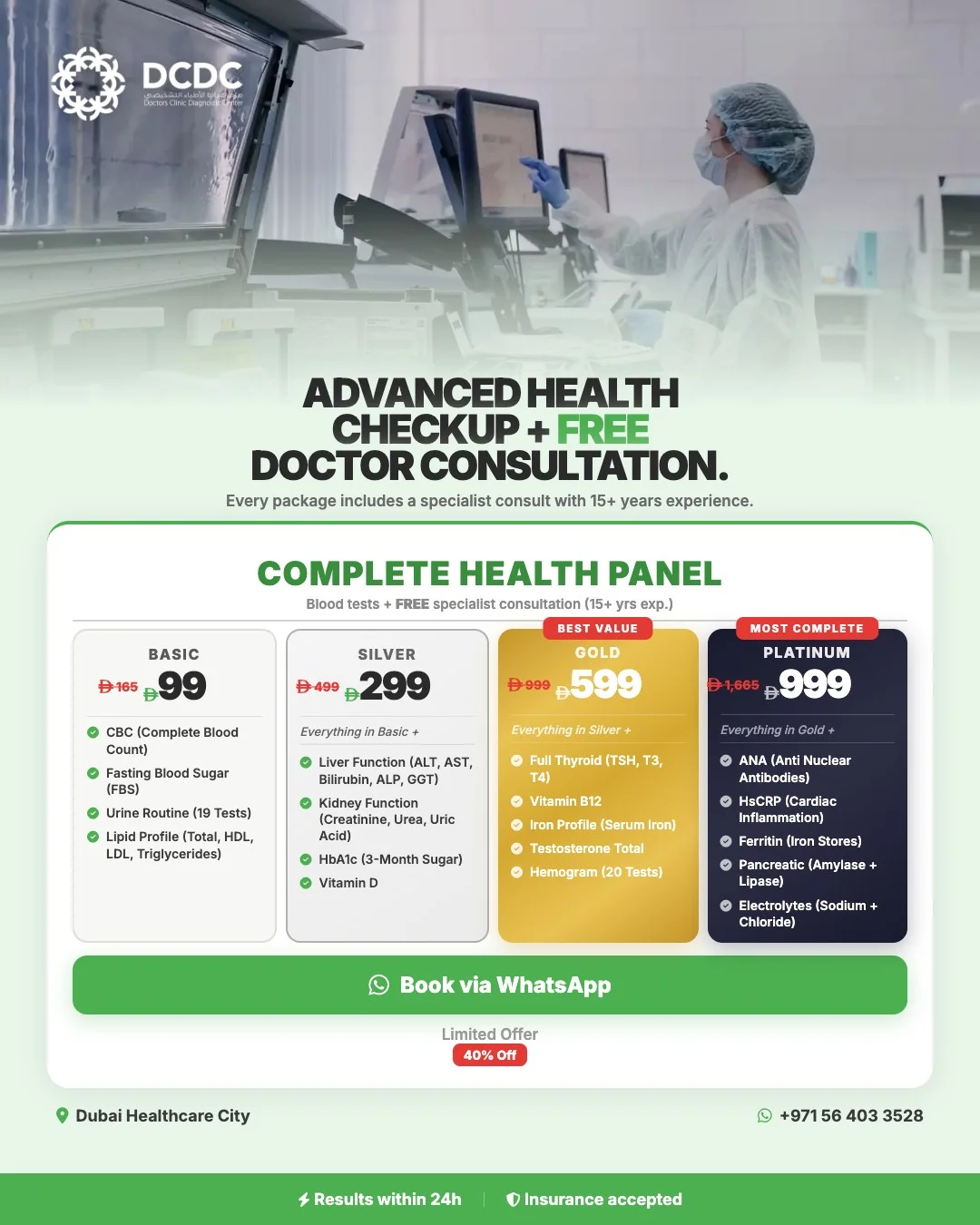
| باقة الفحص الصحي | من 249 AED | 500-2,000 AED |
الأسعار استرشادية وقد تتباين بحسب التغطية التأمينية. يعمل DCDC وفق الأسعار المنظَّمة من دائرة الصحة بمدينة دبي الطبية. الأسعار سارية اعتباراً من يونيو 2026.
تقييم عدوى المعدة النموذجي في DCDC — استشارة الطبيب العام وتحليل البراز وفحوصات الدم الأساسية — يبلغ إجماليًا نحو 350-550 درهمًا. قارن هذا بزيارة طوارئ دبي التي قد تبلغ 1,500-4,000 درهم أو أكثر للتقييم نفسه. DCDC يقبل أكثر من 20 مزود تأمين بفواتير مباشرة.
هل تعاني من التهاب في المعدة؟
ادخل مباشرةً أو احجز موعداً في اليوم ذاته في DCDC بمدينة دبي الطبية. استشارة طب عام من 150 AED، وتحليل براز وفحص هيليكوباكتر بيلوري في الموقع بنتائج في اليوم ذاته، وسوائل وريدية عند الحاجة. احجز استشارة أو راسلنا على واتساب الآن.
مفتوح السبت-الخميس 8ص-10م، الجمعة 9ص-9م. موقف سيارات مجاني. أكثر من 20 شريكاً تأمينياً مع فوترة مباشرة.
ماذا تتوقع في DCDC لعلاج عدوى المعدة
إذا زرت مركز DCDC في دبي هيلث كير سيتي بأعراض عدوى المعدة، إليك رحلتك خطوة بخطوة من الوصول إلى التعافي:
الخطوة 1: الوصول والتسجيل
DCDC يقع في المبنى 64، الجناح A، المجمع الطبي الرازي، دبي هيلث كير سيتي (DHCC). مواقف سيارات مجانية متاحة. المرضى بلا موعد والمواعيد في نفس اليوم مرحّب بهم. متوسط وقت الانتظار 15 دقيقة.
الخطوة 2: العلامات الحيوية والتقييم الأولي
ستفحص الممرضة فورًا ضغط الدم ومعدل ضربات القلب ودرجة الحرارة وتشبع الأكسجين. تُساعد هذه العلامات في تقييم شدة الجفاف وتأثير العدوى. المرضى الذين يُظهرون علامات جفاف شديد أو ضائقة يُعطَون أولوية للاستشارة الفورية.
الخطوة 3: الاستشارة مع Dr. Hadeel Elnur
Dr. Hadeel Elnur، طبيبة ممارسة عامة ونقطة الاتصال الأولى في DCDC، ستأخذ تاريخًا مفصّلًا: متى بدأت الأعراض، ماذا أكلت، طبيعة الإسهال والتقيؤ (التكرار واللون والدم)، كميات السوائل التي تناولتها، تاريخ السفر، والحالات المزمنة. سيشمل الفحص تسمّع البطن وتقييم تورم الجلد للجفاف وفحص الأغشية المخاطية.
الخطوة 4: الفحوصات المختبرية في الموقع
مختبر DCDC الداخلي يعني أنك لست بحاجة لزيارة مرفق منفصل أو انتظار أيام للنتائج. الفحوصات الشائعة لعدوى المعدة: تحليل البراز، مزرعة البراز، فحص H. pylori، CBC، CRP، الكهارل، وظائف الكلى — جميعها في نفس المبنى.
الخطوة 5: خطة العلاج والتعافي
بحسب التشخيص، قد يشمل العلاج: ترطيب وريدي إن كان الجفاف متوسطًا أو شديدًا، أدوية مضادة للتقيؤ، مضادات حيوية بوصفة فقط إذا أكدت المزرعة عدوى بكتيرية تستلزمها، إرشادات غذائية للتعافي، خطة متابعة مع علامات تحذيرية للعودة.
عدوى المعدة عند الأطفال: اعتبارات خاصة
يتأثر الأطفال بعدوى المعدة بشكل غير متناسب — يُشكّل الروتافيروس وحده ما يصل إلى 45% من حالات دخول المستشفى بسبب التهاب المعدة والأمعاء عند الأطفال دون الخامسة في منطقة الشرق الأوسط. يجفّ الأطفال بسرعة أكبر بكثير من البالغين لأن كتلتهم الجسمية الصغيرة تعني أن الحجم نفسه من السوائل المفقودة يمثل نسبة أكبر من إجمالي ماء الجسم.
علامات التحذير عند الأطفال التي تستوجب الرعاية الطبية الفورية
- غياب الحفاضة المبللة لأكثر من 6 ساعات (الرضع) أو عدم التبول لأكثر من 8 ساعات (الأطفال الأكبر) — يُشير إلى جفاف ملحوظ
- غياب الدموع عند البكاء — علامة كلاسيكية موثوقة للجفاف عند الأطفال الصغار
- غؤور العينين أو اليافوخ (البقعة اللينة في رأس الرضيع) — يُشير إلى جفاف معتدل إلى شديد
- الخمول أو النعاس غير المعتاد — الطفل الذي يصعب إيقاظه أو خامل بشكل غير طبيعي يحتاج إلى تقييم فوري
- الإسهال الدموي بأي سن — يستلزم دائماً تقييماً طبياً عند الأطفال
- رفض الشرب لأكثر من 4 ساعات — الرضيع أو الطفل الصغير الذي يرفض السوائل معرَّض لخطر مرتفع من الجفاف السريع
- حمى شديدة (فوق 39 درجة مئوية) عند طفل دون 3 أشهر — تستلزم تقييماً طبياً عاجلاً بصرف النظر عن الأعراض الأخرى
للأطفال، توصي منظمة الصحة العالمية بإعطاء محلول الإماهة الفموية بكميات صغيرة ومتكررة — 5 مل (ملعقة شاي) كل 1-2 دقيقة بدلًا من كميات كبيرة دفعة واحدة التي ترفع احتمالية التقيؤ. تجنب عصائر الفاكهة والمشروبات الغازية ومشروبات الطاقة التي قد تُفاقم الإسهال بسبب محتواها السكري العالي.
نصائح الوقاية من عدوى المعدة في دبي
الوقاية أكثر فعالية بكثير من العلاج، خاصةً خلال أشهر صيف دبي حين يبلغ خطر عدوى المعدة ذروته. هذه الاستراتيجيات المُستندة إلى الأدلة تُقلّص خطرك بشكل ملحوظ:
سلامة الغذاء في حرارة دبي
- قاعدة الساعة الواحدة في الصيف: في درجات حرارة فوق 32 درجة مئوية، لا ينبغي ترك الأغذية القابلة للتلف خارج التبريد لأكثر من ساعة (مقارنةً بساعتين في المناخات الأكثر برودة). ينطبق هذا على مشترياتك في السيارة وبقايا الطعام على المنضدة والطعام في الفعاليات الخارجية
- التبريد الفوري للمشتريات: في صيف دبي، يمكن أن يصل صندوق سيارتك إلى 60 إلى 70 درجة مئوية. أحضر حقيبة مبرّدة للمشتريات وضعها في الثلاجة في غضون 30 دقيقة من الشراء
- إعادة تسخين الطعام جيداً: ينبغي تسخين بقايا الطعام إلى 75 درجة مئوية في كل أنحائه — لا مجرد تدفئته. استخدم ميزاناً حرارياً للطعام عند الشك. أعِد تسخين الطعام مرة واحدة فقط
- طهي اللحوم حتى درجات حرارة آمنة: استخدم ميزاناً حرارياً للحوم — الدجاج 75 درجة مئوية، اللحم المفروم 71 درجة مئوية، الستيك 63 درجة مئوية (متوسط النضج). المؤشرات البصرية كاللون غير موثوقة
- غسل المنتجات جيداً: اشطف جميع الفواكه والخضراوات تحت الماء الجاري، حتى السلطات المعبّأة مسبقاً. استخدم غسولاً آمناً للخضراوات للخضراوات الورقية
ممارسات النظافة
- غسل اليدين: أكثر إجراءات الوقاية فاعليةً. اغسل يديك بالصابون والماء لمدة 20 ثانية على الأقل قبل الأكل وبعد استخدام المرحاض وبعد التعامل مع الطعام النيء. معقّم اليدين الكحولي (60% كحول على الأقل) بديل حين لا يتوفر الصابون — لكنه أقل فاعليةً من الصابون والماء ضد النوروفيروس
- تجنب تبادل الأدوات والمشروبات: خاصةً أثناء أوبئة التهاب المعدة الفيروسي النشطة في منزلك أو مكان عملك
- تعقيم الأسطح: إذا أُصيب أحد أفراد المنزل بالتهاب معدة، نظّف الحمامات ومقابض الأبواب والأسطح المطبخية بمعقّم على أساس الكلور (النوروفيروس مقاوم لكثير من منظفات المنازل الشائعة)
- البقاء في المنزل عند ظهور الأعراض: التهاب المعدة والأمعاء الفيروسي شديد العدوى. ابقَ في المنزل 48 ساعة على الأقل بعد زوال الأعراض لتفادي انتقال العدوى للآخرين
ممارسات آمنة لتوصيل الطعام
- تناول الطعام الموصَّل فوراً: لا تتركه يجلس في درجة حرارة الغرفة بينما تُنهي مهمةً أخرى
- فحص درجات الحرارة: ينبغي أن يصل الطعام الساخن ساخناً عند اللمس، والطعام البارد لا يزال بارداً. إذا لم يكن كذلك، فكّر مجدداً في تناوله
- احذر من العناصر عالية الخطورة: السوشي والأسماك النيئة والصلصات الكريمية وأطباق الأرز والمأكولات البحرية تحمل خطراً أعلى أثناء توصيل الحرارة الشديدة
- تحقق من تقييمات النظافة لبلدية دبي: اطلب من مطاعم ذات تقييمات نظافة مرتفعة وموثّقة
جرثومة المعدة H. Pylori: العدوى المزمنة
بينما تكون معظم عدوى المعدة حادة ومؤقتة، تستحق الجرثومة الحلزونية (H. pylori) اهتمامًا خاصًا لأنها عدوى بكتيرية مزمنة تُصيب نحو 50% من سكان العالم. على خلاف التهاب المعدة والأمعاء، لا تُسبب H. pylori قيئًا وإسهالًا مفاجئَين — بل تستوطن بطانة المعدة بهدوء وقد تبقى لسنوات أو عقود دون علاج.
أعراض عدوى H. Pylori
- ألم حارق أو متآكل في المعدة: عادةً في الجزء العلوي من البطن، يشتد على معدة فارغة ويخفّ مؤقتاً بعد الأكل أو مضادات الحموضة
- الانتفاخ والتجشؤ المفرط: مستمر وغير مرتبط بوجبات محددة
- الغثيان: خفيف لكن متكرر، وغالباً أشد في الصباح
- فقدان الشهية وفقدان الوزن غير المقصود: في الحالات المزمنة غير المعالجة
- التهاب المعدة والقرحة الهضمية: هيليكوباكتر بيلوري هي السبب الرئيسي للقرحة الهضمية والتهاب المعدة المزمن. إذا تم تشخيصك بأي منهما، فإن فحص هيليكوباكتر بيلوري ضروري. لمزيد من المعلومات حول إدارة التهاب المعدة، راجع دليل علاج التهاب المعدة
فحص وعلاج H. Pylori في DCDC
يوفر DCDC فحص H. pylori في الموقع بنتائج في نفس اليوم لفحص مستضد البراز (من 300 درهم). إذا كانت النتيجة إيجابية، ستصف Dr. Hadeel Elnur نظامًا علاجيًا متعدد الأدوية وفق الإرشادات السريرية الحالية — عادةً دورة 14 يومًا تجمع مثبطًا لمضخة البروتون مع مضادين أو ثلاثة حيوية. فحص متابعة بعد 4 أسابيع من إتمام العلاج يُؤكد القضاء على العدوى.
اتخذ الخطوة التالية
معظم عدوى المعدة مزعجة لكنها قابلة للإدارة بالترطيب الجيد والراحة. المهارة الحيوية هي معرفة متى تكفي الرعاية المنزلية ومتى يُستلزم التقييم الطبي. إذا كنت تُعاني حاليًا من أعراض عدوى المعدة — خاصةً دمًا في البراز أو حمى شديدة أو علامات جفاف أو استمرار الأعراض أكثر من 3 أيام — لا تنتظر.
في مركز DCDC بدبي هيلث كير سيتي، نوفر استشارات الطبيب العام في نفس اليوم من 150 درهم مع تحليل البراز وفحص H. pylori وفحوصات الدم — جميعها بنتائج في نفس اليوم. منشأتنا المرخَّصة من MOHAP (رقم الترخيص NIMY7VY5-240925) حاصلة على تقييم 4.8/5 على Google من أكثر من 1,000 مراجعة ومعدل رضا مرضى 98%.
هل تحتاج إلى علاج لالتهاب المعدة في دبي؟
احجز موعد طب عام في اليوم ذاته في DCDC بمدينة دبي الطبية. تحليل البراز وفحص هيليكوباكتر بيلوري وفحوصات الدم في الموقع بنتائج في اليوم ذاته. استشارة طب عام من 150 AED. فوترة مباشرة مع أكثر من 20 شركة تأمين. احجز استشارتك الآن أو راسلنا على واتساب للجدولة الفورية.
المبنى 64، البلوك A، مجمع الرازي الطبي، DHCC. مفتوح السبت-الخميس 8ص-10م، الجمعة 9ص-9م. موقف سيارات مجاني. طاقم عمل متعدد اللغات.
خدمات ذات صلة في DCDC
رعاية متخصصة وتشخيص متقدم في مدينة دبي الطبية
GP Consultation
Same-day GP consultation for stomach infections, gastroenteritis, and digestive symptoms
احجز موعدStool & Urine Testing
On-site stool analysis, culture, and H. pylori testing with same-day results
احجز موعدAbdominal Ultrasound
Imaging to evaluate persistent abdominal pain and rule out complications
احجز موعدالأسئلة الشائعة
احمِ نفسك وتصرف مبكرًا
تشفى معظم حالات عدوى المعدة تلقائيًا بالراحة وتعويض السوائل. لكن عندما تشتد الأعراض أو تمتد، لا تتردد في طلب الرعاية الطبية.
Dr. Chadi El Masry وفريق DCDC جاهزون لتقديم التقييم والرعاية السريعة. احجز موعدك الآن.
في DCDC بدبي هيلث كير سيتي، يوفر فريقنا استشارات الطبيب العام في نفس اليوم من 150 درهم مع فحوصات مختبرية في الموقع للحصول على إجابات فورية. منشأتنا المرخَّصة من MOHAP تحمل تقييم 4.8/5 على Google من أكثر من 1,000 مراجعة، وتقبل أكثر من 20 مزود تأمين بفواتير مباشرة.
المصادر والمراجع
تمت مراجعة هذا المقال من قبل فريقنا الطبي ويستند إلى المصادر التالية:
- World Health Organization — Diarrhoeal Disease Fact Sheet
- CDC — Viral Gastroenteritis (Stomach Flu)
- NIDDK — Treatment of Viral Gastroenteritis
- Mayo Clinic — Gastroenteritis: Symptoms and Causes
- ACG Clinical Guideline — Treatment of Helicobacter pylori Infection
- Foodborne Disease and Food Control in the Gulf States — Food Control Journal
يتم مراجعة المحتوى الطبي على هذا الموقع من قبل أطباء مرخصين من هيئة الصحة. اطلع على سياستنا التحريرية لمزيد من المعلومات.

كتبه
Dr. Hadeel Elnur
طبيب عام
دكتوراه في الطب، الممارسة العامة
الدكتورة هديل النور طبيبة عامة في مركز أطباء التشخيص العيادي (DCDC) بمدينة دبي الطبية.
مقالات ذات صلة

التسمم الغذائي في دبي: الأعراض والعلاج (2026)

علاج التهاب المعدة في دبي: الأعراض والراحة (2026)
الجفاف في دبي: الأعراض والعلاج (2026)
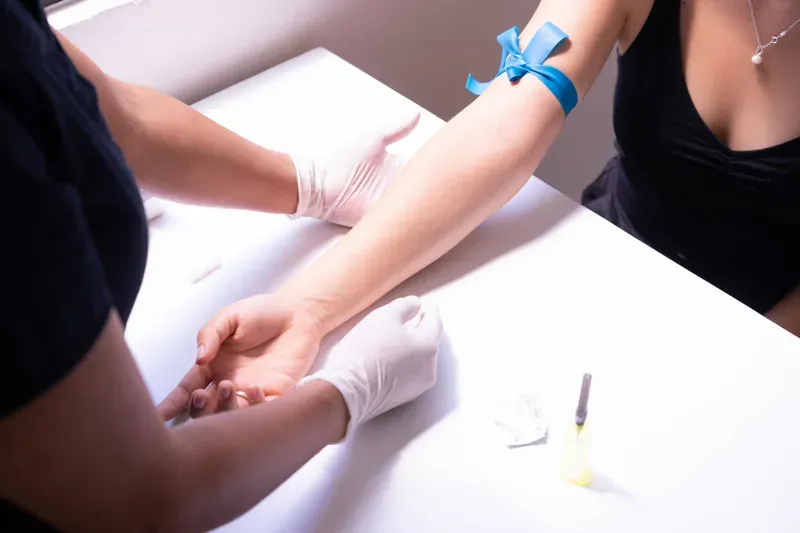
تكلفة فحص H. Pylori في دبي: تبدأ من 300 AED (2026)

ألم البطن في دبي: الأسباب والتشخيص (2026)
المزيد في General Health
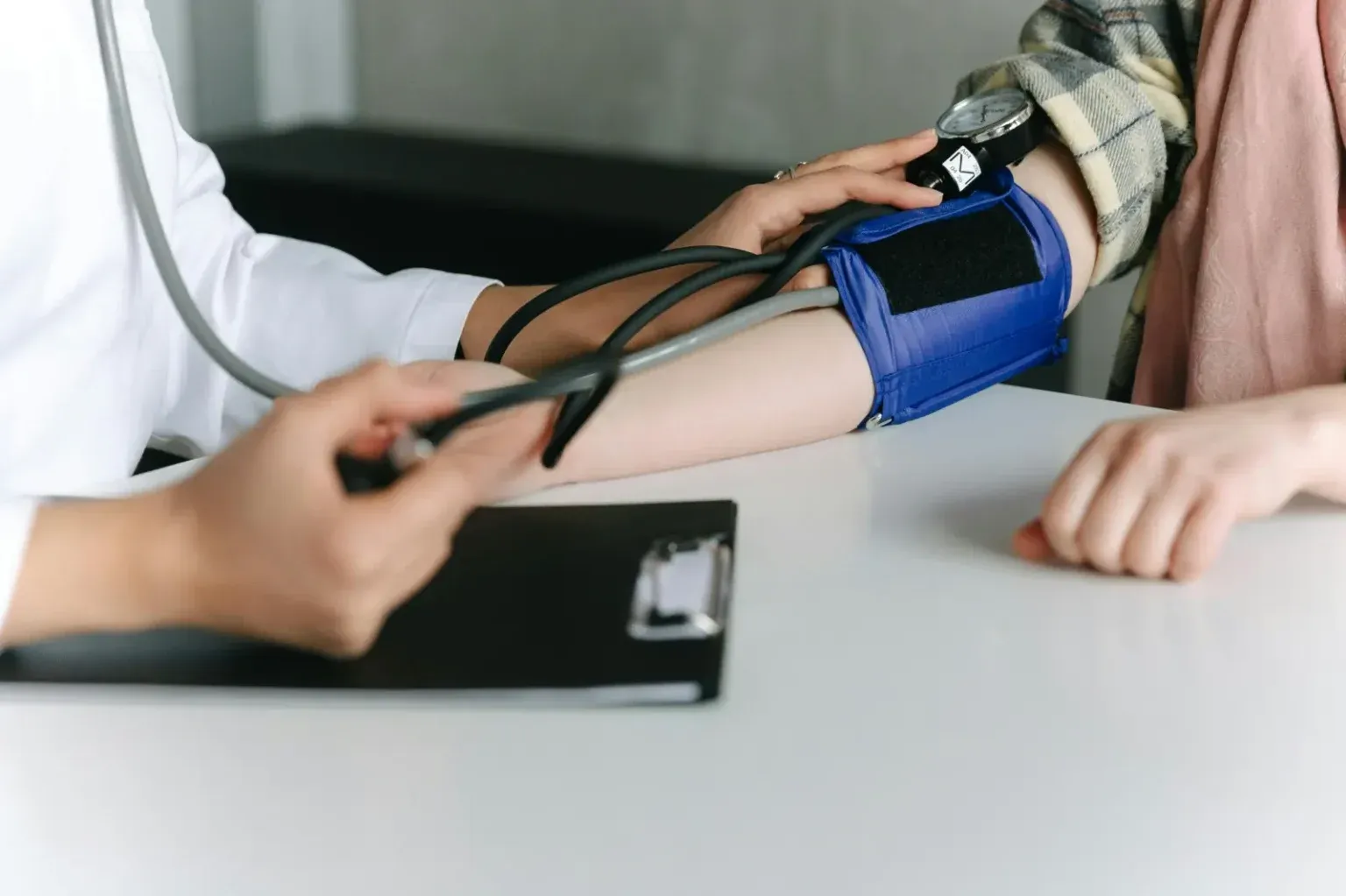
Blood Pressure by Age Dubai: Normal Ranges (2026)
اقرأ المزيد
Low Magnesium Symptoms Dubai: Testing Guide (2026)
اقرأ المزيدSummer Health Risks in Dubai: Expert Guide (2026)
اقرأ المزيد
Allergy vs Sinus Infection Dubai: Signs (2026)
اقرأ المزيدGP vs Specialist Dubai: When to See Which (2026)
اقرأ المزيد
Leg Cramps at Night Dubai: Causes & Fix (2026)
اقرأ المزيد© 2026 Doctors Clinic Diagnostic Center (DCDC), Dubai Healthcare City. Originally published at https://doctorsclinicdubai.ae/blog/stomach-infection-treatment-dubai. All rights reserved. Unauthorized reproduction is prohibited.