النقاط الرئيسية
- تقدّم DCDC ممرضين مرخّصين من DHA لما بعد الجراحة يوفرون دعم التعافي بمستوى المستشفى في المنزل عبر دبي -- بما يشمل رعاية الجروح وإدارة المصارف وإعطاء الأدوية ومراقبة الجلطات الوريدية العميقة والتنسيق مع العلاج الطبيعي
- تبدأ زيارات التمريض المنزلي بعد الجراحة في DCDC من 250--500 درهم لكل زيارة تبعاً لتعقيد الإجراء، وتغطي معظم خطط التأمين الكبرى رعاية ما بعد الجراحة المنزلية عند دعمها بوصفة من الجراح
- تُمثّل الأيام 7--14 الأولى بعد الجراحة النافذة الأعلى خطورة للمضاعفات بما فيها عدوى موضع الجراحة والجلطات الدموية وانفتاح الجرح والآثار الجانبية للأدوية -- والمراقبة التمريضية المتخصصة تكشف المشكلات مبكراً حين تكون أكثر قابلية للعلاج
- تنسّق DCDC مباشرةً مع فريقك الجراحي والمعالج الطبيعي لضمان الاتباع الدقيق لتعليمات الخروج من المستشفى ورفع أي مخاوف فوراً إلى الجراح
- يستلزم التعافي في دبي احتياطات خاصة بالمناخ تشمل زيادة الترطيب (2--3 لتر يومياً على الأقل)، وتجنّب الحرارة الخارجية خلال التعافي، ومراقبة مضاعفات الجفاف التي تُبطئ التئام الجروح
- بتقييم 4.8 من 5 على Google من أكثر من 1000 مراجعة موثّقة ومعدل رضا مرضى 98%، تعمل DCDC تحت ترخيص MOHAP رقم NIMY7VY5-240925 مع الفوترة المباشرة عبر أكثر من 20 مزوّد تأمين بما فيهم Daman وAXA وBupa
العودة إلى المنزل من المستشفى بعد الجراحة يجب أن تكون بداية تعافٍ مريح لا مصدر قلق حول العناية بالجروح والأدوية والمضاعفات المحتملة. تجلب الرعاية بعد الجراحة في المنزل في دبي خبرات وحدة الرعاية المتدرّجة في المستشفى مباشرةً إلى غرفة معيشتك -- بممرضين مرخّصين من DHA يراقبون تعافيك ويعتنون بالجروح الجراحية ويُعطون الأدوية ويراقبون الجلطات الدموية وينسّقون مع فريقك الجراحي. في DCDC (مركز أطباء العيادات التشخيصي) بمدينة دبي الطبية، يتّبع برنامج الرعاية المنزلية بعد العمليات بروتوكولات تعافٍ منظّمة قائمة على الأدلة، لضمان حصول كل مريض على نفس مستوى الرعاية الموجود في المستشفى لكن في راحة منزله المألوف.
سواء كنت تستعدّ لعملية جراحية قادمة وتخطّط لتعافيك، أو خرجت بالفعل من المستشفى وتحتاج إلى دعم تمريضي متخصص، يغطّي هذا الدليل كل ما تحتاج معرفته عن الرعاية بعد الجراحة في المنزل بدبي لعام 2026 -- من الخدمات المشمولة وتكاليفها، إلى الجداول الزمنية للتعافي وعلامات التحذير من المضاعفات وكيف يدعم فريق الرعاية المنزلية في DCDC رحلتك من الخروج من المستشفى إلى الاستقلالية التامة.




لماذا تهمّ الرعاية المنزلية بعد الجراحة
تُعدّ مرحلة الانتقال من المستشفى إلى المنزل من أكثر فترات تعافي المريض الجراحي حساسيةً. باتت المستشفيات في دبي تعتمد بشكل متزايد بروتوكولات الخروج المبكّر -- إذ يُصرَّح للمرضى الذين كانوا يبقون خمسة إلى سبعة أيام بعد الجراحات الكبرى للمغادرة في غضون 24 إلى 48 ساعة. هذا التحوّل سليم سريرياً (البيئة المنزلية تعزّز النوم وتقلّل التعرّض للعدوى وتوفّر الراحة النفسية)، لكنه يخلق فجوة حرجة: يتعافى المرضى من إجراءات كبرى دون المراقبة التمريضية التي تتيحها المستشفيات.
تُظهر الأبحاث المنشورة في Mayo Clinic Proceedings أن المضاعفات الشائعة بعد العمليات -- بما فيها عدوى موضع الجراحة والجلطات الوريدية العميقة والانصمام الرئوي وانفتاح الجرح -- تنشأ في أغلب الأحيان خلال الأيام 7 إلى 14 الأولى بعد الخروج من المستشفى. تشدّد إرشادات الجمعية الأوروبية للتعافي المعزّز بعد الجراحة (ERAS) على أن المتابعة المنظّمة بعد العملية تقلّل معدلات المراضة تقليلاً ملحوظاً وتختصر وقت التعافي الكلي وتخفّض خطر إعادة الدخول إلى المستشفى. التمريض المنزلي المتخصص خلال هذه النافذة الحرجة يعني الكشف عن المضاعفات في مراحلها الأولى الأكثر قابلية للعلاج.
بالنسبة للمرضى في دبي، تعالج الرعاية المنزلية بعد الجراحة أيضاً التحديات العملية التي تؤثر على جودة التعافي. التنقّل إلى عيادة لتغيير ضمادات الجرح مع إدارة الألم الجراحي ومحدودية الحركة وآثار التخدير ليس مزعجاً فحسب بل قد يُعيق الشفاء فعلاً. زيارة ممرض جراحي لمنزلك تُزيل هذا العبء مع توفير مراقبة سريرية لا يستطيع أحد أفراد الأسرة تقديمها مهما بلغت نواياهم الطيبة.
ما تشمله الرعاية المنزلية بعد الجراحة
الرعاية المنزلية بعد الجراحة ليست خدمة واحدة بل برنامج تعافٍ شامل يعالج كل جوانب الشفاء بعد العملية. في DCDC، يُقدّم كل مكوّن ممرضون مرخّصون من DHA ذوو خبرة في بروتوكولات ما بعد العمليات عبر جميع التخصصات الجراحية.
- رعاية الجرح الجراحي: تغيير الضمادات المعقمة باستخدام مستلزمات بمستوى المستشفى، وتقييم الجرح بالقياس والتصوير، ومراقبة علامات العدوى في موضع الجراحة (احمرار يتجاوز 2--3 سم من الشقّ، وسخونة، وإفرازات قيحية)، وإزالة الغرز أو الدبابيس في الوقت المناسب
- إدارة المصارف: المراقبة اليومية والعناية بمصارف Jackson-Pratt وBlake وHemovac -- بما يشمل قياس الإخراج وتقييم لون السائل والحفاظ على معقّمية الموضع وتعصير المصرف عند الاقتضاء وإزالته حين يأذن الجراح بناءً على معايير الإخراج
- إعطاء الأدوية: التأكد من أخذ جميع أدوية ما بعد العملية بصورة صحيحة وفق الجدول الزمني المحدد، بما فيها مسكّنات الألم والمضادات الحيوية ومضادات التخثر والأدوية المضادة للغثيان. يراقب الممرض الآثار الجانبية كالإمساك الناجم عن المواد الأفيونية وعسر الهضم من المضادات الحيوية وعلامات النزيف من مخفّفات الدم
- مراقبة الجلطات الوريدية العميقة والوقاية منها: تقييم علامات الجلطات الوريدية العميقة بما فيها تورّم الساق وألم الساق عند ضغطه وسخونته وتغيّر لون الجلد. يتأكد الممرض من ارتداء الجوارب الضاغطة بشكل صحيح ويُشرف على أدوية مضادة التخثر الموصوفة ويشجّع على التحرّك المبكر -- الركائز الثلاث للوقاية من الجلطات الدموية بعد الجراحة
- مراقبة العلامات الحيوية: يُقيَّم ضغط الدم ومعدل ضربات القلب ودرجة الحرارة ومستوى تشبّع الأكسجين ومعدل التنفس في كل زيارة. توثّق الاتجاهات وتستوجب أي تغيّرات غير طبيعية التواصل الفوري مع الطبيب
- تقييم الألم وإدارته: باستخدام مقاييس الألم المعيارية، يُقيّم الممرض مستويات الألم قبل التدخلات وبعدها ويتأكد من فاعلية خطة إدارة الألم وينسّق مع الطبيب المُعالج إذا احتاجت الخطة إلى تعديل
- دعم الحركة والتعبئة المبكّرة: مساعدة تدريجية آمنة للحركة وفق بروتوكولات خاصة بكل إجراء -- من الانتقال من السرير إلى الكرسي بعد جراحة البطن إلى المشي المراقَب بعد تبديل المفصل
- التنسيق مع العلاج الطبيعي: جدولة سلسة مع فريق العلاج الطبيعي في DCDC للمرضى الذين يحتاجون إلى إعادة تأهيل بعد العملية، لضمان تكامل رعاية التمريض وجلسات إعادة التأهيل
- تقييم التغذية والترطيب: مراقبة تناول الطعام ووظيفة الأمعاء (المهمة بشكل خاص بعد جراحة البطن وللمرضى على مسكنات الألم الأفيونية) وحالة الترطيب -- وهو أمر بالغ الأهمية في مناخ دبي
الجدول الزمني للتعافي بعد الجراحة: أسبوعاً بأسبوع
فهم المسار الطبيعي للتعافي الجراحي يساعد المرضى وذويهم على معرفة ما يتوقعونه ومتى يقلقون. وإن كانت الجداول الزمنية تتفاوت بحسب الإجراء، فإن المعالم التالية تنطبق على معظم الجراحات الكبرى وتعكس إرشادات الكلية الأمريكية للجراحين.
- الأيام 1--3 (التعافي الحاد): يبلغ الألم ذروته ويتحسّن تدريجياً. الإجهاد شديد. قد يُلاحَظ تورّم خفيف واحمرار حول الجرح (استجابة التهابية طبيعية). الشهية في الغالب منخفضة. يُوصى بزيارات تمريضية يومية لتقييم الجرح وإدارة الألم ومراقبة المصارف والعلامات الحيوية. تبدأ التعبئة المبكّرة -- مشيات قصيرة للحمام والجلوس منتصباً على كرسي
- الأيام 4--7 (الاستقرار): يجب أن يكون الألم قابلاً للتحكّم بالأدوية الموصوفة وآخذاً في التناقص. تتحسّن الشهية. تعود وظيفة الأمعاء (قد يستغرق ذلك وقتاً أطول بعد جراحة البطن). يبدأ التهاب الجرح بالهدوء. ينخفض إخراج المصرف في الغالب. تستمر الزيارات التمريضية يومياً أو كل يومين بحسب تعقيد الإجراء
- الأسبوع 2 (الشفاء المبكر): يلاحظ معظم المرضى تحسّناً ملحوظاً في مستوى الطاقة والألم. تدخل الجروح الجراحية مرحلة التكاثر مع تكوّن نسيج جديد. تُزال المصارف في الغالب خلال هذا الأسبوع. قد تُزال الغرز أو الدبابيس بحسب موضع الجرح (7--10 أيام لجروح الوجه، 10--14 يوماً للجذع والأطراف). قد تتقلّص الزيارات التمريضية إلى كل 2--3 أيام
- الأسبوعان 3--4 (التعافي التدريجي): تنتهي معظم إجراءات رعاية الجرح. يتكثّف العلاج الطبيعي للإجراءات العظمية وإجراءات الجهاز العضلي الهيكلي. يعود المرضى تدريجياً إلى الأنشطة اليومية الخفيفة. تتضاءل الزيارات التمريضية إلى مرة أسبوعية للتحقق من التئام الجرح والتقدم الوظيفي
- الأسبوعان 5--8 (العودة إلى الوظيفة): عودة تدريجية إلى الأنشطة الطبيعية بحسب توجيهات الجراح. يستمر نضج الندبة (قد تستغرق هذه العملية حتى 12--18 شهراً). تؤكد التقييمات التمريضية النهائية التئام الجرح وبلوغ معالم التعافي. يستمر العلاج الطبيعي للإجراءات التي تستلزم إعادة تأهيل مطوّلة
على مدار هذا الجدول الزمني، يوثّق ممرض DCDC التقدّم في كل زيارة ويشارك ملخّصات سريرية مع فريقك الجراحي. تضمن حلقة التواصل المستمرة هذه بقاء جراحك على اطّلاع حتى بين المواعيد العيادية المجدوَلة، ومعالجة أي انحراف عن مسار التعافي المتوقع فوراً. لمزيد من التفاصيل حول كيفية دعم إدارة الجروح المتخصصة لكل مرحلة من مراحل الشفاء، يشرح دليلنا حول رعاية الجروح في المنزل بدبي العملية السريرية وبروتوكولات الضمادات التي يتّبعها ممرضونا.
رعاية الجروح الجراحية في المنزل: أفضل الممارسات
رعاية الجرح الصحيحة هي العامل الأهم في الوقاية من عدوى مواضع الجراحة، التي تُشير منظمة الصحة العالمية إلى أنها تصيب ما بين 0.5% و15% من المرضى الجراحيين تبعاً لنوع الإجراء. في المنزل، يجب أن تعكس رعاية الجرح نفس المعايير المعقمة المستخدمة في المستشفى. يتّبع ممرضو DCDC بروتوكولات إدارة الجروح القائمة على الأدلة في كل زيارة.
- التقنية المعقمة: يستخدم كل تغيير ضمادة أحزمة معقمة أحادية الاستخدام. يُجري الممرض نظافة اليدين ويرتدي قفازات معقمة ويُعدّ حقل نظيف قبل لمس الجرح
- تقييم الجرح قبل الضمادة: قبل وضع ضمادة جديدة، يفحص الممرض قاع الجرح بحثاً عن نسيج الحبيبات أو اللطاخة أو النسيج الميت، ويفحص الجلد المحيط بحثاً عن النقع، ويقيس أبعاد الجرح لتتبّع الشفاء موضوعياً
- الرّي المناسب: تُنظَّف الجروح بمحلول ملحي معقم أو محاليل موصوفة -- لا بماء الأكسجين أو الكحول اللذين يضرّان بالنسيج السليم ويؤخّران الشفاء
- اختيار الضمادة: تعتمد الضمادة المثلى على خصائص الجرح. قد تحتاج الشقوق الجراحية النظيفة الجافة إلى ضمادات غير لاصقة بسيطة، فيما تستلزم الجروح ذات الإفرازات المعتدلة ضمادات إسفنجية، بينما تستفيد الجروح المعرّضة لخطر العدوى من ضمادات مضادة للميكروبات مشبعة بالفضة
- التصوير والتوثيق: تصوير الجرح في كل زيارة في ظروف ثابتة يُنشئ سجلاً موضوعياً لتقدّم الشفاء تتمّ مشاركته مع الفريق الجراحي
نشر الفريق الاستشاري الدولي لمضاعفات الجروح الجراحية إرشادات إجماع عالمية عام 2025 تُثبت أن بروتوكولات تقييم الجروح الموحّدة مقترنة باختيار الضمادة المناسب وتثقيف المريض تقلّل بشكل ملحوظ حدوث عدوى مواضع الجراحة وانفتاح الجروح. يتوافق بروتوكول رعاية الجروح في DCDC مع هذه المعايير الدولية بتقديم نفس المقاربة القائمة على الأدلة سواء قُدّمت الرعاية في عيادتنا بمدينة دبي الطبية أو في منزلك.
الوقاية من الجلطات الوريدية العميقة بعد الجراحة: ما تحتاج معرفته
الجلطات الوريدية العميقة -- تشكّل جلطات دموية في الأوردة العميقة، وأكثرها شيوعاً في الساقين -- من أخطر المضاعفات الوقائية بعد الجراحة. الخطر أعلى ما يكون في الأسبوعين الأولين بعد الإجراء، خاصة بعد الجراحة العظمية (تبديل الورك والركبة) وجراحة البطن وأي عملية تستلزم راحة مطوّلة في السرير. وفقاً للدليل الطبي لميرك، دون تدابير وقائية، تحدث الجلطات الوريدية العميقة في ما يصل إلى 80% من بعض مجموعات المرضى الجراحيين.
يُطبّق ممرضو DCDC بعد الجراحة نهجاً ثلاثي الركائز للوقاية من الجلطات الوريدية العميقة في كل زيارة منزلية، وفق إرشادات المعهد الوطني للتميّز الصحي والرعاية (NICE) والكلية الأمريكية لأطباء الصدر.
- التعبئة المبكّرة: يساعد الممرض ويشجّع على الحركة الآمنة منذ الزيارة الأولى بعد الخروج من المستشفى. حتى المشي القصير إلى الحمام أو الجلوس منتصباً يُنشّط مضخة عضلة الساق التي تدفع الدم نحو القلب وتقلّل الركود الوريدي. يُرشَد المرضى الملازمون للسرير إلى تمارين ضخ الكاحل وتمارين الساق
- العلاج بالضغط: تُراجَع الجوارب الضاغطة المتدرّجة للتأكد من ملاءمة المقاس وانتظام الارتداء. توصي NICE بأن يرتدي جميع المرضى الجراحيين (باستثناء من يعانون أمراض الشرايين المحيطية) جوارب ضاغطة حتى يعودوا إلى مستوى حركتهم المعتادة. يتأكد الممرض من ارتداء الجوارب بصحة كل صباح وخلعها ليلاً
- مراقبة مضادات التخثر: للمرضى الموصوف لهم حقن مخفّفة للدم مثل إينوكساباريين (كليكسان)، يُعطي الممرض الجرعة ويفحص مواضع الحقن ويراقب علامات النزيف المفرط بما فيها كدمات غير اعتيادية ودم في البول أو البراز ونزيف متواصل من الجروح الطفيفة
في كل زيارة، يُقيّم الممرض تحديداً علامات تحذير الجلطات الوريدية العميقة: تورّم ساق واحدة، وألم أو حساسية في الساق (خاصة عند ثني القدم للأعلى)، وسخونة واحمرار وانتفاخ وريد سطحي مرئي. إذا اكتُشفت أي من هذه العلامات، يُحال المريض بإلحاح لإجراء فحص دوبلر بالموجات فوق الصوتية للتأكد من وجود الجلطة أو استبعادها. هذه المراقبة الاستباقية من أهم أسباب تفوّق الرعاية المنزلية المتخصصة بعد الجراحة على التعافي المنزلي غير الخاضع للإشراف.
إدارة الأدوية بعد الجراحة
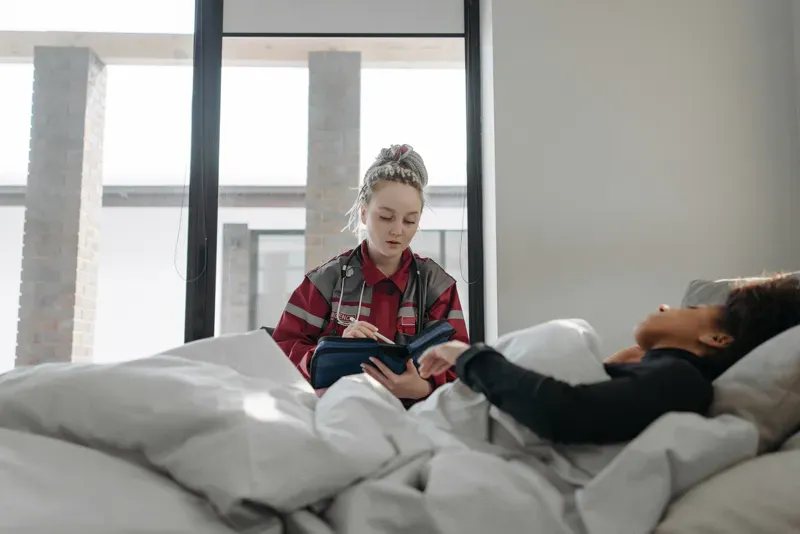
بعد الجراحة، يتعامل المرضى في الغالب مع عدة أدوية في آنٍ واحد -- مسكّنات الألم والمضادات الحيوية ومضادات التخثر والأدوية المضادة للغثيان إلى جانب أدويتهم المعتادة. هذا التعقيد يخلق خطراً كبيراً لأخطاء الجرعات وفوات الجرعات والتفاعلات الضارة والآثار الجانبية غير المُعالَجة. إدارة الأدوية المتخصصة من قِبل ممرض جراحي تقلّص هذه المخاطر تقليصاً جوهرياً. للاطّلاع على نظرة شاملة لخدمات التمريض المنزلي بما فيها دعم الأدوية، راجع دليلنا حول خدمات التمريض المنزلي في دبي.
- إدارة الألم المجدوَل: تستخدم بروتوكولات ألم ما بعد الجراحة الحديثة مقاربة متعددة الطبقات تشمل الأدوية الأساسية (الباراسيتامول كل 6--8 ساعات، والمضادات الالتهابية غير الستيرويدية حين لا توجد موانع) مع مسكّنات أقوى عند الحاجة. يضمن الممرض أخذ الأدوية وفق الجدول لا بشكل تفاعلي، مما يوفّر تحكّماً أكثر ثباتاً في الألم باستخدام جرعات إجمالية أقل
- الامتثال للمضادات الحيوية: يجب استكمال المضادات الحيوية بعد الجراحة تماماً كما وُصفت. إغفال الجرعات أو التوقف المبكّر يزيد خطر عدوى موضع الجراحة ومقاومة المضادات الحيوية. يتتبّع الممرض كل جرعة ويضمن استكمال الدورة الكاملة
- إعطاء مضادات التخثر: يجب إعطاء حقن مخفّفات الدم تحت الجلد (كالإينوكساباريين) في الوقت المحدد وفي الموضع الصحيح بتقنية سليمة. يشعر كثير من المرضى وذويهم بعدم الارتياح من الحقن الذاتي. يُعطي الممرض هذه الحقن بأمان ويراقب مضاعفات النزيف
- مراقبة الآثار الجانبية: تسبّب مسكّنات الألم الأفيونية إمساكاً شائعاً (يصيب حتى 40% من المرضى الجراحيين) وغثياناً ونعاساً ودواراً. قد تتسبّب المضادات الحيوية في اضطراب معدي معوي وإسهال. يتعرّف الممرض على هذه الآثار الجانبية مبكراً وينسّق مع الطبيب المُعالج لإدارتها
- التخفيض التدريجي للأدوية: مع تقدّم التعافي، تحتاج مسكّنات الألم إلى تخفيض تدريجي وفق خطة منظّمة. التوقف المفاجئ لبعض الأدوية قد يسبّب أعراض انسحاب وعودة الألم. يُطبّق الممرض جدول التخفيض الذي يضعه الطبيب المُعالج
ما تتوقّعه من رعاية DCDC المنزلية: رحلة المريض
فهم آلية عمل الرعاية المنزلية بعد الجراحة في DCDC يساعد المرضى وذويهم على التخطيط لتعافيهم بثقة. إليك العملية خطوة بخطوة من التواصل الأول حتى الخروج من برنامج الرعاية المنزلية.
- الخطوة 1 -- طلب الرعاية: تواصل مع DCDC هاتفياً أو عبر واتساب، ويُفضّل قبل إجراء عمليتك أو بمجرد تأكيد موعد خروجك من المستشفى. شارك تفاصيل إجراءك الجراحي وتعليمات الخروج وموقعك في دبي وجدولك المفضّل للزيارات
- الخطوة 2 -- التحقق من التأمين: يتحقق فريقنا من تغطيتك التأمينية ويتولّى الحصول على التفويض المسبق. تغطّي معظم خطط التأمين الكبرى التمريض المنزلي الجراحي بوصفة من الجراح. الفوترة المباشرة مع أكثر من 20 مزوّداً بما فيهم Daman وAXA وBupa تعني دفع مشاركتك فقط دون دفع مقدّم
- الخطوة 3 -- تعيين الممرض: يُعيَّن ممرض مرخّص من DHA ذو خبرة في نوع عمليتك لحالتك. يراجع الممرض تفاصيل إجراءك الجراحي وتعليمات الخروج قبل الزيارة الأولى
- الخطوة 4 -- زيارة التقييم الأولي: في الزيارة المنزلية الأولى، يُجري الممرض تقييماً شاملاً لما بعد العملية: مراجعة ملاحظات الخروج وفحص الجرح الجراحي وفحص جميع العلامات الحيوية وتقييم مستويات الألم ومراجعة جميع الأدوية وتقييم الحركة والتحقق من علامات المضاعفات المبكّرة. بناءً على هذا التقييم، يُعدّ خطة رعاية منظّمة
- الخطوة 5 -- زيارات التعافي المستمرة: تستمر الزيارات المجدوَلة وفق خطة الرعاية. تتّبع كل زيارة بروتوكولاً موحّداً: العلامات الحيوية ورعاية الجروح ومراجعة الأدوية ومراقبة المصارف وفحص الجلطات الوريدية العميقة وتقييم الحركة والفحص الغذائي. توثَّق كل زيارة رقمياً وتتزامن مع سجلّك الطبي في DCDC
- الخطوة 6 -- التواصل مع الجراح: بعد كل زيارة، يُعدّ الممرض ملخّصاً سريرياً يشمل صور الجروح واتجاهات العلامات الحيوية ودرجات الألم وبيانات إخراج المصرف وأي مخاوف. يُشارَك هذا التقرير مع فريقك الجراحي عبر وسيلة التواصل المفضّلة لديهم ليبقوا على اطّلاع بتقدّم تعافيك بين المواعيد العيادية
- الخطوة 7 -- التنسيق مع العلاج الطبيعي: للمرضى الذين يحتاجون إعادة تأهيل جراحي، ينسّق الممرض مباشرةً مع فريق العلاج الطبيعي في DCDC لجدولة جلسات منزلية. تضمن هذه المقاربة المتكاملة توافق رعاية الجروح وإعادة التأهيل وتقدّمهما معاً
- الخطوة 8 -- الانتقال إلى الاستقلالية: مع بلوغ معالم التعافي، يتراجع تكرار الزيارات. يُثقّف الممرض المريض على الرعاية الذاتية وعلامات التحذير الواجب الانتباه لها وإرشادات النشاط. عند اكتمال التئام الجرح الجراحي وإزالة المصارف وعودة التعافي الوظيفي إلى مساره، يخرج المريض من برنامج الرعاية المنزلية مزوّداً بتعليمات واضحة للإدارة الذاتية المستمرة
تؤكد الدكتورة هديل النور، طبيبة عامة في DCDC وأول نقطة اتصال لتنسيق الفحوصات متعددة التخصصات، الأهمية السريرية لهذا النهج المنظّم: "التعافي بعد الجراحة لا يقتصر على رعاية الجرح -- بل يتعلّق بمراقبة المريض ككلّ. حين أنسّق بين الفريق الجراحي للمريض وممرضي الرعاية المنزلية، أنظر إلى الصورة الكاملة: اتجاهات العلامات الحيوية وتفاعلات الأدوية ومسار الألم والحالة الغذائية والسلامة النفسية. هذا الإشراف المتكامل هو ما يكشف المضاعفات مبكراً ويحافظ على مسار التعافي. يستحق كل مريض مراقبة متخصصة خلال أشدّ مراحل تعافيه هشاشة."
تخطّط لجراحة؟ رتّب لتعافيك المنزلي الآن
يُقدّم ممرضو DCDC المرخّصون من DHA بعد الجراحة دعم التعافي بمستوى المستشفى في منزلك عبر دبي. رعاية الجروح وإدارة المصارف وإعطاء الأدوية ومراقبة الجلطات والتنسيق مع العلاج الطبيعي -- مع فوترة تأمينية مباشرة وتوثيق رقمي يُشارَك مع فريقك الجراحي.
احجز رعاية ما بعد الجراحة
تكلفة الرعاية المنزلية بعد الجراحة في دبي
تعتمد تكلفة الرعاية المنزلية بعد الجراحة في دبي على نوع الجراحة وكثافة الزيارات التمريضية المطلوبة وتكرارها ومدة برنامج التعافي. في DCDC، كل الأسعار شفافة دون رسوم خفية. تشمل التكاليف الوقت السريري للممرض والمستلزمات المعقمة ومواد الضمادات والتوثيق الرقمي.
| الخدمة بعد الجراحة | التكلفة التقديرية | التفاصيل |
|---|---|---|
| زيارة تمريضية بعد الجراحة (قياسية) | من 300 درهم | علامات حيوية، تغيير الضمادة، مراجعة الأدوية، تقييم الألم |
| زيارة بعد جراحة معقّدة | من 450 درهم | مواضع جروح متعددة، إدارة المصارف، أدوية وريدية |
| رعاية المصرف وإزالته | من 350 درهم | مصرف JP، مراقبة مصرف Blake، قياس الإخراج، الإزالة |
| إزالة الغرز/الدبابيس | من 250 درهم | إزالة معقمة مع تقييم الجرح والضمادة |
| باقة تعافي 7 أيام | 2,000--3,500 درهم | زيارات يومية للأسبوع الأول: رعاية الجروح والأدوية والعلامات الحيوية وفحص الجلطات |
| باقة تعافي 14 يوماً | 3,500--6,000 درهم | زيارات يومية ثم متناقصة: برنامج متابعة شامل بعد العملية |
| علاج طبيعي بعد الجراحة (للجلسة) | من 350 درهم | إعادة تأهيل منزلية منسّقة مع الرعاية التمريضية |
الأسعار تقديرية وقد تتفاوت بحسب نوع الإجراء ومدة الزيارة والمستلزمات المستخدمة وموقعك داخل دبي. تواصل مع DCDC للحصول على خطة تعافٍ وعرض سعر مخصّصين. تغطّي معظم خطط التأمين التمريض المنزلي بعد الجراحة.
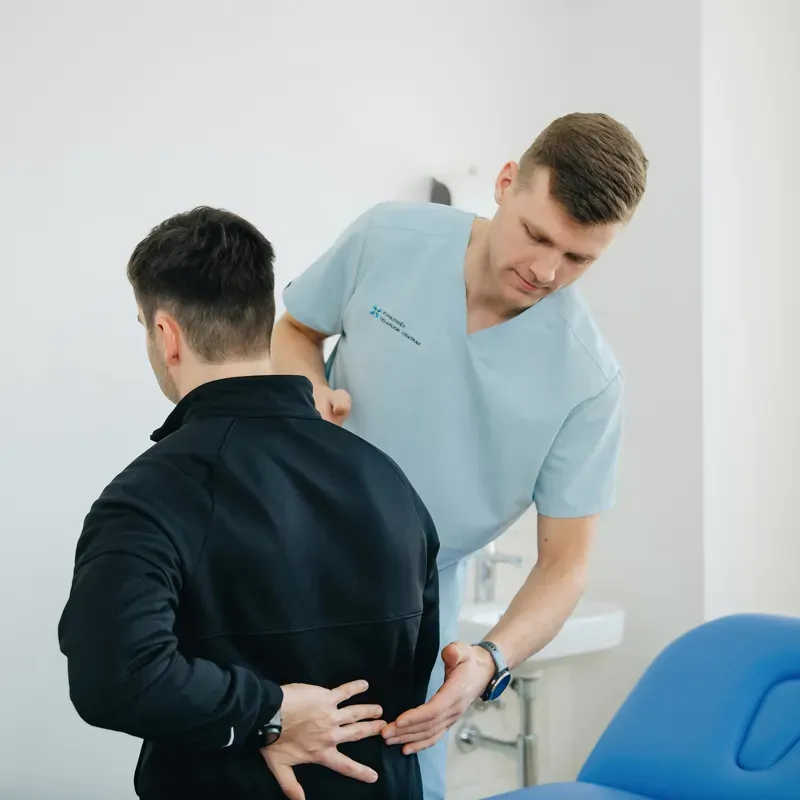
عند تقييم تكلفة الرعاية المنزلية بعد الجراحة، فكّر في التكلفة الإجمالية للبديل: أجرة سيارة أجرة أو إسعاف للتنقل إلى عيادة (50--200 درهم للرحلة)، ورسوم الاستشارة في العيادة، والوقت الضائع من التعافي، والعبء الجسدي للتنقل في حالة ألم ما بعد الجراحة. بالنسبة لكثير من المرضى، الرعاية المنزلية أكثر فعالية من حيث التكلفة حين تُحتسب هذه التكاليف الخفية. الفوترة المباشرة في DCDC مع أكثر من 20 مزوّد تأمين بما فيهم Daman وAXA وBupa تعني أن معظم المرضى يدفعون مشاركتهم فقط. للاطّلاع على مقارنة أوسع لأسعار التمريض المنزلي في دبي، يوفّر دليلنا حول تكاليف العلاج الطبيعي في دبي سياقاً إضافياً لأسعار خدمات إعادة التأهيل.
متى تتصل بالطبيب بعد الجراحة: علامات التحذير
في حين تُوفّر الزيارات التمريضية المتخصصة مراقبة سريرية منتظمة، يجب أن يعرف المرضى وذووهم أيضاً كيفية التعرّف على علامات التحذير بين الزيارات. تستوجب الأعراض التالية الاتصال الفوري بممرضك أو DCDC أو فريقك الجراحي -- وبعضها يستوجب رعاية طارئة.
- اتصل بممرضك أو DCDC (تقييم في نفس اليوم): احمرار أو تورّم متزايد حول الجرح لم يكن موجوداً في الزيارة الأخيرة؛ إفرازات جديدة أو متزايدة من الجرح؛ ألم في تصاعد بدلاً من التحسّن التدريجي؛ درجة حرارة بين 37.5 و38 درجة مئوية؛ إمساك يستمر أكثر من 3 أيام بعد الجراحة؛ تورّم غير طبيعي في ساق واحدة
- تواصل مع جراحك بشكل عاجل: تفرّق حواف الجرح (انفتاح الجرح)؛ إفرازات كريهة الرائحة من الجرح؛ قيء مستمر يمنع تناول الأدوية؛ عدم القدرة على التبوّل لأكثر من 8 ساعات؛ درجة حرارة تتجاوز 38 درجة مئوية
- اذهب إلى الطوارئ أو اتصل بـ 998 فوراً: ألم صدري حاد مفاجئ أو صعوبة في التنفس (احتمال انصمام رئوي)؛ نزيف حاد غير مسيطر من موضع الجراحة؛ ألم حاد مفاجئ في الساق مع تورّم (احتمال جلطة وريدية عميقة)؛ فقدان الوعي أو الارتباك؛ علامات تفاعل تحسّسي شديد للأدوية (تورّم الوجه، وتضيّق الحلق، وصعوبة التنفس)
توصي الكلية الأمريكية للجراحين بأن يحتفظ المرضى ببيانات اتصال جراحهم ورقم طوارئ المستشفى ورقم مزوّد الرعاية المنزلية في متناول اليد في جميع الأوقات خلال فترة التعافي. في DCDC، يمكن الوصول إلى فريق تنسيق الرعاية المنزلية هاتفياً وعبر واتساب سبعة أيام في الأسبوع، ويمكن ترتيب زيارات تمريضية عاجلة عند الحاجة.
التعافي من الجراحة في دبي: اعتبارات المناخ وأسلوب الحياة
يُشكّل الوضع في دبي تحدّيات تعافٍ فريدة يجب أخذها بعين الاعتبار من قِبل المرضى ومقدّمي الرعاية الصحية. يؤثّر المناخ الصحراوي وعوامل أسلوب الحياة وبنية منظومة الرعاية الصحية على كيفية إدارة التعافي بعد الجراحة في الإمارة.
- الحرارة والترطيب: تتجاوز درجات الحرارة في صيف دبي 45 درجة مئوية بانتظام، وحتى البيئات المكيّفة يمكن أن تكون جافّة. يحتاج المرضى الجراحيون إلى 2--3 لتر من الماء يومياً على الأقل لدعم التئام الجروح والوقاية من الإمساك (المُفاقَم بأدوية الألم الأفيونية) والحفاظ على وظيفة الكلى. الجفاف يضعف إصلاح الأنسجة ويزيد خطر الجلطات. يراقب ممرض DCDC حالة الترطيب في كل زيارة
- بيئة التعافي الداخلية: خلال أشهر الصيف، يجب على المرضى تجنّب التعرّض للخارج أثناء التعافي. يمكن أن يُجفّف التكييف الجلد والأغشية المخاطية. استخدام مرطّب هواء في غرفة التعافي ووضع مرطّبات موصوفة على الجلد السليم (مع تجنّب منطقة الجرح) والحفاظ على استهلاك كافٍ للسوائل يساعد على مواجهة هذه التأثيرات
- اعتبار فيتامين D: يعاني كثير من سكان دبي من انخفاض مستويات فيتامين D بسبب محدودية التعرّض للشمس رغم العيش في منطقة مشمسة. فيتامين D الكافي ضروري لشفاء العظام بعد الجراحة العظمية ولصحة الجهاز المناعي بوجه عام. قد تشمل خطة الرعاية بعد الجراحة تكملة فيتامين D، خاصة بعد إصلاح الكسور أو تبديل المفصل
- التعامل مع التأمين: منظومة التأمين الصحي الإلزامي في دبي تعني أن معظم المرضى الجراحيين لديهم تغطية للرعاية المنزلية بعد العملية، لكن التنقّل في متطلبات التفويض المسبق وحدود التغطية والفوترة المباشرة قد يكون معقّداً. تتولّى DCDC عملية التأمين بأكملها -- التفويض المسبق والتوثيق السريري والفوترة المباشرة -- ليتمكّن المرضى من التركيز على التعافي بدلاً من الأوراق
- قرار الطوارئ مقابل الرعاية المنزلية: إذا عانيت من مضاعفة في المنزل، معرفة أين تذهب أمر مهم. في حالات الطوارئ (نزيف حاد، صعوبة التنفس، ألم صدري)، اتصل بـ 998 أو اذهب إلى قسم طوارئ أقرب مستشفى. للمخاوف العاجلة غير الطارئة (تدهور الجرح، حمى معتدلة، أسئلة عن الدواء)، تواصل مع DCDC لتقييم تمريضي في نفس اليوم أو في اليوم التالي بدلاً من قضاء ساعات في قسم الطوارئ
قائمة مراجعة الرعاية بعد الجراحة: تحضير منزلك
تحضير منزلك قبل الجراحة يجعل فترة التعافي أكثر سلاسة وأماناً بشكل ملحوظ. توصي DCDC بإتمام التحضيرات التالية قبل خروجك من المستشفى.
- منطقة التعافي: أعدّ مساحة تعافٍ مريحة في نفس طابقة الحمام إن أمكن. اشمل سريراً متيناً أو كرسياً مريحاً وطاولة جانبية للأدوية والماء وإضاءة جيدة للإجراءات التمريضية وسهولة الوصول إلى مقابس الكهرباء لشحن الأجهزة
- سلامة الحمام: ركّب قضباناً للإمساك قرب المرحاض وفي الدش إذا كنت تتعافى من جراحة عظمية أو جراحة بطن. تقلّل مقعدة المرحاض المرفوعة وبساط الحمام المضاد للانزلاق خطر السقوط خلال فترة محدودية الحركة
- محطة الأدوية: أعدّ منطقة مخصصة لجميع الأدوية مع منظّم حبوب وجدول أدوية ودفتر للممرض لتوثيق الجرعات المعطاة
- مستلزمات التغذية: خزّن أطعمة سهلة التحضير غنية بالبروتين. يحتاج المرضى الجراحيون 1.2 إلى 2.0 غرام من البروتين لكل كيلوغرام من وزن الجسم يومياً لدعم التئام الجروح ومنع فقدان العضلات. احضر شوربات وزبادي وبيضاً ولحوماً خالية من الدهون وأطعمة غنية بالألياف لمواجهة الإمساك الناجم عن الأدوية الأفيونية
- خطة الترطيب: ضع زجاجة ماء كبيرة بجانب سريرك. استهدف 2--3 لتر من السوائل الصافية يومياً. في مناخ دبي، يحدث الجفاف أسرع مما يتوقع المرضى خاصة حين يتعافون من الجراحة
- مسارات خالية: أزل السجاد والكابلات المتساقطة والفوضى من الممرات بين السرير والحمام والمناطق المعيشية الرئيسية. الوقاية من السقوط حرجة خلال الفترة التي يزيد فيها الألم والأدوية وتراجع الحركة خطر السقوط
- أرقام الطوارئ: علّق قائمة مرئية تضم رقم جراحك وبيانات اتصال DCDC وخط طوارئ المستشفى والإسعاف (998)
- جوارب الضغط: إذا وصفها جراحك، احرص على توفّر جوارب ضغط متدرّجة بالمقاس الصحيح في المنزل. سيتحقق ممرض DCDC من ملاءمة المقاس في الزيارة الأولى
أنواع الجراحات التي تدعمها الرعاية المنزلية في DCDC
يدعم فريق الرعاية المنزلية بعد الجراحة في DCDC التعافي من جميع الإجراءات الجراحية تقريباً التي تُجرى عبر مستشفيات دبي ومراكزها الجراحية. تُخصَّص كل خطة تعافٍ للإجراء المحدد وبروتوكول ما بعد العملية الذي وضعه جراحك.
- الجراحة العظمية: تبديل الركبة الكلي وتبديل الورك الكلي وتبديل الكتف وإعادة بناء الرباط الصليبي الأمامي وإصلاح الرُّوتاتور كاف وتثبيت الكسور (ORIF) والاندماج الفقاري واستئصال الصفيحة الفقرية. تستلزم هذه الإجراءات عموماً أكثف رعاية منزلية، تجمع بين إدارة الجروح والتنسيق مع العلاج الطبيعي
- جراحة البطن: استئصال الزائدة الدودية واستئصال المرارة وإصلاح الفتق وإجراءات الأمعاء وجراحة علاج البدانة (تكميم المعدة وتحويل مسار المعدة). تشمل رعاية ما بعد جراحة البطن مراقبة عودة وظيفة الأمعاء والتدرّج الغذائي وإدارة الشقوق
- جراحة القلب: مجازة الشرايين التاجية (CABG) واستبدال الصمامات وسائر إجراءات القلب. رعاية جرح القص وإرشادات التدرّج في النشاط وإدارة أدوية القلب من المكوّنات الأساسية
- الجراحة النسائية: استئصال الرحم واستئصال الأورام العضلية والولادة القيصرية والإجراءات بالمنظار. يشمل التعافي رعاية الجرح وإدارة الألم ومراقبة النزيف بعد العملية
- الجراحة التجميلية والترميمية: شدّ البطن وتكبير أو تصغير الثدي وتجميل الأنف والشفط وشدّ الوجه. رعاية الجروح التجميلية مع اهتمام خاص بجودة الندبات وإدارة الملابس الضاغطة
- جراحة المسالك البولية: استئصال البروستاتا وإجراءات الكلى وجراحة المثانة. رعاية القسطرة ومراقبة وظيفة المسالك البولية من الأولويات الرئيسية بعد العملية
- جراحة السرطان: استئصال الأورام وتشريح العقد اللمفاوية وإجراءات إعادة البناء. إدارة المصارف والرعاية المتخصصة للجروح أساسيتان للتعافي
العلاج الطبيعي بعد الجراحة: تعافٍ منسّق
لكثير من الإجراءات الجراحية -- خاصة تبديل المفاصل وتثبيت الكسور وجراحة العمود الفقري وإصلاح الرُّوتاتور كاف -- العلاج الطبيعي ليس اختيارياً بل محدّد حرج لنتيجة الجراحة. المرضى الذين يبدؤون إعادة التأهيل المنظّم مبكراً بعد الجراحة يحقّقون مدى حركي أفضل وعودة أسرع للوظيفة ومعدلات أقل من التصلّب وضعف العضلات مقارنةً بمن يؤخّرون إعادة التأهيل.
المقاربة المتكاملة في DCDC تعني أن ممرض ما بعد العملية والمعالج الطبيعي يعملان كفريق منسّق. يتأكد الممرض من أن الجرح يلتئم بشكل سليم وأن الألم تحت السيطرة قبل كل جلسة علاج طبيعي، ويُبلّغ المعالج الطبيعي بأي قيود يلاحظها خلال الزيارات التمريضية. تمنع حلقة التواصل هذه المشكلة الشائعة المتمثّلة في متابعة إعادة التأهيل بعدوانية مفرطة بالنسبة لمرحلة التئام الجرح، أو بتحفّظ مفرط بسبب نقص المعلومات السريرية.
- إعادة تأهيل تبديل المفصل: تبدأ تمارين مدى الحركة خلال الـ 24--48 ساعة الأولى بعد الجراحة. يتقدّم العلاج الطبيعي المنزلي من الحركة السلبية إلى التمارين الفعّالة المساعَدة فالتقوية فالتدريب الوظيفي على مدى 6--12 أسبوعاً
- إعادة تأهيل جراحة العمود الفقري: تعبئة تدريجية حذرة مع قيود حركة محددة بحسب نوع الإجراء الفقري. تُطرح تمارين استقرار قلب البطن كلّما أتاح الشفاء ذلك
- إعادة التأهيل بعد الكسر: تحميل وزن تدريجي وتقوية مُوجَّهة بأدلة الأشعة السينية على التئام العظام، منسّقة مع رعاية الجرح أو موضع الدبوس
- تعافي جراحة البطن: تمارين خفيفة لتنشيط قلب البطن والعلاج الطبيعي التنفسي للوقاية من المضاعفات الرئوية، يتطوّر إلى تدريب الحركة الوظيفية
تنسيق التمريض والعلاج الطبيعي عبر مزوّد واحد يُزيل التعارضات في الجدولة وفجوات التواصل والتقييمات المتكرّرة التي تحدث حين يستخدم المرضى شركات منفصلة لكل خدمة. تتولّى DCDC إدارة الاثنين تحت مظلّة سريرية واحدة، مع سجلات طبية مشتركة وتواصل مباشر بين مقدّمي الخدمة.
التغطية التأمينية للرعاية المنزلية بعد الجراحة
يعترف كبار شركات التأمين في دبي بالتمريض المنزلي بعد الجراحة باعتباره خدمة طبية ضرورية لا رفاهية. تتوفّر التغطية عادةً حين تُصف الخدمة من قِبل الجراح المُعالج أو المستشفى وتُصنَّف رعاية ما بعد العملية. خبرة DCDC مع العمليات التأمينية عبر أكثر من 20 مزوّداً تضمن حصول المرضى على تغطيتهم المستحقة دون أعباء إدارية.
- وصفة الجراح مطلوبة: تشترط شركات التأمين أوامر مكتوبة من الجراح أو المستشفى المُصرِّح تحدّد نوع وتكرار الرعاية بعد العملية. يُضمَّن ذلك عادةً في ملخّص الخروج. يمكن لـ DCDC المساعدة في الحصول على التوثيق المناسب إن لم يُقدَّم عند الخروج
- التفويض المسبق تتولاه DCDC: تشترط بعض خطط التأمين الموافقة قبل بدء التمريض المنزلي. تتقدّم DCDC بالمبرّر السريري وتفاصيل الإجراء وخطة الرعاية نيابةً عن المريض وتؤكد التغطية قبل الزيارة الأولى
- الفوترة المباشرة: تقدّم DCDC الفوترة المباشرة مع شركات التأمين الكبرى بما فيها Daman (شركة التأمين الصحي الحكومية) وAXA وBupa وCigna وMetLife وغيرها. يدفع المرضى مشاركتهم أو حصّتهم فقط دون دفع مقدّم
- نطاق التغطية: تشمل معظم الخطط الشاملة رعاية الجروح وإدارة المصارف وإعطاء الأدوية ومراقبة العلامات الحيوية وفي بعض الحالات التنسيق مع العلاج الطبيعي. يتفاوت عدد الزيارات المغطّاة بحسب الوثيقة والإجراء الجراحي
- خيار الدفع الذاتي: يحصل المرضى غير المؤمّنين أو ذوو التغطية المحدودة على تسعير شفاف مسبق. تُقدّم DCDC فواتير تفصيلية مناسبة لمطالبات استرداد المال إذا قبل المؤمّن المطالبات اللاحقة للخدمة
تتعافى من جراحة؟ احصل على دعم الرعاية المنزلية من DCDC
من يوم مغادرة المستشفى حتى استعادة قدرتك على الحركة -- يغطّي برنامج الرعاية المنزلية بعد الجراحة في DCDC رعاية الجروح وإدارة المصارف والوقاية من الجلطات وإدارة الأدوية والتنسيق مع العلاج الطبيعي. فوترة تأمينية مباشرة مع Daman وAXA وBupa وأكثر من 20 مزوّداً.
رتّب التعافي المنزلي
كيف تقارن DCDC: مزوّدو الرعاية المنزلية بعد الجراحة
يُقدّم عدد من مزوّدي الرعاية الصحية المنزلية في دبي خدمات ما بعد الجراحة، لكن نطاق الخدمات وعمقها السريري وتكاملها يتفاوت تفاوتاً كبيراً. عند اختيار مزوّد لتعافيك بعد العملية، ضع في الاعتبار هذه العوامل التي تميّز برنامج DCDC.
| الميزة | رعاية DCDC بعد الجراحة | مزوّدو الرعاية المنزلية النموذجيون |
|---|---|---|
| نوع المنشأة | عيادة مرخّصة من MOHAP في مدينة دبي الطبية مع رعاية منزلية متكاملة | وكالات رعاية منزلية مستقلة |
| مؤهّلات الممرضين | ممرضون مرخّصون من DHA ذوو خبرة في رعاية ما بعد العمليات | ممرضون مرخّصون من DHA (يتفاوت بحسب المزوّد) |
| التنسيق مع الجراح | تواصل مباشر مع الفريق الجراحي وتقارير سريرية مشتركة | تواصل محدود أو منعدم مع الجراح |
| تكامل العلاج الطبيعي | تنسيق فيزيائي عبر مزوّد واحد مع سجلات مشتركة | إحالة منفصلة لمعالج طبيعي خارجي |
| إشراف الطبيب العام | تنسّق الدكتورة هديل النور بين الفريق الجراحي وممرضي المنزل | لا يوجد طبيب داخلي للإشراف |
| التوثيق الرقمي | سجلات رقمية كاملة متزامنة مع نظام DCDC السريري | متفاوت -- بعضها ورقي |
| الفوترة التأمينية | فوترة مباشرة مع أكثر من 20 مؤمّناً بما فيهم Daman وAXA وBupa | يتفاوت بحسب المزوّد |
| رضا المرضى | تقييم 4.8 من 5 على Google من أكثر من 1000 مراجعة موثّقة | متفاوت |
مقارنة الميزات بناءً على المعلومات المتاحة للعموم. قد تتفاوت قدرات مزوّدي الخدمة الفردية.
المميّز الرئيسي لـ DCDC هو التكامل. بوصفها منشأة سريرية مرخّصة من MOHAP -- لا مجرّد وكالة رعاية منزلية -- تُقدّم DCDC استمرارية رعاية سلسة. يمكن للمرضى مراجعة طبيب في عيادتنا بمدينة دبي الطبية وتلقّي زيارات تمريضية منزلية من نفس الفريق السريري والحصول على الخدمات التشخيصية والإحالات للمتخصصين من خلال مزوّد واحد بسجل طبي موحّد. هذا التكامل ذو قيمة خاصة خلال التعافي بعد الجراحة حين يجب أن تعمل جوانب متعددة من الرعاية (إدارة الجروح والإشراف على الأدوية وإعادة التأهيل ومراقبة المضاعفات) معاً.
أكثر مضاعفات ما بعد الجراحة شيوعاً وكيف تساعد الرعاية التمريضية المنزلية
التمريض المتخصص بعد الجراحة ليس رفاهية -- بل تدخّل سريري يقلّص حدوث المضاعفات القابلة للوقاية. فهم أكثر مضاعفات ما بعد الجراحة شيوعاً يُجلّي الأهمية الحيوية للمراقبة التمريضية المنظّمة خلال فترة التعافي.
- عدوى موضع الجراحة (SSI): تصيب 2--5% من المرضى بعد الجراحات النظيفة وحتى 15% بعد الإجراءات الملوّثة. يكتشف ممرض DCDC العلامات المبكّرة (احمرار يتجاوز 2--3 سم من الشقّ وسخونة متصاعدة وإفرازات قيحية) حين يمكن علاجها بمضادات حيوية فموية منعاً من الدخول إلى المستشفى. دون مراقبة، يمكن أن تتطوّر عدوى مواضع الجراحة إلى إصابة نسيجية عميقة تستلزم مضادات حيوية وريدية وتصريفاً جراحياً
- الجلطات الوريدية العميقة (DVT): دون تدابير وقائية، تحدث الجلطات الوريدية العميقة لدى نسبة كبيرة من المرضى الجراحيين، خاصة بعد الإجراءات العظمية. يراقب الممرض تورّم الساق الأحادي والحساسية، ويتأكد من ارتداء الجوارب الضاغطة ويُشرف على الأدوية المضادة للتخثر -- كاشفاً الجلطات المحتملة قبل أن تتحوّل إلى انصمام رئوي مهدِّد للحياة
- انفتاح الجرح: قد تتفرّق حواف الجرح بسبب الضغط المفرط أو العدوى أو ضعف الالتئام. يحدّد الممرض الانفتاح الجزئي المبكّر ويضع شرائط إغلاق مناسبة ويتواصل مع الجراح قبل أن يتّسع الجرح أكثر
- الإمساك وتوقّف حركة الأمعاء: يصيب الإمساك بعد العملية نسبة ملحوظة من المرضى بسبب آثار التخدير والأدوية الأفيونية وتراجع الحركة والجفاف. يراقب الممرض وظيفة الأمعاء ويشجّع على الترطيب وتناول الألياف ويُصعّد الأمر إلى الطبيب للتدخّل الدوائي عند الحاجة
- احتباس البول: قد ينجم عدم القدرة على التبوّل بعد الجراحة عن آثار التخدير أو أدوية الألم أو التلاعب الجراحي. يراقب الممرض إخراج البول ويرتّب للقسطرة إن لزم، منعاً لعدم الارتياح وخطر العدوى من الاحتباس
- مضاعفات الأدوية: تفاعلات الأدوية وأخطاء الجرعات والآثار الجانبية غير المُدارة شائعة حين يتعامل المرضى مع أدوية متعددة بعد الجراحة دون دعم متخصص. يضمن الممرض الدواء الصحيح والجرعة الصحيحة والتوقيت الصحيح والطريق الصحيح في كل زيارة
أثبتت مراجعة عام 2020 المنشورة في Mayo Clinic Proceedings أن بروتوكولات إدارة ما بعد العملية الموحّدة تقلّص معدلات المضاعفات وإعادة دخول المستشفى تقليصاً ملحوظاً. تنطبق نفس المبادئ التي تُحرّك برامج التعافي المعزّز في المستشفيات على الرعاية المنزلية: التقييم المنظّم والتدخّل المبكّر والتواصل متعدد التخصصات المنسّق.
خدمات ذات صلة في DCDC
رعاية متخصصة وتشخيص متقدم في مدينة دبي الطبية
الأسئلة الشائعة
الخلاصة
التعافي بعد الجراحة ليس عملية سلبية تحدث تلقائياً مع الوقت -- بل هو برنامج سريري نشط يستلزم مراقبة متخصصة ورعاية جروح منظّمة وإدارة دقيقة للأدوية ومراقبة المضاعفات. يمثّل الأسبوعان الأولان بعد الجراحة النافذة الأعلى خطورة، وتؤثّر جودة الرعاية خلال هذه الفترة تأثيراً مباشراً على النتائج الجراحية طويلة المدى. المرضى الذين يتلقّون تمريضاً منزلياً متخصصاً بعد الجراحة يعانون مضاعفات أقل ومعدلات إعادة دخول أدنى وعودة أسرع إلى الوظيفة اليومية.
في دبي، حيث الخروج المبكر من المستشفى ممارسة معيارية والمناخ يخلق تحدّيات تعافٍ إضافية، زيارة ممرض مرخّص من DHA لمنزلك ليست رفاهية بل ضرورة سريرية لكثير من المرضى الجراحيين. يجلب الممرض الخبرة المتخصصة بمستوى المستشفى إلى بيئة تعافيك -- يراقب ما لا يستطيع أفراد الأسرة تقييمه، ويكشف المضاعفات في مراحلها الأولى الأكثر قابلية للعلاج، ويحافظ على جسر التواصل بينك وبين فريقك الجراحي.
في DCDC، الرعاية المنزلية بعد الجراحة امتداد لعيادتنا في مدينة دبي الطبية -- نفس الفريق السريري ونفس البروتوكولات ونفس السجلات الطبية. سواء كنت تحتاج زيارات تمريضية يومية للأسبوع الأول بعد إجراء كبير أو بضع زيارات محدّدة لرعاية الجرح وإزالة الغرز، يتّكيف برنامجنا مع جراحتك ومرحلة تعافيك وتعليمات جراحك. تواصل معنا هاتفياً أو عبر واتساب لمناقشة احتياجاتك من الرعاية بعد الجراحة -- ويُفضَّل قبل إجراء العملية كي يكون كل شيء جاهزاً يوم عودتك إلى المنزل.
المصادر والمراجع
تمت مراجعة هذا المقال من قبل فريقنا الطبي ويستند إلى المصادر التالية:
- Mayo Clinic Proceedings -- Management of Common Postoperative Complications
- WHO -- Post-Operative Care Best Practice Protocols
- American College of Surgeons -- Recovering from Surgery
- NICE -- Venous Thromboembolism in Over 16s: Reducing the Risk of Hospital-Acquired DVT or PE
- International Surgical Wound Complications Advisory Panel -- Global Guideline (2025)
- Enhanced Recovery After Surgery (ERAS) Society -- Perioperative Care Guidelines
- MedlinePlus -- After Surgery
يتم مراجعة المحتوى الطبي على هذا الموقع من قبل أطباء مرخصين من هيئة الصحة. اطلع على سياستنا التحريرية لمزيد من المعلومات.

كتبه
Dr. Hadeel Elnur
طبيب عام
دكتوراه في الطب، الممارسة العامة
الدكتورة هديل النور طبيبة عامة في مركز عيادة الأطباء التشخيصي (DCDC) في مدينة دبي الطبية.
مقالات ذات صلة

رعاية الجروح في المنزل دبي: الدليل الشامل
التمريض المنزلي في دبي: الخدمات والتكلفة
تكلفة العلاج الطبيعي في دبي: التفاصيل الكاملة
المزيد في General Health
Food Allergy vs Food Intolerance Dubai (2026)
اقرأ المزيد
Pneumonia vs Flu Dubai: Key Differences (2026)
اقرأ المزيد
Swollen Lymph Nodes Dubai: When to Worry (2026)
اقرأ المزيدFlu vs Cold Dubai: How to Tell the Difference (2026)
اقرأ المزيد
Sleep Study Cost Dubai: Tests & Pricing (2026)
اقرأ المزيد
Calcium Deficiency Signs Dubai: Guide (2026)
اقرأ المزيد© 2026 Doctors Clinic Diagnostic Center (DCDC), Dubai Healthcare City. Originally published at https://doctorsclinicdubai.ae/blog/post-surgical-care-at-home-dubai. All rights reserved. Unauthorized reproduction is prohibited.