
النقاط الرئيسية
- ما قبل انقطاع الطمث هو المرحلة الانتقالية قبل انقطاع الطمث، تستمر 4-7 سنوات في المتوسط، يتقلب فيها الإستروجين بشدة. انقطاع الطمث يُؤكَّد فقط بعد 12 شهراً متتالياً دون دورة.
- نساء الإمارات يصلن إلى انقطاع الطمث في متوسط 48 (مقابل 50-51 للغربيات)، مما يجعل التوعية والفحص المبكر بالغَي الأهمية في دبي.
- تقلبات الهرمونات في ما قبل انقطاع الطمث — لا انخفاض الإستروجين فحسب — هي المحرك الرئيسي للأعراض. الإستروجين قد يرتفع أعلى من مستويات الخصوبة قبل أن ينهار.
- أكثر من 60% من النساء يعانين من ضبابية ذهنية خلال مرحلة انقطاع الطمث، والدراسات تُظهر أن ما قبل انقطاع الطمث يتميز أكثر بالتعب وتغيرات المزاج واضطراب النوم من الهبّات الساخنة.
- يمكن الحمل في ما قبل انقطاع الطمث لأن الإباضة تستمر بشكل غير منتظم. وسيلة منع الحمل ضرورية حتى تأكيد انقطاع الطمث.
- نقص فيتامين D يصيب 84-91% من نساء الإمارات، مُفاقِماً فقدان العظام بمعدل 1-2% سنوياً خلال مرحلة انقطاع الطمث. مسح DEXA في DCDC يساعد على المتابعة المبكرة.
- DCDC في مدينة دبي الطبية يقدم تقييمات شاملة لانقطاع الطمث مع مواعيد في نفس الأسبوع ولوحات هرمونية في الموقع ومسح DEXA وخطط علاجية مخصصة من 250 درهماً.
- يُفضَّل بدء HRT خلال السنوات العشر التالية لبدء انقطاع الطمث لتحقيق أقصى حماية للقلب والعظام. التقييم المبكر ضروري.
إذا كنتِ امرأة في أواخر الثلاثينيات أو الأربعينيات أو أوائل الخمسينيات وتعانين من دورات شهرية غير منتظمة أو قلق مفاجئ أو تعرق ليلي أو ضبابية ذهنية، فربما تسألين: هل أنا في مرحلة ما قبل انقطاع الطمث أم انقطاع الطمث؟ الفرق أهم مما تدركه معظم النساء لأن المرحلتين تختلفان في الأنماط الهرمونية وأنماط الأعراض ومناهج العلاج وتداعيات الصحة طويلة الأمد. في الإمارات، يحمل هذا السؤال إلحاحاً إضافياً؛ إذ تُظهر الدراسات أن النساء الإماراتيات يصلن إلى انقطاع الطمث في متوسط عمر 48، وهو أبكر بكثير من المتوسط العالمي.
فيما يلي نُقارن بين ما قبل انقطاع الطمث وانقطاع الطمث بالتفصيل. هذا المقال مراجع من الدكتورة باريسا ديني، أخصائية النساء والتوليد المرخصة من هيئة الصحة بدبي المتخصصة في إدارة انقطاع الطمث.




ما هو ما قبل انقطاع الطمث؟ فهم التحول الهرموني
ما قبل انقطاع الطمث يعني حرفياً "حول انقطاع الطمث" ويشير إلى السنوات قبل آخر دورة شهرية حين يبدأ جسمك في الانتقال من سنوات الخصوبة. المتوسط هو نحو 47 سنة لكنه قد يبدأ من منتصف الثلاثينيات.
السمة المميزة لما قبل انقطاع الطمث هي عدم الاستقرار الهرموني. الإستروجين لا ينخفض في خط مستقيم — بل يتأرجح بشكل غير متوقع، أحياناً يرتفع أعلى من مستويات سنوات الخصوبة قبل أن ينهار لمستويات انقطاع الطمث في الشهر ذاته.
هذا التقلب هو ما يجعل ما قبل انقطاع الطمث مُربِكاً ولكثير من النساء أكثر إزعاجاً من انقطاع الطمث نفسه. وجدت دراسة من مايو كلينيك أن ما قبل انقطاع الطمث يتميز بـالتعب وتغيرات المزاج واضطراب النوم أكثر من الهبّات الساخنة. للمزيد راجع دليلنا حول هذه المرحلة.
كم يستمر ما قبل انقطاع الطمث؟
متوسط مدة ما قبل انقطاع الطمث 4 إلى 7 سنوات، وقد يمتد لـ14 سنة. قد تطول الدورات أو تقصر أو تثقل أو تخف أو تتخطى قبل العودة. يمكن للمرأة المرور بشهور دون نزيف ثم عودة الدورة.
ما هو انقطاع الطمث؟ معلم الـ12 شهراً
انقطاع الطمث نقطة زمنية واحدة محددة، لا مرحلة. يُعرَّف بـ12 شهراً متتالياً دون دورة شهرية، مؤشراً على النهاية الدائمة لسنوات الخصوبة. كل ما يليه يُسمى ما بعد انقطاع الطمث وهو مرحلة تستمر بقية الحياة.
متوسط سن انقطاع الطمث عالمياً نحو 51 سنة. في الإمارات، أثبتت الدراسات أن المتوسط هو 48 سنة (47.3 ± 3.29 سنة). هذا أبكر بـ2-3 سنوات من المتوسط الغربي مما له دلالات صحية مهمة على المدى الطويل.
هرمونياً، يتميز انقطاع الطمث بمستويات منخفضة ثابتة. ينخفض الإستروجين بنحو 95%. يستقر FSH عند مستويات مرتفعة. هذا الاستقرار الهرموني يعني أن عواصف الأعراض غير المتوقعة في ما قبل انقطاع الطمث تهدأ عموماً، لكن تظهر مخاوف جديدة: تسارع فقدان العظام وزيادة خطر أمراض القلب.
انقطاع الطمث المبكر والمبكر جداً
انقطاع الطمث المبكر (بين 40 و45) يصيب نحو 5% من النساء. انقطاع الطمث المبكر جداً أو قصور المبيض قبل سن 40 يصيب أقل من 1%. كلاهما يتطلب تقييماً متخصصاً فورياً لأن نقص الإستروجين الطويل يزيد مخاطر العظام والقلب والدماغ.
ما قبل انقطاع الطمث مقابل انقطاع الطمث: الفروق الرئيسية في لمحة
الجدول التالي يلخص الفروق الجوهرية بين ما قبل انقطاع الطمث وانقطاع الطمث. فهم هذه الفروق يساعدك على تحديد مرحلتك والبحث عن الرعاية المناسبة.
| الميزة | ما قبل سن اليأس | سن اليأس / ما بعد سن اليأس |
|---|---|---|
| Definition | مرحلة انتقالية قبل آخر دورة شهرية | 12 شهراً متتالياً بدون دورة شهرية |
| متوسط سن البداية | ~47 عاماً (يمكن أن تبدأ من منتصف الثلاثينيات إلى منتصف الخمسينيات) | ~51 عالمياً؛ ~48 لدى النساء في الإمارات |
| Duration | 4-7 سنوات (حتى 14 سنة) | دائمة (مرحلة ما بعد انقطاع الطمث تستمر مدى الحياة) |
| Periods | غير منتظمة: أغزر، أخف، متقطعة، أو غير متوقعة | توقفت تماماً لمدة 12 شهراً أو أكثر |
| مستويات الإستروجين | تتذبذب بشكل حاد (قد ترتفع فوق المعدل الطبيعي قبل أن تنخفض بشدة) | منخفضة باستمرار (انخفاض بنسبة ~95%) |
| مستويات البروجسترون | تنخفض بشكل مطّرد | Near zero |
| FSH levels | مرتفع لكنه متغير يومياً | مرتفع ومستقر (25-135 IU/L) |
| Fertility | منخفضة لكن الحمل لا يزال ممكناً | لم تعد هناك خصوبة؛ لا حاجة لوسائل منع الحمل |
| الأعراض الرئيسية | عدم انتظام الدورة الشهرية، تقلبات المزاج، القلق المستجد، تفاقم أعراض ما قبل الحيض، ألم الثدي، الصداع النصفي المرتبط بالدورة | توقف الدورة الشهرية، ضمور المهبل (GSM)، تسارع فقدان الكثافة العظمية، زيادة مخاطر القلب والأوعية الدموية |
| Diagnosis | سريرياً بشكل أساسي (بناءً على الأعراض)؛ الفحوصات المخبرية داعمة وليست حاسمة | سريرياً (انقطاع الحيض لمدة 12 شهراً)؛ FSH أعلى من 30 mIU/mL للتأكيد |
مقارنة بين سن ما قبل انقطاع الطمث وانقطاع الطمث. وعلى الرغم من اشتراكهما في أعراض كالهبّات الساخنة واضطرابات النوم، إلا أن الأنماط الهرمونية وحالة الخصوبة وأولويات الصحة على المدى البعيد تختلف اختلافاً جوهرياً.
مقارنة الأعراض: ما قبل انقطاع الطمث مقابل انقطاع الطمث
كثير من الأعراض مشتركة بين المرحلتين مما يُصعّب تحديد المرحلة. لكن بعض الأعراض أكثر تميزاً لمرحلة دون الأخرى:
الأعراض المشتركة بين ما قبل انقطاع الطمث وانقطاع الطمث
الأعراض التالية يمكن أن تظهر في أي مرحلة وإن تفاوتت شدتها:
- الهبّات الساخنة والتعرق الليلي: موجات مفاجئة من الحرارة واحمرار الجلد والتعرق. تُبلَّغ الأعراض الحركية الوعائية لدى 61% من النساء الإماراتيات. يمكن أن تبدأ في فترة ما قبل انقطاع الطمث وتستمر
- اضطرابات النوم: صعوبة في الخلود إلى النوم، أو البقاء نائمة، أو الاستيقاظ دون شعور بالراحة. يُساهم التعرق الليلي في ذلك لكنه ليس السبب الوحيد. انخفاض البروجسترون الذي يتميز بخصائص مهدئة
- ضبابية الدماغ ومشاكل الذاكرة: تعاني أكثر من 60% من النساء من تغيرات إدراكية خلال مرحلة انتقال سن اليأس. صعوبة التركيز، ومشاكل في استرجاع الكلمات، والنسيان هي أعراض شائعة
- التقلبات المزاجية: التهيج، والحزن، والقلق، والتقلب العاطفي. تنتج هذه الأعراض عن تأثير الإستروجين على إنتاج السيروتونين والدوبامين والنورإبينفرين في الدماغ.
- الإرهاق: تعب مستمر لا يزول بالراحة. غالباً ما يكون العرض الأكثر إعاقة وفقاً لدراسة Mayo Clinic، رغم أنه نادراً ما يكون العرض الذي تربطه النساء بسن اليأس.
- جفاف المهبل وانخفاض الرغبة الجنسية: يؤدي انخفاض الإستروجين إلى ترقق أنسجة المهبل وتقليل الترطيب. يمكن أن يسبب ذلك إزعاجاً أثناء الجماع ويقلل من الرغبة الجنسية.
- آلام المفاصل والتيبّس: يمتلك الإستروجين تأثيرات مضادة للالتهاب على المفاصل. مع انخفاض مستوياته، تصاب كثير من النساء بآلام مفصلية جديدة تشبه التهاب المفاصل المبكر.
- زيادة الوزن: تؤدي التغيرات الهرمونية إلى تحويل توزيع الدهون نحو منطقة البطن. يتباطأ الأيض وتنخفض الكتلة العضلية دون ممارسة تمارين مستهدفة.
- خفقان القلب: يمكن لتقلبات الإستروجين أن تسبب عدم انتظام مؤقت في ضربات القلب. عادة ما تكون حميدة ولكن يجب تقييمها لاستبعاد الأسباب القلبية.
أعراض أكثر تميزاً لما قبل انقطاع الطمث
- عدم انتظام الدورة الشهرية أو غزارتها: العرض المميز الأبرز. قد تصبح الدورات أقصر (21 يوماً)، أو أطول (أكثر من 45 يوماً)، أو غير منتظمة. قد يكون النزيف أغزر من المعتاد، وأحياناً مع تدفق شديد
- تفاقم أعراض ما قبل الدورة الشهرية: قد تصبح أعراض ما قبل الحيض التي كانت قابلة للتحكم سابقاً أكثر حدة بشكل ملحوظ، مع تقلبات مزاجية واضحة وانتفاخ وألم في الثدي.
- ظهور القلق أو نوبات الهلع لأول مرة: تعاني كثير من النساء من القلق لأول مرة خلال فترة ما قبل انقطاع الطمث. هذا ليس "توتراً" بل تأثير مباشر لتقلبات الإستروجين على الدماغ
- ألم الثدي: ألم دوري وحساسية في الثدي قد تكون أكثر وضوحاً مما كانت عليه خلال سنوات الإنجاب، بسبب ارتفاعات الإستروجين.
- الصداع النصفي المرتبط بالدورة الشهرية: قد يتفاقم الصداع والصداع النصفي المرتبط بالدورة الشهرية أو يظهر لأول مرة خلال فترة ما قبل انقطاع الطمث.
أعراض أكثر تميزاً لانقطاع الطمث وما بعده
- التوقف الكامل للدورة الشهرية: المعيار التشخيصي الحاسم. عدم حدوث نزيف حيضي لمدة 12 شهراً متتالياً.
- المتلازمة البولية التناسلية لسن اليأس (GSM): كانت تُعرف سابقاً بضمور المهبل. تشمل جفاف المهبل، والحرقة، والتهيج، والألم أثناء الجماع، والأعراض البولية. تصيب 65% من
- فقدان العظام المتسارع: قد تفقد النساء 1-2% من كثافة العظام سنوياً خلال مرحلة انتقال سن اليأس، مع فقدان يصل إلى 10-12% في الورك والعمود الفقري خلال العامين المحيطين بآخر
- زيادة مخاطر الأمراض القلبية الوعائية: يزداد خطر الإصابة بأمراض القلب والأوعية الدموية بنحو سبعة أضعاف كل 10 سنوات بعد سن اليأس. النساء اللواتي يدخلن سن اليأس قبل عمر 45 عاماً لديهن خطر أعلى
كيف يؤثر مناخ دبي على أعراض انقطاع الطمث
العيش في دبي يُضيف عاملاً بيئياً فريداً نادراً ما يُناقَش في أدبيات انقطاع الطمث: الحرارة الشديدة والتأرجح المستمر بين الحرارة الخارجية والتكييف الداخلي العنيف. هذا التنوع المناخي يؤثر مباشرةً على الأعراض الحركية الوعائية.
الحرارة الشديدة والهبّات الساخنة
في أشهر الصيف، تصل درجات الحرارة الخارجية بانتظام إلى 40-50 درجة مئوية. تُفاقم هذه الحرارة المحيطية الهبّاتِ الساخنة التي تنشأ بسبب خلل في مركز التنظيم الحراري في منطقة ما تحت المهاد.
تأثير دورة التكييف
بالقدر ذاته من الإشكالية، التأرجح المستمر بين الخارج الحار والتكييف الداخلي العدواني (18-22 درجة مئوية) يُزعزع التنظيم الحراري ويُحفّز هبّات ساخنة وقشعريرة بالتتالي. الحل ليس تجنب التكييف بل إدارة الانتقال بطبقات خفيفة.
فيتامين D: مفارقة دبي
رغم العيش في أحد أكثر المناطق شمساً، 83.8-90.5% من نساء الإمارات يعانين من نقص فيتامين D. الحرارة الشديدة تُبقي الناس داخلاً، والملابس التقليدية تحدّ من تعرض البشرة. نقص فيتامين D خطير بشكل خاص في مرحلة انقطاع الطمث لتسريعه فقدان العظام وتفاقيم أعراض المزاج.
كيف يُشخَّص ما قبل انقطاع الطمث وانقطاع الطمث
من أكثر المفاهيم الخاطئة شيوعاً أن فحص دم واحد يمكنه تحديد المرحلة بشكل قاطع. الواقع أكثر دقة ويعتمد على العمر والأعراض والتاريخ الشهري وأحياناً الفحوصات المختبرية.
تشخيص ما قبل انقطاع الطمث
للنساء فوق 45 مع أعراض مميزة، يُشخَّص ما قبل انقطاع الطمث سريرياً. لا يُطلب فحص دم لأن مستويات الهرمونات تتقلب بشكل واسع. إرشادات NICE وACOG تُوصي بعدم استخدام FSH لتشخيص ما قبل انقطاع الطمث للنساء فوق 45.
للنساء دون 45 مع أعراض مشتبه بها، تصبح فحوصات الدم أكثر صلة لاستبعاد حالات أخرى وتأكيد التغيرات الهرمونية:
- FSH (الهرمون المنبه للجريب): النطاق الإنجابي هو 4.7-21.5 IU/L. في فترة ما قبل انقطاع الطمث، يتقلب FSH عادةً فوق 25 IU/L لكنه غير مستقر. في سن اليأس المؤكد، يتجاوز FSH
- AMH (الهرمون المضاد لمولر): يعكس احتياطي المبيض وينخفض تدريجياً مع تناقص مخزون البويضات. تُظهر الأبحاث أن AMH يتمتع بحساسية 80% في التنبؤ بمرحلة انتقال سن اليأس،
- الإستراديول: الشكل الرئيسي للإستروجين. تدعم المستويات المنخفضة تشخيص سن اليأس لكنها تتقلب بشكل كبير في فترة ما قبل انقطاع الطمث.
- وظائف الغدة الدرقية (TSH، free T4): من الضروري إجراء هذا الفحص لأن اضطرابات الغدة الدرقية قد تحاكي أعراض سن اليأس، بما في ذلك الإرهاق وزيادة الوزن والتقلبات المزاجية وعدم انتظام الدورة الشهرية.
تشخيص انقطاع الطمث
تشخيص انقطاع الطمث للنساء فوق 45 سهل: 12 شهراً متتالياً دون دورة. لا يلزم فحص دم لتأكيده. في DCDC، يوفر مختبرنا نتائج سريعة لجميع لوحات الهرمونات.
هل يمكن الحمل أثناء ما قبل انقطاع الطمث؟
نعم. هذه من أهم الحقائق وأكثرها سوء فهم. رغم أن الخصوبة تنخفض، لا يزال الإباضة تحدث بشكل غير منتظم. الدورات المتخطاة لا تعني توقف الإباضة كلياً.
تظل وسيلة منع الحمل ضرورية حتى تأكيد انقطاع الطمث: 12 شهراً متتالياً دون دورة للنساء فوق 50، أو 24 شهراً للنساء دون 50. اللولب الهرموني خيار شائع لأنه يوفر منع الحمل ويُساعد على إدارة النزيف.
خيارات علاج ما قبل انقطاع الطمث
العلاج يُصمَّم وفق أعراضك المحددة وشدتها وتاريخك الطبي وتفضيلاتك. لأنك لا تزالين تعانين من دورات (حتى لو غير منتظمة)، تختلف مناهج العلاج عن تلك المستخدمة في انقطاع الطمث المؤكد.
العلاجات الهرمونية
- حبوب منع الحمل المركبة منخفضة الجرعة: غالباً ما تكون الخيار العلاجي الأول للنساء في مرحلة ما قبل انقطاع الطمث اللواتي لا يزلن بحاجة إلى وسيلة لمنع الحمل. تنظم الدورة الشهرية، وتقلل النزيف الغزير، وتثبّت الم
- اللولب الهرموني (ليفونورجيستريل): يوفر وسيلة فعالة لمنع الحمل ويتحكم في غزارة الدورة الشهرية. كما يعمل كمكوّن البروجستوجين في العلاج الهرموني التعويضي عند دمجه مع الإستروجين.
- العلاج الهرموني التعويضي منخفض الجرعة: الإستروجين مع البروجستوجين بجرعات أقل من العلاج الهرموني التعويضي القياسي لسن اليأس. فعال للأعراض الحركية الوعائية والمزاج والنوم عندما لا تكون حبوب منع الحمل مناسبة
العلاجات غير الهرمونية
- SSRIs (مثبطات استرداد السيروتونين الانتقائية): الباروكستين معتمد من FDA تحديداً لعلاج الهبّات الساخنة. مثبطات SSRIs وSNRIs الأخرى (فينلافاكسين، إسيتالوبرام) فعالة أيضاً وتُعد جزءاً
- غابابنتين: فعال للهبّات الساخنة والتعرق الليلي، مع ميزة إضافية في تحسين النوم. مفيد بشكل خاص للنساء اللواتي لا يستطعن أو يفضلن عدم استخدام الهرمونات.
- فيزولينتانت (Veozah): مضاد لمستقبلات النيوروكينين 3 حصل على موافقة FDA في عام 2023 خصيصاً لعلاج الأعراض الحركية الوعائية المتوسطة إلى الشديدة. يعمل من خلال التأثير المباشر على الدماغ
- العلاج السلوكي المعرفي (CBT): أثبت سريرياً فعاليته في تقليل تأثير الهبّات الساخنة وتحسين النوم ومعالجة أعراض القلق والمزاج. يُستخدم غالباً إلى جانب العلاج الطبي
- تعديلات نمط الحياة: ممارسة التمارين الرياضية المقاوِمة بانتظام (150 دقيقة أسبوعياً)، واتباع نظام غذائي متوسطي غني بالإستروجينات النباتية، وتقنيات إدارة التوتر، والنظافة الصحية للنوم، والحد
هل تعانين من أعراض ما قبل انقطاع الطمث؟ احصلي على تقييم متخصص
لا تنتظري حتى تصبح الأعراض لا تُحتمل. أطباؤنا المرخّصون من هيئة الصحة بدبي في مركز عيادة الأطباء التشخيصي (DCDC) في دبي هيلث كير
استشارات طب النساء تبدأ من AED 250. مواعيد متاحة خلال نفس الأسبوع.
خيارات علاج انقطاع الطمث
بمجرد تأكيد انقطاع الطمث، تتحول الأولويات. لا حاجة لمنع الحمل، ويتركز الاهتمام على إدارة الأعراض المستمرة وحماية صحة العظام والقلب على المدى الطويل. للاطلاع على نظرة شاملة راجع دليل علاج انقطاع الطمث.
العلاج بالهرمونات البديلة (HRT)
يظل HRT الجهازي أكثر العلاجات فعالية لأعراض انقطاع الطمث ويوفر حماية مهمة من هشاشة العظام وأمراض القلب. نقاط رئيسية:
- الإستروجين مع البروجستوجين: مطلوب للنساء اللواتي لديهن رحم سليم. يحمي مكوّن البروجستوجين من فرط تنسّج بطانة الرحم. متوفر على شكل أقراص مركّبة أو لصقات مع أقراص منفصلة
- الإستروجين فقط: للنساء اللواتي خضعن لاستئصال الرحم. متوفر على شكل أقراص أو لصقات أو جل أو بخاخات.
- نافذة السنوات العشر: تدعم الأدلة الحالية بقوة البدء بالعلاج الهرموني البديل خلال 10 سنوات من بداية انقطاع الطمث أو قبل سن 60 عاماً لتحقيق أقصى فائدة للقلب والأوعية الدموية مع أدنى مخاطر. البدء
- الهرمونات المطابقة حيوياً: يُفضّل بشكل متزايد استخدام البروجسترون المُصغّر الحبيبات والإستراديول عبر الجلد لأنهما يحملان مخاطر أقل للإصابة بجلطات الدم وسرطان الثدي مقارنةً بالأنواع الأقدم
علاجات متلازمة الجهاز التناسلي البولي (ضمور المهبل)
- الإستروجين المهبلي بجرعة منخفضة: متوفر على شكل كريمات أو تحاميل أو أقراص أو حلقات مهبلية. يعمل موضعياً على أنسجة المهبل والجهاز البولي مع امتصاص جهازي ضئيل. يمكن استخدامه أيضاً
- المرطّبات المهبلية: خيارات غير هرمونية (أساسها حمض الهيالورونيك) توفّر ترطيباً مستمراً عند استخدامها 2-3 مرات أسبوعياً.
- أوسبيميفين (Ospemifene): مُعدِّل انتقائي لمستقبلات الإستروجين (SERM) يؤخذ عن طريق الفم لعلاج جفاف المهبل والجماع المؤلم دون الحاجة إلى تطبيق مهبلي.
حماية العظام والقلب والأوعية الدموية
- مكمّلات الكالسيوم وفيتامين D: ضرورية لجميع النساء بعد انقطاع الطمث، خاصةً في الإمارات حيث تتجاوز معدلات نقص فيتامين D نسبة 84%. الجرعة اليومية الموصى بها: 1,200 ملغ من الكالسيوم
- البيسفوسفونات: للنساء المصابات بهشاشة العظام المؤكدة أو المعرّضات لخطر كسور مرتفع. تُبطئ هذه الأدوية ارتشاف العظم وتقلّل خطر الكسور بنسبة 40-70%. إجراء فحوصات قياس كثافة العظام DEXA بانتظام يوجّه قرارات العلاج.
- تقييم مخاطر القلب والأوعية الدموية: مراقبة منتظمة لضغط الدم والكوليسترول وسكر الدم وتكوين الجسم. تعديلات نمط الحياة بما في ذلك التمارين الرياضية والنظام الغذائي وإدارة الوزن
مخاطر صحية طويلة الأمد: العظام والقلب والدماغ
مرحلة انقطاع الطمث نقطة تحول حرجة لثلاثة أجهزة رئيسية، والقرارات التي تتخذينها خلال هذه المرحلة قد تؤثر في صحتك لعقود.
صحة العظام وهشاشة العظام
تتسارع خسارة الكثافة العظمية بشكل كبير خلال مرحلة انقطاع الطمث. تخسر النساء 1-2% من الكثافة العظمية سنوياً خلال هذه المرحلة مع ما يصل إلى 10-12% خسارة إجمالية في منطقة الورك والعمود الفقري في السنتين المحيطتين بآخر دورة. واحدة من كل اثنتين من النساء بعد انقطاع الطمث ستتعرض لكسر هشاشة رئيسي.
يُعدّ الفحص المبكر بـمسح DEXA لكثافة العظام أمراً حيوياً. في DCDC، نقدم مسح DEXA من 300 درهماً.
صحة القلب والأوعية الدموية
الإستروجين يحمي القلب. عند انخفاضه بعد انقطاع الطمث، يزيد خطر أمراض القلب نحو سبعة أضعاف كل 10 سنوات. النساء اللواتي يدخلن انقطاع الطمث قبل 45 معرضات لخطر مرتفع بشكل خاص من أمراض القلب التاجية والسكتة الدماغية.
الصحة الإدراكية
أكثر من 60% من النساء يُبلّغن عن تغيرات إدراكية خلال مرحلة انقطاع الطمث تشمل صعوبة التركيز واسترجاع الكلمات والذاكرة. تشير الأبحاث إلى أن هذه التأثيرات مرتبطة بالتقلبات الهرمونية لما قبل انقطاع الطمث وليست تدهوراً دائماً.
لماذا تصل نساء الإمارات إلى انقطاع الطمث مبكراً
تُظهر الأبحاث باستمرار أن نساء الإمارات يصلن إلى انقطاع الطمث في متوسط 48 (47.3 ± 3.29 سنة)، نحو 2-3 سنوات أبكر من المتوسط الغربي 50-51. لهذا التبكير دلالات صحية مهمة.
عدة عوامل تُسهم في هذا التبكير في الإمارات ومنطقة الخليج الأوسع:
- نقص فيتامين D الحاد: مع معاناة 84-91% من النساء في الإمارات من نقص فيتامين D، يمتد التأثير إلى ما هو أبعد من صحة العظام. ربطت الأبحاث نقص فيتامين D بانقطاع الطمث المبكر وبداية
- ارتفاع معدلات السمنة والمتلازمة الأيضية: تُعدّ الإمارات من بين الدول ذات أعلى معدلات السمنة في الشرق الأوسط. تؤثر العوامل الأيضية على شيخوخة المبيض ويمكن أن تُسرّع مرحلة انقطاع الطمث
- العوامل الوراثية والعِرقية: يختلف توقيت انقطاع الطمث حسب العِرق عالمياً. تُظهر دراسات من عدة دول خليجية نمطاً ثابتاً لانقطاع الطمث المبكر مقارنةً بالنساء الأوروبيات و
- العوامل البيئية: قد تُسهم الحرارة الشديدة ومحدودية النشاط البدني في الهواء الطلق خلال أشهر الصيف وارتفاع معدلات نمط الحياة الخامل في ذلك.
- ضعف الوعي وتأخّر الرعاية: يبلغ متوسط المعرفة بانقطاع الطمث لدى النساء الإماراتيات 41% فقط. تُترجم الكلمة العربية لانقطاع الطمث "سن اليأس" حرفياً إلى "عمر اليأس"، مما يعكس
تجعل هذه العوامل من المهم بشكل خاص للمرأة في الإمارات البدء بالتوعية والفحص المبكر. إذا كنت فوق 40 وتعانين من أي أعراض، فزيارة أخصائي انقطاع الطمث أمر مستحق.
تكلفة رعاية انقطاع الطمث في دبي
فهم التكاليف يساعدك على التخطيط والميزانية. في DCDC، نلتزم بالشفافية في الأسعار ونعمل مع أكثر من 20 شريكاً تأمينياً.
| الخدمة | السعر في DCDC | ما يشمله |
|---|---|---|
| استشارة طب النساء والتوليد | من AED 250 | تقييم شامل مع أخصائي أمراض النساء والتوليد، وتقييم الأعراض، وخطة علاج مخصصة |
| لوحة الهرمونات | من AED 249 | FSH، إستراديول، AMH، وظائف الغدة الدرقية، وغيرها من المؤشرات ذات الصلة |
| فحص كثافة العظام بالأشعة (DEXA) | من AED 300 | تصوير امتصاص الأشعة السينية ثنائي الطاقة للورك والعمود الفقري مع تقرير أخصائي الأشعة |
| باقات صحة المرأة | AED 299-1,499 | باقات متدرجة تجمع بين الاستشارة وتحاليل الدم والتصوير والفحوصات المناسبة للعمر والمرحلة |
أسعار رعاية انقطاع الطمث في DCDC مدينة دبي الصحية. جميع الأسعار استرشادية؛ تعتمد التكاليف النهائية على الاحتياجات السريرية الفردية. تُغطّي معظم خطط التأمين الكبرى هذه الخدمات مع توافر الفوترة المباشرة.
DCDC يقبل أكثر من 20 شريكاً تأمينياً مع فوترة مباشرة — تدفعين عادةً فقط المشاركة أو الاستقطاع وقت الزيارة.
ماذا تتوقعين في استشارة انقطاع الطمث الأولى في DCDC
في مركز دكتورز كلينيك للتشخيص في مدينة دبي الطبية (المبنى 64، الجزء A)، صمّمنا الاستشارة لتكون شاملة ومريحة ومُمكِّنة.
قبل وصولك
- تتبّعي أعراضكِ لمدة أسبوعين على الأقل: دوّني الهبّات الساخنة والتقلبات المزاجية وجودة النوم وأنماط الدورة الشهرية وأي تغيّرات أخرى. يكفي استخدام مفكّرة بسيطة أو تطبيق على الهاتف.
- أعدّي قائمة بجميع الأدوية بما في ذلك المكملات الغذائية والفيتامينات والمنتجات المتاحة دون وصفة طبية. بعضها قد يتفاعل مع العلاج الهرموني البديل أو يؤثر على مستويات الهرمونات.
- اجمعي التاريخ الطبي العائلي: خاصةً ما يتعلق بسرطان الثدي وسرطان المبيض وهشاشة العظام وأمراض القلب والجلطات الدموية. فهذا يؤثر بشكل مباشر على قرارات العلاج.
- أحضري نتائج الفحوصات السابقة: أي تحاليل دم أو صور أشعة أو تقارير أخصائيين حديثة لتجنّب تكرار الفحوصات.
خلال الاستشارة
استشارتك الأولى مع الدكتورة باريسا ديني أو أحد أعضاء فريقنا المتخصص تستمر عادةً 30-45 دقيقة وتشمل:
- التاريخ التفصيلي للدورة الشهرية والأعراض: متى بدأت الأعراض وتكرارها وشدّتها وكيف تؤثر على حياتكِ اليومية وعملكِ.
- مراجعة شاملة للتاريخ الطبي: بما في ذلك الحالات السابقة والعمليات الجراحية والأدوية والتاريخ العائلي للحالات المرتبطة بالهرمونات.
- تقييم شدّة الأعراض: باستخدام أدوات سريرية معتمدة لقياس عبء الأعراض ووضع خط أساس لتتبّع التحسّن.
- الفحص البدني: بما في ذلك ضغط الدم والوزن ومؤشر كتلة الجسم وأي تقييم بدني ذي صلة بناءً على أعراضكِ.
- الفحوصات المخبرية: سحب دم في الموقع لإجراء تحليل الهرمونات (FSH، استراديول، AMH، وظائف الغدة الدرقية) مع توفّر النتائج عادةً خلال 24 ساعة. يُغني مختبرنا الداخلي عن
- إحالة لفحص DEXA عند الحاجة: يتوفر جهاز DEXA في DCDC، ويمكن لأخصائيكِ ترتيب الفحص خلال الزيارة نفسها أو في زيارة متابعة.
- خطة علاج مخصصة: خطة واضحة ومكتوبة تتضمّن التشخيص وخيارات العلاج الموصى بها (مع إيجابيات وسلبيات كل خيار) وتوصيات نمط الحياة وجدول المتابعة
لماذا تختار النساء DCDC لرعاية انقطاع الطمث
- خبرة متخصصة: الدكتورة باريسا ديني طبيبة نساء وتوليد مرخّصة من هيئة الصحة بدبي ومتخصصة في إدارة انقطاع الطمث ومتلازمة تكيّس المبايض وصحة المرأة الوقائية.
- تشخيصات في الموقع: مختبر داخلي لتحاليل الهرمونات (FSH، استراديول، AMH، الغدة الدرقية) وجهاز DEXA لقياس كثافة العظام في المركز. لا حاجة لزيارة مرافق منفصلة.
- رضا مرضى مُثبَت: تقييم 4.8 من 5 على Google من أكثر من 1,000 مراجعة، مع معدل رضا مرضى يبلغ 98%.
- فريق متعدد اللغات: طاقم يتحدث العربية والإنجليزية والفارسية والأردية والهندية، مما يضمن تواصلاً مريحاً بلغتكِ المفضلة.
- ساعات عمل مريحة: من السبت إلى الخميس من 8 صباحاً حتى 10 مساءً، والجمعة من 9 صباحاً حتى 9 مساءً. ساعات العمل الممتدة تناسب الجداول المزدحمة.
- التأمين وسهولة الوصول: أكثر من 20 شريك تأمين مع الفوترة المباشرة. مواقف سيارات مجانية. يقع المركز في مدينة دبي الطبية، المبنى 64، البلوك A.
تحكّمي في رحلتكِ مع انقطاع الطمث
سواء كنتِ تعانين من أولى أعراض ما قبل انقطاع الطمث أو تتعاملين مع مرحلة ما بعد انقطاع الطمث، فإن فريقنا المتخصص في DCDC مدينة دبي الطبية هنا لمساعدتك. تقييمات شاملة وفحوصات في المركز وخطط علاج مخصصة، كل ذلك تحت سقف واحد. احجزي استشارتك اليوم.
استشارات أمراض النساء تبدأ من AED 250. تحاليل الهرمونات تبدأ من AED 249. فحوصات DEXA تبدأ من AED 300. أكثر من 20 شريك تأمين مع فوترة مباشرة.
خدمات ذات صلة في DCDC
رعاية متخصصة وتشخيص متقدم في مدينة دبي الطبية
الأسئلة الشائعة
الخلاصة
الفرق بين ما قبل انقطاع الطمث وانقطاع الطمث ليس أكاديمياً فحسب. معرفة أي مرحلة أنت فيها تحدد المنهج التشخيصي الصحيح والعلاجات الأكثر فعالية والمخاطر الصحية التي يجب مراقبتها. كلتا المرحلتين قابلتان للإدارة بتوجيه متخصص.
لنساء الإمارات حيث يصل انقطاع الطمث بمعدل 2-3 سنوات أبكر من المعتاد العالمي ونقص فيتامين D يصيب الغالبية، التوعية المبكرة والرعاية الاستباقية ليستا اختيارية بل ضرورية.
في مركز دكتورز كلينيك للتشخيص في مدينة دبي الطبية، فريق إدارة انقطاع الطمث يقدم رعاية شاملة مبنية على الأدلة في كل مرحلة من مراحل الانتقال. تواصلي معنا لحجز استشارتك.
المصادر والمراجع
تمت مراجعة هذا المقال من قبل فريقنا الطبي ويستند إلى المصادر التالية:
- Mayo Clinic — Perimenopause: Symptoms, Causes, and Treatment
- ACOG — The Menopause Years: Practice Bulletin No. 141
- NHS — Menopause: Overview, Symptoms, and Treatment
- NICE Guidelines — Menopause: Diagnosis and Management (NG23)
- Cleveland Clinic — Perimenopause: Age, Stages, Signs, and Symptoms
- North American Menopause Society (NAMS) — Menopause Practice Guidelines
- International Menopause Society — Global Consensus Statement on Menopausal Hormone Therapy
- World Health Organization — Menopause Fact Sheet
- Maturitas Journal — Age at Menopause and Related Factors in UAE Women
- The Lancet — Menopausal Hormone Therapy and Long-Term Health Outcomes
يتم مراجعة المحتوى الطبي على هذا الموقع من قبل أطباء مرخصين من هيئة الصحة. اطلع على سياستنا التحريرية لمزيد من المعلومات.

كتبه
Dr. Parisa Dini
أمراض النساء والتوليد
دكتوراه في الطب، أمراض النساء والتوليد
الدكتورة باريسا ديني أخصائية نساء وتوليد مرخصة من هيئة الصحة بدبي في DCDC في مدينة دبي الطبية، متخصصة في متلازمة تكيس المبايض وإدارة انقطاع الطمث وصحة المرأة الوقائية. تقدم تقييمات هرمونية مخصصة وخطط علاجية مصممة لكل مرحلة في الحياة التناسلية للمرأة.
مقالات ذات صلة

علاج انقطاع الطمث في دبي: الأعراض والعلاج الهرموني البديل والإدارة

أعراض وعلاج ما قبل انقطاع الطمث في دبي

أفضل طبيب لعلاج انقطاع الطمث في دبي: كيف تختارين الطبيب المناسب
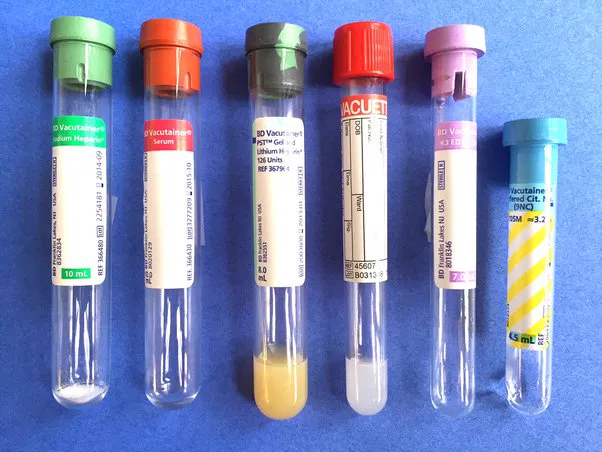
تحليل الهرمونات في دبي: دليل شامل لفحوصات الهرمونات
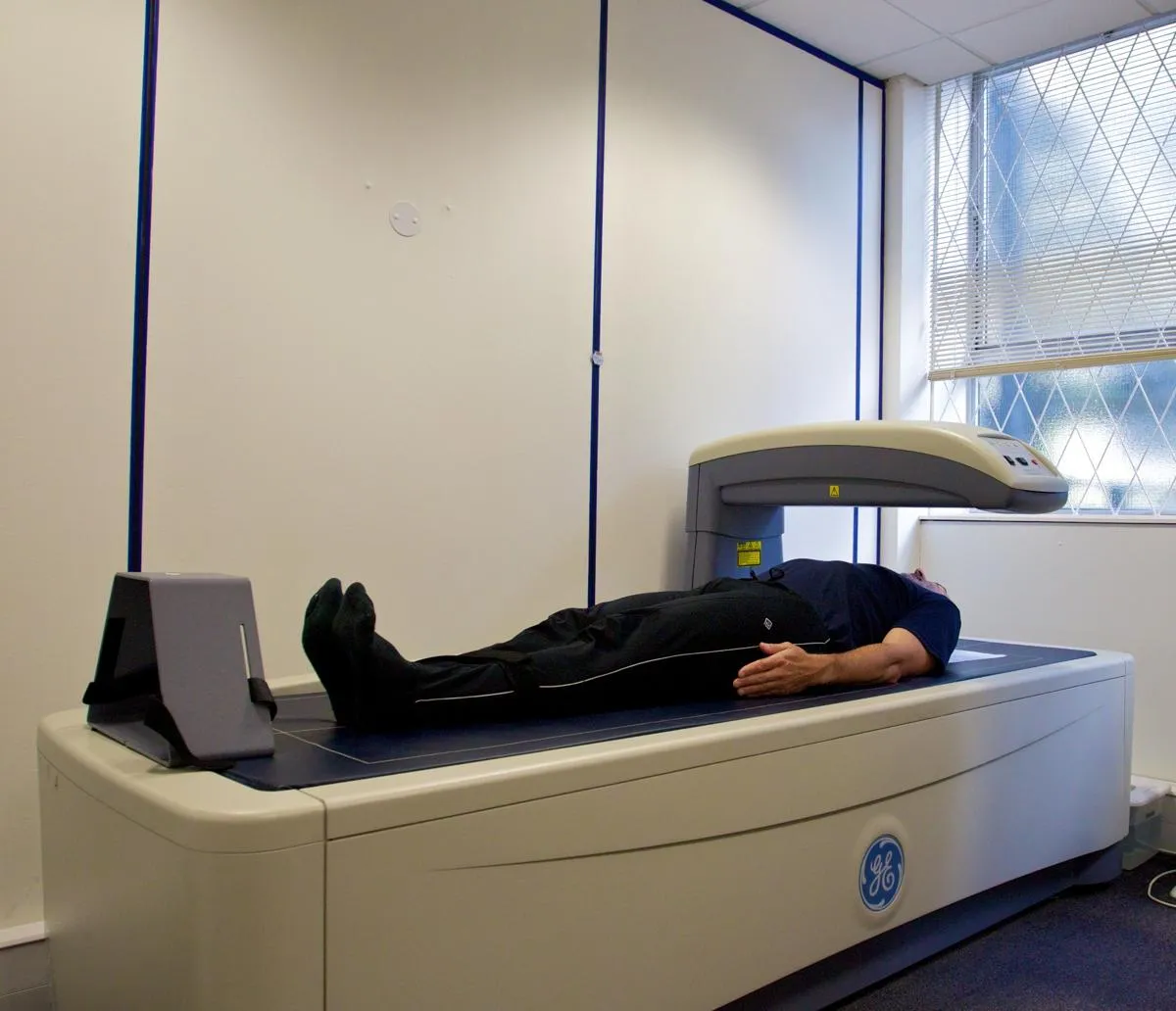
فحص وعلاج هشاشة العظام في دبي
فحص DXA: دليل اختبار كثافة العظام
المزيد في Women's Health

Double Marker Test Dubai: Timing, Results & Price (2026)
اقرأ المزيد
Emsella Side Effects & Safety Dubai (2026)
اقرأ المزيد
FSH & LH Test Dubai: Day 3 Levels, Ratio & Price
اقرأ المزيد
NIPT Test Dubai: Cost, Accuracy & Timing (2026)
اقرأ المزيد
NIPT Results: High-Risk vs Low-Risk Explained (2026)
اقرأ المزيدNT Scan Dubai: Cost, Timing & Results (2026)
اقرأ المزيد© 2026 Doctors Clinic Diagnostic Center (DCDC), Dubai Healthcare City. Originally published at https://doctorsclinicdubai.ae/blog/perimenopause-vs-menopause-dubai. All rights reserved. Unauthorized reproduction is prohibited.