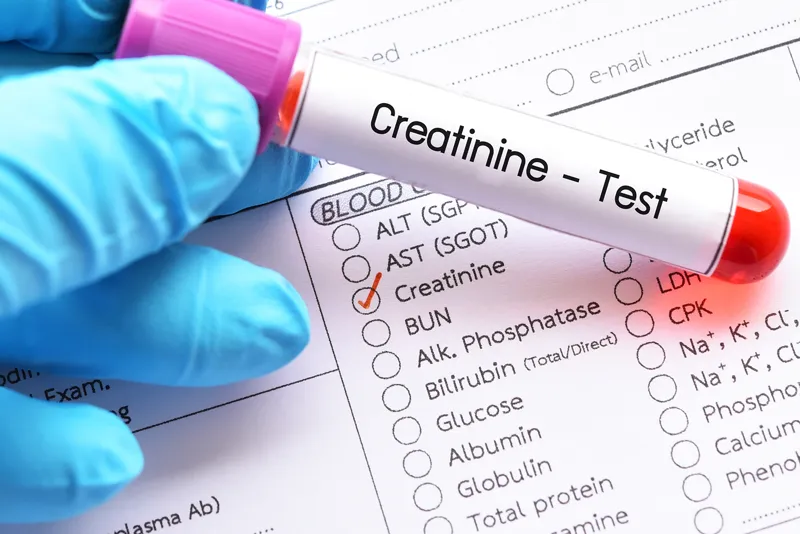
النقاط الرئيسية
- يقيس اختبار وظائف الكلى (KFT) الكرياتينين ونيتروجين يوريا الدم (BUN) ومعدل الترشيح الكبيبي التقديري والإلكتروليتات (الصوديوم والبوتاسيوم والبيكربونات والكلوريد) وأحياناً حمض اليوريك — تكشف هذه المؤشرات مجتمعةً مدى فاعلية الكليتين في تصفية الفضلات والحفاظ على التوازن الكيميائي للجسم
- تبدأ تكلفة اختبار KFT في دبي من AED 249 للفحص الأساسي (الكرياتينين + BUN)، وترتفع للفحص الشامل مع eGFR وكامل الإلكتروليتات — توفر DCDC أسعاراً خاضعة لرقابة هيئة الصحة بدبي مع نتائج في اليوم ذاته
- تعد الإمارات من أعلى دول العالم في معدلات الإصابة بـالسكري وارتفاع ضغط الدم — وهما السببان الرئيسيان لمرض الكلى المزمن (CKD). يعاني أكثر من 850 مليون شخص في العالم من CKD والغالبية العظمى منهم غير مشخَّصين
- ينقسم مرض الكلى المزمن إلى خمس مراحل بحسب eGFR: المرحلة 1 (eGFR ≥90) إلى المرحلة 5 (eGFR <15، الفشل الكلوي). لا يعاني معظم المرضى من أعراض حتى المرحلة 3 أو ما بعدها، مما يجعل الفحص الدوري بالغ الأهمية
- لا يُشترط الصيام لأغلب اختبارات وظائف الكلى — ومع ذلك، فإن الترطيب الجيد قبل سحب الدم يضمن أدق قراءات للكرياتينين و eGFR
- يمكن في حالة اكتشاف CKD في المراحل 1 إلى 3 إبطاء تطوره أو تثبيته من خلال التحكم في ضغط الدم وتحسين إدارة السكري وتغيير نمط الحياة — والكشف المبكر عبر الفحص السنوي لـ KFT هو أكثر أداة وقائية فاعلية متاحة
تؤدي الكليتان واحدة من أكثر الوظائف تطلباً في الجسم — إذ تُرشِّحان نحو 180 لتراً من الدم كل يوم لإزالة الفضلات وتنظيم توازن السوائل والتحكم في ضغط الدم والحفاظ على التركيب الكيميائي الدقيق الذي يُبقي جميع الأعضاء تعمل بكفاءة. وعلى الرغم من هذا الدور الحيوي، يتطور مرض الكلى بصمت دون أعراض تُذكر حتى تفقد نسبة كبيرة من الوظيفة الكلوية بشكل دائم. اختبار وظائف الكلى (KFT) هو فحص دم بسيط يستطيع الكشف عن تلف الكلى وضعف التصفية واختلال الإلكتروليتات في أبكر مراحلها وأكثرها قابلية للعلاج. سواء كنت من الفئات عالية الخطر أو تسعى ببساطة إلى إجراء فحص وقائي شامل، تتوفر خدمات فحص الدم في DCDC مع اختبار وظائف الكلى بدءاً من AED 149 مع نتائج في اليوم ذاته في مدينة دبي الطبية.
يُغطي هذا الدليل الشامل كل ما تحتاج معرفته عن اختبار وظائف الكلى في دبي: ما يقيسه كل مؤشر في KFT، والنطاقات الطبيعية المرجعية، وكيفية قراءة eGFR، والمراحل الخمس لمرض الكلى المزمن، وكيفية الاستعداد للاختبار، والتكلفة، والأوقات التي ينبغي فيها إجراء الفحص. راجعه الدكتور هادي نوبخت، أخصائي الطب الباطني في DCDC بمدينة دبي الطبية.






ما هو اختبار وظائف الكلى (KFT)؟
اختبار وظائف الكلى — المعروف أيضاً باختبار وظائف الكلى، أو لوحة الكلى، أو اللوحة الأيضية الشاملة (CMP) — هو مجموعة من فحوصات الدم التي تُقيِّم مدى فاعلية الكليتين في تصفية الفضلات من الدم وصون توازن السوائل والإلكتروليتات في الجسم. لا يعطي أي مؤشر منفرد الصورة الكاملة لصحة الكلى، لكن مجموعة الكرياتينين و BUN و eGFR والإلكتروليتات مجتمعةً تُقدم صورة سريرية شاملة وقابلة للتطبيق.
الكليتان عضوان على شكل الفاصولياء تقعان في الجزء الخلفي من البطن، واحدة على كل جانب من العمود الفقري. تحتوي كل كلية على نحو مليون وحدة تصفية صغيرة تُسمى النيفرونات. يدخل الدم كل نيفرون تحت ضغط مرتفع؛ فتُرشَّح الفضلات والإلكتروليتات الزائدة والماء وتُطرح على شكل بول، في حين يُحتفظ بالبروتينات الأساسية وخلايا الدم والمعادن الضرورية. وعندما تتلف النيفرونات — في الغالب بسبب السكري أو ارتفاع ضغط الدم المزمن أو الاستخدام المطوَّل للأدوية السامة للكلى — تتراجع كفاءة التصفية تدريجياً وتبدأ الفضلات في التراكم في مجرى الدم.
يحتاج اختبار KFT إلى عينة دم صغيرة فقط تُسحب من وريد في الذراع. وقد تشمل بعض تقييمات الكلى الشاملة فحص البول — إما تحليل بول أو نسبة الألبومين إلى الكرياتينين في البول (ACR) — للكشف عن تسرب البروتين عبر مرشحات الكلى التالفة. في DCDC بمدينة دبي الطبية، تتوفر نتائج اختبار KFT الأساسي في اليوم ذاته من مختبرنا المرخَّص من وزارة الصحة داخل المنشأة.
شرح مؤشرات KFT: ما الذي يقيسه كل اختبار؟
يُقيِّم اختبار وظائف الكلى الشامل مؤشرات متعددة، يكشف كل منها جانباً مختلفاً من صحة الكلى. إليك معنى كل مؤشر وأهميته السريرية:
الكرياتينين
الكرياتينين فضلة يُنتجها استمرار عمليات الأيض العضلي بمعدل ثابت نسبياً. ولأن الكليتين تُصفِّيان الكرياتينين من الدم بالكامل تقريباً، يُعدّ مستواه في الدم مؤشراً موثوقاً ومتكرراً لكفاءة التصفية الكلوية. ارتفاع الكرياتينين يعني تراجع وظيفة الكلى — إذ لم تعد تُصفِّي الفضلات بالكفاءة المطلوبة. تختلف النطاقات الطبيعية بين الرجال (0.7–1.3 ملغم/ديسيلتر) والنساء (0.6–1.1 ملغم/ديسيلتر) لأن الرجال عادةً تكون كتلتهم العضلية أكبر وبالتالي ينتجون كميات أكبر من الكرياتينين. يُشكِّل الكرياتينين حجر الأساس في تقييم KFT وهو المدخل الرئيسي لحساب eGFR.
eGFR (معدل الترشيح الكبيبي التقديري)
يُحسَب eGFR من مستوى الكرياتينين في المصل والعمر والجنس باستخدام معادلة مُعتمَدة (معادلة CKD-EPI لعام 2021 هي المعيار الدولي الحالي). يُقدِّر هذا المؤشر حجم الدم الذي تستطيع الكليتان تصفيته بالملليلتر في الدقيقة. يُعدّ eGFR الرقم الأهم سريرياً في صحة الكلى — إذ يُستخدَم لتصنيف مراحل CKD وتوجيه جرعات الأدوية وتحديد موعد الإحالة إلى طبيب الكلى المتخصص أو البدء بالتخطيط للديلزة. تُعدّ قيمة eGFR الطبيعية 90 مل/د/1.73م² أو أكثر.
BUN (نيتروجين يوريا الدم)
اليوريا فضلة تتكوَّن في الكبد من تكسُّر البروتين الغذائي وبروتين الجسم. تُرشَّح بواسطة الكليتين وتُطرح في البول. ارتفاع BUN يُشير إلى أن الكليتين لا تُصفِّيان اليوريا بكفاءة — لكن BUN أقل تخصصاً من الكرياتينين في قياس وظيفة الكلى، لأن BUN يرتفع أيضاً مع الجفاف وارتفاع تناول البروتين والنزيف الهضمي واستخدام الستيرويدات وانهيار العضلات حتى عند سلامة الكلى. تُساعد نسبة BUN إلى الكرياتينين على التمييز بين الأسباب الكلوية (النسبة 10–20) والأسباب قبل الكلوية كالجفاف (النسبة >20). يتراوح مستوى BUN الطبيعي بين 7 و20 ملغم/ديسيلتر.
الإلكتروليتات: الصوديوم، البوتاسيوم، البيكربونات، الكلوريد
الكليتان هما المنظِّمان الرئيسيان لتركيبة الإلكتروليتات والتوازن الحمضي القاعدي في الجسم. كثيراً ما يرافق انخفاضُ وظيفة الكلى اضطرابُ مستويات الإلكتروليتات، مما قد يُهدد إيقاع القلب ووظيفة الخلايا مباشرةً. البوتاسيوم (الطبيعي: 3.5–5.0 ميلي إيكويفالنت/لتر) هو الأكثر أهمية — فارتفاع البوتاسيوم (فوق 5.5 ميلي إيكويفالنت/لتر) الناجم عن CKD يمكن أن يُسبِّب اضطرابات قلبية مهددة للحياة ويُعدّ من أخطر مضاعفات مرض الكلى المتقدم. الصوديوم (الطبيعي: 136–145 ميلي إيكويفالنت/لتر) يعكس توازن السوائل. البيكربونات (الطبيعي: 22–29 ميلي إيكويفالنت/لتر) تُشير إلى حالة التوازن الحمضي القاعدي — انخفاض البيكربونات (الحماض الاستقلابي) شائع جداً في مراحل CKD المتوسطة إلى المتقدمة. الكلوريد (98–107 ميلي إيكويفالنت/لتر) يوازن الصوديوم ويُسهم في تقييم الحالة الحمضية القاعدية.
حمض اليوريك
حمض اليوريك ناتج تكسُّر البيورينات الموجودة في اللحوم والمخلفات الحيوانية والمأكولات البحرية والكحول. تُرشِّح الكليتان نحو 70% من حمض اليوريك المُنتَج يومياً. وعندما تتراجع وظيفة الكلى يتراكم حمض اليوريك — وعلى العكس، يُلحق ارتفاع حمض اليوريك المزمن ضرراً بخلايا أنابيب الكلى مع مرور الوقت، مما يُفضي إلى حلقة مفرغة. يُسبِّب ارتفاع حمض اليوريك (فوق 7.0 ملغم/ديسيلتر للرجال، 6.0 ملغم/ديسيلتر للنساء) أيضاً النقرس. يُوفِّر قياس حمض اليوريك جنباً إلى جنب مع الكرياتينين صورة أكمل للعبء الأيضي للكلى، وهو ذو صلة خاصة بسكان الإمارات نظراً للأنماط الغذائية الشائعة المرتفعة في البيورينات.
النطاقات الطبيعية لـ KFT: جدول مرجعي شامل
القيم المرجعية التالية هي القيم المعيارية المستخدمة في المختبرات المعتمدة في دبي، المتوافقة مع إرشادات KDIGO (مبادرة مرض الكلى لتحسين النتائج العالمية) ومؤسسة الكلى الوطنية. تجدر الإشارة إلى أن النطاقات قد تتفاوت قليلاً بين المختبرات تبعاً للأجهزة والكواشف المستخدمة:
| المؤشر | النطاق الطبيعي | ما تدل عليه المستويات الشاذة |
|---|---|---|
| الكرياتينين (رجال) | 0.7 – 1.3 ملغم/ديسيلتر | مرتفع: انخفاض ترشيح الكلى، الجفاف، تكسُّر العضلات. منخفض: ضعف شديد في كتلة العضلات |
| الكرياتينين (نساء) | 0.6 – 1.1 ملغم/ديسيلتر | مرتفع: انخفاض ترشيح الكلى، الجفاف. منخفض: ضعف كتلة العضلات، الحمل |
| eGFR | ≥90 مل/د/1.73م² | <90: يُطبَّق تصنيف مراحل CKD (انظر الجدول أدناه). <15: فشل كلوي (المرحلة 5 من CKD) |
| BUN (نيتروجين يوريا الدم) | 7 – 20 ملغم/ديسيلتر | مرتفع: مرض الكلى، الجفاف، نظام غذائي مرتفع البروتين، نزيف الجهاز الهضمي. منخفض: سوء التغذية، فشل الكبد |
| الصوديوم | 136 – 145 ميلي إيكويفالنت/لتر | منخفض: احتباس السوائل، متلازمة SIADH، قصور الغدة الكظرية. مرتفع: جفاف، مرض التبوُّل الكاذب |
| البوتاسيوم | 3.5 – 5.0 ميلي إيكويفالنت/لتر | مرتفع (>5.5): CKD، مثبطات ACE، سبيرونولاكتون — خطر على القلب. منخفض (<3.5): مدرات البول، القيء، ضعف التناول |
| البيكربونات (ثاني أكسيد الكربون) | 22 – 29 ميلي إيكويفالنت/لتر | منخفض: الحماض الاستقلابي (CKD، السكري). مرتفع: القلاء الاستقلابي (القيء، مدرات البول) |
| الكلوريد | 98 – 107 ميلي إيكويفالنت/لتر | الاضطرابات تعكس عادةً تغيرات الصوديوم والبيكربونات |
| حمض اليوريك (رجال) | 3.4 – 7.0 ملغم/ديسيلتر | مرتفع: النقرس، CKD، نظام غذائي مرتفع البيورينات. منخفض: نادر (بعض الأدوية) |
| حمض اليوريك (نساء) | 2.4 – 6.0 ملغم/ديسيلتر | مرتفع: النقرس، مرض الكلى، تسمم الحمل |
المراحل الخمس لمرض الكلى المزمن (CKD)
يُصنَّف مرض الكلى المزمن إلى خمس مراحل بناءً على eGFR التقديري، مُقترناً في الغالب بدرجة البيلة الألبومينية (البروتين في البول). يُرشِّد تصنيف مراحل CKD قرارات العلاج وتكرار المتابعة وتحديد متى تصبح رعاية طبيب الكلى المتخصص ضرورية. والأمر الجوهري هنا أن معظم المرضى في المرحلتين 1 و2 لا تظهر عليهم أي أعراض — وهذا بالضبط ما يجعل الفحص الدوري ضرورة لا غنى عنها.
| مرحلة CKD | eGFR (مل/د/1.73م²) | وظيفة الكلى | الأعراض المعتادة | محور الإدارة |
|---|---|---|---|---|
| المرحلة 1 | ≥90 | ترشيح طبيعي أو مرتفع مع وجود مؤشرات لتلف الكلى (بروتين في البول أو شذوذ هيكلي) | لا شيء — يُكتشف فقط من خلال بروتين البول أو شذوذ التصوير | علاج السبب الجذري (السكري، ارتفاع ضغط الدم). مراقبة KFT السنوية + ACR البول |
| المرحلة 2 | 60 – 89 | انخفاض طفيف | لا شيء — لا تزال بدون أعراض إلى حد بعيد | تحسين ضغط الدم، تعديل نمط الحياة، مراقبة KFT السنوية |
| المرحلة 3أ | 45 – 59 | انخفاض طفيف إلى متوسط | تعب خفيف، قد يبدأ احتباس طفيف للسوائل. كثيرون لا يزالون بدون أعراض | يُوصى بالإحالة إلى طبيب الكلى، مراجعة جرعات الأدوية، إرشادات غذائية بشأن الصوديوم والبروتين |
| المرحلة 3ب | 30 – 44 | انخفاض متوسط إلى شديد | تعب، احتباس سوائل، فقر دم، ارتفاع ضغط الدم | إدارة كلوية فعّالة، علاج فقر الدم المصاحب لـ CKD، تقييد الفوسفات، مراقبة صحة العظام |
| المرحلة 4 | 15 – 29 | انخفاض شديد | تعب ملحوظ، غثيان، احتقان سوائل، آلام العظام، الحكة (الحكة اليوريمية) | التحضير للعلاج البديل للكلى — يبدأ التخطيط للديلزة أو زراعة الكلى |
| المرحلة 5 | <15 | فشل كلوي (مرحلة الكلى النهائية) | البولينا الشديدة: ارتباك، إرهاق شديد، قيء، وذمة، ضيق تنفس | الديلزة أو زراعة الكلى ضرورية للبقاء على قيد الحياة |
الاستنتاج السريري الجوهري من تصنيف مراحل CKD هو أنه بحلول ظهور الأعراض الملحوظة، تكون وظيفة الكلى قد تراجعت عادةً إلى المرحلة 3 أو أدنى — أي أن 40–60% من طاقة الترشيح قد فُقدت بشكل دائم. لهذا تُوصي إرشادات KDIGO بالفحص السنوي لـ KFT لجميع الأفراد المصابين بالسكري أو ارتفاع ضغط الدم أو السمنة أو من لديهم تاريخ عائلي لمرض الكلى.
كيفية الاستعداد لاختبار وظائف الكلى
يُعدّ اختبار KFT من أبسط فحوصات الدم تحضيراً. خلافاً لفحوصات الدهون والجلوكوز، لا يستلزم صياماً صارماً. إليك ما يجب فعله:
- حافظ على ترطيب جيد: اشرب كوباً أو كوبين من الماء على الأقل قبل موعدك. الجفاف يُركِّز الكرياتينين في الدم مما يُعطي نتائج مرتفعة كاذبة و eGFR منخفضاً مضللاً. الترطيب الجيد هو أهم خطوة استعداد لاختبار KFT
- لا يُشترط الصيام لسحب دم KFT الأساسي — يمكنك تناول الطعام والشراب بصورة طبيعية. إذا كان اختبار KFT مقترناً بفحص الكوليسترول أو الجلوكوز، تستلزم تلك المكونات صياماً لمدة 10–12 ساعة وسيُحدِّد ذلك طبيبك
- تجنَّب التمارين الشاقة في اليوم السابق: يُسبِّب النشاط البدني المكثف ارتفاعاً مؤقتاً للكرياتينين بسبب تكسُّر العضلات وزيادة دوران البروتين. النشاط الخفيف أو الراحة خلال 24 ساعة قبل الاختبار يُعطي أكثر النتائج الأساسية تمثيلاً للواقع
- تجنَّب وجبات عالية البروتين جداً: الوجبة الغنية جداً بالبروتين (كعشاء دسم من اللحم) في المساء السابق قد ترفع الكرياتينين و BUN بشكل مؤقت. تناول طعامك بصورة طبيعية مع تجنُّب الإفراط في تناول البروتين خلال 12–24 ساعة قبل الاختبار
- أحضر قائمة بجميع أدويتك ومكملاتك: مضادات الالتهاب غير الستيرويدية (إيبوبروفين، ديكلوفيناك)، ومثبطات ACE، وحاصرات ARB، والميتفورمين، وبعض المضادات الحيوية، ومكملات الكرياتين الرياضية — جميعها قد تؤثر في مؤشرات الكلى. طبيبك يحتاج هذه المعلومات لتفسير النتائج بدقة
- أحضر نتائج KFT السابقة: الاتجاهات عبر الزمن — سواء كان الكرياتينين مستقراً أو آخذاً في الارتفاع ببطء أو سريعاً — تُوفِّر في الغالب معلومات تشخيصية أكثر من أي نتيجة منفردة. القراءة المرتفعة بشكل مستمر أكثر دلالة بكثير من قيمة مرتفعة عرضية
من يجب أن يُجري اختبار وظائف الكلى؟
يُوصى بشدة بالفحص السنوي لـ KFT للفئات عالية الخطر، كما يُشار إلى الاختبار عند الإصابة بأعراض تدل على مشاكل في الكلى. إليك دليلاً شاملاً حول من يجب فحصه ومتى:
الفئات عالية الخطر التي تستدعي الفحص السنوي
- السكري (النوع الأول أو الثاني): السبب الأول المنفرد لـ CKD عالمياً. تُصيب اعتلال الكلى السكري ما يصل إلى 40% من مرضى السكري مع مرور الوقت. فحص KFT السنوي مع نسبة الألبومين إلى الكرياتينين في البول (ACR) هو معيار الرعاية الدولي لجميع مرضى السكري
- ارتفاع ضغط الدم: السبب الثاني الرئيسي لـ CKD. يُلحق ارتفاع ضغط الدم المزمن ضرراً بالشعيرات الكبيبية الدقيقة المُغذِّية للنيفرونات. يُوصى بشدة بمتابعة KFT السنوية لجميع مرضى ارتفاع ضغط الدم
- السمنة ومتلازمة الأيض: كلاهما عامل خطر مستقل لـ CKD. تسجِّل الإمارات من بين أعلى معدلات السمنة ومتلازمة الأيض في العالم، مما يجعل هذه الفئة السكانية أولوية للفحص
- التاريخ العائلي لمرض الكلى: مرض الكلى متعدد الكيسات ومتلازمة ألبورت والمتلازمات الكلوية الوراثية ترفع الخطر الشخصي بشكل ملحوظ. ينبغي للأفراد الذين لديهم قريب درجة أولى مصاب البدء بالفحص مبكراً
- الاستخدام المنتظم لمضادات الالتهاب غير الستيرويدية أو المسكنات: الاستخدام المزمن للإيبوبروفين والديكلوفيناك والنابروكسين سبب رئيسي لاعتلال الكلى التحليلي — وهو تلف كلوي تراكمي تدريجي ناجم عن التعرض المستمر لمضادات الالتهاب
- حصوات الكلى المتكررة: تكوُّن الحصوات بتكرار يعكس خللاً في تعامل الكلى مع الكالسيوم أو الأوكزالات أو حمض اليوريك، وهو عامل خطر مستقل لـ CKD التدريجي
- البالغون فوق الستين: ينخفض eGFR طبيعياً بنحو 1 مل/د/1.73م² سنوياً بعد سن الأربعين. المتابعة السنوية تُميِّز بين التراجع الفسيولوجي المرتبط بالعمر والـ CKD المرضي الذي يستدعي العلاج
الاختبار بناءً على الأعراض
- تعب ووهن مستمران لا تفسيره أسباب أخرى
- تورم (وذمة) في الكاحلين والقدمين والوجه أو حول العينين — احتباس سوائل ناجم عن ضعف إفراز الكلى
- بول رغوي أو متزبِّد — علامة مرئية لتسرب البروتين عبر مرشحات الكلى التالفة
- دم في البول (بيلة دموية) — مرئي أو مكتشَف بالشريط التشخيصي لتحليل البول
- انخفاض حجم البول أو تغيرات ملحوظة في تكرار التبوُّل
- ارتفاع ضغط الدم المستمر الذي لا يستجيب بشكل كافٍ للأدوية
- غثيان غير مبرَّر أو فقدان شهية أو طعم معدني مستمر في الفم — علامات مبكرة للبولينا (تراكم الفضلات)
- حكة جلدية (الحكة اليوريمية) بلا تفسير جلدي واضح — علامة على تراكم الفوسفات والفضلات في مرحلة CKD المتقدمة
تكلفة اختبار وظائف الكلى في دبي (2026)
تتفاوت أسعار KFT في دبي حسب المؤشرات المطلوبة وما إذا كان الاختبار ضمن باقة صحية وما إذا كنت تدفع عبر التأمين أو بشكل شخصي. في DCDC، جميع الأسعار خاضعة لرقابة هيئة الصحة بدبي وشفافة بلا رسوم مخفية. إليك التفصيل الكامل:
| لوحة KFT | المؤشرات المشمولة | سعر DCDC (AED) | وقت التسليم |
|---|---|---|---|
| KFT الأساسي | الكرياتينين + BUN | من AED 249 | في اليوم ذاته |
| KFT القياسي مع eGFR | الكرياتينين، BUN، eGFR، حمض اليوريك | من AED 130 | في اليوم ذاته |
| لوحة KFT الشاملة | الكرياتينين، BUN، eGFR، الصوديوم، البوتاسيوم، البيكربونات، الكلوريد، حمض اليوريك | من AED 249 | في اليوم ذاته |
| اللوحة الكلوية الكاملة | KFT شامل + ACR البول + تحليل البول | من AED 149 | في اليوم ذاته / اليوم التالي |
| باقة مراقبة السكري والكلى | KFT + HbA1c + جلوكوز صيام + ACR البول + تقييم ضغط الدم | من AED 350 | في اليوم ذاته |
تُغطي معظم خطط التأمين الصحي الكبرى في دبي اختبارات وظائف الكلى عند وصفها من قِبَل طبيب لمؤشر طبي. تقبل DCDC الفوترة المباشرة من أكثر من 20 شركة تأمين بما فيها Daman وAXA Gulf وBupa Arabia وMetLife وCigna وMSH International. يُرحَّب بمرضى الدفع الشخصي دون الحاجة إلى إحالة. للاطلاع على نظرة أشمل حول تكاليف فحوصات الدم في دبي، يُغطي دليلنا الشامل لتكاليف فحوصات الدم جميع اللوحات الرئيسية.
لماذا يواجه سكان دبي خطراً مرتفعاً لمرض الكلى؟
تواجه الإمارات عبئاً كبيراً ومتنامياً من مرض الكلى المزمن مدفوعاً بأعلى معدلات في العالم لأبرز سببَين للإصابة بـ CKD. تُقدِّر الاتحادية الدولية للسكري أن نحو 16% من البالغين في الإمارات مصابون بالسكري من النوع الثاني — أي ثلاثة أضعاف المتوسط العالمي تقريباً. كما تُسجِّل الإمارات ارتفاع ضغط الدم لدى نحو 30% من البالغين. كلا الحالتَين، حين تكون سيئة السيطرة عبر سنوات، تُلحقان تدريجياً ضرراً بالأوعية الدموية الصغيرة التي تُغذِّي وحدات التصفية في الكلى، مما يُفضي إلى التراجع التدريجي في eGFR المُميِّز لاعتلال الكلى السكري والناتج عن ارتفاع ضغط الدم.
يُقدِّر الأطلس العالمي لصحة الكلى أن أكثر من 850 مليون شخص في العالم يعانون من CKD، والغالبية العظمى منهم غير مشخَّصين في المرحلتين 1 و2 لعدم وجود أعراض. في دبي، حيث تعاني شريحة كبيرة من السكان في سن العمل من السكري وارتفاع ضغط الدم — وغالباً بسيطرة غير مثالية بسبب ضغط العمل وعدم انتظام التعامل مع الرعاية الصحية — من المرجح أن يكون حجم CKD المبكر غير المشخَّص كبيراً.
اختبار وظائف الكلى المنتظم — المتوفر بأقل من AED 149 — يُعدّ من أكثر الاستثمارات الصحية الوقائية فعالية من حيث التكلفة يمكن لسكان دبي القيام بها. لفهم أعمق حول ترابط صحة الكبد والكلى — لا سيما في المرضى المصابين بمتلازمة الأيض — يشرح دليل اختبار وظائف الكبد سبب توفير مراقبة كلا الجهازَين معاً لأشمل صورة لصحة الأيض.
KFT مقابل فحص البول: هل تحتاج كليهما؟
فحص KFT الدموي وفحص البول فحصان متكاملان يُجيبان على أسئلة مختلفة حول صحة الكلى. يقيس KFT الدموي مدى كفاءة الكليتين في تصفية الفضلات من الدم — أي الكشف عن انخفاض طاقة الترشيح (تراجع eGFR). أما نسبة الألبومين إلى الكرياتينين في البول (ACR) فتكشف ما يتسرب عبر مرشحات الكلى التالفة — وتحديداً الألبومين (البروتين) الذي لا ينبغي أن يظهر في البول بكميات ذات شأن.
والجدير بالذكر أن الألبومين البولي — المعروف بالألبومينية الدقيقة عند مستويات منخفضة جداً — يمكن اكتشافه قبل سنوات من بدء انخفاض eGFR. فهو غالباً المؤشر القابل للقياس الأول لاعتلال الكلى السكري. لهذا السبب، تُوصي الإرشادات الدولية (KDIGO 2024) بإجراء ACR السنوي إلى جانب KFT الدموي السنوي لجميع مرضى السكري وارتفاع ضغط الدم. يُوفِّر الاختباران معاً أبكر نافذة ممكنة للكشف عن مرض الكلى، مما يمنح الأطباء أقصى فرصة للتدخل الفعّال.
ماذا يحدث إذا كانت نتائج KFT شاذة؟
نتيجة KFT الشاذة تبدأ مسيرة تشخيصية — وليست تشخيصاً نهائياً. يعتمد الاستجابة المناسبة على المؤشرات الشاذة وحجم الانحراف والسياق السريري:
- ارتفاع طفيف في الكرياتينين مع eGFR بين 60 و89 (المرحلة 2): الأسباب المحتملة تشمل الجفاف أو التمارين المكثفة الأخيرة أو ارتفاع تناول البروتين أو CKD مبكر. أعِد الاختبار بعد ترطيب جيد واستراحة. إذا استمر الارتفاع، أضف ACR البول وتصوير الكلى
- eGFR بين 45 و59 (المرحلة 3أ من CKD): يُوصى بالإحالة إلى طبيب الكلى. الفحوصات الإضافية تشمل ACR البول وPTH والهيموغلوبين ودراسات الحديد والفوسفات. تُبدأ مراجعة جرعات الأدوية والتوجيه الغذائي
- ارتفاع البوتاسيوم >5.5 ميلي إيكويفالنت/لتر (فرط بوتاسيوم الدم): يستدعي مراجعة سريرية عاجلة. يمكن أن يُسبِّب فرط بوتاسيوم الدم الناجم عن CKD اضطرابات نظم قلبية بطينية مهددة للحياة. قد يُستلزم فوراً تقييد البوتاسيوم الغذائي ومراجعة الأدوية ومراقبة القلب
- انخفاض البيكربونات (الحماض الاستقلابي): شائع جداً في مرحلة CKD 3 وما فوقها. أثبتت التجارب السريرية أن علاجه بكربونات الصوديوم الفموية يُبطئ معدل تراجع eGFR — فتصحيح الحماض تدخل علاجي فعلي لا مجرد مؤشر
- ارتفاع حمض اليوريك مع شذوذ في الكرياتينين: يُشير إلى تضافر خطر النقرس وCKD. قد يكون العلاج المُخفِّض لليورات (ألوبيورينول) مفيداً لكلتا الحالتين عند الاقتضاء السريري
أين يمكنني إجراء اختبار وظائف الكلى في مدينة دبي الطبية؟
تقع DCDC في مدينة دبي الطبية (المبنى 64، بلوك G)، وهي منطقة طبية حرة متخصصة تخدمها محطة مترو Healthcare City على الخط الأخضر. يعالج مختبرنا الداخلي المعتمد من هيئة الصحة بدبي اختبارات وظائف الكلى يومياً بنتائج في اليوم ذاته. يمكن للمرضى المجيء دون موعد مسبق، وطبيب أخصائي الطب الباطني متواجد داخل المنشأة لمناقشة النتائج وتفسيرها فوراً.
- زيارة دون موعد: لا يُشترط موعد أو إحالة لمرضى الدفع الشخصي. عادةً ما يكتمل سحب الدم في غضون 15 دقيقة من الوصول
- نتائج في اليوم ذاته: تتوفر نتائج KFT الأساسي والشامل عادةً خلال 4–6 ساعات. اللوحات الكلوية الكاملة خلال 24 ساعة
- تفسير طبيب متخصص: استشارة طب باطني داخلية لمناقشة النتائج وتخطيط الخطوات التالية بما في ذلك الإحالة إلى طبيب الكلى عند الحاجة
- تسليم رقمي للنتائج: تُرسَل النتائج إلكترونياً لسهولة الحفظ والمشاركة مع أطباء الكلى أو المتخصصين الآخرين
- باقات شاملة: ادمج KFT مع HbA1c ولوحة الدهون وACR البول ووظائف الكبد والفحص الشامل للجسم بأسعار مخفَّضة للباقات
- التأمين والدفع الشخصي: فوترة مباشرة مع أكثر من 20 شركة تأمين كبرى. أسعار شخصية شفافة بلا رسوم مخفية
خدمات ذات صلة في DCDC
رعاية متخصصة وتشخيص متقدم في مدينة دبي الطبية
الأسئلة الشائعة
خلاصة القول
مرض الكلى المزمن من أكثر الأمراض شيوعاً وأقلها تشخيصاً في سكان دبي. إذ تُسجِّل الإمارات من بين أعلى معدلات السكري وارتفاع ضغط الدم في العالم — وهما السببان الرئيسيان لـ CKD — مما يجعل الفحص الدوري لوظائف الكلى ليس رفاهية بل ضرورة طبية لشريحة كبيرة من السكان. بحلول ظهور أعراض CKD، تكون نسبة كبيرة وغالباً غير قابلة للعلاج من وظيفة الكلى قد فُقدت. فحص KFT بتكلفة AED 249 يمكنه الكشف عن مرض الكلى في مراحله المبكرة حين يكون التدخل أكثر فاعلية.
في المرحلتين 1 و2، يمكن في أحيان كثيرة تثبيت CKD أو حتى تحسينه بالتحكم المكثف في ضغط الدم وتحسين إدارة السكري والتوقف عن الأدوية السامة للكلى وتغيير نمط الحياة. في المرحلة 3، يمكن لرعاية طبيب الكلى المتخصص أن تُبطئ التقدم بشكل ملحوظ. حتى في المرحلة 4، يُؤخِّر الإدارة الدقيقة الحاجة إلى الديلزة لسنوات — والديلزة نفسها تُحمِّل تكلفة وعبئاً على نمط الحياة ومراضة جسيمة. كل مرحلة من التدخل المبكر أكثر فاعلية وأقل تكلفة من علاج الفشل الكلوي.
في DCDC بمدينة دبي الطبية، فحوصات وظائف الكلى متاحة وبأسعار في المتناول وسريعة. سواء احتجت إلى فحص كرياتينين أساسي (من AED 249) أو لوحة كلوية شاملة مع eGFR والإلكتروليتات (من AED 199) أو باقة متكاملة لمراقبة السكري والكلى (من AED 350)، يُقدِّم مختبرنا المعتمد من هيئة الصحة بدبي نتائج دقيقة في اليوم ذاته مع مراجعة الطبيب المتخصص. جِئنا اليوم أو احجز عبر الإنترنت — كليتاك تستحقان نفس الاهتمام الذي تمنحه لكل عضو حيوي آخر.

كتبه
د. هادي كمشي
أخصائي الطب الباطني
دكتوراه في الطب، مرخص من هيئة الصحة بدبي
Dr. Hadi Komshi طبيب أخصائي الطب الباطني المرخَّص من هيئة الصحة بدبي في مركز دكتورز كلينك للتشخيص (DCDC) بمدينة دبي الطبية، ويمتلك خبرة واسعة في إدارة الحالات الطبية الحادة والمزمنة بما فيها آلام الجهاز العضلي الهيكلي وإعادة التأهيل.
مقالات ذات صلة
تكلفة فحص الدم في دبي: الأنواع والأسعار ودليل الصيام
اختبار وظائف الكبد في دبي: دليل LFT والنطاقات الطبيعية
الفحص الشامل للجسم في دبي: ما المشمول والتكلفة
مراحل مرض الكلى المزمن في دبي: دليل الإدارة
المزيد في Laboratory

Fitness Blood Tests Dubai: What to Check (2026)
اقرأ المزيد
HbA1c vs Fasting Blood Sugar Dubai: Guide (2026)
اقرأ المزيد
TB Test Cost Dubai: From AED 100–690 (2026)
اقرأ المزيدHIV Test Cost Dubai: Pricing & Guide (2026)
اقرأ المزيدPaternity Test Dubai: How It Works (2026)
اقرأ المزيد
Blood Test Results Dubai: What's Normal (2026)
اقرأ المزيد© 2026 Doctors Clinic Diagnostic Center (DCDC), Dubai Healthcare City. Originally published at https://doctorsclinicdubai.ae/blog/kidney-function-test-dubai-guide. All rights reserved. Unauthorized reproduction is prohibited.