مرکزی مواد پر جائیں
ڈی سی ڈی سی، دبئی ہیلتھ کیئر سٹی، دبئی، متحدہ عرب امارات
بلاگ پر واپس
Obstetrics & Gynecology

Women's Health Screening: Your Complete Guide by Age and Life Stage

DCDC میڈیکل ٹیم20 min read
Women's health screening and gynecology care in Dubai
طبی جائزہ بذریعہ Dr. Parisa DiniSpecialist OB/GYN

اہم نکات

  • Cervical cancer screening (Pap smear/HPV) starts at age 25, making it one of the most preventable cancers when caught early through regular screening
  • Annual mammograms from age 40, or earlier with risk factors. Early detection gives 99% survival rate for localized breast cancer
  • Bone density screening at age 65, or earlier if you have risk factors like early menopause or family history
  • Don't ignore abnormal periods, pelvic pain, or heavy bleeding. Conditions like PCOS and fibroids are treatable when diagnosed
  • Menopause symptoms don't have to be suffered through. Hormone therapy and other treatments are safe options for most women
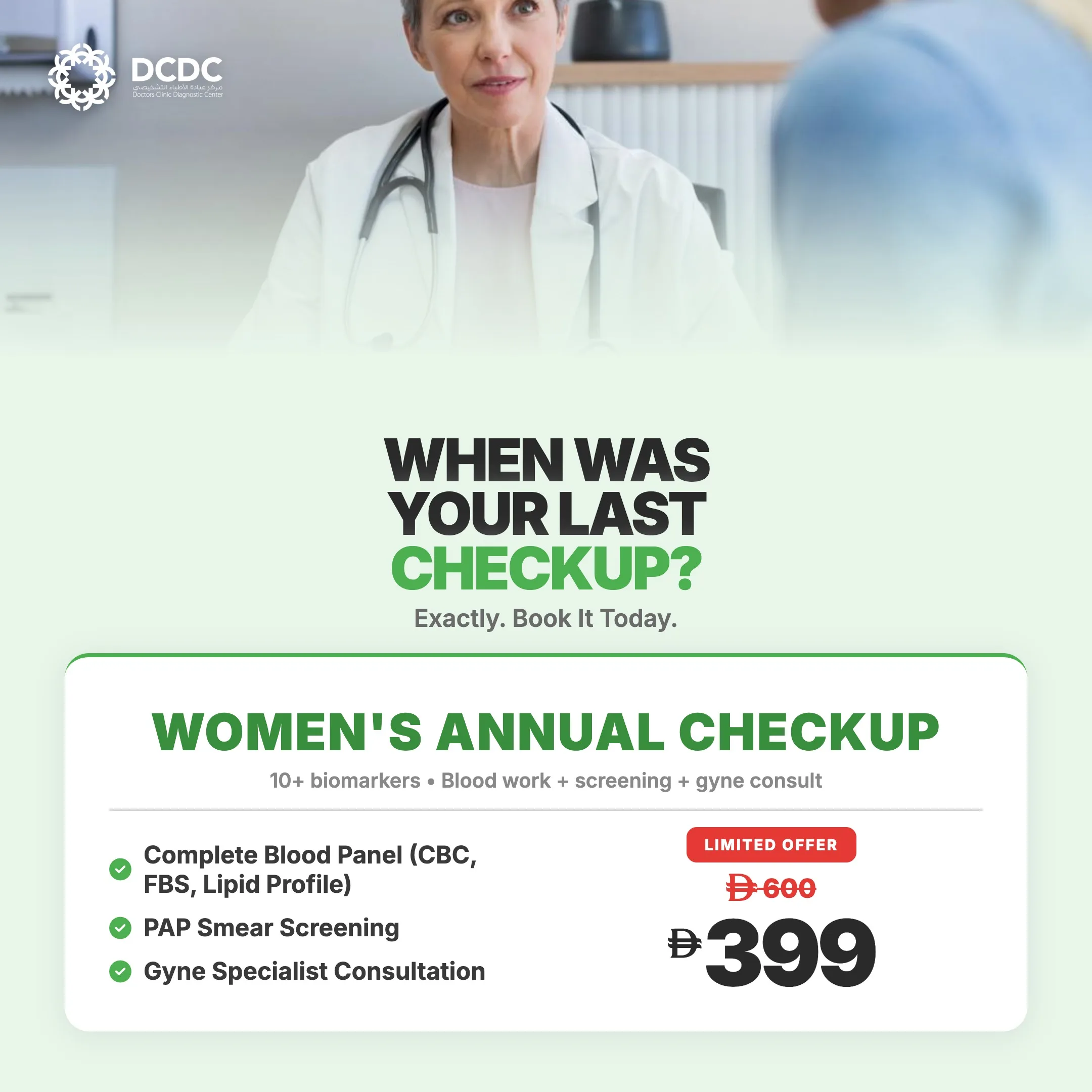
  • Women's health package at DCDC (AED 1,500-4,000) includes gynecological exam, Pap smear, ultrasound, and comprehensive blood work

Women often put everyone else first: children, partners, parents, careers. Health screenings get pushed to "later" or forgotten entirely. But here's what I've learned in years of practicing gynecology: the women who prioritize their health aren't being selfish. They're making sure they're around and healthy for everyone who depends on them.

Preventive screening isn't about finding problems. It's about finding them early, when they're easily treatable or even curable. Cervical cancer, for instance, is nearly 100% preventable with regular Pap smears. Breast cancer caught early has a 99% five-year survival rate. Osteoporosis can be treated before a fracture occurs. The common thread: early detection saves lives. This guide walks through the screenings every woman needs at different life stages: what they are, why they matter, when to get them, and what to expect.

کیا آپ اگلا قدم اٹھانے کے لیے تیار ہیں؟

آج ہی اپنی اپائنٹمنٹ بک کریں اور دبئی ہیلتھ کیئر سٹی میں ڈاکٹرز کلینک ڈائگنوسٹک سنٹر میں ماہر دیکھ بھال کا تجربہ کریں۔

Screening at a Glance: What You Need by Decade

Before we dive into the details, here is a quick overview of the key screenings recommended at each stage of life. Use this as a reference alongside the detailed sections below.

Age GroupKey ScreeningsFrequency
20sPap smear, STI testing, blood pressure, clinical breast exam, HPV vaccinationPap every 3 years; STI annually if at risk; BP every 2 years
30sPap smear/HPV co-testing, clinical breast exam, fertility assessment (AMH), thyroid panel, diabetes screening if risk factorsPap/HPV co-test every 5 years; thyroid as needed
40sMammogram, Pap smear/HPV, diabetes screening (HbA1c), lipid panel, perimenopause evaluationMammogram annually; diabetes at 45; lipids every 4-6 years
50sMammogram, colorectal screening (colonoscopy), cardiovascular assessment, menopause management, Pap smear/HPVMammogram annually; colonoscopy every 10 years; Pap per schedule
60s+DEXA bone density scan, mammogram, hearing and vision tests, cardiovascular monitoring, cancer screeningsDEXA every 2 years; mammogram annually through 74; eye/hearing exams annually

Screening timelines are general guidelines. Your doctor may adjust recommendations based on personal and family risk factors.

Screening in Your 20s: Building the Foundation

Your twenties feel invincible, but this is the decade to establish screening habits and baseline health markers. Starting a relationship with a women's health specialist early sets the foundation for lifelong preventive care.

Cervical Cancer Screening (Pap Smear)

When to start: Age 25 (some guidelines say 21)
How often: Every 3 years if Pap smear only

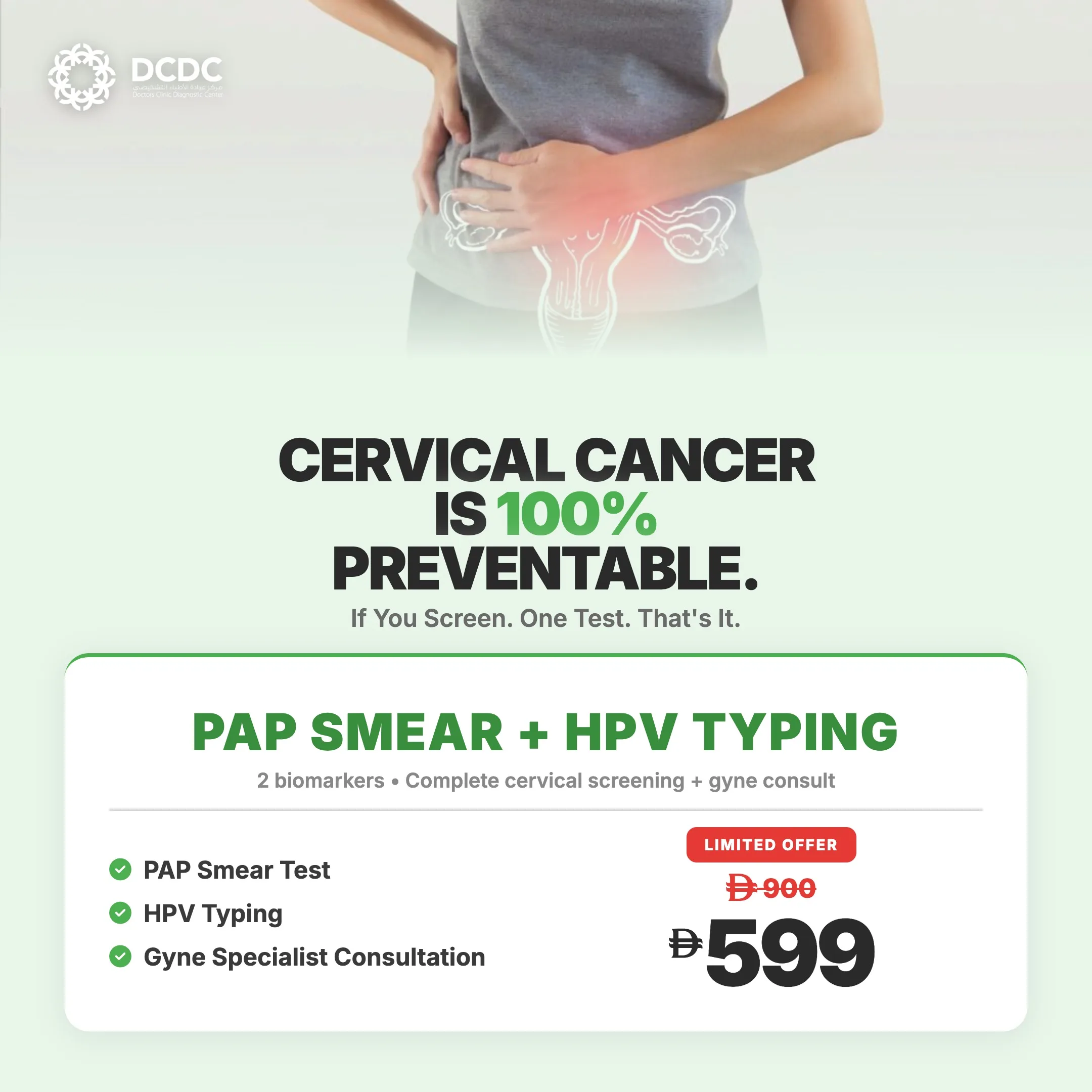
The Pap smear is one of medicine's great success stories. It detects abnormal cervical cells years before they become cancer, allowing treatment that prevents cancer entirely. The procedure takes a few minutes: a speculum is inserted into the vagina, and cells are gently collected from the cervix. It may be slightly uncomfortable but shouldn't be painful.

HPV testing can be added to your Pap smear (co-testing). HPV (human papillomavirus) causes nearly all cervical cancers. If both tests are negative, you may only need screening every 5 years.

STI Screening

Sexually transmitted infections are common and often symptomless. Chlamydia and gonorrhea testing is recommended annually for sexually active women under 25, and for older women with new partners or other risk factors. HIV testing is recommended at least once for everyone.

Blood Pressure and General Health

Blood pressure should be checked at least every 2 years starting in your 20s. This is also a good time for baseline cholesterol screening, especially if you have family history of heart disease.

Contraception and Reproductive Planning

Whether you're planning pregnancy soon, later, or never, your 20s are a good time to discuss reproductive goals with your gynecologist. Understanding your options, from long-acting reversible contraceptives to fertility preservation, allows informed decision-making.

  • Pap smear starting at 25 (every 3 years)
  • STI testing annually if sexually active with new/multiple partners
  • Blood pressure check every 2 years
  • Clinical breast exam every 1-3 years
  • HPV vaccination if not already completed (through age 26, or discuss with doctor for older)
  • Baseline cholesterol if family history of heart disease

Screening in Your 30s: Expanding Prevention

Your thirties often bring career growth, relationships, and possibly pregnancy, all good reasons to maintain your health.

Cervical Cancer Screening Options

From age 30, you have three options:

  • Pap smear alone every 3 years
  • HPV testing alone every 5 years
  • Co-testing (both) every 5 years

Discuss with your doctor which approach makes sense for you based on your history and preferences.

Breast Health

Continue clinical breast exams every 1-3 years. Mammogram screening typically starts at 40, but discuss earlier screening if you have:

  • First-degree relative (mother, sister) with breast cancer
  • Known BRCA1/BRCA2 gene mutation
  • History of chest radiation before age 30
  • Other high-risk conditions

Fertility Awareness

If you're planning future pregnancy, your 30s are a good time to understand your fertility. Ovarian reserve testing (AMH blood test and antral follicle count on ultrasound) can provide information about your egg supply. This doesn't predict whether you can get pregnant, but can inform family planning decisions.

Thyroid and Metabolic Health

Thyroid disorders are common in women and can affect energy, weight, mood, and fertility. If you have symptoms or family history, thyroid testing (TSH) is appropriate. Diabetes screening becomes relevant if you have risk factors (family history, PCOS, overweight, previous gestational diabetes).

Due for Your Annual Screening?

Whether you're in your 20s establishing baseline health or in your 30s expanding your screening routine, our DHA-licensed gynecologists at Dubai Healthcare City are here to help. Book your women's health consultation today.

Same-week appointments available. Most insurance plans accepted.

A Story That Could Be Yours: Why Routine Screening Matters

Fatima (name changed for privacy) was 38 when she came to DCDC for a routine Pap smear. She felt perfectly healthy, had no symptoms, and almost cancelled the appointment because of a busy work week. Her results came back showing high-grade squamous intraepithelial lesion (HSIL), meaning significantly abnormal cells were found on her cervix. A follow-up colposcopy confirmed cervical intraepithelial neoplasia (CIN 3), which is the stage just before cancer develops.

Because we caught it at this pre-cancerous stage, Fatima was treated with a simple outpatient LEEP procedure that removed the abnormal tissue. No chemotherapy. No radiation. No major surgery. She returned for follow-up Pap smears every six months for two years, and every result has been normal since. Today she is 41, cancer-free, and the most vocal advocate among her friends for regular cervical screening. "I almost skipped that appointment," she told us at her last visit. "I think about that every day."

Screening in Your 40s: Adding Key Tests

Your forties bring important additions to your screening schedule.

Mammogram Screening Begins

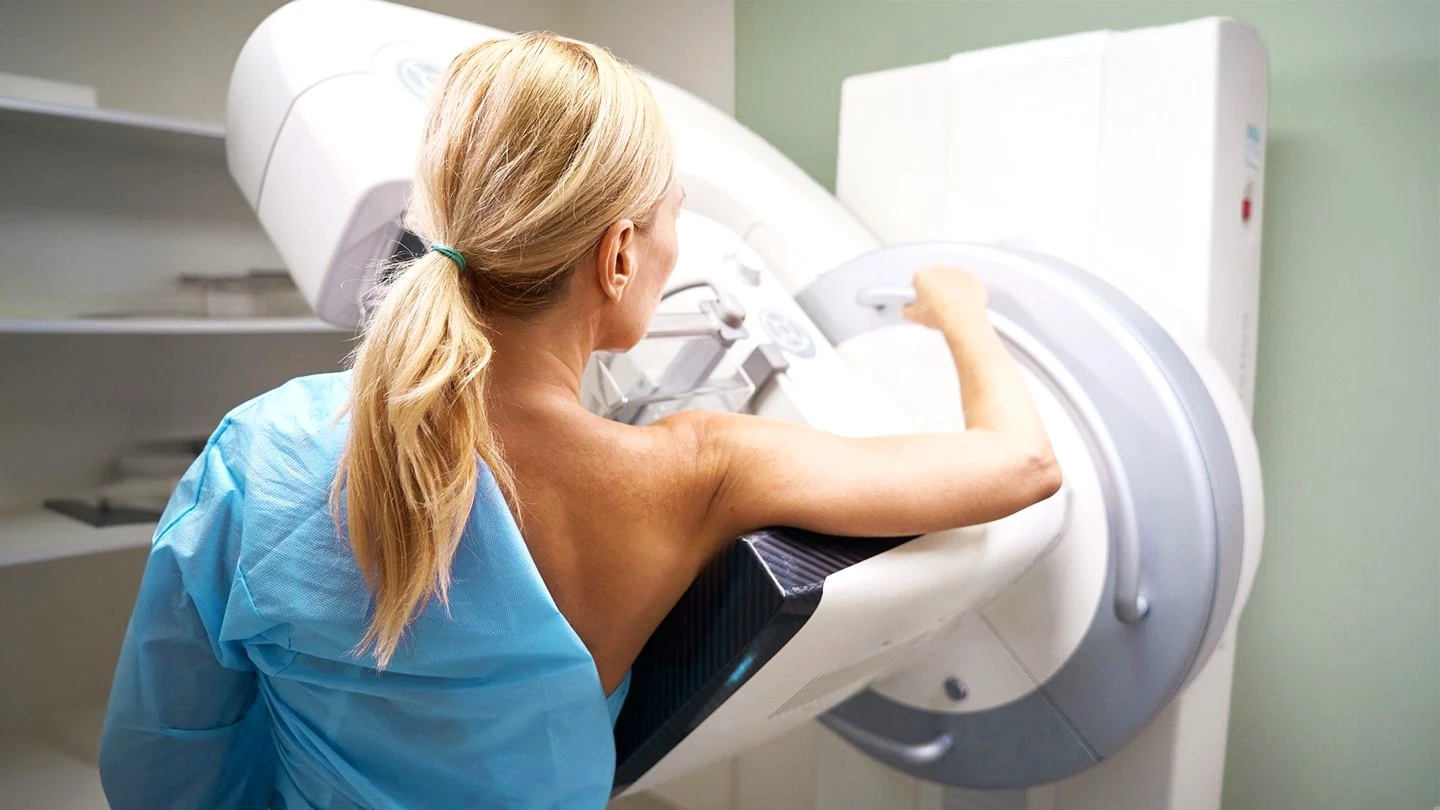
This is the decade to start regular mammograms. Guidelines vary slightly (annual vs. biennial), but most recommend beginning at age 40. For more about breast cancer screening, see our dedicated guide. At DCDC, we typically recommend annual screening, with the option to discuss individual risk factors and preferences.

What to expect: The mammogram takes about 20 minutes. Each breast is compressed between two plates for a few seconds while X-ray images are taken. It's uncomfortable but quick. Schedule for the week after your period when breasts are least tender.

Diabetes and Cardiovascular Screening

Diabetes screening (fasting glucose or HbA1c) is recommended starting at 45 for everyone, or earlier with risk factors. Cholesterol screening becomes more important as cardiovascular risk increases with age.

Perimenopause Recognition

Many women enter perimenopause in their 40s, the transitional years before menopause. Symptoms may include:

  • Irregular periods (shorter, longer, heavier, lighter)
  • Hot flashes and night sweats
  • Sleep disturbances
  • Mood changes
  • Vaginal dryness

These symptoms are manageable. Learn more about menopause treatment options in Dubai, and discuss them with your gynecologist rather than suffering in silence.

  • Annual mammogram (starting at 40)
  • Continue Pap smear/HPV testing per schedule
  • Diabetes screening (fasting glucose or HbA1c) at 45
  • Lipid panel (cholesterol) every 4-6 years
  • Blood pressure check every 2 years
  • Discuss perimenopause symptoms if present
  • Eye exam (presbyopia often develops in 40s)

Screening in Your 50s: Managing Menopause

The average age of menopause is 51. This decade brings important transitions and new screening considerations.

Menopause Management

Menopause is confirmed after 12 consecutive months without a period. Symptoms may continue for years. Treatment options include:

  • Hormone replacement therapy (HRT): Most effective for hot flashes and vaginal symptoms. Safe for most women within 10 years of menopause.
  • Non-hormonal medications: Options for women who can't or prefer not to take hormones.
  • Vaginal estrogen: Low-dose, minimal absorption. Safe for most women for vaginal dryness.
  • Lifestyle modifications: Exercise, cooling strategies, trigger avoidance.

Colorectal Cancer Screening Begins

Colon cancer screening is recommended starting at 45-50. Options include colonoscopy (every 10 years if normal), stool tests (annually), or CT colonography. Discuss with your doctor which approach suits you.

Cardiovascular Risk Increases

After menopause, women's cardiovascular risk increases significantly because estrogen was providing protection. This is when heart disease prevention becomes especially important: blood pressure control, cholesterol management, diabetes prevention, and healthy lifestyle.

Screening in Your 60s and Beyond: Bone Health and Beyond

Bone Density Screening (DEXA Scan)

At age 65, bone density screening becomes standard for all women. The DEXA scan is quick (10-15 minutes), painless, and uses minimal radiation. It measures bone density at the hip and spine, identifying osteoporosis or osteopenia (early bone loss) before fractures occur.

Earlier screening is recommended if you have risk factors:

  • Early menopause (before 45)
  • Fracture after age 50
  • Family history of osteoporosis or hip fracture
  • Low body weight
  • Long-term steroid use
  • Smoking or excessive alcohol
  • Rheumatoid arthritis or inflammatory conditions

Continuing Cancer Screening

Breast cancer screening (mammograms) typically continues through age 74, and may continue beyond if you're in good health with life expectancy over 10 years. Cervical cancer screening can stop after age 65 if you've had regular normal screenings for the previous 10 years.

Hearing and Vision

Hearing loss and vision changes become more common. Regular eye exams (including glaucoma and macular degeneration screening) and hearing tests are appropriate.

Common Women's Health Concerns: When to Get Help

Abnormal Bleeding

Don't ignore abnormal bleeding. Seek evaluation for:

  • Periods lasting more than 7 days
  • Bleeding so heavy you soak through a pad/tampon every 1-2 hours
  • Bleeding between periods
  • Bleeding after menopause (any bleeding)
  • Bleeding after intercourse

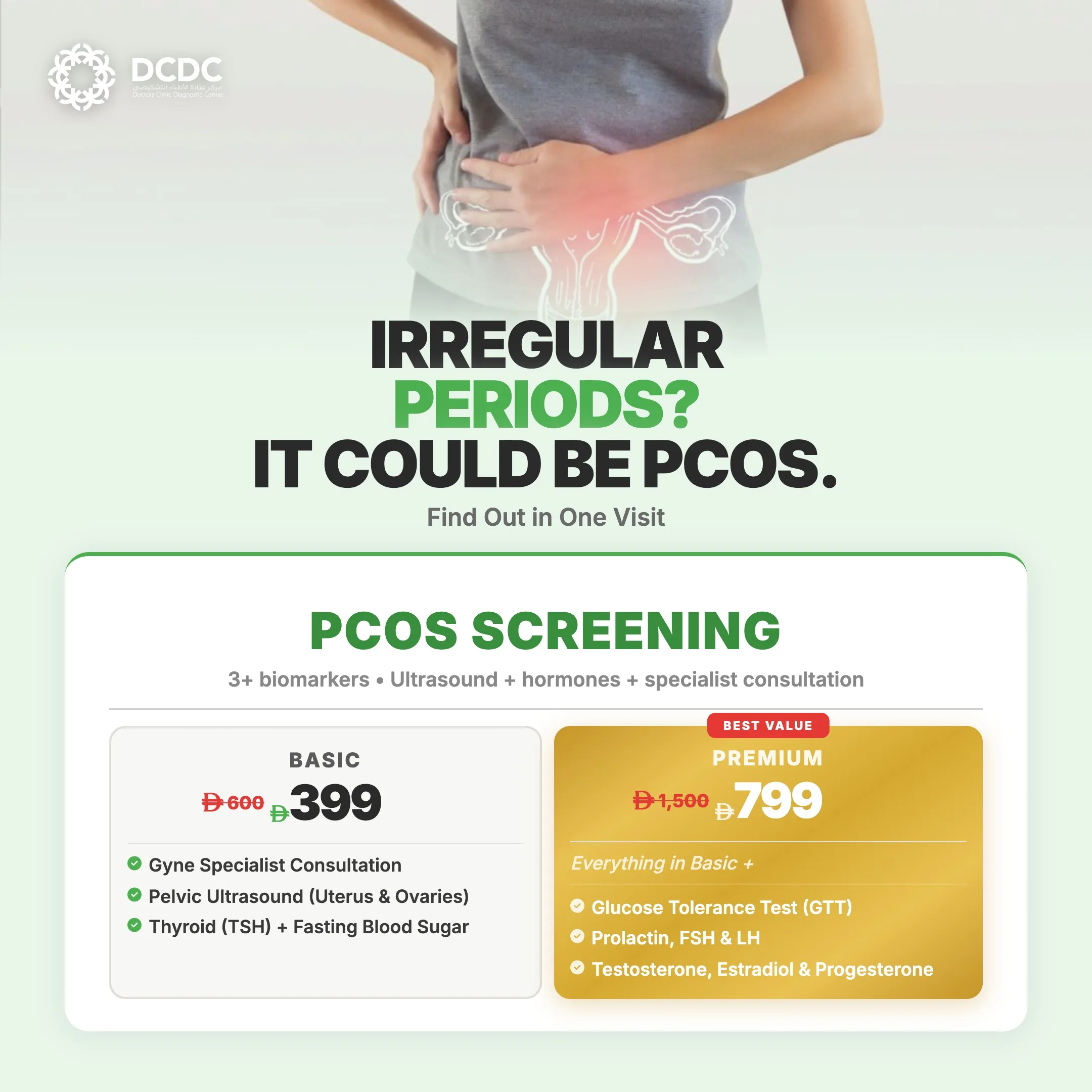
PCOS (Polycystic Ovary Syndrome)

PCOS affects about 10% of women and causes irregular periods, excess androgen (acne, excess hair), and metabolic issues. It's treatable but needs proper diagnosis. Symptoms include:

  • Irregular or absent periods
  • Difficulty getting pregnant
  • Excess facial or body hair
  • Severe acne
  • Weight gain, especially around the middle

Pelvic Pain

Chronic pelvic pain deserves investigation. A pelvic ultrasound is often the first step in diagnosis. Possible causes include endometriosis, fibroids, ovarian cysts, pelvic inflammatory disease, or musculoskeletal issues. Don't assume pain is "normal" because there's usually a cause and often a treatment.

Women's Health Screening Packages and Costs at DCDC

We offer three tiers of women's health screening packages at DCDC Dubai Healthcare City, designed to match different age groups and risk profiles. All packages include a consultation with a specialist gynecologist.

PackagePrice (AED)What's Included
Basic Screening1,500Gynecological consultation & exam, Pap smear, pelvic ultrasound, CBC, blood glucose, urinalysis
Comprehensive Screening2,500Everything in Basic plus: mammogram referral, thyroid panel (TSH, T3, T4), vitamin D, iron studies, hormonal assessment (FSH, LH, estradiol), lipid profile
Premium / Executive4,000Everything in Comprehensive plus: DEXA bone density scan, cardiac markers (CRP, homocysteine), tumor markers (CA-125, CA 15-3), nutritional panel, body composition analysis, personalized wellness report

Prices as of 2026. Most insurance plans cover annual wellness exams and age-appropriate screenings. We verify your coverage before your visit. Custom packages available on request.

Find the Right Screening Package for Your Age

Not sure which screening package is right for you? Our gynecologists will review your age, family history, and risk factors to recommend the ideal screening plan. Contact us or WhatsApp to get started.

Packages from AED 1,500. Insurance accepted. Dubai Healthcare City, Building 47.

Taking the Next Step

When was your last gynecological checkup? If you're overdue or can't remember, that's your signal to schedule. If you have symptoms you've been ignoring (abnormal bleeding, pelvic pain, menopausal symptoms affecting quality of life), this is the time to address them.

At DCDC, our gynecology and obstetrics department provides comprehensive women's health care. We offer:

Ready to Prioritize Your Health?

At Doctors Clinic Diagnostic Center in Dubai Healthcare City, we provide comprehensive women's health services with experienced gynecologists. From Pap smears to mammograms to menopause management, we're here for every stage of your health journey.

اکثر پوچھے گئے سوالات

Current guidelines recommend starting Pap smears at age 25 (some guidelines say 21). If you're 25-29, a Pap smear every 3 years is typically recommended. From age 30-65, you have options: Pap smear alone every 3 years, HPV testing alone every 5 years, or co-testing (both) every 5 years. After 65, if you've had regular normal screenings, you may be able to stop. If you've ever had abnormal results, your doctor will recommend a personalized schedule. HPV vaccination doesn't change these recommendations, so you still need regular screening.
Yes, and that's the entire point of screening. We screen for conditions that don't cause symptoms in early stages: cervical cancer (curable when caught early, dangerous when advanced), breast cancer (more treatable when detected before you feel a lump), high blood pressure and diabetes (damaging your body silently), osteoporosis (weakening bones before a fracture), and high cholesterol (building up in arteries without symptoms). Feeling healthy is wonderful, but it doesn't mean everything is fine internally. Screening finds problems while they're still easy to address.
The standard recommendation is starting at age 65 for women. However, earlier screening is warranted if you have risk factors: early menopause (before 45), history of fractures after age 50, family history of osteoporosis, low body weight, long-term steroid use, smoking, excessive alcohol, thyroid disorders, or inflammatory conditions like rheumatoid arthritis. Some experts recommend baseline screening at menopause for all women. At DCDC, we assess your individual risk factors and recommend DEXA scanning when appropriate, not too early but not missing the window for prevention.
At DCDC, our women's health packages typically include: gynecological consultation and examination, Pap smear and/or HPV testing, pelvic ultrasound, breast examination and mammogram referral if age-appropriate, blood tests (complete blood count, thyroid, blood sugar, cholesterol, vitamin D), blood pressure and BMI assessment, and discussion of any concerns or symptoms. Comprehensive packages may also include bone density screening, hormone panels, and cardiac screening. Packages range from AED 1,500-4,000 depending on components. We can also create customized packages based on your age and risk factors.
Major guidelines recommend annual or biennial mammograms starting at age 40. If you have higher risk factors (family history of breast cancer, BRCA gene mutations, previous abnormal biopsies, or previous chest radiation), you may need earlier and more intensive screening including breast MRI. Between ages 40-50, screening is particularly important because breast cancer can occur in this age group. After 74, continuing screening depends on your overall health and life expectancy. We encourage every woman to discuss breast cancer risk with her doctor and make an informed screening plan.
Normal varies widely, but concerning patterns include: periods lasting more than 7 days, bleeding so heavy you soak through a pad/tampon every 1-2 hours, periods less than 21 days apart or more than 35 days apart, significant pain that interferes with daily activities, bleeding between periods, or any bleeding after menopause. If your periods have changed significantly from your usual pattern, that's also worth discussing. Common causes of abnormal periods include PCOS, fibroids, thyroid disorders, and perimenopause, all of which are diagnosable and treatable.
Menopause is natural, but you don't have to suffer through difficult symptoms. Consider consulting if you experience: hot flashes disrupting sleep or daily life, vaginal dryness affecting intimacy, mood changes or depression, difficulty sleeping, irregular or unusually heavy bleeding during perimenopause, urinary symptoms, or significant impact on quality of life. Treatment options include hormone replacement therapy (HRT), non-hormonal medications, vaginal estrogen, and lifestyle modifications. HRT is safe for most women when started within 10 years of menopause, and benefits often outweigh risks. We tailor treatment to your symptoms and health history.
STI testing is recommended based on risk factors, not judgment. You should be tested if: you're sexually active with a new partner, you have multiple partners, you have symptoms (unusual discharge, sores, pain), a partner has been diagnosed with an STI, or you're planning pregnancy. For chlamydia and gonorrhea, annual testing is recommended for sexually active women under 25. HIV testing is recommended at least once for everyone aged 15-65, and periodically for those with ongoing risk. Testing is confidential and straightforward, requiring a urine sample or swab. Many STIs are easily treatable, but can cause serious problems if left undiagnosed.
PCOS (Polycystic Ovary Syndrome) affects about 10% of women and is characterized by irregular periods, excess androgen (causing acne or excess hair), and polycystic ovaries on ultrasound. You should be evaluated if you have: irregular or absent periods, difficulty getting pregnant, excess facial/body hair, severe acne, unexplained weight gain, or difficulty losing weight. PCOS is diagnosed through history, blood tests (hormones, blood sugar), and pelvic ultrasound. It's not just a fertility issue because PCOS increases risk of diabetes, heart disease, and endometrial cancer if untreated. Management includes lifestyle modifications, medications, and sometimes fertility treatment.
The HPV vaccine is FDA-approved for adults through age 45, though benefit decreases with age and prior exposure. It's most effective when given before sexual activity begins (ideally ages 11-12) but can still provide protection if you haven't been exposed to all vaccine-covered HPV types. Even if you've had one HPV infection, the vaccine protects against other strains. For women 27-45, discuss with your doctor whether vaccination makes sense based on your sexual history and risk factors. The vaccine protects against cervical, vaginal, vulvar, and anal cancers, plus genital warts. It doesn't replace Pap smears, so you still need regular screening.
Most major insurance providers in the UAE cover annual wellness exams and age-appropriate screenings such as Pap smears, mammograms, and basic blood work. The extent of coverage depends on your specific plan. At DCDC, we verify your insurance coverage before your visit so there are no surprises. If certain tests are not covered, we will let you know the out-of-pocket costs upfront. Many patients are surprised to find that their insurance covers more preventive screenings than they expected. We work with all major Dubai insurers including Daman, Oman Insurance, AXA, BUPA, Cigna, and many others.
A basic women's health screening at DCDC typically takes 45 minutes to 1 hour, including the consultation, physical examination, Pap smear, and blood draw. A comprehensive package with additional tests like pelvic ultrasound may take 1 to 1.5 hours. The premium package, which includes bone density scanning and additional assessments, usually takes about 2 hours. We schedule ample time for each patient so you never feel rushed, and there is always time to discuss any questions or concerns with your doctor. Blood test results are usually available within 24 to 48 hours, and we will call you to discuss them.
Yes, but the screening is modified for pregnancy. Some tests, like Pap smears, are safe during pregnancy and may be recommended if you are overdue. However, mammograms and X-ray-based tests are typically postponed until after delivery. Prenatal screenings (blood tests, glucose tolerance test for gestational diabetes, ultrasounds) replace some standard wellness tests during pregnancy. If you are pregnant or think you might be, let us know when booking so we can tailor the appropriate screening package for your stage of pregnancy.
A Pap smear (also called Pap test) collects cells from your cervix and examines them under a microscope for abnormalities. It detects precancerous cell changes. An HPV test checks for the presence of high-risk strains of human papillomavirus, the virus that causes nearly all cervical cancers. The sample collection is identical for both tests: a small brush or spatula collects cells from the cervix during a speculum exam. The difference is what the lab looks for. Co-testing (both tests from one sample) gives the most comprehensive picture and is recommended for women 30 and older. If both are negative, you may only need rescreening every 5 years.
Most guidelines recommend starting annual or biennial mammograms at age 40. However, if you have a first-degree relative (mother, sister, daughter) with breast cancer, you should begin screening 10 years before their age at diagnosis or by age 30, whichever is later. Women with BRCA gene mutations or a history of chest radiation may need mammograms plus breast MRI starting as early as age 25. At DCDC, our gynecologists assess your individual risk during your wellness visit and provide a referral for mammography at our on-site diagnostic radiology department. If you are unsure about your risk, scheduling a consultation is the best first step.
No, you do not need a referral to book a gynecology screening at DCDC. You can schedule directly by phone, WhatsApp, or through our website. However, some insurance plans may require a referral from a general practitioner for certain specialist consultations to be covered. We recommend checking with your insurance provider, or simply call our front desk and we will verify your coverage and advise whether a referral is needed for your plan. Walk-ins are also welcome, though appointments are recommended to ensure availability.
For the most accurate results, avoid sexual intercourse, douching, and using vaginal creams or medications for 48 hours before your appointment. If you are having a Pap smear, try to schedule it for a time when you are not on your period (mid-cycle is ideal). However, if your appointment falls during your period, light bleeding usually does not affect the test. Do not use any vaginal deodorants or sprays before the visit. You do not need to shave or wax before a gynecological exam, and your doctor has seen everything before. The most important thing is that you show up.
Most screening tests cause minimal discomfort, not pain. A Pap smear may feel like brief pressure or a slight pinch and takes under a minute. A mammogram involves breast compression that can be uncomfortable but lasts only seconds per image. Blood draws involve a quick needle prick. A pelvic ultrasound (external) is painless, though transvaginal ultrasound may cause mild pressure. A DEXA bone density scan is completely painless since you simply lie on a table. If you are anxious about any test, let your doctor know. We can explain each step as we go, and you are always in control of the pace of your exam.

کیا آپ اگلا قدم اٹھانے کے لیے تیار ہیں؟

آج ہی اپنی اپائنٹمنٹ بک کریں اور دبئی ہیلتھ کیئر سٹی میں ڈاکٹرز کلینک ڈائگنوسٹک سنٹر میں ماہر دیکھ بھال کا تجربہ کریں۔

Investing in Your Health

Book your women's health checkup at our Dubai Healthcare City clinic. Investing in your health isn't selfish. It's essential.

The women who prioritize their health aren't just taking care of themselves. They're ensuring they can be there for everyone who depends on them. Regular screening catches problems early, when they're easiest to treat. Don't wait for symptoms. Prevention is always better than cure.

ذرائع اور حوالہ جات

یہ مضمون ہماری طبی ٹیم نے جائزہ لیا ہے اور درج ذیل ذرائع کا حوالہ دیتا ہے:

  1. Dubai Health Authority - Women's Health Services Program
  2. UAE Ministry of Health and Prevention - Women's Health Guidelines
  3. Emirates Obstetrics and Gynecology Society - Clinical Standards
  4. American College of Obstetricians and Gynecologists - Screening Guidelines
  5. North American Menopause Society - Clinical Recommendations

اس سائٹ پر طبی مواد کا جائزہ DHA لائسنس یافتہ ڈاکٹرز نے لیا ہے۔ ہماری دیکھیں تحریری پالیسی مزید معلومات کے لیے۔

Dr. Parisa Dini

تحریر

Dr. Parisa Dini

پروفائل دیکھیں

Specialist OB/GYN

MD, Specialist in Obstetrics and Gynecology

Dr. Parisa Dini is a specialist in obstetrics and gynecology at DCDC Dubai Healthcare City. She provides comprehensive women's health care from adolescence through menopause, including preventive screening, reproductive health, and management of gynecological conditions. She believes in empowering women with knowledge to make informed decisions about their health.

Related Resources

DCDC میں متعلقہ خدمات

دبئی ہیلتھ کیئر سٹی میں ماہرانہ دیکھ بھال اور جدید تشخیص

دبئی میں ڈاکٹرز کلینک تشخیصی مرکز سے واٹس ایپ پر رابطہ کریںدبئی میں ڈاکٹرز کلینک تشخیصی مرکز کو کال کریں