اہم نکات
- Tinnitus (ringing, buzzing, or hissing in the ears) affects roughly 10-15% of adults worldwide. It is a symptom, not a disease — identifying the underlying cause is essential for effective relief.
- The most common cause of tinnitus is hearing loss. Other causes include earwax impaction, ear infections, noise exposure, Meniere's disease, TMJ disorders, and certain medications. Pulsatile tinnitus (rhythmic whooshing) may indicate a vascular condition requiring urgent investigation.
- Diagnosis at DCDC includes a comprehensive ENT consultation, pure tone audiometry, speech audiometry, tympanometry, and otoacoustic emissions testing — all performed in an acoustically controlled suite with calibrated equipment. Results are available immediately.
- Treatment depends on the cause: earwax removal, hearing aids (which often reduce tinnitus by restoring auditory input), sound therapy, cognitive behavioural therapy (CBT), tinnitus retraining therapy (TRT), and lifestyle modifications all have strong evidence of effectiveness.
- ENT consultation at DCDC starts from AED 300. A complete hearing assessment with tinnitus evaluation takes 30-45 minutes. DCDC accepts 20+ insurance partners with direct billing including Daman, AXA, Bupa, MetLife, and Cigna.
- You should see an ENT specialist urgently if tinnitus is sudden, one-sided, pulsatile, accompanied by hearing loss or dizziness, or if it significantly affects your sleep, concentration, or mental health.
If you hear ringing, buzzing, hissing, or whooshing sounds in your ears that nobody else can hear, you are not imagining things — you are experiencing tinnitus, one of the most common auditory complaints worldwide. While tinnitus itself is rarely dangerous, it can significantly impact sleep, concentration, and quality of life. The good news is that effective treatments exist, and the first step is a proper hearing assessment to identify the underlying cause. This guide covers everything you need to know about tinnitus treatment in Dubai — from causes and types to diagnosis, modern relief options, and what to expect when you visit an ENT specialist.
Health Screening Packages
Save with our bundled screening packages — specialist consultation included





What Is Tinnitus?
Tinnitus is the perception of sound in the absence of an external auditory stimulus. It is not a disease but rather a symptom of an underlying condition — most commonly hearing loss, noise damage, or a problem within the ear itself. The word comes from the Latin tinnire, meaning "to ring."
The experience varies widely between individuals. Some people hear a constant high-pitched ringing, others a low humming or buzzing, and some describe pulsing, clicking, or roaring sounds. Tinnitus can affect one ear or both, and it can be continuous or intermittent. According to the World Health Organization, an estimated 740 million adults worldwide experience tinnitus, with approximately 120 million finding it severely debilitating.
In Dubai, tinnitus is a frequent presenting complaint at ENT clinics. The city's vibrant lifestyle — construction noise, heavy traffic, high-volume nightlife, and widespread use of personal audio devices — contributes to noise-related ear damage that frequently manifests as tinnitus.
Types of Tinnitus
Understanding which type of tinnitus you have is the first step toward appropriate treatment. Tinnitus is broadly classified into two categories.
Subjective Tinnitus
Subjective tinnitus accounts for over 99% of all tinnitus cases. Only the patient can hear the sound — there is no external source that a doctor or microphone can detect. It is caused by abnormal neural activity in the auditory pathway, usually triggered by damage to the hair cells of the inner ear (cochlea). When hair cells are damaged, they send aberrant electrical signals to the brain, which the brain interprets as sound.
- Common sounds: Ringing, buzzing, hissing, humming, whistling, or static
- Typical causes: Age-related hearing loss (presbycusis), noise-induced hearing loss, ototoxic medications, Meniere's disease
- Key feature: Often worse in quiet environments (especially at bedtime) when there is less background sound to mask it
Objective Tinnitus
Objective tinnitus is rare (less than 1% of cases) but clinically significant because the sound has a real physical source that can sometimes be heard by the examiner using a stethoscope. It is often pulsatile — synchronised with the heartbeat.
- Pulsatile tinnitus: A rhythmic whooshing or thumping that matches your pulse. Causes include turbulent blood flow near the ear (carotid artery stenosis, arteriovenous malformations, high blood pressure, anaemia, hyperthyroidism)
- Muscular tinnitus: Clicking or fluttering caused by involuntary contractions (myoclonus) of the muscles of the middle ear or palate
- Why it matters: Objective tinnitus requires prompt investigation because some causes — particularly vascular abnormalities — may need medical or surgical intervention
Tinnitus Causes: Why Are Your Ears Ringing?
Tinnitus has many potential causes. Identifying the specific cause is critical because treatment varies accordingly. Below are the most common causes, ranked roughly by frequency.
Hearing Loss (Most Common Cause)
Hearing loss is the single most common association with tinnitus. When the cochlear hair cells are damaged — whether by ageing, noise, or disease — the brain receives reduced auditory input and may "turn up the gain" on its own internal signals, generating phantom sounds. A hearing test often reveals underlying hearing loss that the patient was not previously aware of.
Noise Exposure
Prolonged or sudden exposure to loud sounds damages the delicate hair cells of the inner ear. In Dubai, common noise sources include construction sites (90-120 dB), nightclubs and concerts (100-115 dB), personal audio devices at high volume (95-110 dB), and water sports. Even a single exposure to an extremely loud sound (explosion, gunshot) can cause immediate and permanent tinnitus.
Earwax Impaction
Impacted earwax pressing against the eardrum can cause or worsen tinnitus. This is one of the most easily treatable causes — professional earwax removal by microsuction or irrigation often provides immediate relief. If you suspect earwax is contributing to your symptoms, read about ear infection treatment and when to see an ENT specialist.
Other Common Causes
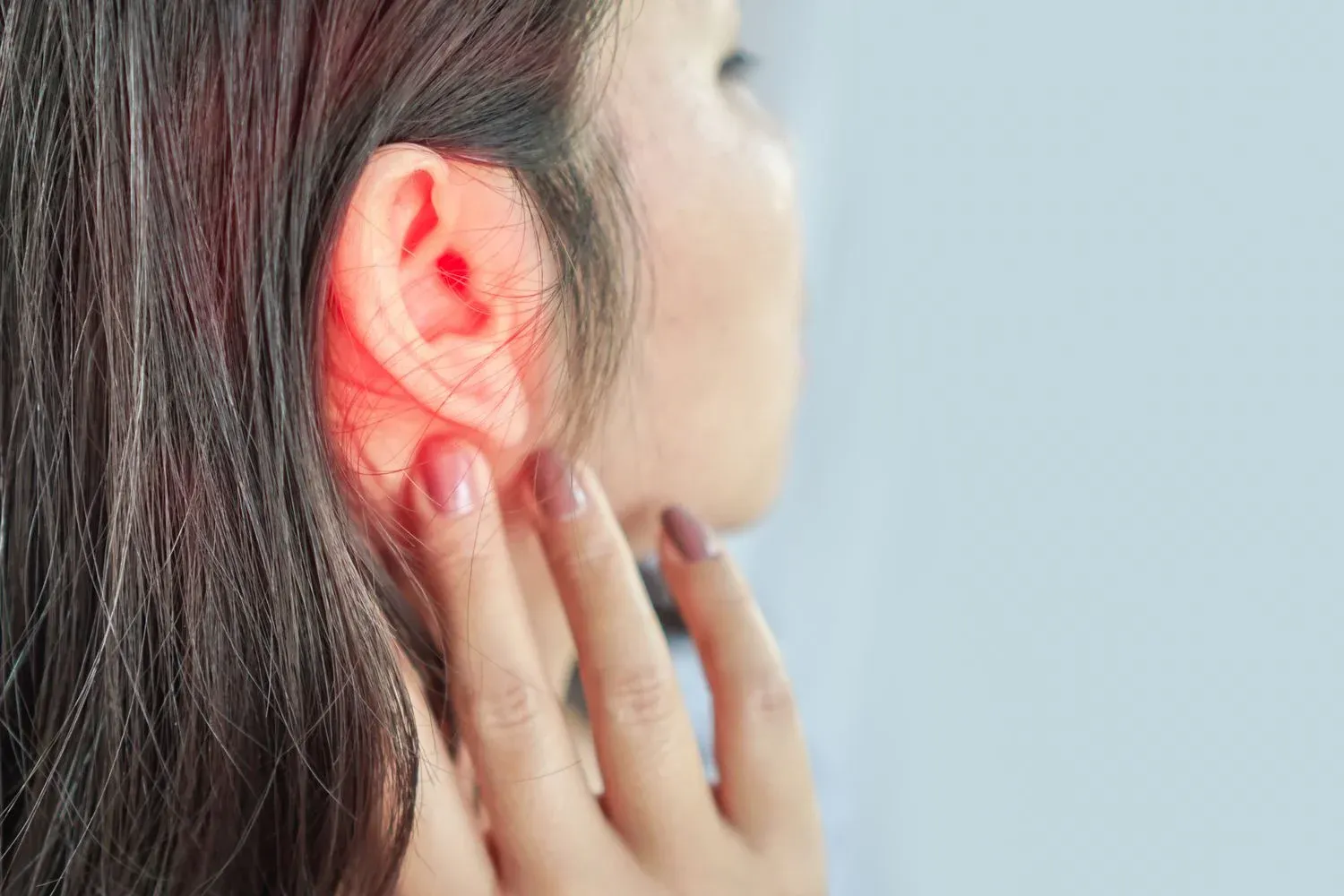
- Ear infections (otitis media/externa): Middle or outer ear infections cause inflammation and fluid accumulation that can produce tinnitus. Tinnitus usually resolves once the infection is treated
- Meniere's disease: An inner ear disorder characterised by episodes of vertigo, fluctuating hearing loss, tinnitus, and a feeling of fullness in the ear. Tinnitus in Meniere's is often low-pitched and may worsen before a vertigo attack
- TMJ disorders: The temporomandibular joint is located directly in front of the ear. Jaw clenching, teeth grinding (bruxism), and TMJ dysfunction can produce or worsen tinnitus due to shared nerve pathways
- Ototoxic medications: Certain drugs can damage the inner ear. These include high-dose aspirin (>12 tablets/day), NSAIDs, aminoglycoside antibiotics (gentamicin), loop diuretics (furosemide), and platinum-based chemotherapy agents (cisplatin)
- Otosclerosis: Abnormal bone growth in the middle ear (stapes fixation) that causes progressive conductive hearing loss and tinnitus
- Acoustic neuroma (vestibular schwannoma): A benign tumour on the vestibular nerve that can cause one-sided tinnitus, hearing loss, and balance problems. Although rare, one-sided tinnitus always warrants investigation to rule this out
- Head and neck injuries: Trauma to the head, neck, or ear can damage auditory structures or nerve pathways, leading to tinnitus
- Cardiovascular conditions: High blood pressure, atherosclerosis, and abnormal blood vessel formations near the ear can cause pulsatile tinnitus
- Stress, anxiety, and depression: While not direct causes, psychological factors can significantly amplify the perception and distress of tinnitus through the limbic system
Tinnitus Diagnosis: How Your ENT Specialist Evaluates You
A thorough diagnostic evaluation is the foundation of effective tinnitus treatment. At Doctors Clinic Diagnostic Center (DCDC) in Dubai Healthcare City, the tinnitus assessment follows a structured, evidence-based protocol.
Clinical History
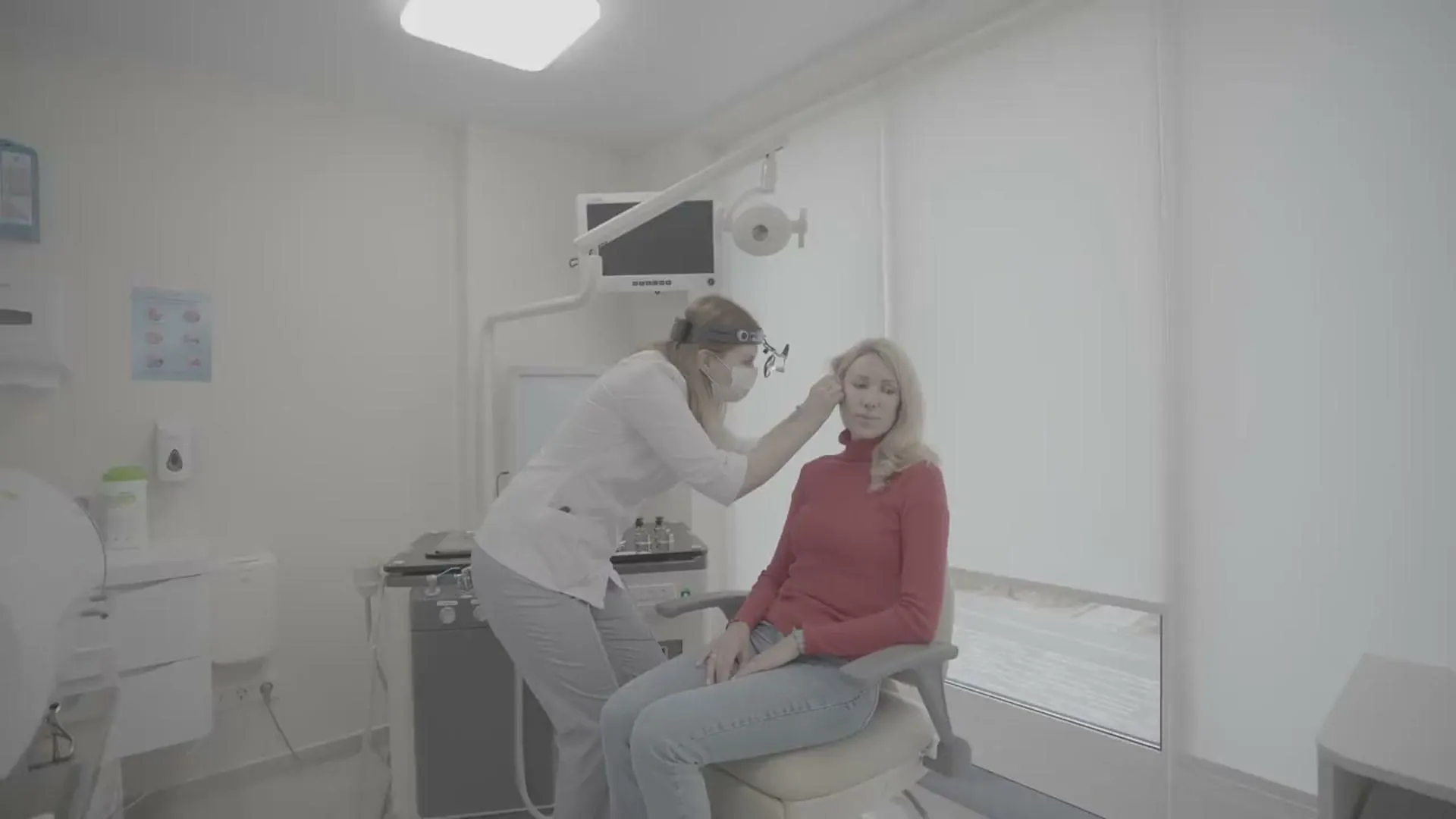
Your ENT specialist will ask detailed questions about your tinnitus: when it started, whether it is constant or intermittent, one-sided or both ears, what the sound is like, what makes it better or worse, associated hearing loss, dizziness or vertigo, ear pain, medication history, noise exposure, and impact on sleep and daily life.
Physical Examination
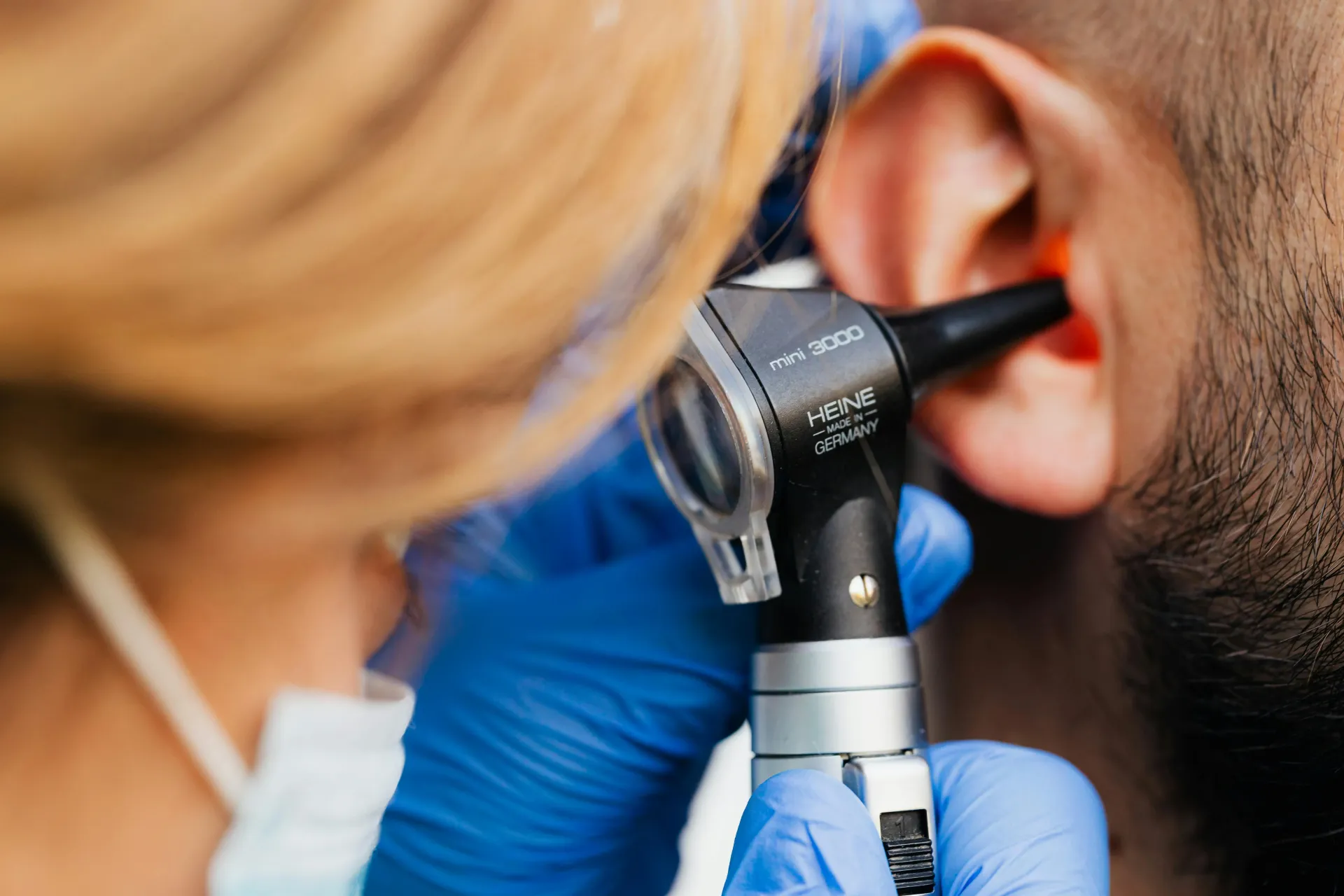
A comprehensive examination of the ears (otoscopy to check for wax, infection, perforation, or middle ear disease), nose, throat, head, neck, and TMJ. The doctor may use a stethoscope over the ear and neck to listen for objective sounds in cases of suspected pulsatile tinnitus.
Audiological Testing
DCDC performs a full audiological battery in a quiet, acoustically controlled suite on the ground floor of DHCC Block A, using calibrated equipment.
- Pure tone audiometry: Measures hearing thresholds at different frequencies to detect any hearing loss pattern (high-frequency loss is the most common pattern associated with tinnitus)
- Speech audiometry: Assesses word recognition ability and speech-in-noise performance
- Tympanometry: Evaluates middle ear function — detects fluid, eardrum problems, or ossicular chain abnormalities
- Otoacoustic emissions (OAE): Tests outer hair cell function in the cochlea — reduced or absent OAEs suggest inner ear damage
- Tinnitus pitch and loudness matching: Determines the frequency and intensity of your tinnitus, which helps guide treatment selection (especially for sound therapy and hearing aid programming)
- Minimum masking level (MML): Identifies the lowest level of external sound needed to mask your tinnitus — useful for predicting response to sound therapy
Further Investigations (If Indicated)
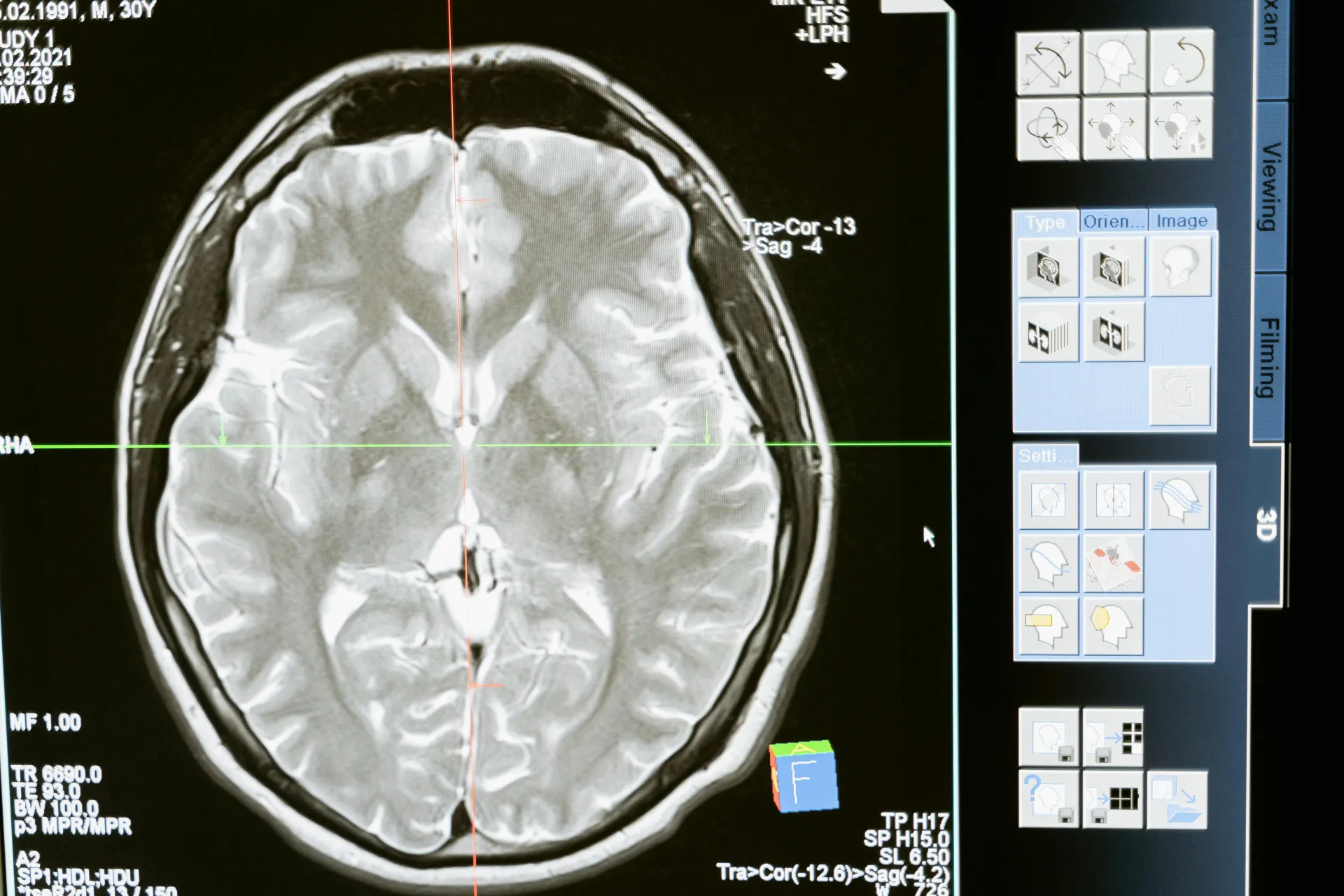
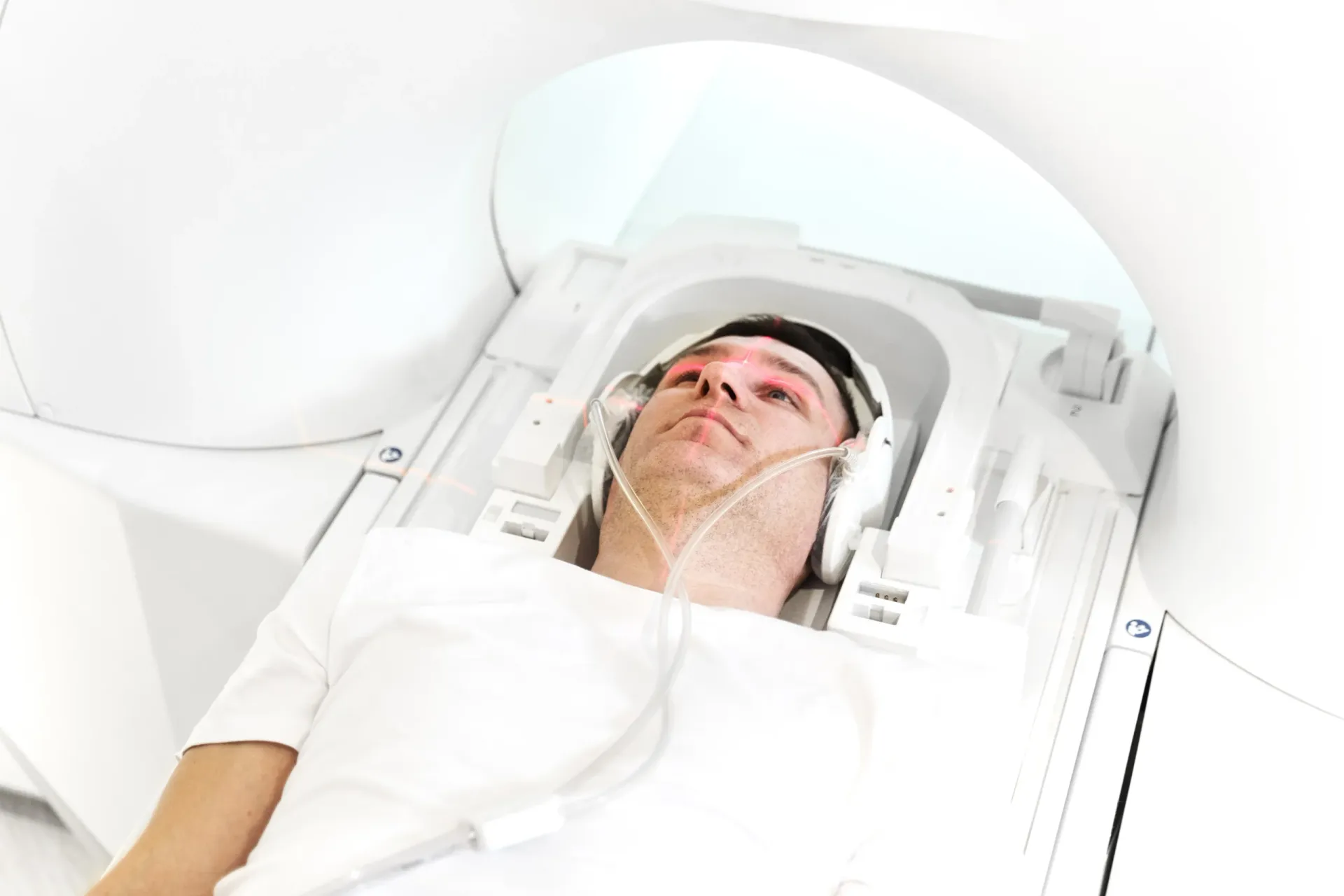
- MRI of the internal auditory canals: Ordered when tinnitus is one-sided (asymmetric) to rule out acoustic neuroma. Read more about MRI for vertigo and balance disorders
- CT temporal bone: For suspected otosclerosis, cholesteatoma, or bony abnormalities
- CT or MR angiography: For pulsatile tinnitus to evaluate vascular anatomy
- Blood tests: Thyroid function, full blood count (to exclude anaemia), blood glucose, and lipid profile may be ordered depending on clinical suspicion
Tinnitus Treatment Options
There is no single "cure" for tinnitus, but there are many effective strategies to reduce its intensity, minimise its impact on daily life, and in some cases eliminate it entirely. Treatment is tailored to the underlying cause and the severity of the patient's symptoms.
Treating the Underlying Cause
- Earwax removal: Professional microsuction or irrigation can provide immediate relief when impacted wax is the cause
- Ear infection treatment: Antibiotics or antifungals for active infections — tinnitus typically resolves within days to weeks after the infection clears
- Medication review: Stopping or substituting ototoxic medications (under medical supervision) can reduce or resolve drug-induced tinnitus
- Meniere's disease management: Low-salt diet, diuretics, and vestibular rehabilitation can reduce tinnitus alongside vertigo and hearing fluctuations
- TMJ treatment: Dental splints, physiotherapy, and jaw exercises for TMJ-related tinnitus
- Vascular intervention: Surgical or interventional radiology treatment for vascular causes of pulsatile tinnitus
Hearing Aids for Tinnitus
For patients with tinnitus and co-existing hearing loss — which is the majority — hearing aids are often the single most effective treatment. By amplifying external sounds and restoring normal auditory input to the brain, hearing aids reduce the brain's need to generate phantom sounds. Many modern hearing aids also include built-in tinnitus masking programs that play customisable sounds (white noise, ocean waves, chime tones) directly into the ear.
Sound Therapy
Sound therapy uses external sounds to change the brain's perception of tinnitus. It works on the principle that the brain can habituate to constant background sounds and learn to ignore them — including tinnitus.
- White noise machines: Produce a steady, broadband sound that partially masks tinnitus and reduces its prominence, especially at night
- Notched sound therapy: Customised music or sounds with the frequency of the patient's tinnitus removed — this "notching" technique encourages the brain to suppress activity at the tinnitus frequency
- Nature sounds and apps: Ocean waves, rainfall, and forest sounds provide pleasant masking. Smartphone apps (e.g., Oto, ReSound Relief, Widex Zen) offer personalised sound therapy programs
- Tabletop sound generators: Placed on the bedside table to improve sleep quality by filling the silence that makes tinnitus more noticeable
Cognitive Behavioural Therapy (CBT)
CBT for tinnitus is the most rigorously studied psychological treatment and is recommended by the American Tinnitus Association, the British Tinnitus Association, and the NHS as a first-line intervention for tinnitus distress. CBT does not eliminate the tinnitus sound itself but changes the way the brain responds to it — reducing the anxiety, frustration, and hypervigilance that amplify tinnitus perception.
- How it works: A trained therapist helps identify negative thought patterns about tinnitus ("this will never stop," "my life is ruined") and replaces them with balanced, realistic appraisals
- Evidence: Multiple randomised controlled trials show CBT significantly reduces tinnitus-related distress, improves sleep, and enhances quality of life
- Duration: Typically 6-12 sessions over 8-16 weeks
- Delivery: Available in-person or via guided online programs
Tinnitus Retraining Therapy (TRT)
TRT combines directive counselling with continuous low-level sound therapy. The goal is habituation — training the brain to reclassify the tinnitus signal as unimportant, so it fades into the background of awareness. TRT typically requires 12-18 months of consistent use and follow-up.
Book a Tinnitus Evaluation at DCDC
Comprehensive tinnitus assessment with audiometry, tympanometry, and ENT consultation. Same-day results in our acoustically controlled suite at Dubai Healthcare City.
ENT consultation from AED 300 — 20+ insurance partners with direct billing
Tinnitus Treatment Cost in Dubai
Below is a breakdown of costs associated with tinnitus evaluation and treatment options available in Dubai. All prices are indicative and may vary based on insurance coverage and individual clinical needs.
| Service | What It Includes | Duration | Cost (AED) |
|---|---|---|---|
| ENT Consultation | Clinical history, otoscopy, examination, initial assessment | 20-30 min | From AED 300 |
| Comprehensive Audiometry | Pure tone + speech audiometry + tympanometry + OAE | 30-45 min | From AED 500 |
| Tinnitus Evaluation (Full) | Audiometry + pitch/loudness matching + minimum masking level | 45-60 min | From AED 600 |
| MRI Internal Auditory Canals | Rule out acoustic neuroma (asymmetric tinnitus) | 30-40 min | AED 2,500-4,500 |
| Hearing Aids (with tinnitus masking) | Fitting, programming, and follow-up | Ongoing | From AED 3,000 per ear |
| CBT for Tinnitus | 6-12 sessions with trained therapist | 8-16 weeks | AED 400-700 per session |
| Earwax Removal (Microsuction) | Professional wax clearance under microscope | 15-20 min | From AED 200 |
Tinnitus evaluation and treatment costs in Dubai (2026 pricing)
DCDC works with 20+ insurance partners for direct billing, including Daman, AXA, Bupa, MetLife, and Cigna. Most insurance plans cover ENT consultations and diagnostic audiometry when medically indicated. Check with your insurer regarding coverage for hearing aids and therapy.
What to Expect at DCDC: Your Tinnitus Visit Step by Step
Understanding the patient journey reduces anxiety and helps you prepare for your appointment. Here is what happens when you visit Doctors Clinic Diagnostic Center for tinnitus evaluation.
- Step 1 — Registration (5 minutes): Arrive at Building 64, Block A, Al Razi Medical Complex, Dubai Healthcare City. Free parking is available. Bring your Emirates ID, insurance card, and any previous audiograms or ENT reports. Average wait time is just 15 minutes
- Step 2 — ENT consultation (20-30 minutes): A board-certified ENT specialist takes a detailed history of your tinnitus — onset, character, aggravating factors, associated symptoms, medication use, and noise exposure history. This is followed by a thorough examination of the ears, nose, throat, head, neck, and TMJ
- Step 3 — Audiological testing (30-45 minutes): You move to the acoustically controlled suite for comprehensive testing. The audiologist performs pure tone audiometry, speech audiometry, tympanometry, and otoacoustic emissions. If indicated, tinnitus pitch/loudness matching and minimum masking level are also measured. All equipment is calibrated to international standards
- Step 4 — Results review (10-15 minutes): Results are available immediately. The ENT specialist reviews your audiogram and tinnitus assessment results with you, explains the findings in clear language, and discusses the likely cause of your tinnitus
- Step 5 — Management plan: Based on the diagnosis, a personalised treatment plan is created. This may include medical treatment (earwax removal, medication adjustment), referral for hearing aids, sound therapy recommendations, lifestyle counselling, or further investigations (MRI, blood tests) if needed
- Step 6 — Follow-up: A follow-up appointment is scheduled to monitor progress, adjust treatment, and repeat audiometry if indicated. Ongoing support is available via WhatsApp for non-urgent questions
DCDC is a MOHAP-licensed facility with a 4.8/5 Google rating from 1,000+ verified reviews and a 98% patient satisfaction rate. The clinic is open Saturday to Thursday 8 AM-10:30 PM and Friday 9 AM-10 PM, making it accessible for working professionals and families alike.
Lifestyle Strategies for Tinnitus Relief
While medical treatment addresses the underlying cause, lifestyle modifications can significantly reduce tinnitus severity and improve your quality of life. These strategies are supported by clinical evidence and recommended by tinnitus specialists worldwide.
- Protect your hearing: Wear earplugs at concerts, construction sites, and when using power tools. Use noise-cancelling headphones instead of turning up the volume to drown out background noise. Follow the 60/60 rule — maximum 60% volume for maximum 60 minutes
- Manage stress: Stress and tinnitus have a bidirectional relationship — stress worsens tinnitus, and tinnitus causes stress. Mindfulness meditation, yoga, progressive muscle relaxation, and regular exercise can break this cycle
- Improve sleep hygiene: Tinnitus is typically worst at night when ambient noise drops. Use a bedside sound machine, keep a consistent sleep schedule, avoid screens for one hour before bed, and keep the bedroom cool and dark
- Limit caffeine and alcohol: While evidence is mixed, many patients report that high caffeine intake and alcohol consumption worsen their tinnitus. Consider reducing intake for 2-4 weeks to assess any effect
- Exercise regularly: Cardiovascular exercise improves blood flow to the inner ear and reduces stress. Aim for 150 minutes of moderate aerobic activity per week
- Avoid silence: Complete silence makes tinnitus more noticeable. Keep low-level background sound on at home and at work — a fan, soft music, or a sound therapy app
- Monitor your diet: High sodium intake can worsen tinnitus in Meniere's disease. A balanced diet rich in antioxidants, omega-3 fatty acids, and B vitamins supports overall auditory health
For patients who also experience dizziness or vertigo alongside tinnitus, our guide on vertigo treatment in Dubai covers diagnosis and management of vestibular conditions that frequently co-occur with tinnitus.
When to See a Doctor for Tinnitus
Not all tinnitus requires urgent medical attention — brief, mild ringing after a loud concert, for example, usually resolves within hours. However, certain features warrant prompt evaluation by an ENT specialist in Dubai.
See an ENT Specialist Soon (Within 1-2 Weeks)
- Tinnitus persisting for more than 2 weeks
- Tinnitus affecting your sleep, concentration, or mood
- Tinnitus associated with gradual hearing loss
- Tinnitus that changes in character or gets progressively louder
- Tinnitus after starting a new medication
See an ENT Specialist Urgently (Within 48-72 Hours)
- Sudden onset tinnitus with hearing loss: Sudden sensorineural hearing loss is a medical emergency — steroid treatment within 72 hours offers the best chance of hearing recovery
- One-sided (unilateral) tinnitus: Requires investigation to exclude acoustic neuroma or other structural causes
- Pulsatile tinnitus: Rhythmic whooshing synchronised with your heartbeat may indicate a vascular abnormality
- Tinnitus with vertigo, facial weakness, or severe headache: These combinations may suggest a central nervous system cause requiring urgent imaging
- Tinnitus causing severe anxiety, depression, or suicidal thoughts: Mental health support should be sought immediately alongside ENT assessment
Tinnitus in Dubai: Risk Factors and Prevention
Living in Dubai exposes residents to several environmental and lifestyle risk factors for tinnitus. Understanding these can help you take preventive action.
- Occupational noise: Dubai's construction boom means thousands of workers are exposed to 90-120 dB daily. UAE labour law requires hearing protection and regular audiometric monitoring for workers in high-noise environments
- Recreational noise: Nightclubs, brunches, concerts, and festivals routinely exceed 100 dB. The WHO recommends limiting exposure at these levels to no more than 15 minutes without protection
- Personal audio devices: Earbuds and headphones used at high volume are a leading cause of hearing damage in young adults in Dubai. Volume-limiting features are available on most smartphones
- Traffic noise: Residents living along major roads experience chronic low-level noise exposure that, while not as immediately damaging as a concert, contributes to cumulative hearing stress over years
- Stress: Dubai's fast-paced work culture can exacerbate tinnitus perception. High levels of cortisol affect the auditory system and lower the brain's ability to filter out phantom sounds
- Climate-related ear problems: Swimming, air conditioning, and humidity fluctuations contribute to ear infections and wax build-up — both of which can cause or worsen tinnitus
Doctor's Clinical Perspective on Tinnitus
"Tinnitus is one of the most common concerns patients bring to our clinic, and I want to reassure anyone reading this: you are not alone, and there are effective treatments available," says Dr. Hadeel Elnur, MD, General Practitioner at DCDC. "What I consistently see in clinical practice is that many patients have lived with tinnitus for months or even years before seeking help, often because they assumed nothing could be done. In reality, a structured evaluation — starting with a thorough history and audiological assessment — almost always reveals a contributing factor that we can address. Whether it is undiagnosed hearing loss, impacted earwax, a medication side effect, or stress, identifying the trigger is half the battle. I encourage anyone experiencing persistent ringing, buzzing, or pulsing in their ears to book an assessment rather than waiting. Early intervention leads to better outcomes and prevents the secondary effects of untreated tinnitus, such as sleep disruption, anxiety, and reduced quality of life."
Tinnitus Myths vs. Facts
Misinformation about tinnitus is widespread and can prevent people from seeking effective help. Let us separate fact from fiction.
- Myth: "Tinnitus means you are going deaf." Fact: While tinnitus often accompanies hearing loss, many people with tinnitus have normal hearing. Tinnitus itself does not cause deafness
- Myth: "Nothing can be done about tinnitus." Fact: Multiple evidence-based treatments — hearing aids, CBT, sound therapy, TRT, and treating underlying causes — can significantly reduce tinnitus severity and impact
- Myth: "Tinnitus is all in your head." Fact: Tinnitus involves real neurological changes in the auditory cortex and limbic system. Brain imaging studies show measurable differences in neural activity in people with tinnitus
- Myth: "You just have to learn to live with it." Fact: While some tinnitus is chronic, active treatment can reduce its perceived loudness, reduce associated distress, and improve sleep and concentration dramatically
- Myth: "Supplements and herbal remedies cure tinnitus." Fact: Despite marketing claims, no supplement (ginkgo biloba, zinc, B vitamins, melatonin) has been shown in rigorous clinical trials to cure tinnitus. Some may help as part of a comprehensive plan, but none are standalone cures
- Myth: "Avoiding all noise will help." Fact: Complete silence often makes tinnitus worse by removing competing sounds. Low-level background sound is therapeutic and recommended
Don't Let Tinnitus Control Your Life
Book a comprehensive tinnitus evaluation with our board-certified ENT specialists at DCDC. Immediate results, personalised treatment plans, and 20+ insurance partners accepted.
DCDC Dubai Healthcare City — Sat-Thu 8 AM-10:30 PM, Fri 9 AM-10 PM
DCDC میں متعلقہ خدمات
دبئی ہیلتھ کیئر سٹی میں ماہرانہ دیکھ بھال اور جدید تشخیص
Frequently Asked Questions
Final Thoughts
Tinnitus is one of the most common auditory complaints in clinical practice, affecting millions of people worldwide and a growing number of residents in Dubai. Yet despite its prevalence, many people wait months or years before seeking help — often because they believe that nothing can be done. This is simply not true. While there may not be a universal "cure," modern evidence-based treatments can dramatically reduce tinnitus severity, improve sleep, restore concentration, and significantly enhance quality of life.
The single most important step is a proper evaluation. A comprehensive hearing assessment — combined with a thorough clinical history and ENT examination — identifies the underlying cause in the vast majority of cases. Whether the trigger is undiagnosed hearing loss, earwax, an ear infection, medication, or a vascular condition, knowing the cause directs treatment. Even when the cause is sensorineural and irreversible, hearing aids, sound therapy, and CBT provide meaningful relief for most patients.
At Doctors Clinic Diagnostic Center in Dubai Healthcare City, our board-certified ENT specialists and audiologists provide complete tinnitus evaluation and management under one roof. From on-site audiometry with calibrated equipment and immediate results to personalised treatment plans and insurance-supported follow-up, DCDC offers a patient-centred approach to tinnitus care. If ringing in your ears is affecting your daily life, book a consultation — relief starts with a diagnosis.
ذرائع اور حوالہ جات
یہ مضمون ہماری طبی ٹیم نے جائزہ لیا ہے اور درج ذیل ذرائع کا حوالہ دیتا ہے:
- World Health Organization — World Report on Hearing (2021)
- American Tinnitus Association — Understanding the Facts
- NHS — Tinnitus: Causes, Symptoms and Treatment
- Mayo Clinic — Tinnitus: Diagnosis and Treatment
- Cleveland Clinic — Tinnitus: What It Is, Causes & Treatment
- The Lancet — Tinnitus: Current Concepts and Management (2023)
اس سائٹ پر طبی مواد کا جائزہ DHA لائسنس یافتہ ڈاکٹرز نے لیا ہے۔ ہماری دیکھیں تحریری پالیسی مزید معلومات کے لیے۔

تحریر
Dr. Hadeel Elnur
General Practitioner
MD, General Practice
Dr. Hadeel Elnur is a General Practitioner at Doctors Clinic Diagnostic Center (DCDC) in Dubai Healthcare City.
Related Articles
Hearing Test Dubai: Audiometry Types & Cost (2026)
Ear Infection Treatment Dubai: Causes & Care (2026)
Vertigo Treatment Dubai: Causes & Diagnosis (2026)
ENT Doctor Dubai: When to See a Specialist (2026)
MRI for Vertigo: When Dizziness Needs Imaging (2026)
More in General Health

AC Sickness Dubai: Summer Cold Symptoms (2026)
مزید پڑھیںDoctor at Home Dubai: How It Works & Cost (2026)
مزید پڑھیںDoctor on Call Dubai: 24/7 Home Visit Guide (2026)
مزید پڑھیں
IV Drip Dubai: Types, Benefits & Cost (2026)
مزید پڑھیںPost-Surgical Care at Home Dubai: Guide (2026)
مزید پڑھیں
Corporate Wellness Dubai: Programs & Cost (2026)
مزید پڑھیں© 2026 Doctors Clinic Diagnostic Center (DCDC), Dubai Healthcare City. Originally published at https://doctorsclinicdubai.ae/blog/tinnitus-treatment-dubai. All rights reserved. Unauthorized reproduction is prohibited.