اہم نکات
- Dr. Heike Jacobs is a specialist neurologist at DCDC Dubai Healthcare City with extensive experience diagnosing and treating all types of headaches including migraines, tension-type headaches, cluster headaches, and medication-overuse headaches
- You should see a migraine specialist rather than continuing to self-medicate when headaches occur more than 4 days per month, require painkillers more than 2 days per week, disrupt work or daily activities, or change in character from your usual pattern
- Modern migraine treatment goes far beyond painkillers — preventive therapies including CGRP inhibitors, Botox injections, beta-blockers, antiepileptics, and neuromodulation devices can reduce migraine frequency by 50% or more
- Dubai lifestyle factors — chronic stress, irregular sleep due to long working hours, dehydration in the heat, excessive screen time, and caffeine overconsumption — are significant migraine triggers that a specialist can help you identify and manage
- Not all headaches are migraines: proper diagnosis is essential because tension-type headaches, cluster headaches, medication-overuse headaches, and secondary headaches from sinusitis, hypertension, or brain pathology each require different treatment approaches
- Red flag headaches that require emergency evaluation: thunderclap headache (worst headache of your life), headache with fever and stiff neck, headache with vision loss or neurological symptoms, or new severe headache after age 50
Migraine is far more than a bad headache — it is a complex neurological condition that affects approximately 1 in 7 people worldwide and is the second leading cause of disability globally. In Dubai, where high stress levels, intense heat, irregular sleep patterns, and prolonged screen exposure are part of daily life, migraine prevalence is particularly significant. At DCDC Healthcare City, Dr. Heike Jacobs — a specialist neurologist with German Facharzt certification and MRCP (London) — provides expert migraine diagnosis and treatment, helping patients move from reactive painkiller use to proactive, evidence-based management.
Health Screening Packages
Save with our bundled screening packages — specialist consultation included






When Should You See a Migraine Specialist?
Many migraine sufferers manage their condition with over-the-counter painkillers for years without seeking specialist care. While this approach works for occasional, mild migraines, it becomes inadequate — and potentially harmful — as the condition progresses. You should see a migraine specialist if:
- Headaches occur more than 4 days per month: This threshold indicates that your headache frequency is high enough to benefit from preventive treatment, which reduces both frequency and severity
- You take painkillers more than 2 days per week: Frequent analgesic use — including paracetamol, ibuprofen, and triptans — can cause medication-overuse headache (rebound headache), creating a vicious cycle where the treatment itself perpetuates the problem
- Headaches disrupt work, school, or daily activities: If migraines cause you to miss work, cancel social plans, or withdraw from family activities, specialist treatment can significantly improve your quality of life
- Your headache pattern has changed: New symptoms such as aura (visual disturbances), one-sided weakness, speech difficulty, or a change in headache character from your usual pattern warrant neurological evaluation to rule out secondary causes
- Over-the-counter medications are not effective: If paracetamol, ibuprofen, or combination analgesics no longer provide adequate relief, a neurologist can prescribe migraine-specific treatments including triptans, gepants, and preventive medications
- You experience aura symptoms: Visual aura (zigzag lines, flashing lights, blind spots), sensory aura (tingling), or speech aura requires specialist assessment, particularly regarding contraceptive choices and stroke risk management
Types of Headaches: Diagnosis Matters
One of the most important reasons to see a headache specialist is accurate diagnosis. Many patients self-diagnose migraines when they actually have tension-type headaches, or vice versa. Each headache type has different triggers, mechanisms, and optimal treatments.
Migraine Without Aura
The most common type of migraine, characterised by moderate to severe throbbing or pulsating pain — typically on one side of the head — lasting 4-72 hours. Associated symptoms include nausea, vomiting, sensitivity to light (photophobia), sensitivity to sound (phonophobia), and worsening with physical activity. Between attacks, patients feel completely normal.
Migraine With Aura
Approximately 25-30% of migraine sufferers experience aura — transient neurological symptoms that typically precede the headache by 20-60 minutes. Visual aura is most common and includes zigzag lines, flashing lights, shimmering spots, or temporary blind spots. Sensory aura (tingling or numbness spreading across the hand, arm, or face) and speech aura (difficulty finding words) also occur.
Chronic Migraine
Defined as headache occurring on 15 or more days per month for at least 3 months, with migraine features on at least 8 of those days. Chronic migraine is a disabling condition that significantly impacts quality of life and is a strong indication for preventive therapy, including Botox injections which are specifically approved for this condition.
Tension-Type Headache
The most common primary headache type, characterised by a dull, pressing, band-like sensation around both sides of the head. Unlike migraine, tension headaches are typically not accompanied by nausea, vomiting, or significant light/sound sensitivity, and they do not worsen with physical activity. Chronic tension-type headache (more than 15 days per month) requires specialist management.
Cluster Headache
The most severe primary headache type, sometimes called "suicide headache" due to its extreme intensity. Cluster headaches produce excruciating, stabbing pain around one eye lasting 15-180 minutes, occurring in clusters (multiple attacks per day for weeks or months, followed by remission periods). Associated features include tearing, nasal congestion, and restlessness. Cluster headaches are more common in men and require specific treatment different from migraine therapy.
Medication-Overuse Headache
A secondary headache caused by the frequent use of acute headache medications. Taking painkillers (including paracetamol, NSAIDs, triptans, or combination analgesics) on more than 10-15 days per month can paradoxically increase headache frequency. Treatment requires supervised medication withdrawal under specialist guidance — stopping abruptly can worsen symptoms.
Migraine Triggers Common in Dubai
Dubai's unique lifestyle and climate create specific migraine triggers that Dr. Heike Jacobs regularly addresses with her patients:
- Dehydration: Dubai's extreme heat (40-50 degrees C in summer) combined with air-conditioned environments causes significant fluid loss. Dehydration is one of the most common — and most preventable — migraine triggers in the UAE
- Irregular sleep: Long working hours, social jet lag, and Ramadan fasting schedules disrupt circadian rhythms. Migraine brains are particularly sensitive to sleep pattern changes
- Chronic stress: The high-pressure work culture in Dubai, financial pressures, and being far from family are significant stress factors. Paradoxically, migraines often strike during the "let-down" period after stress (weekend migraines)
- Screen time: Extended hours on computers and smartphones contribute to both eye strain and migraine triggers, particularly blue light exposure in the evening disrupting melatonin production
- Caffeine patterns: High caffeine intake followed by sudden reduction (weekends, holidays, Ramadan) triggers withdrawal migraines. Dubai's coffee culture makes this particularly common
- Dietary triggers: Processed foods, aged cheeses, alcohol, MSG, artificial sweeteners, and irregular meal timing (common with busy Dubai schedules) are established migraine triggers
- Hormonal factors: For women, menstrual migraines are triggered by oestrogen fluctuations around the period. Perimenopausal hormonal changes can also alter migraine patterns significantly
Migraine Treatment Options at DCDC
Dr. Heike Jacobs develops individualised treatment plans that combine acute (attack) treatment with preventive strategies. Modern migraine management has advanced significantly beyond simple painkillers.
Acute (Attack) Treatment
- Triptans: Migraine-specific medications (sumatriptan, rizatriptan, zolmitriptan) that are far more effective than standard painkillers for moderate-to-severe migraine attacks. Most effective when taken early in the attack
- NSAIDs and combination analgesics: Ibuprofen, naproxen, or aspirin-paracetamol-caffeine combinations for mild-to-moderate attacks, with guidance on safe usage frequency to avoid medication overuse
- Anti-nausea medication: Domperidone or metoclopramide to manage nausea and improve absorption of oral medications during attacks
- Gepants (CGRP receptor antagonists): A newer class of acute migraine medication (rimegepant, ubrogepant) that does not carry the vasoconstriction risk of triptans, making them suitable for patients with cardiovascular risk factors
Preventive Treatment
- CGRP monoclonal antibodies: Monthly or quarterly injections (erenumab, fremanezumab, galcanezumab) that target the CGRP pathway — the most significant advance in migraine prevention in decades, reducing migraine days by 50% or more in many patients
- Botox (OnabotulinumtoxinA): Approved specifically for chronic migraine (15+ headache days per month), administered as 31 injections around the head and neck every 12 weeks. Particularly effective for patients who have not responded to oral preventives
- Beta-blockers: Propranolol and metoprolol are well-established first-line preventive medications, particularly suitable for patients with concurrent hypertension or anxiety
- Antiepileptic medications: Topiramate and valproate reduce migraine frequency and are particularly useful for patients with concurrent epilepsy or mood disorders
- Antidepressants: Amitriptyline (low dose) is effective for migraine prevention, especially in patients with concurrent tension-type headache, insomnia, or depression
- Candesartan: An angiotensin receptor blocker with evidence for migraine prevention, useful for patients who cannot tolerate beta-blockers
Non-Pharmacological Approaches
- Trigger identification and avoidance: Dr. Heike Jacobs helps patients identify personal triggers through headache diaries and targeted history-taking, then develops practical avoidance strategies
- Sleep hygiene optimisation: Establishing consistent sleep-wake times, addressing insomnia, and managing sleep disorders that co-exist with migraine
- Stress management: Referral for cognitive behavioural therapy (CBT), mindfulness-based stress reduction, and relaxation techniques with evidence for migraine reduction
- Regular exercise: Structured aerobic exercise (30 minutes, 3-5 times per week) has been shown to reduce migraine frequency comparable to preventive medication
- Hydration protocols: Particularly important in Dubai — personalised daily water intake targets based on activity level, climate exposure, and caffeine consumption
Diagnostic Evaluation for Headaches
While migraine is a clinical diagnosis (diagnosed based on symptoms and history), Dr. Heike Jacobs may recommend additional investigations to rule out secondary causes of headache, particularly if there are atypical features or red flags.
- Brain MRI: Recommended for new-onset headaches in adults over 50, headaches with atypical features, headaches with neurological signs, or to provide baseline imaging and reassurance. Brain MRI for headaches is available at DCDC
- Blood tests: Inflammatory markers (ESR, CRP), thyroid function, vitamin D, B12, and ferritin — deficiencies and abnormalities can contribute to headache disorders
- Blood pressure monitoring: Hypertension is a common and often overlooked cause of headaches in Dubai, particularly given the high prevalence of undiagnosed hypertension
- Eye examination: Visual refractive errors and elevated intraocular pressure (glaucoma) can cause or worsen headaches
Red Flag Headaches: When to Go to Emergency
While most headaches are primary (not caused by another condition), certain features require emergency evaluation to rule out life-threatening causes such as stroke, brain haemorrhage, meningitis, or brain tumour.
- Thunderclap headache: The worst headache of your life reaching maximum intensity within seconds — may indicate subarachnoid haemorrhage
- Headache with fever and stiff neck: May indicate meningitis or encephalitis
- Headache with neurological deficit: Sudden weakness, numbness, vision loss, speech difficulty, or confusion — may indicate stroke
- New headache after age 50: New-onset headache patterns in older adults require investigation to rule out giant cell arteritis, brain tumour, or other secondary causes
- Headache worse when lying down or waking you from sleep: May indicate raised intracranial pressure from a space-occupying lesion
- Progressive headache worsening over days to weeks: A headache that steadily worsens without remission requires urgent imaging
Book a Migraine Consultation at DCDC
Dr. Heike Jacobs provides expert migraine diagnosis and treatment at DCDC Dubai Healthcare City. Stop managing migraines alone — get a specialist treatment plan.
Bring a headache diary if you have one. Most insurance plans accepted.
DCDC میں متعلقہ خدمات
دبئی ہیلتھ کیئر سٹی میں ماہرانہ دیکھ بھال اور جدید تشخیص
Frequently Asked Questions
Take Control of Your Migraines
Living with frequent migraines is not something you have to accept. Modern neurology offers a range of effective treatments — from targeted acute medications that stop attacks quickly, to preventive therapies that reduce migraine frequency by half or more. The key is accurate diagnosis, identification of your personal triggers, and a structured treatment plan developed by a specialist.
Dr. Heike Jacobs brings German neurological training, UK clinical experience (MRCP London), and years of specialist headache management to every consultation at DCDC Healthcare City. Whether you are dealing with occasional migraines that are becoming more frequent, chronic daily headaches, or debilitating attacks that are affecting your career and relationships — specialist help is available.
Book your migraine consultation at DCDC today. Bring a record of your headache frequency, triggers, and current medications if possible — this helps Dr. Heike Jacobs develop your personalised treatment plan faster.
ذرائع اور حوالہ جات
یہ مضمون ہماری طبی ٹیم نے جائزہ لیا ہے اور درج ذیل ذرائع کا حوالہ دیتا ہے:
- GBD 2019 Diseases and Injuries Collaborators. Global burden of 369 diseases and injuries. Lancet. 2020 — Migraine ranked 2nd most disabling condition globally
- Silberstein SD et al. Evidence-based guideline update: Pharmacologic treatment for episodic migraine prevention. Neurology. 2012
- Dodick DW. A Phase-by-Phase Review of Migraine Pathophysiology. Headache. 2018
- European Headache Federation (EHF) — Guideline on the use of CGRP monoclonal antibodies 2024
- NICE CG150 — Headaches in over 12s: diagnosis and management (updated 2023)
اس سائٹ پر طبی مواد کا جائزہ DHA لائسنس یافتہ ڈاکٹرز نے لیا ہے۔ ہماری دیکھیں تحریری پالیسی مزید معلومات کے لیے۔

تحریر
Dr. Heike Jacobs
Specialist Neurologist
MD, Facharzt (Neurology), MRCP (London)
Dr. Heike Jacobs is a DHA-licensed Specialist Neurologist at DCDC Dubai Healthcare City with German Facharzt certification and UK MRCP. She specialises in migraine and headache disorders, stroke, epilepsy, neuropathy, and vertigo.
Related Articles

Migraine Treatment in Dubai: Complete Guide
Headache Types: When to Worry
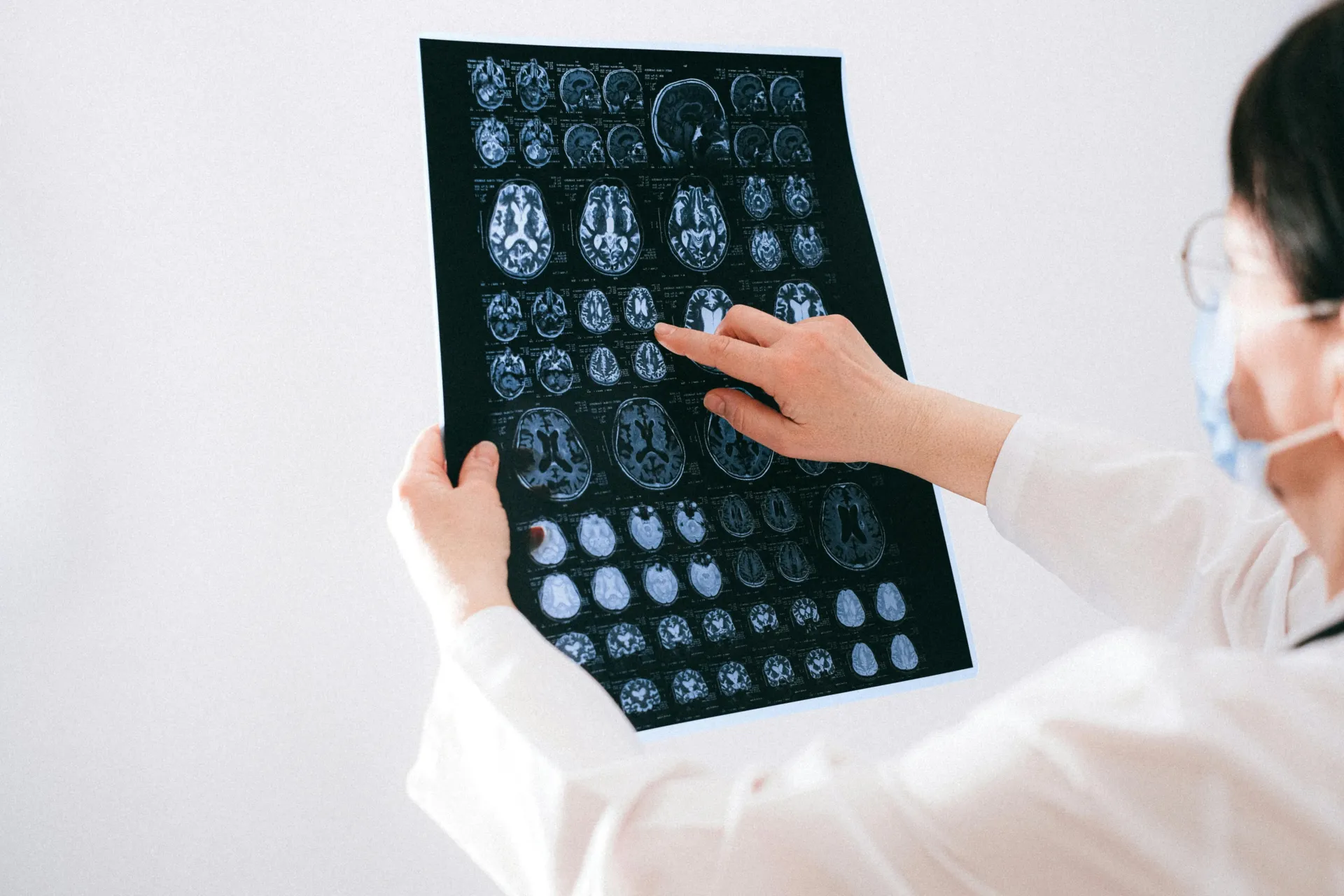
Best Neurologist in Dubai: Complete Guide
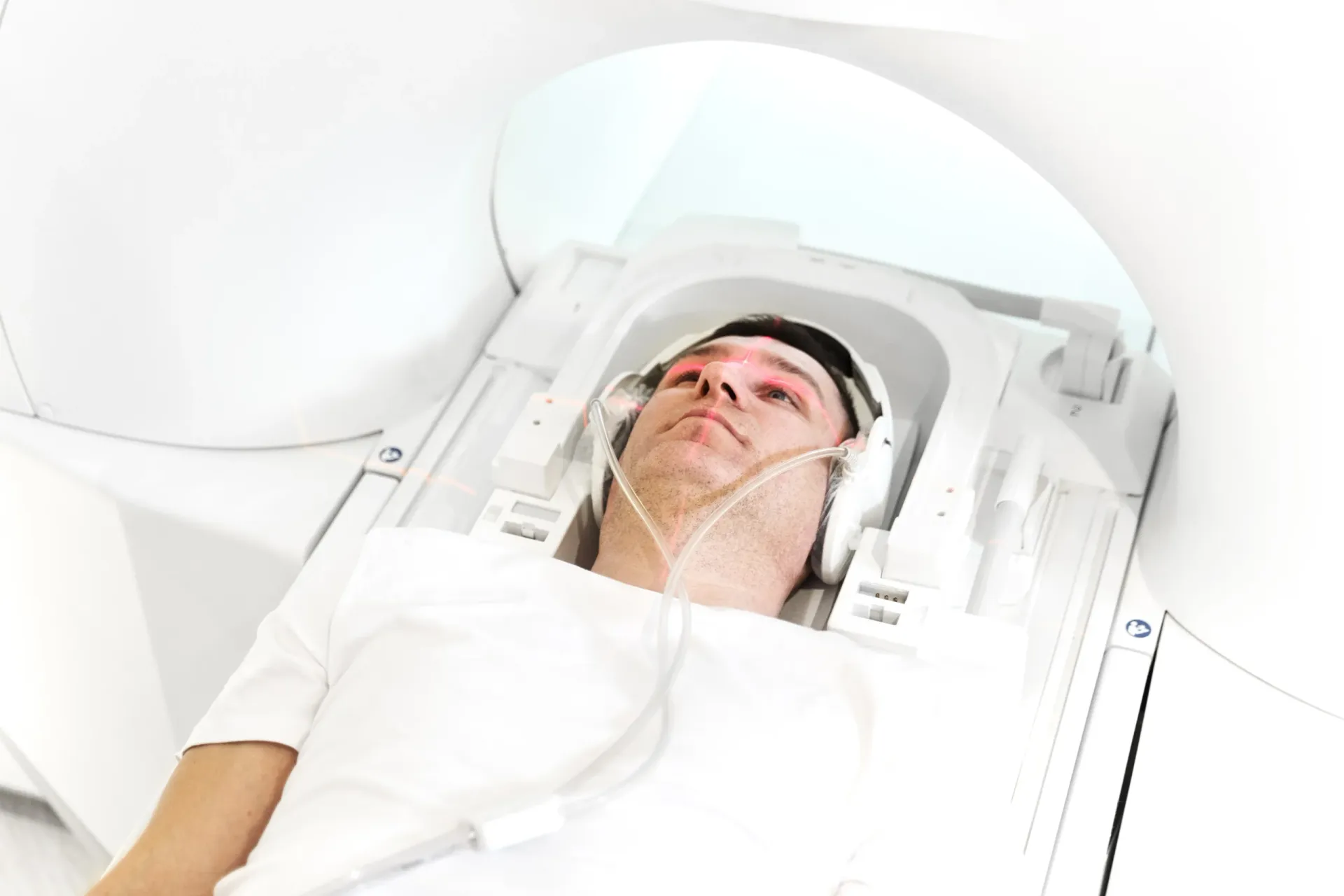
Brain MRI for Headaches and Migraines
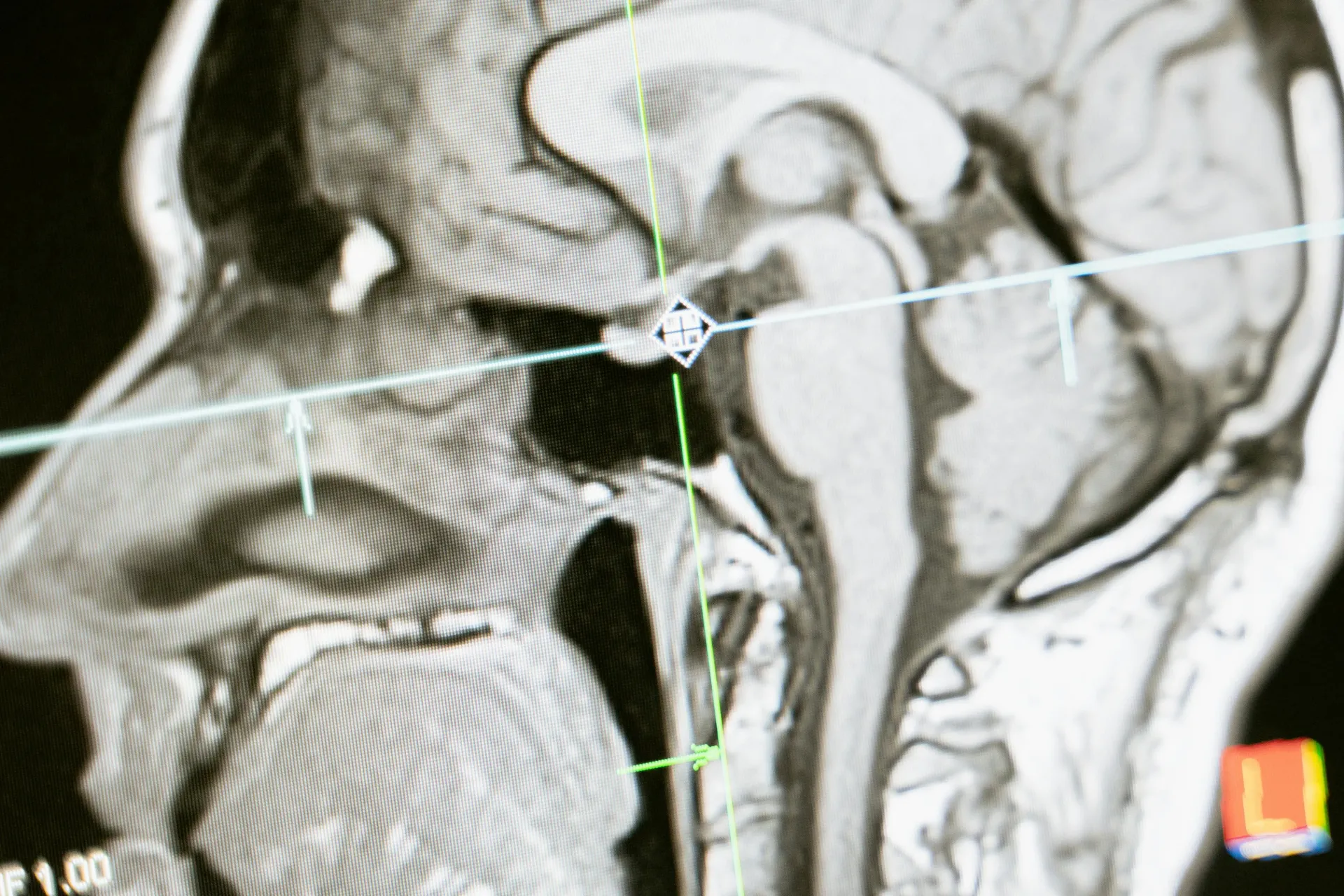
Stroke Warning Signs You Must Know
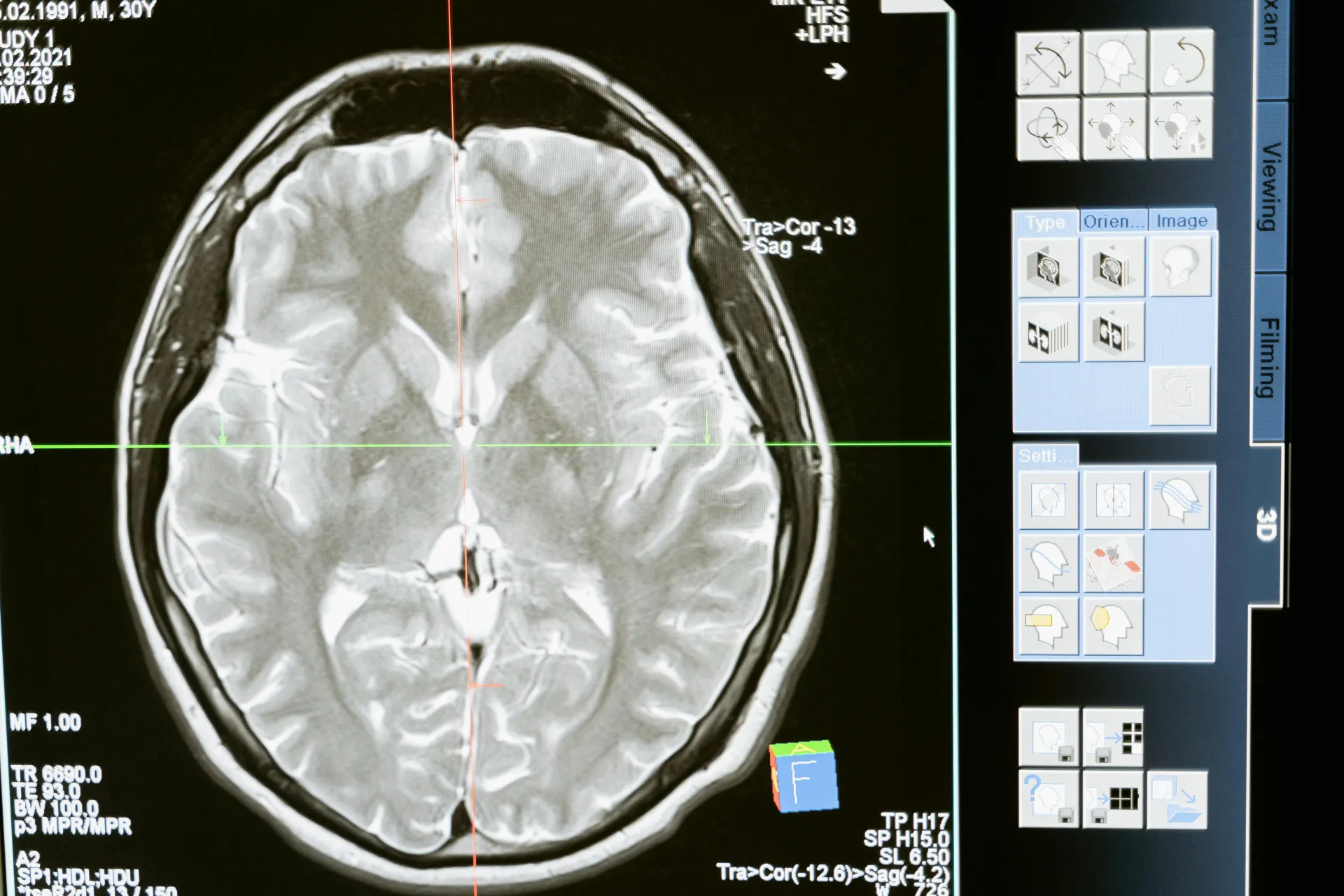
Vertigo Treatment in Dubai
More in Neurology
Migraine vs Headache Dubai: Key Differences (2026)
مزید پڑھیںWhen to See a Neurologist in Dubai (2026)
مزید پڑھیںNeurologist Cost Dubai: From AED 500 (2026)
مزید پڑھیںBest Neurologist in Dubai: Dr. Heike Jacobs at DCDC (2026)
مزید پڑھیںGerman Neurologist in Dubai: Dr. Heike Jacobs at DCDC (2026)
مزید پڑھیںNeurologist in Dubai Healthcare City: Dr. Heike Jacobs at DCDC (2026)
مزید پڑھیں© 2026 Doctors Clinic Diagnostic Center (DCDC), Dubai Healthcare City. Originally published at https://doctorsclinicdubai.ae/blog/migraine-specialist-dubai. All rights reserved. Unauthorized reproduction is prohibited.