
اہم نکات
- دبئی کی گرمی گردوں کی پتھری کا خطرہ بڑھاتی ہے، اس لیے ہلکے رنگ کا پیشاب پیدا کرنے کے لیے روزانہ 2.5-3.5 لیٹر پانی پینے کا ہدف رکھیں
- 10% یو اے ای کے رہائشی گردوں کی پتھری کا تجربہ کریں گے؛ روک تھام کے بغیر 50% کو 5-10 سال میں ایک اور ہوگی
- ذیابیطس اور ہائی بلڈ پریشر دائمی گردوں کی بیماری کی اہم وجوہات ہیں، اس لیے سالانہ معائنہ کروائیں
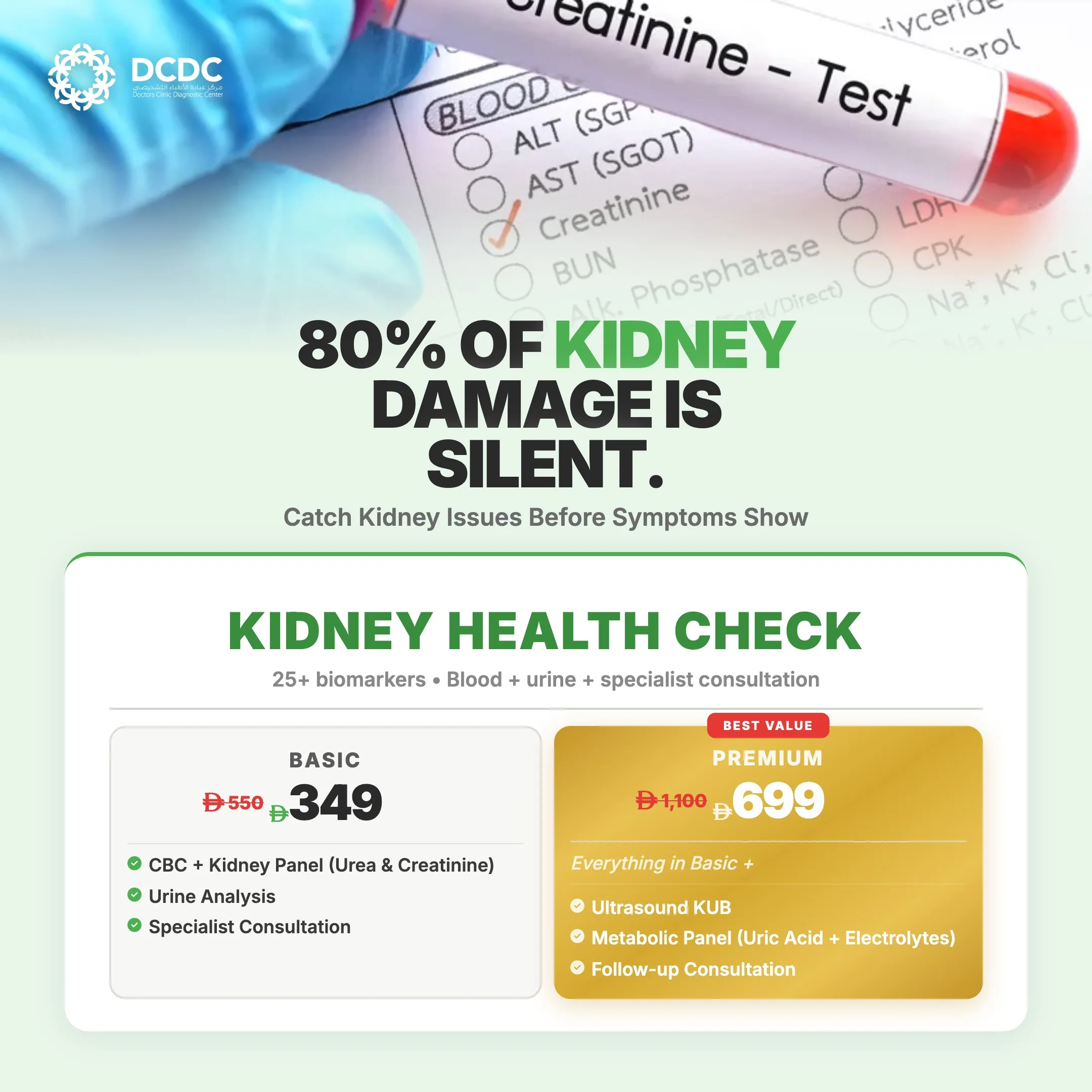
- ابتدائی گردوں کی بیماری کی کوئی علامات نہیں ہوتیں؛ سادہ خون اور پیشاب کا ٹیسٹ شدید نقصان سے پہلے مسائل کا پتہ لگا سکتا ہے
- این ایس اے آئی ڈیز (آئبوپروفین) کا باقاعدہ استعمال گردوں کو نقصان پہنچا سکتا ہے، خاص طور پر پانی کی کمی کے ساتھ۔ جب ممکن ہو پیراسیٹامول استعمال کریں
- غذائی کیلشیم محفوظ ہے؛ جب تک مشورہ نہ دیا جائے دودھ کی مصنوعات کم نہ کریں۔ اس کے بجائے، نمک، چینی اور اضافی پروٹین کم کریں
آپ کے گردے ہر روز تقریباً 180 لیٹر خون فلٹر کرتے ہیں، فضلہ نکالتے ہیں، سیالوں کو متوازن کرتے ہیں اور بلڈ پریشر کو کنٹرول کرتے ہیں۔ پھر بھی زیادہ تر لوگ گردوں کی صحت کے بارے میں اس وقت تک نہیں سوچتے جب تک کچھ غلط نہ ہو جائے۔ دبئی کی شدید گرمی میں، جہاں پانی کی کمی عام ہے اور گردوں کی پتھری بار بار ہوتی ہے، ان اہم اعضاء کی حفاظت کیسے کریں یہ سمجھنا ضروری ہے۔


یو اے ای میں گردوں کے مسائل اتنے عام کیوں ہیں
یو اے ای میں دنیا میں گردوں کی پتھری کی سب سے زیادہ شرحوں میں سے کچھ ہیں، اور دائمی گردوں کی بیماری تیزی سے پھیل رہی ہے۔ کئی عوامل اس میں حصہ ڈالتے ہیں:
- شدید گرمی: اے سی کے ساتھ بھی، آپ جتنا سوچتے ہیں اس سے زیادہ سیال کھو دیتے ہیں
- دائمی پانی کی کمی: بہت سے لوگ بس کافی پانی نہیں پیتے
- ذیابیطس کا پھیلاؤ: یو اے ای میں دنیا کی سب سے زیادہ ذیابیطس کی شرحوں میں سے ایک ہے، اور ذیابیطس گردوں کی ناکامی کی نمبر 1 وجہ ہے
- ہائی بلڈ پریشر: اکثر بغیر تشخیص اور بغیر علاج، جو خاموش گردوں کا نقصان کرتا ہے
- غذائی عوامل: زیادہ نمک، زیادہ پروٹین، میٹھے مشروبات
- دوائیوں کا زیادہ استعمال: پانی کے بغیر باقاعدہ درد کش دوائیوں کا استعمال
یو اے ای میں تقریباً 10 میں سے 1 شخص اپنی زندگی میں گردوں کی پتھری کا تجربہ کرے گا، موسم اور غذائی عوامل کی وجہ سے عالمی اوسط سے کافی زیادہ شرح کے ساتھ۔ — یو اے ای وزارت صحت
گردوں کی پتھری: دبئی کی آب و ہوا میں روک تھام
گردوں کی پتھری اس وقت بنتی ہے جب مرتکز پیشاب میں معدنیات ٹھوس ماس میں کرسٹلائز ہو جاتے ہیں۔ پتھری گزرنے کا درد اکثر ولادت سے بھی بدتر بیان کیا جاتا ہے۔ اچھی خبر: زیادہ تر پتھریوں کو روکا جا سکتا ہے۔
ہائیڈریشن: سب سے اہم واحد عامل
دبئی کی آب و ہوا میں، آپ کو جتنا سوچتے ہیں اس سے زیادہ پینا ہوگا:
- ہدف: روزانہ 2.5-3.5 لیٹر سیال
- مقصد: پیشاب ہلکا پیلا، تقریباً صاف ہونا چاہیے
- وقت: سارا دن پئیں، ایک ہی بار میں نہیں
- گرمی: مقدار بڑھائیں، خاص طور پر باہر رہنے یا ورزش کرنے پر
- تجویز: اپنی میز پر پانی کی بوتل رکھیں اور یاددہانیاں سیٹ کریں
غذائی تبدیلیاں جو پتھری کا خطرہ کم کرتی ہیں
- نمک کم کریں: زیادہ سوڈیم پیشاب میں کیلشیم بڑھاتا ہے؛ پروسیسڈ کھانوں سے بچیں
- معتدل پروٹین: ضرورت سے زیادہ جانوروں کا پروٹین پتھری کا خطرہ بڑھاتا ہے
- ترش پھل شامل کریں: لیموں، لائم اور مالٹے میں سائٹریٹ ہوتا ہے، جو پتھری کی تشکیل روکتا ہے
- عام کیلشیم کھائیں: غذائی کیلشیم دراصل آکسالیٹ کو باندھتا ہے اور پتھری کا خطرہ کم کرتا ہے
- آکسالیٹس کم کریں: اگر پتھری کا رجحان ہے تو پالک، رہوبارب، چقندر اور گری دار میوے معتدل رکھیں
- میٹھے مشروبات سے بچیں: سوڈا میں فرکٹوز پتھری کا خطرہ بڑھاتا ہے
دودھ کے بارے میں حیران کن حقیقت: گردوں کی پتھری والے بہت سے لوگ یہ سوچ کر دودھ سے پرہیز کرتے ہیں کہ کیلشیم پتھری کا سبب بنتا ہے۔ دراصل، غذائی کیلشیم آنتوں میں آکسالیٹ کو باندھ کر گردوں کی پتھری کے خطرے کو کم کرتا ہے۔ جب تک آپ کے ڈاکٹر نے خاص طور پر مشورہ نہ دیا ہو، دودھ کو محدود نہ کریں۔ تاہم، کیلشیم سپلیمنٹس کھانے کے ساتھ نہ لینے پر خطرہ بڑھا سکتے ہیں۔
دائمی گردوں کی بیماری: خاموش خطرہ
دائمی گردوں کی بیماری (سی کے ڈی) یو اے ای میں لاکھوں لوگوں کو متاثر کرتی ہے، اور زیادہ تر کو پتہ نہیں ہوتا کہ انہیں یہ ہے جب تک بیماری بڑھ نہ جائے۔ جب تک علامات ظاہر ہوتی ہیں، گردوں کا کافی فنکشن پہلے ہی ضائع ہو چکا ہوتا ہے۔
سی کے ڈی کے خطرے میں کون ہے؟
- ذیابیطس: دنیا بھر میں گردوں کی ناکامی کی سب سے بڑی وجہ
- ہائی بلڈ پریشر: وقت کے ساتھ گردوں کی خون کی نالیوں کو نقصان پہنچاتا ہے
- خاندانی تاریخ: گردوں کی بیماری اکثر خاندانوں میں چلتی ہے
- 60 سال سے زیادہ عمر: عمر کے ساتھ گردوں کا فنکشن قدرتی طور پر کم ہوتا ہے
- موٹاپا: ذیابیطس اور ہائی بلڈ پریشر کا خطرہ بڑھاتا ہے
- تمباکو نوشی: گردوں کے نقصان کو تیز کرتا ہے
- این ایس اے آئی ڈیز کا بار بار استعمال: باقاعدہ درد کش دوائیوں کا استعمال گردوں کو نقصان پہنچا سکتا ہے
ذیابیطس اور ہائی بلڈ پریشر مل کر تمام دائمی گردوں کی بیماری کے تقریباً 70% کیسز کا سبب ہیں۔ ان حالات کو کنٹرول کرنا آپ کے گردوں کی حفاظت کا سب سے مؤثر طریقہ ہے۔ — نیشنل کڈنی فاؤنڈیشن
گردوں کی بیماری کی انتباہی علامات
ابتدائی سی کے ڈی میں اکثر کوئی علامات نہیں ہوتیں۔ جب علامات ظاہر ہوتی ہیں، ان میں شامل ہو سکتے ہیں:
- تھکاوٹ اور کمزوری (خون کی کمی سے)
- ٹخنوں، پیروں، ہاتھوں یا چہرے میں سوجن
- جھاگ دار یا بلبلے والا پیشاب (پیشاب میں پروٹین)
- پیشاب میں خون (گلابی یا کولا رنگ)
- بار بار پیشاب آنا، خاص طور پر رات کو
- پیشاب کی مقدار میں کمی
- مسلسل خارش
- بھوک نہ لگنا، متلی
- توجہ مرکوز کرنے میں دشواری
- ہائی بلڈ پریشر جو کنٹرول کرنا مشکل ہو
گردوں کے فنکشن ٹیسٹ: کیا توقع کریں
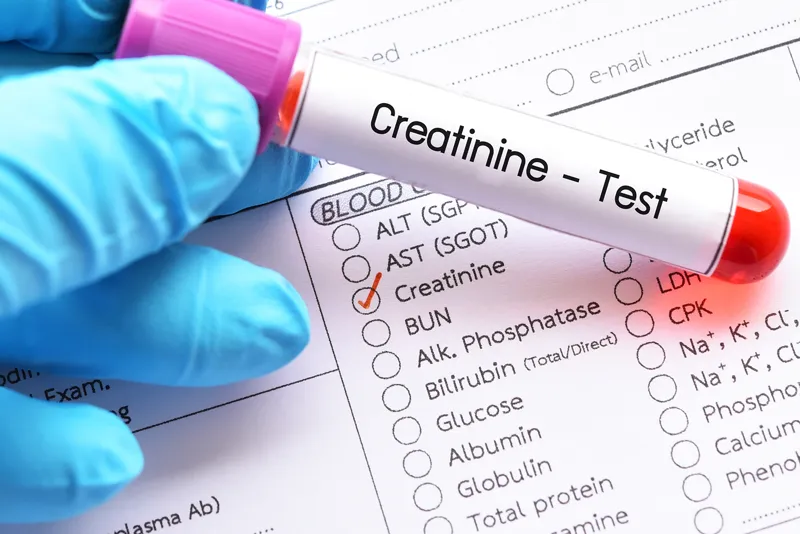
گردوں کے فنکشن کا اندازہ سادہ خون اور پیشاب کے ٹیسٹوں سے لگایا جاتا ہے۔ یہ ہے کہ وہ کیا ناپتے ہیں:
خون کے ٹیسٹ
- کریٹینین: گردوں کے ذریعے فلٹر کیا جانے والا فضلہ؛ زیادہ سطح کم فنکشن کی نشاندہی کرتی ہے
- ای جی ایف آر: تخمینی گلومیرولر فلٹریشن ریٹ، گردوں کے فنکشن کی بہترین مجموعی پیمائش
- بی یو این: بلڈ یوریا نائٹروجن، ایک اور فضلہ
- الیکٹرولائٹس: سوڈیم، پوٹاشیم، کیلشیم (گردے انہیں متوازن کرتے ہیں)
پیشاب کے ٹیسٹ
- البومین/پروٹین: پیشاب میں پروٹین گردوں کے نقصان کی ابتدائی علامت ہے
- خون: خوردبینی خون گردوں یا پیشاب کی نالی کے مسائل کی نشاندہی کر سکتا ہے
- یورین البومین ٹو کریٹینین ریشو (یو اے سی آر): ابتدائی ذیابیطس گردوں کی بیماری کا پتہ لگاتا ہے
دبئی میں گردوں کے ٹیسٹ کی لاگت (2025)
| ٹیسٹ | قیمت کی حد (درہم) |
|---|---|
| بنیادی کڈنی پینل (کریٹینین، بی یو این) | 100 - 200 |
| جامع رینل پینل | 200 - 400 |
| یورین البومین (مائیکرو البومین) | 80 - 150 |
| گردوں کا الٹراساؤنڈ | 400 - 700 |
| ماہر امراض گردہ مشاورت | 400 - 600 |
اپنے گردوں کی حفاظت: عملی اقدامات
1. ہائیڈریٹ رہیں
دبئی میں اس کی اہمیت پر کافی زور نہیں دیا جا سکتا۔ اپنے ساتھ پانی رکھیں، فون ریمائنڈرز سیٹ کریں، اور اپنے پیشاب کے رنگ کی نگرانی کریں۔
2. ذیابیطس اور بلڈ پریشر کنٹرول کریں
اگر آپ کو ذیابیطس ہے تو اپنا HbA1c 7% سے نیچے رکھیں۔ اگر آپ کو ہائی بلڈ پریشر ہے تو 130/80 سے نیچے بلڈ پریشر کا ہدف رکھیں۔ یہ دونوں حالتیں زیادہ تر گردوں کی بیماری کا سبب بنتی ہیں، اور انہیں کنٹرول کرنا گردوں کے فنکشن کو برقرار رکھتا ہے۔
3. درد کش دوائیں سمجھداری سے استعمال کریں
این ایس اے آئی ڈیز (آئبوپروفین، نیپروکسین، ڈائکلوفینیک) باقاعدہ استعمال سے گردوں کو نقصان پہنچا سکتی ہیں، خاص طور پر اگر آپ پانی کی کمی کا شکار ہیں۔ دائمی درد کے لیے، اپنے ڈاکٹر سے متبادل پر بات کریں۔ پیراسیٹامول عام طور پر گردوں کے لیے محفوظ ہے۔
4. تمباکو نوشی نہ کریں
تمباکو نوشی گردوں کے نقصان کو تیز کرتی ہے اور گردوں کے کینسر کا خطرہ بڑھاتی ہے۔ چھوڑنا نہ صرف آپ کے پھیپھڑوں بلکہ آپ کے گردوں کی بھی حفاظت کرتا ہے۔
5. باقاعدہ معائنہ کروائیں
اگر آپ کے خطرے کے عوامل ہیں (ذیابیطس، ہائی بلڈ پریشر، خاندانی تاریخ، 60 سال سے زیادہ عمر)، سالانہ گردوں کے فنکشن ٹیسٹ کروائیں۔ ابتدائی پتہ لگانا ناقابل واپسی نقصان سے پہلے علاج کی اجازت دیتا ہے۔
ماہر امراض گردہ سے کب ملیں
آپ کو گردوں کے ماہر (نیفرولوجسٹ) سے ملنا چاہیے اگر آپ کے پاس:
- ای جی ایف آر 60 سے نیچے (معتدل گردوں کی بیماری)
- پیشاب میں مسلسل پروٹین
- دوسری وجوہات کو مسترد کرنے کے بعد پیشاب میں خون
- بار بار گردوں کی پتھری
- ہائی بلڈ پریشر جو کنٹرول کرنا مشکل ہو
- گردوں کی ناکامی کی خاندانی تاریخ
- گردوں کے فنکشن میں تیزی سے کمی
اپنے گردوں کی صحت کے بارے میں فکرمند ہیں؟
دبئی ہیلتھ کیئر سٹی میں ڈاکٹرز کلینک ڈائگناسٹک سینٹر میں، ہماری ماہرین امراض گردہ ٹیم خون کے ٹیسٹ، پیشاب کے تجزیے اور گردوں کے الٹراساؤنڈ سمیت جامع گردوں کا جائزہ پیش کرتی ہے۔ ہم پتھری کی روک تھام کے پروگرام اور سی کے ڈی کا انتظام فراہم کرتے ہیں۔
DCDC میں متعلقہ خدمات
دبئی ہیلتھ کیئر سٹی میں ماہرانہ دیکھ بھال اور جدید تشخیص
Frequently Asked Questions
آخری خیالات
گردوں کی صحت کو اکثر اس وقت تک نظرانداز کیا جاتا ہے جب تک مسائل پیدا نہ ہوں، لیکن روک تھام علاج سے کہیں آسان ہے۔ دبئی کی آب و ہوا میں، ہائیڈریٹ رہنا آپ کے گردوں کے لیے سب سے اہم کام ہے جو آپ کر سکتے ہیں۔ باقاعدہ معائنہ، بلڈ پریشر کنٹرول، اور سمجھداری سے دوائیوں کے استعمال کے ساتھ مل کر، آپ گردوں کی پتھری اور دائمی گردوں کی بیماری کے اپنے خطرے کو نمایاں طور پر کم کر سکتے ہیں۔
اگر آپ کو ذیابیطس، ہائی بلڈ پریشر، یا گردوں کے مسائل کی خاندانی تاریخ ہے تو علامات کا انتظار نہ کریں۔ سالانہ ٹیسٹ کروائیں اور ان اہم اعضاء کی حفاظت کے لیے اپنی صحت کی ٹیم کے ساتھ کام کریں۔ ابتدائی پتہ لگانا اور طرز زندگی میں تبدیلیاں دہائیوں تک گردوں کے فنکشن کو محفوظ رکھ سکتی ہیں۔
ذرائع اور حوالہ جات
یہ مضمون ہماری طبی ٹیم نے جائزہ لیا ہے اور درج ذیل ذرائع کا حوالہ دیتا ہے:
- دبئی ہیلتھ اتھارٹی - گردوں کی بیماری کی روک تھام کی مہم
- یو اے ای وزارت صحت اور روک تھام - دائمی گردوں کی بیماری کے رہنما اصول
- ایمریٹس نیفرولوجی سوسائٹی - کلینیکل معیارات
- سی کے ڈی کے لیے کے ڈی آئی جی او کلینیکل پریکٹس گائیڈلائنز
- نیشنل کڈنی فاؤنڈیشن - مریضوں کے وسائل
اس سائٹ پر طبی مواد کا جائزہ DHA لائسنس یافتہ ڈاکٹرز نے لیا ہے۔ ہماری دیکھیں تحریری پالیسی مزید معلومات کے لیے۔

تحریر
ڈاکٹر منیش تریپاٹھی
مشاورتی ماہر امراض گردہ
ایم ڈی، ڈی ایم نیفرولوجی
ڈاکٹر منیش تریپاٹھی دائمی گردوں کی بیماری، گردوں کی پتھری کی روک تھام اور ڈائیلاسز مینجمنٹ میں مہارت رکھنے والے مشاورتی ماہر امراض گردہ ہیں۔ وہ ڈی سی ڈی سی دبئی ہیلتھ کیئر سٹی میں پریکٹس کرتے ہیں۔
متعلقہ مضامین
ذیابیطس کا انتظام: اپنے گردوں کی حفاظت

ہائی بلڈ پریشر: خاموش گردوں کا قاتل
ایگزیکٹو ہیلتھ چیک اپ: اس میں کیا شامل ہے
More in Nephrology
© 2026 Doctors Clinic Diagnostic Center (DCDC), Dubai Healthcare City. Originally published at https://doctorsclinicdubai.ae/blog/kidney-health-prevention-tips. All rights reserved. Unauthorized reproduction is prohibited.